50 Front Yard Landscape Ideas to Elevate Your Curb Appeal Effortlessly

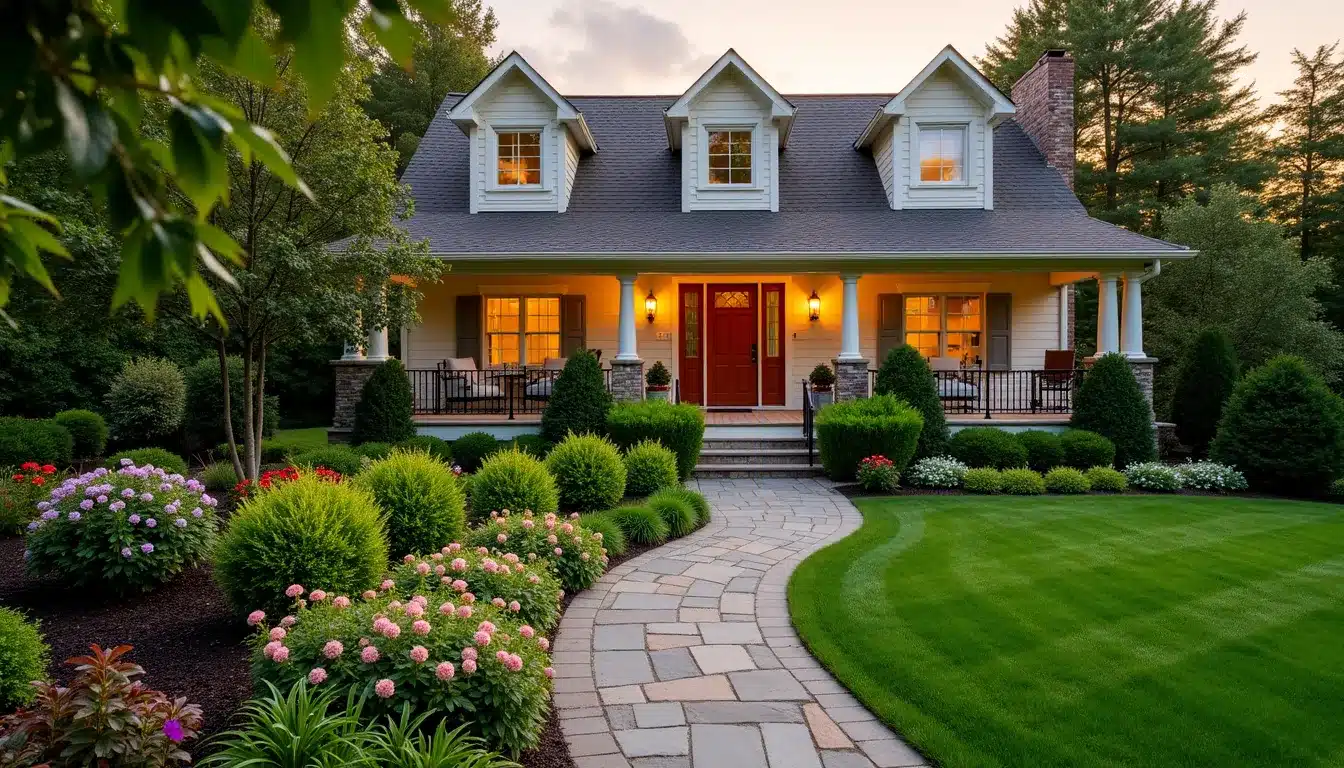
Your front yard sets the stage for the first impression of your home, offering an inviting glimpse into your personal style. Whether you’re drawn to lush greenery, vibrant flowers, or modern minimalism, front yard landscaping offers endless possibilities to enhance your home’s curb appeal. Let’s explore 50 inspiring ideas to transform your landscape into a welcoming oasis.
Welcoming Front Pathways
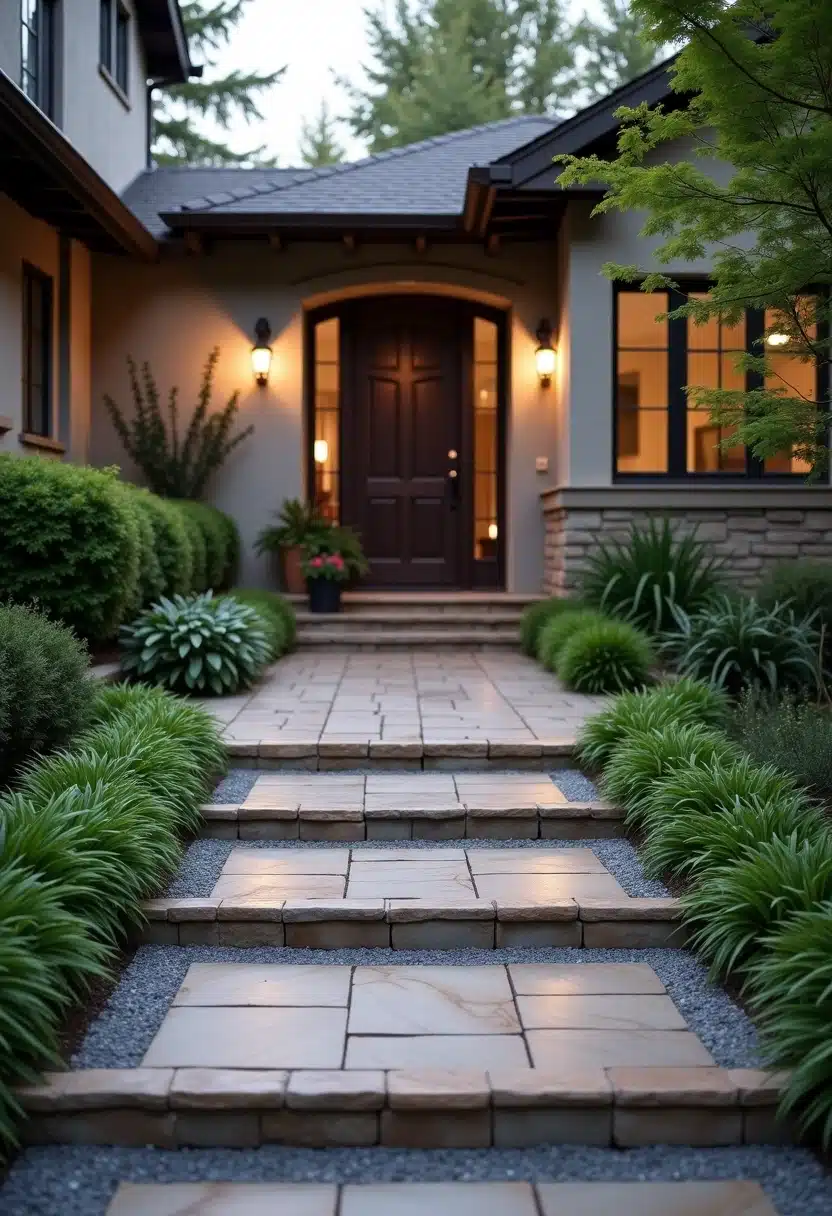
Creating inviting front pathways is a fantastic way to enhance your home’s curb appeal. Consider using materials like stone, gravel, or brick to craft a path that guides guests to your front door gracefully. The texture and color of these materials add charm and character to your entrance, making it more welcoming. Each element of the path can complement your house’s overall aesthetic, creating a seamless transition from outdoors to indoors.
Thoughtful design is key to an effective pathway. Use curves and gentle lines to naturally lead the eye toward your front door. Incorporate elements like plants or lighting to frame the path and create an inviting ambiance. These features not only enhance the visual appeal but also provide a functional and safe way for guests to navigate your garden.
Lush Green Lawns
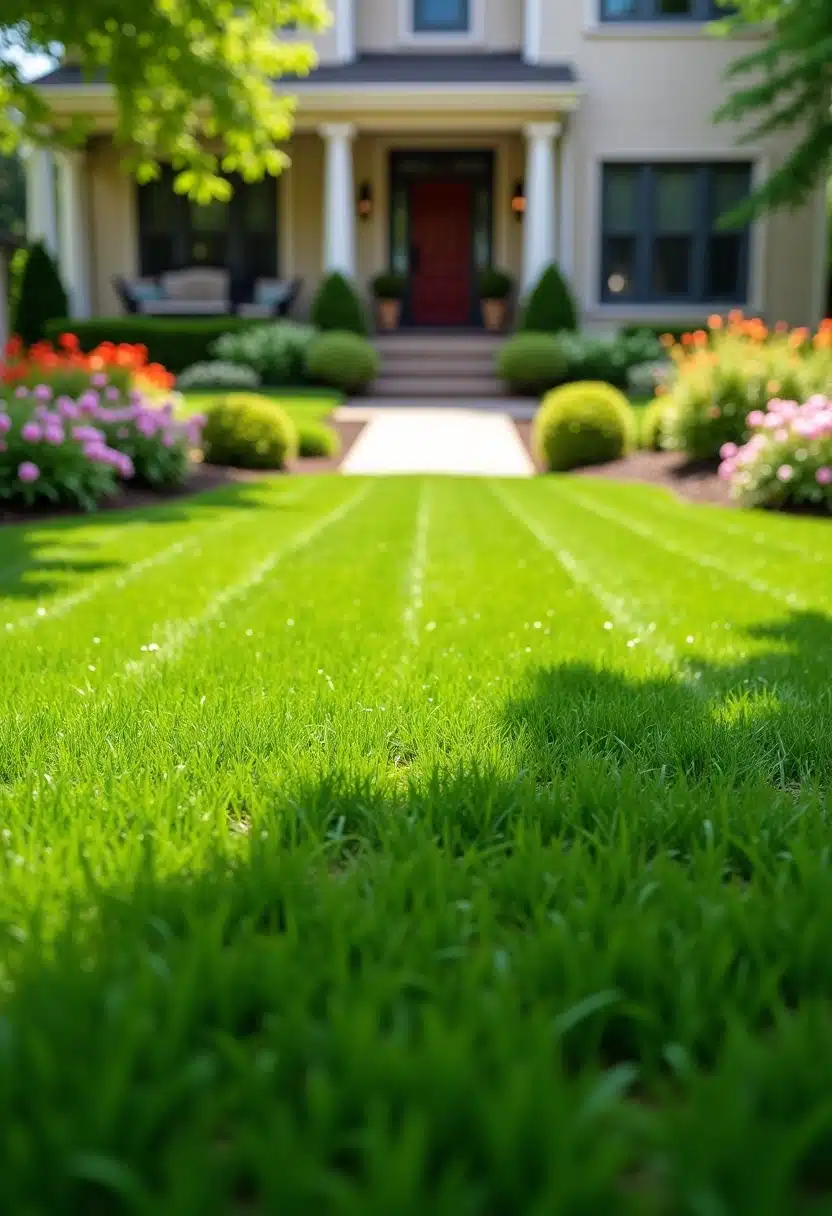
A lush green lawn can enhance the facade of your home, providing a picturesque setting that can make you proud as you welcome guests. Different types of grass offer varying textures and shades. For example, you might consider Bermuda grass for its drought resistance, or Kentucky bluegrass for its rich color and adaptability. A healthy lawn serves as a charming backdrop for other landscaping features.
Maintaining a vibrant lawn requires consistent care. Watering deeply but infrequently encourages roots to grow deeper, enhancing drought tolerance. Regular mowing helps keep the growth even and discourages weeds. Fertilizing during the growing season provides the nutrients your grass needs to stay healthy. A well-maintained lawn not only beautifies your space but also elevates your property’s value.
While planning your lush lawn, why not pair it with colorful flower beds to add more visual interest? Combining these elements creates a balanced aesthetic that is harmonious with your front pathways, offering a seamless transition as guests approach your door. A carefully curated lawn contributes to your overall landscape design, blending functionality with natural beauty.
Colorful Flower Beds

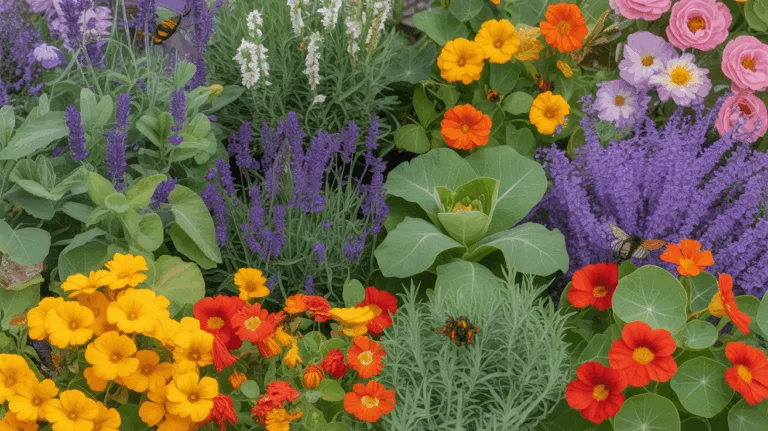
Creating colorful flower beds in your front yard can transform your home’s curb appeal, adding vibrant hues and a welcoming atmosphere. Selecting the right plants is crucial for achieving visual impact. Consider using a mix of perennials and annuals to ensure color throughout the seasons. Look for native varieties that thrive in your climate, as they are often easier to maintain.
When designing your flower beds, think about the arrangement for maximum effect. Layer plants with varying heights to create depth and interest. Place taller plants like sunflowers or delphiniums at the back, and shorter ones, such as marigolds or alyssum, toward the front. This technique helps to showcase each plant’s vibrant colors, enhancing the overall appearance.
Seasonal blooms should be part of your planning strategy. Incorporate early spring bulbs like tulips and daffodils to start the color season, followed by summer blossoms such as petunias and zinnias. For fall, consider chrysanthemums and asters to maintain your yard’s visual appeal. Careful selection and arrangement will keep your flower beds dazzling year-round.
Symmetrical Planting
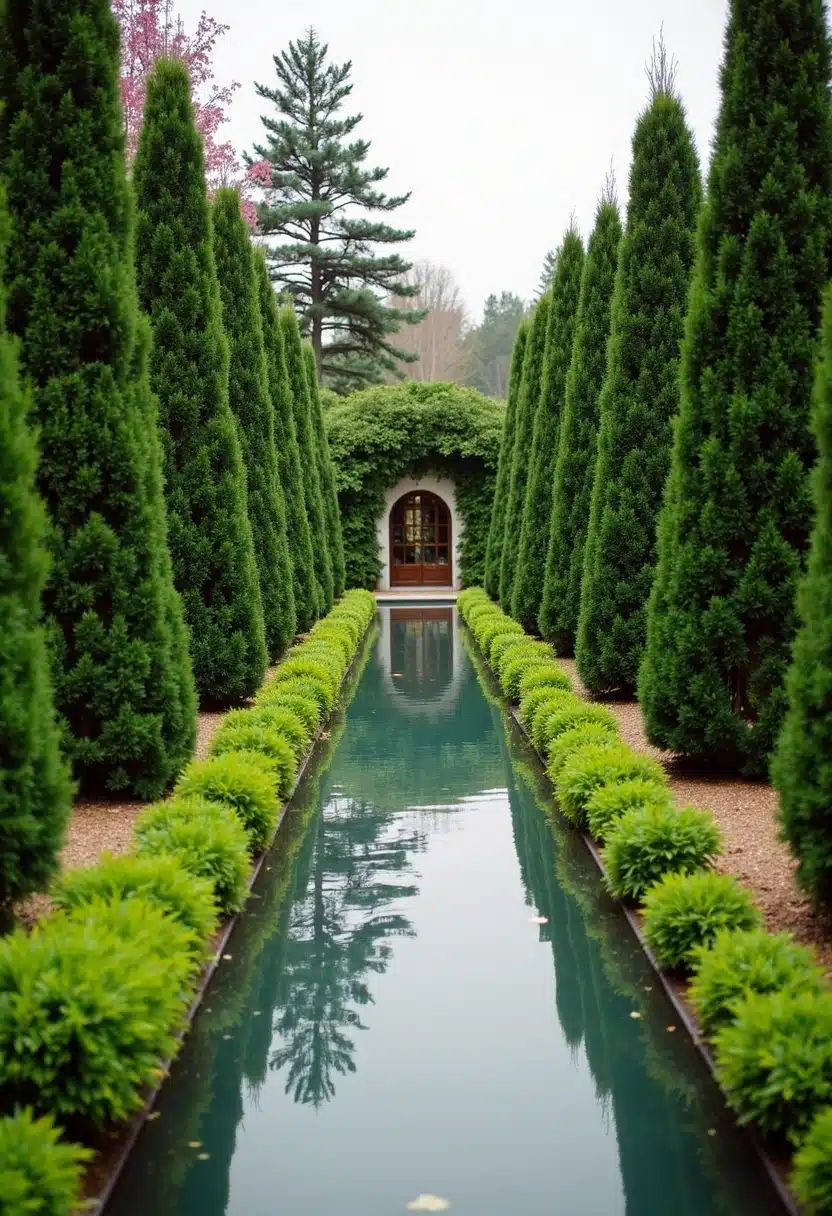
Symmetrical planting offers an elegant touch to front yard landscaping by providing a sense of balance and harmony. By using matching plants on either side of a pathway or entrance, you can create a formal and inviting atmosphere. This technique often employs shrubs, topiaries, or columnar trees, which are easy to shape and maintain. Start by assessing your space and determining the focal point.
Carefully select plants that complement each other and thrive in the same environment to ensure uniform growth. Choosing plants with similar care needs makes maintenance easier and ensures that one side doesn’t overpower the other. Pay attention to the size, color, and texture of your plant choices to keep the aesthetic consistent and pleasing to the eye.
Incorporating hardscape elements like symmetrical stone pathways or matching planters further enhances the formal look. These elements provide structure and can guide the eye towards the entryway. Reflect on how lighting can impact the overall balance, using identical fixtures on both sides to frame the landscape elegantly.
Modern Minimalist Gardens
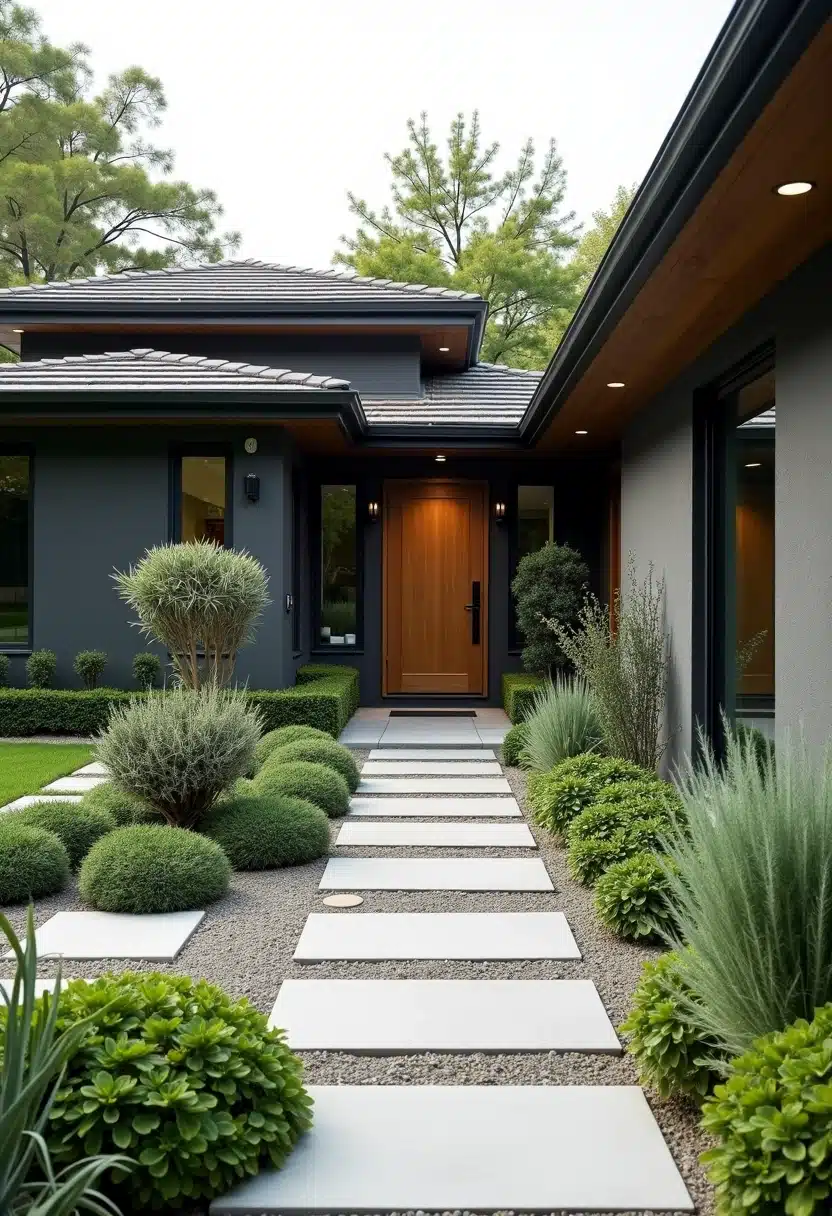
Modern minimalist gardens offer a fresh and sleek approach to front yard design. With a focus on simplicity, these gardens emphasize clean lines and open spaces. Plant choices are crucial; opt for those with architectural appeal like succulents or ornamental grasses. These bring texture without clutter. The use of low-maintenance plants adds to the clean look, making it easy to maintain.
Geometric shapes play a big role in achieving a minimalist aesthetic. Hardscape elements like pathways or planters can be designed into squares or rectangles. This structured approach gives the space a balanced and organized feel. Maintaining negative space is key, allowing each element in the garden to stand out. This enhances the overall appeal and serenity of the space.
To accomplish a minimalist look, pay attention to color. Choose a limited palette, often sticking to shades of green or neutral tones. Accents can be introduced through materials like concrete or gravel. The result is a modern and sophisticated front yard that reflects a sense of order and harmony. Whether small or large, this garden style is adaptable to any space.
Rustic Stone Features
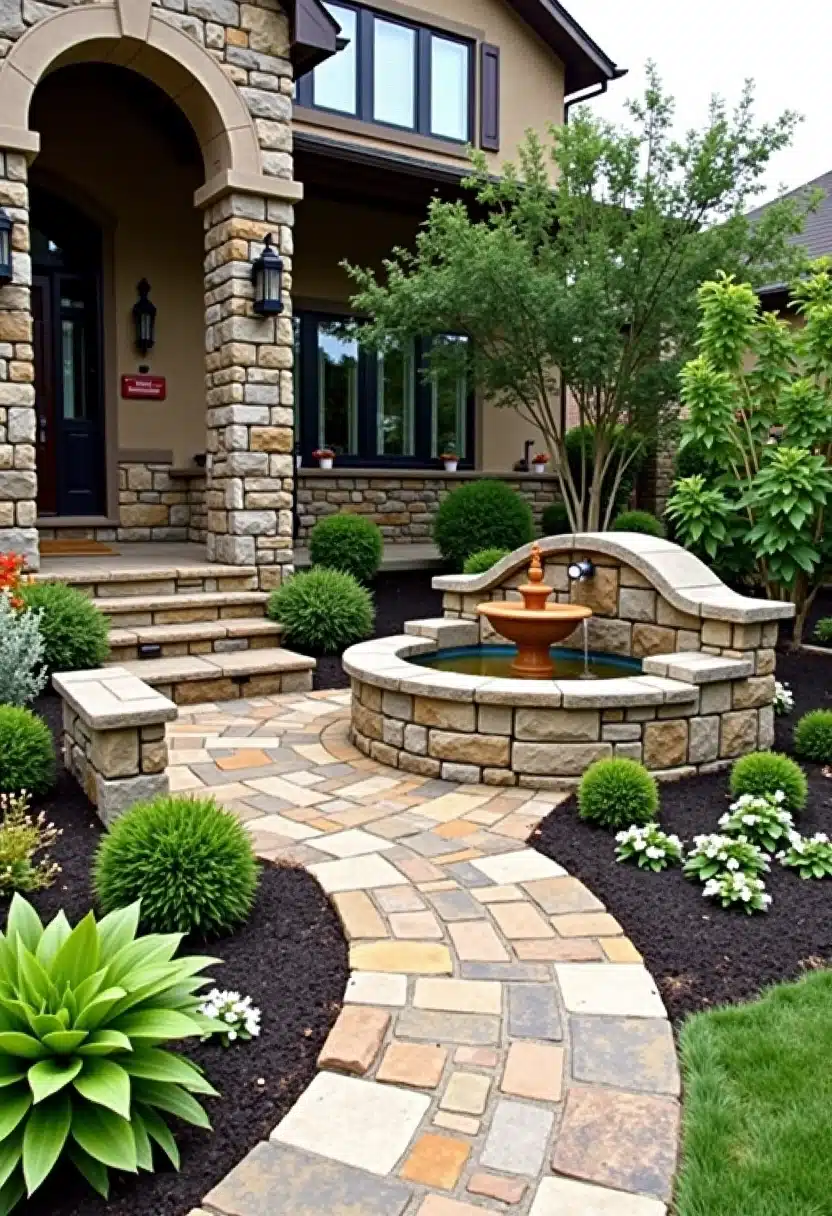
Incorporating rustic stone features in your front yard brings a natural elegance that blends well with the landscape. Stone walls define boundaries or create interesting focal points, providing both structure and beauty. Their earthy tones and textures add depth and can suit various styles, from countryside charm to modern elegance. Stones offer a timeless appeal, complementing any garden.
Consider installing stone benches for a practical yet decorative solution. These natural pieces enhance warmth and create inviting spaces to sit and enjoy your outdoor area. Stone fountains inject tranquility, with water elements adding soothing sounds and movement. The durability of stone means it withstands weather conditions while maintaining its allure over time.
Mixing stone features with greenery can transform the appearance of your front yard. Use stones to create pathways or as accents among flower beds. They enhance the visual interest and provide a balance between the natural elements. Experiment with different stone styles and arrangements to find what perfectly suits your outdoor personality and home architecture.
Elevated Planters
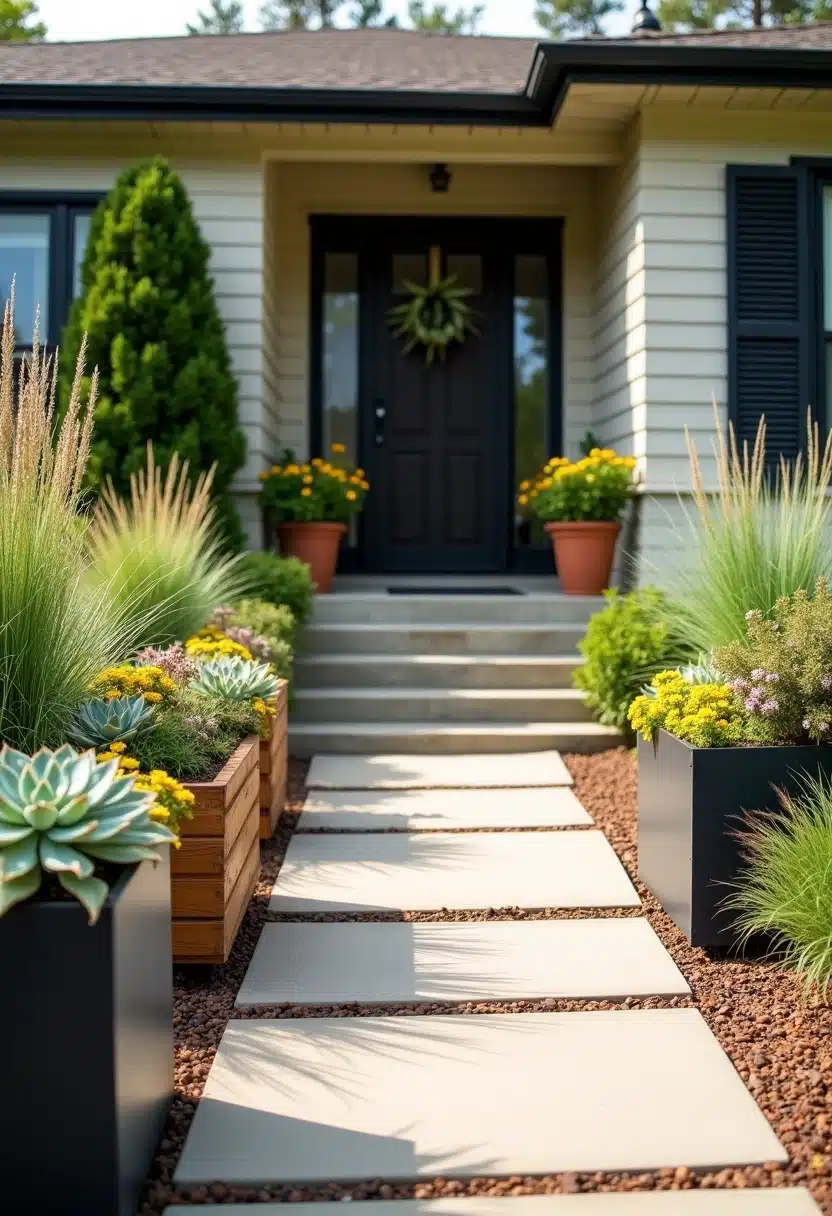
Elevated planters can transform your front yard into a multi-dimensional haven. By adding height, they create visual interest and draw attention to specific areas. Opt for materials like wood, metal, or stone for your planters, tailoring the look to match your home’s exterior. Consider sleek metal for a modern touch or rustic wood for a more traditional vibe.
Design choices for elevated planters are vast. You can line pathways, frame doorways, or create stunning tiered arrangements. When selecting plants, aim for those that thrive in raised beds like succulents, ornamental grasses, or cascading flowers. These choices ensure your planters are vibrant and lush throughout the seasons, adding charm and color to the landscape.
Raised planters also offer practical benefits. They provide excellent drainage and warm faster in the spring, encouraging healthy plant growth. Moreover, they make gardening accessible, reducing the need to bend and kneel. Whether you’re showcasing a seasonal floral display or a permanent herb garden, elevated planters are a delightful addition to any front landscape.
Native Plant Landscapes

Embracing native plants in your front yard is a smart way to enhance the landscape while also supporting the environment. These plants are adapted to the local climate, which means they thrive with minimal intervention. This can translate to less time spent on watering, fertilizing, and overall maintenance. Choosing native plants not only makes your front yard beautiful but also sustainable.
Native plants play a crucial role in supporting local wildlife. They provide food and shelter for native birds, butterflies, and pollinators, contributing to a balanced ecosystem. By incorporating these plants in your landscape design, you help maintain biodiversity and offer habitats for various species. It’s a rewarding way to make a positive impact on your community’s wildlife.
Incorporating native plants creates an authentic sense of place, reflecting the natural beauty of the region. They come in a variety of textures, colors, and shapes, allowing you to craft an aesthetically pleasing garden that feels cohesive with the surroundings. Explore native grasses, wildflowers, and shrubs to establish a vibrant, lively front yard that harmonizes with the local environment.
Charming Cottage Gardens
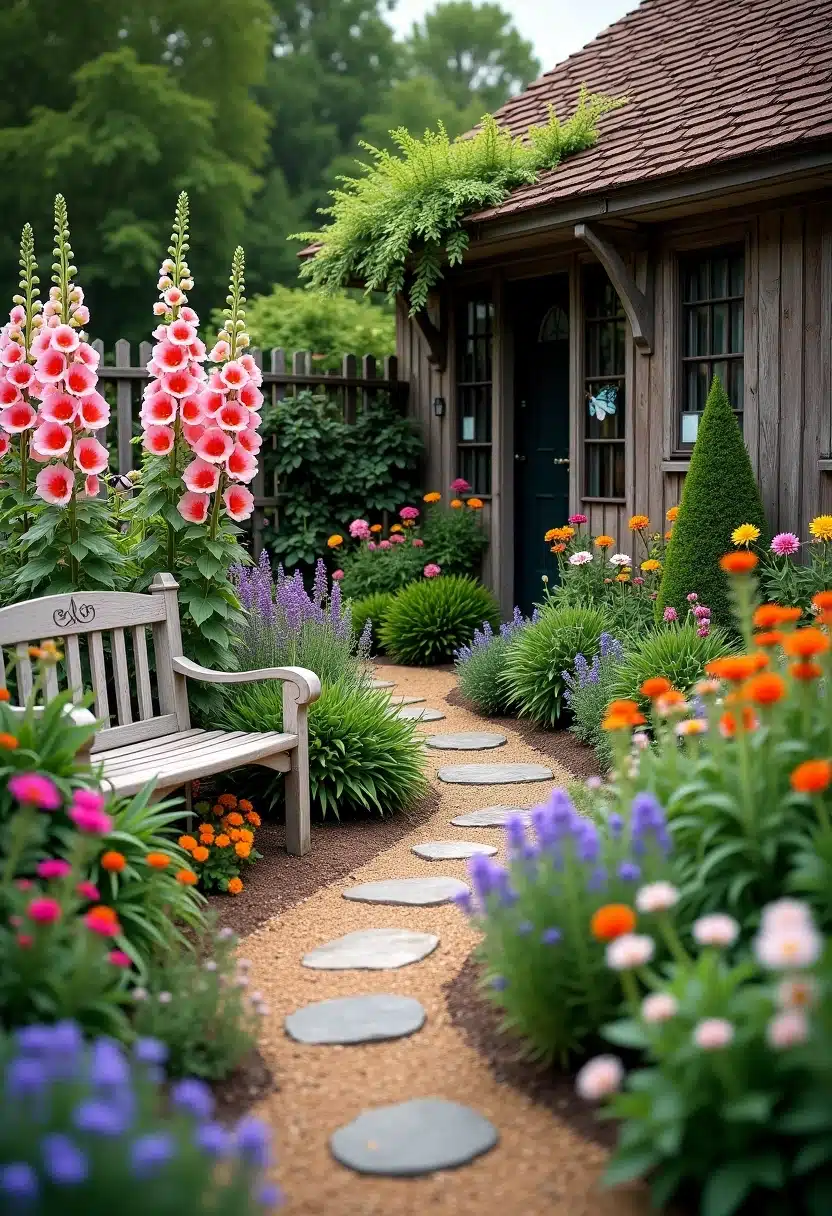
Step into the world of charming cottage gardens and bring a whimsical, storybook feel right to your front yard. Cottage gardens are all about using layered planting to create an overflowing, unstructured look. Choose a variety of plants that bloom at different times to keep your garden lively throughout the seasons. Mix perennials, annuals, and even quaint herbs to achieve a rich tapestry of colors and textures.
To enhance the storybook charm, focus on incorporating a range of heights and forms in your garden. Tall hollyhocks and delphiniums can provide vertical interest, while ground-hugging plants like creeping thyme add layers. Include quaint garden features like weathered benches or a rustic picket fence. Curved paths of stone or gravel can meander through your garden, inviting exploration and lending a fairytale atmosphere.
Finally, invite wildlife by including plants that attract birds and butterflies. Not only do they add movement and life, but they also foster a dynamic ecosystem. Choose flowers like lavender and daisies that appeal to pollinators, ensuring your garden remains lively and enchanting. With these elements, your front yard will naturally blend charm and functionality, crafting your very own slice of storybook paradise.
Japanese Zen Gardens
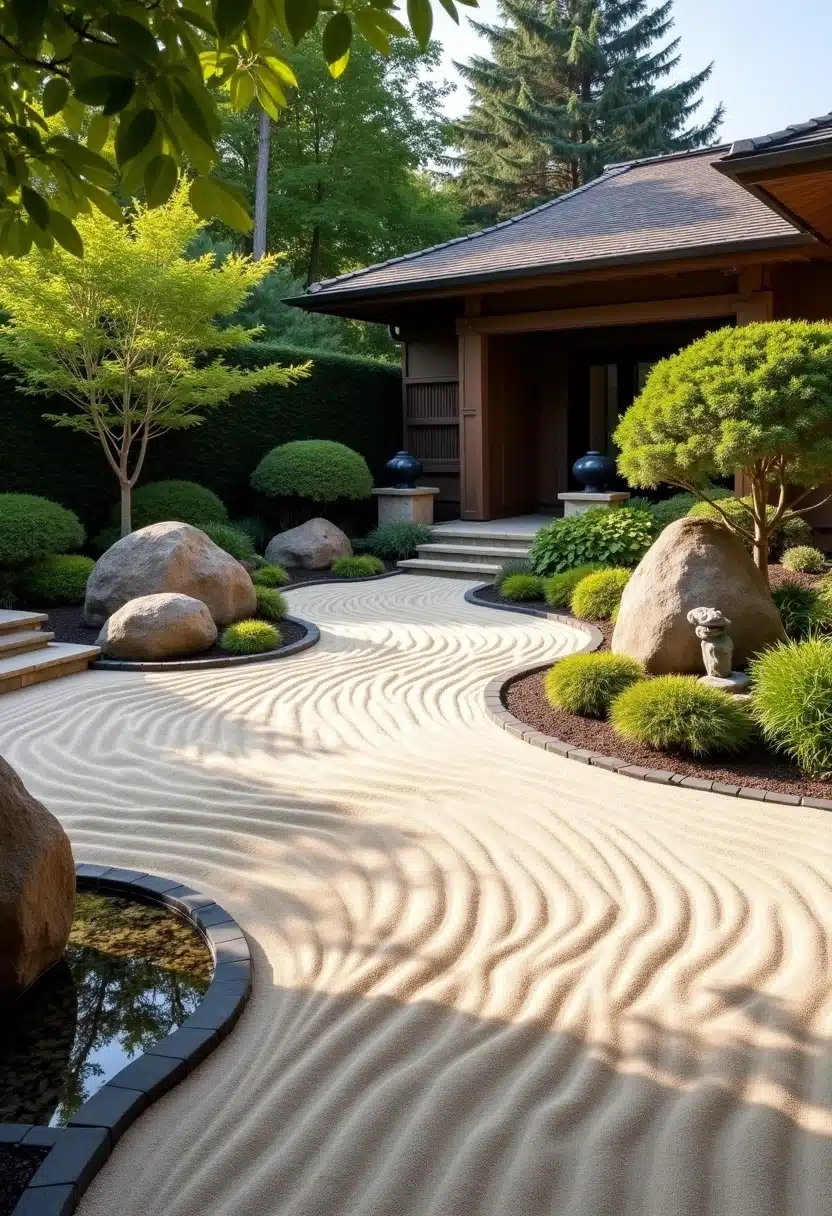
Immerse yourself in the calm of Japanese Zen gardens for your front yard. These gardens are meticulously designed to exude a sense of peace through their minimalist approach. Key elements include sand or gravel meticulously raked to represent water ripples, symbolizing serenity. Incorporating rock formations can suggest mountains or islands, adding depth with their varied shapes and textures.
Water features such as small ponds or fountains introduce a soothing auditory component. These elements, when combined, create a tranquil oasis that welcomes you and your guests. The simplicity and balance of a Zen garden make it an ideal choice for homeowners seeking a harmonious outdoor space that promotes relaxation and mindfulness.
A thoughtfully planned Zen garden doesn’t just rest in its physical components. Attention to detail in layout can guide natural light and shadows, enhancing the garden’s contemplative atmosphere. Adding a few strategically placed plants or a stone pathway can further the elegance and completion of this peaceful retreat. Embrace the Zen principles of simplicity and harmony to transform your front yard into a meditative sanctuary.
Sustainable Xeriscaping
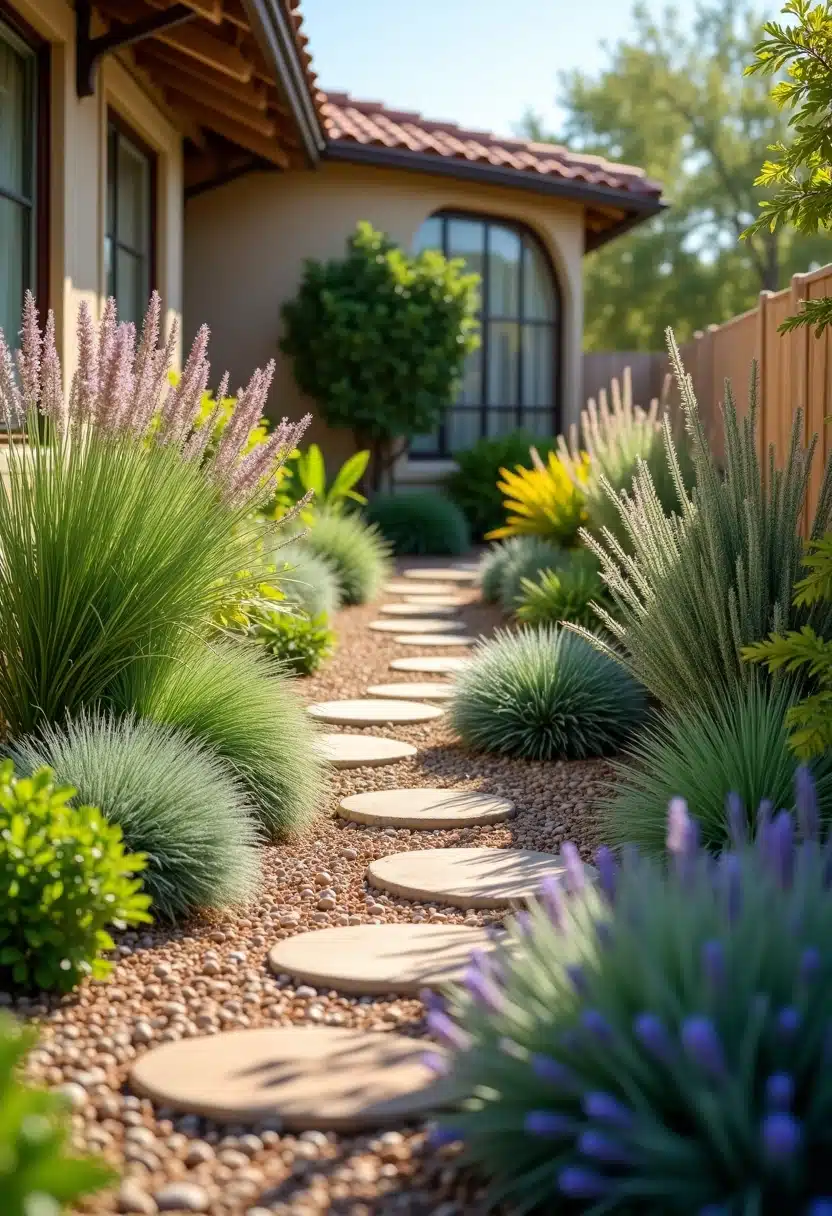
Embrace sustainability with xeriscaping techniques for your front yard. This method involves using drought-resistant plants, which require minimal watering and contribute to conservation efforts. From vibrant succulents to lively ornamental grasses, these plants thrive with minimal maintenance and naturally reduce water usage.
Drought-Resistant Plants
- Succulents
- Ornamental grasses
- Lavender
- Sage
Xeriscaping promotes efficient irrigation methods that target plant roots, minimizing water wastage. Consider drip irrigation systems that deliver water directly to the base of plants, ensuring that every drop counts. By using these systems, you can further reduce the need for excessive watering and create a self-sustaining green space.
Beyond the practical benefits, xeriscaping has a significant environmental impact. It reduces dependency on water resources and minimizes the risk of erosion and runoff. This landscaping technique not only beautifies your front yard but also helps support a healthy ecosystem by providing habitats for various local species.
Enchanting Lighting Solutions

Enhance the charm of your front yard with carefully chosen lighting solutions. Solar lights are a sustainable choice, illuminating your garden without increasing energy costs. They can easily be installed along pathways, creating a welcoming glow. Alternatively, consider low-voltage systems for a more traditional approach. Both options ensure safety and beauty, guiding guests while revealing your landscape’s nighttime appeal.
Pathway Lighting
Pathway lighting is a simple yet effective way to add dimension to your garden. Use low lights to outline walkways, adding depth and safety. This type of lighting creates a defined path, perfect for navigating your yard after dark. For a whimsical touch, stagger them unevenly to cast interesting shadows, creating a playful, inviting atmosphere.
Highlighting specific landscape features through lighting can truly elevate your yard’s visual impact. Use spotlights to accentuate features like statues, water elements, or unique plantings. Uplighting large trees or structures can create dramatic effects, casting intriguing silhouettes. With thoughtful illumination, your front yard becomes a captivating nighttime retreat, rich with contrast and texture.
Privacy with Hedges
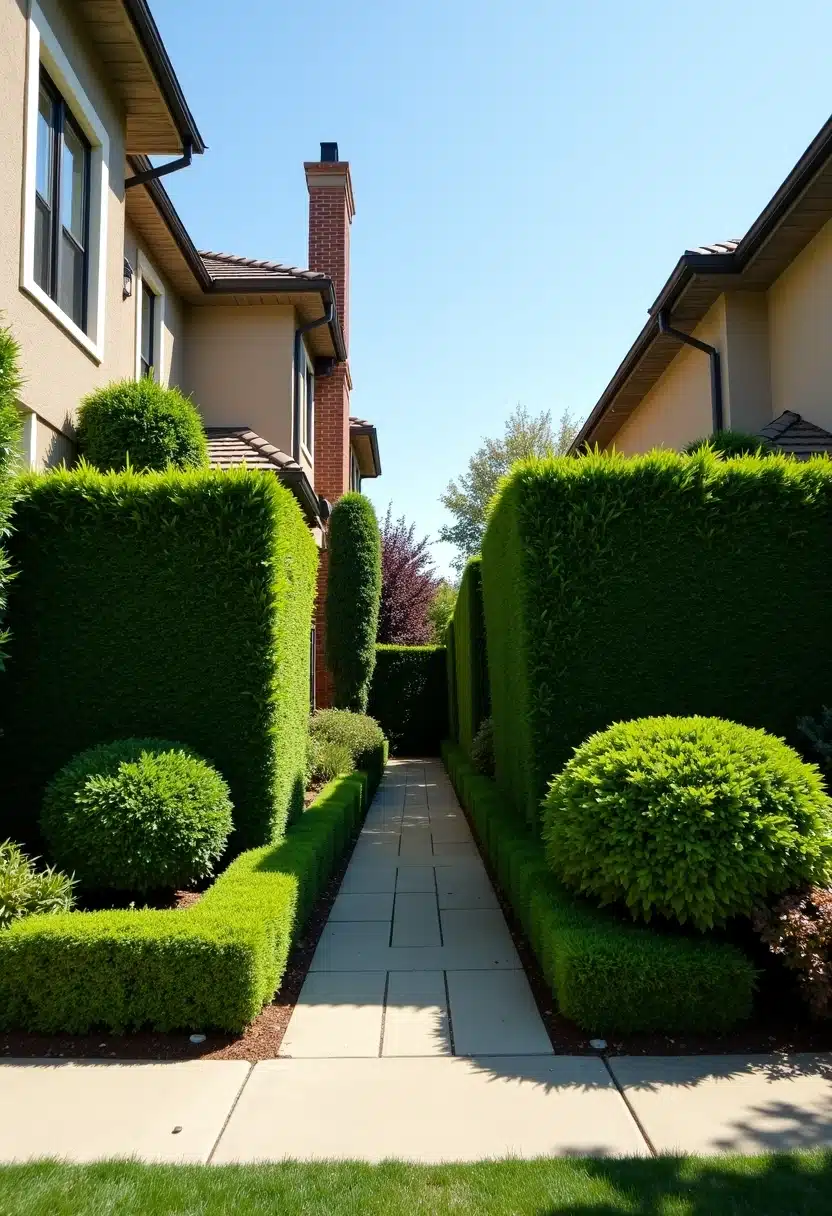
Hedges can transform your front yard into a serene sanctuary by offering both privacy and structure. These green barriers create a sense of seclusion, ideal for those who cherish tranquility. You can choose from various hedging plants to suit your aesthetic. Consider options like boxwood for a classic look or viburnum for lush fullness. These plants double as natural sound barriers, enhancing your outdoor experience.
Choosing the Right Hedge
Selecting the appropriate hedge species is crucial for achieving dense, healthy growth. Some popular choices include laurel, yew, and privet. These species are known for their robust growth and vibrant foliage. Ensure you choose a variety that aligns with your climate for optimal results. Proper planning makes all the difference in cultivating a vibrant, long-lasting hedge that complements your landscape perfectly.
Maintaining hedges requires regular care for vitality. Trim them periodically to promote even growth and prevent overgrowth. Use quality pruning tools to maintain clean cuts without damaging the plant. Watering and fertilizing your hedges appropriately keeps them lush and green. With consistent attention, your hedges will flourish, providing a stunning, structured backdrop to your front yard.
Welcoming Front Porches
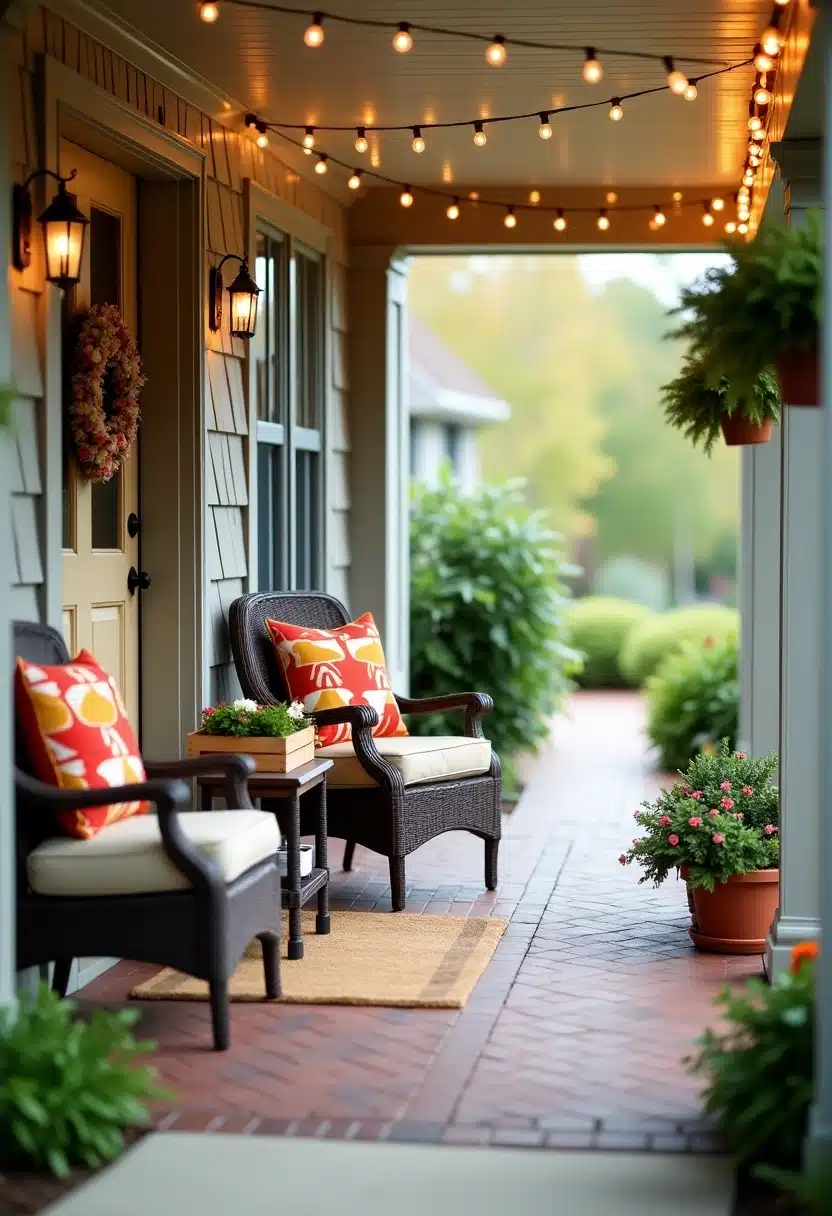
Creating a welcoming front porch starts with thoughtful furniture choices. Opt for comfortable seating like wicker chairs or a wooden bench that invites guests to sit and enjoy. Consider adding cushions with weather-resistant fabric for added comfort. A small side table can hold drinks or decorative items. Balance style and functionality to make your porch a perfect gathering spot.
Decorative elements add personality to your front porch. Hanging planters or a few potted plants can bring color and life. A doormat with a warm message or stylish design sets a positive tone. String lights or lanterns can enhance the ambiance, especially in the evenings. These small touches make your entrance feel special.
Creating an inviting entrance enhances your home’s overall appeal. Choose a charming door color that complements your home’s exterior. A wreath or door decor can reflect the season or your style. Ensure pathways connect seamlessly from the porch to your garden, bringing cohesion. These elements work together to create a space that feels both beautiful and welcoming.
Water Features for Tranquility
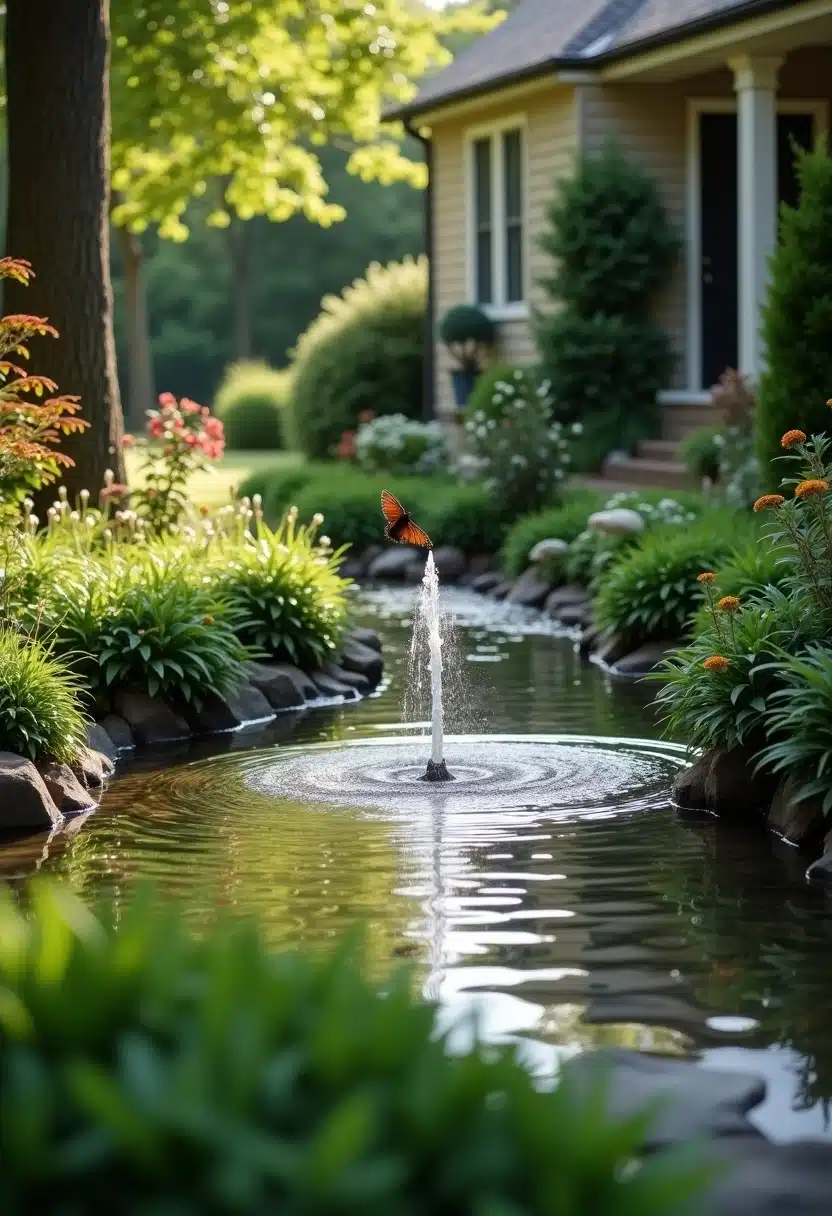
Incorporating water features like fountains or ponds can transform your front yard into a serene oasis. These elements bring a sense of tranquility, drawing attention with the gentle sound of flowing water. When considering placement, think about areas that naturally catch the eye or spots where you might relax.
Maintaining water features is surprisingly simple. Regular cleaning and ensuring adequate water levels are key. Additionally, the presence of water attracts wildlife, such as birds and butterflies, enhancing the sense of life in your landscape. These features not only soothe but also create a dynamic focal point, boosting the overall ambiance of your space.
Color Coordination with Home Exterior
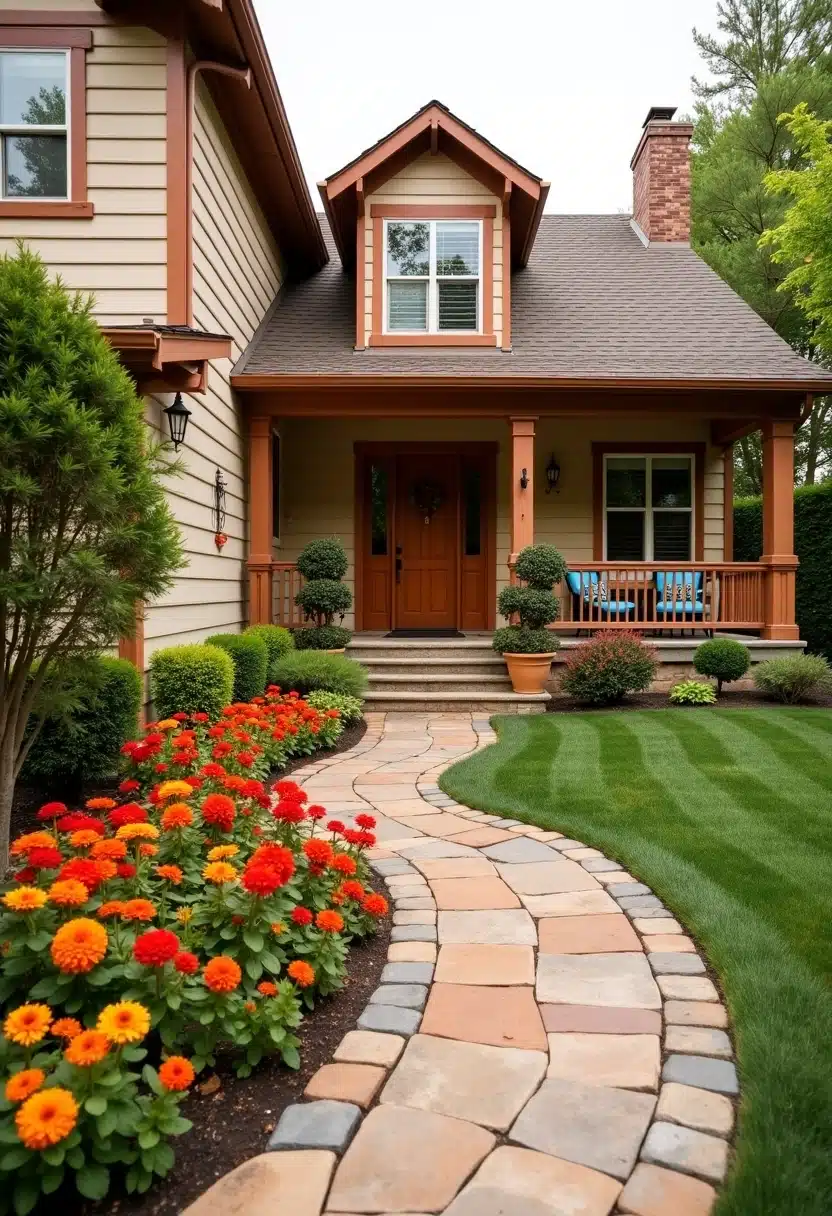
Coordinating your landscape’s color palette with your home’s exterior creates a unified and appealing look. Choose plants and materials that echo your home’s siding, trim, and roofing tones. If your house features warm hues like beige or terracotta, consider incorporating flowers in shades of red, orange, and yellow. For homes with cooler tones, such as gray or blue, plants with purple or white blossoms can harmonize beautifully.
When selecting materials, think about how they pair with your home’s exterior. Use stones or pavers that tie in with your roofing to create a cohesive look across pathways and garden borders. Blending similar tones fosters a seamless connection between your house and garden. Adding textures like wood or metal can also enrich your landscape’s visual interest without clashing with the building’s design.
Pay attention to your home’s architectural details as well. If you have distinctive trim or shutter colors, repeating those shades in plantings can add an extra layer of sophistication. For example, matching your trim’s color with flower pots or garden chairs highlights specific characteristics, integrating them into your outdoor design. This approach ensures that your front yard serves as a stylish extension of your home.
Sculptural Elements
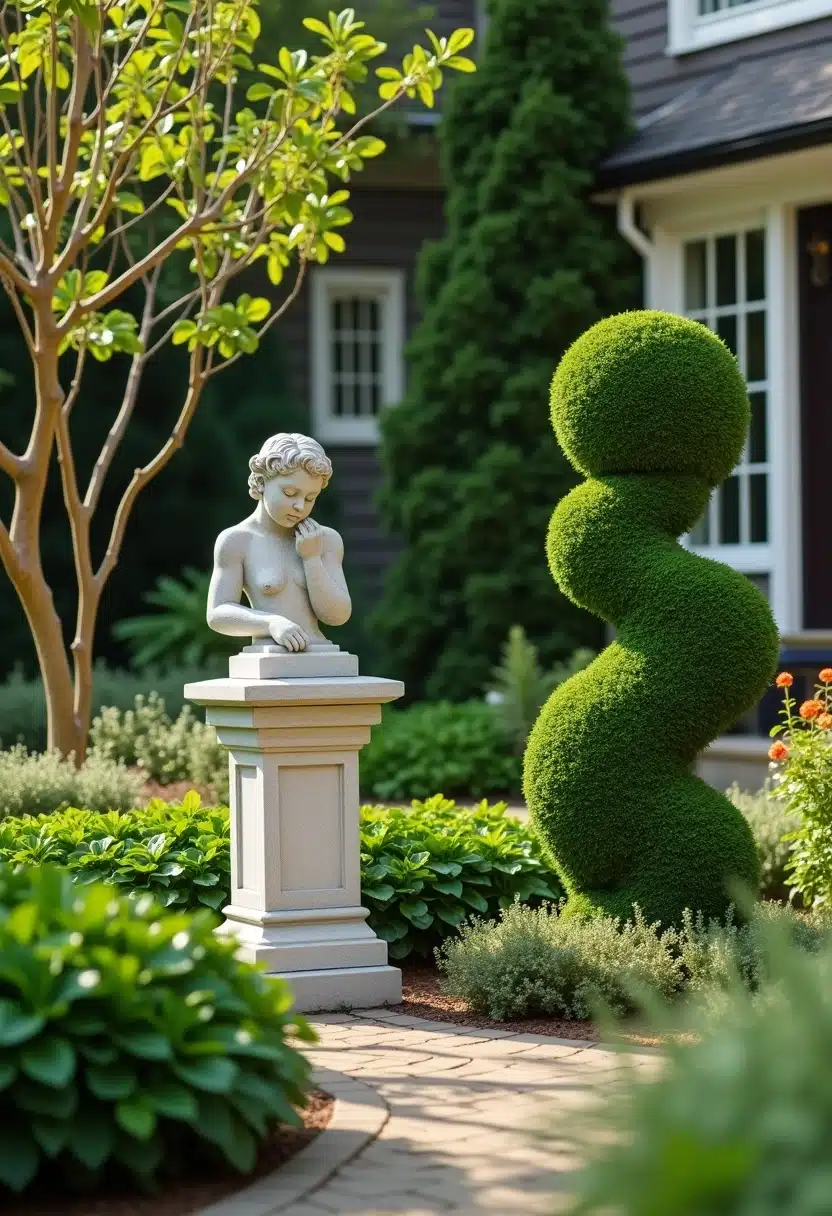
Sculptural elements in front yard landscaping can dramatically elevate the aesthetic appeal of your outdoor space. Statues and art pieces not only serve as focal points but also infuse your garden with personality. When selecting sculptures, opt for pieces that resonate with your personal style. Consider materials and sizes that will harmonize with existing plants and structures in your garden.
Topiary is another fantastic option, bringing a touch of whimsy and elegance to your front yard. These living sculptures—shaped from greenery—offer a dynamic blend of nature and art. Whether you choose classic geometric shapes or more playful animal forms, topiaries can define spaces within your landscape, invite curiosity, and create a cohesive look alongside other garden elements.
Integration of sculptural features should be thoughtful to avoid an overwhelming appearance. Space them appropriately and complement them with subtle lighting to enhance their visibility at night. This careful arrangement can maintain a balance between art and nature, ensuring that your front yard is both an art exhibit and a welcoming space for all.
Edible Front Yard Gardens
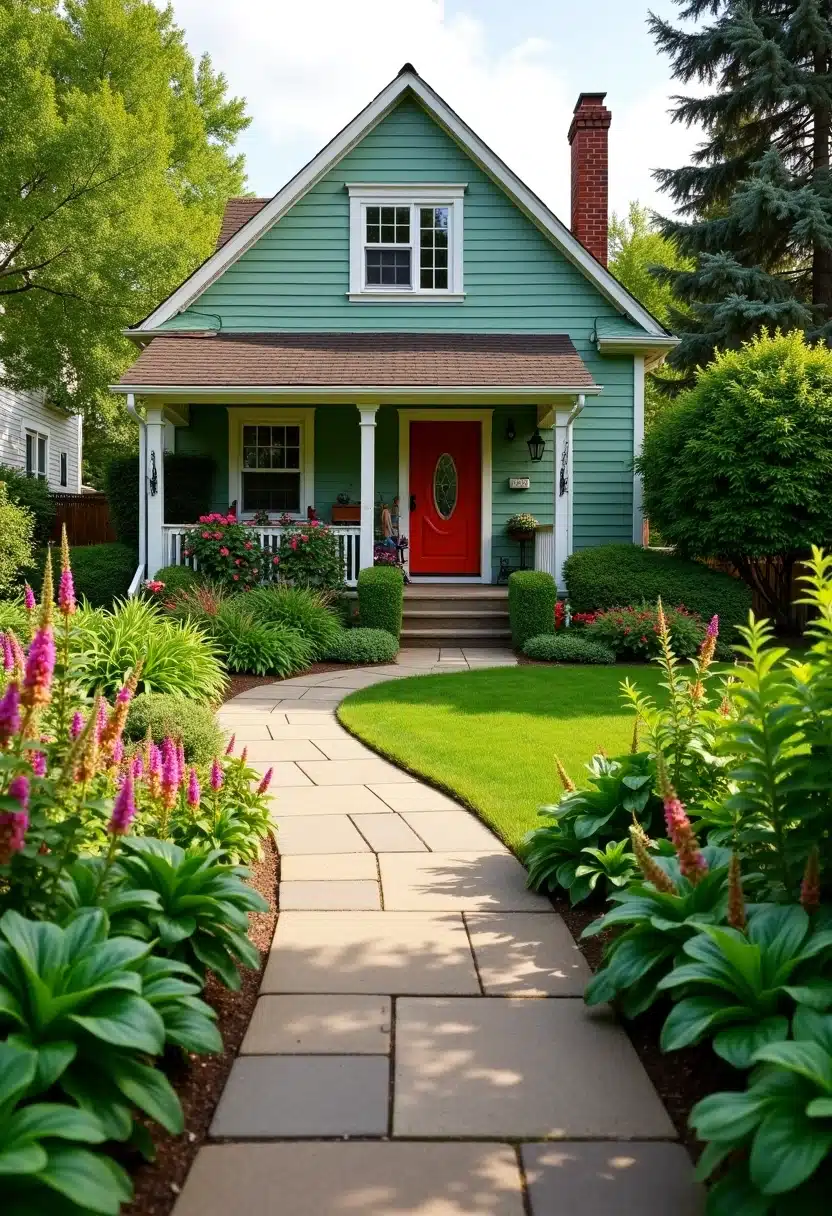
Transforming your front yard into a lush, edible garden combines aesthetics with practicality. By strategically planting fruits, vegetables, and herbs, you can enhance beauty and functionality. Consider mixing colorful vegetables like rainbow chard alongside decorative borders. Add compact fruit trees for structure and seasonal color. This approach not only supplies fresh produce but also adds visual interest to your landscape.
Incorporating edible plants requires thoughtful design to maintain an appealing front yard. Create structured paths with herbs like rosemary or thyme as fragrant ground covers. Use raised beds or pots to define spaces while adding height variation. Choose plants that complement each other visually and nutritionally, ensuring a harmonious blend of beauty and productivity.
Various edible plants can be integrated without compromising curb appeal. Consider a vertical garden along fences with climbing fruits, like strawberries or raspberries. Mix dwarf citrus trees with ornamental flowers to add color and fragrance. By balancing aesthetics with functionality, your front yard can become a vibrant and productive space, enhancing both your home and lifestyle.
Low-Maintenance Landscapes
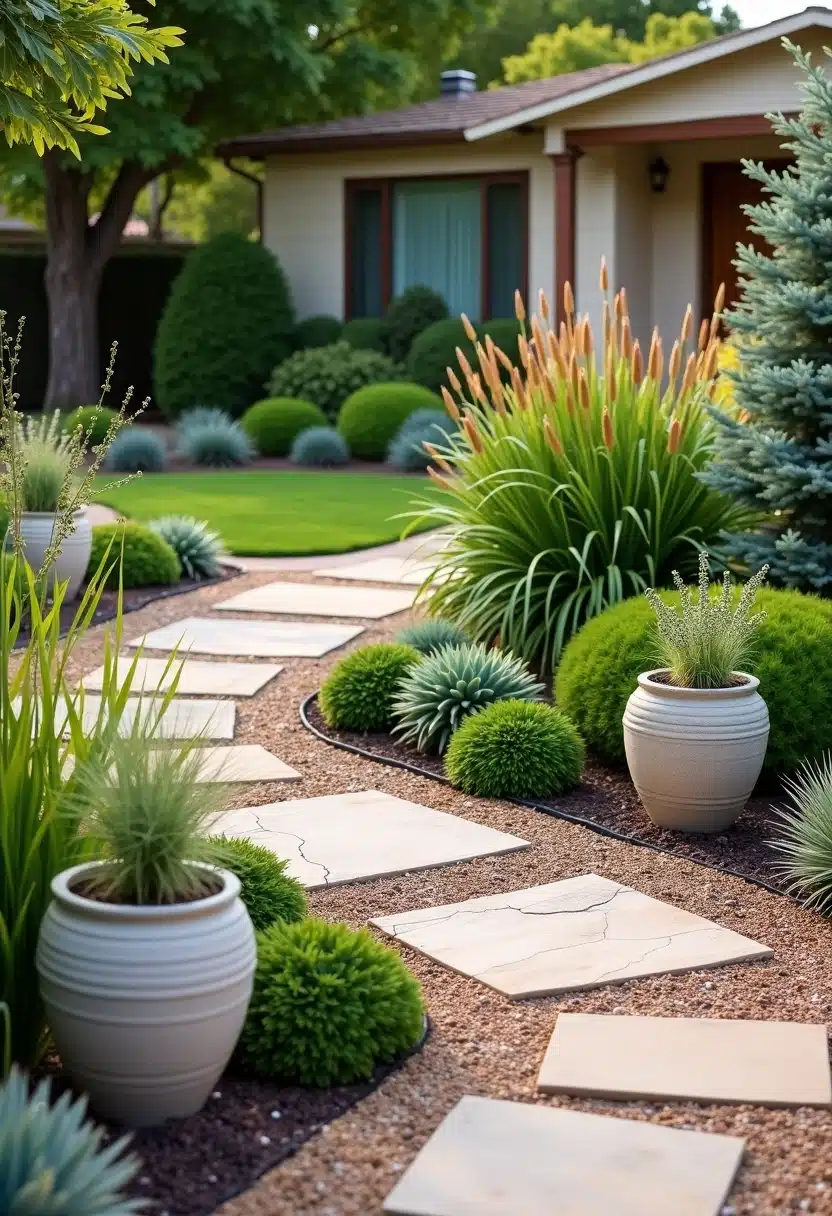
Transforming your yard into a low-maintenance paradise involves choosing the right plants and design. Opt for drought-tolerant plants like succulents and native grasses to reduce the need for watering. These resilient choices thrive with minimal care, adding vibrant greenery and texture. Incorporating mulch or gravel helps retain moisture and suppress weeds, easing the upkeep.
Design elements like hardscaping also play a significant role in reducing maintenance efforts. Consider using pavers or stones to create pathways that add structure and reduce lawn space. These materials provide an elegant look while minimizing mowing and trimming. Investing in automatic irrigation systems can further decrease time spent on maintenance by efficiently managing watering schedules.
Potted plants are another great option, offering flexibility and simple reorganization when desired. Choose containers that complement your home’s aesthetic, and fill them with low-care flora. This strategy not only adds to the visual appeal but also simplifies plant care, allowing easy watering and fertilization. With these strategies, achieving a beautiful yard with minimal effort is entirely possible.
Seasonal Planting Strategies

Planning for seasonal planting can transform your front yard into a dynamic space all year. Start by incorporating a mixture of evergreen plants like boxwoods or junipers. These provide a constant green backdrop, ensuring your landscape remains vibrant throughout winter. Integrate colorful spring bulbs such as tulips and daffodils for an early burst of color, adding excitement as warmer months approach.
Summer calls for lush, flowering plants like hydrangeas or coneflowers to create visual impact. Opt for fall favorites like chrysanthemums and asters to extend the blooming season. These choices maintain your garden’s allure before winter arrives. To ensure continuous appeal, plan for a rotation between annuals and perennials. This strategy helps keep your front yard thriving, no matter the season.
Decorative Gravel and Pebbles
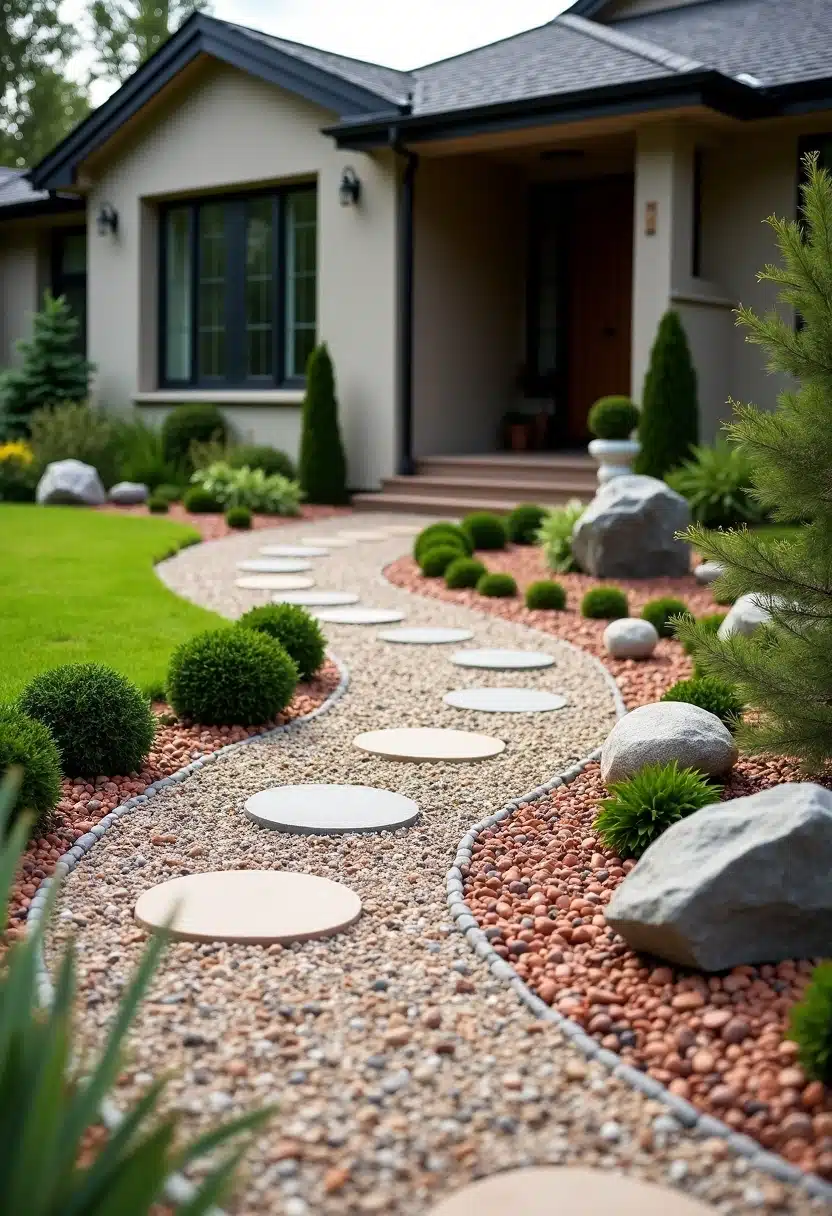
Decorative gravel and pebbles are fantastic tools for adding texture and interest to your front yard. They come in various colors and sizes, allowing you to create stunning visual contrasts that align with your home’s aesthetic. Consider using a mix of gravel hues to complement your existing landscape, whether it’s a neutral palette or something more vibrant. This material can beautifully accentuate paths and plant beds.
Incorporating gravel into winding pathways can lend an inviting charm to your entryway. The sound of crunching gravel underfoot isn’t just pleasing; it also creates a sense of approach. For plant beds, gravel serves as a great mulch alternative, helping retain moisture and suppress weeds. Arrange pebbles around plantings to highlight these areas while keeping maintenance low.
Gravel and pebbles also offer versatility in design. Use them to define borders between your lawn and garden beds or to create a rock garden that stands out year-round. They pair well with larger stones and go great with water features to develop a cohesive look. Whether your goal is modern refinement or rustic charm, decorative gravel provides creative possibilities that enhance your front yard’s allure.
Vertical Gardens for Small Spaces
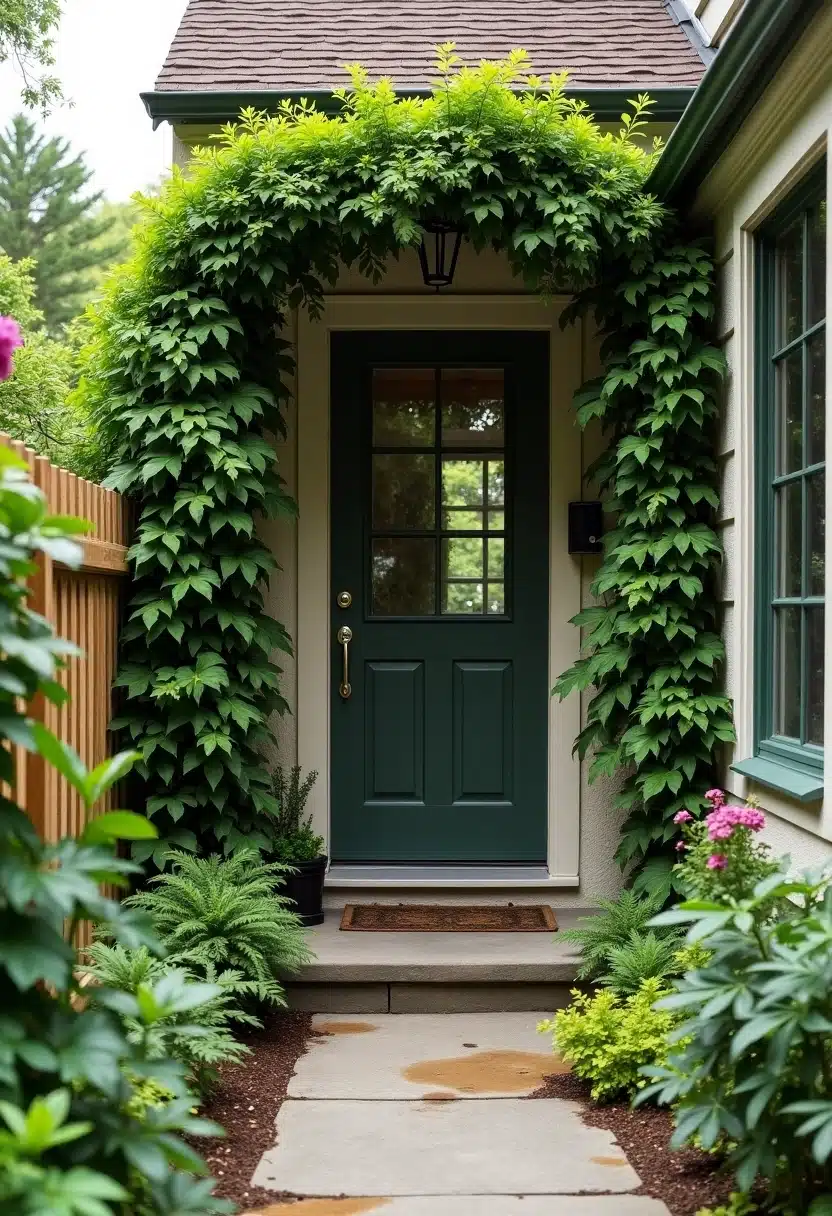
Elevate your home’s curb appeal with vertical gardens, perfect for maximizing compact front yard spaces. Utilizing structures like trellises creates a lush, green backdrop without consuming precious ground area. These gardens not only enhance aesthetics but also provide practical planting solutions where space is limited. Embrace the transformative power of vertical gardening for an inviting entrance.
When selecting plants, opt for those that naturally climb or cascade, such as ivy or ferns. Utilizing a mixture of flowering plants and greenery adds depth and interest to your vertical garden. Ensure the structure you choose supports the weight of your plants and allows adequate light and ventilation. Thoughtful plant selection can result in a stunning, textured appearance.
Implementing vertical gardens in small spaces showcases creativity and innovation in design. Your front yard becomes a vibrant expression of personal style while efficiently using available space. Explore plant arrangements and structural designs to create a unique garden that captivates the senses and complements your home’s architecture.
Fragrant Plants for a Sensory Experience
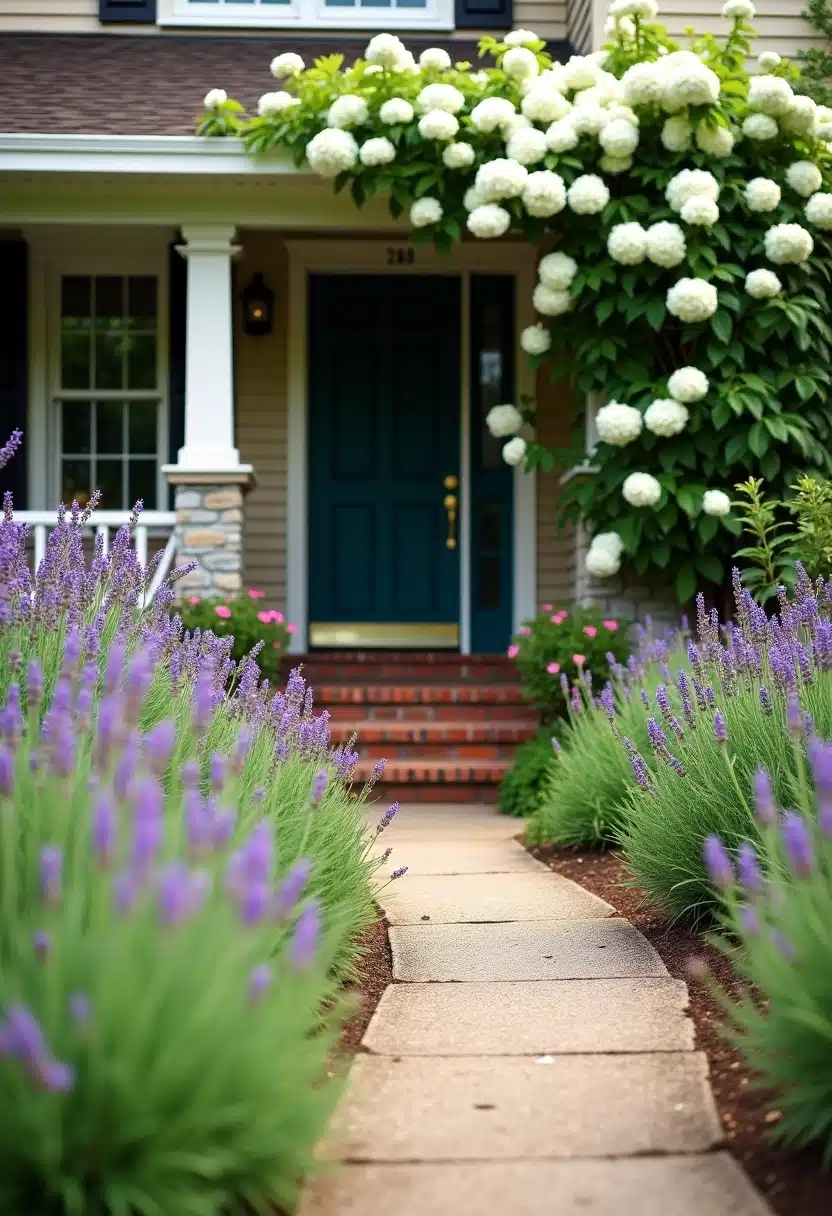
Imagine walking up to your home surrounded by a delightful array of fragrant plants that engage the senses and invite guests. Selecting the right plants can transform your front yard into a sensory haven. Consider incorporating lavender with its soothing aroma or jasmine that releases a sweet scent, adding to the charm of your space.
Strategically placing fragrant plants near pathways or entry points ensures the aromas captivate as people pass by. Use plants like rosemary or thyme, which thrive when brushed against, releasing their natural fragrances. Planting near seating areas or doorways can make your front space a welcoming and aromatic retreat, enhancing every visit.
Think about plant care, ensuring they suit your climate and maintenance routine. This not only keeps your space looking vibrant and fresh but also ensures that the fragrances remain a consistent feature. Including a mix of seasonal blooms can sustain an aromatic presence throughout the year, keeping your sensory experience dynamic and inviting.
Artistic Paving Patterns
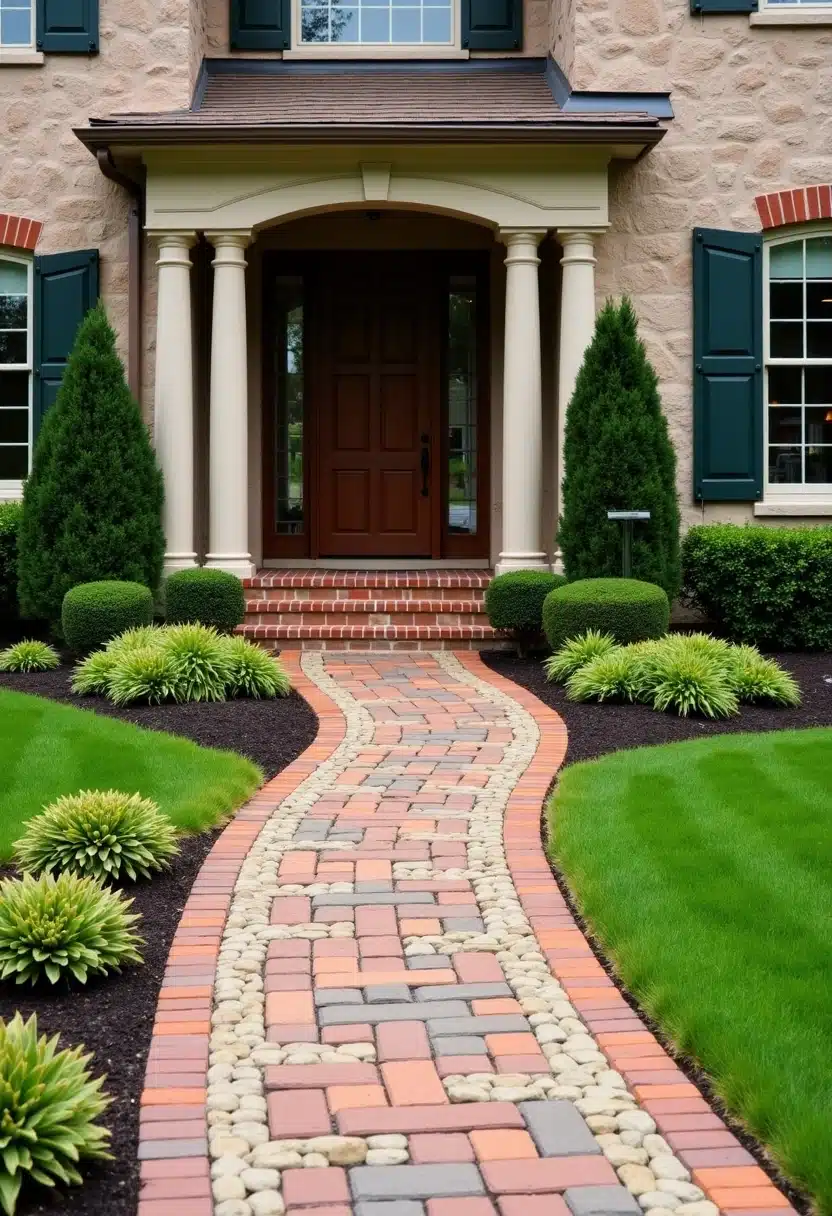
Artistic paving patterns can transform front yard pathways into eye-catching features. By opting for materials like stone, brick, or concrete, you can achieve different looks that suit your style. Embrace a blend of colors and textures to craft patterns that lead visitors with flair. Consider a mosaic with subtle contrasts for a charming entrance that complements your home’s aesthetics.
Selecting the right color combinations enhances the visual dynamics of your pathway. Earthy tones evoke a natural feel, while bold hues make a statement. Mixing colors within paving materials adds depth and interest. Intricate designs, such as herringbone or basket weave, not only embellish your yard but add a sense of movement and direction to the space.
Beyond aesthetics, artistic paving patterns provide functionality. A thoughtfully designed pathway guides guests through your landscape while ensuring durability and easy maintenance. Pay attention to detail when planning the layout, as it ultimately ties together the overall appearance of your front yard. Balancing practicality with beauty, these pathways become a personalized reflection of your unique taste.
Wildflower Meadows
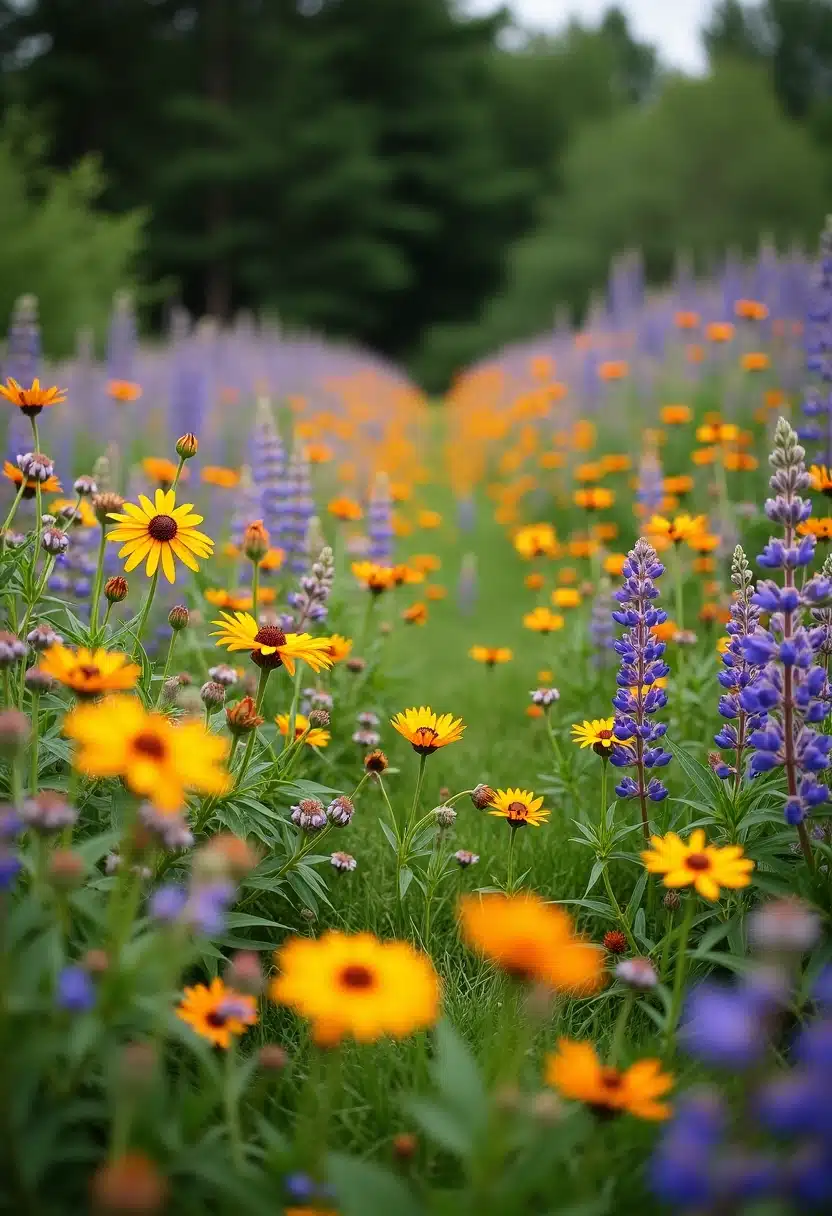
Transform your front yard into a haven of beauty with a wildflower meadow. Choosing the right plants is key to achieving that natural, meadow-like look. Consider incorporating a mix of native wildflowers like black-eyed Susans, coneflowers, and lupines. These plants not only thrive in local climates but also attract pollinators, enhancing biodiversity. A mix of colors and textures can create a stunning visual impact in your front yard.
Beyond aesthetics, wildflower meadows offer remarkable ecological benefits. They reduce the need for mowing and irrigation, conserving water and energy. This approach fosters a sustainable environment, supporting local wildlife. Native wildflowers also improve soil health, with deep root systems that prevent erosion and promote nutrient cycling. Your front yard becomes an eco-friendly oasis, benefiting both nature and your community.
Achieving this meadow appearance involves strategic planning. Ensure proper spacing to allow each plant to flourish. Embrace the natural growth patterns, letting plants seed themselves and evolve over time. While designing, think of seasonal changes; choose varieties that bloom in different seasons for year-round beauty. This way, your wildflower meadow remains a dynamic, evolving feature in your landscape.
Elegant Waterless Fountains
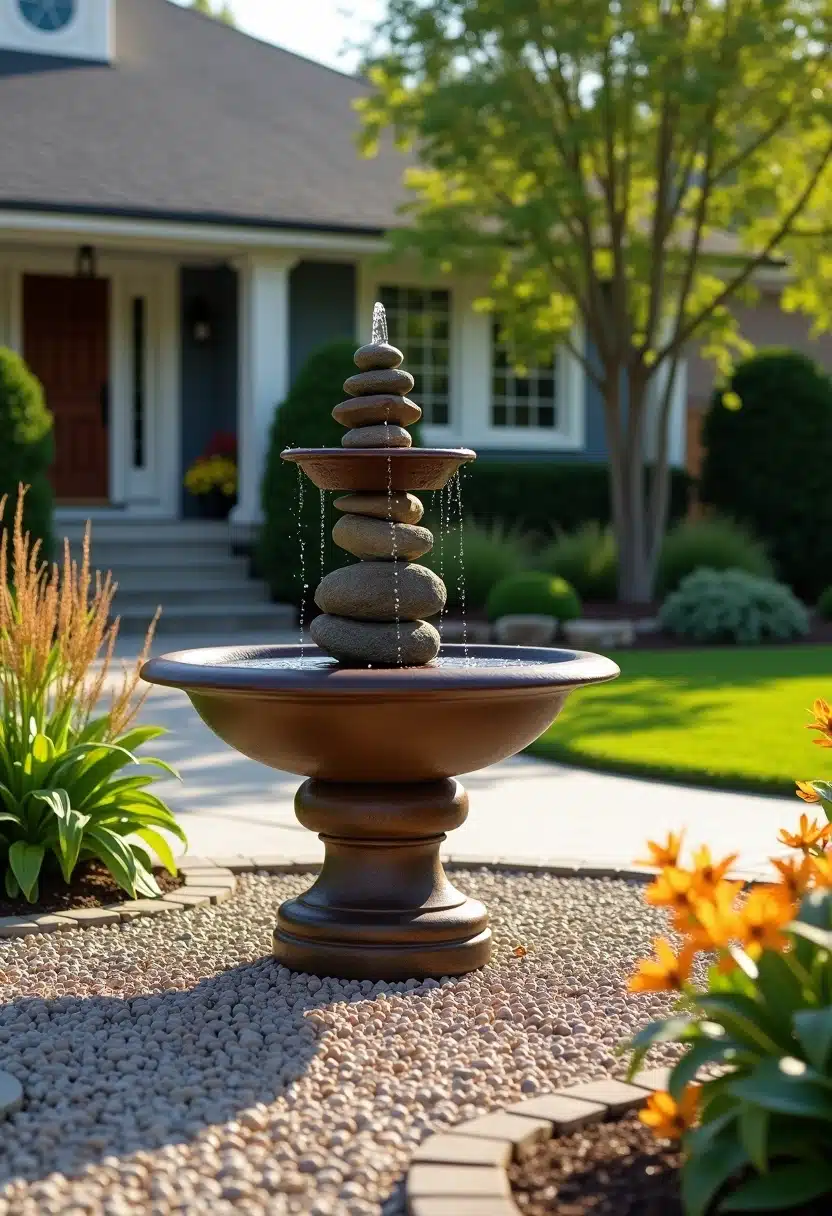
Explore the creative potential of elegant waterless fountains as captivating sculptures in your front yard. These artistic pieces offer the essence of movement and attraction through well-designed elements like metallic spirals, stacked stones, or tiered structures. Without the need for water, you can easily integrate them into any landscape design, providing a sustainable and visually pleasing option that requires minimal maintenance.
Select styles that resonate with your home’s architecture. Consider materials such as corten steel or polished stones to contrast or complement your landscape. By arranging ambient elements around the fountain, like decorative gravel or vibrant plantings, you highlight its uniqueness. These areas can be further enhanced with strategically placed lighting to transform the sculptures into mesmerizing focal points after dark.
Perennial Borders
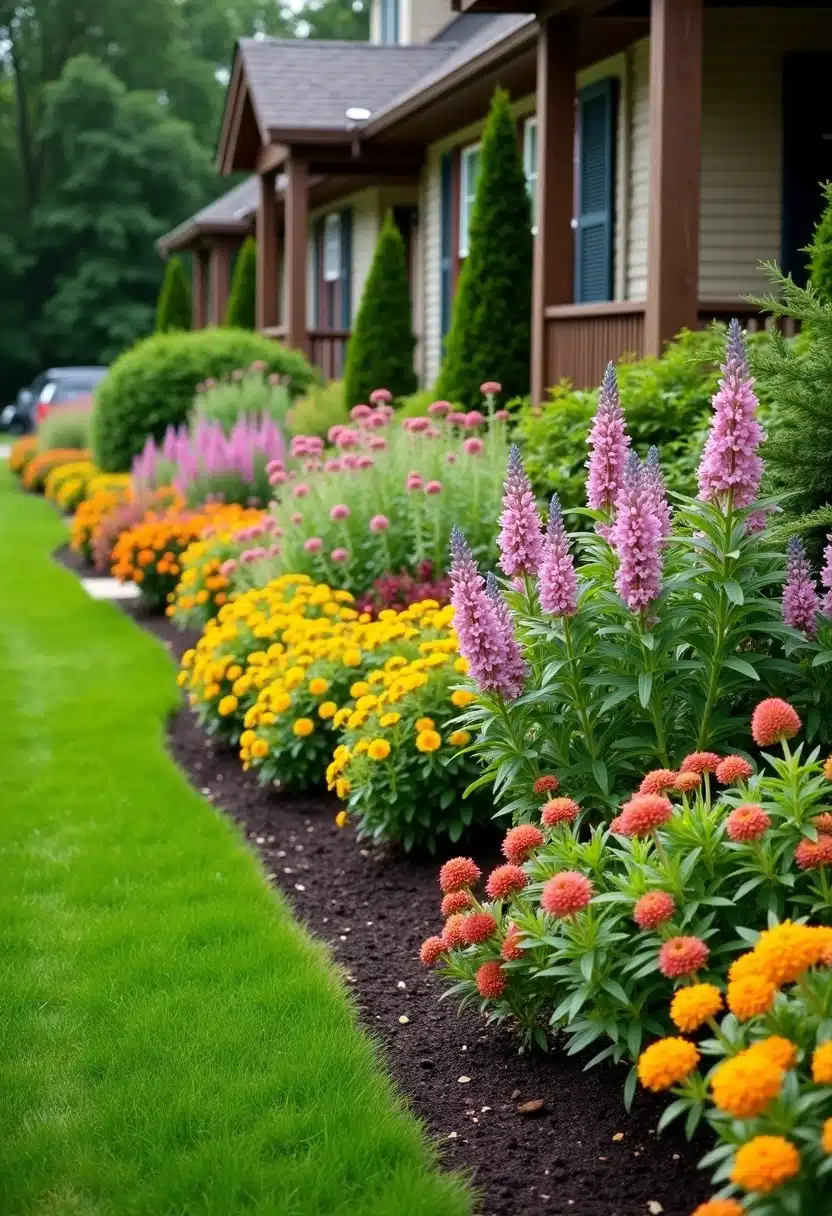
Designing perennial borders is a wonderful way to add long-lasting charm to your front yard. Begin by selecting plants that will thrive in your climate. Consider using a mix of blooms that vary in size and color for year-round interest. Opt for easy-to-maintain species to keep your garden looking fresh and lively throughout each season.
Color schemes play a crucial role in bringing your borders to life. Choose contrasting hues for a striking effect or stick to a monochromatic palette for a more serene look. Plant taller perennials towards the back and shorter ones in front to create layers of visual interest. This arrangement will not only enhance depth but also showcase each plant’s unique beauty.
Maintaining vibrant perennial borders requires regular care. Mulching helps retain soil moisture and suppress weeds, while deadheading spent blooms encourages new growth. Make a habit of pruning overgrown branches to maintain plant health and visual appeal. With thoughtful planning and maintenance, your perennial borders will flourish, offering a welcoming sight to anyone who approaches your home.
Attractive Retaining Walls
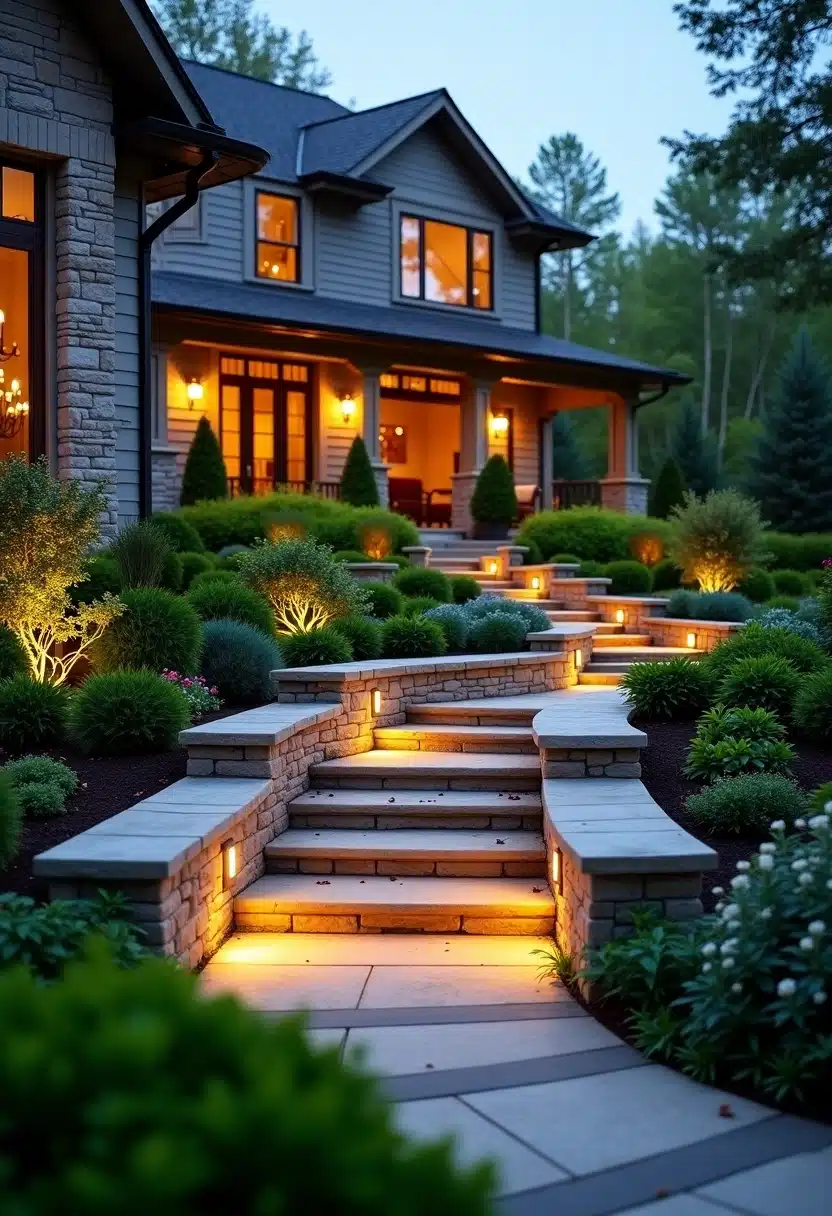
Retaining walls can transform your front yard by providing both structure and style. They help manage sloped landscapes, creating tiers that can be filled with beautiful plants. The choice of materials is crucial—stone, brick, or wood can each offer a different aesthetic and functionality. Consider the style of your home and the landscape to choose the best material.
Design is key when it comes to retaining walls. You might want to incorporate curves for a softer, more natural look, or maintain straight lines for a modern appearance. Height and thickness depend on the landscape’s slope, ensuring stability and practicality. Adding seating areas can enhance their versatility and invite relaxation in your outdoor space.
These walls can also improve drainage around your property, safeguarding it from erosion and flooding. Plan for proper water flow to prevent long-term damage. By integrating lighting into the walls, you can highlight their design while improving safety. Let retaining walls be not just functional, but a magnificent feature in your front yard landscape.
Pet-Friendly Landscaping
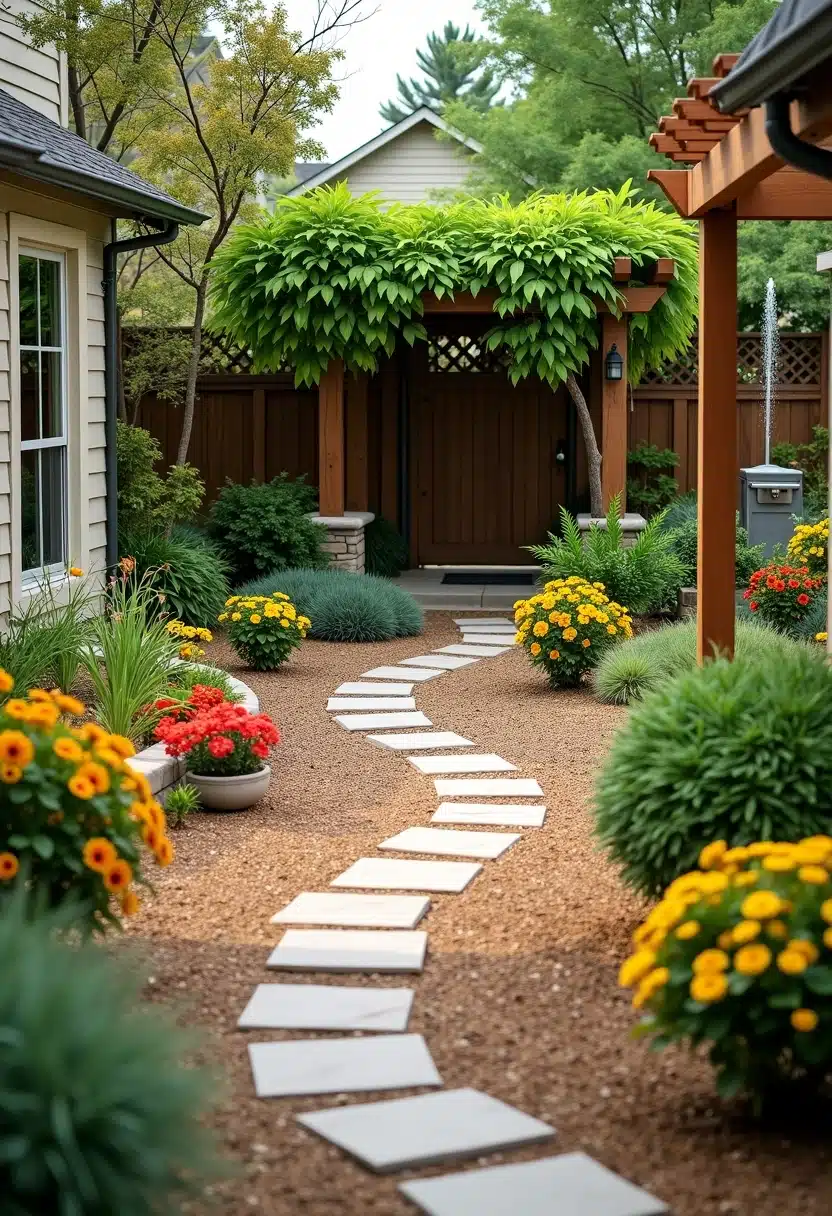
Creating a pet-friendly front yard means considering safety and convenience. Start by including plants that are non-toxic to pets, like rosemary, marigolds, or sunflowers. These choices ensure your furry friends can roam without risk. Opt for sturdy materials such as stone or gravel that can withstand playful activities. This approach keeps your landscape pristine while accommodating your pet’s adventures.
Design features are key in pet-friendly landscaping. Consider adding a small play area with pet-safe mulch or a designated digging zone to satisfy your dog’s instincts. Ensure your fences are secure and check for any gaps pets could slip through. This setup provides a safe environment for pets while maintaining an aesthetically pleasing front yard.
Comfort matters for both you and your pets. Create shaded areas using pergolas or trees, offering refuge on hot days. Installing a water feature like a pet fountain not only enhances the landscape but keeps pets hydrated. These thoughtful inclusions ensure your front yard is welcoming and functional for everyone, pets included.
Creative Mailbox Designs
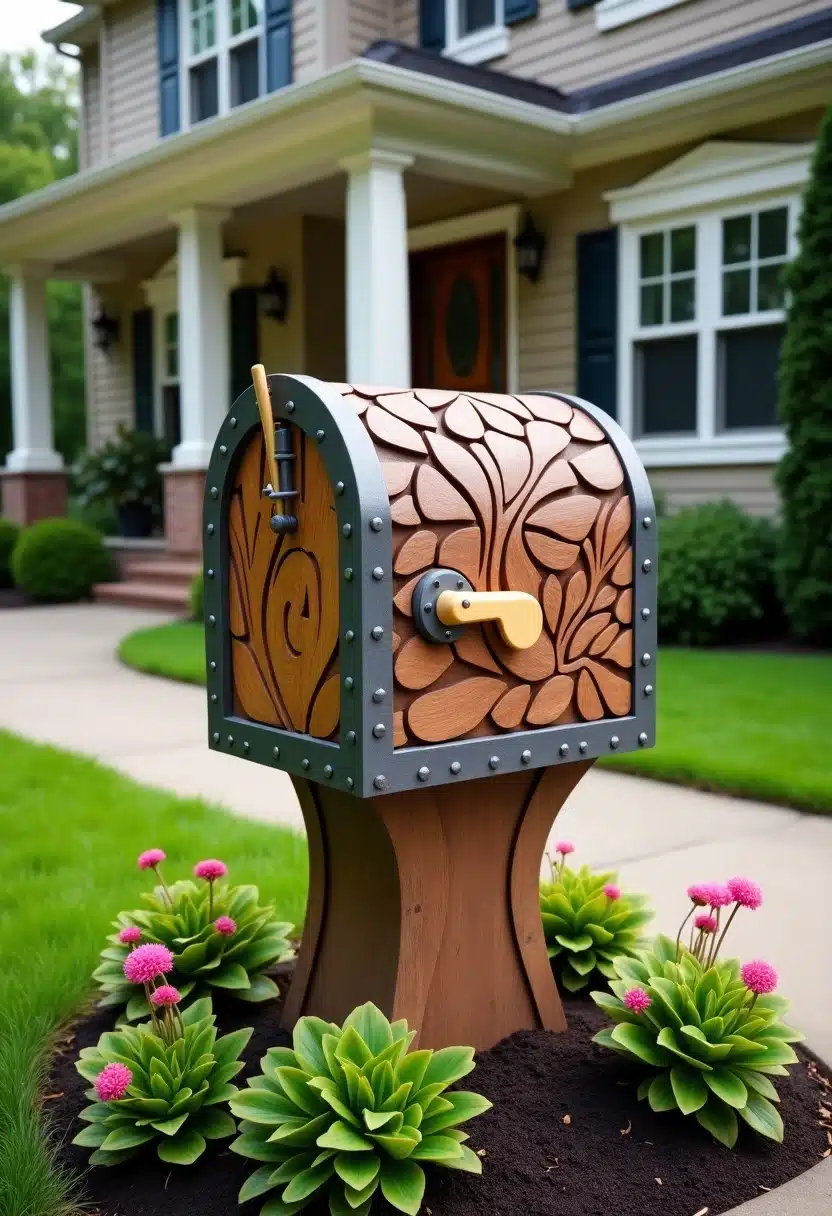
Giving your front yard a standout feature can be as easy as redesigning your mailbox. It’s a small addition, but a mailbox can add genuine character to your landscape. Opt for unconventional shapes or materials that speak to your personal style. For example, consider a wooden mailbox with intricate carvings or a sleek, metal design that mirrors modern minimalism.
Color is another playful avenue to explore. A brightly painted mailbox can act as a focal point, drawing eyes to your well-kept garden. Try harmonizing the color with your home’s exterior to create visual unity. Alternatively, let it pop with a contrasting hue to signal a bit of whimsical fun.
Thrift shops or local artists are excellent sources for unique pieces that will make your mailbox a conversation starter. You might find something vintage or custom-made that rejuvenates your curb appeal. By focusing on this often-overlooked element, you’ll create a striking entrance that beautifully complements your front yard landscape.
Bird-Friendly Gardens
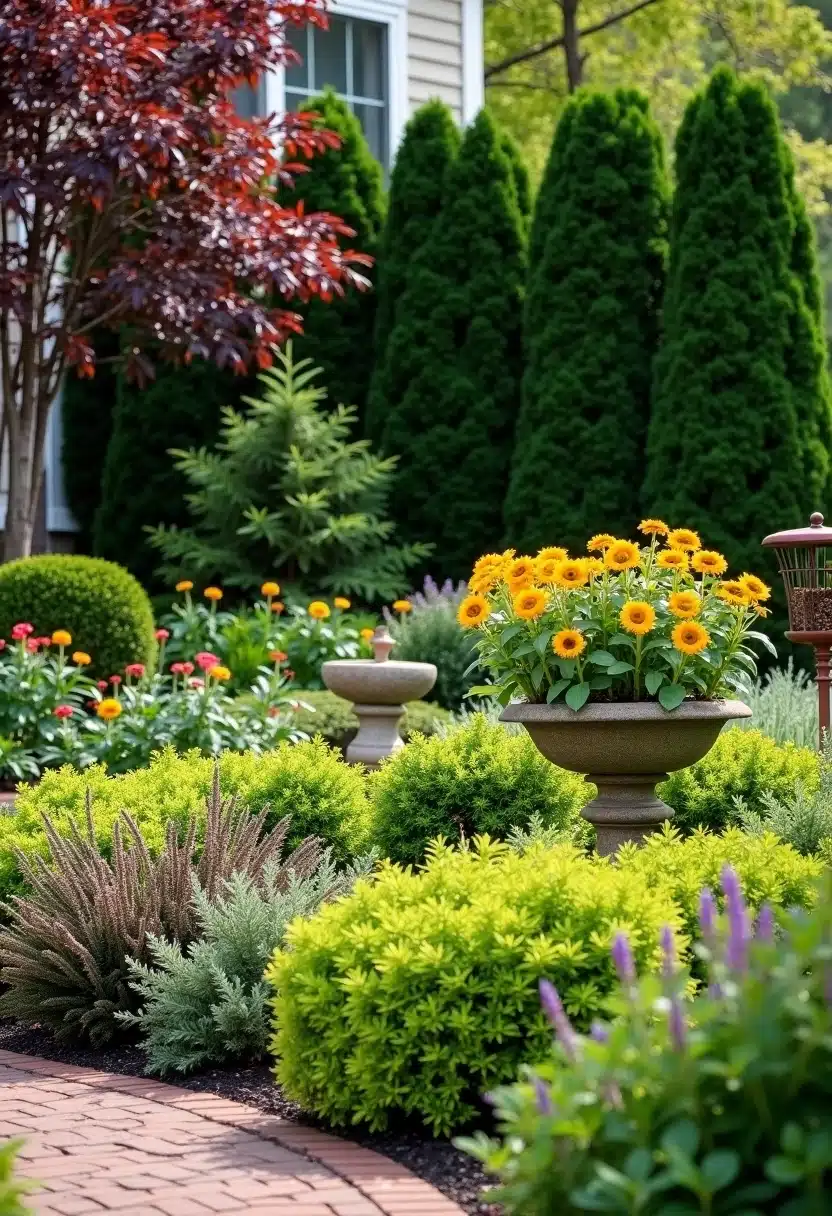
Creating a bird-friendly garden in your front yard invites not only beauty but also the joyful melody of feathered visitors. Think about including plants that provide both food and shelter. Native shrubs and trees produce berries and seeds that birds find irresistible. Consider integrating plants like coneflowers, sunflowers, and elderberries to support your local bird population, turning your garden into a natural paradise.
To further transform your front yard into a haven for birds, incorporate feeders and water sources. Install a couple of bird feeders in strategic locations while ensuring they’re away from potential predators. Choose feeders that cater to different species by offering various seeds or suet cakes. Add a birdbath or small water fountain to provide birds with a refreshing drink and a place to bathe, keeping them healthy and happy.
Creating a protective environment for birds is just as vital. Dense plantings also offer birds a safe retreat from predators. Opt for evergreen shrubs or dense hedges at the back of your garden beds to provide year-round cover. These plant choices can make your landscape a more vibrant community, supporting not just birds but various wildlife.
Curved Pathways for Visual Interest
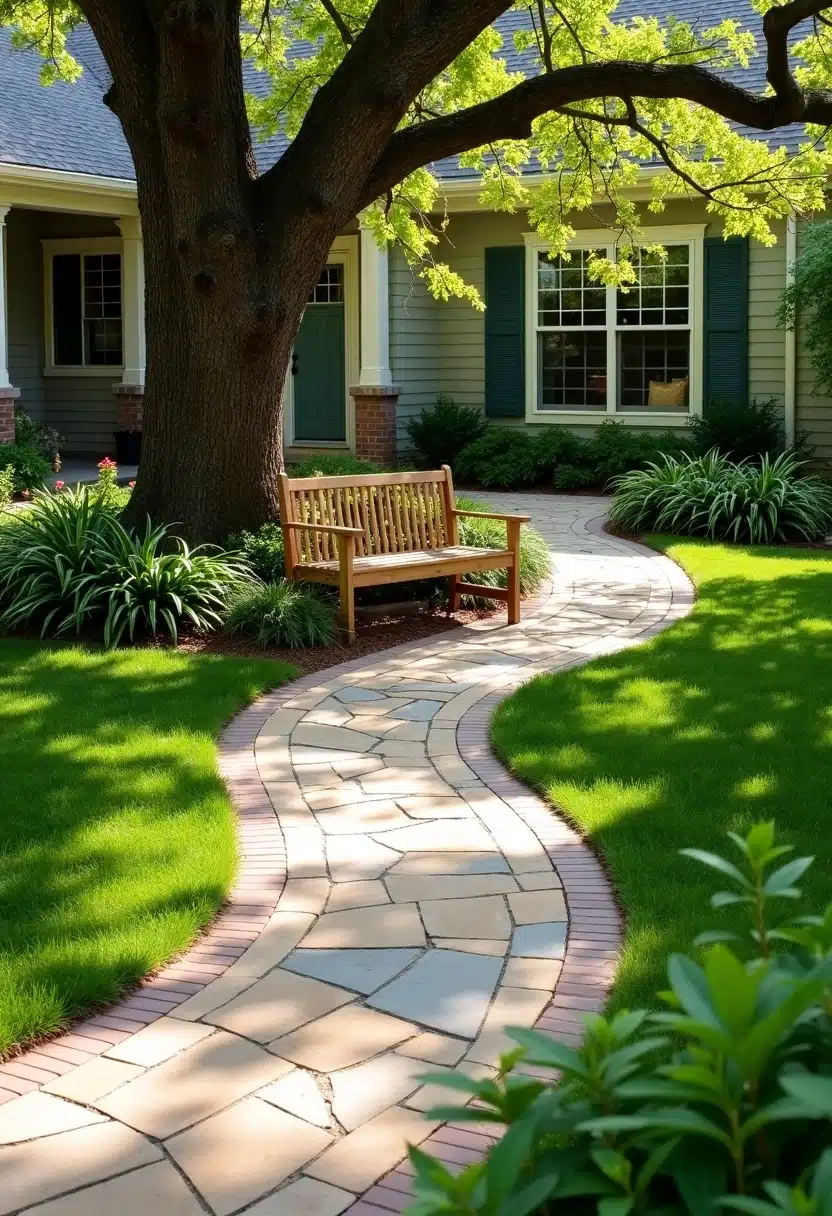
Curved pathways introduce an engaging element to front yard landscapes, inviting exploration and playfulness. When planning a curved path, consider the flow and balance it brings to your garden. Think about natural curves, like a river’s gentle meander, to create a relaxing walk for you and your guests. Curves can subtly direct attention and create moments of surprise, enhancing visual interest without overwhelming the space.
To achieve a successful curved pathway, select materials that complement your home and garden style. Natural stone, brick, or gravel all offer distinct aesthetics and functionalities. Use different textures or colors to highlight the curves, giving your pathway a personal touch. Integrating plants along the edges can soften the look and blend the path seamlessly into your landscape, creating an organic feel.
Curved pathways also promote a sense of discovery. They can guide visitors to focal points or hidden features, like a charming bench under a tree. This approach adds layers of intrigue and adds depth to your garden design. Paths that reveal themselves slowly evoke a sense of mystery and tend to be more memorable, enhancing the overall experience of walking through your front yard.
Colorful Foliage Varieties
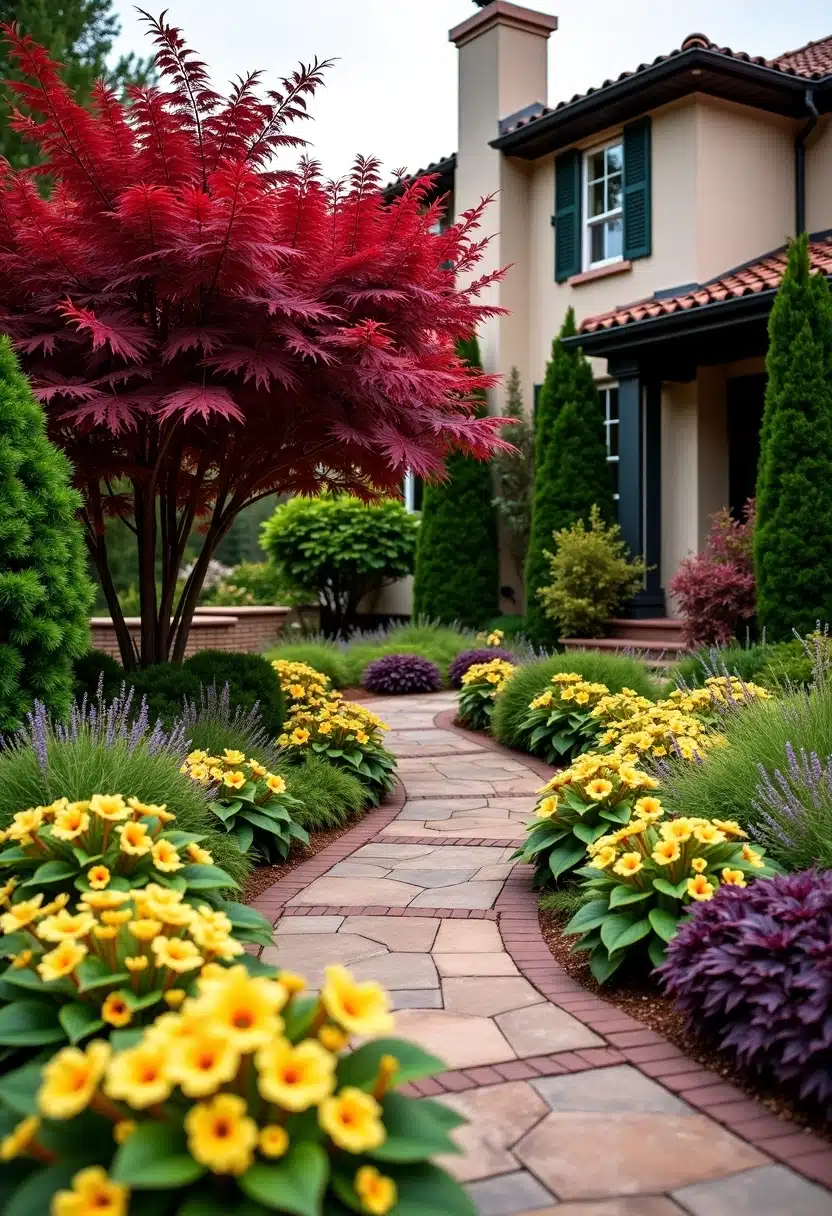
Adding colorful foliage plants is a fantastic way to bring vibrancy and interest to your front yard. These species offer a visual feast with their dynamic leaf colors, ranging from deep reds to golden yellows and purples. Consider incorporating plants like Japanese Maple, Heuchera, or the striking Caladium. Their foliage creates stunning contrasts and can serve as feature points in your garden, breaking the monotony of green.
When designing with colorful foliage, think about the plant’s growth habit and seasonal changes. Some species provide year-round color while others transform with the seasons, offering a transient beauty. Organize them amidst evergreen plants to provide a balanced and harmonious look. These plants not only captivate the eye but also enhance the architectural lines of your home, offering layers of texture and depth. Implement them in a mix of soft and crisp lines to mimic the natural curves of your front pathways.
To maximize the impact of colorful foliage, use them strategically along pathways or around focal points like front doors or sculptures. Pair them with your existing plantings or hardscape elements to create a cohesive design. This approach will tie in beautifully with Mediterranean influences, as the warmth and vibrancy of foliage can seamlessly transition to the inviting, relaxed style next door. Creating such impressions makes your yard a welcoming landscape.
Mediterranean Style Gardens
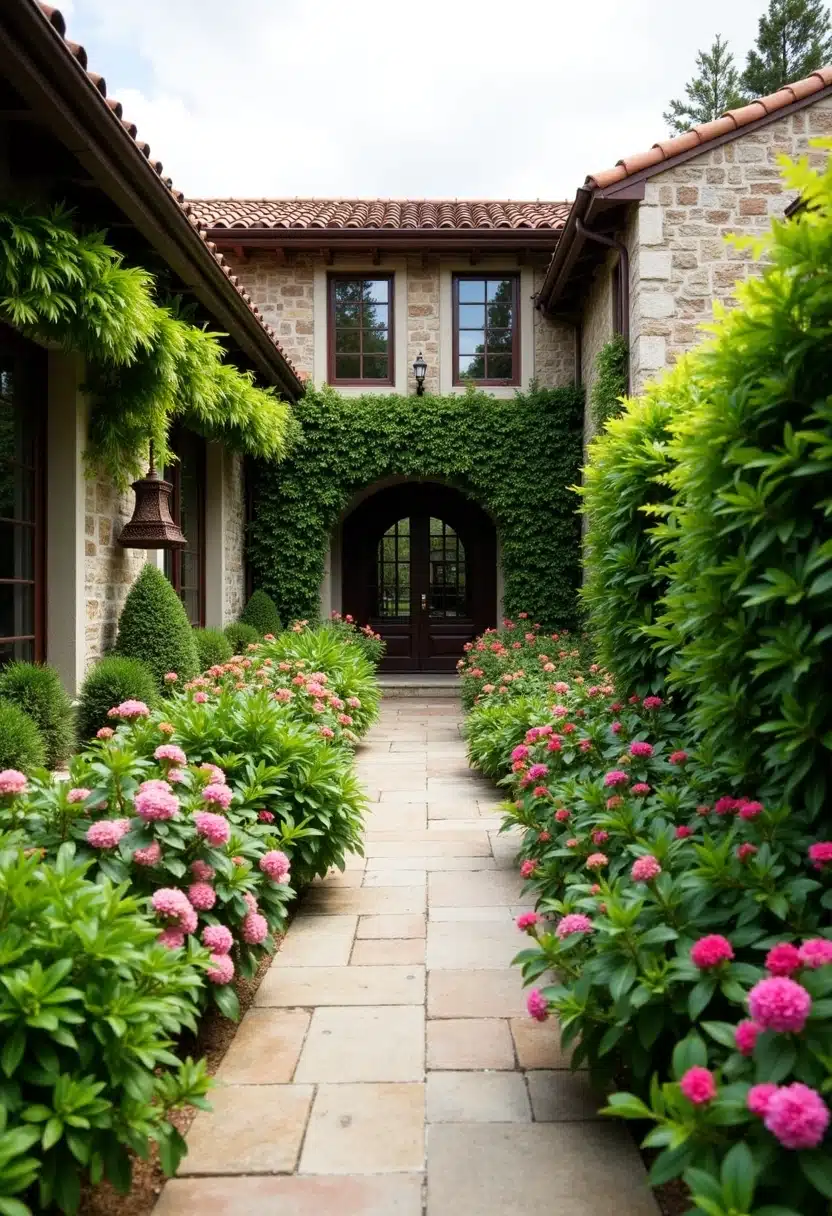
Embrace the charm of Mediterranean style gardens in your front yard by integrating specific plant choices and architectural elements. Think about hardy plants like olive trees, lavender, and rosemary that thrive in warm climates. These selections not only withstand heat but also infuse the space with a delightful aroma and lush greenery. Consider drought-resistant and sun-loving species to capture the essence of the Mediterranean.
Beyond plant selections, focus on architectural elements to craft a Mediterranean vibe. Incorporate terracotta tiles, stone pathways, or rustic planters to evoke a warm, inviting atmosphere. Using natural materials adds texture and authenticity to the overall design. A small water feature or decorative statues can further enhance the serene and timeless appeal, bringing a piece of the Mediterranean to your doorstep.
A Mediterranean-style garden doesn’t only focus on aesthetics; it should feel welcoming and cozy. Integrating comfortable seating areas with wrought iron furniture or cushioned benches harmonizes with the environment, offering a perfect spot to relax. Soft lighting strung along trees or patio areas completes the tranquil ambiance, allowing your front yard to shine as a harmonious outdoor retreat.
Front Yard Vegetable Patches
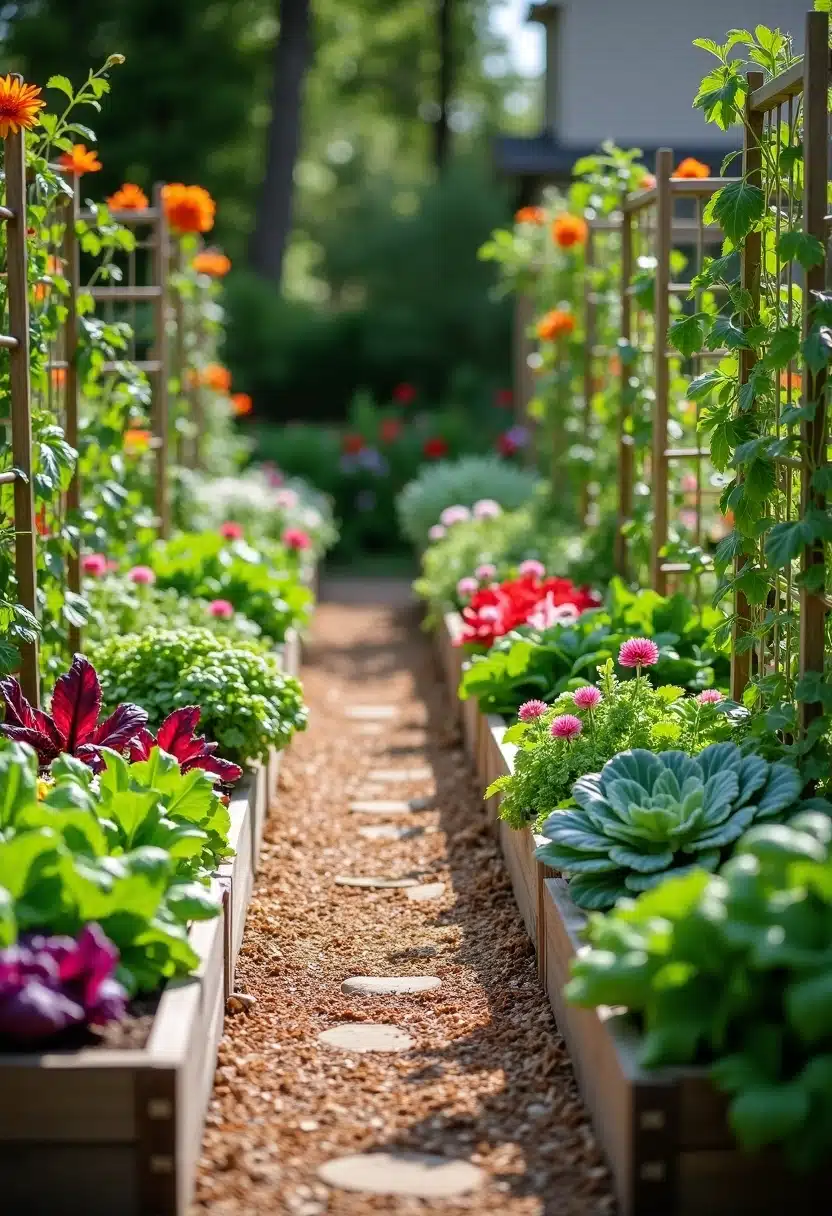
Adding vegetable patches to your front yard can transform it into a functional and visually appealing space. Begin by selecting an area with sufficient sunlight, essential for plant growth. Consider designing raised beds as they enhance the aesthetics and accessibility. Use a mix of colorful vegetables like Swiss chard or kale for a vibrant look, interspersed with flowers to add charm.
Choose plants wisely based on your climate. Include easy-to-grow options such as cherry tomatoes or radishes. These provide quick rewards and encourage continuous engagement with your garden. Create pathways using mulch or gravel for easy access and maintenance. Regularly tend to your plants to keep your vegetable garden looking neat and inviting.
Maintaining a front yard vegetable patch involves keeping it organized and productive. Watering consistently and applying mulch can help conserve moisture and control weeds. Utilize vertical planting techniques, like trellises for peas or beans, to maximize space. Engaging in these simple practices ensures that your front yard not only provides fresh produce but also stays attractive throughout the growing season.
Garden Arbors and Trellises
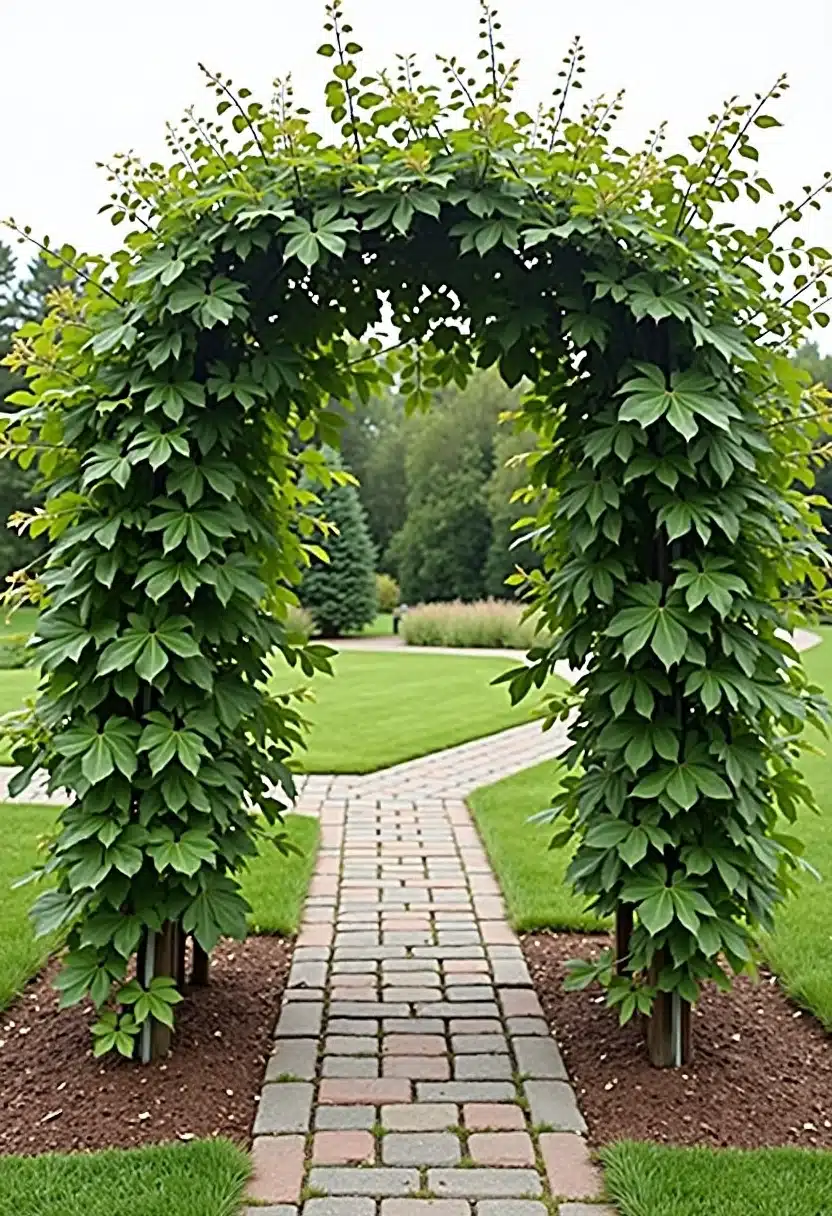
Garden arbors and trellises can transform your front yard into a captivating space. These structures offer a unique way to introduce vertical interest, guiding your eyes upward and creating a sense of depth. They support climbing plants like roses and clematis, adding bursts of color and fragrance. Integrating these elements into your landscape provides a charming and welcoming entrance to your home.
When selecting arbors and trellises, consider materials and styles that complement your house. Wooden options offer a rustic feel, while metal designs bring a modern edge. Position them to frame pathways or entrances, enhancing visual appeal. They also create cozy nooks for seating or decorative displays, making your yard inviting and functional.
Incorporating arbors and trellises allows for creativity in plant choices. Vines provide a lush canopy and privacy, while flowering climbers introduce vibrant hues. These structures are not just decorative pieces but functional assets supporting plant growth and landscape cohesion. Embrace their potential to elevate the beauty of your front yard effortlessly.
Butterfly Gardens
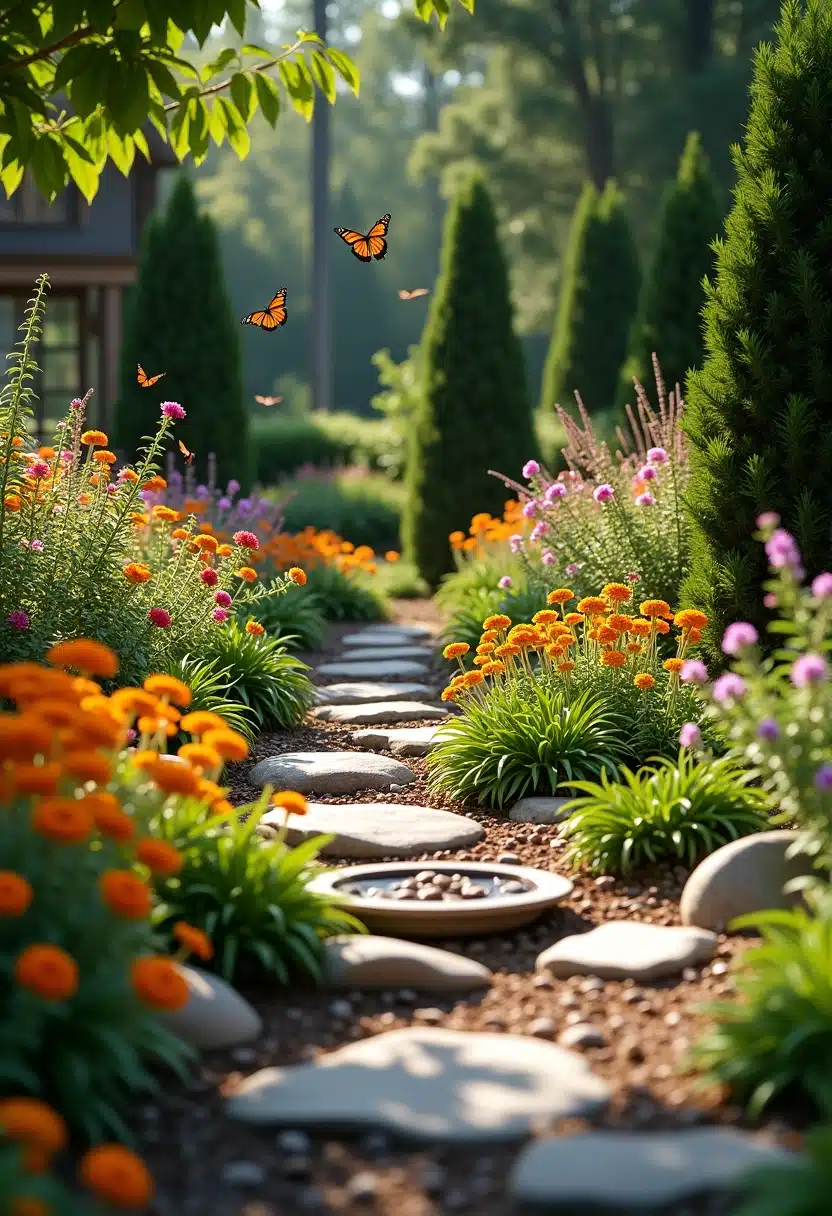
Transforming your front yard into a butterfly haven is both enchanting and ecological. To attract these beautiful creatures, you’ll need to choose plants that provide nectar and nourishment. Think about perennials like milkweed, butterfly bush, and lantana. Not only do these plants offer food, but they also serve as landing pads for butterflies, allowing them to rest while they feed. When selecting plants, aim for a variety of colors and bloom times to keep butterflies visiting throughout the seasons.
Beyond choosing the right plants, consider creating a nurturing environment. Butterflies need sunny, sheltered spots to thrive. Plant taller shrubs and trees strategically to protect your garden from strong winds, offering butterflies a safe haven. Integrating flat rocks in sunlit areas provides them with warm surfaces to bask on during the cooler mornings. Remember to have a water source such as a shallow dish with pebbles, ensuring butterflies can drink safely without the risk of drowning.
Envision your butterfly garden as a dynamic part of your front yard landscape. You’ll not only enjoy vibrant blooms but also the gentle flitting of butterflies, adding a magical dimension to your outdoor space. Pairing your butterfly plants with existing structures like arbors or complementing them through layered planting can create a front yard that’s both stunning and environmentally friendly.
Layered Planting for Depth
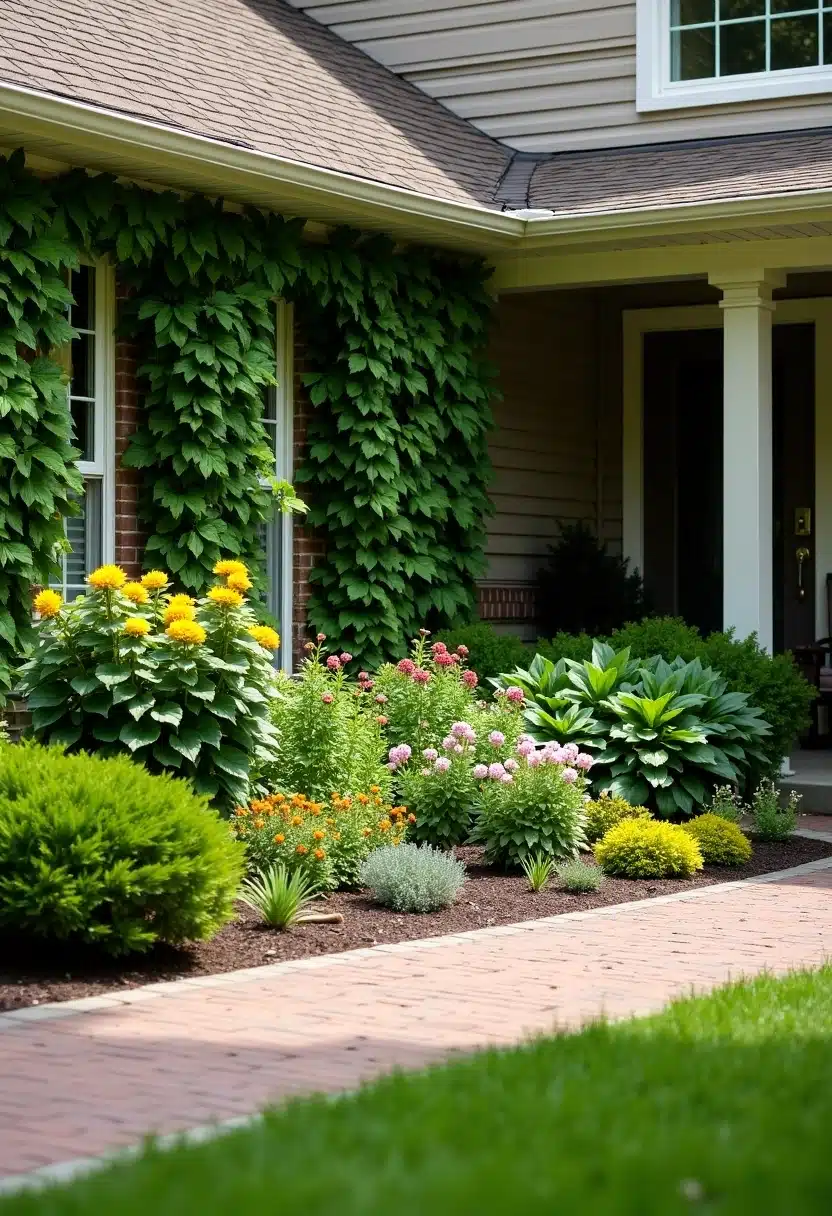
Layered planting offers an effective method to create depth in your front yard, transforming it from a flat space into a dynamic landscape. Consider plant selection and how different heights can enhance your yard’s visual interest. Start with taller plants at the back, medium-sized ones in the middle, and shorter plants in the front. This arrangement not only ensures all plants are visible but also helps create a lush, multi-dimensional effect.
Selecting the right plants is crucial for achieving this depth. Look for a mix of textures, colors, and seasonal blooms to keep the landscape attractive year-round. Combine evergreens with deciduous plants that add seasonal color changes. Incorporate flowering vines or shrubs for height, and ground covers for lushness. This blend enriches your garden and aligns with your creative vision.
Beyond visual appeal, layered planting can also impact the microclimate of your front yard. The taller back plants can provide shade and protection for the smaller ones, creating a nurturing environment. This can be beneficial for moisture retention and reducing wind impact, promoting healthier plant growth. Experiment with different plant arrangements to discover a personalized style that resonates with your taste while creating a welcoming entrance.
Rock Gardens for Texture
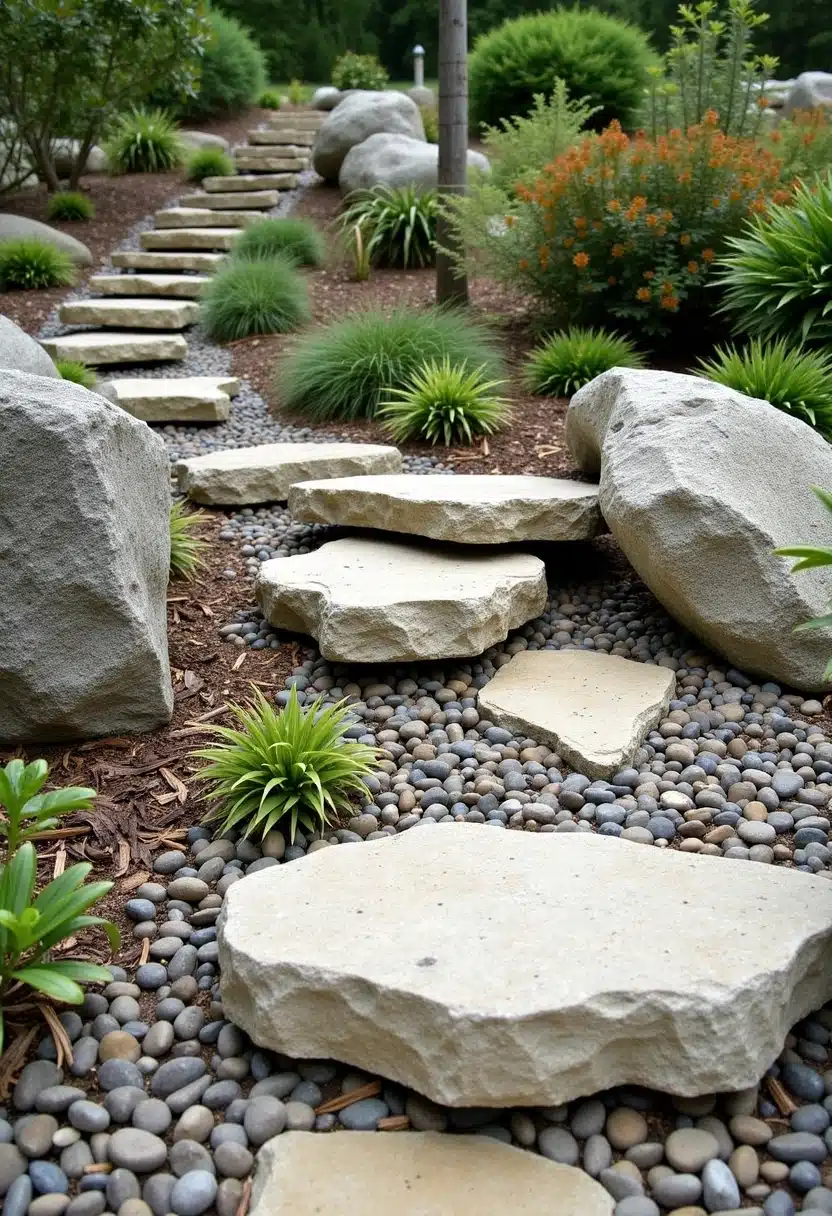
Redesign your front yard with the intriguing texture of rock gardens. Choosing the right rocks is the first step. Mix sizes and colors to create visual interest. Lighter-colored stones can brighten shady areas, while darker ones add contrast. Arrange them naturally for a cohesive feel that mimics natural formations. Align with pathways for added structure.
Complement your rocks with the right plants. Opt for hardy, low-maintenance species like succulents or drought-resistant grasses. These choices help achieve a harmonious blend with the rocks. Incorporate varying heights to contribute to the garden’s layered look. This setup not only ensures visual appeal but also conserves water and reduces upkeep.
Establish a tranquil, low-maintenance space that reflects your style with clever plant and rock combinations. A balanced mix results in a garden that remains captivating year-round. With minimal effort, your rock garden can be a unique focal point of your landscape design, boosting the overall aesthetics of your front yard.
Lighting for Security and Aesthetics
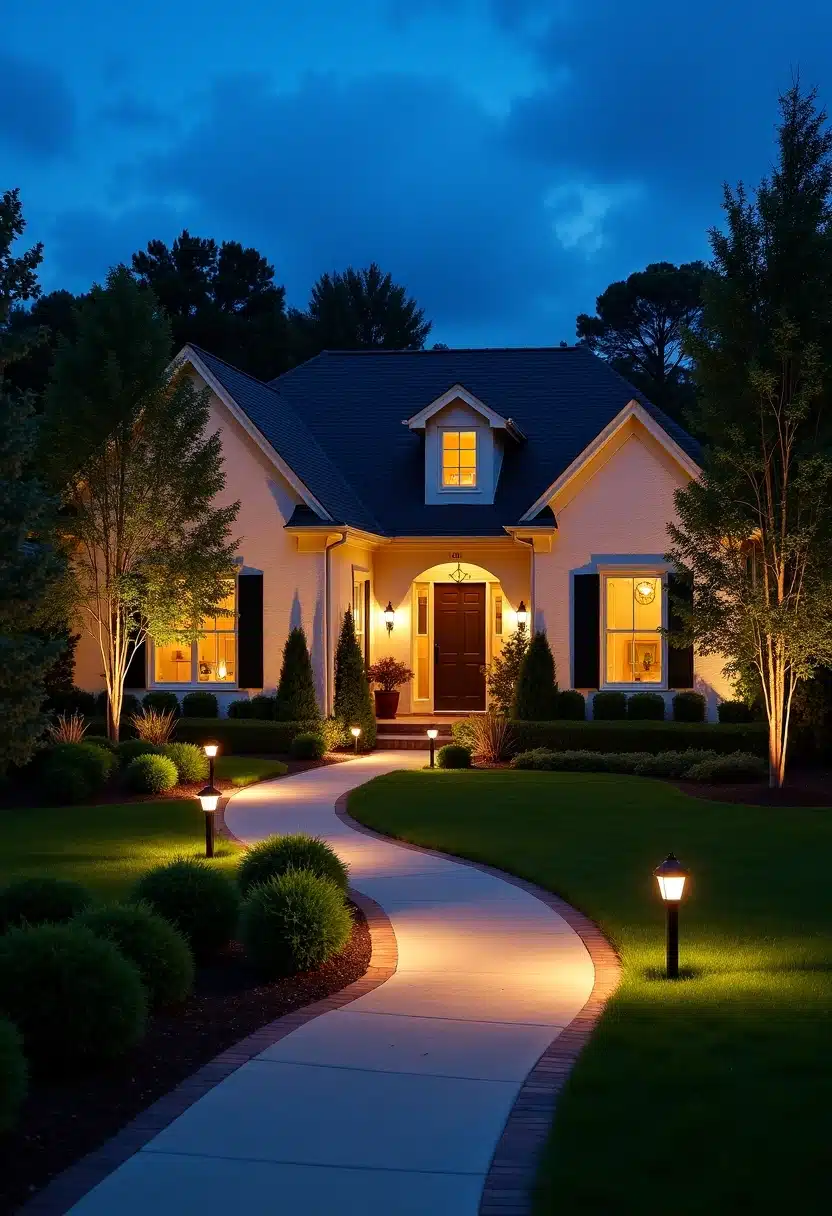
When planning your front yard lighting, consider both security and aesthetics. Strategic placement is key; install lights along pathways and at entry points to deter unwanted visitors and guide guests safely. For an inviting glow, add fixtures among shrubs or flower beds. This highlights landscape features and creates a warm, welcoming ambiance.
Choose fixtures that enhance your home’s architecture. Options include wall-mounted lights, pathway stakes, and uplights for trees. Opt for energy-efficient solutions like LED bulbs or solar-powered lights to reduce energy costs and environmental impact. Motion-sensor lights can combine efficiency with safety, activating only when movement is detected.
Integrating smart technology can elevate your lighting design. Use timers and apps to control lighting schedules—even when you’re away. This adds a layer of security, making it appear as though someone is home. Whatever your choices, lighting can truly transform your yard’s look and feel, blending safety with style seamlessly.
Front Yard Seating Areas
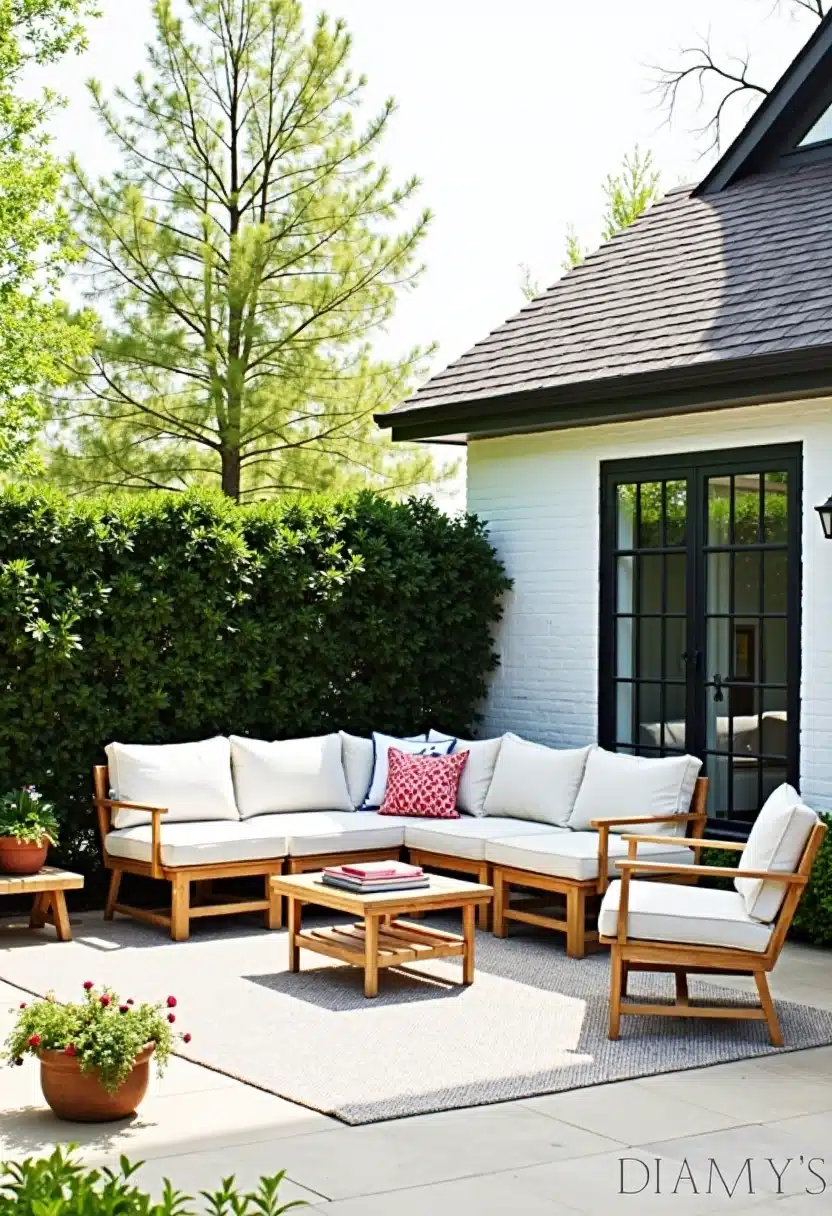
Creating seating areas in your front yard invites neighbors and friends to linger and chat. When selecting furniture, consider materials that withstand the elements like teak or metal. These options are sturdy and can be left outside year-round. Place your seating where it harmonizes with the landscape design, possibly near a flower bed or under a tree to offer shade and tranquility.
Integrate seating smoothly with your yard by choosing pieces that blend with your landscape’s style. For a modern look, opt for sleek, minimalist designs with neutral tones. If your garden is more rustic, wooden benches or wicker chairs fit nicely. Position them strategically to frame a view or enhance a particular area in your garden.
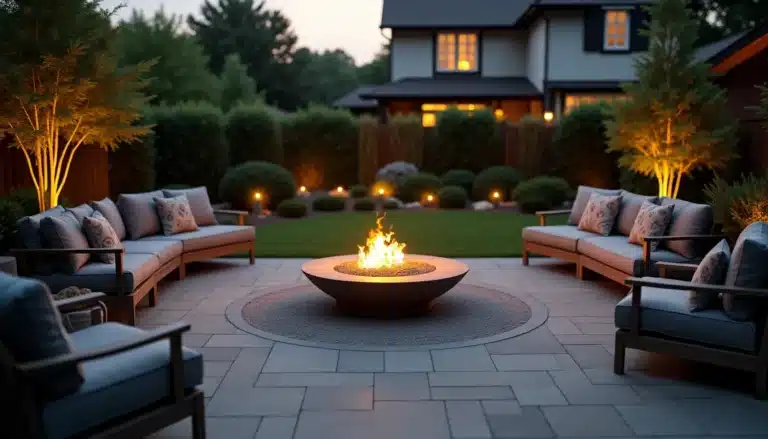
Lighting can play a role in making seating areas more inviting. Use soft, ambient lights to set a welcoming tone as the sun sets. Pathway lights can guide guests to your seating areas, ensuring safety and adding charm. By integrating seating thoughtfully into your landscape design, you’ll create a functional yet aesthetic outdoor space.
Creative Use of Color
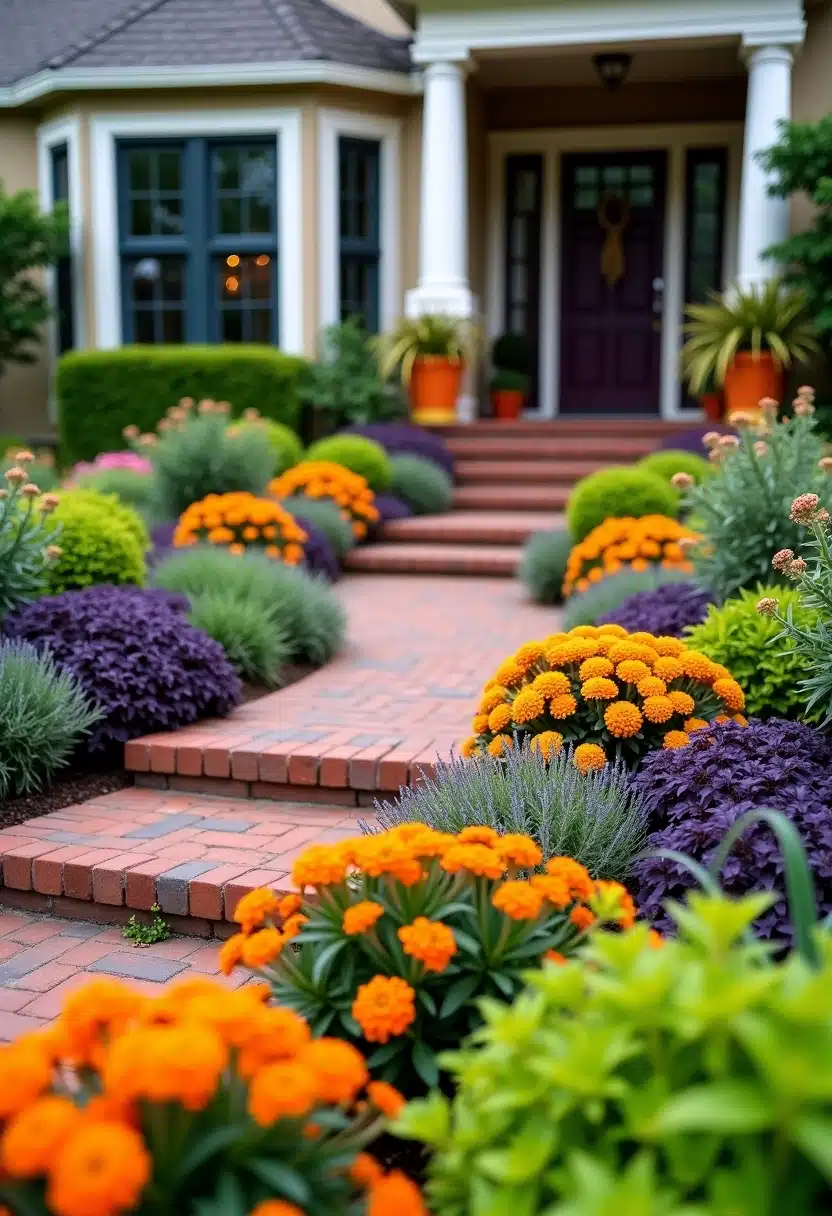
Incorporating color into your front yard landscape is a game-changer. Bold hues can create an inviting and vibrant entrance to your home. Using flower beds with vivid colors like deep purples or bright yellows can draw attention to particular areas. Choose plants that bloom at different times to ensure a consistent splash of color throughout the seasons.
Pair colors creatively for an eye-catching effect. For instance, mix cool blues with warm oranges for a dynamic look. Consider the foliage too; plants with colorful leaves can provide visual interest even when not in bloom. Combining diverse plant heights and textures can further enhance the visual appeal of your outdoor space.
Accent features can make your landscape stand out. Painting garden edging or using colorful pots can add another layer of interest. You can also plant vibrant borders along pathways or around seating areas to make transitions smooth and appealing. This approach not only adds charm but also unifies different aspects of your front yard design.
Eco-Friendly Landscaping Practices
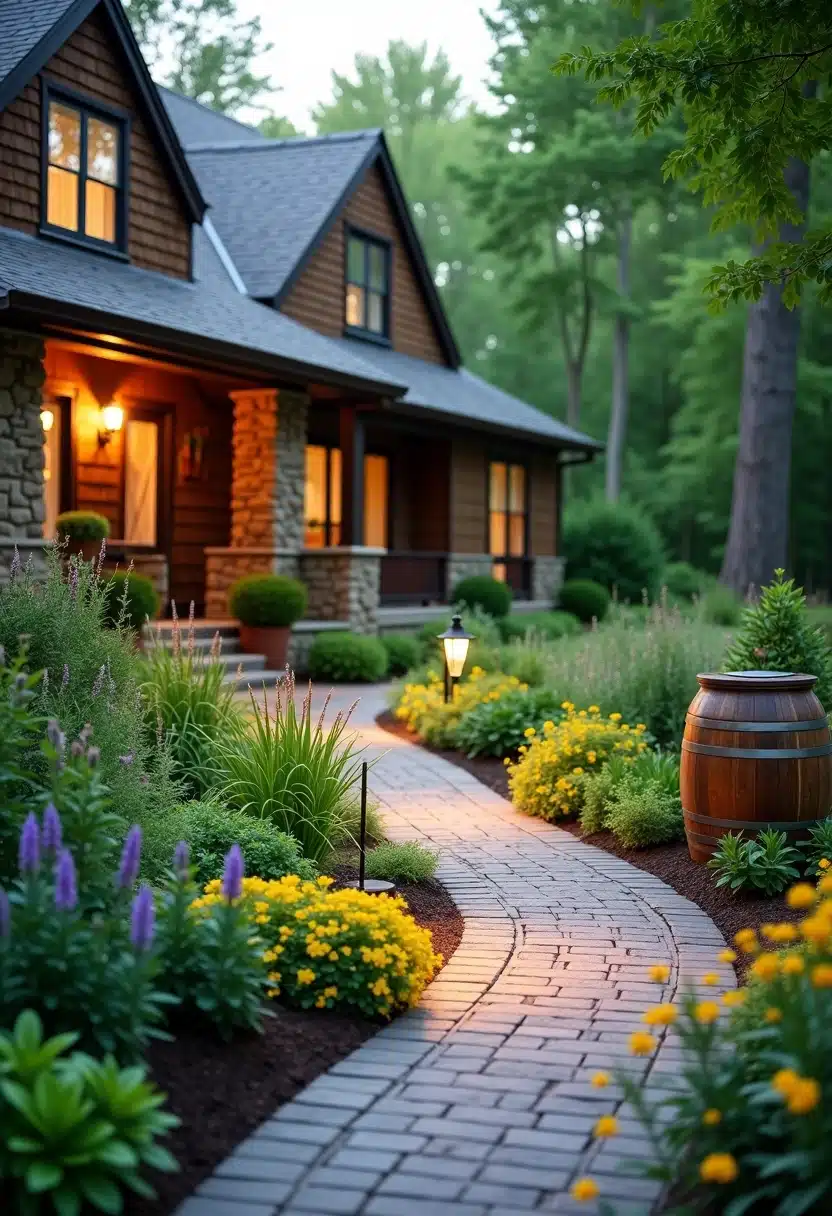
Transforming your front yard into a sustainable haven doesn’t have to be complicated. Embrace eco-friendly practices by focusing on water conservation techniques. Simple steps like installing rain barrels or designing a rain garden can help manage stormwater and reduce water usage. Beyond being environmentally sound, these measures can beautifully enhance the aesthetic of your landscape.
Embrace organic gardening techniques to support local wildlife and promote healthier plants. Opt for native species that are well adapted to your climate, reducing the need for chemical fertilizers and pesticides. By enhancing soil health with compost and encouraging beneficial insects, your garden will thrive naturally and sustainably, offering beauty and biodiversity to your outdoor space.
Another approach is to minimize environmental impact through low-maintenance designs. Choose permeable paving for paths and driveways to improve water infiltration. Implementing energy-efficient lighting through solar options not only saves on electricity but also illuminates pathways attractively. These actions contribute to a greener planet while keeping your front yard stylish and inviting.
Tiered Gardens for Sloped Yards
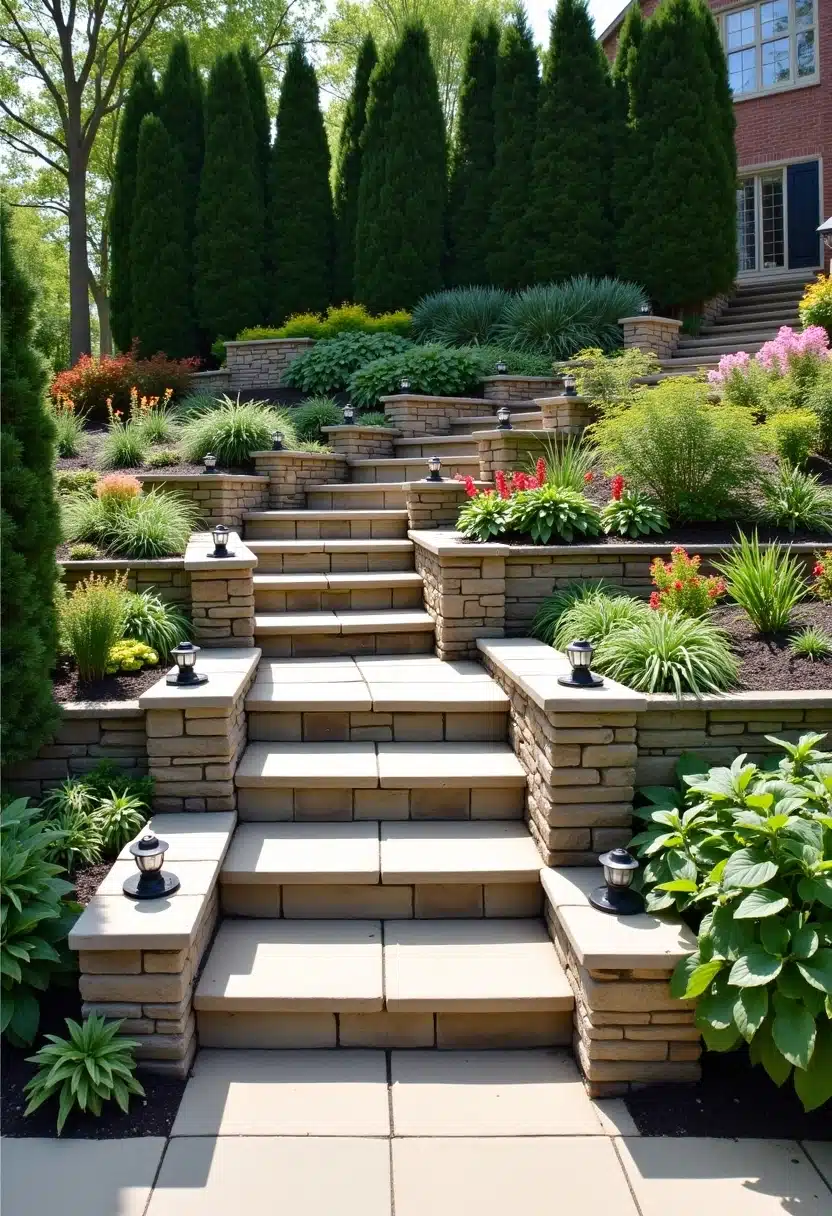
Sloped yards offer unique opportunities to create stunning tiered gardens. By utilizing retaining structures, you can effectively manage varying elevations. These structures not only prevent soil erosion but also provide distinct layers for planting. Selecting materials like stone or wood can add texture and interest, blending naturally into your landscape while enhancing stability and aesthetics.
When planning your tiered garden, consider planting strategies that work with each elevation. Use taller plants or shrubs at higher levels for privacy and to add dimension, while lower tiers can feature colorful ground covers or perennials. This layering effect maximizes visual impact and allows for easier maintenance access. Select plants that thrive in your region and ensure proper drainage for each tier.
To make the most of your sloped front yard, incorporate steps or pathways to connect each tier. These can act as visually pleasing transitions between levels, offering easy navigation throughout your garden space. Adding lighting elements along these pathways can enhance safety and create an inviting atmosphere during the evening, turning a simple landscape into a charming outdoor retreat.
Front Yard Sculptures and Art
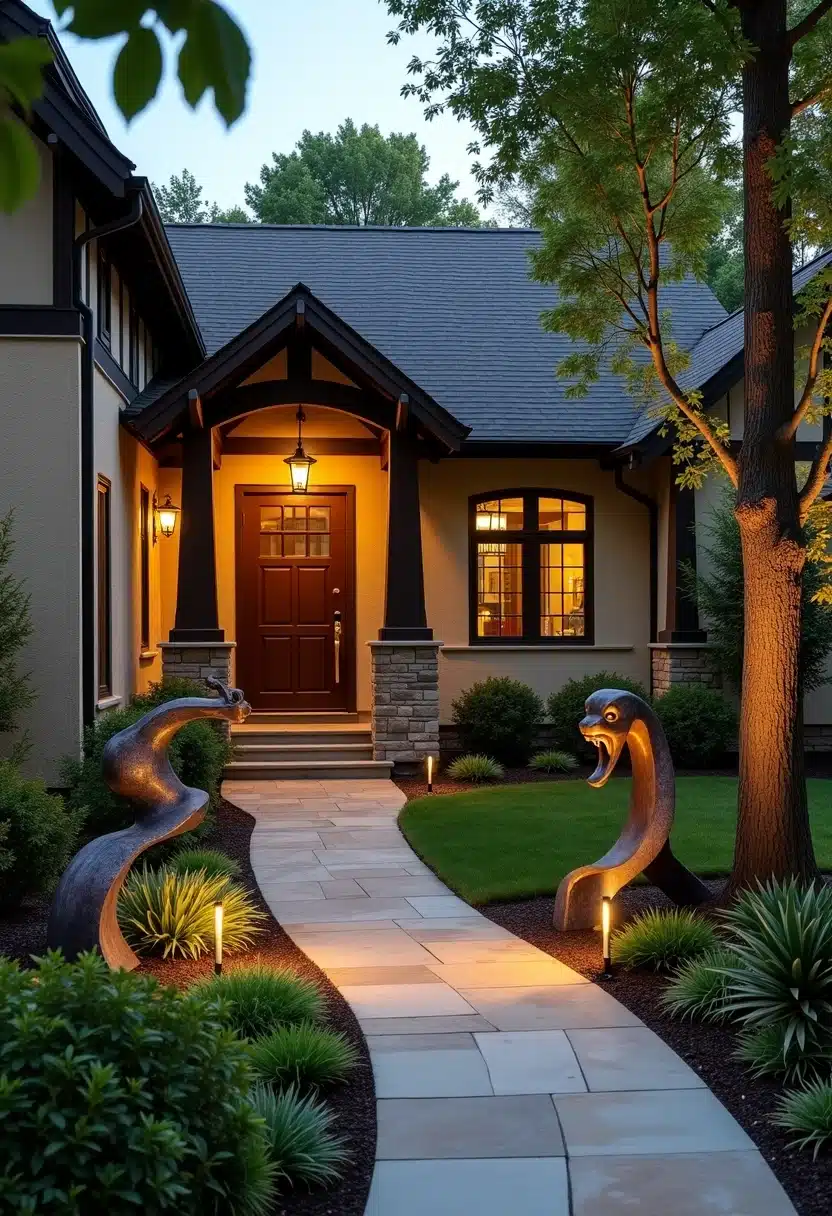
Integrating sculptures and art into your front yard adds a unique touch that speaks to your personal taste. When selecting art pieces, consider the material, weather resistance, and overall style. Whether you choose metal, stone, or wood sculptures, make sure they blend with your garden’s ambiance. Art can transform a simple garden into an inviting space, reflecting both sophistication and creativity.
Placement plays a key role in enhancing the impact of your sculptures. Position them where they can stand out without overshadowing other elements. Typically, near a pathway or entrance creates a welcoming focal point. To maximize their effect, ensure they are adequately lit at night. Thoughtful placement and lighting will create an inspiring visual experience, both day and night.
Art in the garden also encourages emotional connection. Choose pieces that resonate with your personal journey or aspirations. In doing so, the front yard becomes more than just a space; it turns into a narrative of who you are. Remember, your front yard art is a statement, an extension of your personality, and a welcoming gesture to all who approach your home.
Innovative Use of Mulch
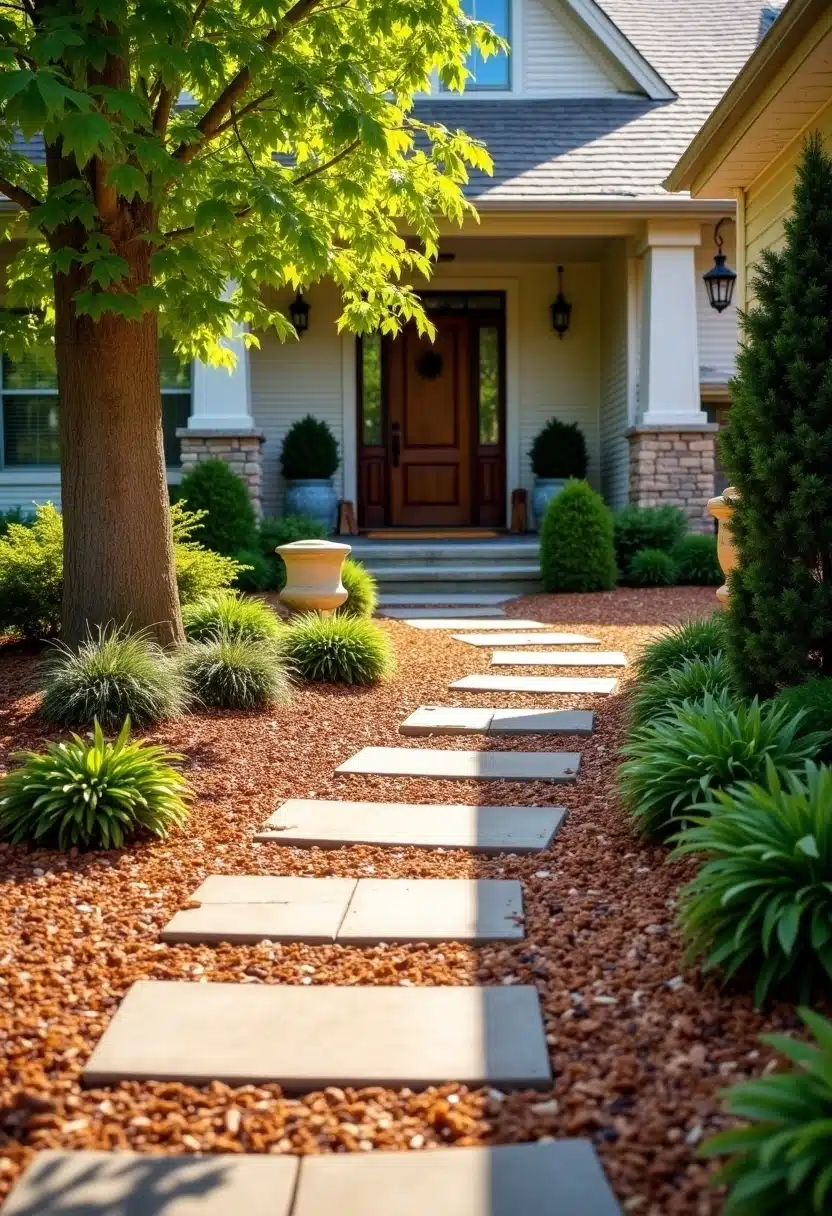
Mulch isn’t just practical; it can transform the aesthetic of your front yard. By selecting the right type, you can coordinate with your plant choice and overall design. Options like wood chips, bark, and gravel offer different textures and colors, enhancing the visual appeal. Mulch defines garden beds and pathways, creating an organized look that complements sculptures and art pieces beautifully.
Types of Mulch and Their Benefits
Organic mulches such as straw, wood chips, and pine needles enhance the soil as they decompose. They help retain moisture, regulate temperature, and suppress weed growth. Inorganic mulches, including stones and rubber, reduce maintenance by providing a lasting cover that doesn’t need replenishing. Both options add a unique character, making them suitable for varying styles and climates, even in winter landscapes.
Application Techniques
To apply mulch effectively, layer it evenly—2-4 inches thick is ideal. Ensure the mulch doesn’t touch plant stems or tree trunks to prevent rot. Regularly refresh the mulch to maintain its appearance and effectiveness. These techniques ensure mulch provides the desired aesthetic and functional benefits while integrating seamlessly into your overall landscape design, ready for seasonal changes.
Winter-Friendly Landscape Designs
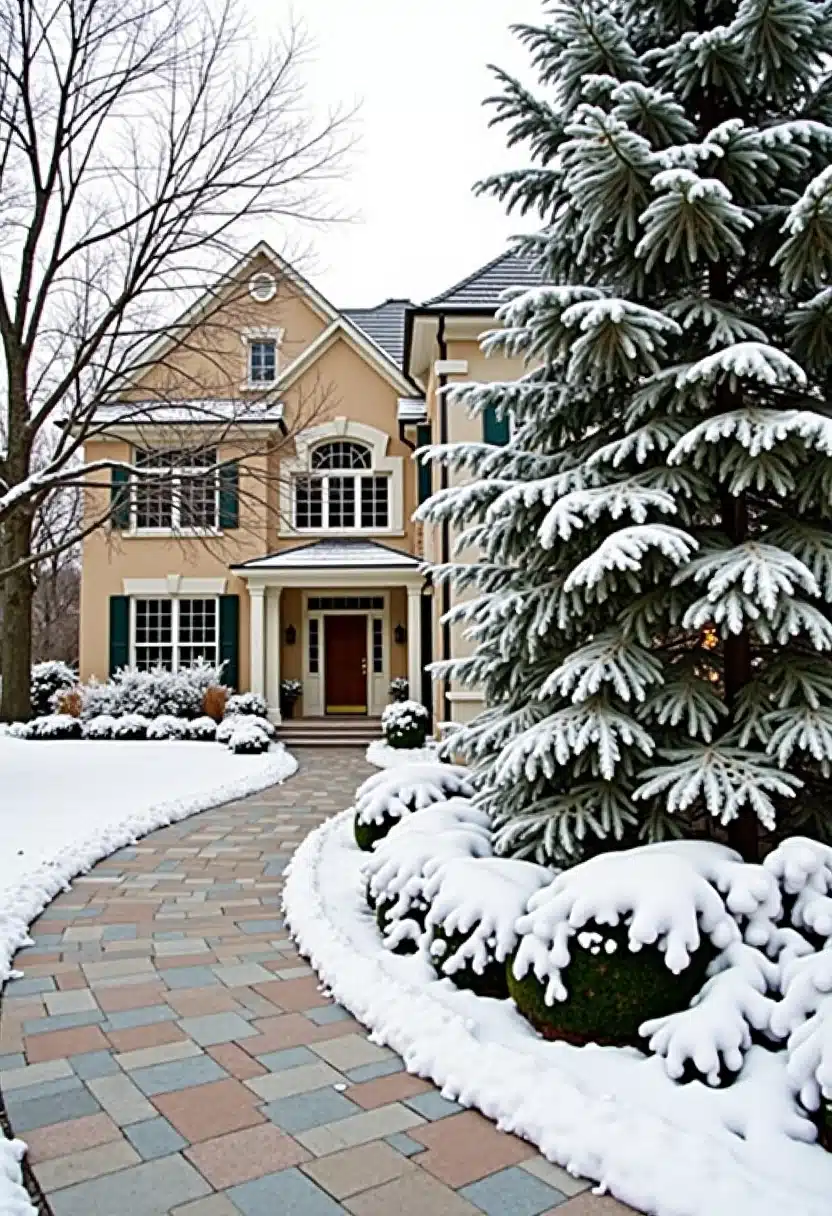
Even in the colder months, you can create a captivating front yard that stands out. Opt for evergreen plants such as boxwoods or junipers. They maintain their green color all year, offering a lively touch even in winter. Combine these with red-twig dogwood or winterberry bushes. They provide vibrant accents and liven up the scenery, offering a pleasing contrast against the snowy backdrop.
Integrating hardscape features can also play a significant role. Stone pathways, brick borders, or wooden elements bring texture and structure to your yard, giving it character and durability. Add a charming bench or an artistic sculpture. These serve as focal points, ensuring your landscaping retains its appeal, even when flowers are not in bloom.
To maintain visual interest throughout the year, consider lighting. Strategically place lights along pathways or spotlight key features. This not only highlights your landscape’s beauty but also enhances safety during shorter days. Choose fixtures that can withstand winter weather for lasting performance. Incorporating these elements keeps your front yard inviting and warm, regardless of the season.
Creating a stunning front yard doesn’t have to be daunting. With ideas ranging from modern minimalist designs to eco-friendly practices, you can transform your outdoor space into an inviting haven that reflects your personality. Focus on elements that enhance beauty, functionality, and sustainability, turning your front yard into a welcoming extension of your home.