A Comprehensive Guide to Selecting and Effectively Using Your Garden Chipper


Embarking on a garden clean-up project? A garden chipper can be an invaluable tool to efficiently manage yard debris such as branches, leaves, and organic material. This guide will help you understand what a garden chipper is, explore the various types available, discuss key features to consider before making a purchase, and offer tips on how to use one effectively. Whether you are a gardening enthusiast or a professional landscaper, this comprehensive guide ensures you find the perfect chipper to fit your garden’s needs and enhance your outdoor maintenance.
Understanding Garden Chippers
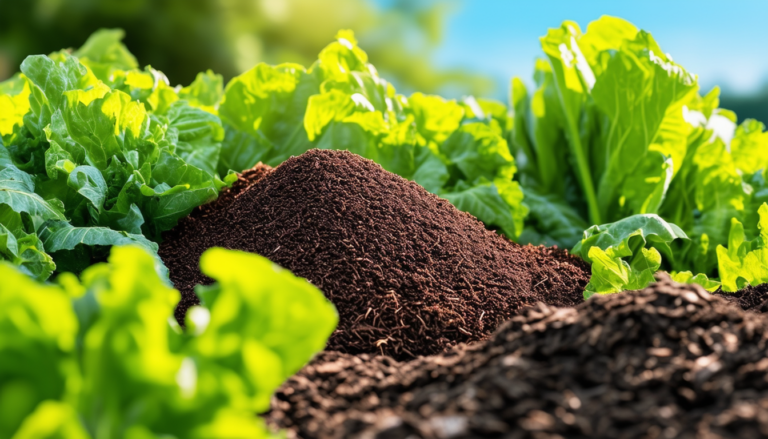
Garden chippers, also known as wood chippers, are powerful tools designed to reduce garden waste like branches and twigs into smaller, manageable chips. These chips can then be used as mulch for garden beds, composting material, or simply for easier disposal. By converting large amounts of bulky organic waste into compact form, garden chippers not only save you trips to the waste disposal site but also help in recycling nutrients back into the garden soil.
Types of Garden Chippers
Garden chippers can vary significantly in terms of size, power, and mechanism. Typically, they come in two main types: electric and gas-powered. Electric chippers are suitable for smaller gardens and lighter work such as leaf mulching and thin branch chipping. They are quieter and generally more environmentally friendly. Gas-powered chippers, on the other hand, offer greater power and mobility for heavy-duty tasks and larger gardens. They can handle thicker branches and more rugged material.
Key Components of a Chipper
The primary component in a garden chipper is the mechanism it uses to chip or shred the organic material. Two common systems are impact chippers, which use sharp blades to cut material into small pieces, and roller chippers, which crush and chop the material using a rolling drum. Impact chippers are typically faster but might require frequent blade replacements, whereas roller chippers are generally more robust and provide consistent chip sizes but can be slower and heavier.
Choosing the Right Garden Chipper
Selecting the ideal garden chipper depends on a variety of factors including the size of your garden, the type of vegetation predominantly found, and your physical capability to handle the equipment. If your garden produces a lot of thick branches, a more powerful gas-powered chipper might be necessary. Conversely, for smaller gardens with lighter foliage, an electric model would generally suffice.
Considerations for Capacity and Size
The capacity of the chipper refers to the maximum diameter of branches it can handle. This is an important consideration as attempting to chip material larger than the machine’s capacity can lead to jams and damage. Additionally, the physical size of the chipper is critical if storage space is limited or if the machine needs to be transported frequently.
Performance Features to Look For
When comparing different models, look for features that enhance performance, such as automatic feeding systems, reversible blades, and easy-access chutes for uncomplicated cleaning and maintenance. Also, consider noise levels, especially if you live in a residential area where loud noise might be a concern.
Effectively Using Your Garden Chipper
For optimal performance and longevity of your garden chipper, proper usage and maintenance are key. Always read the manufacturer’s guide before starting the machine to understand all operational aspects. Feed material gradually to prevent overloading, and ensure that only permissible materials are chipped.
Maintenance Tips
Regular maintenance includes checking the sharpness and tightness of blades, cleaning out any clogs or debris from the chutes, and ensuring that all moving parts are well-lubricated. For gas-powered models, regular checks on the engine oil and air filter will also be necessary.
Safety Precautions
Always wear appropriate safety gear such as gloves, goggles, and ear protection when operating a garden chipper. Keep bystanders, especially children and pets, at a safe distance while the machine is running. Never attempt to clear jams with your hands while the machine is turned on, and always follow the recommended procedures for unclogging.
By understanding the various types of garden chippers, choosing the right model for your needs, and following best practices for use and maintenance, you can make your landscaping tasks much more manageable and efficient, turning garden waste into useful mulch and compost for a healthier, more vibrant garden.
Embarking on the journey of selecting the perfect garden chipper can be as intricate as the gardens you aspire to maintain. This comprehensive guide aims to equip you with essential insights and practical approaches to choosing and operating your garden chipper. This powerful tool not only shapes the aesthetics of your outdoor sanctuary but also ensures sustainability in garden waste management.
Firstly, understanding your specific garden needs is crucial. Analyze the volume and types of garden waste typically produced in your space. For smaller gardens with predominately leaves and soft materials, a standard electric chipper would suffice. Conversely, for larger gardens replete with dense foliage and thick branches, a more robust, possibly gas-powered, chipper may be necessary.
Secondly, consider ergonomic factors and ease of use. A garden chipper that is cumbersome or complicated may deter you from using it efficiently. Look for machines that offer features such as easy loading, user-friendly interfaces, and straightforward maintenance procedures. Ensuring the chipper is not overly noisy and has safety features like an emergency stop can also enhance your chipping experience.
Moreover, the sustainability aspect cannot be overlooked. Utilizing chipped garden waste as mulch not only nourishes your soil but also reduces the need for artificial fertilizers and enhances moisture retention. This practice underscores a holistic approach to gardening — blending functionality with environmental responsibility.
Ultimately, selecting the right garden chipper is about aligning its functionality with the needs of your garden, your personal handling preferences, and your overarching sustainability goals. By focusing on these key areas, you can ensure that your investment not only serves its purpose but also contributes positively to your garden’s health and beauty.