
Designing a Unique Vegetable Garden
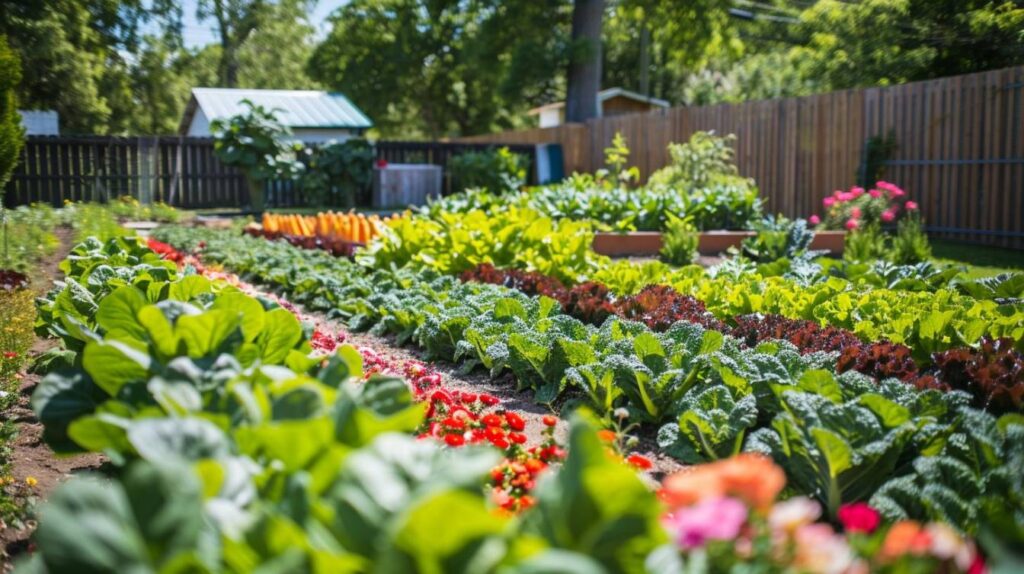
As the resurgence of vegetable gardens captures the heart of both amateur and professional gardeners, we embark on a journey to not only cultivate our sustenance but to craft an environment that bursts with creativity and uniqueness. Whether you’re planning a sprawling backyard plot or a small urban oasis, designing a unique vegetable garden is all about personalization. From multi-colored vegetable varieties to innovative elevated beds, this guide explores vibrant and unexpected ways to breathe life into your gardening endeavors and transform a simple plot into a captivating garden tableau.
Embracing creativity in the garden is about more than just planting seeds; it’s about crafting a vibrant, productive, and visually delightful space that caters to both the gardener’s needs and aesthetic preferences. This article delves into various ways to design a unique vegetable garden, from choosing colorful vegetable varieties to incorporating innovative garden layouts, enhancing both the functionality and beauty of your gardening space.
Creating a garden that stands out isn’t just about planting different crops; it’s about thoughtful integration of design elements, dynamic use of space, and a touch of personal style. Whether you have a sprawling backyard or a tiny urban plot, transforming your growing space into a unique vegetable garden is entirely feasible with a bit of creativity and planning.
Choosing Colorful and Varied Plant Varieties
One of the most striking ways to differentiate your garden is through the use of colorful vegetables. Incorporate a mix of vibrant tomatoes, purple carrots, and deep red beets to turn your garden into a rainbow of hues. Not only do these colorful varieties bring visual interest, but they might also encourage more diverse nutrient intake.
Adopting Creative Garden Layouts
To maximize space and add character to your garden, consider vertical gardening—a style perfect for those with limited space. Vertical gardens allow you to grow upwards instead of outwards, using trellises, wall planters, or even upcycled items like wooden pallets. This method not only saves space but also adds a modern touch to your garden scenery. Explore the possibilities of a self-watering vertical garden by visiting here.
Incorporating Raised Beds and Containers
Raised beds and containers are not only practical for managing soil conditions but also for creating an orderly and accessible garden. By raising your plants off the ground, you can reduce strain on your back during gardening tasks. Additionally, beds and containers can be painted or decorated to enhance the visual appeal of your garden. Looking for an easy way to rearrange your garden? Click here for innovative ideas.
Enhancing Garden Functionality While Keeping Maintenance Low
A unique garden should not only look good but also be easy to maintain. Implementing a low-maintenance garden requires selecting easy-to-care-for plant varieties and employing efficient garden tools. For extensive insights on creating a low-maintenance garden, visit this link.
Supporting the Ecosystem with Year-Round Flower Gardens
Integrating flower varieties that bloom throughout the year can greatly support local wildlife, such as pollinators, while adding beauty and diversity to your vegetable garden. Find out how to sustain pollinator populations with seasonal flower gardening by checking this resource.
Envisioning Your Unique Vegetable Garden
Designing a unique vegetable garden requires a blend of creativity, planning, and a deep understanding of your garden’s environment. Firstly, contemplate the overall layout. Inspiration can be drawn from various garden design ideas such as vertical setups or high-raised beds, which not only save space but also add an architectural element to your garden area. Remember, the main goal is to combine functionality with aesthetic appeal, ensuring that your garden is as beautiful as it is productive.
Choosing the right types of vegetables is a focal part of the design process. Opt for a mix of both common and unusual varieties to give your garden a vibrant and exciting look. For instance, mixing different hues of tomatoes or incorporating some rare heirloom varieties can dramatically enhance the visual appeal of your garden. Furthermore, integrating companion plants can help in managing pests naturally, thereby reducing the need for chemical pesticides.
Accessibility and upkeep should also play significant roles in your design strategy. Incorporate sturdy paths and maybe even a seating area, which will make it easier to enjoy and work in your garden. Efficient use of space is crucial and can be achieved through smart design techniques such as successive planting and intercropping.
Lastly, remember to personalize your garden space. Add artistic touches such as colorful garden art, decorative stakes, or designer trellises. These elements not only serve practical purposes but also showcase your unique style and personality. By thoughtfully planning and creatively approaching your vegetable garden, you can create a functional, sustainable, and pleasurable garden space that reflects your individuality and deepens your connection to the natural world around you.