
Cultivating Barbarian Goji Berries: A Guide to Planting Lycium
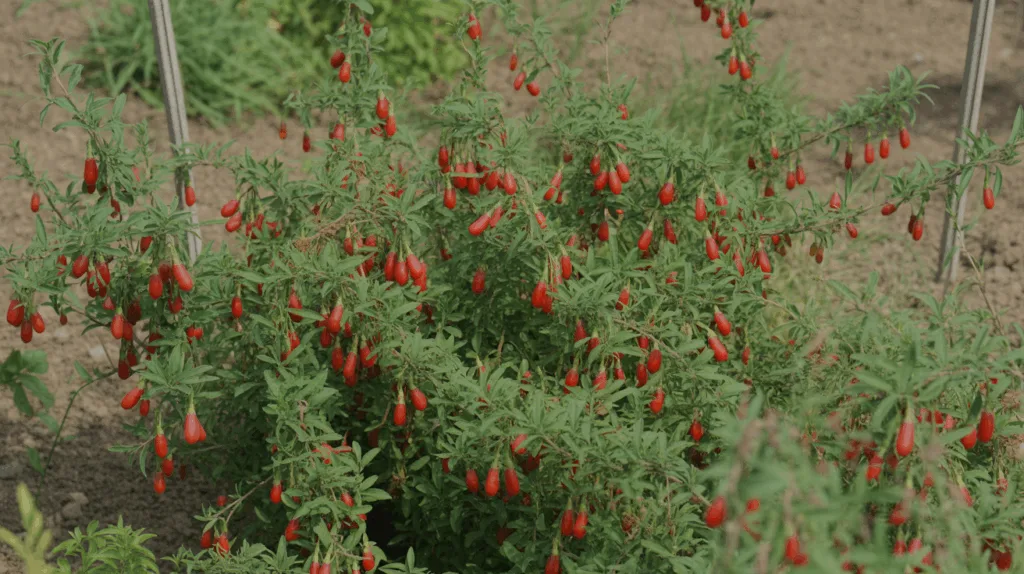
Are you ready to explore the wonders of Barbarian Goji berries? These vibrant, nutrient-rich fruits not only add a pop of color to your garden but also pack a powerful punch of health benefits. In this guide, we’ll delve into the essentials of planting Lycium, covering everything from ideal growing conditions to best practices for stunning results. Let’s embark on this exciting journey of cultivating your very own superfruit garden!
If you’ve been dreaming of adding an exotic touch to your garden, then Barbarian Goji Berries (Lycium barbarum) might just be the perfect addition. These vibrant red berries not only promise a delightful taste but are also celebrated for their nutritional benefits. This guide will walk you through the essentials of planting and nurturing these remarkable plants to help you reap a bountiful harvest.
Understanding Goji Berries
Originating from Asia, the goji berry has become a popular choice among gardeners due to its stunning appearance and adaptability. Known for their antioxidant-rich fruits, goji berries thrive in sunny environments and can be easily integrated into various garden styles. They are suitable for a range of climates, making them an appealing option for both novice and experienced gardeners alike.
Ideal Growing Conditions
Sunlight Requirements
Goji berries flourish in full sun, which means they require at least 6 hours of direct sunlight each day. While they can tolerate some shade, optimal light exposure enhances both growth and fruit production.
Soil Needs
These plants prefer well-draining soil that is fairly rich in nutrients. A soil pH between 6.5 and 8.0 is ideal for promoting healthy root development. Adding organic matter such as compost can help improve soil fertility and drainage.
Planting Goji Berries
Selecting the Right Spot
Choose a location that offers urban protection where the plants can receive maximum sunlight. If you’re planting multiple bushes, ensure they are spaced out adequately, around 3 to 4 feet apart, to allow for their sprawling growth habit.
Planting Technique
For best results, plant goji berries in late winter after the last frost or in early fall. This allows the plant ample time to establish roots and prepare for the warmer months ahead. Remember to firmly stake the three to five strongest canes to create vertical growth, making the harvesting process easier.
Caring for Your Goji Berry Plants
Watering and Fertilizing
Water your goji berries consistently to keep the soil damp, but avoid soggy conditions as root rot can occur. Organic fertilizers during the growing season can bolster fruit production, but it’s essential not to over-fertilize, which can lead to excessive foliage at the expense of fruit.
Pruning for Better Yields
Regular pruning is necessary to maintain the health of your plants. In the early spring, remove any dead or overcrowded branches to promote better air circulation and dedicated energy towards fruit production. This will lead to a stronger plant and a more abundant yield.
Harvesting Goji Berries
Patience is key when it comes to harvesting goji berries. The plants typically begin to bear fruit 2 to 3 years after planting, peaking around their 5th year. Harvest the berries when they are bright red and plump, as this indicates peak nutritional value and taste. You can enjoy them fresh, dried, or blended into smoothies for an added health boost.
Common Challenges and Solutions
Like any plant, goji berries may face challenges such as pests or diseases. Keep a close watch for aphids and spider mites. Regularly checking plant health and using organic pest management strategies can help keep your goji berries thriving. Additionally, be prepared to protect them from harsh weather, especially during early growth periods.
Cultivating Barbarian Goji Berries, scientifically known as Lycium barbarum, is an enriching journey that leads you to experience the joy of growing these nutrient-dense superfruits in your own garden. To begin this rewarding venture, it’s essential to familiarize yourself with the ideal conditions for planting and caring for these remarkable plants. These berries thrive in full sun, making a sunny spot in your garden the perfect location for establishing strong growth and abundant fruit production.
When considering spacing, keep in mind that goji bushes can reach heights of 3 to 10 feet. Plant them approximately 3 to 4 feet apart to allow for proper air circulation and to prevent overcrowding. Providing a sturdy stake to support the plants as they grow will aid in keeping the canes upright while enhancing ease of harvesting. A well-drained, moderately rich soil with an alkaline pH is critical for promoting healthy growth, so be sure to test your soil before planting.
Timing is also of utmost importance; the best time to plant your goji berries is in early spring or late fall. This allows the roots to establish themselves before the growing season kicks in. While these plants are generally low-maintenance, regular watering to keep the soil damp but not soggy is key. As the plants mature, they will start to produce fruit in about two years, with maximum yields realized after three to five years of growth.
Enhanced by their antioxidant properties and culinary versatility, goji berries can be enjoyed fresh, dried, or incorporated into various dishes. By committing to careful planting and ongoing care, you can cultivate a plentiful harvest of these delightful berries that not only enrich your garden but also enhance your health.