
Essential Tips for Winterizing Your Vegetable Garden
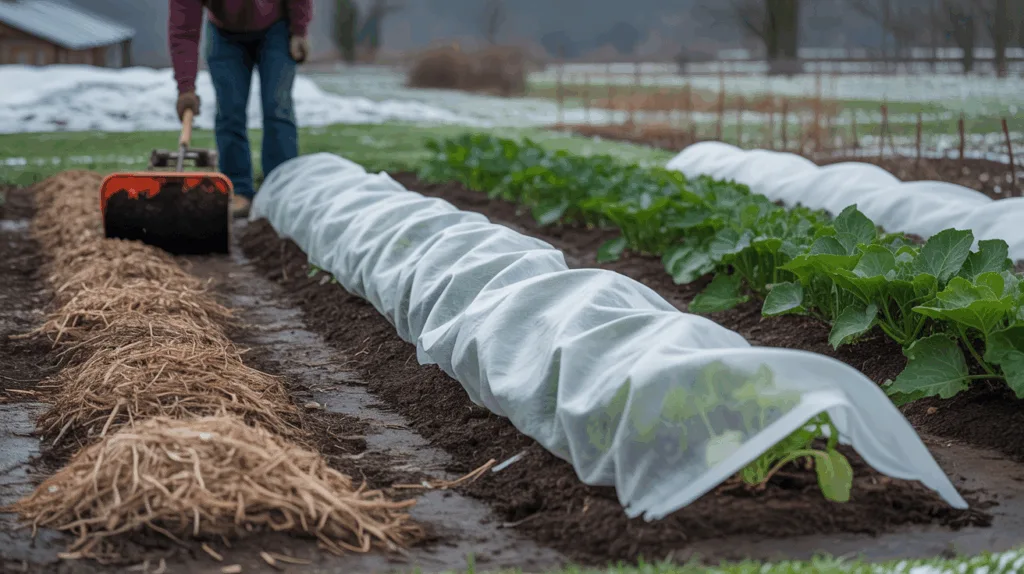
As the chill of winter approaches, it’s crucial to prepare your vegetable garden for the cold months ahead. Proper winterization ensures that your plants receive the protection they need to thrive come spring. From harvesting the last of your produce to enhancing soil health, these essential tips will equip you with the knowledge to safeguard your green haven. Embrace the opportunity to enhance your garden’s resilience and ensure a vibrant comeback when warmer days return!
As winter approaches, it’s crucial to prepare your vegetable garden for the colder months. Properly winterizing your garden not only protects your plants but also sets the stage for a thriving garden come spring. This guide offers practical tips and strategies to ensure your plants survive the winter chill and flourish in the warmer months ahead.
Assess Your Plants
Before diving into winter preparation, take a close look at your garden. Assess which crops have reached maturity and which ones still need more time to grow. Harvest any remaining vegetables, especially tender varieties that won’t survive freezing temperatures. This includes tomatoes, zucchini, and peppers, which should be gathered before frost threatens their growth.
Improve Soil Health
Healthy soil is foundational for any garden, and it’s essential to fortify it as winter approaches. Start by adding compost or organic matter to enrich your soil. This process not only prepares your soil for the cold but also enhances its nutrient content, promoting better growth for the following spring. Learn more about how to prepare and enrich your vegetable garden soil.
Mulching Techniques
One of the best defenses against harsh winter conditions is mulching. Apply a layer of straw, shredded leaves, or other organic materials around your plants to create insulation against freezing temperatures. This not only protects the roots but also helps retain moisture. For additional tips on effective mulching, consider exploring the essential tips for preparing your raised vegetable garden for winter.
Winter Coverage
In addition to mulching, utilize protective coverings like fleece or row covers to envelop delicate plants. If you’re growing sensitive vegetables, these coverings can provide essential warmth and shield them from frost. Additionally, consider constructing hoop houses or using cold frames to create a microclimate that can protect your crops through the winter months.
Drain and Store Your Irrigation System
As winter nears, it is vital to prepare your irrigation system. Before the threat of frost, ensure that all hoses, drip lines, and sprinklers are thoroughly drained and stored properly. Any remaining water can freeze, causing cracks and damage to your irrigation system that could hinder your gardening efforts when spring arrives.
Plan for Your Spring Garden
While it may seem far away, now is the perfect time to plan for your spring garden. Consider which crops you want to plant when the temperatures rise again, and look into cover crops that can be planted for soil enrichment during the winter. These crops—like clover or rye—help enhance soil health and prevent erosion while also providing a habitat for beneficial insects.
Cleanup and Maintenance
As you prepare your garden for winter, it’s also essential to tidy up. Remove any debris from your garden beds, including dead plants and fallen leaves, to minimize the risk of pests and diseases. An organized garden makes it easier to transition into spring and will help maintain the overall health of your plants.
Stay Updated with Seasonal Tasks
Regularly checking for winter gardening tasks can help ensure your garden remains healthy and vibrant during the cold months. Stay informed and proactive by reviewing essential preparations tailored to your region, which will outline the specific tasks appropriate for your local garden conditions.
Winter may seem challenging for gardeners, but with these essential steps, you’ll be well on your way to protecting your vegetable garden from the cold. Enjoy the satisfaction of nurturing your green oasis and preparing for flourishing blooms and harvests come spring!
As the cool breeze of fall ushers in the winter season, it’s essential to give your vegetable garden the TLC it needs to survive the colder months. With the right preparations, you can protect your plants and set the stage for a vibrant garden in spring. Begin by harvesting your vegetables before the first frost; some tender crops like zucchini and tomatoes will not withstand the cold. Ensure that you clear out any debris, as it can harbor pests and diseases that linger from the harvest.
Next, focus on protecting the soil. Apply a generous layer of mulch to insulate the soil and maintain moisture levels. This step is crucial in preventing frost heaving, which can damage roots. Additionally, consider planting cover crops such as clover or rye grass. These crops enrich the soil, prevent erosion, and fix nitrogen, paving the way for healthier growth come spring.
Your irrigation system should also be winterized to avoid cracks and leaks. Drain garden hoses and disconnect irrigation lines, ensuring they are stored in a dry place. This will prolong their life and prepare your system for efficient use in the warm months ahead.
Lastly, don’t forget about pruning and protecting any sensitive plants. Trim back perennials, and if you’re in a particularly cold climate, provide extra insulation with protective coverings or blankets. By taking these proactive steps, you will not only safeguard your vegetable garden through the harsh winter months but also enhance its resilience and beauty for the upcoming growing season.