
Essential Tips for Preparing Your Raised Vegetable Garden for Winter
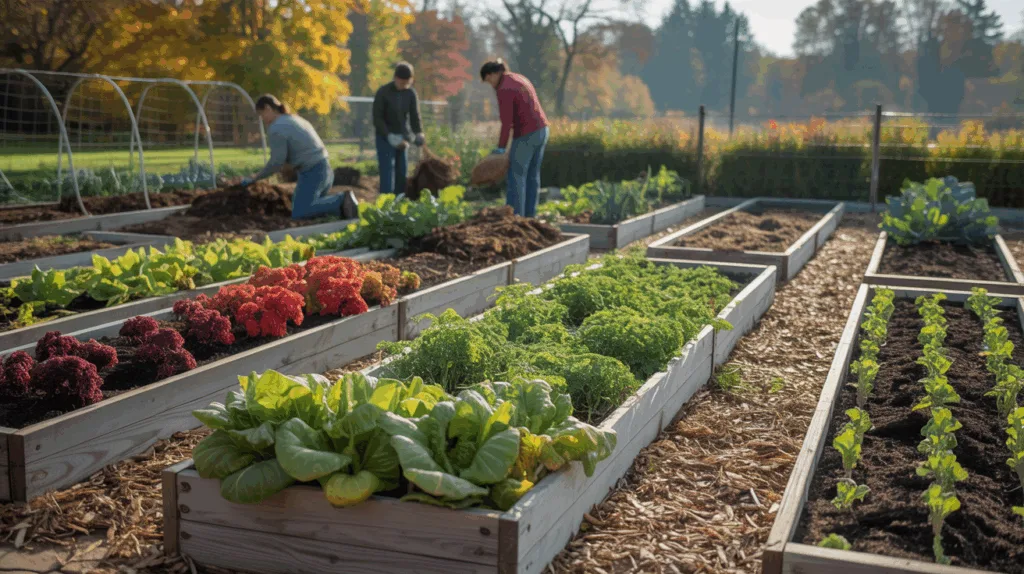
As the days grow shorter and temperatures begin to drop, it’s time to focus on your raised vegetable garden and prepare it for winter. Proper preparation not only protects your plants from harsh elements but also enhances the soil health for a fruitful spring. With just a few essential tasks, you can ensure your garden remains vibrant and ready to thrive when the warm weather returns. Let’s explore some vital tips to get your raised beds ready for the colder months!
Essential Tips for Preparing Your Raised Vegetable Garden for Winter
As the chill of winter approaches, it’s time to give your raised vegetable garden the care it deserves. Preparing your garden for the colder months is a vital step to ensure healthy plants and abundant yields in the spring. With these essential tips, you’ll learn about soil preparation, protecting your crops, and creating a nurturing environment for winter gardening.
Assessing Your Garden Health
Before you dive into the preparations, it’s crucial to take a closer look at your garden. Assess the health of your plants by removing any diseased or damaged ones. This not only prevents pests from overwintering but also helps keep your soil fresh and ready for new growth.
Preparing the Soil
Strong, healthy soil is the backbone of a thriving garden. Begin by clearing away any leftover debris and weeds from your raised beds. This will minimize disease risks and promote optimal soil health. Next, amend the soil with organic matter such as compost. This step will invigorate your soil, enhancing its nutrient content and improving its structure.
Testing Soil pH
It’s essential to know the pH level of your soil as it can drastically affect plant growth. Aim for a slightly acidic to neutral range (6.0 to 7.0). A simple soil test can reveal a lot about the nutrient availability in your garden. If the pH needs adjustment, consider adding lime to increase the pH or sulfur to decrease it.
Cover Crops and Mulching
Embrace the benefits of planting cover crops in your raised beds. These crops help protect the soil from erosion, suppress weeds, and enhance soil fertility after they decompose. Additionally, layer your garden beds with a thick blanket of mulch. This will keep the soil warm, retain moisture, and protect the soil structure during harsh freezing conditions. Be sure to choose the right mulch that suits your garden’s needs, such as straw or shredded leaves.
Protection from Frost
Winter presents many challenges, including frost and snow. Covering your crops with frost cloths or row covers acts as a protective blanket. For cool-season crops still in the ground, utilizing mini-greenhouses or cold frames can create a microclimate that promotes continued growth. Properly protecting your plants will help ensure that they emerge unscathed come spring.
Harvesting and Storing
Don’t forget that some late-season crops can still be harvested before winter truly takes hold. Tender vegetables that do not tolerate frost, such as tomatoes and zucchinis, should be harvested promptly. To maximize your yield, store your harvested veggies correctly to keep them fresh throughout winter.
Plan for Spring
While preparing for winter, keep one eye on the upcoming spring season. Implement crop rotation strategies and plan which vegetables you’ll plant first. This foresight not only reduces pest problems but also improves soil health by diversifying what you grow.
By following these essential tips for preparing your raised vegetable garden for winter, you create a sustainable and productive environment for your plants. Your hard work now will pave the way to a flourishing spring harvest!
For more guidance on enhancing your garden, check out these resources on thriving fruit trees and preserving your herbs. Don’t forget the helpful tips from safeguarding your potted plants and discover fantastic garden finds before winter arrives. Lastly, see what experts recommend for November gardening tasks to keep your garden in its best shape!
Essential Tips for Preparing Your Raised Vegetable Garden for Winter
As the chilly winds of winter approach, it’s crucial to prioritize the preparation of your raised vegetable garden to ensure the health of your soil and the vitality of your plants for the coming spring. One of the first tasks is to clear debris and any remaining crops that are no longer thriving. Remove old plants and weeds that could harbor pests or diseases, setting the stage for a fresh start.
Next, consider the health of your soil, which is the foundation of a successful garden. Testing the soil’s pH is an essential step that allows you to understand its nutrient content and make necessary amendments. Aim for a pH of around 6.0 to 7.0, and enhance the soil with organic matter like compost. This addition not only enriches the soil with essential nutrients but also helps improve its structure and water retention.
Mulching is another vital task when winterizing your raised beds. A thick layer of mulch can protect the soil from freezing temperatures, reduce weed growth, and maintain moisture levels. Additionally, consider planting cover crops, such as clover or winter rye, which can prevent soil erosion and improve soil fertility when turned under in spring.
Lastly, don’t forget to assess the condition of your garden layout. Consider implementing crop rotation strategies for the next planting season to optimize the health and yield of your crops. Preparing your raised vegetable garden for winter not only safeguards your investments from the harsh elements but also lays a strong foundation for a bountiful harvest in spring. Embrace this opportunity to nurture your garden during the colder months, ensuring it thrives when warmer weather returns.