
Fall Gardening Tasks: Essential Preparations for a Colorado Winter
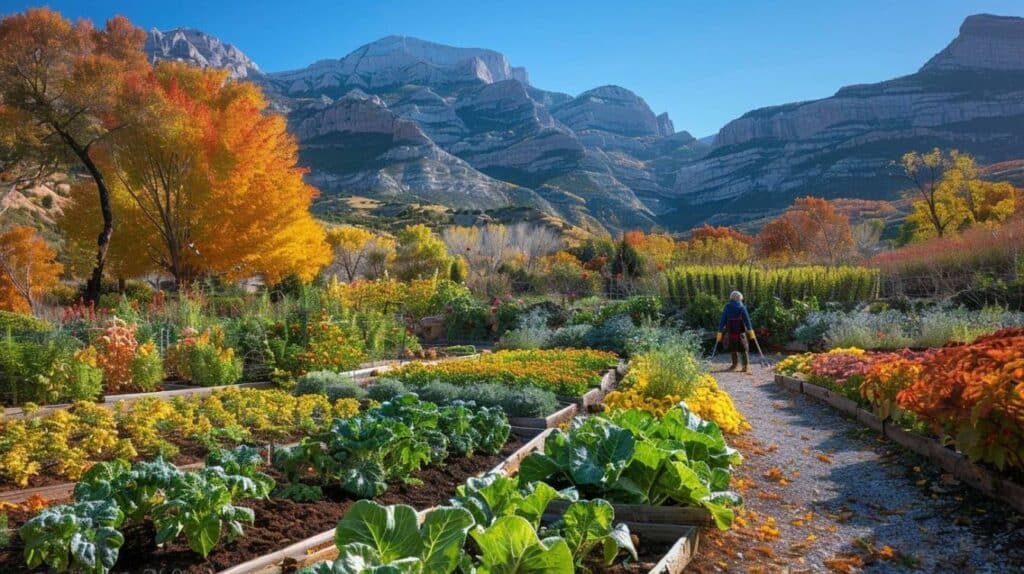
October marks a pivotal period for gardeners in Colorado. With winter looming, it’s time to undertake essential fall gardening tasks to ensure your garden remains vibrant and healthy come spring. From lawn aeration to winterizing sprinkler systems, let’s delve into the fundamental activities you need to address this season.
Remove Fallen Plant Debris
Start by clearing away fallen leaves and plant debris. This not only improves the aesthetic appeal of your garden but also prevents the spread of diseases and pests. A tidy garden free of debris invites fewer opportunities for insects and fungi to overwinter and cause issues later.
Aerate and Fertilize Your Lawn
If you missed aerating your lawn in spring, now is the perfect time to get it done. Aeration helps to decompact the soil, allowing better water and nutrient absorption. After aerating, apply a robust fertilizer while the grass is still green to ensure it remains nourished through the colder months.
Add Soil Amendments
Enhance your soil by incorporating soil amendments such as compost or aged manure. This not only boosts nutrient content but also enhances soil structure, preparing it for next year’s planting. Rich, well-amended soil will support healthier and more vigorous plants in the spring.
Protect Container-Grown Patio Plants
For those beautiful container-grown patio plants, ensure they are moved to a sheltered location. If moving isn’t possible, wrap containers with insulating materials to protect the roots from freezing temperatures. Consider using bubble wrap or burlap to provide adequate insulation.
Prune or Cut Back Perennial Plants
Pruning in autumn encourages new growth and maintains the long-term health of your perennials. Cut back dead or diseased plant material to foster new sprouts in the spring. Remember, each plant may have specific pruning needs, so research accordingly.
Mulch to Protect Plant Roots
Applying a generous layer of mulch around the base of your plants helps insulate roots and maintain moisture levels. Mulch acts as a protective blanket, regulating soil temperature and preventing weeds. Use organic materials like wood chips, straw, or shredded leaves for the best results.
Watering Considerations for Fall and Winter
One crucial yet often overlooked task is fall and winter watering. Newly planted perennials, trees, and shrubs need consistent watering until the ground freezes. Watering during dry spells in winter is essential to prevent dehydration and ensure plant survival.
Winterizing Your Sprinkler System
Prevent damage to your irrigation system by winterizing it before the first freeze. Drain all water from the system and blow out any residual moisture using an air compressor. This step helps avoid burst pipes and costly repairs in the spring.
Prepare Your Vegetable Garden
Remove any remaining vegetables and add a layer of compost to rejuvenate the soil. Consider planting cold-weather vegetables like kale and spinach, which thrive in cooler temperatures. Cover crops, such as rye or clover, can also be planted to enhance soil fertility and structure.
Protecting Trees and Shrubs
Wrap young trees and shrubs with burlap to shield them from harsh winds and frost. Applying a tree wrap to the trunks prevents damage from fluctuating temperatures. Regularly check for signs of pest infestations and manage promptly to safeguard plant health.
Plan and Purchase Spring Bulbs
Now is the time to plant spring-flowering bulbs. Select high-quality bulbs and plant them in well-draining soil to enjoy a vibrant bloom come spring. Popular choices include tulips, daffodils, and crocuses, which add a splash of color to your garden after the winter thaw.
By attentively executing these fall gardening tasks, you’ll ensure that your Colorado garden remains healthy and poised for a spectacular spring revival. Dive into these preparations with enthusiasm, and reap the rewards of your diligent care in the seasons to come!
Additional Resources for Your Gardening Journey
For more insights on optimizing your garden, explore these articles:
- You Won’t Believe How Often You Should Actually Water Your Garden!
- Garden Design: How to Balance Aesthetics and Functionality?
- Gardeners Encouraged to Use a Carpet in Their Garden This September
- Discover the Secret Gardening Hack That Will Transform Your Plants Forever!
- Discover the Shocking Secret to Keep Pests Away from Your Garden!
Essential Preparations for a Colorado Winter
As fall descends upon Colorado, this season marks a pivotal time for gardeners. The myriad of gardening tasks undertaken now can dramatically impact the health and resilience of your green space come winter and the subsequent spring. Initially, removing fallen plant debris is crucial. This simple yet effective task prevents the spread of pests and diseases, maintaining the health of your plants.
The next vital step is aerating your lawn. If you missed out on aeration during spring, October is the perfect time. Aerating your lawn encourages root growth, resulting in a stronger, healthier lawn. Alongside this, fertilizing while the grass is still green ensures that nutrients are absorbed efficiently, preparing your lawn for the chilly months ahead.
It’s also imperative to amend the soil at this time. Adding organic matter such as compost or manure can improve soil structure, enhance moisture retention, and provide essential nutrients for your plants. For those with container-grown patio plants, safeguarding them against the impending cold is essential. Moving these plants to sheltered spots or insulating their containers can prevent damage from frost.
Attending to watering responsibilities is another often overlooked fall task. Continue to water new plantings, including trees and perennials, weekly until the ground freezes. Ensuring adequate moisture during fall and winter is critical, especially when natural precipitation is insufficient.
Pruning or cutting back plants is also advised. Removing dead or diseased branches not only helps in maintaining plant health but also reduces the risk of breakage due to heavy snowfall. Additionally, mulching plants can provide much-needed insulation, protecting roots and maintaining soil temperature.
Lastly, consider the potential of your winter garden. The selection of cold-weather vegetables and the right soil protection measures can yield a thriving garden even in the coldest months. These preparations ensure that your garden not only survives the winter but comes back vibrant in the spring, ready to bloom and flourish once more.