
How to Prepare and Enrich Your Vegetable Garden Soil
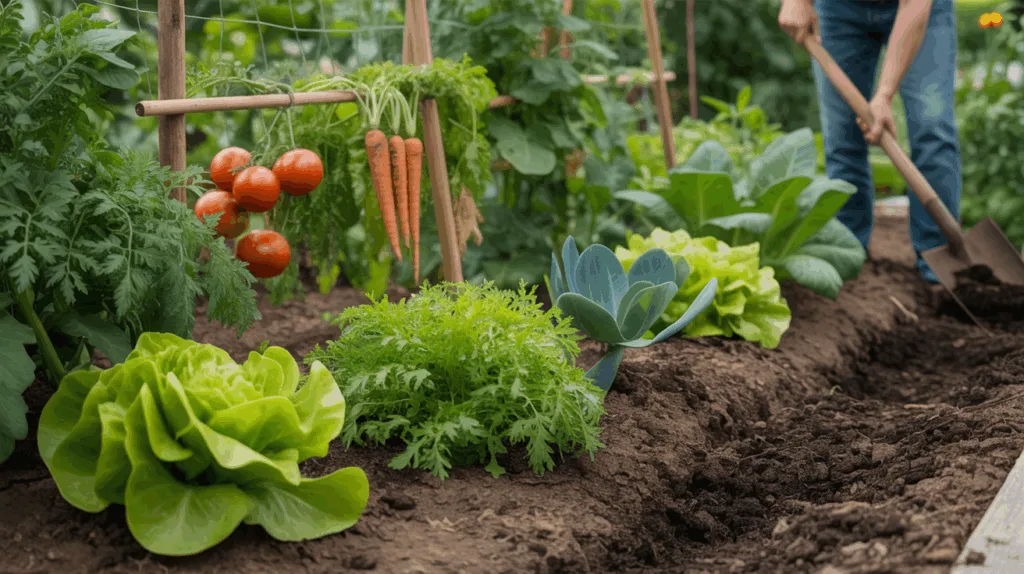
Are you ready to transform your outdoor space into a flourishing vegetable garden? The secret to a bountiful harvest lies in how you prepare and enrich your garden soil. Proper soil preparation is an essential first step, as it ensures optimal nutrient availability and promotes healthy plant growth. In this guide, we will explore practical techniques to enhance soil structure, improve drainage, and incorporate organic matter. Get ready to dig deep and unlock the potential of your garden soil!
Preparing your vegetable garden soil is crucial for ensuring healthy plant growth and a bountiful harvest. This article provides a comprehensive guide on how to prepare and enrich your soil effectively, utilizing various methods that will help you cultivate thriving vegetables. You’ll discover essential steps for soil assessment, improvement techniques, and the benefits of incorporating organic matter.
Assessing Your Soil Quality
The first step in preparing your vegetable garden soil is to assess its current quality. Begin by conducting a soil test to analyze pH levels, nutrient content, and texture. This knowledge will inform you about the specific amendments needed to create an optimal growing environment. A balanced soil should maintain a pH between 6.0 and 7.5, which is ideal for most vegetables.
Clearing the Garden Area
Before you start amending your soil, it’s important to clear the garden area of any debris, rocks, and weeds. Utilize a spade to cut up any sod and remove established weeds by hand or with tools. This ensures that your vegetables won’t have to compete with unwanted plants for nutrients and water.
Tilling the Soil
Tilling is an essential step that aids in loosening compacted soil and enhancing drainage and aeration. Use a garden fork or rototiller to break up the soil to a depth of at least 8 to 12 inches. This will create a well-aerated environment, allowing roots to penetrate easily and access nutrients effectively.
Adding Organic Matter
One of the most effective ways to enrich your vegetable garden soil is by adding organic matter, like compost, well-rotted manure, or leaf mold. These amendments improve soil structure, promote beneficial microbial activity, and supply necessary nutrients. Aim to mix 2 to 3 inches of organic matter into the top 6 to 8 inches of soil.
Incorporating Cover Crops
Planting cover crops during the off-season can be an excellent technique to enhance soil fertility. Leguminous plants, such as clover or vetch, fix nitrogen in the soil, while other cover crops can improve soil structure and prevent erosion. When spring arrives, simply turn these crops into the soil to enrich it further.
Improving Soil Texture
Soil texture significantly influences drainage and nutrient retention. If you have sandy soil, add organic materials to help retain moisture. Conversely, if you have clay-heavy soil, incorporating sand and organic matter can aid in better drainage. Achieving a good balance of sand, silt, and clay will create the ideal environment for vegetable growth.
Utilizing Natural Fertilizers
In addition to organic matter, consider using natural fertilizers to boost soil nutrient levels. Ingredients like bone meal, blood meal, or fish emulsion can provide essential nutrients. When applying these fertilizers, follow recommended guidelines to avoid over-fertilization, which can harm plant growth.
Maintaining Soil Health Over Time
Soil preparation is not just a one-time task. Ongoing maintenance is essential to ensure continued soil health. Regularly add compost and organic matter, adjust nutrients based on soil tests, and monitor for pests and diseases. These practices will foster a thriving garden and enhance productivity year after year.
Winterizing for Next Season
As winter approaches, you must also consider how to winterize your vegetable garden. This involves clearing fallen leaves, covering the garden bed with mulch, and planting cover crops to protect soil health during the cold months. For tips on reviving your garden after a short vacation, check out this guide.
Exploring Additional Resources
To further enrich your gardening knowledge, consider exploring various hints and tips from experts. Learn how to incorporate banana peels into your gardening routine to boost nourishment by visiting this article. For self-sufficient gardening ideas that promote harmony, explore this resource.
By applying these techniques, you will not only prepare and enrich your vegetable garden soil but set the stage for a thriving, productive season ahead!
Preparing and Enriching Your Vegetable Garden Soil
Setting the stage for a successful vegetable garden begins with proper soil preparation. The foundation of a healthy garden lies in the quality of the soil. To create a thriving environment for your plants, it’s essential to start with a comprehensive assessment of your soil’s existing conditions. This involves testing the pH level and determining its nutrient content, which can guide you in making informed decisions about necessary amendments.
Once you understand your soil’s baseline, enriching it with organic matter like compost, well-rotted manure, or leaf mold can significantly enhance soil fertility. Working 2-3 inches of compost into the top layers of your soil helps improve its structure, drainage, and aeration, creating a nutrient-rich habitat for your vegetable plants. Incorporating these organic materials regularly will replenish nutrients and maintain healthy microbial activity.
Another vital aspect of soil preparation is addressing drainage and aeration concerns. For compacted soils, loosening the soil with a garden fork or tiller is important, as it allows roots to penetrate deeper and access moisture and nutrients more effectively. Practices like double digging can further improve soil structure, particularly when dealing with hardpan layers.
Additionally, regular practices such as adding cover crops during the off-season can benefit the soil by preventing erosion and promoting nutrient cycling. Each step taken in preparing and enriching your vegetable garden soil contributes to the overall health of your plants and the productivity of your garden. From composting to soil testing, these actions lay the groundwork for a bountiful harvest, maximizing your gardening efforts and delivering the vibrant produce you desire.