
The Benefits of Incorporating Banana Peels into Your Gardening Routine: Insights from Experts
HTML:
Imagine transforming your garden into a vibrant and thriving oasis using something as simple as a banana peel. This often-overlooked kitchen waste holds a treasure trove of nutrients that can give your plants the boost they need. According to experts, banana peels are high in potassium, which is essential for plant growth and fruit production. When used correctly, they can help retain soil moisture, suppress weeds, and gradually release nutrients into the soil. From mulching to creating a liquid fertilizer, integrating banana peels into your gardening routine is a natural and effective way to nurture your plants.
Banana peels have long been whispered about in gardening circles as a secret weapon. Rich in essential nutrients, these often-discarded kitchen scraps can enhance soil moisture, suppress weeds, and provide plants with a much-needed potassium boost. Experts weigh in on how banana peels can be used effectively in your garden, offering a sustainable and cost-effective alternative to chemical fertilizers.
The Nutritional Powerhouse Beneath the Peel
Banana peels are not just waste; they are a powerhouse of nutrients. Packed with potassium, they help with plant growth and fruit production. Moreover, they also contain smaller amounts of calcium, manganese, iron, and other trace minerals, making them a comprehensive natural fertilizer for your garden.
Unlocking Potassium and Other Nutrients
When it comes to essential plant nutrients, potassium ranks high. Banana peels are especially rich in this mineral, promoting strong stems and vigorous flowering. By drying and grinding the peels in a food processor, you can create a rich powder to spread directly into the soil or mix with water for a liquid fertilizer.
Methods of Using Banana Peels in the Garden
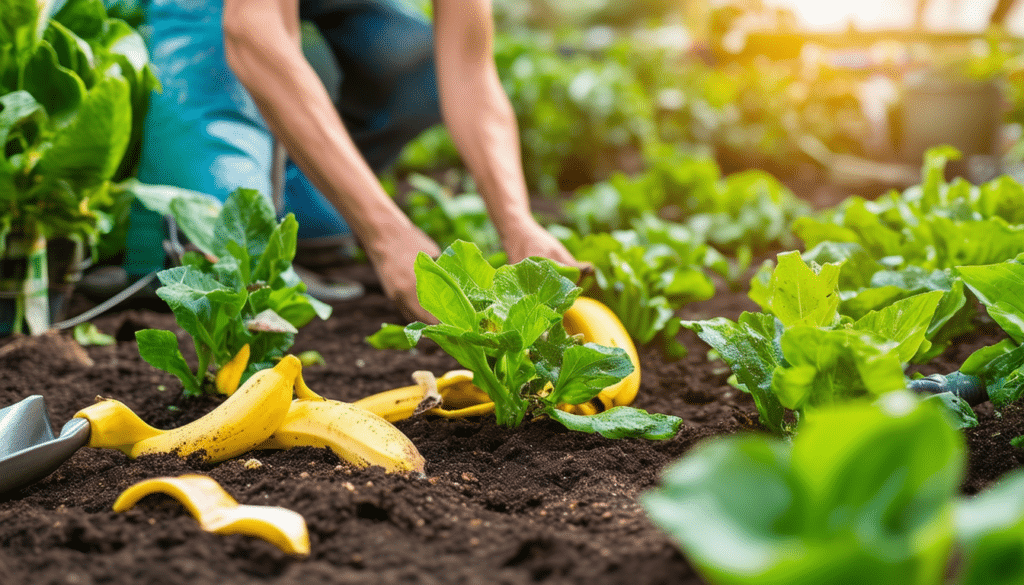
To harness the power of banana peels, you can chop and bury them directly into the soil, allowing them to decompose slowly and release nutrients over time. Alternatively, you can create a banana peel mulch. This can help retain soil moisture, suppress weeds, and provide a steady nutrient release as they break down.
Banana Peel Tea
An interesting and effective method is to create a banana peel tea. Soak the peels in water for a few days and use the nutrient-rich liquid to water your plants. This method not only recycles kitchen waste but also provides plants with an immediate nutrient boost.
Banana Peel Mulching
Mulching with banana skins can offer multiple benefits. As they decompose, they release nutrients gradually while helping to retain soil moisture and suppress weed growth. Simply lay the peels on the soil surface around your plants for an easy, natural mulch.
Expert Insights on Banana Peels
Gardening experts agree that banana peels can be a valuable addition to any gardening routine. According to these experts, the peels provide a sustainable and cost-effective way to feed plants. They particularly emphasize the suitability of banana peels for flowering plants and vegetables that thrive on high potassium levels.
Hydrangea Care
Gardening professionals highlight that hydrangeas, in particular, can benefit immensely from banana peels. These plants often require potassium for vibrant flower colors and strong growth. By incorporating banana peel mulch or tea, you can naturally boost their health and beauty.
Applications in Greenhouses
Experts also point out the effectiveness of banana peels in greenhouse settings. Used as a slow-release fertilizer, they are perfect for container gardening and small-scale operations where soil enrichment is crucial. By turning the peels into a liquid potassium solution, you can provide targeted nourishment to your greenhouse plants.
Things to Consider
While banana peels offer numerous benefits, they also have some limitations. It’s important to note that not all plants may react positively to banana peels, especially houseplants, which might be sensitive to the decomposition process. Always test in small quantities to see how your plants respond.
Potential Drawbacks
Keep in mind that raw banana peels need time to break down. Incorporating them too quickly can lead to microbial imbalances in the soil. Additionally, some experts caution against using banana peels on plants susceptible to rot or pest infestations, as they can attract unwanted visitors.
Using banana peels in your garden is more than just an eco-friendly practice; it’s a powerhouse of nutrients. Experts confirm that banana peels are rich in potassium, which plants need for vigorous growth and fruit production. This essential nutrient can be harnessed in various easily accessible forms like dried and ground peels or even in banana water.
One of the most significant advantages of banana peel fertilizers is their ability to act as a natural mulch. By placing banana skins around your plants, you can help retain soil moisture, suppress weeds, and gradually release nutrients into the soil as they decompose, enriching it over time. This decomposition process ensures a steady supply of nutrients, especially potassium, manganese, calcium, and other trace minerals.
Banana peels can also be used to make liquid potassium solutions. By soaking them in water, you can create a nutrient-rich liquid to water your plants, offering them an immediate boost. This method is particularly beneficial for plants that crave high potassium levels, such as tomatoes, peppers, and flowering plants like hydrangeas.
Furthermore, the eco-friendly aspect of using banana peels cannot be overlooked. Instead of discarding these valuable scraps, you’re repurposing them into something that promotes a sustainable gardening practice. This not only reduces waste but also provides a free, effective fertilizer alternative to chemical options.
However, it’s essential to be mindful of the proper usage of banana peels. While they are excellent for many plants, some might not respond well to this type of fertilizer. Conducting a little research into which plants thrive with banana peel supplements can help optimize your garden’s health.
All in all, incorporating banana peels into your gardening routine significantly benefits plant health, soil quality, and environmental sustainability. This natural method of enriching your garden not only makes use of kitchen waste but also brings you a step closer to a more sustainable and flourishing garden.