
50 Self-Sufficient Garden Ideas for Ultimate Independence and Harmony
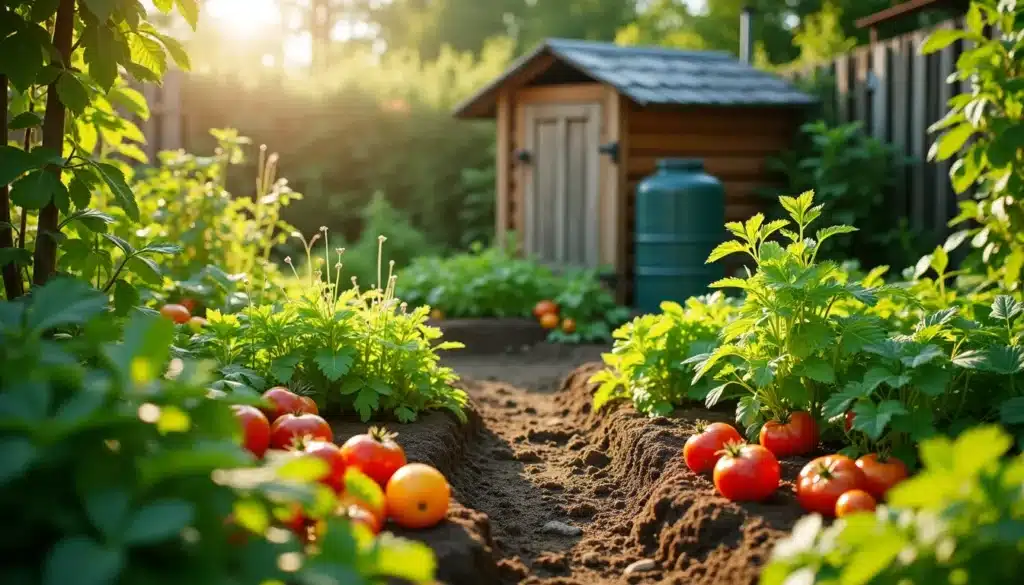
Creating a self-sufficient garden is a rewarding journey toward sustainability and fresh produce. With careful planning, you can reduce reliance on external resources while enjoying an abundant harvest. Explore 50 innovative ideas that transform your garden into a flourishing ecosystem, providing year-round nourishment and beauty, all in harmony with nature’s cycles. Discover thriving techniques for a sustainable lifestyle.
Understanding Self-Sufficient Gardening

Self-sufficient gardening is more than just planting seeds; it’s about creating a sustainable ecosystem in your backyard. This approach focuses on maximizing productivity while minimizing the need for external inputs. By adopting self-sufficient practices, you can enjoy fresh produce year-round. These gardens use methods like crop rotation, composting, and companion planting to maintain soil fertility. This not only ensures a consistent food supply but also promotes ecological balance.
Additionally, self-sufficient gardening encourages biodiversity. Growing a mix of plants attracts beneficial insects and wildlife, which helps control pests naturally. This reduces the need for chemical pesticides, making your garden healthier and safer for both you and the environment. Implementing rainwater collection and solar energy can further enhance your garden’s sustainability. These steps overall lead to a more resilient and self-reliant living space.
It’s crucial to remember that self-sufficient gardening requires planning and dedication. Start by assessing your family’s needs and the space available. Gradually expand your garden, adjusting your practices based on observations and results. With time, you’ll cultivate a vibrant ecosystem that not only feeds your family but also supports local wildlife.
Choosing the Right Location for Your Garden

When setting up your self-sufficient garden, selecting the right location is a key step. Think about how much sunlight your plants will need each day. Most vegetables thrive in locations receiving at least 6 to 8 hours of direct sunlight. Identifying a spot with ample sunlight ensures healthier and more productive plants, supporting your goal of sustainable food production throughout the year.
Besides sunlight, assess the soil quality of your potential garden site. A rich, well-draining soil nurtures plant growth, so it’s helpful to conduct a simple soil test beforehand. You can amend poor soil with organic matter like compost to improve its fertility. This ensures your plants receive the necessary nutrients, aligning with your self-sufficiency goals.
Water accessibility is equally crucial when choosing your garden’s location. Being close to a water source simplifies the task of watering your plants efficiently. Consider setting up a rainwater collection system for added sustainability. Thoughtful site selection enables your garden to thrive, facilitating a design layout that’s both effective and environmentally friendly as you move into planning your garden’s structure.
Planning Your Garden Layout

Designing your garden layout is all about maximizing space and enhancing your garden’s productivity. Start by considering the size and shape of your garden plot. Identify which areas get the most sunlight, essential for most plants to thrive. Sketch a rough draft where you’ll plant your crops to make the most of the space available, ensuring each plant has enough room to grow and flourish.
Incorporate companion planting techniques to naturally boost your garden’s efficiency. Certain plants, when grown together, can improve each other’s growth, ward off pests, or enhance flavor. For example, planting tomatoes next to basil can improve both yield and flavor. Additionally, practice crop rotation, which means changing the location of where you plant specific crops each year to prevent soil depletion and reduce pest and disease cycles.
Remember to leave pathways between plants for easy access, watering, and maintenance. These paths should be wide enough to navigate comfortably. Also, consider grouping plants that have similar water, soil, and sun needs, which simplifies care and ensures each plant thrives. With thoughtful layout planning, your garden not only looks organized but also supports the healthy growth of your produce.
Soil Preparation and Improvement

Achieving healthy soil is a cornerstone of a self-sufficient garden. Checking the soil texture, water retention, and nutrient levels is vital. Conducting a soil test helps determine its pH and nutrient status. An ideal pH ranges from 6.0 to 7.5 for most plants. Utilize homemade compost or well-rotted manure to improve soil health, enriching it with essential organic matter and microorganisms.
Practicing crop rotation can prevent nutrient depletion, ensuring the soil remains fertile. Legumes can be planted to enhance nitrogen levels naturally. Cover crops like clover and rye protect soil structure and add nutrients back. Mulching is another great technique, helping retain moisture and suppress weeds. Straw, leaves, or grass clippings are practical mulching materials that decompose over time, contributing to soil enrichment.
Raised beds can help manage soil quality by allowing better control over texture and drainage. If working with heavy clay or sandy soils, mixing in organic matter is advantageous. Compost, peat moss, or sand can be incorporated to create a sturdier structure. Consistent soil care ensures thriving plants and makes gardening much more sustainable and manageable.
Essential Tools for Self-Sufficient Gardening

In your journey toward a self-sufficient garden, having the right tools is as key as choosing the proper crops. The basics like a sturdy shovel, trowel, and pruning shears help efficiently manage the space. Choose tools with comfortable grips to reduce fatigue as you work the soil and tend to plants. A well-constructed wheelbarrow can simplify transporting heavy loads like compost or harvested produce.
For successful irrigation, a watering can or a garden hose is indispensable. Drip irrigation systems offer an advanced solution, delivering moisture directly to plant roots, conserving water and ensuring optimal growth. Protective gear, like gloves and knee pads, saves your hands and knees while you work. This simple investment in quality gardening tools makes the broad experience more satisfying and productive.
The integration of these essential tools into your gardening routine fosters self-sufficiency. As you transition to the next chapter, focus on selecting high-yield crops to maximize your garden’s output. Pair these tool tips with your new knowledge of soil health and crop selection, creating a harmonious blend of preparation and maintenance for a thriving garden. This careful planning ultimately supports a more efficient and productive self-sufficient garden.
Selecting High-Yield Crops

When creating a self-sufficient garden, selecting the right crops is vital to ensure maximum yield with minimal space and resources. Opt for high-yield varieties that will consistently provide abundant harvests. Choose crops that are not only productive but also versatile in the kitchen. Varieties like tomatoes, beans, and zucchini are excellent choices, as they grow well in most climates and offer numerous culinary possibilities.
Another key factor is nutrient density. Selecting crops that pack a nutritional punch ensures you’re making the most of your garden space. Leafy greens like kale and spinach are rich in vitamins and minerals. Consider root vegetables like carrots and beets, which are also nutrient-rich and store well for future use. Incorporating a mix of these crops balances both yield and nutrition.
Timing and succession planting can further boost productivity. Plan your garden layout to maximize growing seasons by rotating crops. Start with fast-growing plants in early spring and follow them with longer-season crops as temperatures rise. This approach not only optimizes your space but also ensures a continuous supply of fresh produce throughout the growing season, enhancing your garden’s self-sufficiency.
Growing Organic Vegetables

Growing organic vegetables is a key step in self-sufficient gardening. Embrace natural techniques to ensure your veggies thrive without synthetic fertilizers or harmful pesticides. Start by enriching your soil with compost and natural amendments. This boosts plant health and yields. Companion planting also offers a natural pest control solution, leveraging the mutual benefits various plants provide each other.
By practicing crop rotation, you maintain soil fertility and manage pest populations naturally. Select vegetable varieties that are well-suited to your region, focusing on those that adapt best to your local climate. Mulching plays a vital role, as it retains soil moisture and suppresses weeds. These sustainable methods help create an ecosystem where plants flourish, providing nutritious produce.
Herbs to Enhance Your Self-Sufficient Garden

Your self-sufficient garden can truly benefit from the inclusion of herbs. Herbs like basil, rosemary, and sage not only enhance meals but are easy to grow. Their culinary use makes them versatile, while their strong scents deter pests naturally. With minimal effort, these herbs thrive in various conditions, offering an excellent addition to your garden’s ecology and functionality.
Medicinal herbs such as mint, chamomile, and echinacea can transform your garden into a small apothecary. These plants have been used for ages to soothe ailments and boost wellness. Chamomile can calm nerves, mint aids digestion, and echinacea supports immune health. Cultivating these herbs helps promote a garden that nourishes both body and spirit.
Incorporating herbs into your garden also encourages biodiversity. They attract beneficial insects like bees and butterflies, which are vital for pollination. This, in turn, supports the overall health of your garden’s ecosystem. By growing a range of herbs, you create a balanced environment where plants and insects coexist, enhancing your self-sufficient garden.
Fruit Trees and Bushes for Self-Sufficiency

Incorporating fruit trees and bushes into your garden is a fantastic way to elevate your self-sufficient lifestyle. They not only provide a continuous supply of fresh fruits but also add beauty and structure to your garden. Trees like apple, pear, and cherry are excellent choices, while berry bushes like blueberry and raspberry can fit into smaller spaces. Choose varieties suited to your climate for optimal growth.
Planting fruit trees and bushes requires strategic planning. Consider the mature size of each plant and allow enough space for them to flourish. They need plenty of sun and well-drained soil to thrive. Regular pruning helps maintain their health and productivity. Fertilize them appropriately, focusing on organic solutions that enhance soil quality without synthetic chemicals.
Fruit trees and bushes bring immense biodiversity to your garden. They attract beneficial insects, improving pollination for your other plants. By integrating these into your setup, you encourage a harmonious ecosystem. Embrace the joy of growing your fruits and enjoy fresh harvests season after season. These low-maintenance plants can become the cornerstone of your self-sufficient garden, offering sustenance and natural beauty year-round.
Companion Planting for Pest Control
Companion planting is an excellent strategy to naturally deter pests and enhance your garden’s productivity. By strategically positioning plants that benefit each other, you can create a balanced ecosystem where harmful insects are kept at bay. For instance, pairing marigolds with tomatoes can help repel nematodes, while basil can ward off aphids when planted alongside peppers. This harmonious planting method can reduce the need for chemical pesticides.
In addition to pest control, companion planting can improve the growth and yield of certain crops. Plants such as beans can fix nitrogen in the soil, providing essential nutrients for neighboring plants like corn or cucumbers. Similarly, radishes can help break up the soil, facilitating better root development for carrots. By understanding the symbiotic relationships between plants, you can create a flourishing, self-sustaining garden.
Companion planting not only protects your garden but also adds diversity and beauty to your outdoor space. Consider using herbs and flowers to attract beneficial insects, such as ladybugs and bees, which can further enhance your garden’s health. These vibrant additions can contribute to a thriving, pest-resistant garden, making it a true extension of your self-sufficient lifestyle.
Water Conservation Techniques
Water conservation is a vital aspect of a self-sufficient garden. Efficient water management strategies can greatly reduce waste and ensure plants get the moisture they need. One of the most effective techniques is rainwater harvesting. By using rain barrels or larger cisterns, you can collect and store rainwater from your roof. This not only conserves water but also provides a chemical-free source for your plants.
Drip irrigation systems are another fantastic way to conserve water. These systems deliver water directly to the base of each plant, reducing evaporation and ensuring that each plant receives the right amount of water. Installing a drip system is relatively straightforward and can be customized to fit the layout of your garden. This technique is particularly beneficial in arid regions where water is scarce.
Combining rainwater harvesting with drip irrigation creates an efficient, self-sufficient watering system. Both methods can be enhanced with timers and moisture sensors to further optimize water usage. Planning your water conservation strategy well can lead not only to a healthier garden but also to a reduction in your overall environmental impact. Focus on maximizing water efficiency to ensure your garden thrives even in dry spells.
Building a Compost System
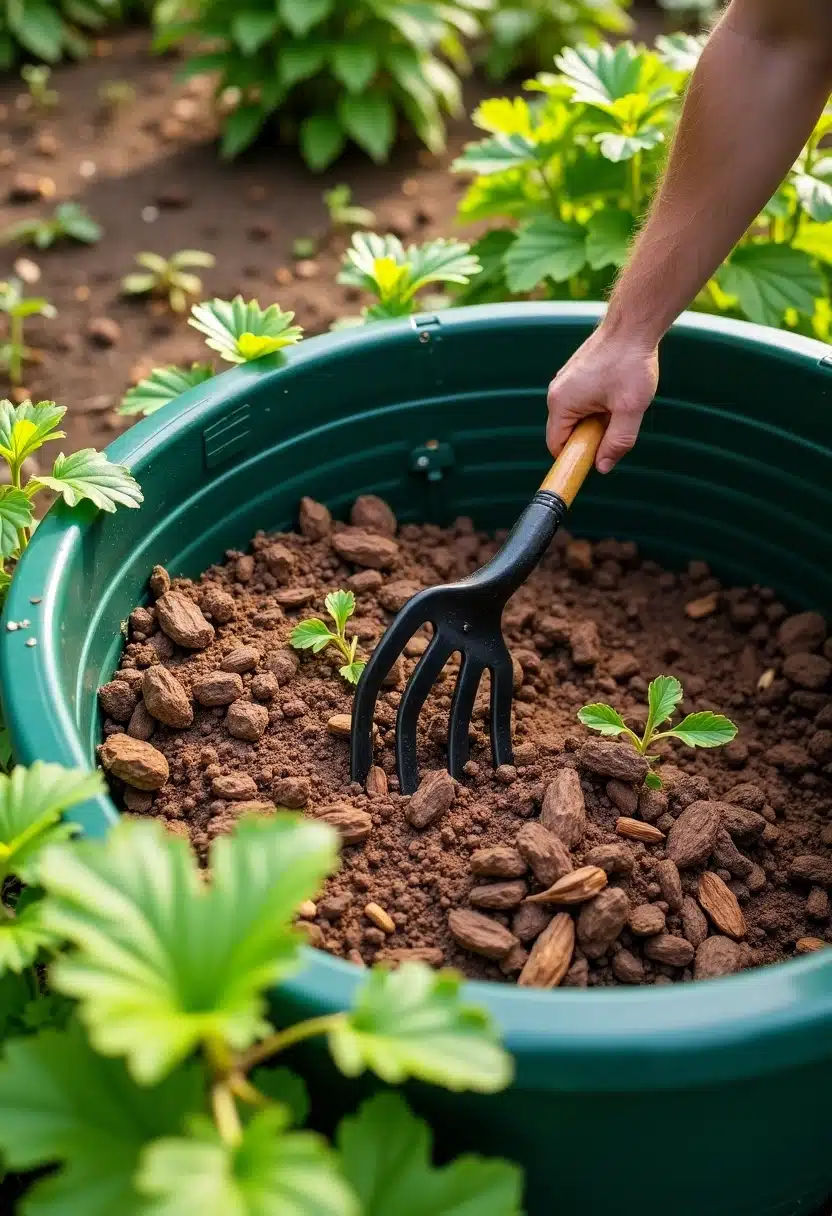
Creating a compost system is a smart way to recycle organic waste and enrich your garden soil. Composting involves collecting kitchen scraps and yard waste, turning them into nutrient-rich, fertile matter over time. All you need is a suitable container such as a bin or a heap in a well-drained area. As you add green and brown materials, ensure a balance to promote efficient decomposition.
Maintaining a compost system requires regular turning of the pile to aerate and speed up the decomposition process. This activity helps keep pests at bay and controls odors. Monitor moisture levels; the compost should feel like a damp sponge. If too dry, add water, and if too wet, mix in more brown materials. With patience, you’ll improve soil health significantly.
A compost system contributes to the self-sufficiency of your garden by reducing the need for chemical fertilizers. The final product can be used to enhance soil structure, improve productivity, and promote healthier plants. By investing a little time, you’ll not only benefit your garden but also embrace a more sustainable lifestyle.
Creating a Seasonal Planting Calendar
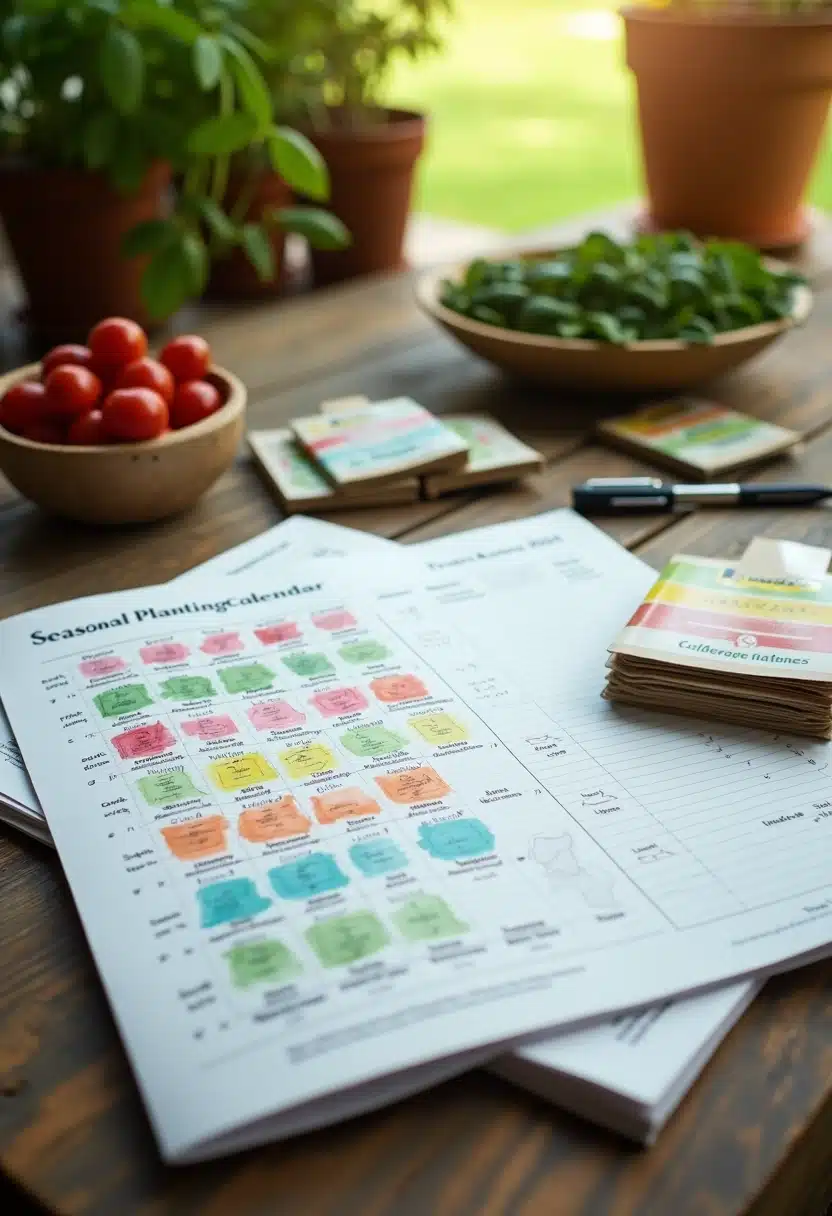
Creating a seasonal planting calendar is a fantastic way to ensure your self-sufficient garden thrives year-round. By strategically planning what to plant and when, you can enjoy a continuous harvest of fresh fruits and vegetables. Begin by researching your local climate and identifying the optimal planting seasons for each crop. This knowledge allows you to make informed decisions about which plants to grow, ensuring they thrive throughout the year.
To streamline your gardening process, consider using a digital tool or a simple planner to map out your planting schedule. Break the year into seasons and designate specific crops for each time period. Visual aids, like color-coding or charts, can simplify this task and make your calendar easy to follow. Remember, a well-thought-out planting calendar maximizes your garden’s efficiency and boosts productivity.
Maintain flexibility in your plan to account for unforeseen weather changes or other challenges. Monitor your garden regularly and adjust your calendar as needed. Keeping a record of planting dates and harvest yields can help refine your calendar over time, making it a powerful tool for achieving a self-sufficient lifestyle. Aim to align seasonal planting with natural cycles, allowing your garden to flourish and reducing the need for external inputs.
Incorporating Perennials for Sustainability
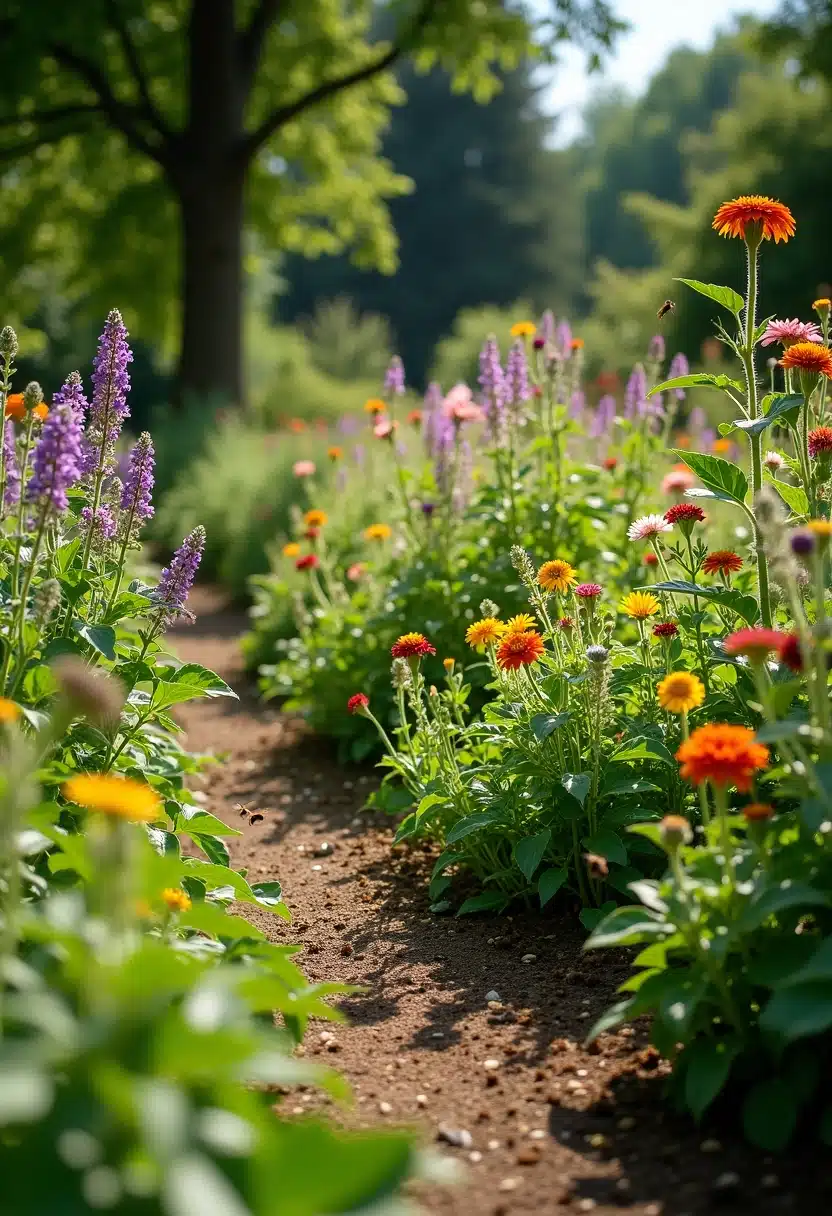
Incorporating perennials into your garden offers more than just aesthetic appeal. These plants return year after year, reducing the need for replanting and offering a steadfast supply of resources. This contributes to a lower-maintenance garden, leaving you more time to enjoy the fruits of your labor. Perennials often need less water and care, making them perfect for a sustainable setup.
Key to a thriving perennial garden is choosing plants suited to your climate and soil. Consider native options, as they effortlessly adapt, requiring less intervention. Their deep root systems help manage water usage efficiently, beneficial for water conservation. Moreover, perennial herbs and vegetables can provide continuous harvests, adding flavor and nutrition to your meals throughout the seasons.
Blend perennials strategically with annuals for a dynamic landscape that supports biodiversity. This mix not only boosts your garden’s visual appeal but also enhances its resilience. Inviting beneficial insects through diverse plantings ensures natural pest control. By focusing on perennials, you’re building a sturdy, self-replenishing garden framework that sustains itself with minimal input.
Growing Edible Flowers
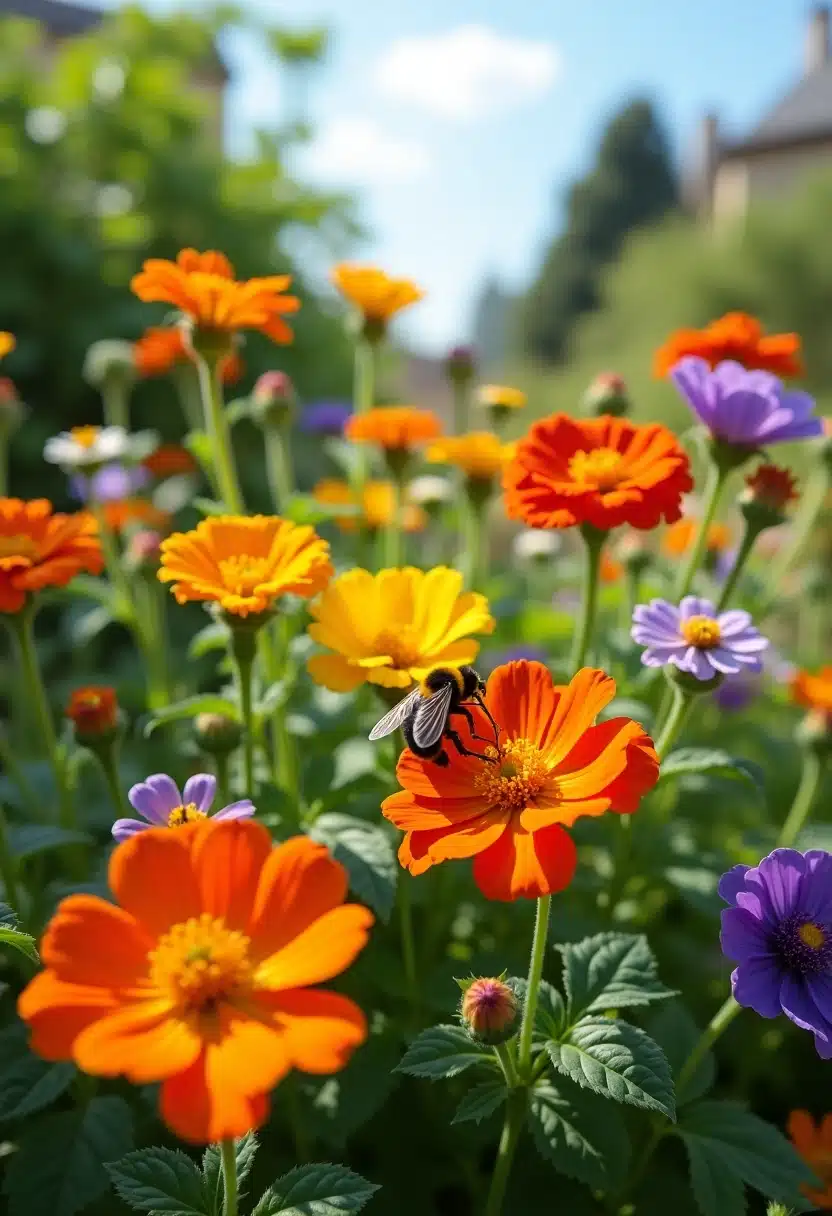
Edible flowers do more than just enhance the visual appeal of your garden; they offer nutritional benefits, too. Incorporating these blossoms into your self-sufficient garden can provide vitamins and antioxidants. By cultivating edible flowers like nasturtiums, marigolds, and pansies, you enrich your meals with both aesthetics and taste. This unique touch can transform ordinary dishes into vibrant culinary experiences.
Growing edible flowers supports biodiversity in your garden. These plants attract pollinators, thereby enhancing overall productivity. As part of a self-sufficient gardening approach, integrating such flowers complements the sustainability of perennials. The vibrant colors and diverse structures also play a role in creating a healthier garden ecosystem that can thrive with minimal intervention.
To successfully grow edible flowers, choose varieties that suit your climate and garden conditions. Consider factors like sunlight, soil type, and water requirements. Ensure you use organic growing methods to keep your flowers safe for consumption. This approach not only protects your garden’s biodiversity but also contributes to a cleaner environment, staying true to the principles of self-sufficiency.
Understanding Pollinators and Wildlife
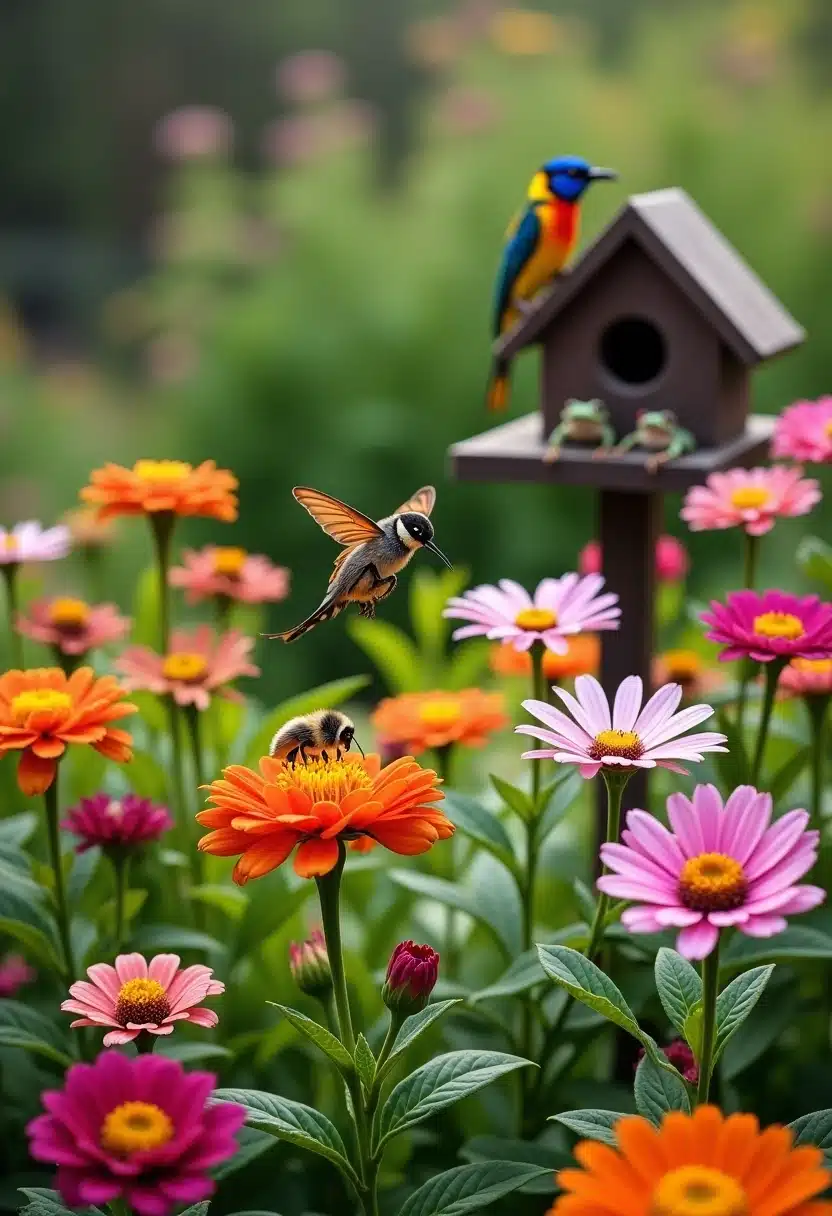
Attracting pollinators like bees and butterflies can significantly boost your garden’s productivity. These creatures help in the reproduction of your plants by transferring pollen, leading to the production of fruits and seeds. Creating a welcoming environment for pollinators contributes to a thriving garden. Planting a variety of flowers and ensuring continuous blooms throughout the season can draw these beneficial creatures to your garden.
Beneficial wildlife, such as birds and frogs, can keep pest populations in check naturally. By offering food, water, and shelter, you’re inviting these allies to help maintain the ecological balance in your garden. Install birdhouses and small water features to make your garden more inviting. These efforts will not only assist in pest control but also enrich your garden with the beauty and vitality of wildlife.
Balancing your garden’s ecosystem is key, leading to healthier plants and a more bountiful harvest. Observing the interplay between different species can provide insights into your garden’s needs. Make conscious choices to sustain habitats for pollinators and wildlife, as their presence supports a resilient, self-sufficient garden environment.
Seed Saving and Storage Techniques

Saving seeds from your garden is a wonderful way to maintain a self-sufficient garden while reducing costs. Start by selecting healthy plants that produce the best fruits or vegetables, allowing them to go through their full cycles. Once they are fully mature, collect the seeds by gently removing them from the plant. Ensure the seeds are clean and free from any plant debris.
Proper storage is essential for seed viability. Store seeds in a cool, dry place, ideally in airtight containers to protect them from moisture and pests. Label each container with the seed type and date collected for easy identification. Keeping your seeds organized will help you access them when you’re ready to plant. Use silica gel packs for additional moisture prevention.
Using these techniques ensures you’ll have a sustainable source of seeds season after season. Not only does this practice save money, but it also promotes biodiversity in your garden by preserving your favorite plant varieties. Embrace seed saving as a small yet impactful step towards creating a thriving, self-sufficient garden environment.
Building Raised Beds and Containers
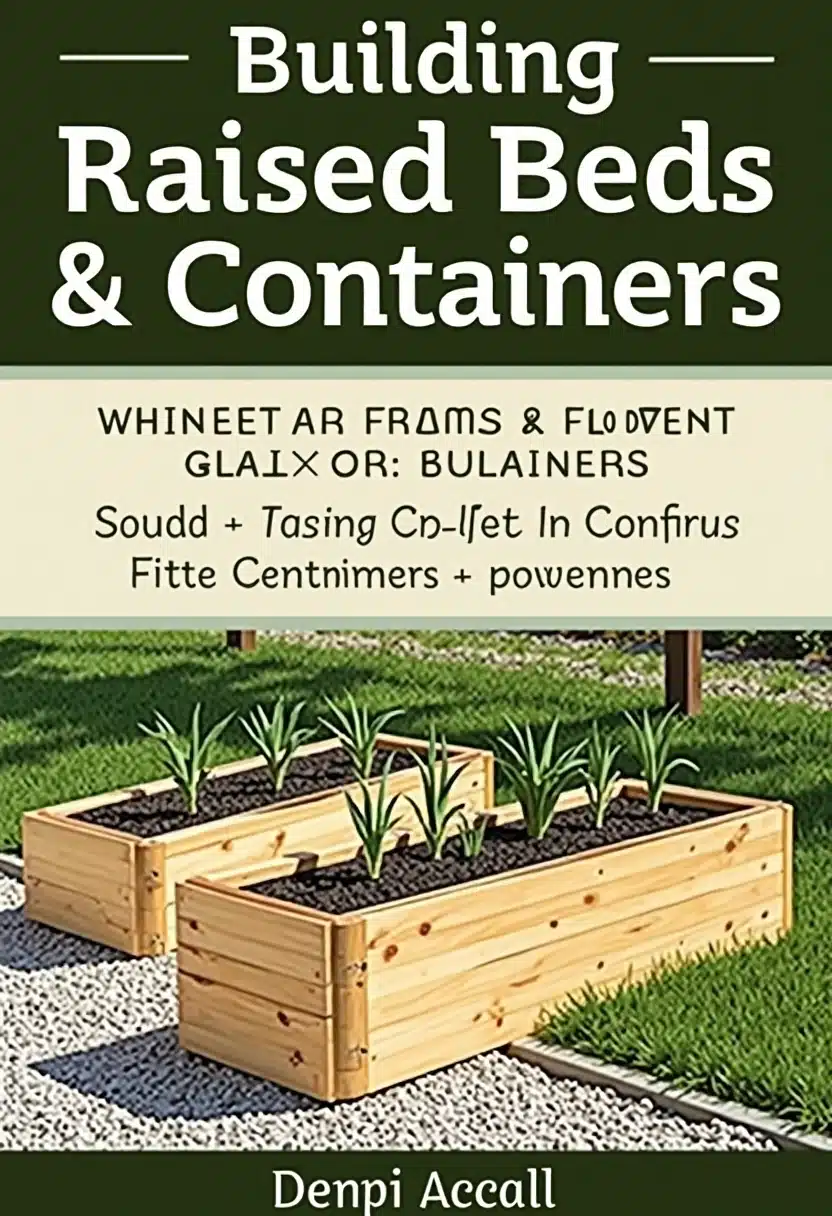
Raised beds and containers offer a fantastic opportunity to maximize space and control soil quality in your garden. By elevating your plants, you can improve drainage and prevent soil compaction, leading to healthier roots. These solutions are ideal for urban settings or if you’re dealing with poor garden soil, as you can tailor the soil mix to meet your plants’ needs.
Moreover, creating raised beds or using containers can help manage pests and weeds more effectively. You’re less likely to encounter certain soil-borne diseases, and maintaining your garden becomes easier. Additionally, containers are movable, giving you the flexibility to adapt your garden’s layout according to seasonal changes or specific sun exposure needs.
Before setting up, consider the materials you’d like to use. Wood, metal, or repurposed materials can all work well for raised beds. Similarly, containers come in a variety of shapes, sizes, and materials, including plastic and ceramic. By thoughtfully selecting your equipment, you can enhance both the functionality and aesthetic appeal of your self-sufficient garden.
Integrating Chickens into Your Garden
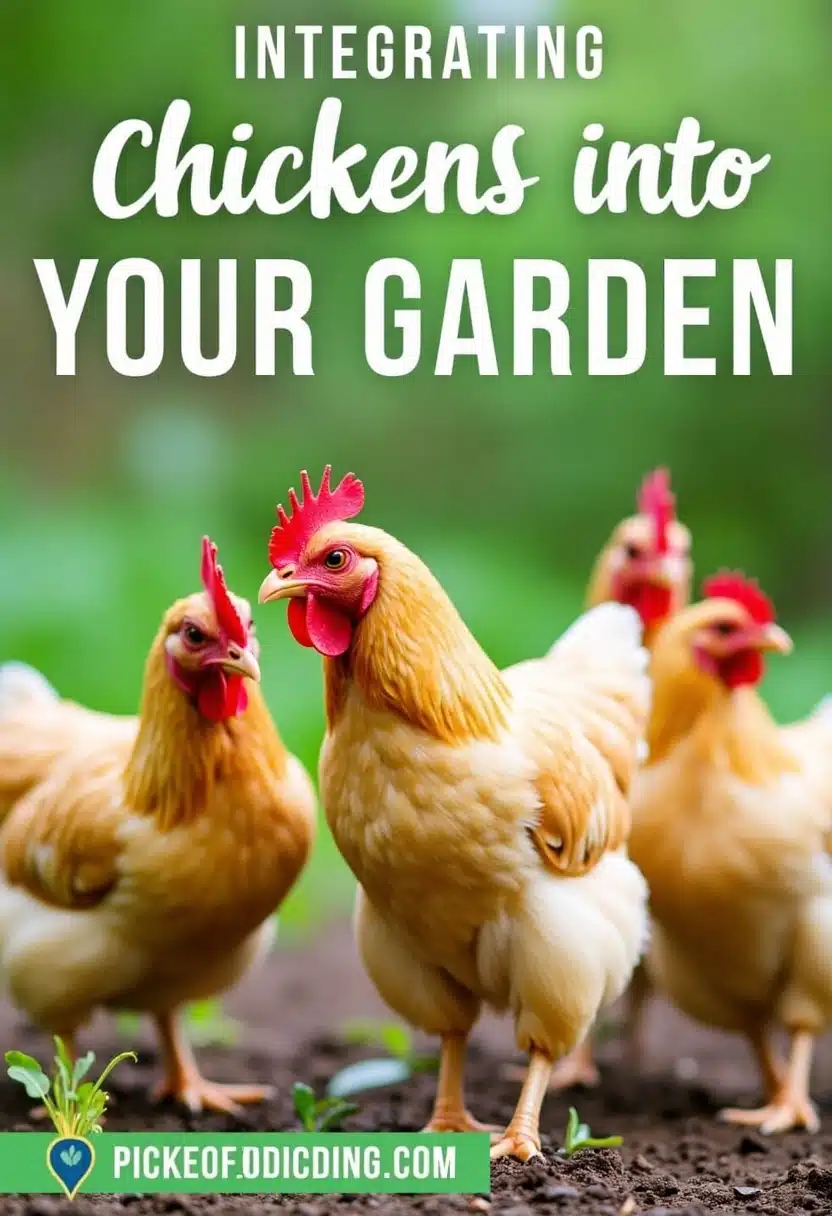
Integrating chickens into your garden offers wonderful benefits for anyone looking to create a self-sufficient space. These lively creatures can help with pest control, as they naturally feed on insects like beetles and worms. This reduces the need for chemical pesticides and promotes a healthier garden ecosystem. Plus, chickens’ scratching behavior helps till the soil, improving aeration and soil quality.
The advantages don’t stop at pest control. Chickens contribute to soil fertility through their droppings, which are rich in nitrogen and make a fantastic natural fertilizer. By allowing chickens to roam your garden, you enhance plant growth while maintaining a sustainable cycle. Just remember to protect delicate plants from excessive scratching and pecking by providing designated areas for your chickens.
Before adding chickens, check local regulations regarding poultry-keeping and ensure you have sufficient space. Swapping vegetable scraps for fresh eggs means you’re one step closer to a self-sufficient lifestyle. It’s a rewarding way to engage with your garden while increasing its productivity organically. Embracing this practice allows you to enjoy a vibrant, balanced garden with the added joy of keeping chickens.
Natural Pest and Disease Management
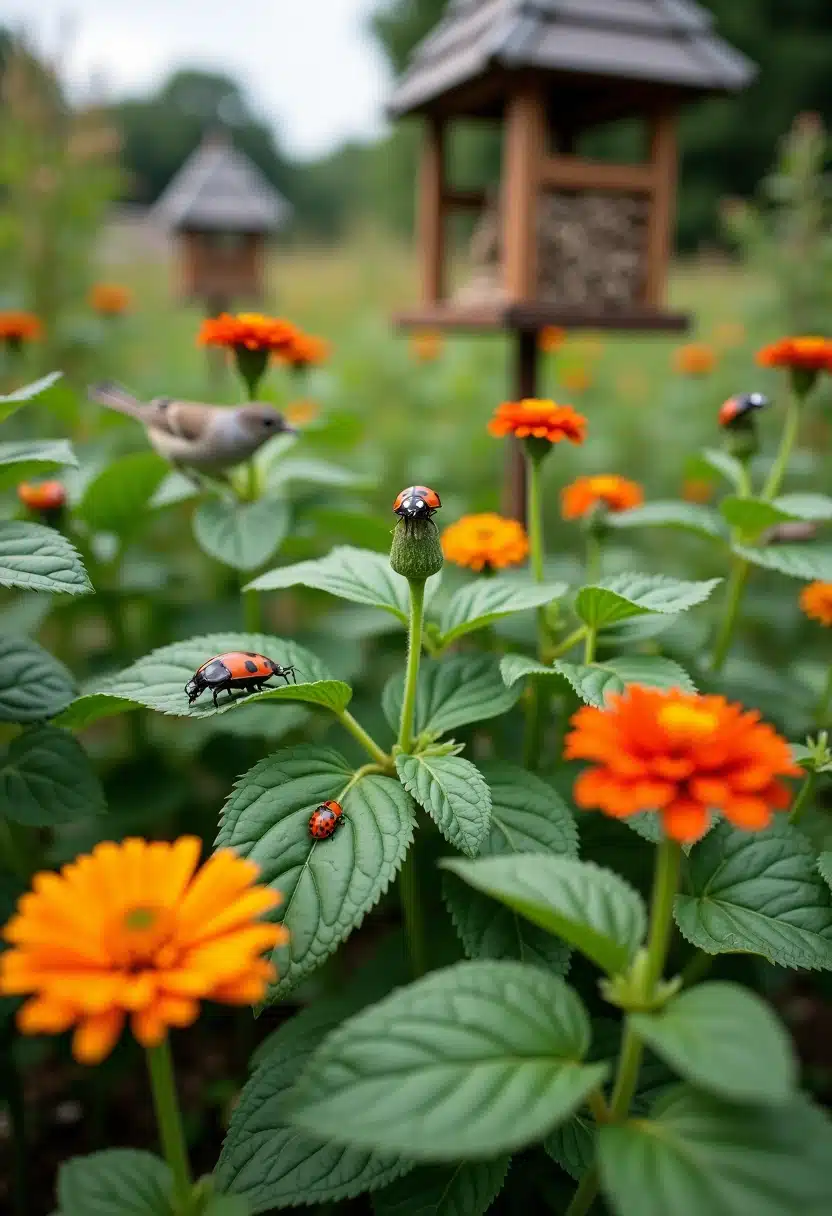
Embracing natural pest and disease management is key to maintaining a healthy and thriving garden. By using eco-friendly solutions, we protect our plants without harming beneficial insects or the environment. One effective approach is introducing beneficial insects like ladybugs and lacewings to control aphid populations. Encouraging birds by setting up bird feeders can also help keep pests in check, as they feast on bugs throughout the garden.
Companion planting is another powerful strategy. By placing certain plants together, we create a natural defense system. For example, marigolds can deter nematodes, while basil repels flies and mosquitoes. These thoughtful plant pairings not only add aesthetic value but also safeguard your produce. Furthermore, maintaining soil health through composting strengthens plant immunity and reduces susceptibility to diseases.
Utilizing organic sprays made from ingredients like garlic, neem oil, and chili peppers can address pest issues organically. These sprays deter harmful insects without persistent chemicals, ensuring a safe environment for both plants and pollinators. Regularly practicing crop rotation reduces soil-borne diseases, giving plants a fresh start each season. These methods collectively ensure that our gardens flourish harmoniously with nature.
Creating a Wildlife-Friendly Garden
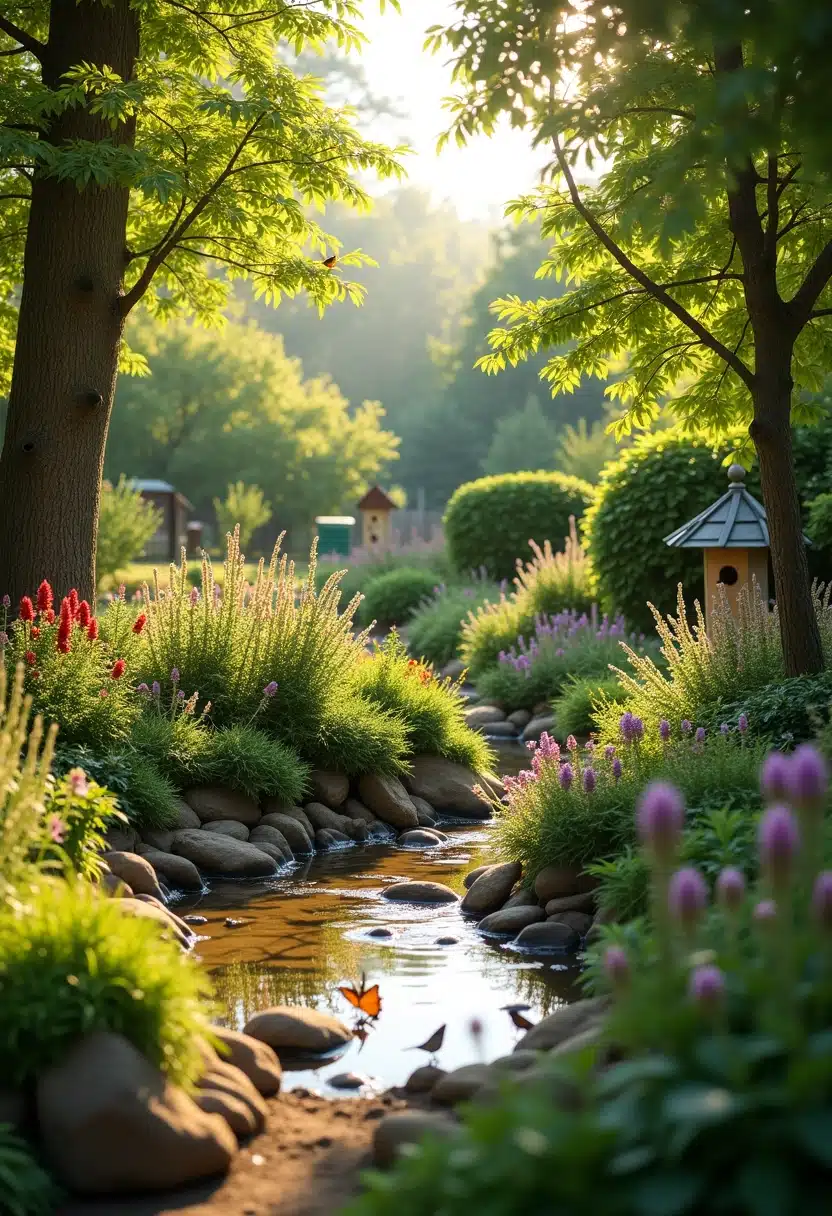
Designing a garden that supports local wildlife can enhance your self-sufficient space. Begin by incorporating native plants, as they provide essential resources for insects and birds. Creating a layered landscape with trees, shrubs, and ground covers offers shelter and nesting areas. Consider installing a small pond or water feature to attract amphibians and pollinators, which contribute to a thriving ecosystem.
Besides aesthetics, focus on incorporating features that benefit wildlife and your garden’s productivity. Include a compost pile to enrich the soil and provide habitat for organisms like worms and beetles. Incorporate birdhouses and bee hotels to encourage pollination, vital for a healthy and self-sustaining garden. Make sure your choices align with the goals of efficiency and balance in your outdoor space.
A wildlife-friendly garden becomes a nurturing environment, inviting diverse species into your backyard. Avoid pesticides and opt for natural solutions like companion planting to control pests. This method allows beneficial insects to thrive while maintaining a productive garden. With thoughtful design and mindful practices, your garden can be a haven for wildlife and a resourceful space for sustainable living.
Vertical Gardening for Limited Spaces
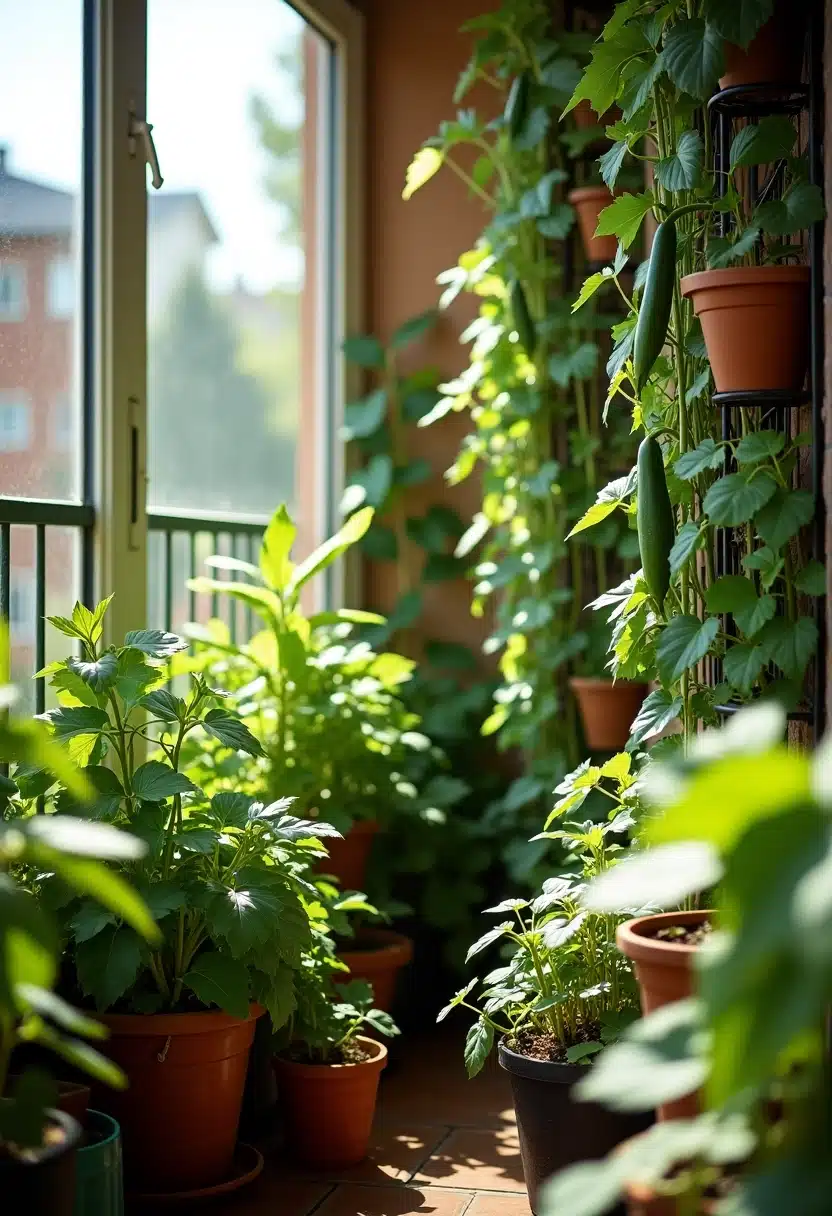
For those with limited outdoor space, vertical gardening presents a creative way to grow more than you might imagine. By using walls, fences, or specially designed stands, you can take advantage of vertical space to cultivate everything from herbs to vegetables. It’s about smart use of containers and supports to ensure each plant gets the necessary light and nutrients. This technique transforms even the smallest backyard or balcony into a productive garden.
Incorporate a variety of plants to get the best out of your vertical garden. Choose climbing plants like beans or cucumbers that thrive when they grow upwards. Use hanging pots or wall-mounted planters to introduce layers of greenery. Not only does this method save space, but it also enhances your garden’s aesthetic appeal. Everything has its place, creating a lush and organized garden environment.
Ensure your vertical garden receives adequate water and sunlight. Depending on your plants’ needs, you may have to install drip irrigation systems or plan regular watering. Consider rotating plants to balance light exposure. This method not only helps make the most of your space but also emphasizes the connection between plant care and efficient garden management, bridging the gap to your upcoming greenhouse project.
Building a Greenhouse for Year-Round Growth
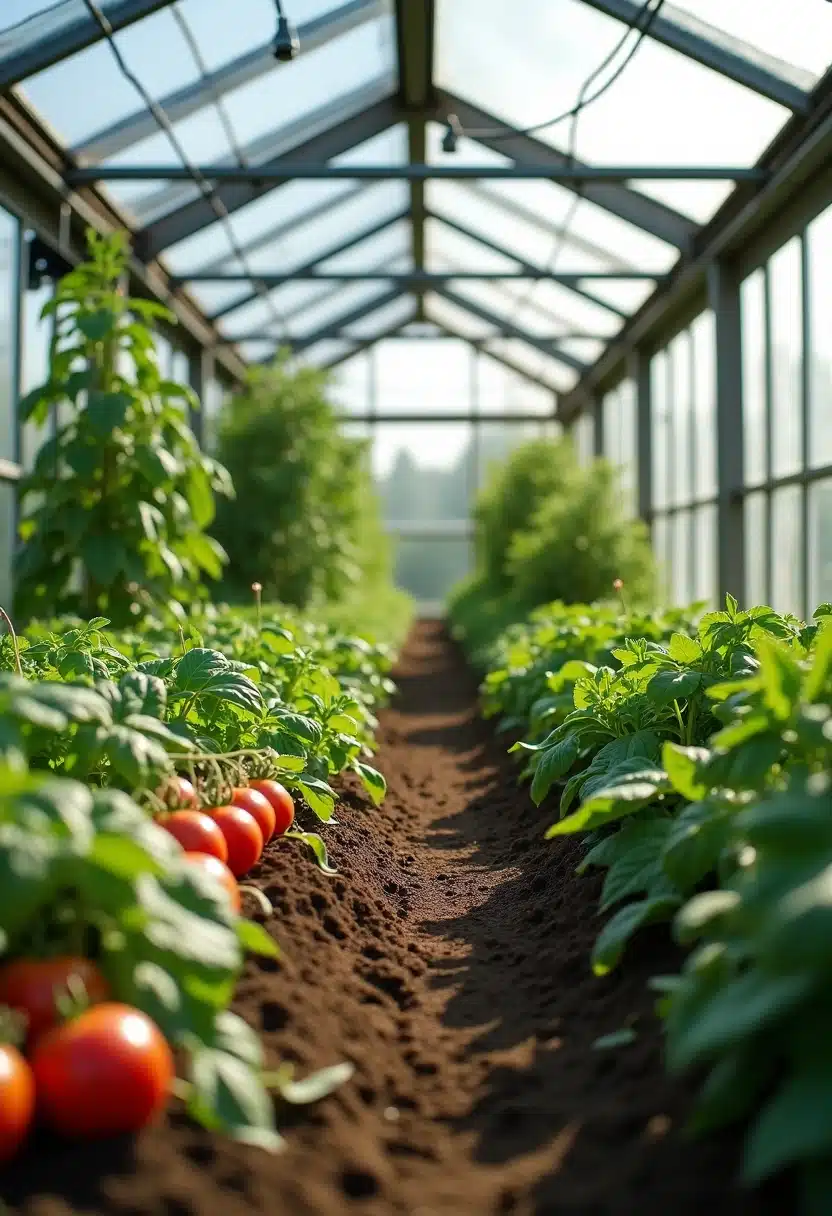
Building a greenhouse can revolutionize your gardening experience by extending the growth of your crops throughout the year. Opt for materials like glass or polycarbonate panels that allow sunlight to nurture your plants in any season. A structure like this, equipped with ventilation and heating, creates a controlled environment where you can cultivate even temperature-sensitive plants.
Think about the location for your greenhouse carefully. Ensure it receives adequate sunlight and is sheltered from extreme weather conditions. You could innovate by incorporating a rainwater collection system to hydrate your crops naturally. These details contribute to a thriving self-sufficient garden and align well with sustainable living practices.
A greenhouse brings independence from seasonal planting patterns. Select crops that best benefit from this prolonged exposure— such as tomatoes, herbs, and leafy greens. Using your greenhouse efficiently allows you to stagger plantings and harvests, ensuring a steady supply of fresh produce. This makes a greenhouse an integral element of any self-sufficient gardening endeavor.
DIY Garden Projects for Sustainability
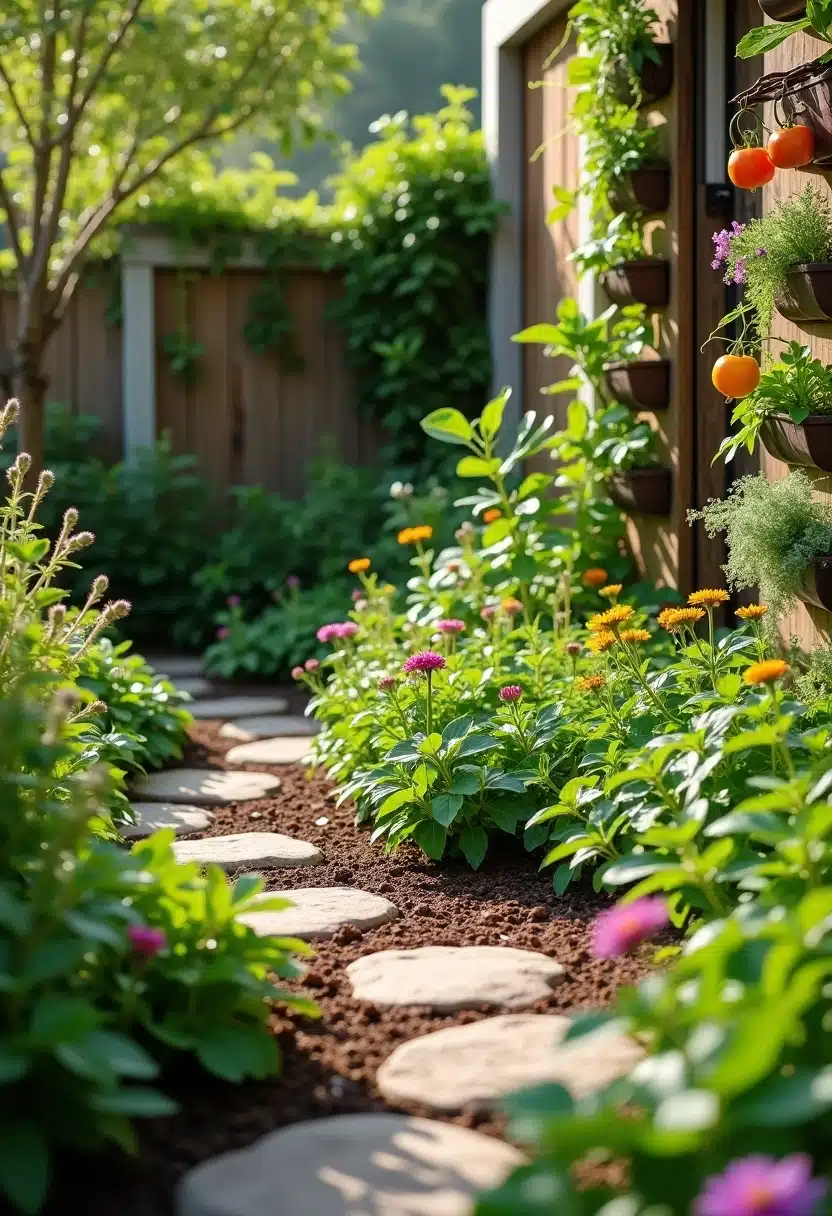
Embrace creativity with simple DIY projects to boost the sustainability of your garden. Start by creating a rain garden to manage stormwater naturally and replenish groundwater. Utilize a mix of native plants that thrive in your region, ensuring minimal maintenance. This not only saves water but invites pollinators, enriching your ecosystem. Repurpose materials like old wood or stones to craft raised beds or pathways, giving a second life to forgotten resources.
Another effective project is building a compost bin to recycle kitchen scraps and garden waste. This provides nutrient-rich soil, crucial for healthy plant growth. Choose a sunny spot for your bin, and use a mix of greens and browns for balanced decomposition. Lastly, try constructing a vertical garden. It’s a space-saving solution to grow vegetables and herbs, perfect for small gardens or urban settings. With these projects, enhance your garden’s functionality while contributing to a sustainable environment.
Understanding Crop Rotation Benefits
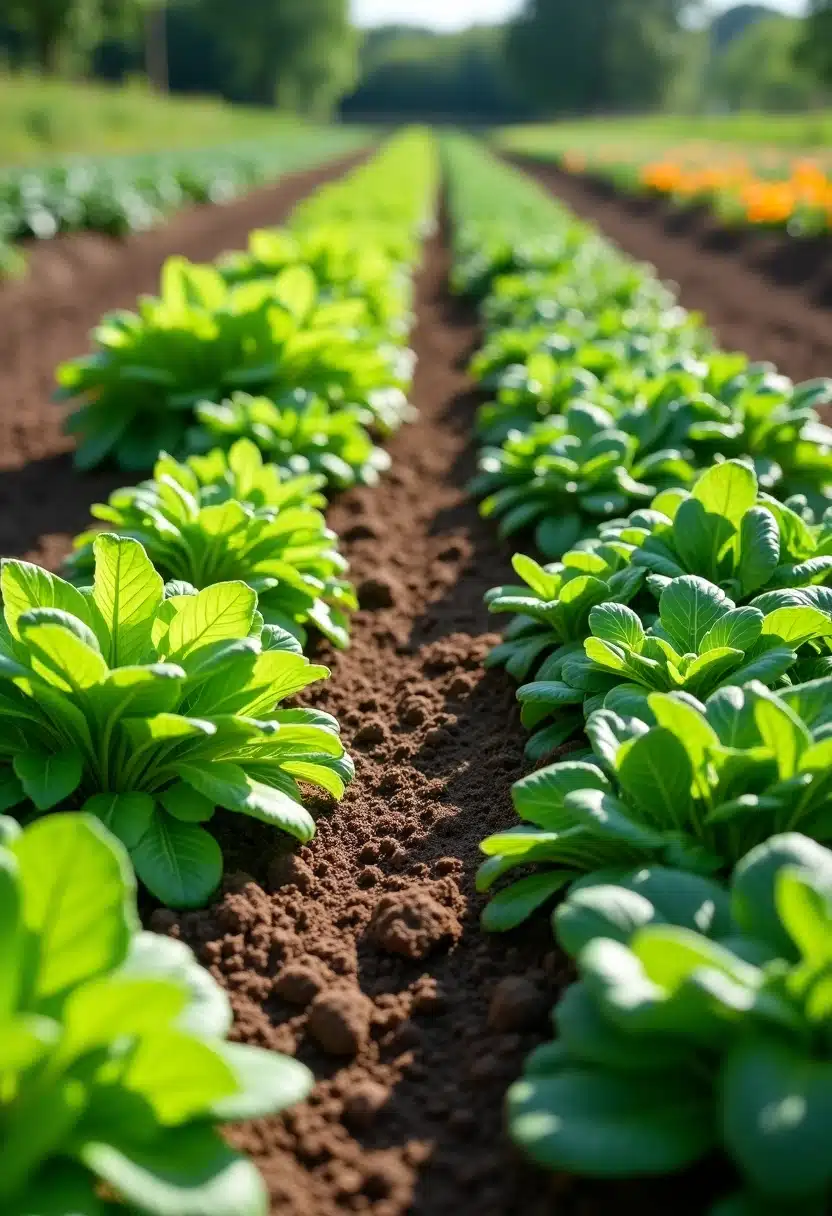
Crop rotation is more than just switching up what you plant each season. It’s a strategic plan to enhance soil vitality and disrupt the cycle of pests and plant diseases. By alternating your crops, you allow the soil to recover its nutrients effectively. This method helps in preventing depletion, which is key for sustainable gardening. Each type of plant extracts and contributes different nutrients, maintaining a balanced soil profile.
Additionally, rotating crops minimizes the risk of pest build-up. Certain pests and diseases thrive when their preferred host is continuously available. By changing your plants, you interrupt their lifecycle, reducing their impact naturally. This reduces the need for chemical interventions, which aligns with your goal of creating a sustainable and eco-friendly garden environment. It’s a proactive approach for long-term productivity.
Implementing crop rotation requires a bit of planning. You can start by categorizing your plants into groups based on their nutrient needs: legumes, root crops, leafy greens, and fruits. Plan a cycle where different groups succeed each other in a particular section of your garden. This cycle promotes a more resilient garden ecosystem, enhancing the health of both plants and soil while optimizing crop yields.
Incorporating Aquaponics in Your Garden
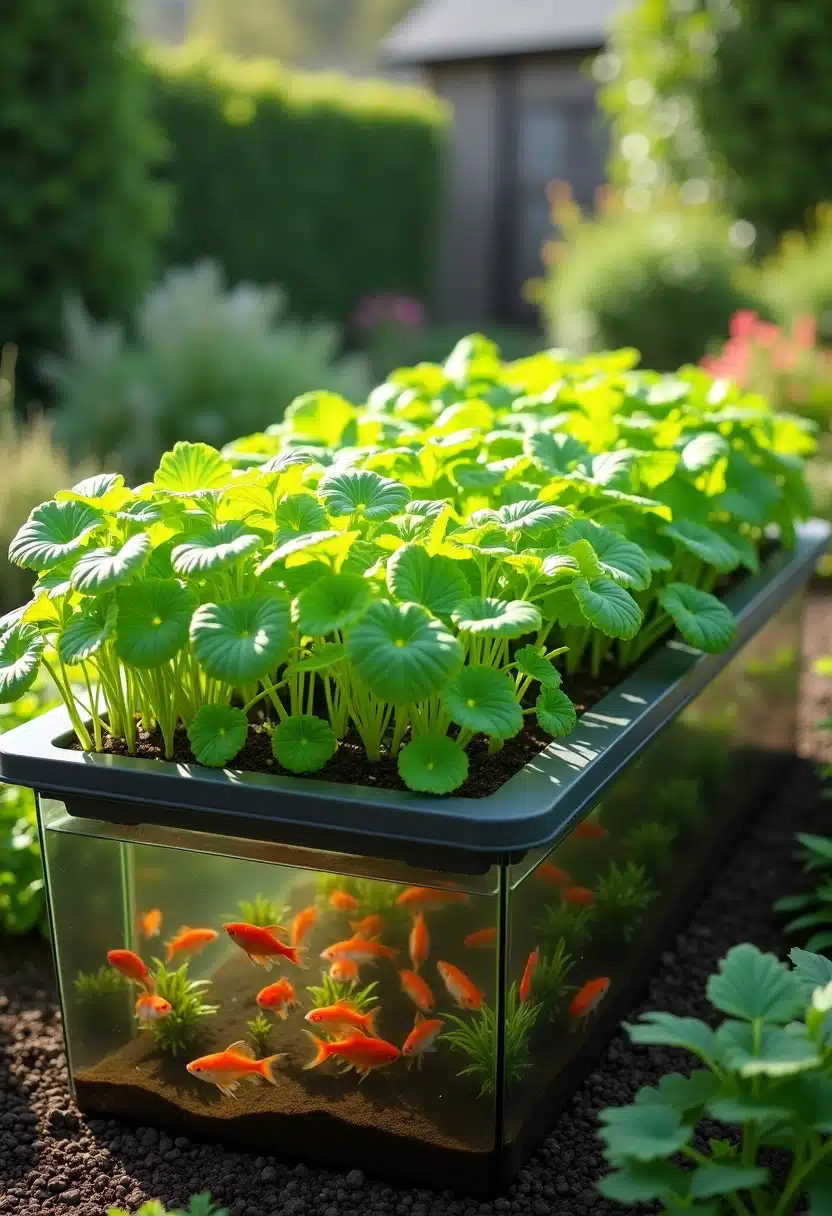
Integrating aquaponics into your garden can transform it into a self-sustaining ecosystem. This system combines aquaculture and hydroponics, allowing fish and plants to interact in a balanced environment. As the fish produce waste, beneficial bacteria convert it into nutrients for the plants while cleansing the water, which then returns to the fish tanks. This creates a continual cycle of growth and renewal.
Creating an aquaponics system is simpler than you might think. Start by selecting a location with enough sunlight for optimal plant growth. Choose fish species like tilapia or goldfish, which adapt well to various conditions. The plants thrive on nutrients derived from fish waste. Construct an elevated bed for your plants that allows water to circulate between them and the fish tanks. Ensure you monitor water quality regularly.
This approach not only helps conserve water but also provides fresh produce and fish. It’s ideal for those looking to achieve greater independence from traditional supply chains. Aquaponics can be scaled according to your needs, fitting well into any outdoor space. This technique doesn’t require fertile soil, making it perfect for urban gardening enthusiasts. Enjoy fresh veggies and healthy fish, harmonizing with nature’s rhythms.
Growing Mushrooms at Home
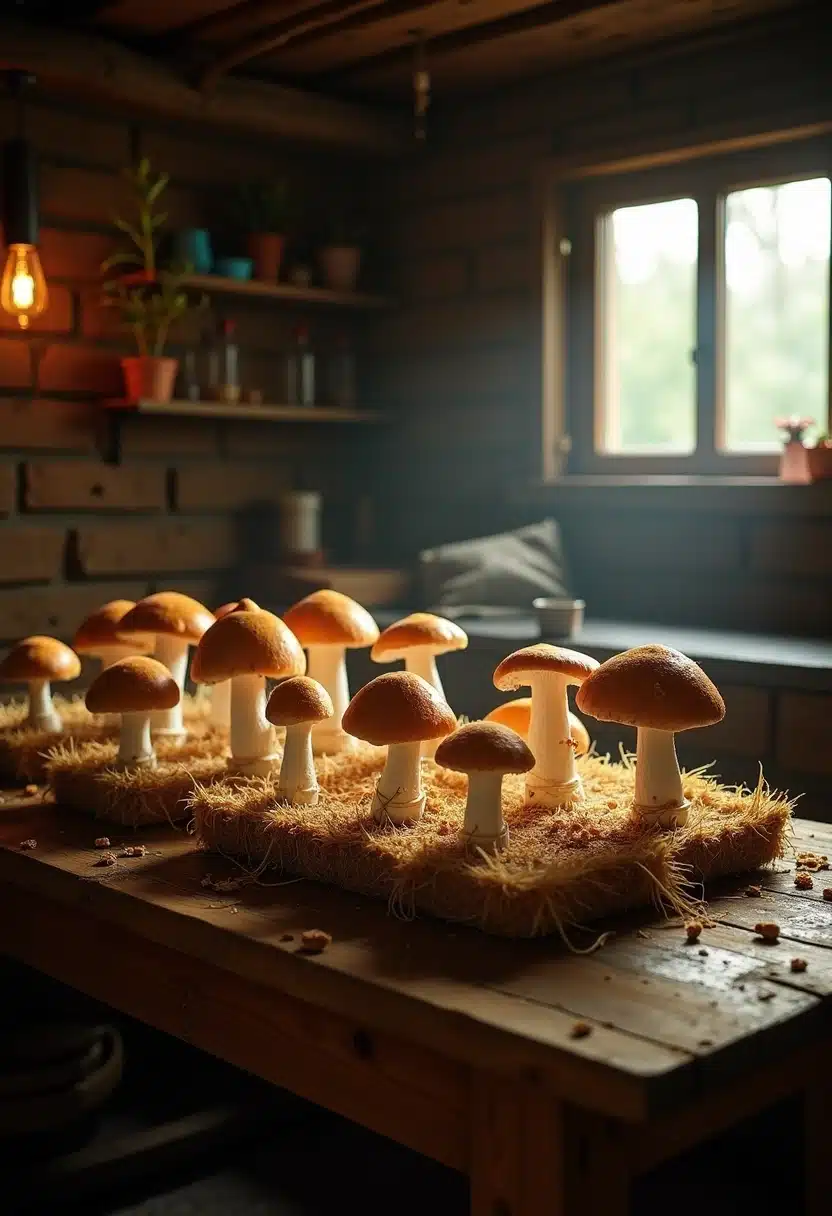
Growing mushrooms at home is a rewarding venture that can easily complement your self-sufficient garden. It’s an excellent way to diversify your food sources. Mushrooms are not only nutritious but also require minimal space and resources. Indoor cultivation is convenient and allows for year-round production, making it an ideal choice for any home gardener looking to expand their harvest.
The process of cultivating mushrooms starts with selecting the right type, like oyster or shiitake, which are suited for beginners due to their adaptability. You’ll need a dark, humid environment, which can be created with a simple kit or by using dedicated space in your garden. Incorporating a compost pile or straw as a growing medium can further enhance your efforts.
Monitoring the growth conditions is crucial. Ensure proper ventilation to prevent mold and adjust humidity levels. Patience is vital since mushrooms develop differently than traditional plants. With consistent care, you’ll soon be able to enjoy fresh mushrooms, adding both flavor and nutrition to your diet. This self-sustaining practice not only enriches your meals but also enhances your gardening skills.
Creating a Medicinal Garden
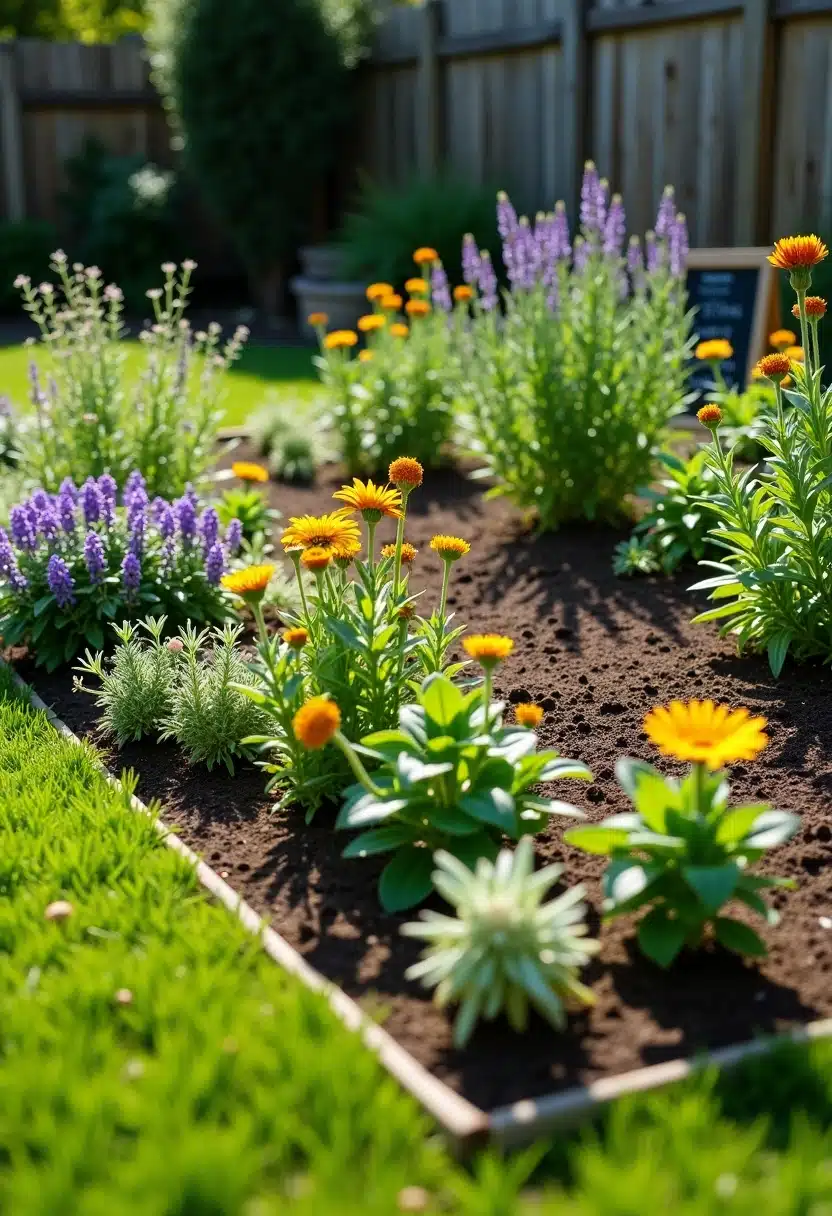
Cultivating a medicinal garden offers both therapeutic and practical benefits. You can nurture a variety of healing herbs right in your backyard, like lavender to help with relaxation and peppermint for digestion. Consider adding echinacea, known for boosting the immune system, and calendula, which can soothe skin irritations. A medicinal garden not only adds beauty but provides you with natural remedies.
Start by planning your garden layout — choose a sunny spot, as most medicinal plants thrive in direct sunlight. Ensure the soil is well-drained and enriched with compost for better growth. Position plants like chamomile and lemon balm strategically for easy access. Regular harvesting ensures a continuous supply of fresh herbs, making your garden both functional and pleasing to the eye.
Maintaining a medicinal garden involves regular care. Water the plants in the early morning or late afternoon to conserve moisture. Prune regularly to encourage growth and prevent overcrowding. You might want to create a small chart to track watering and pruning schedules. Remember, a little attention to detail can significantly enhance both the yield and the efficacy of your natural remedies.
Harvesting and Preserving Techniques
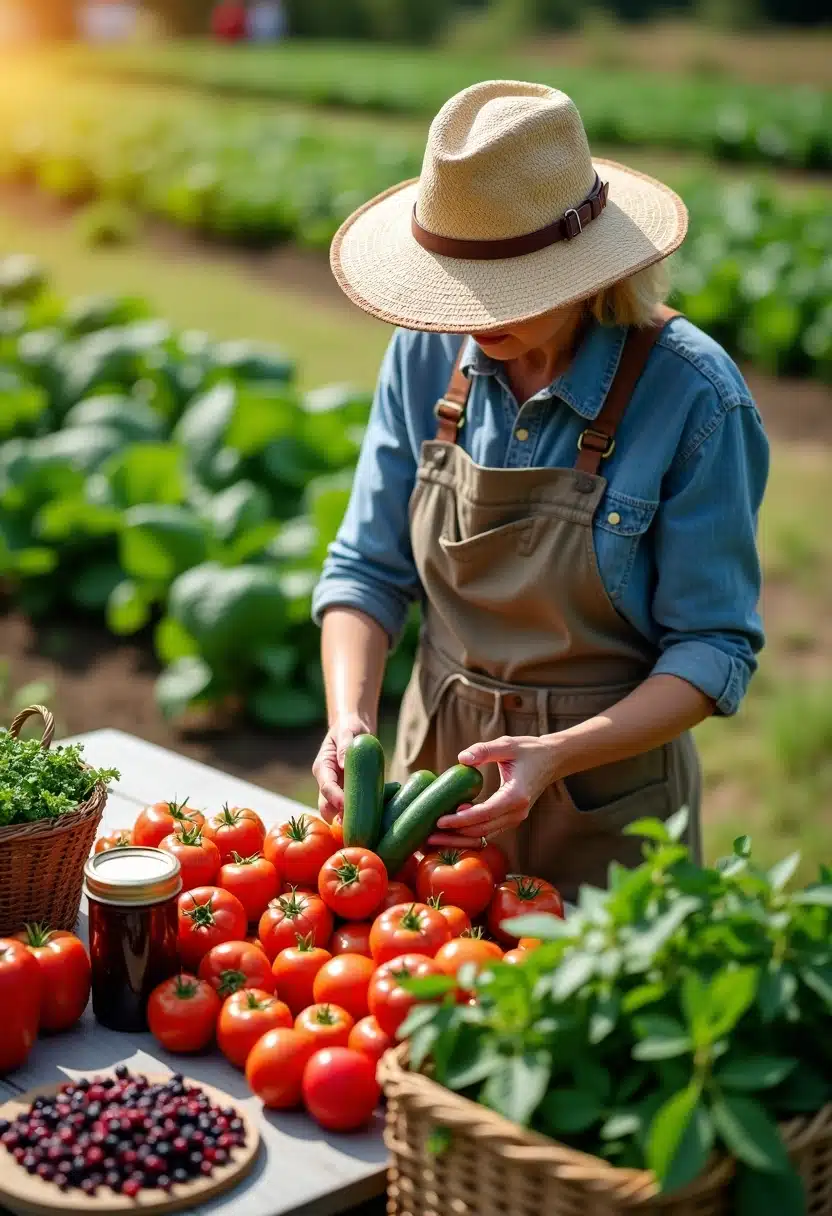
To truly embrace a self-sufficient garden, learning how to harvest and preserve your produce is vital. Start by identifying the ideal time to pick each vegetable and fruit. Vegetables like tomatoes, peppers, and cucumbers are best harvested when fully ripe for the richest flavor. Conversely, leafy greens such as spinach can be picked continuously once they reach maturity, extending your harvesting period.
Preservation is key to enjoying your bounty year-round. Consider methods such as canning, freezing, and dehydrating. These techniques help maintain freshness and nutrition. Canning is great for tomatoes and sauces, while freezing works wonders for berries and beans. Dehydrating is perfect for herbs and fruits, offering versatility in how you enjoy your produce long after the growing season ends.
Here’s a quick overview of preservation methods:
| Method | Suitable For |
|---|---|
| Canning | Tomatoes, sauces |
| Freezing | Berries, beans, peas |
| Dehydrating | Herbs, apples, peaches |
Building Cold Frames and Hoop Houses
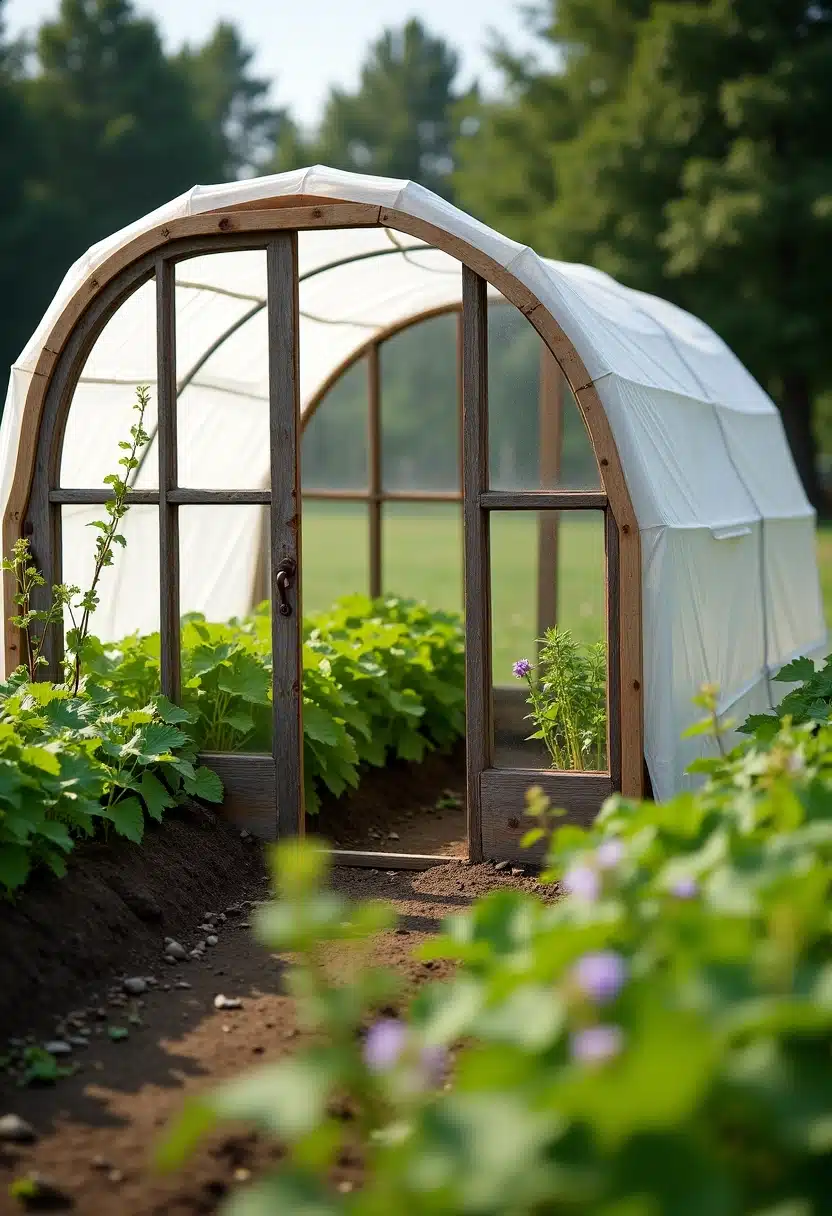
Building cold frames and hoop houses can be an exciting addition to your self-sufficient garden. These structures extend your growing season by shielding plants from extreme weather. Cold frames are simple to construct, often using old windows or clear plastic lids over a wooden frame. They function as mini-greenhouses, absorbing sunlight and trapping heat to protect tender plants during colder months.
Hoop houses, on the other hand, provide a larger space for growing a variety of crops. They are essentially tunnels made with hoops covered in plastic sheeting. This setup allows for better temperature control and protects plants from frost and wind. By managing the environment, you can cultivate robust and healthy produce throughout different seasons, enhancing your garden’s productivity.
Both structures are versatile and can be customized to fit your specific gardening needs. Consider incorporating ventilation, irrigation, and shading options to optimize their efficiency. By understanding these fundamental tools, you can maintain a thriving garden, regardless of the weather conditions, making your space more self-reliant and resourceful.
Designing a Permaculture Garden
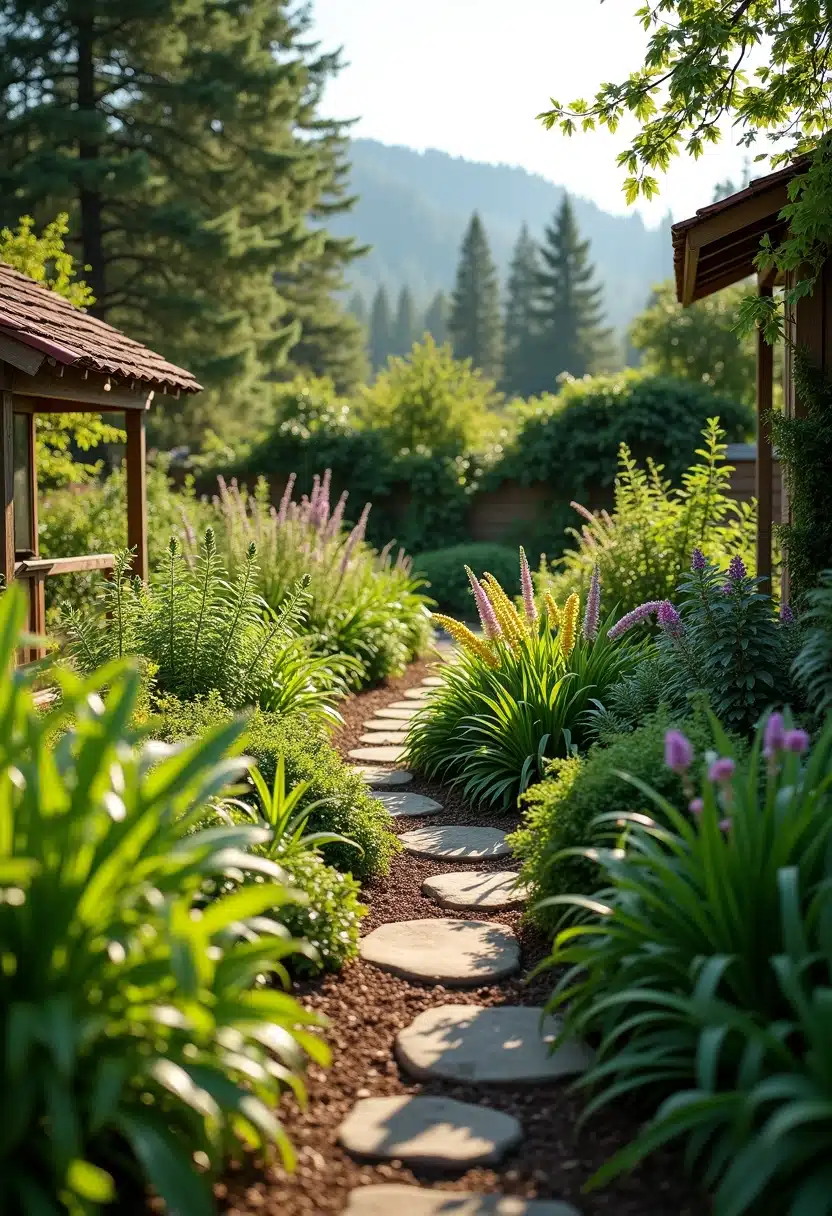
Designing a permaculture garden involves implementing natural principles to craft an ecosystem that thrives with minimal intervention. Unlike conventional gardening, permaculture incorporates elements like companion planting and water conservation techniques. By mimicking nature’s synergy, you create a garden that sustains itself, reducing the need for external resources. This holistic approach not only benefits your plants but creates a harmonious environment for wildlife, enhancing biodiversity.
To start, consider the layout of your garden. Arranging plants in layers, such as ground cover, shrubs, and trees, maximizes space and resources. Each element plays a role in supporting the others. For instance, taller plants offer shade, reducing evaporation for those beneath them. This layering principle mirrors natural ecosystems and promotes a thriving environment for both flora and fauna.
A crucial aspect of permaculture is resource efficiency. Collect rainwater to irrigate your garden, ensuring your plants receive natural nutrients. Composting is another vital practice, recycling kitchen scraps and garden waste into rich soil. This process nurtures your garden and reduces landfill waste. Embrace the permaculture mindset by seeing your garden as a living system where every element serves a purpose.
Growing Nut Trees for Long-Term Yield

Incorporating nut trees into your garden is a strategic way to secure a long-term source of essential proteins and fats. Nut trees like walnuts, pecans, and almonds are not only low-maintenance but can also thrive in a variety of climates. With their ability to yield abundant harvests over many years, they serve as a reliable food source.
When selecting which nut trees to plant, consider your local climate and soil conditions. Nut trees require a significant amount of sunlight and well-drained soil to flourish. Preparing the ground properly before planting can greatly enhance their growth and yield. Mulching and regular watering during their establishment phase are crucial.
As nut trees mature, they offer additional benefits, such as improving air quality and providing shade, which can create a more comfortable and resilient outdoor space. Their long growth cycle and high yields mean they can become a central element of your self-sufficient garden, perfectly aligning with the principles of sustainable living. Investing in nut trees supports not just feeding your family, but also enhancing your garden’s ecosystem for the long haul.
Self-Sufficient Gardening in Urban Environments
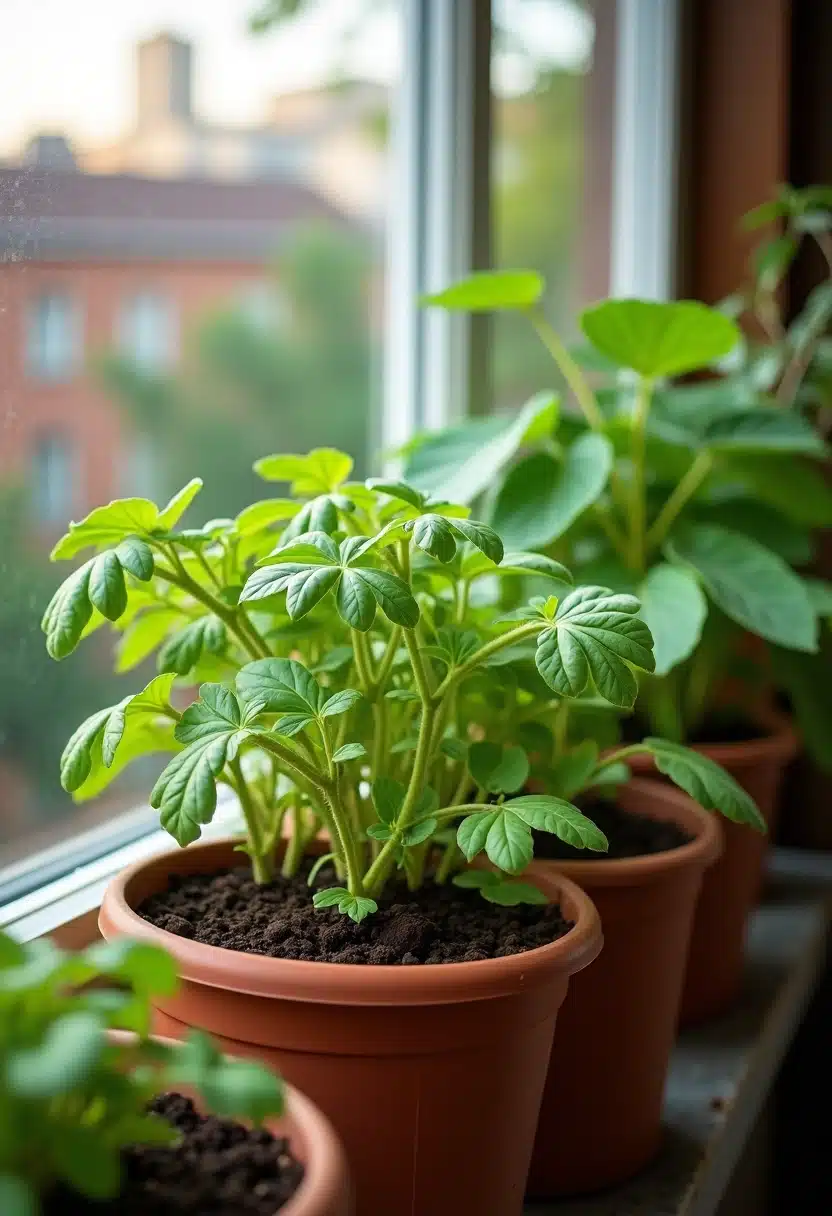
Urban environments present unique opportunities for those looking to cultivate self-sufficient gardens. With limited space, vertical gardening becomes an invaluable technique, allowing you to grow upwards rather than outwards. Rooftops, balconies, and window sills serve as potential spaces for your edible plants. Maximize these areas by adapting containers and using compact, high-yield plant varieties to ensure productivity.
Another effective strategy involves utilizing companion planting. This method pairs plants with mutual benefits, improving growth and pest resistance. For instance, try interplanting herbs with vegetables to enhance flavors and ward off insects. Recognizing microclimates within an urban setting can also be advantageous. Take note of shaded spots and sunny areas, and plant accordingly to make the most of your environment.
Leverage resources such as rainwater harvesting to maintain your garden sustainably. Urban gardeners can install systems to collect and store rainwater, reducing dependency on municipal water supplies. Composting organic waste is another crucial practice that boosts soil quality while minimizing waste. Embrace these adaptations to transform your urban spaces into productive, self-sufficient gardens.
Essential Skills for Self-Sufficient Gardening

To manage a successful self-sufficient garden, developing certain skills is necessary. Start with understanding soil composition. Healthy soil is the foundation of any garden. Learn how to test soil pH and adjust it with natural amendments. Composting is vital for providing nutrients. By turning kitchen waste into compost, you enrich your soil sustainably and reduce waste.
Mastering the art of crop rotation ensures healthy plants year after year. Rotate crops to prevent soil depletion and manage pests effectively. Additionally, grasp the basics of seed saving. Collecting and storing seeds from your harvests is a powerful way to continue growing without purchasing seeds annually. This skill ensures that your garden remains self-sustaining and thrives in various conditions.
Water management is another key skill. Efficiently using water conserves resources and supports plant growth. Familiarize yourself with rainwater harvesting techniques. Set up systems to collect and store rainwater for dry periods. Understanding these essential practices will empower you to nurture a thriving self-sufficient garden that echoes your commitment to sustainability and independence.
Incorporating Renewable Energy in Your Garden
Embracing renewable energy in your garden is a smart move towards self-sufficiency. Start by exploring solar panels to power garden lights or small water features. These panels are usually easy to install and maintain. They are great for reducing electricity bills and minimizing reliance on non-renewable sources. Harnessing solar energy not only supports sustainability but also enhances the ambiance of your outdoor space.
Another method is utilizing wind turbines for electricity. Mini turbines can generate enough power for various garden tools. By using this natural resource, you decrease dependence on the grid, promoting an eco-friendlier lifestyle. With correct placement, wind turbines are efficient, especially in open areas, making them a great option for powering your garden needs.
To effectively manage these systems, cultivate a foundational understanding of renewable energy. Seek local workshops, online guides, or community courses that can provide deeper insights into installing and maintaining these technologies. This knowledge is vital for reducing costs and ensuring a seamless transition to renewable energy, boosting the self-sufficiency of your garden.
Creating a Garden Journal for Success
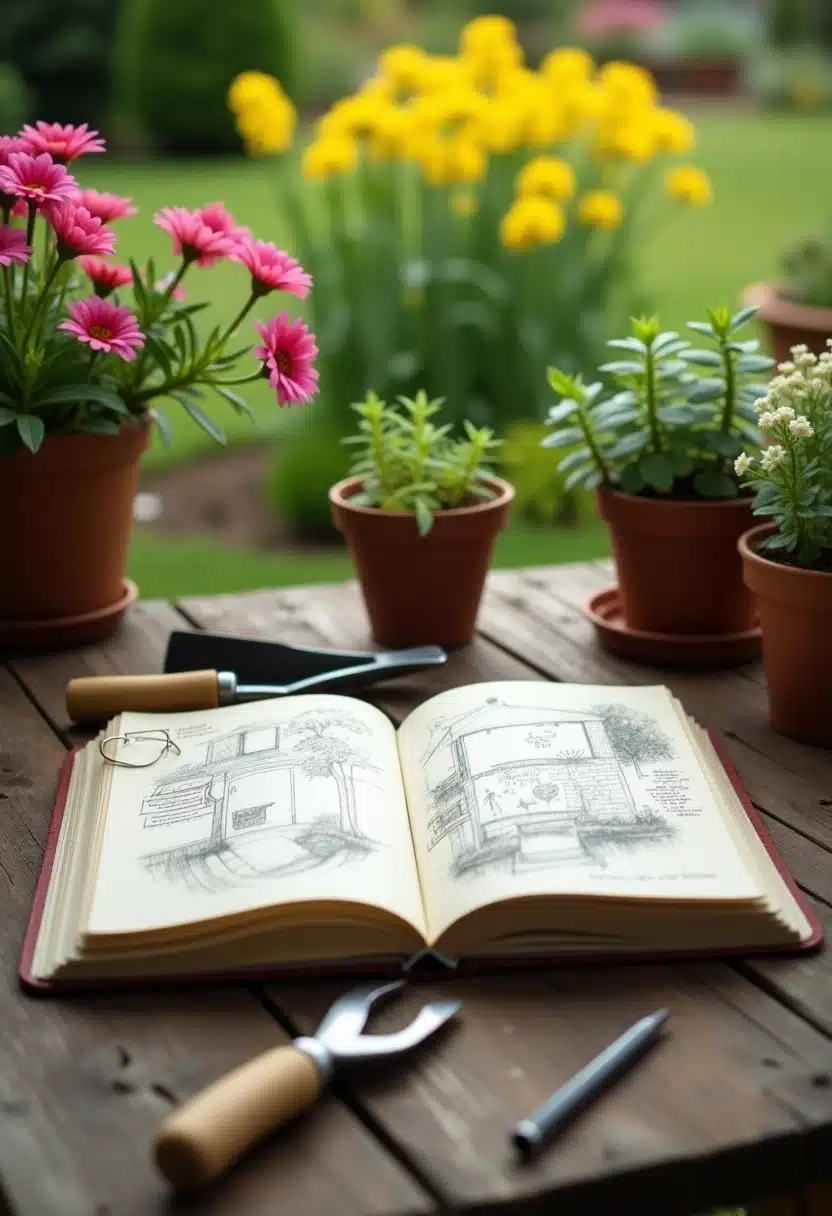
Keeping a garden journal is like having a blueprint for your outdoor space. It helps track your journey, noting both challenges and victories. Documenting your plantings, weather patterns, and garden designs allows you to make informed decisions. You’ll discover what thrives in your environment and what needs adjustment, ensuring a successful and self-sufficient garden.
A garden journal also serves as a creative outlet. Include sketches of your layouts or dreams for future plants. Jot down ideas spotted in others’ gardens or online. Revisit your notes to reflect on growth, both in your plants and in your gardening skills. This process enriches the experience and nurtures your evolving green thumb.
Transform your journal into a practical tool by adding a monthly checklist. Note tasks like sowing new seeds, pruning, or applying compost. A structured approach keeps you on top of garden maintenance, aligning with the natural cycles of your space. As you look back, these records offer insights for a more fruitful garden each season.
The Role of Mulching in Garden Health
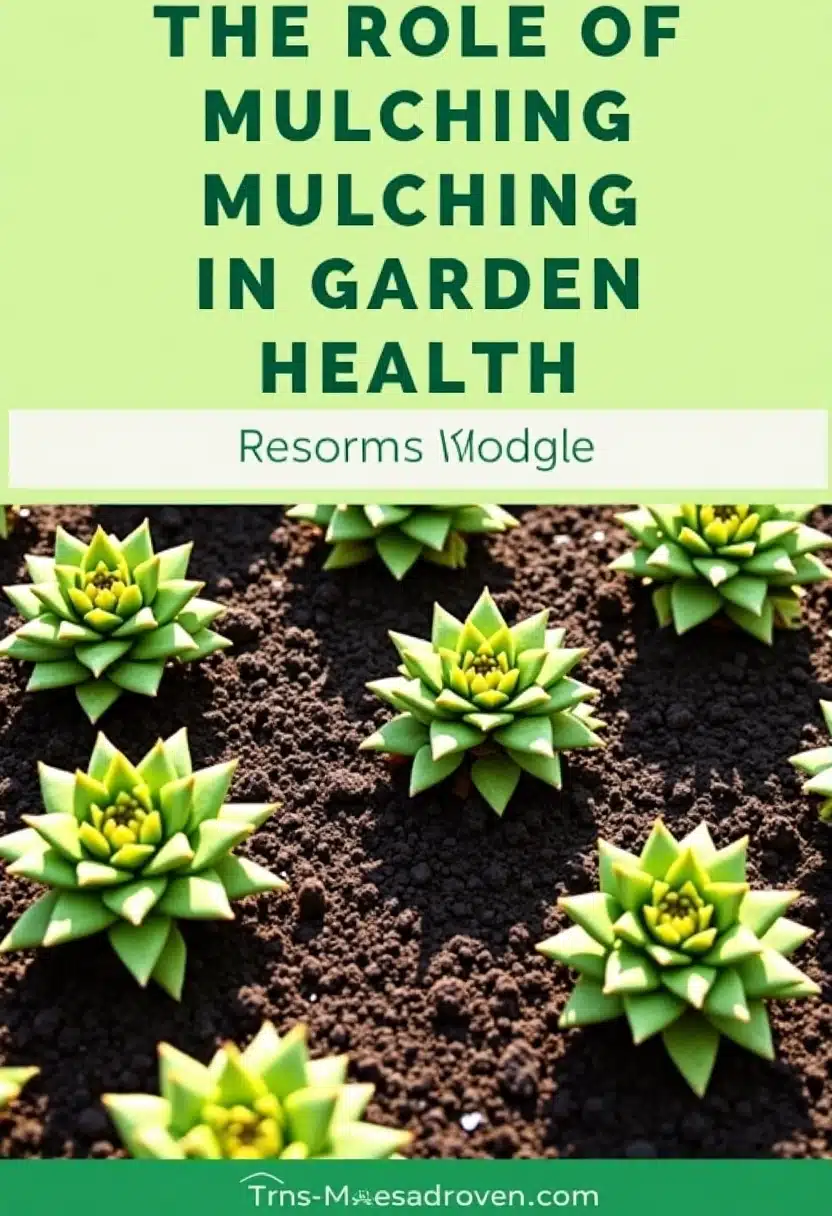
Mulching plays a significant role in maintaining your garden’s vitality. By covering the soil with materials like bark, straw, or leaves, you can effectively conserve moisture. This is particularly beneficial during dry spells, allowing your plants to thrive even with limited watering. In addition to saving water, mulching also helps keep temperatures stable and protects plant roots from extreme weather conditions.
Another advantage of mulching is its ability to deter unwanted weeds. By blocking sunlight, it prevents weed seeds from germinating, reducing the need for manual weeding. Over time, as mulch breaks down, it enriches the soil with organic matter. This natural process enhances soil structure, promotes beneficial microbial activity, and ultimately results in healthier plant growth.
To maximize these benefits, choose the right type of mulch for your garden’s specific needs. Organic mulches like grass clippings or compost work wonders for adding nutrients, while inorganic options like stones or landscape fabric are suited for weed control. Regularly replenishing your mulch layer ensures ongoing protection and nourishment, paving the way for a thriving, self-sufficient garden.
Building a Worm Composting System

Worm composting, also known as vermicomposting, transforms kitchen scraps into nutrient-rich soil through the help of worms, offering an efficient way to recycle in a self-sufficient garden. Setting up your vermicompost system is simple and rewarding. Start by selecting a bin with small holes for airflow and drainage. Purchase or gather red worms, ideal for composting. Layer food scraps with bedding material such as shredded newspaper to create a welcoming habitat for the worms.
Once your system is established, maintain it by adding food waste like fruit and vegetable peels while avoiding dairy and meat products. Ensure the bin stays moist but not soggy. As the worms consume the scraps, they produce castings that enrich the soil with vital nutrients. Harvest these castings every few months to advance your garden’s productivity and sustainability.
Composting with worms not only enhances soil fertility but also fosters biodiversity within your garden. This practice complements other self-sufficient methods by closing the loop on waste. As you enjoy the results of rich, healthy soil, consider experimenting with different food scraps to observe how they break down. Embrace this natural recycling process to contribute positively to the ecosystem and boost your garden’s overall health.
Growing Grains for Self-Sufficiency

Growing grains in your garden can significantly enhance your self-sufficiency, providing a reliable source of carbohydrates to complement your vegetables and fruits. Consider starting with easy-to-grow grains like wheat, oats, or barley. These grains adapt well to various climates and require minimal maintenance. Plus, they store well, offering a year-round food supply. Embrace grain gardening as a rewarding and sustainable step towards self-reliance.
To get started, prepare a sunny plot of land and ensure the soil is well-drained. Begin planting grains in early spring for a summer harvest. Keep an eye on watering needs; grains require consistent moisture during germination. Once mature, harvesting can be done by hand or with simple tools. Successfully incorporating grains into your garden boosts your capacity to sustain yourself.
Here’s a quick guide to three common grains and their basic needs:
| Grain | Planting Time | Harvest Time |
|---|---|---|
| Wheat | Spring | Fall |
| Oats | Early Spring | Late Summer |
| Barley | Spring | Late Summer |
Growing grains doesn’t just feed your body; it also connects you to the land in a meaningful way. You’ll develop a deeper appreciation for the work involved in providing your own food. Grains can also help improve soil health when used in rotation with other crops. As you explore this new aspect of gardening, you’ll discover a fulfilling sense of empowerment and self-reliance.
DIY Irrigation Systems

Creating a self-sufficient garden involves more than growing grains and vegetables. Efficient watering is key, and DIY irrigation systems can help save water and ensure your plants thrive. Start by assessing your garden’s layout and determine where irrigation is needed. Reuse materials like old hoses or PVC pipes to create customized systems that fit perfectly within your garden’s design.
Consider gravity-fed drip irrigation, which uses elevation to move water through tubing dispersed to your plants. Solar-powered pump systems are ideal for larger gardens or irregularly shaped plots. Explore options that suit your environmental needs and local climate conditions. By implementing these solutions, you’ll boost your garden’s health, sustain your plants, and reduce water waste.
Moreover, review your irrigation system regularly to adapt to seasonal changes. Adjustments may be necessary during different growth stages of plants. Being proactive in maintaining your system ensures continued efficiency. DIY irrigation not only supports a thriving garden but also empowers you to take control, moving closer to full self-sufficiency.
Creating a Scented Garden Oasis
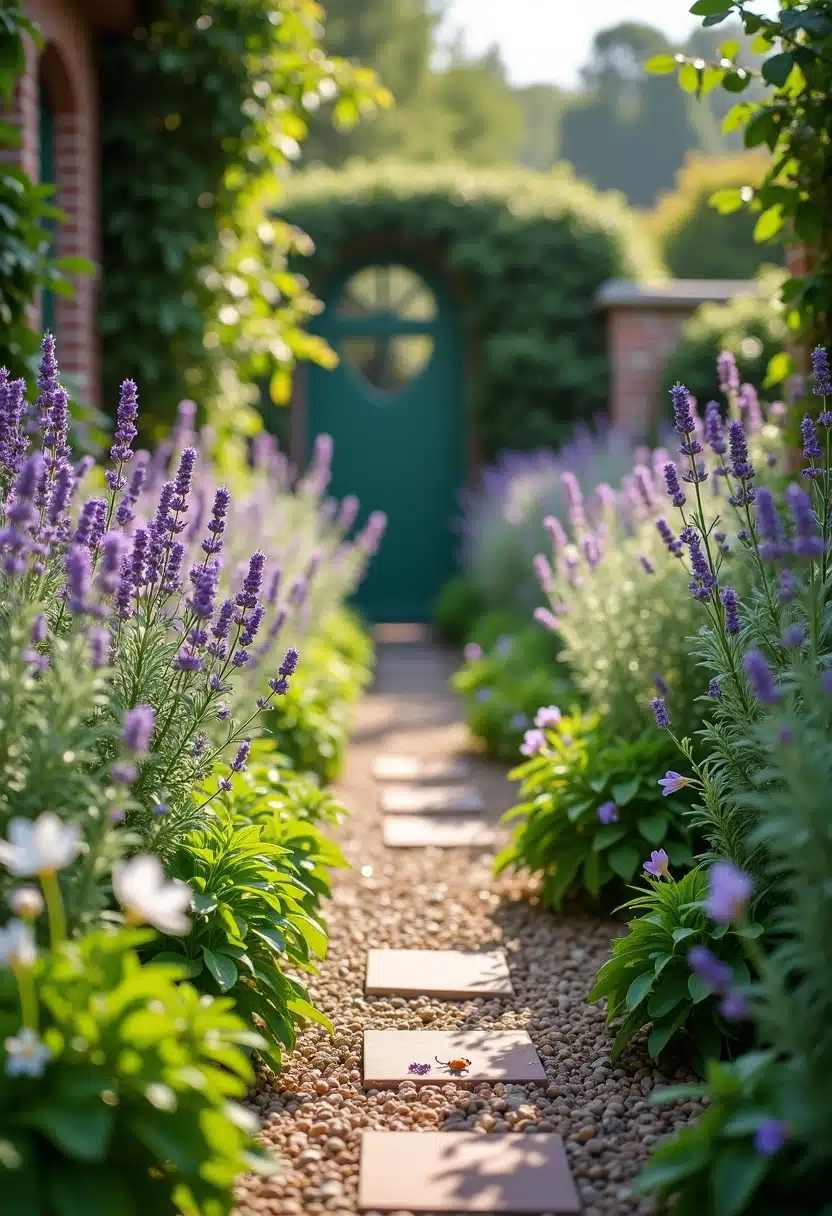
Imagine stepping into your garden oasis and being greeted by a medley of soothing scents. Aromatic plants not only enhance the aesthetic appeal but also create a tranquil and relaxing environment. Incorporate fragrant herbs like lavender, rosemary, and mint into your garden borders. These plants are easy to grow and maintain, making them perfect for a self-sufficient garden. Their aroma can help uplift your mood and create a serene space.
Strategically planting fragrant flowers can further elevate your garden experience. Consider jasmine, honeysuckle, or gardenias, which bloom with delightful scents. These blooms attract beneficial insects, which aid in pollination, enhancing your garden’s health and productivity. This interconnection creates a self-sustaining ecosystem, where aromatic plants not only please your senses but also contribute to the garden’s vitality and resilience.
For added fragrance and functionality, think about cultivating scented foliage plants. Lemon balm, thyme, or patchouli are excellent choices. These plants release their invigorating perfumes when gently brushed. Incorporate them along pathways or seating areas for an immersive sensory experience. By carefully selecting and placing aromatic plants, your garden becomes a scented sanctuary, blending beauty with ecological balance.
Understanding Soil Microbiology
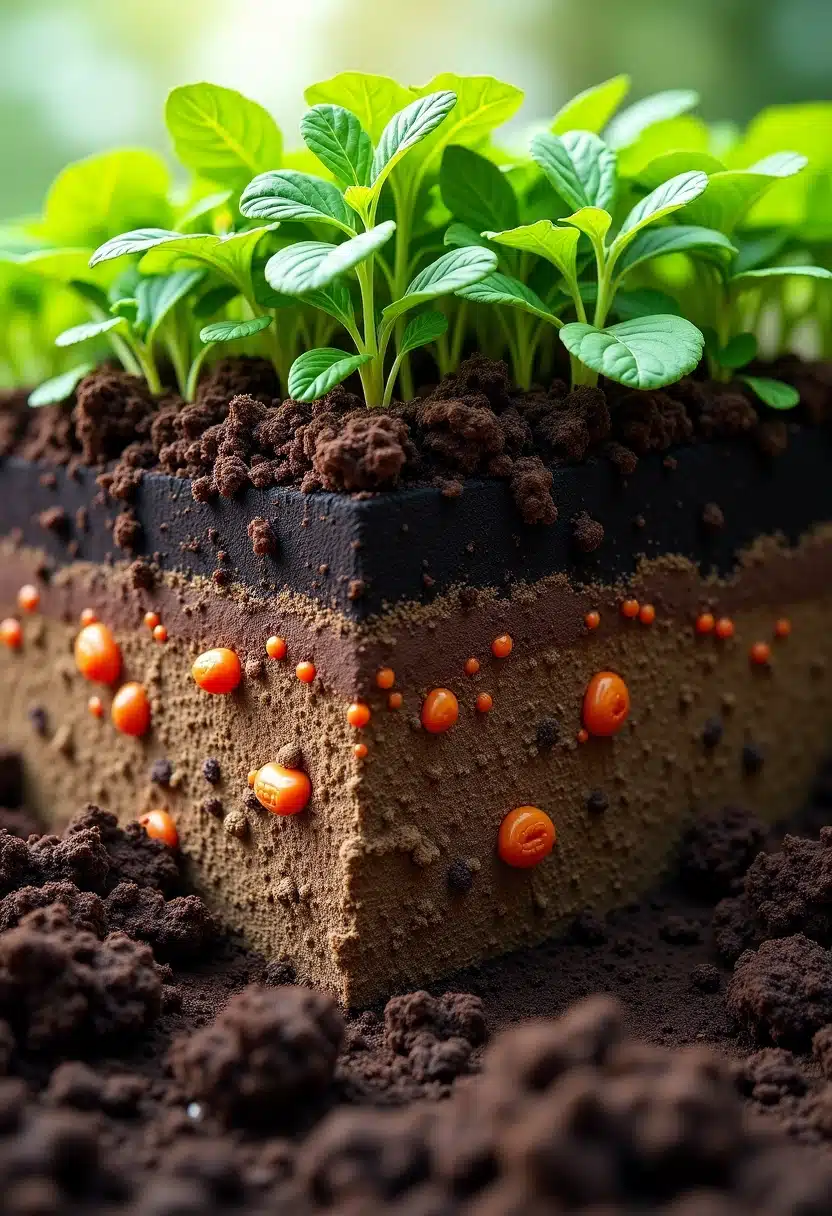
Delving into soil microbiology reveals a world of microorganisms working together to maintain a thriving garden ecosystem. These tiny organisms, including bacteria, fungi, and protozoa, play a key role in nutrient cycling and plant health. They break down organic matter, releasing essential nutrients that plants need to grow. Understanding how these microbes benefit your garden can lead to more sustainable practices.
Healthy soil microbiology contributes to better plant development and resilience against diseases. By promoting a diverse range of microbes, you can enhance your garden’s productivity. Practices like composting and using organic matter support microbial diversity, creating a robust soil environment. This not only maximizes plant growth but also aids in water retention and soil structure improvement.
To harness the power of soil microbiology, consider minimizing the use of chemical fertilizers and pesticides, which can disrupt microbial communities. Instead, opt for natural amendments that support microbial life. By aligning these practices with your garden’s needs, you nurture a self-sufficient landscape that thrives with minimal intervention. Develop an appreciation for this unseen world, and watch your garden flourish.
Building a Root Cellar for Storage
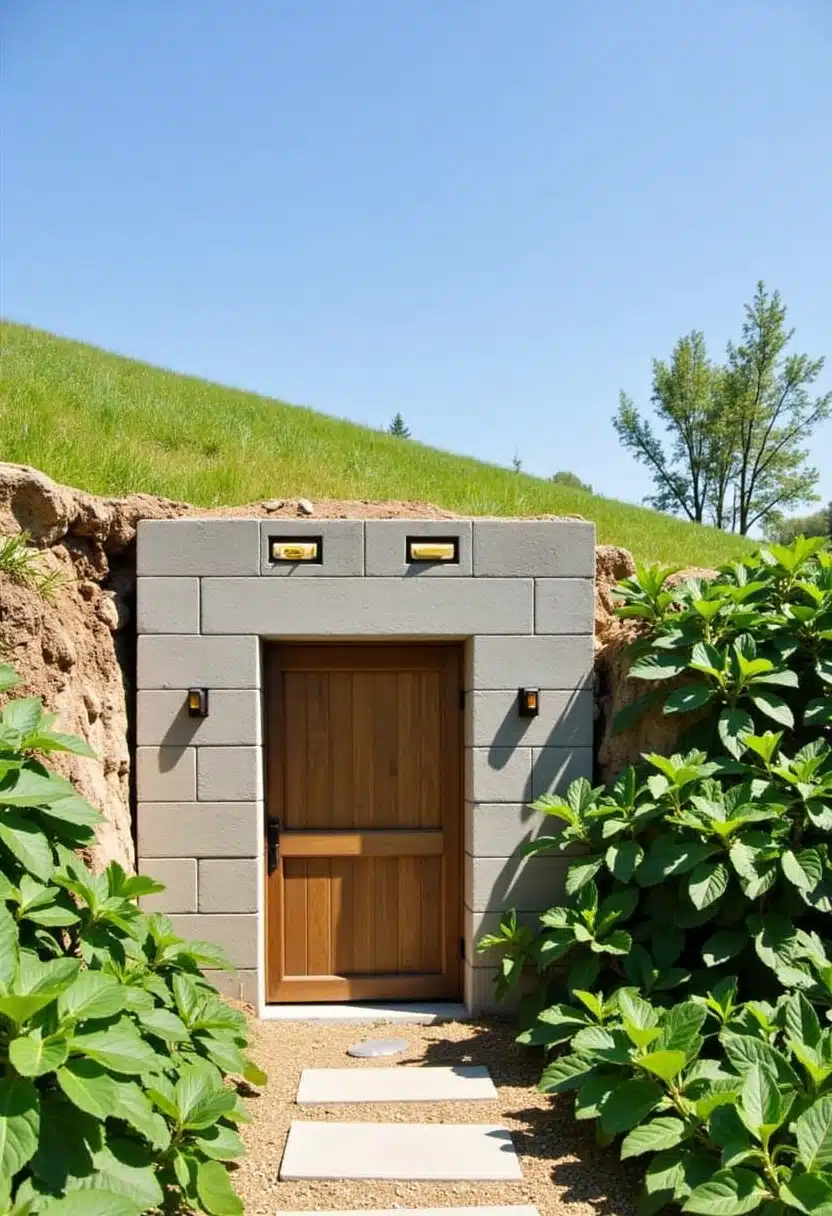
A root cellar is a crucial feature for any self-sufficient gardener aiming to store their harvest naturally. Maintaining consistent cool temperatures and moderate humidity, root cellars extend the shelf life of root vegetables and other produce. By using the earth’s natural insulating properties, these structures keep your food fresh for months. Consider creating a root cellar as a sustainable storage solution.
Building a root cellar involves selecting the right location and ensuring proper ventilation. Choose a naturally cool and moist area, like a hillside, to optimize storage conditions. Focus on durable construction materials like cinder blocks or wood, and incorporate vents to maintain airflow. A well-built root cellar can significantly reduce food waste and reliance on artificial refrigeration.
To maximize the efficiency of your root cellar, understand the specific storage needs of different produce. Group similar items to control humidity levels, and avoid storing incompatible vegetables together. This strategic organization helps prevent spoilage and extends the freshness of your harvest. Embrace this traditional, eco-friendly method to enhance your gardening self-sufficiency.
Incorporating Bees and Beekeeping
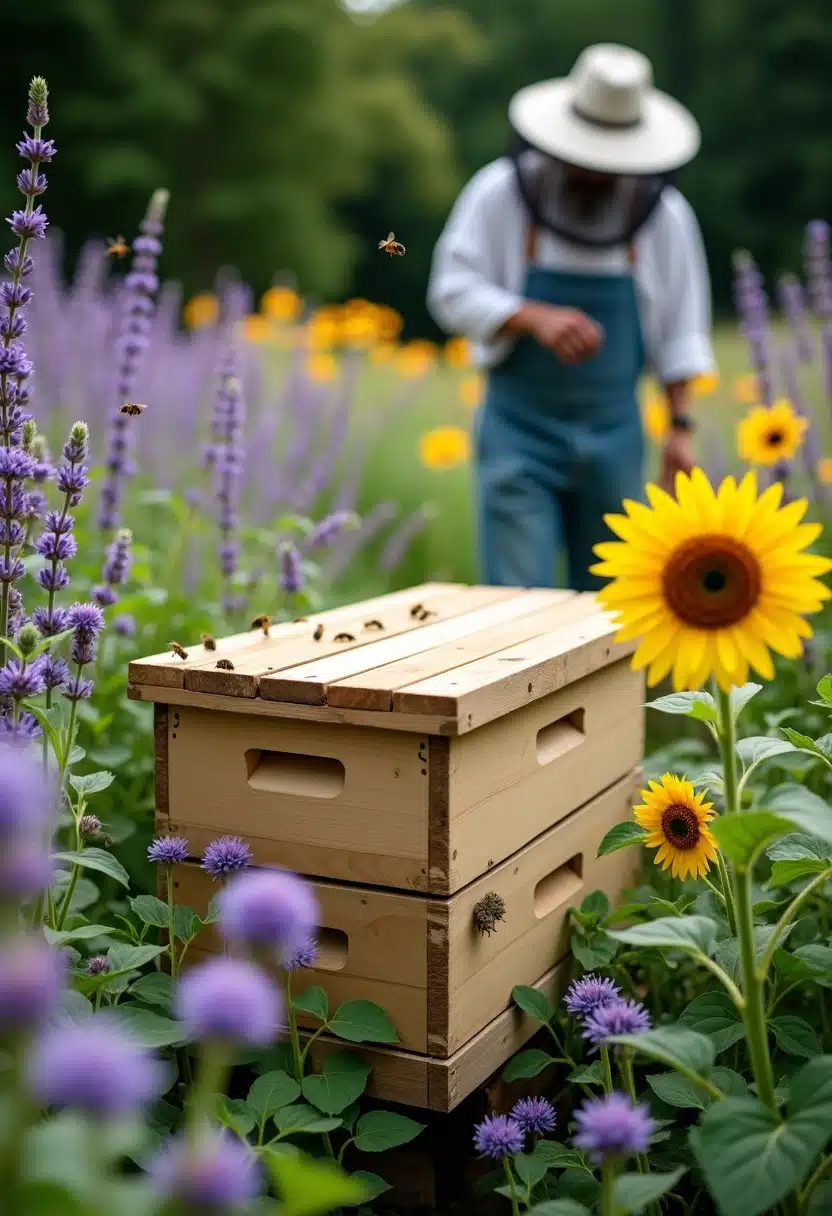
Incorporating bees into your garden can dramatically boost its self-sufficiency and overall ecosystem health. Bees play a vital role in pollination, ensuring that your fruits and vegetables develop efficiently. By keeping bees, you’re not just supporting your own harvest, but also contributing positively to the surrounding environment. Having a hive nearby can significantly enhance the biodiversity in your garden.
Beekeeping is rewarding, offering you fresh honey and beeswax. To start, you’ll need a hive, bee suit, smoker, and hive tool. It’s essential to learn about local regulations and get a feel for bee behavior and care. Keeping a garden journal with observations about your hive can also be a helpful practice.
To attract and support bees, plant a variety of flowers with staggered bloom times. This ensures bees have access to pollen throughout the growing season. Consider plants like lavender, borage, and sunflowers. Creating a water source, like a shallow dish with stones, keeps your bees hydrated and reduces their need to wander far from the hive.
Designing a Drought-Resilient Garden
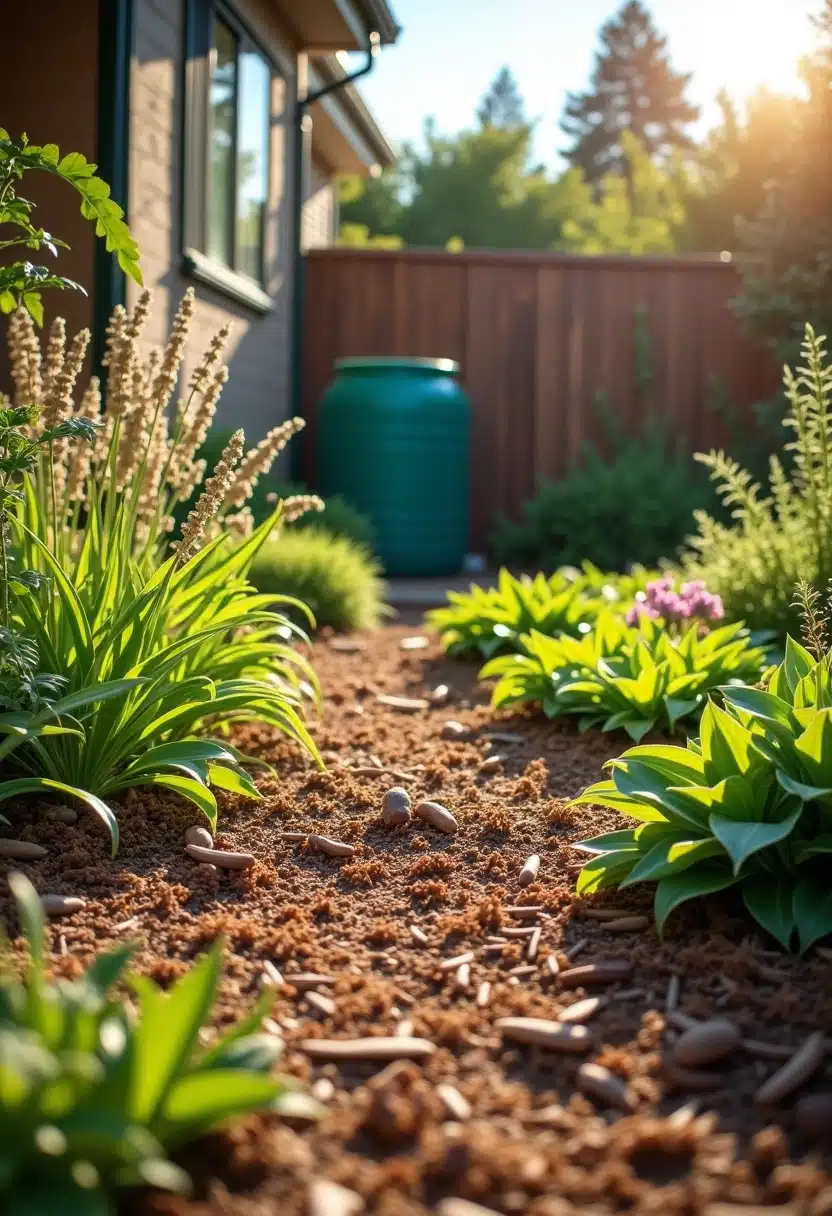
To create a garden that thrives even in dry conditions, focus on selecting plants that naturally withstand drought. This means choosing species that require less water and can survive on the moisture available. Native plants are often excellent choices, as they have adapted to local climates and weather patterns. Incorporating these plants can significantly reduce the need for frequent watering.
Another important strategy is to improve soil health to maximize water retention. Adding organic matter like compost enriches the soil, enhancing its ability to retain moisture and provide essential nutrients to plants. Mulching is also an effective way to conserve water by reducing evaporation from the soil surface while regulating temperature.
Implementing water-efficient irrigation methods is key. Consider using drip irrigation, which delivers water directly to the roots, minimizing waste and ensuring plants receive adequate moisture. Installing rain barrels to collect and use rainwater is another sustainable method for drought resilience, supporting both your garden and the environment.
The Benefits of No-Till Gardening
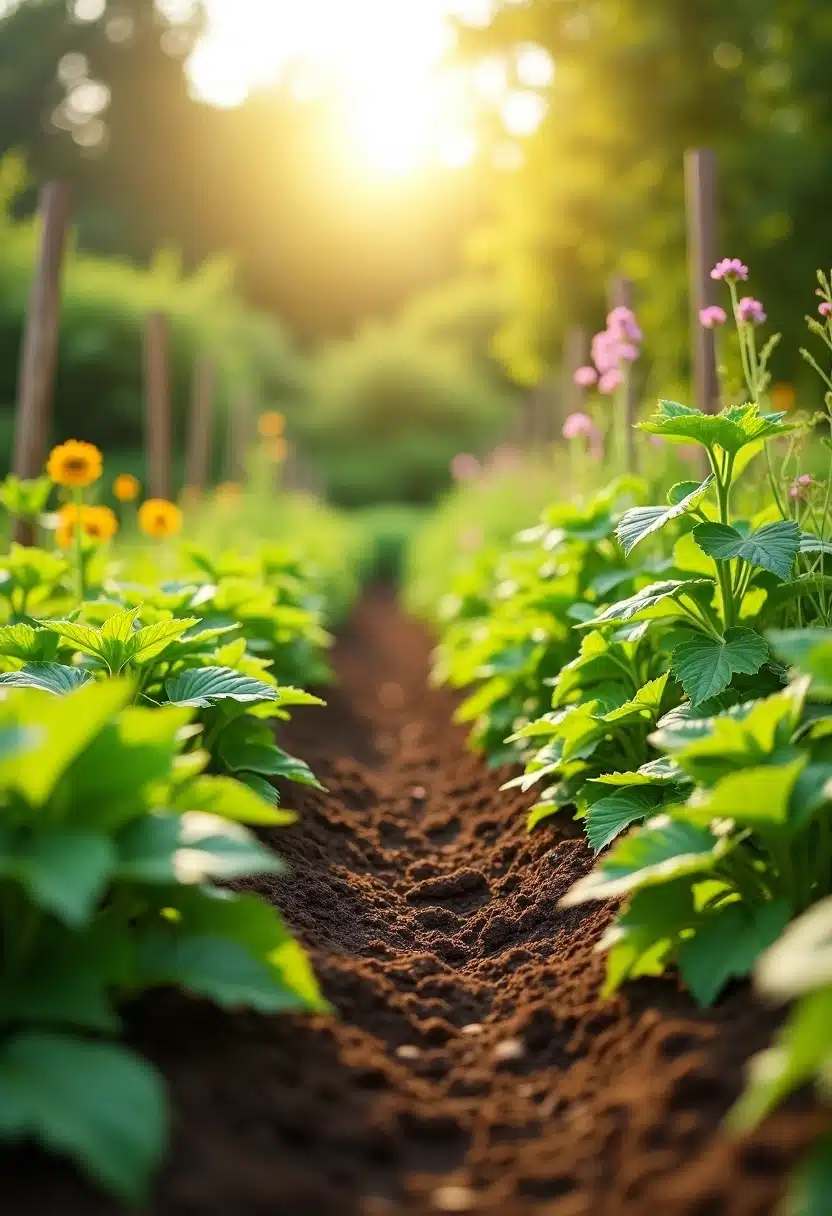
No-till gardening is a fantastic approach that benefits both the gardener and the environment. By avoiding the traditional tilling method, you preserve the soil’s natural structure. This helps retain moisture, which is beneficial in regions facing water scarcity. Instead of breaking up the soil, you allow it to build up its own ecosystem of beneficial organisms, increasing fertility over time.
This practice also minimizes soil erosion and compaction, leading to healthier plants. Ground cover crops play a crucial role in this process, as they protect the surface and suppress weeds. By building soil health naturally, no-till gardening supports sustainable, self-sufficient gardens that thrive and produce abundant yields. Additionally, it requires less time and physical effort.
Embracing no-till gardening reduces the need for synthetic fertilizers, making your garden more sustainable. It aligns with practices that attract wildlife and promote biodiversity, as the soil becomes a welcoming habitat. The benefits for gardening and the wider ecosystem are significant, offering healthier plants and less dependence on external resources.
Creating a Wildlife Pond in Your Garden
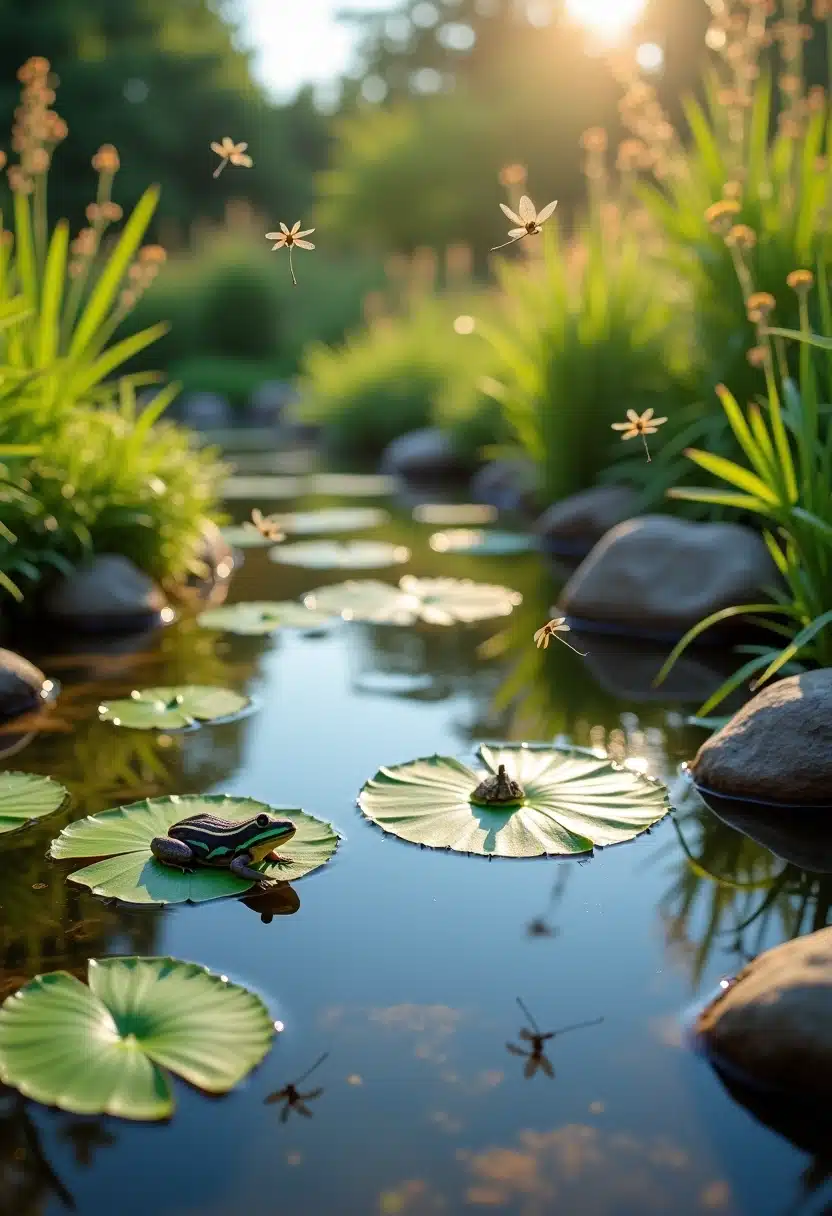
Creating a wildlife pond in your garden is a wonderful way to attract diverse species and boost biodiversity. Start by selecting a sunny spot away from trees. This helps maintain water quality and supports plant growth. Excavate a shape that complements your garden, allowing for both shallow and deep areas. This variety of depths will attract different types of wildlife, from frogs to dragonflies.
Introduce native plant species around and within the pond. These plants not only enhance the natural look but also provide shelter and breeding sites for various creatures. Allow the pond to naturally fill with rainwater if possible, avoiding tap water to prevent chemical contamination. As life establishes itself, you’ll witness a vibrant ecosystem forming in your own backyard.
To maintain your wildlife pond, ensure it remains free of pollutants and excessive debris. Regularly monitor the water levels, especially during hot seasons, and add water when necessary. Consider installing a small solar-powered pump to keep the water circulating, preventing stagnation. Your pond will become a peaceful sanctuary for wildlife and a serene feature in your garden landscape.
Growing and Using Culinary Herbs
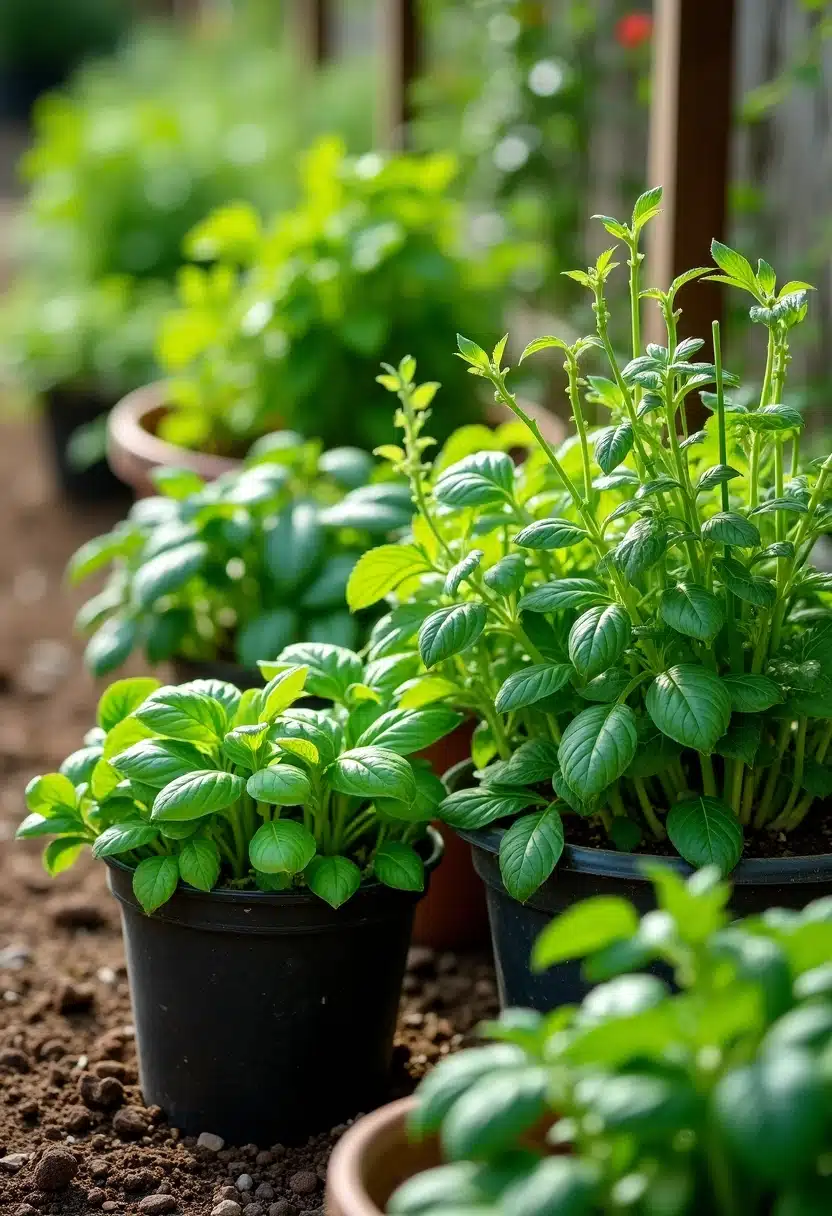
Transform your garden into a self-sufficient oasis by cultivating a variety of culinary herbs right at home. These aromatic plants not only thrive in different climates, but they also add a fresh, delightful touch to your cooking. From classic basil and rosemary to chives and mint, each herb offers unique flavors that enhance your meals while promoting a sustainable lifestyle.
Growing culinary herbs is both rewarding and practical. They can be grown in small spaces, whether in pots on your windowsill or a dedicated section in your garden. Herbs like thyme and parsley are perfect starters, requiring minimal maintenance. Plus, they save you trips to the store and reduce packaging waste. Imagine the satisfaction of snipping fresh cilantro or dill for your next recipe directly from your own garden.
For optimal use, integrate these herbs into your cooking routines. Dry them for later use or infuse oils and vinegars to capture their essence. Create herbal teas by steeping fresh sage or lemon balm. A sprinkle of basil over a homemade pizza or mint in a summer salad elevates ordinary dishes into gourmet experiences. Embrace the culinary journey these home-grown herbs offer.
Preparing Your Garden for Winter
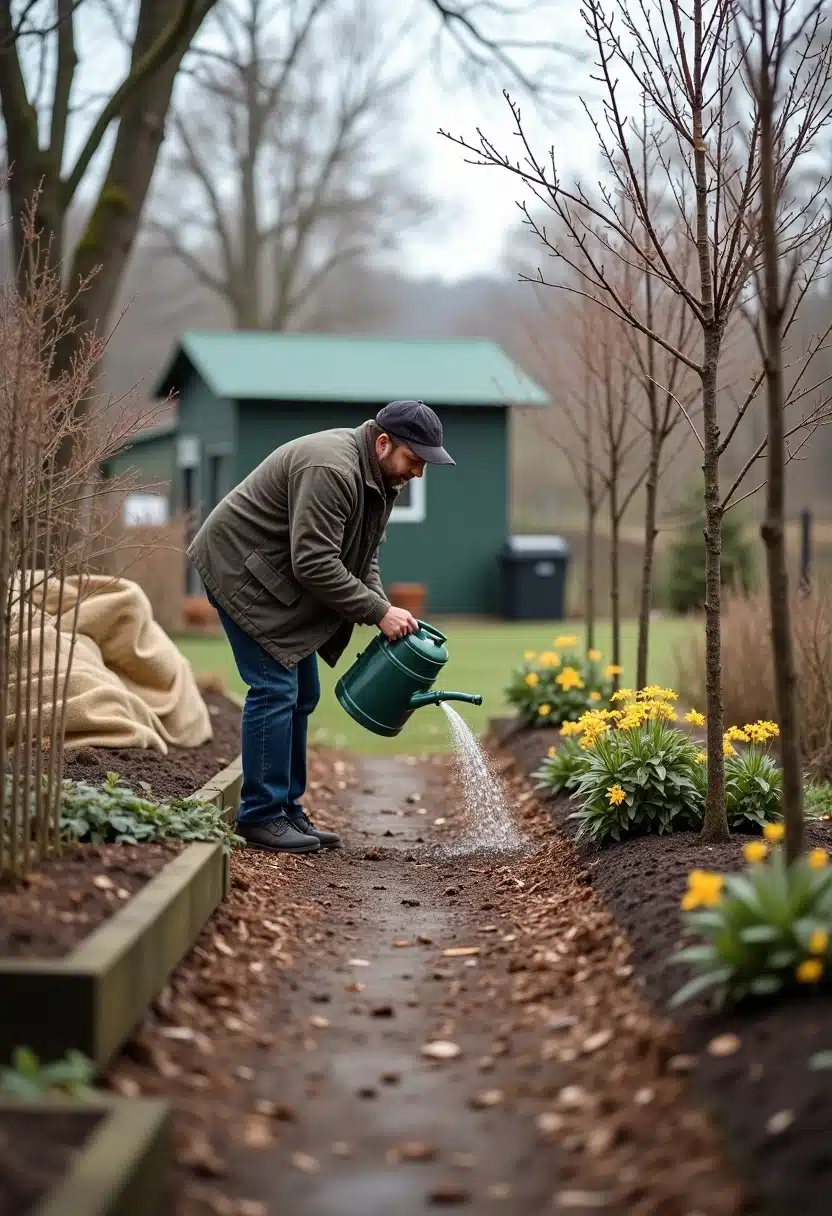
As nature prepares for the colder months, so should you with your garden. Begin by cleaning up any debris and dead plants to prevent diseases from spreading. It’s also the perfect opportunity to amend your soil with compost, enriching it with nutrients for the upcoming spring. Mulching your garden beds helps retain moisture and insulates the soil against freezing temperatures.
Consider which plants you’d like to protect over the winter. For perennials and young trees, create barriers against the wind with burlap or windbreaks. Be sure to water deeply before the first freeze, as hydrated plants are better equipped to survive winter. If you have containers, move them to sheltered spots to avoid damage from snow and frost.
Finally, don’t forget to plan for the future. Using a winter cover crop can help replenish the soil with organic matter. This not only enriches your garden but also reduces erosion during heavy rains. Prepare your tools for storage by cleaning and oiling them, ensuring they’re ready for use when spring arrives. Embrace these simple preparations for a flourishing self-sufficient garden next year.
Creating a self-sufficient garden empowers you to transform your outdoor space into a sustainable sanctuary. By incorporating diverse practices like composting, crop rotation, and companion planting, your garden can thrive independently. Embrace this rewarding journey, nurturing both plants and skills, to enjoy a healthy harvest and a truly resilient garden oasis.