
Reviving the Vegetable Garden After a Short Vacation
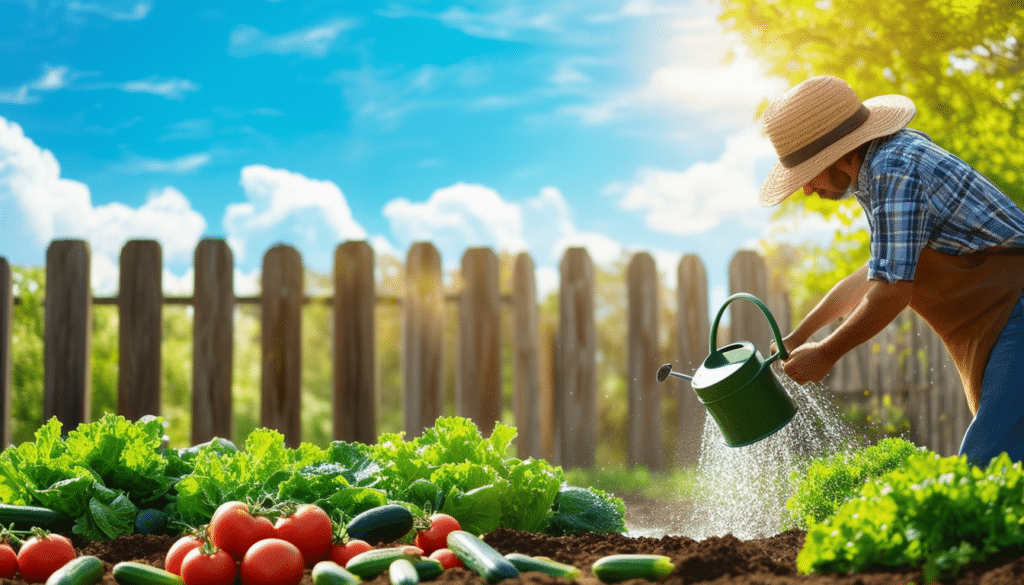
Returning home to discover your vegetable garden dry and thirsty can initially be disheartening. But not to worry! With a few targeted strategies and a sprinkle of dedication, you can breathe life back into your cherished garden. Here I’ll share some invaluable tips to rejuvenate your green space efficiently, turning post-vacation blues into lush, verdant joy!
Returning from a holiday can often leave gardeners anxious about the state of their vegetable plots. However, with some strategic care, it is possible to quickly revitalize and refresh your garden, ensuring that your plants not only survive but thrive. This guide covers essential tips on how to rejuvenate your garden, from assessing and repairing damage to implementing long-term improvements.
Detailed Inspection and Immediate Care
Upon your return, take a walk through your garden to inspect and evaluate the condition of your plants. Look for signs of stress, such as wilting, yellowing, or dried-out soil. Addressing these issues swiftly can prevent further damage. For plants that have suffered under intense sun, consider temporarily relocating them to a shaded area, even if they are typically full-sun plants. Remember, a self-watering vertical garden can offer a solution for maintaining moisture levels during future absences.
Watering Techniques and Adjustments
Proper watering is crucial to revive a stressed garden. If the soil is extremely dry, a thorough deep watering is necessary to rehydrate the root systems. Consider setting up a drip irrigation system to provide a consistent water supply directly to the roots, minimizing evaporation and wastage. This technique not only helps in saving water but ensures your plants receive it where most needed.
Nutrient Boost and Soil Enrichment
Reviving your garden’s health often requires replenishing lost nutrients. Spreading a layer of organic compost or well-rotted manure can significantly enrich the soil. This not only reintroduces essential nutrients but also improves soil structure, enhancing its ability to retain moisture. Integrating nutrient-rich compost is an excellent method to ensure your plants regain strength and vitality. Your vegetable plot’s progress can be greatly accelerated with proper soil management.
Pruning and Cleaning Up
Prune back any dead or dying leaves to help reduce stress on plants and encourage new growth. This ensures the plant’s energy is directed towards developing healthy parts. Additionally, cleaning up any fallen debris or dead foliage is crucial as it can harbor pests and diseases.
Adjusting Plant Positions and Protection Strategies
Depending on their condition upon your return, some plants may benefit from being moved to different areas of the garden that offer more suitable growing conditions, like partial shade or wind protection. Using protective covers can also shield sensitive plants from harsh elements.
Long-Term Garden Care Strategy
Prevent future stress on your garden by planning ahead. Consider planting drought-resistant varieties or using mulch to conserve moisture. Looking into self-watering and vertical gardening systems can offer more resilience in your garden’s design, making it more robust against adverse weather conditions or short periods of neglect.
Exploring New Garden Features
Taking the opportunity to introduce new elements into your garden can both enhance its function and visual appeal. Incorporating features like a serene edible garden or an artistic water feature can invite new dynamics into your space, making gardening more enjoyable and fulfilling.
Additional Resources and Learning
For further guidance on revitalizing your garden and ensuring its sustainability, explore additional resources that provide comprehensive insights into effective gardening practices. Unlock the secret perks of having a garden by learning more about plant care, pest management, and creative gardening aesthetics.
Crafting a lush, productive vegetable garden is a joyful process that evolves with every season. By embracing these restoration techniques and sprinkling a bit of care, your garden will not only recover but could turn into a thriving oasis ready for the changing seasons.
Revitalizing Your Vegetable Garden After Vacation
Returning home from a vacation to find your garden slightly wilted can be disheartening, but with a few strategic steps, you can breathe life back into your vegetable patch and restore its former vitality. A brief post-vacation garden revival can not only rejuvenate your plants but also ensure a continued bounty throughout the growing season.
The first crucial step in revitalizing your garden is assessing the state of your plants. Look for any signs of stress such as drooping leaves or dry soil, which indicate an urgent need for attention. Start by providing a deep, thorough watering to rehydrate the soil and roots. If the weather forecast predicts continued dry conditions, consider setting up a temporary shade over more vulnerable plants to prevent further dehydration.
Next, focus on soil health. Vacation time might have interrupted your regular garden maintenance, so adding a layer of organic compost can replenish the essential nutrients that your plants crave for growth. If weeds have sprung up, gently remove them to prevent competition for these vital nutrients and water. Weeds can be particularly aggressive and can hinder the recovery of stressed plants by monopolizing resources.
Pruning is also beneficial post-vacation. Remove any dead or damaged stems and leaves to help your plants focus their energy on producing new, healthy growth. Additionally, for vegetable plants like tomatoes or peppers that might have borne fruits in your absence, harvesting ripe produce promptly will encourage the development of new flowers and fruits.
Implementing these measures after a vacation can remarkably improve the health and productivity of your vegetable garden. Remember, consistent care and attention are key to a thriving garden, so regular check-ups even when you’re home are vital to prevent future stress from travel absences.