
An Overview of Gardening and Vegetable Plot Progress
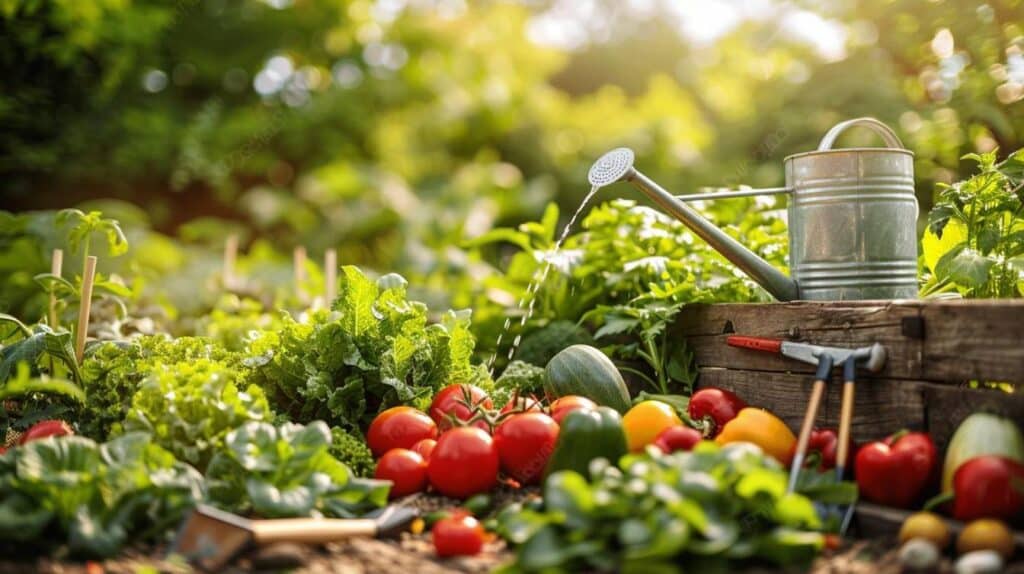
Embark on a journey through the verdant landscapes of gardening, as we explore the evolution and progress of vegetable plots. From meticulously planned beds outlined in the meticulous craft of square foot gardening to the dynamic thrusts of vertical green spaces, our verdant endeavor intertwines the traditions of yesteryears with the innovative approaches of modern gardening. Revel in the artistry and science that bring seeds to bloom and turn patches of earth into abundant harvests.
Welcome to a comprehensive exploration of the enchanting world of gardening and the dynamic progress of vegetable plots. From the basics of initiating a garden space to the specific techniques used in nurturing a thriving vegetable plot, this extensive guide will help both novice and seasoned gardeners understand how to manage, enhance, and transform their green spaces effectively.
The Initial Setup: Designing Your Garden and Vegetable Plot
The journey to a flourishing garden begins with careful planning and design. Understanding your local climate, soil type, and sunlight exposure is crucial to decide the best plants that can thrive in your environment. It’s important to sketch out a layout that includes not only the positioning of each plant but also considers future growth, ease of access, and rotation practices. This strategic foresight can significantly improve plant health and yield.
Progress Tracking: The Key to Effective Gardening
Gardening is an art that requires patience and observation. Tracking the progress of your garden can be wonderfully insightful and rewarding. Whether you’re monitoring the growth of your plants, adjusting your watering schedules, or simply noting the changes in seasonal growth patterns, keeping a detailed garden journal can help refine your gardening techniques and increase your garden’s productivity.
Essential Gardening Techniques for Healthier Vegetables
One of the central aspects of managing a vegetable plot is mastering the essential gardening techniques. This includes understanding the right time for planting, the art of crop rotation, and the intricate process of soil maintenance. Adding organic matter to your soil, practicing seasonal composting, and ensuring sustainable pest management are all pivotal in maintaining the health and vigor of your vegetable plot.
Modern Innovations in Gardening
With the advent of technology and innovative gardening practices, the face of traditional gardening is continually evolving. Techniques such as vertical gardening, hydroponics, and the use of smart gardening tools are revolutionizing the way we cultivate our gardens. Keeping abreast of the latest updates and innovations can provide gardeners with the tools they need to optimize their gardening practices.
Challenges and Solutions in Vegetable Gardening
Gardening is not without its challenges. From unexpected pests to fluctuating weather conditions, each problem requires a strategic approach to overcome. For instance, discovering effective and environmentally friendly ways to deal with pests can ensure the longevity and health of your garden. Exploring natural remedies like the introduction of beneficial insects or using specific plants to deter rodents can make a significant difference.
Integrating Aesthetic and Functional Designs in Your Garden
Your vegetable plot isn’t just a source of food; it’s also a part of your living space that can enhance the beauty and functionality of your home. Designing your garden to be both aesthetically pleasing and functional can add immense value to your property. Utilizing elements like decorative plant supports, attractive yet efficient water systems, and strategic planting for year-round color and texture can transform your garden into a delightful sanctuary.
Urban Gardening: Adapting to Small Spaces
Not everyone has the luxury of large garden spaces, especially in urban areas. However, that doesn’t limit the potential of growing your own vegetables. Vertical gardening, balcony gardens, and the use of railing planters are excellent solutions for space constraints. Techniques such as container gardening are particularly effective in controlling soil quality and managing limited spaces efficiently.
The Role of Community and Shared Gardens
Gardening often extends beyond individual efforts, contributing to community wellness and connectivity. Participating in community garden projects can provide a sense of belonging, teach valuable skills, and foster a shared responsibility towards sustainability. These communal spaces can serve as essential hubs for learning, sharing, and growing collectively.
Future Trends: The Evolution of Gardening
As we look to the future, gardening continues to evolve with societal shifts toward sustainability and organic living. The integration of eco-friendly practices and the resurgence of native plant gardening are expected to rise. Staying informed about future gard
Gardening is not just a hobby; it’s a journey of continuous learning and experimentation. Every season offers a new lesson and a fresh perspective on nature’s rhythms. The vegetable plot, a quintessential part of any garden, serves as both a source of sustenance and a learning ground. As gardeners, we navigate through uncertainties of weather and soil, gaining insights and growing alongside our plants.
The progress in a vegetable plot is not measured only by the yield it produces each season, but also by the improvements in the soil’s health and the gardener’s growing expertise. Sustainable practices such as crop rotation, organic composting, and pest management contribute to the long-term success of a garden. These practices not only enhance the quality of the produce but also ensure the ecological balance of the garden ecosystem.
Modern gardening techniques like vertical gardening and container gardening have made it possible for those with limited space to enjoy the pleasures of gardening. Innovations in gardening tools and techniques continue to make the process more efficient and enjoyable. Additionally, the community and therapeutic benefits of gardening cannot be overstressed. Gardens serve as vibrant social spaces that foster community interaction and personal relaxation.
Ultimately, the journey of a garden plot is filled with triumphs and challenges. Each season brings its own set of tasks, from preparing the soil to harvesting the fruits of one’s labor. The cyclical nature of these tasks ensures that the garden is a place of perpetual renewal and wonder, mirroring the dynamic cycle of life itself.