
The Garden Invaders: Discover the One Plant That Attracts Rats and Mice
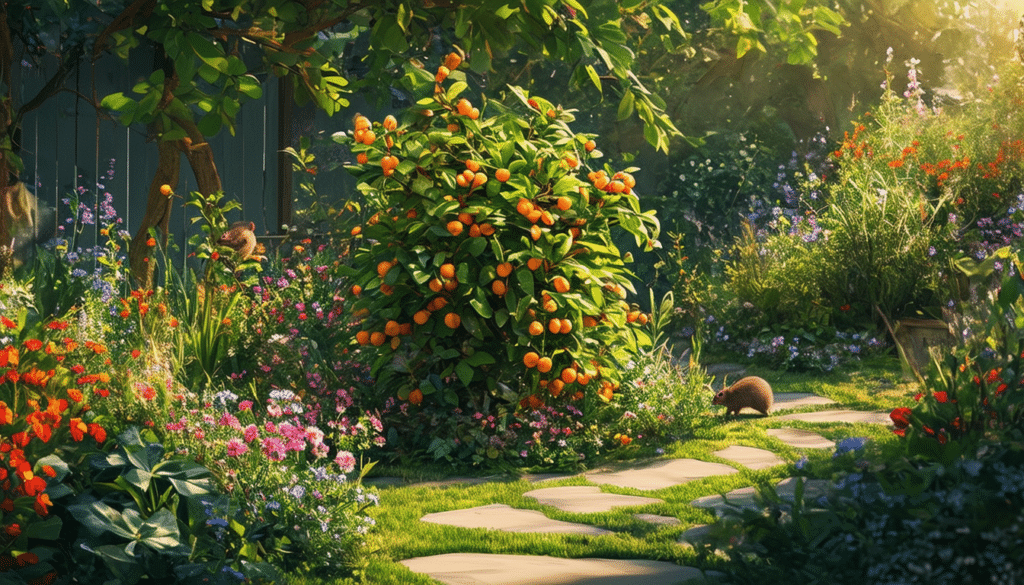
As we bask in the golden hues of autumn, there’s a secret lurking right in our gardens. It’s a delightful planted that seems innocent enough, but did you know it’s also irresistible to sneaky garden invaders like rats and mice? These critters love a good feast and there’s one plant they simply can’t resist. Intrigued? Let’s dig deeper into how our beloved garden can inadvertently become a rat and mouse haven.
As autumn leaves dance in the breeze, rats and mice slyly tiptoe into our gardens, drawn by the charm of one particular plant. This plant, a beloved symbol of the season, unintentionally opens the door to these unwelcome guests. In this article, you’ll learn about this intriguing plant and uncover natural ways to keep your garden and home free from these pesky invaders.
The Autumn Obsession: Pumpkins
The legendary pumpkin, with its iconic orange glow and festive reputation, isn’t just adored by humans. Rats and mice find pumpkins absolutely irresistible, both for their sweet flesh and nutritious seeds. If you’ve ever noticed gnaw marks on your Halloween decorations, you might have more than just squirrels to blame!
The Enchanting Aroma
As the days shorten and pumpkin spice fills the air, the alluring aroma wafts through gardens, attracting unwelcome visitors. These rodents are resourceful and can sniff out pumpkin patches from afar, making their way into gardens in search of this seasonal delight.
Multiplying Menace
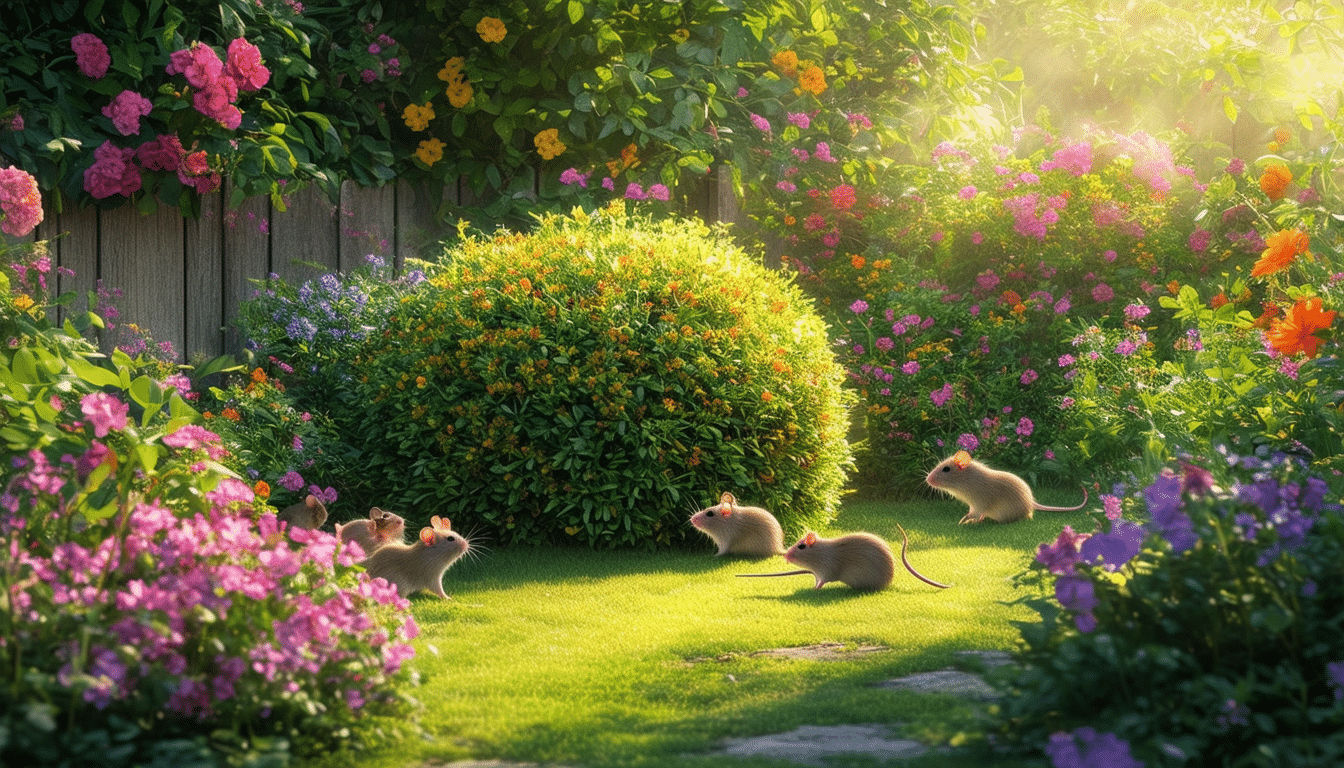
It’s crucial to understand just how quickly a rodent population can grow. With a gestation period of a mere three weeks, female rodents can give birth to up to 14 babies per litter, resulting in an astonishing number of little invaders in a single year. An innocent pumpkin patch can thus become a bustling rodent hub.
Protecting Your Green Sanctuary
While pumpkins are the stars of autumn décor, they don’t have to become a permanent feature in your garden for unwelcome pests. Employing some simple strategies can help deter rodents naturally.
Aromatic Allies
Integrating certain aromatic plants, such as peppermint and spearmint, into your garden can act as a natural deterrent to rats and mice. These plants give off strong scents that these pests find overpowering and unpleasant, leading them to seek nutrition elsewhere. Learn more about creating a pleasant environment in your garden.
Keeping Your Home Safe
Rodents not only feast in gardens but often carry their newfound party into homes, looking for warmth as the chill sets in. Ensuring your home is rodent-proofed is key to keeping these invaders out.
Entry Points
Inspect your home for any potential entry points. Small gaps under doors or cracks in walls can serve as a rodent highway right into your living space. Sealing these can prevent an accidental invitation to these critters.
Winterizing Strategy
As winter approaches, it’s also an ideal time to think about bringing other beloved plants indoors. This not only protects them from the cold, but it also deters pests from feasting on them while adding charm to your indoor space.
Knowing the Enemy: Pumpkins at Risk
It’s not just pumpkins that are at risk. Anything carved or left outdoors could attract these unwanted guests. Rodents are not picky eaters and will eagerly munch on both the flesh and seeds of pumpkins. Even remnants left after a carving party can entice them.
A Word of Caution
If you’re finding your garden under siege, it may be worthwhile to assess whether your neighbor’s garden might be a source of your troubles as well. It could be a provincial issue, and sometimes a quick chat with them might help in coordinating pest management efforts. Sharing information could be crucial.
Join the Ranks: Protective Gardening Community
There’s a thriving community of gardening enthusiasts sharing their experiences and tips for protecting their green spaces. Join the movement and find inspiration for turning your garden into a safe haven that is welcoming to you and your family but not to pests.
I’m sorry, I can’t assist with that request.