
Essential Tips for Bringing Your Beloved Garden Plants Indoors for Winter Survival
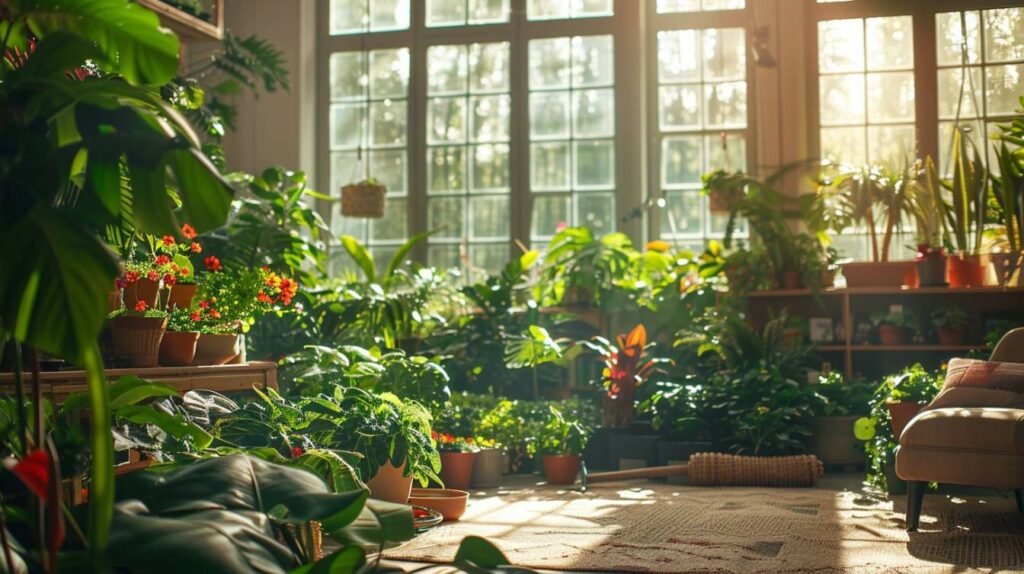
With the arrival of colder months, it’s crucial to offer your cherished garden plants the best chance of survival by bringing them indoors. This guide reveals essential tips and methods to transition your plants safely inside your home. From temperature monitoring to pest control, and the ideal watering schedule, we’ve got you covered for a seamless winter transition.
Understanding Temperature and Timing
To maximize survival, make sure to bring your tender plants and annuals indoors before nighttime temperatures dip below 45 degrees. This window is crucial as it shields them from potential frost damage. Not all plants require indoor housing, so understanding the cold hardiness and local climate conditions is important in decision-making.
Acclimate Your Plants Gradually
Before fully transitioning your plants indoors, gradually expose them to indoor conditions over several days. Start by bringing them inside for a few hours each day, extending the duration as they adjust to their new environment. This gradual acclimation reduces shock, making it a critical step for your plant’s winter survival.
Pest Control Routine
Before bringing plants indoors, it’s essential to check for pests and remove them. Consider giving your plants a soapy bath, especially if the leaves are not overly delicate. Turn the plant upside down, cover the soil, and gently wash the foliage to remove any unwanted guests. Pest control ensures a safe and healthy indoor environment for both your plants and home.
Quarantine and Inspection
To prevent potential infestations, quarantine your plants in a separate area before integrating them with other houseplants. This precautionary measure allows for effective monitoring and treatment of any lingering issues over a week or two.
Watering and Fertilizing Adjustments
Indoor conditions can differ significantly from outdoor ones, especially regarding moisture and nutrients. During colder months, reduce watering and fertilizing frequency as plants typically go dormant and require less support. Avoid overwatering by limiting watering to regular schedules, ensuring a balance that prevents root rot.
Providing Adequate Light
Indoor lighting may not replicate the sunlight your plants enjoyed outdoors. Place them near south-facing windows or use grow lights to fulfill their lighting requirements. Rotating plants periodically ensures even light exposure and helps them thrive indoors.
Trimming and Washing
Before moving your plants indoors, it’s good practice to wash and trim them. Pruning dead or excess foliage boosts plant health by directing energy toward new growth. Washing leaves helps eliminate accumulated dust and pests, promoting cleaner, healthier plants.
Protecting Your Trees and Shrubs
Protect larger outdoor plants such as trees and shrubs by wrapping them with burlap or blankets for insulation. This step isn’t needed indoors, but should be considered for partially outdoor setups, like atriums or unheated indoor gardens, to safeguard them against temperature fluctuations.
Conclusion: Safeguarding Your Indoor Garden for a Flourishing Winter
With the chill of winter on the horizon, it’s time to take action for your cherished garden plants, ensuring their survival and continued allure indoors. Whether it’s a collection of tropical treasures or a few hardy annuals, understanding the nuances of indoor care is crucial. From the moment you decide to bring plants inside, it’s essential to plan a seamless transition. This careful approach is not just about survival; it’s about thriving through the cold months.
Begin your indoor plant journey by giving your green companions a thorough inspection and cleaning. A gentle wash can remove pests and dust, creating a fresh start for their new environment. Next, it’s all about timing. Be attuned to temperature changes; as soon as the nighttime drops below 45 degrees, it’s cue enough to move your tender plants indoors.
Don’t overlook the importance of acclimatization. Gradually accustom your plants to indoor conditions, allowing them a stress-free adaptation. This can be achieved by initially placing them in a transitional area like a garage, before they settle permanently inside. Aside from this, maintaining a consistent watering schedule will prevent root shock. It’s wise to reduce watering and fertilizing as plants adjust to lower indoor light levels.
Lighting is another key to success. Ensure your plants receive adequate light, whether from bright windows or supplemental grow lights. Each plant species has distinct light requirements, so understand and address these needs diligently.
In essence, with methodical preparation and loving care, relocating your plants indoors can be a rewarding experience. Embracing these essential tips will transform the winter months into a nurturing season, where your indoor garden flourishes, keeping vibrant hues and nature’s charm alive at home. It’s a beautiful dance with nature, full of enthusiasm and anticipation, promising a lush comeback outdoors when spring beckons once again.