
Creating a Butterfly-Friendly Garden: Essential Tips for Attracting These Beautiful Pollinators
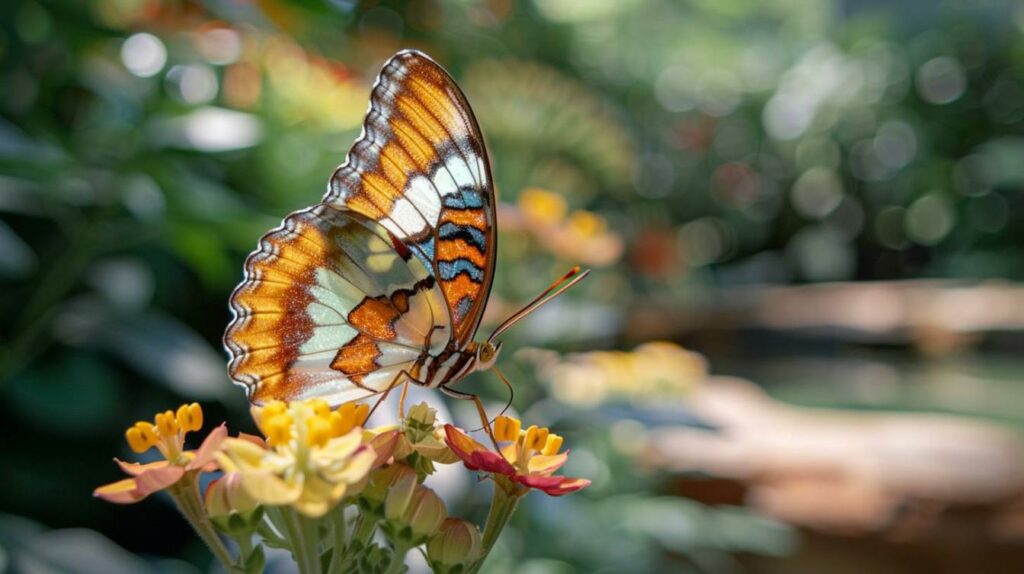
Transforming your garden into a vibrant haven for butterflies is both enchanting and rewarding. By selecting the right plants and incorporating essential elements, you can create a paradise that will attract these delightful pollinators. Let’s explore how you can make your garden a butterfly-friendly oasis!
Transform your garden into a vibrant sanctuary for butterflies with just a few strategic plant choices and design elements. By selecting nectar-rich flowers, incorporating native plants, and providing essential shelter and water sources, you can create an inviting habitat that will attract and support these enchanting pollinators throughout their lifecycle. Let’s dive into the essential tips for making your garden a butterfly paradise.
Select Nectar-Rich Plants
Butterflies are irresistibly drawn to nectar-rich flowers. Some of their favorites include Buddleia (Butterfly Bush), Echinacea (Coneflowers), and Lantana. These plants not only provide abundant nectar but also add a splash of vibrant color to your garden.
Go Native with Your Plant Choices
Choosing native wildflowers helps create a familiar environment for local butterfly species. Consider planting Foxgloves, Red Campion, and Milkweed. Not only do these plants thrive in their native habitat, but they also provide the specific resources needed by local butterflies.
Design Pathways for Easy Strolling
Create meandering pathways in your garden. These paths allow you to enjoy the beauty of the butterflies up close without disturbing them. A thoughtful garden layout invites both butterflies and humans to explore and appreciate the natural world.
Choose the Right Garden Location
To attract the most butterflies, dedicate a large sunny area for your butterfly garden. Butterflies are most active in warm, sunny spots. A sun-drenched garden ensures they stay longer and visit more often.
Provide Shelter and Nesting Spots
Butterflies need shelter and nesting spots to feel secure. Incorporate tall grasses, shrubs, and trees into your garden to provide cover. These elements offer protection from predators and harsh weather, creating an inviting habitat for butterflies to lay their eggs and rest.
Consider Flower Shapes
The shape of your flowers can attract different pollinators. Planting small, tube-like flowers appeals to butterflies with long proboscis, allowing them to sip nectar efficiently. Flowers like salvia and penstemon are great examples of tube-like flora that butterflies find irresistible.
Incorporate Water Sources
A essential part of any butterfly-friendly garden is a readily available water source. Shallow dishes filled with water, placed in sunny spots, provide butterflies with the hydration they need. Consider adding a few flat stones in the water for resting spots.
Plan Your Butterfly Sanctuary
Each garden is unique and requires a tailored approach. Determine which butterfly species are native to your area and plan accordingly. Creating a butterfly garden in small spaces or incorporating sustainable and eco-friendly practices enhances biodiversity and ensures a healthy environment for these delicate pollinators.
Designing a butterfly-friendly garden is an exciting and rewarding endeavor that not only brings beauty to your outdoor space but also supports vital pollinators. The key to success lies in understanding the specific needs of these delicate creatures and incorporating elements that cater to them.
Start by choosing the right nectar-rich plants. Butterflies are particularly attracted to bright, colorful flowers such as coneflowers, zinnias, and lantanas. Including a variety of these blooms will ensure that butterflies have a consistent food source throughout the growing season.
It’s equally important to incorporate native plants into your garden. Native wildflowers like Foxgloves and Red Campion are especially effective at drawing in local butterfly species. These plants have evolved alongside native butterflies and provide the ideal habitat and nourishment.
Creating meandering pathways allows you to enjoy the garden up close while also giving butterflies easy access to different sections. Pathways also add an element of charm and tranquility to your garden layout, making it a pleasant space for both butterflies and humans alike.
A large, sunny area is optimal for your butterfly garden, as butterflies are cold-blooded and need sunlight to stay active. They will linger longer in your yard if they have plenty of sunlit spaces to bask in. Additionally, incorporating natural cover such as tall grasses, shrubs, and trees provides essential shelter and resting spots.
Don’t forget about water sources. A small, shallow dish with fresh water or a decorative birdbath can serve as a butterfly’s hydration station. Just ensure it’s placed in a sunny spot and is shallow enough for them to safely drink from.
Lastly, when designing your butterfly garden, flower shape matters. Long, tube-like flowers attract butterflies with long proboscis, allowing them to easily access nectar. Examples include honeysuckles and salvias, which cater to the unique feeding mechanisms of various butterfly species.
By combining these essential elements, your garden will become a vibrant, fluttering paradise. Not only will you enjoy the visual appeal, but you’ll also contribute to the ecological health of your local environment by supporting the essential work of these beautiful pollinators.