
Don’t Be Alarmed: Sustaining Pollinator Populations May Need Year-Round Flower Gardens
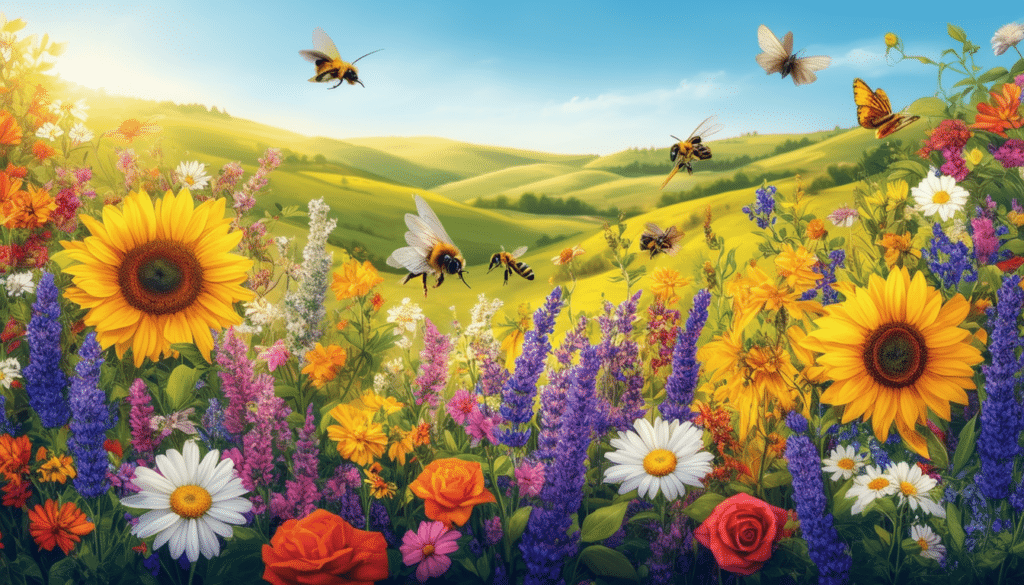
Maintaining a garden that blooms all year-round is essential for supporting pollinator populations, ensuring they have a continuous supply of food and habitat. From planting native flowers that blossom in different seasons to letting your lawn grow a bit wild in May, there are simple yet effective ways to create an inviting environment for these crucial ecological players.
The Importance of Year-Round Flower Gardens for Pollinators
Pollinators such as bees, butterflies, and hummingbirds are vital for our ecosystem. They help in the reproduction of flowering plants by transferring pollen from one flower to another. However, these amazing creatures are facing a decline due to habitat loss and other environmental threats. One practical solution is to establish a garden that provides flowers in every season, ensuring pollinators have access to nectar and pollen all year.
Why Pollinators Are Crucial
Pollinators are indispensable for the environment. Not only do they assist in the growth of flowers, fruits, and vegetables, but they also support the biodiversity of ecosystems. Their activities help in the seed production of many plants which are critical food sources for various wildlife.
Creating Year-Round Flower Gardens
To sustain pollinator populations, it’s essential to plan your garden meticulously. Plant a variety of native flowers that bloom at different times of the year. Incorporating modern hybrid varieties alongside traditional plants can ensure a continuous supply of nectar and pollen. For more tips, check out How to Attract Pollinators to Your Garden.
Seasonal Planning for Continuous Blooms
To keep your garden abuzz with pollinators, it’s crucial to plan for every season. Early blooming plants like crocuses and snowdrops can provide vital nutrition in the spring. During summer, flowers like sunflowers and lavender can attract a multitude of pollinators. Autumn-blooming plants such as asters and goldenrods provide the last nectar boost before winter. Additionally, winter bloomers like witch hazel can offer much-needed pollen in the colder months.
The Role of Lawns in Supporting Pollinators
It might be surprising, but even your lawn can play a significant role in supporting pollinators. Allowing weedy flowers like dandelions and clover to grow during May can provide a much-needed food source for bees. For more on this, visit Top Tips to Attract Pollinators.
Avoiding Pitfalls: What to Watch Out For
While creating a pollinator-friendly garden, it’s essential to avoid certain practices that can harm the pollinators. For instance, using pesticides can be detrimental to bees and butterflies. Instead, adopt organic gardening practices and use natural predators to control pests. For comprehensive guidelines, refer to How to Design a Sustainable and Eco-Friendly Garden.
Climate-Resilient Pollinator Gardens
Designing your garden to be climate-resilient can help ensure that it continues to support pollinators despite changing weather conditions. Choose drought-resistant plants and integrate practices that enhance soil health. Creating micro-habitats within your garden can also provide shelter and food in various seasonal extremes.
Final Thoughts
Providing a year-round haven for pollinators is not just an act of gardening; it’s a commitment to biodiversity and environmental health. By incorporating a variety of blooming plants and following eco-friendly practices, you can create a thriving habitat that supports pollinators and contributes to the well-being of our planet.
In our ever-evolving world, pollinator populations face numerous challenges, from habitat loss to climate change. It has become increasingly critical to create and maintain year-round flower gardens to provide these vital creatures with the sustenance they need. Such gardens not only offer continuous sources of nectar and pollen but also contribute to the broader ecosystem’s health and resilience.
By cultivating a diverse array of native plants that bloom at different times throughout the year, you ensure a steady supply of food for pollinators. This strategy supports a thriving population of bees, butterflies, and other beneficial insects, which are essential for the pollination of many crops and wild plants. This continuity is key to reversing the decline in pollinator numbers and addressing broader environmental issues.
The significance of year-round flower gardens extends beyond merely feeding pollinators. These habitats also act as sanctuaries, providing shelter and breeding grounds. They become safe havens amidst urban landscapes, where pollinators can escape from pesticides and other harmful practices. Encouraging the growth of native plant species further strengthens the local ecosystem, promoting biodiversity and resilience against climatic variations.
Furthermore, the presence of a vibrant, diverse garden enhances the aesthetic appeal of urban and suburban areas, creating a natural, calming space for humans to enjoy. The sight of flowers in bloom and the gentle buzz of pollinators at work can inspire a greater connection to nature and a deeper understanding of the intricate web of life that binds us all.
Ultimately, sustaining pollinator populations through year-round flower gardens is a simple yet profound step towards environmental stewardship. It empowers individuals to make a positive impact from their backyards, contributing to the preservation of biodiversity and the stability of our food systems. So, don’t be alarmed; instead, let your garden be a beacon of hope, a thriving testament to the importance of pollinators in our world.