Best Practices for Storing Firewood Outdoors

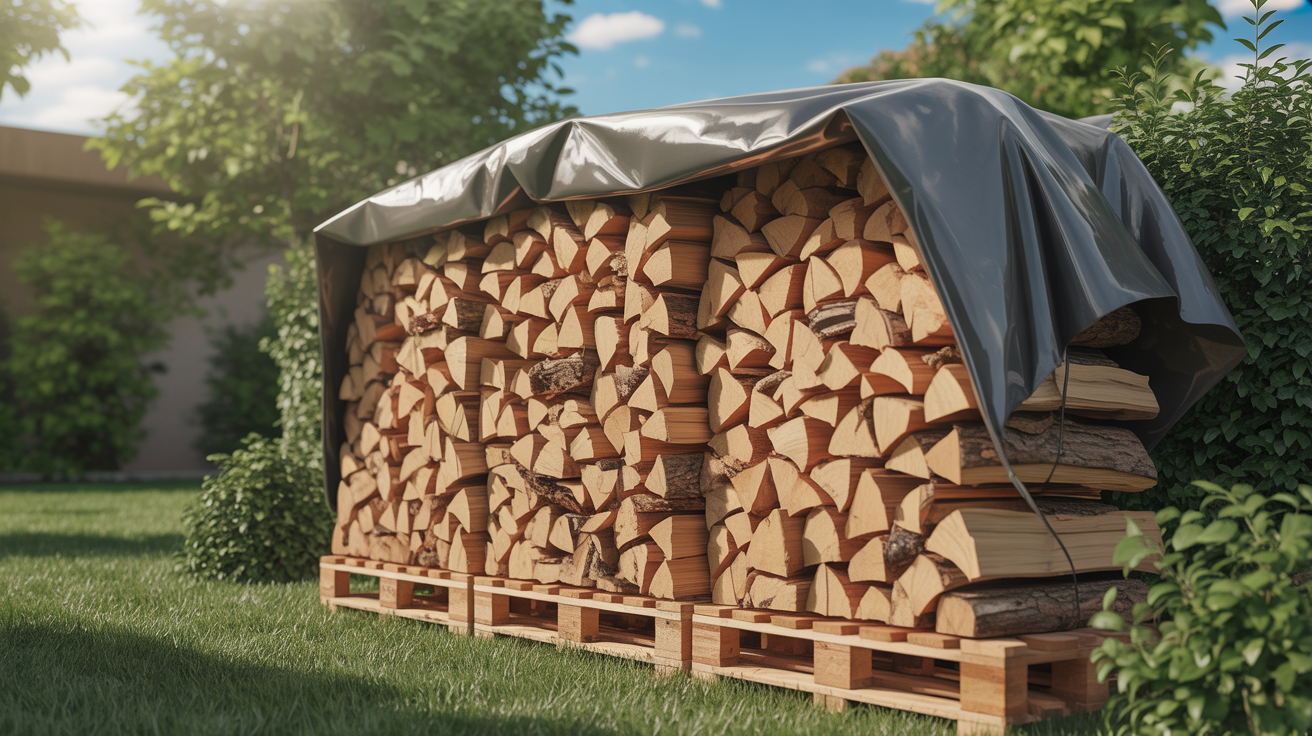
Storing firewood outdoors requires careful consideration to ensure it remains dry and ready to use. Properly stacked and sheltered wood contributes to efficient burning while minimizing the risk of mold and decay. Whether you enjoy cozy evenings by the fire or rely on wood for heating, understanding the best practices for storing firewood can elevate your outdoor experience. Let’s explore the key strategies for keeping your firewood safe and accessible throughout the seasons.
Best Practices for Storing Firewood Outdoors
Storing firewood might seem straightforward, but there are intricacies to ensure it remains dry and ready for use. Properly storing firewood outdoors not only enhances your burning experience but also protects the integrity of the wood. In this guide, we’ll explore the essential practices to keep your firewood in prime condition, ensuring optimal heat value and safety during use.
Selecting the Right Location
Choosing the best spot for your firewood stacks is crucial. Ideally, you want a location that is easily accessible from your home or near your fire pit. Aim to select a spot that is also dry and receives ample sunlight to hasten the drying process. Keeping your firewood away from damp or shaded areas will minimize moisture retention which can lead to mold growth.
Keep Firewood Elevated
One of the most effective techniques for storing firewood is to keep it off the ground. This helps prevent the wood from absorbing moisture from the soil, which can lead to decay. Consider using a wooden pallet or a metal rack to elevate your firewood stack. Utilizing a cement foundation also works well, as it provides a stable base that keeps the wood dry while allowing for good air circulation.
Covering the Stacks
Once your firewood is stacked, it’s vital to cover the top to protect it from rain and snow. Using a tarp is a practical solution, but make sure it does not wrap around the sides of the stack, as this can trap moisture. Allowing airflow through the stack is essential to prevent mold and mildew from forming.
Maintain Proper Air Circulation
Good air circulation around your firewood is necessary for keeping it dry. When stacking wood, ensure there is space between each log to allow for airflow. Stacking wood in a crisscross pattern can be an effective way to enhance ventilation. A well-ventilated stack not only helps dry out any existing moisture but also decreases the risks associated with insect infestations.
Creating a Firewood Storage Unit
If you prefer a more structured approach, investing in a firewood storage unit might be ideal. These can be designed to keep your wood dry and organized while also adding an aesthetic touch to your outdoor space. Options range from simple wood racks to specialized log stores that feature roofs for extra protection against the elements.
Safety Measures
Safety should always be a priority when storing firewood. Keep the firewood at least 5 feet away from your home, sheds, and other structures to reduce the risk of fire spreading. Storing firewood away from trees is also advisable to minimize the chances of branches dropping onto the stacks during storms.
Regular Maintenance
Regularly maintaining your firewood storage is critical for preserving its quality. Periodically check the moisture levels of your wood and rotate the pieces in your stack to ensure even drying. Additionally, inspect for signs of pest infestation or decay to address potential issues before they worsen.
By adhering to these best practices, you can ensure that your firewood remains dry, safe, and ready to provide warmth and cozy fireside moments. For more information on how to select the best timber for burning, check out our guide on firewood selection. Also, if you’re looking for ways to create a stunning backyard retreat, explore our collection of space-saving fire pit ideas!
Best Practices for Storing Firewood Outdoors
When it comes to ensuring your firewood remains in excellent condition, adhering to the best practices for outdoor storage is crucial. Firstly, it’s essential to choose a location that is dry and elevated. This prevents moisture retention and inhibits the growth of mold and mildew. Placing your firewood directly on the ground can lead to decay, as well as attract unwanted pests. Therefore, consider using a raised platform, pallets, or metal racks to keep your wood off the wet ground.
Another key consideration is the arrangement of your firewood stack. It’s recommended to stack the wood openly to allow for adequate air circulation. This helps to keep the wood dry and ensures it seasons properly. Make sure to avoid stacking the logs higher than four feet, as taller stacks can become unstable. Additionally, always maintain a clearance of at least five feet from structures or trees to minimize fire risks and promote safety.
Covering the top of your woodpile with a tarp or utilizing a designated firewood storage unit can significantly protect your wood from rain and snow. However, be careful not to enclose the entire stack, as it requires ventilation to prevent moisture buildup. Ventilation is key, as stagnant moisture can lead to difficulties when lighting your fire.
Finally, regular inspection of your firewood is important. Remove any pieces that have signs of decay or insect infestation to maintain the overall quality of your stack. By following these guidelines, you can ensure your firewood remains dry, usable, and ready for those cozy nights by the fire.