Firewood Selection: Which Tree Species Should You Choose?

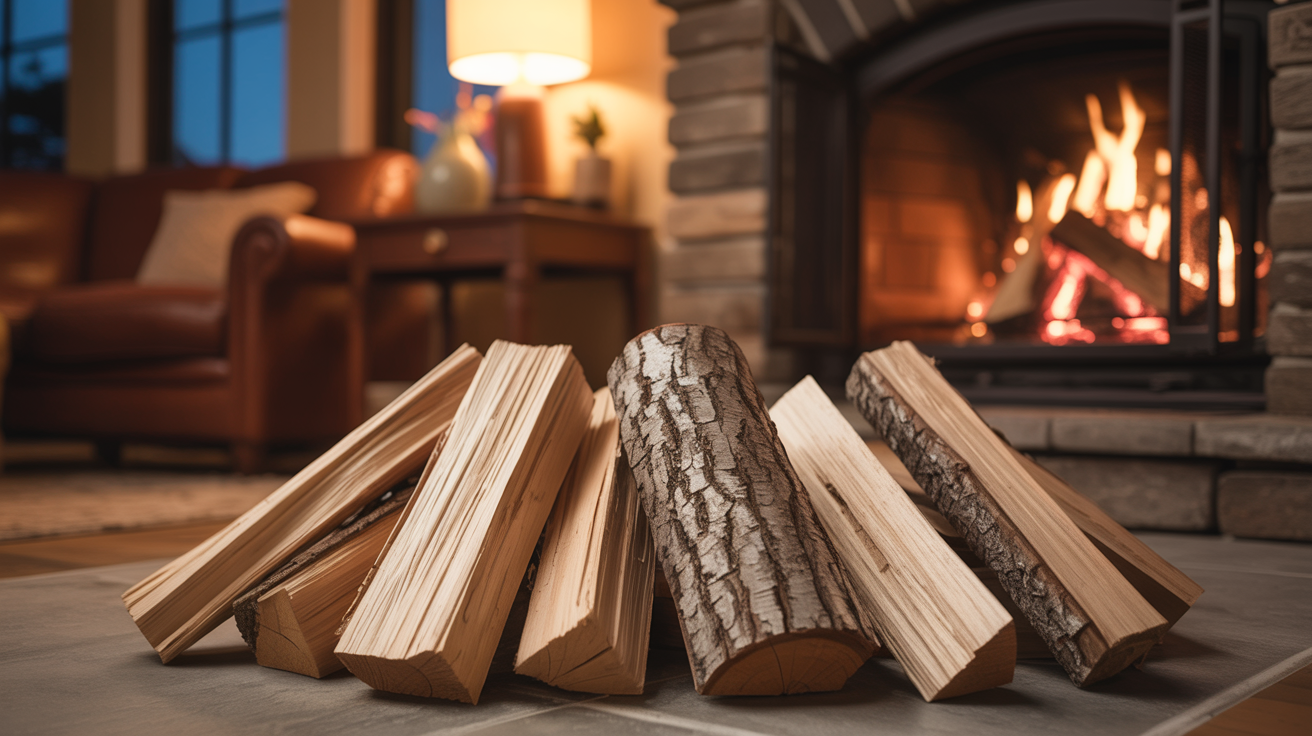
When it comes to firewood selection, understanding which tree species to choose can greatly impact your heating experience. The right kind of wood not only influences the heat output but also affects the burn rate and overall efficiency of your fireplace or wood stove. From hardwoods like oak and maple, known for their long-lasting flames, to softwoods that ignite quickly, navigating through various options can seem daunting. However, making informed choices leads to cozy nights and warm gatherings around the hearth.
Firewood Selection: Which Tree Species Should You Choose?
When it comes to heating your home, firewood quality is paramount. Choosing the right tree species can make a significant difference in terms of burn efficiency, heat output, and overall burning experience. This article delves into the various types of trees recommended for firewood, along with tips for selecting and managing your firewood supply.
Understanding Hardwoods and Softwoods
The first step in firewood selection is understanding the difference between hardwoods and softwoods. Hardwoods, such as oak, maple, and ash, are generally favored for their higher heat output per unit of weight. They tend to burn longer and more steadily compared to softwoods, making them an excellent choice for a cozy winter evening.
On the other hand, softwoods like pine, spruce, and fir ignite quickly and are great for starting fires, but they often burn faster and produce more smoke and creosote. For this reason, while they can be useful in combination with hardwoods for kindling, they are usually not considered a primary choice for home heating.
Choosing the Best Tree Species for Firewood
When selecting tree species for firewood, it’s important to consider their characteristics, including burn rate, moisture content, and seasoning time. Here are some top contenders:
Oaks
Oak trees are one of the best options for firewood due to their high density and durability. They produce a long-lasting fire that generates a significant amount of heat. However, it’s worth noting that oak needs to be seasoned for a longer period, typically up to a year, to ensure that the moisture content drops below 25%.
Maple
Another excellent choice is maple, known for its efficient burning properties and pleasant aroma. Soft maples, like sugar maple, burn well and also contribute to a hot fire with less smoke compared to some softwoods. This makes it another favorite among firewood users.
Ash
Ash is unique due to its ability to be burned while still green. This species is not only easy to split but also holds its heat well, providing a great burning experience. The seasoning time can be shorter, making it a practical choice for those needing firewood in a pinch.
Regarding Softwoods
While softwoods are typically not recommended as the primary choice for firewood, some species like Douglas fir or western red cedar can be useful. They burn quickly and efficiently, which can be ideal for bonfires or when you need a quick fire started. Just be cautious about the increased smoke production and the potential for chimney creosote buildup.
Key Considerations for Firewood Selection
Aside from tree species, several other factors come into play when selecting firewood:
- Moisture Content: Always choose seasoned wood with less than 25% moisture for optimal burning.
- Storage: Ideally, firewood should be stored outdoors in a dry place, allowing air to circulate. Keeping firewood dry is critical for good combustion.
- Environmental Impact: If you’re cutting your own firewood, consider the impact of tree removal and the potential for invasive species when transporting wood.
Where to Source Your Firewood
If cutting your own firewood isn’t an option, you may want to explore local suppliers for your firewood needs. It’s wise to inquire whether your supplier sells seasoned hardwood, as this will ensure you receive quality wood that is ready for burning. While buying green firewood might seem more economical, it requires considerable time to season properly.
The Importance of Safety
Moreover, always be mindful of fire safety. Understanding how to store your firewood, how to build a proper fire, and monitoring for chimney buildup are crucial steps to ensure a safe and enjoyable fireplace experience. For more information on chimney safety and maintenance, please refer to this insightful article on spider and pest management.
To further enhance your experience with firewood, consider exploring space-saving fire pit ideas to elevate your cozy backyard retreat by visiting this link.
Conclusion
With these insights on selecting the right tree species for firewood, you’re well on your way to enjoying warm, efficient fires during the chilly months. Be sure to consider not just species, but also moisture content, storage, and safety to make the most of your fireside experiences.
Firewood Selection: Which Tree Species Should You Choose?
When it comes to selecting firewood, the choice of tree species is crucial for an enjoyable and efficient burning experience. Different species have varying characteristics that impact their heat output, burn time, and ease of splitting. Opting for hardwood varieties such as oak, maple, and ash is generally recommended due to their superior heating capabilities compared to softwoods like pine and spruce. Hardwoods typically produce more heat per unit of weight and burn longer, making them the ideal choice for cozy evenings by the fire.
Additionally, it is important to consider the moisture content of the wood. Wood with a moisture content of more than 25% is generally unsuitable for burning, as it can produce excessive smoke and creosote buildup in chimneys. Proper seasoning of firewood—allowing it to dry for at least six months—is essential to achieving optimal burning conditions. This not only enhances the efficiency of your fire but also minimizes the risks of chimney fires.
Another factor to keep in mind is the availability of different tree species in your region. Knowing which trees grow locally can help streamline your selection process and ensure sustainable practices. Furthermore, it’s wise to avoid using wood from invasive species, as this can contribute to ecological imbalances. Always seek to source wood that is sustainably harvested and consider buying seasoned wood from a reputable local supplier if cutting your own isn’t feasible.
Ultimately, the right choice in firewood species will lead to a more satisfying and safe heating experience, enhancing your comfort during the colder months while fostering a deeper appreciation for the natural resources around you.