
Exploring Rhubarb Varieties: Perfect Uses for Each Type
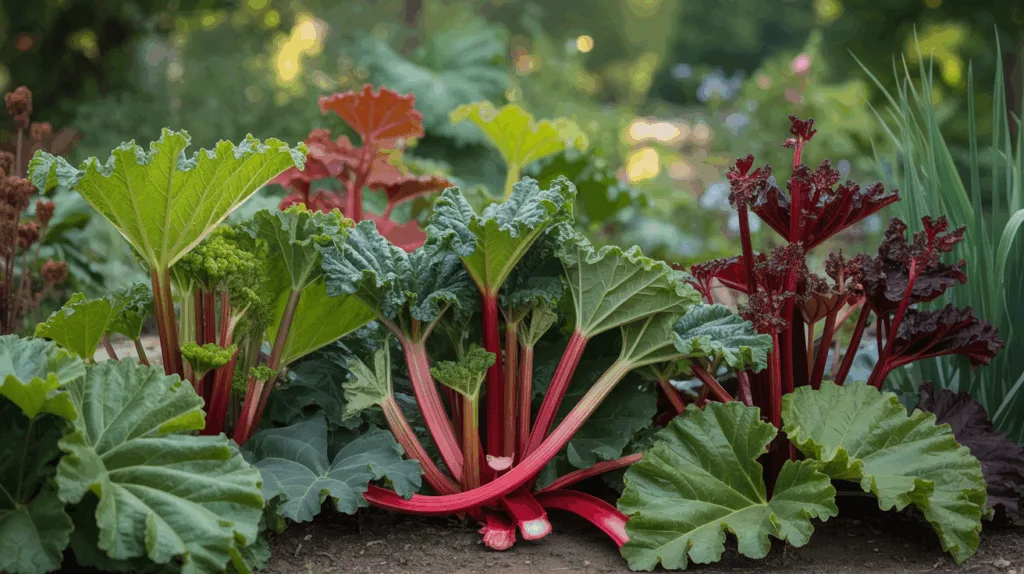
Rhubarb is a delightful and versatile ingredient that often steals the spotlight in spring gardens. With its stunningly colorful stalks and unique flavor profile, it is essential to explore the various rhubarb varieties to understand their perfect culinary applications. Each type, from the luscious Victoria with its rich, sweet taste to the tangy Crimson Cherry, boasts distinctive characteristics that can enhance both sweet and savory dishes. Join us on this journey as we uncover the best uses for each type of rhubarb and discover how to elevate your culinary creations with these vibrant stalks.
Rhubarb, often celebrated for its vibrant colors and unique flavor, comes in a variety of types, each with its own distinct characteristics and culinary applications. In this guide, we will delve into the fascinating world of rhubarb varieties, exploring their unique traits and the perfect uses for each type. Whether you’re a seasoned gardener or a cooking enthusiast, this vibrant vegetable can add delight to your outdoor garden and dining table alike.
The Color Spectrum of Rhubarb
The world of rhubarb is as colorful as it is diverse. There are multiple varieties, ranging from bright reds to rich greens. For instance, the Victoria rhubarb features thick red stalks that are perfect for culinary delights like pies and crumbles, while the Ruby Red variety offers a striking appearance and a sweet flavor that shines in desserts. Understanding the differences in color can also help you choose the right type for your recipes.
Red Rhubarb
Among the most popular choices, red rhubarb is often seen as the star of the show. Its sweetness combined with vibrant coloration makes it ideal for desserts. The popular Crimson Cherry variety, known for its juicy red stalks, thrives in cooler climates and can bring a delightful burst of flavor to your kitchen creations.
Green Rhubarb
Don’t overlook the green rhubarb, which packs a potent tartness that lends itself beautifully to savory dishes. This variety, often used in sauces and seasonings, can add a unique twist to your cooking. The tart flavor profile makes it a perfect candidate for pairing with meats or even in salads, offering balance to richer ingredients.
Understanding Culinary Uses
While rhubarb is notoriously known for its use in sweet dishes, the versatility of this vegetable opens up numerous culinary possibilities. From delightful desserts to refreshing beverages, let’s explore how the different varieties can be utilized in the kitchen.
Rhubarb Desserts
When it comes to desserts, Victoria rhubarb reigns supreme. Its tart yet sweet flavor makes it a beloved choice for rhubarb pies, crumbles, and even stunning tarts. The classic combination of rhubarb with strawberries enhances the natural sweetness and creates a delightful dessert that many people cherish.
Savory Dishes
On the savory side, incorporating green rhubarb into dishes can add an exciting flavor twist. Try blending it into sauces to accompany grilled meats or using it as a tangy addition to roasted vegetables. The sharpness of rhubarb can even elevate a simple stir-fry or salad, bringing an unexpected depth to your meal.
Cultivating Rhubarb in Your Garden
Growing rhubarb in your home garden can be a rewarding experience. With various rhubarb varieties available, each with their unique needs and growth habits, you can choose the best types suited to your gardening conditions. Popular choices like Timperley Early, known for its early harvest, are ideal for eager gardeners looking to enjoy rhubarb in the spring.
For gardeners interested in experimenting, unique varietals such as Frambozen Rood, which boasts a sweet flavor, can also add excitement. To discover more easy-to-grow fruits and vegetables for your garden, check out this resource.
Composting Rhubarb Leaves
While focusing on the edible stalks, it’s crucial to address the rhubarb leaves, which are toxic and should not be consumed. However, an interesting option leads us to explore their role in composting. With proper knowledge, rhubarb leaves can still play a part in your eco-friendly gardening practices. For more insights, check this guide on composting rhubarb leaves.
Transforming Outdoor Spaces with Rhubarb
As you cultivate your rhubarb garden, you can also enhance your outdoor space. Growing rhubarb not only beautifies your garden but also provides a functional element to your landscape. Explore amazing garden ideas that can help turn your space into a haven of greenery and delight!
Finally, if you are interested in exploring how growing a vegetable garden, including rhubarb, can save you money in the long run, consider checking out this informative article here.
Rhubarb is more than just a spring vegetable; it is a vibrant addition to both your garden and your culinary repertoire. So dive into the world of rhubarb, experiment with different varieties, and enjoy the burst of flavor they can bring into your life!
Rhubarb is a delightful addition to any garden, with its stunning varieties showcasing a spectrum of flavors, colors, and culinary possibilities. Each type of rhubarb has its own unique qualities that cater to different tastes and cooking styles, making it essential to choose the right one for your specific culinary needs.
For instance, the vibrant Victoria rhubarb is famed for its thick red stalks and is an all-time favorite for desserts such as pies and crumbles. Its sweet-tart flavor profile ensures it remains a staple in many kitchens. Meanwhile, varieties like Frambozen Rood stand out with their remarkable sweetness, making them perfect for sauces and jams, where a touch of sugar can heighten their natural flavors.
If you’re looking to experiment with savory dishes, consider the tangy notes of green rhubarb. Its bold flavor makes it ideal for crafting unique sauces and incorporating into savory recipes, breaking the traditional dessert mold. Furthermore, heirloom varieties like Canada Red offer juicy stalks that maintain their rich color even after cooking, making them an excellent choice for both aesthetics and taste.
In essence, understanding the differences between rhubarb varieties can transform your culinary adventures. With the right type of rhubarb, you can elevate your cooking, exploring exciting ways to use this versatile vegetable beyond the classic dessert realm. So roll up your sleeves and let your garden flourishes pave the way for delightful dishes that showcase the incredible potential of rhubarb!