
Are Rhubarb Leaves Compostable? Exploring Their Use in Composting
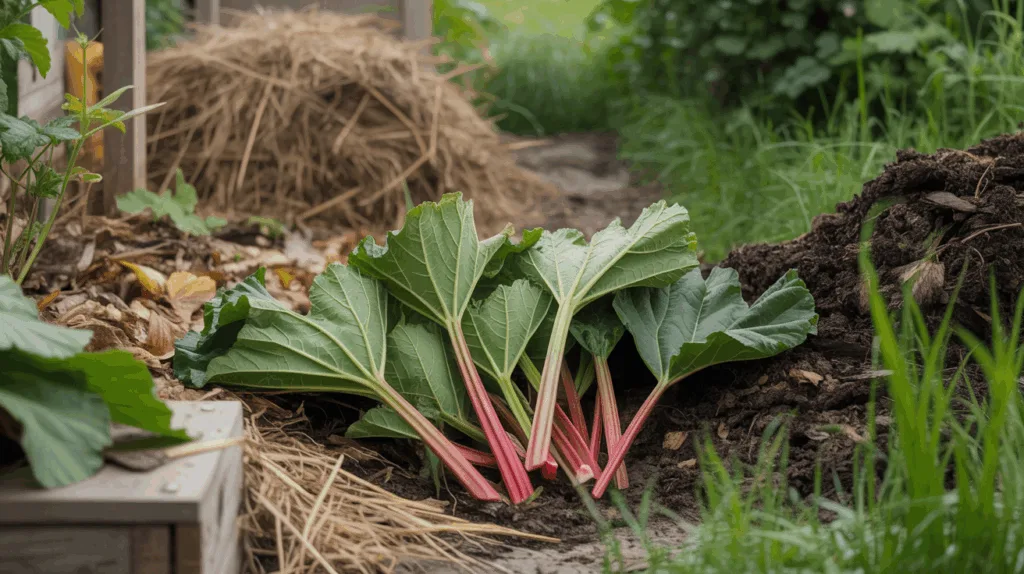
As a passionate gardener, you may find yourself wondering about the potential of every leaf and stem in your garden. One such query that frequently arises is whether rhubarb leaves are compostable. While they might be infamous for their poisonous nature when consumed, these leafy greens possess unique properties that can be advantageous in the composting process. Delving into the world of composting, we uncover how rhubarb leaves can enrich your compost pile, providing vital nutrients to promote robust plant growth while minimizing waste.
Are Rhubarb Leaves Compostable? Exploring Their Use in Composting
As gardeners, we always strive to use natural resources wisely and maximize the health of our gardens. One common question arises when it comes to rhubarb leaves: can they be composted? This article delves into the composting process of rhubarb leaves, discussing their benefits, potential risks, and effective composting methods to transform your garden waste into nutrient-rich compost.
Understanding Rhubarb Leaves and Their Composition
Rhubarb leaves are often misunderstood due to their toxicity in raw form for humans and animals. However, they can be beneficial when composted correctly. These leaves contain high levels of nitrogen, which is essential for creating a balanced compost pile. Being heavy and bulky, they contribute significantly to the overall weight and density of your compost.
The Benefits of Composting Rhubarb Leaves
Composting rhubarb leaves is an excellent way to recycle organic matter and enrich your soil. One of the primary advantages is that they incorporate essential nutrients back into the earth, enhancing soil structure and fertility. The compost generated from rhubarb leaves serves as a natural fertilizer, supplying plants with the necessary nutrients for optimal growth.
Furthermore, composting reduces waste and fosters a sustainable gardening practice. Instead of discarding the leaves, turning them into compost not only benefits your garden but also positively impacts the environment.
Potential Risks Involved
While composting rhubarb leaves is largely beneficial, it is essential to recognize the potential risks. The leaves contain oxalic acid, which can be harmful in large quantities. Initially, when they are added to your compost pile, they should not be used in high volumes alongside other organic materials, especially in mixed piles with foods. However, through the composting process, the heat created by microorganisms effectively breaks down these toxins, making the final compost safe to use.
Composting Methods for Rhubarb Leaves
There are various methods to compost rhubarb leaves effectively. The two most popular techniques include:
Hot Composting
Hot composting is an efficient method that utilizes high temperatures to break down organic materials rapidly. For rhubarb leaves, combining them with browns such as dried leaves or straw is crucial to balance carbon and nitrogen levels. This method can yield nutrient-rich compost within weeks, given proper maintenance and regular turning of the pile.
Cold Composting
Alternatively, cold composting is more passive. It involves layering rhubarb leaves with other organic materials without much intervention. While this method takes longer, it requires less effort and is suitable for those who prefer a hands-off approach. The compost will take a few months to develop but will eventually provide equally beneficial outcomes for your garden.
Tips for Successfully Composting Rhubarb Leaves
To optimize the benefits of composting rhubarb leaves, adhere to the following tips:
- Layering: Alternate layers of rhubarb leaves with carbon-rich materials to maintain balance.
- Aeration: Regularly turning the compost pile ensures proper aeration, facilitating quicker decomposition.
- Moisture Control: Keep the compost pile adequately moist, akin to a damp sponge, to support microbial activity.
- Monitoring: Watch for temperature changes in your pile; a hot compost pile should register between 130°F to 150°F for optimal efficiency.
Using the Resulting Compost
The compost generated from rhubarb leaves can tremendously benefit your garden. It improves soil structure, enhances moisture retention, and increases nutrient availability. You can use it in your flower beds, vegetable garden, or even potted plants. By recycling rhubarb leaves into compost, you contribute to recycling organic waste while nurturing your plants naturally.
For a deeper dive into sustainable gardening practices, don’t forget to check out our articles on designing eco-friendly gardens and creating nutrient-rich compost from leaf mold.
Are Rhubarb Leaves Compostable? Exploring Their Use in Composting
Composting is a vital practice for any gardener looking to enhance their soil quality and contribute to environmental sustainability. Among the many organic materials that can be composted, rhubarb leaves often generate curiosity regarding their safety and benefits in composting. While their high nitrogen content makes them a desirable addition to a compost pile, it’s essential to approach their inclusion with knowledge and care.
Firstly, it is important to note that while rhubarb leaves contain toxins that can be harmful to pets and humans if ingested directly, the composting process neutralizes these harmful compounds over time. Therefore, using rhubarb leaves in your compost is considered safe, provided that the leaves are thoroughly mixed and allowed to decompose in a healthy compost system. This decomposition produces compost rich in nutrients, which can significantly improve soil health.
Utilizing rhubarb leaves in compost not only helps reduce garden waste but also facilitates the creation of a nutrient-dense amendment for your plants. The rapid decomposition of rhubarb leaves—often completed within one to two weeks if turned regularly—further underscores their effectiveness in enriching compost. This quick breakdown makes them an efficient option for those looking to enhance their composting efforts.
Additionally, incorporating rhubarb leaves alongside other materials, such as brown carbon-rich materials, will create a balanced compost pile. By layering these ingredients properly, gardeners can ensure an even breakdown, leading to a healthier and more productive compost outcome.
In conclusion, the inclusion of rhubarb leaves in composting practices presents a sustainable solution for recycling garden waste while enhancing soil fertility. Embracing this eco-friendly approach cultivates a greener environment for future gardening ventures.