
How to Design a Sustainable and Eco-Friendly Garden for a Greener Tomorrow?
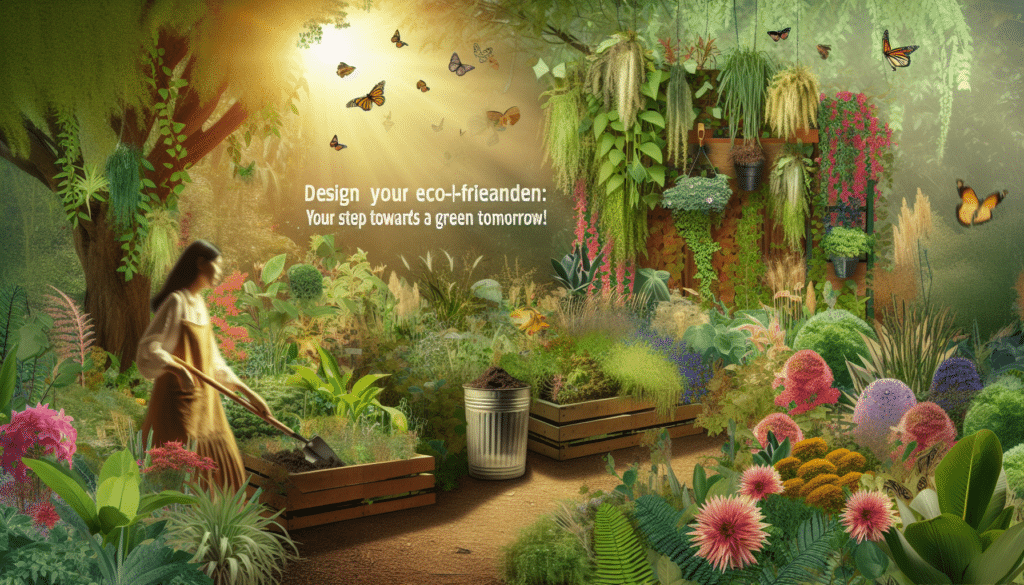
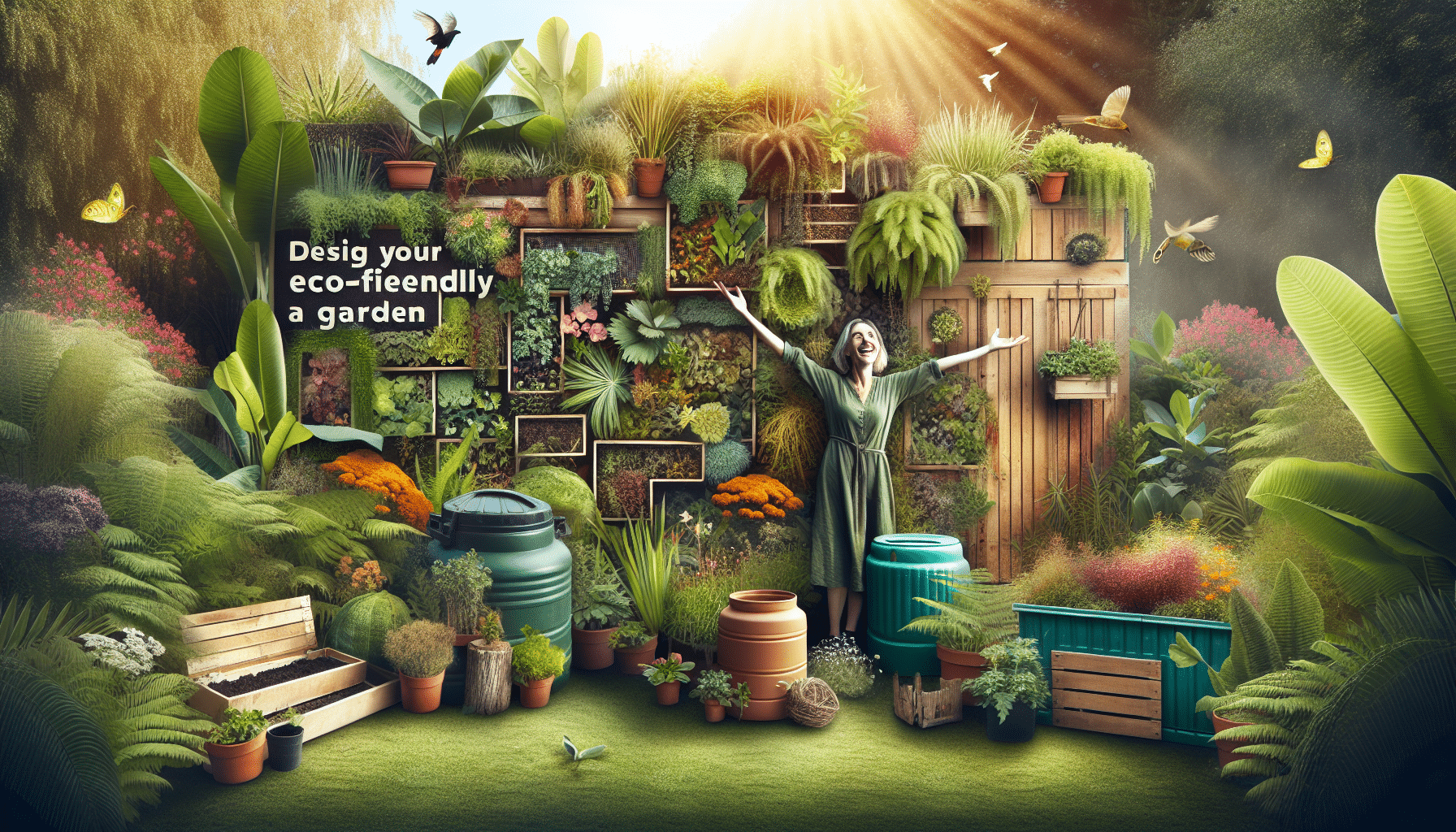
Creating a sustainable and eco-friendly garden is not only beneficial for the environment, but it also enhances the beauty and diversity of your outdoor space. This article explores the essential steps to design a garden that promotes biodiversity, utilizes sustainable practices, and contributes positively to our planet’s health. From choosing the right plants to implementing eco-friendly techniques, discover how you can make a difference in your own backyard.
Choosing Native Plants
One of the most effective ways to design a sustainable garden is by incorporating native plants. These plants are adapted to the local climate and soil conditions, making them easier to care for and helping them thrive with minimal intervention. Additionally, native plants attract local wildlife, such as pollinators and birds, enhancing the biodiversity of your garden.
Implementing Water Conservation Techniques
Water conservation is crucial for an eco-friendly garden. Consider installing a rainwater harvesting system to collect and use rainwater for irrigation. Drip irrigation systems can also be a great choice as they deliver water directly to the plant roots, reducing water waste. Mulching around plants helps retain moisture and suppress weeds, making your garden both sustainable and low-maintenance.
Soil Health and Fertility
Healthy soil is the cornerstone of a thriving garden. Focus on building healthy soil by adding organic matter, like compost or aged manure, which enriches the soil and supports plant growth. Avoid chemical pesticides and fertilizers, as they can harm beneficial microorganisms. Instead, use natural amendments and perform regular soil tests to monitor nutrient levels and adjust as needed.
Encouraging Wildlife Habitat
Your garden can be a sanctuary for various forms of wildlife. Incorporating features like bird feeders, native flowering plants, and even small water sources can attract beneficial creatures. Consider creating small habitats, such as log piles or bee hotels, which provide shelter and nesting opportunities for local species. This not only helps wildlife but also contributes to a balanced ecosystem in your garden.
Utilizing Sustainable Landscaping Practices
When planning your garden layout, think about incorporating sustainable landscaping practices. Implementing permaculture principles, where plants support and nurture each other, can lead to a more resilient garden. Interplanting, companion planting, and crop rotation are techniques that maximize space and minimize pest issues, creating a harmonious balance within your green space.
Reducing Waste and Recycling Materials
Minimizing waste is essential for an eco-friendly garden design. Utilize recycled materials such as reclaimed wood or old bricks to create garden beds, pathways, or decorative elements. Composting kitchen scraps and yard waste not only reduces landfill impact but also generates nutrient-rich compost that can enrich your soil.
Maintaining Green Practices Year-Round
Sustainable gardening is a continuous effort that extends beyond the initial design. Implementing seasonal practices such as rotating crops, pruning effectively, and mulching depends on the specific needs of your plants and the seasons. Staying informed about local flora and fauna can help you adapt your gardening techniques throughout the year, ensuring your garden remains a sustainable haven.