
The Importance of Leaf Mold: A Guide to Making Your Own Nutrient-Rich Compost
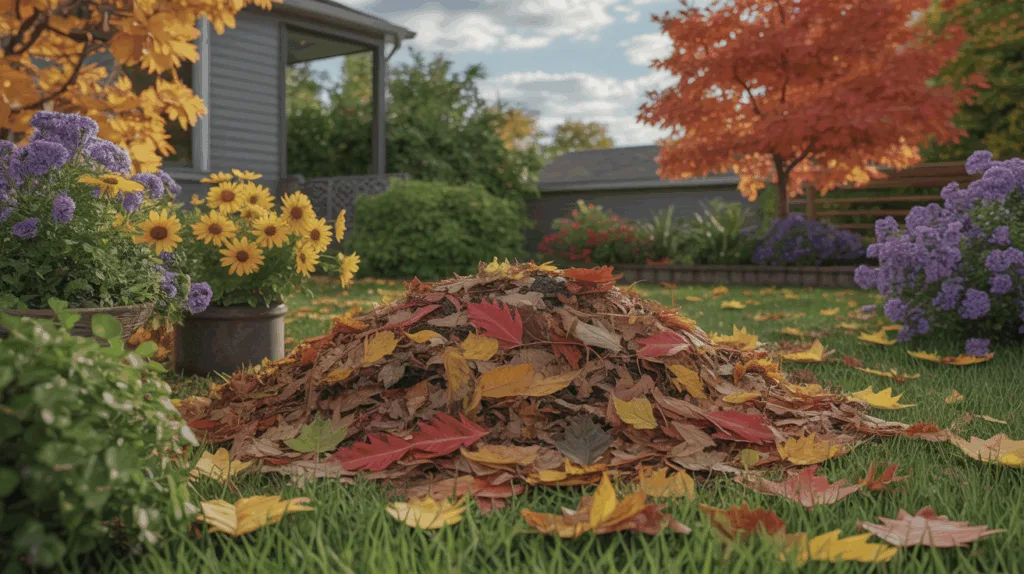
In the world of gardening, the quest for healthy soil is paramount, and one of nature’s best-kept secrets is leaf mold. This remarkable composting method transforms fallen leaves into a nutrient-rich amendment that improves soil structure and promotes vigorous plant growth. With just a few simple steps, you can harness the power of autumn leaves, turning waste into a vital resource that enriches your garden. Discover the beauty and convenience of making your own leaf mold, and elevate your gardening game with this sustainable practice!
The Importance of Leaf Mold: A Guide to Making Your Own Nutrient-Rich Compost
Creating a thriving garden environment doesn’t always require expensive fertilizers or soil amendments. Instead, you can tap into the abundant natural resources around you. One of the best-kept secrets among gardeners is leaf mold, a fabulous way to recycle fallen leaves into a nutrient-rich compost that enhances soil health and supports plant growth. This guide will walk you through the significance of leaf mold and the simple process of making your own right at home.
Understanding Leaf Mold
Leaf mold is the result of decomposing leaves, an eco-friendly composting method that enriches soil without synthetic inputs. Unlike traditional compost made from kitchen scraps and garden debris, leaf mold primarily consists of carbon-rich materials. This process creates a dark, crumbly substance that improves soil structure, aids water retention, and boosts microbial life, essential factors for burgeoning gardens and healthy plants.
Benefits of Leaf Mold
The advantages of incorporating leaf mold into your garden are remarkable. First and foremost, it promotes soil health. By adding leaf mold to the soil, it improves the overall structure, allowing better aeration and drainage. This is particularly beneficial in heavier clay soils, where leaf mold can loosen compacted ground for optimal root development.
Furthermore, leaf mold is a fantastic soil conditioner that can hold moisture more effectively than some other organic materials. This capability is particularly advantageous in maintaining healthy plants during dry spells. By retaining moisture without waterlogging, leaf mold serves as a valuable ally in your gardening toolkit, especially during the changing seasons. For some additional tips on managing moisture in vegetable gardens, check out this resource.
How to Make Leaf Mold
Creating your own leaf mold is surprisingly easy and requires minimal investment. Here’s how you can get started:
Gathering Materials
First, you’ll want to start with collecting fallen leaves in your yard or nearby park. Autumn is the perfect season for this task. Any leaf variety can be used, but leaves from oak, beech, and hornbeam are particularly effective due to their slower decomposition rate, which helps create a rich compost. However, it is advisable to avoid invasive species or weeds that could inadvertently proliferate in your garden.
Creating Your Leaf Mold Pile
Next, rake the leaves into a sizable pile. The size of this pile can significantly influence the decomposition process. A larger pile provides the necessary heat for decomposition to occur more efficiently. If you live in a dry climate, covering your leaf pile can help retain moisture, speeding up the mold creation process.
Time to Decompose
It’s essential to remember that making leaf mold is not a rapid process. Leaves primarily consist of carbon, which takes longer to break down when compared to nitrogen-rich materials. Typically, the process of turning leaves into leaf mold can take anywhere from six to twelve months. Patience is key, but the results are well worth the wait!
Using Leaf Mold in Your Garden
Once you have your leaf mold ready, it’s time to put it to use! You can apply it as a top dressing for your garden beds, mix it into the soil before planting, or incorporate it into potting mixes for container gardens. Not only does it suppress weeds, but it also provides a protective layer to enhance soil health and sustain vigorous plant growth.
Additionally, consider using leaf mold as a base for composting with kitchen scraps. It complements nitrogen-rich materials beautifully, creating an excellent balance for your compost pile. If you are looking for more tips on enhancing your garden, check out this article for practical gardening hacks.
Conclusion
Translating your autumn leaves into nutrient-rich compost through leaf mold is not only beneficial for your garden, but it also contributes to environmental sustainability. So next time you see those beautiful fallen leaves, remember they hold the secret to a flourishing garden waiting to be discovered! Embrace this simple yet effective method and watch your plants thrive.
The Importance of Leaf Mold: A Guide to Making Your Own Nutrient-Rich Compost
Leaf mold is an exceptional way to enhance your garden’s soil health and contribute to a more sustainable gardening practice. By utilizing fallen leaves, which are often seen as waste, you can transform them into a valuable resource. This homemade compost adds important nutrients back into the soil, making it an eco-friendly alternative to synthetic fertilizers.
The process of making leaf mold is straightforward, requiring minimal effort and a few essential supplies. Simply gather fallen leaves during the autumn season, ensuring to include various types for a more balanced nutrient profile. As leaves are primarily composed of carbon, they take time to decompose, typically requiring between six to twelve months. Patience is key, but the results are worth the wait!
Integrating leaf mold into your gardening routine provides a multitude of benefits. It improves soil structure, enhances moisture retention, and encourages microbial activity, which are all crucial for healthy plant growth. Additionally, using leaf mold can help suppress weeds, acting as an effective mulch, while reducing the need for constant watering. Overall, incorporating leaf mold into your gardening methods is not just beneficial for your plants, but for the environment as well.
Moreover, making leaf mold is a fantastic way to engage with nature and practice sustainability. By recycling organic matter, you’ll create a flourishing garden while minimizing waste. It empowers gardeners to take control of their resources, promoting a healthy ecosystem and enriching the soil that sustains our beautiful plants.