
Effective Strategies for Combatting Drought in Your Vegetable Garden
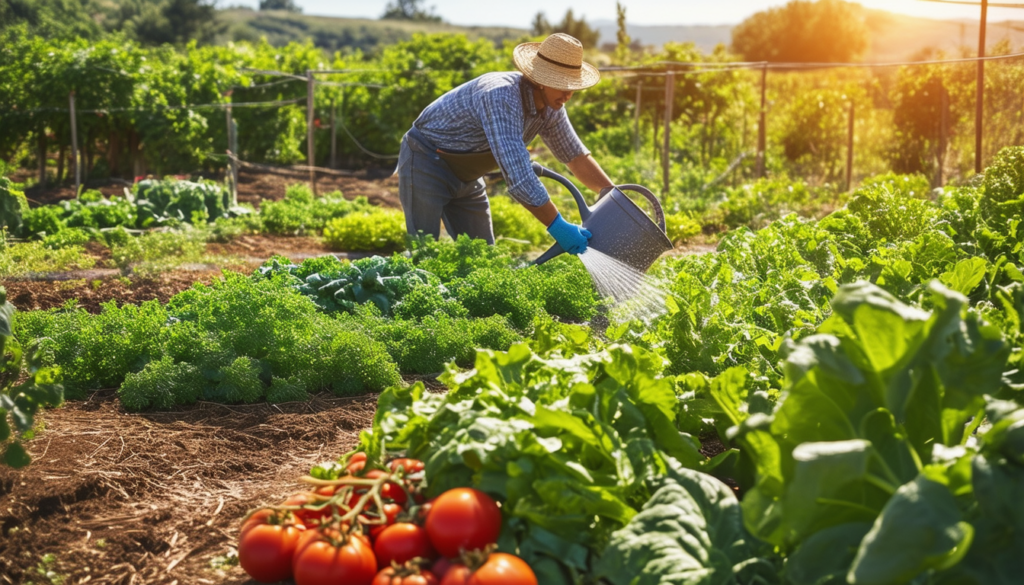
As the grip of drought tightens on various regions, maintaining a lush and productive vegetable garden becomes a significant challenge. The escalating water scarcity demands innovative and sustainable gardening practices to ensure that your green haven continues not only to survive but thrive. Embrace a blend of time-tested techniques and modern wisdom to transform your gardening approach, inviting beauty and bounty even under the parched conditions of summer.
Effective Strategies for Combating Drought in Your Vegetable Garden
In the warm embrace of summer, gardeners often face the challenge of drought, which can be detrimental to vegetable gardens. This article explores various sustainable and effective strategies to ensure your garden thrives even during periods of low rainfall. By implementing techniques such as proper watering schedules, mulching, providing shade, and selecting drought-resistant plants, you can nurture a lush, productive garden despite arid conditions.
Optimal Watering Techniques
The cornerstone of drought management in your garden is the application of water in a manner that maximizes usage while minimizing waste. Watering early in the morning reduces evaporation and allows water to soak deeply into the soil, reaching the roots where it’s most needed. A soaker hose or a drip irrigation system is ideal for delivering water directly to the base of the plants, further reducing wastage and preventing foliar diseases.
Mulching: A Simple Yet Effective Moisture Preserver
Applying a thick layer of organic mulch around your plants can greatly help in retaining soil moisture. Materials such as straw, bark, or leaf mold not only keep the ground cool and moist but also decompose over time, enhancing soil fertility. This act of mulching can reduce watering needs by up to 50%, making it a crucial practice for gardening in drought conditions.
Choosing the Right Plants
Opting for species that thrive in dry environments can dramatically improve your garden’s resistance to drought. Vegetables like sweet potatoes, Swiss chard, and okra have adapted to less water. Integrating such drought-tolerant varieties can ensure productivity without excessive watering. For more tips on what to plant, check out Which Salad Greens to Plant for a Summer Harvest.
Creating Shade and Protecting Your Soil
Shielding your plants from intense sun can reduce water loss and soil temperature. Use temporary shade cloths or plant tall crops strategically to cast shadows on smaller, more vulnerable plants. Additionally, consider designing your garden layout to include natural windbreaks that prevent drying winds from whisking away precious moisture.
Soil Care for Water Retention
Enhancing your soil’s ability to retain water is possible through the incorporation of organic material such as compost or peat moss. These amendments improve soil structure, thereby increasing water retention and root penetration. For further advice on cultivating fertile soil that supports robust plant growth, explore Cultivating Stevia: Sowing, Transplanting, and Care Tips.
Consideration for New Garden Elements
When expanding your garden, whether by adding trees or installing new garden beds, it’s imperative to consider how these changes will affect your garden’s water dynamics. Evaluating the placement and water needs of new garden elements to ensure they don’t disrupt the existing ecosystem or increase water demand unnecessarily is vital. For a deeper insight, visit Considering Adding a Tree to Your Garden? Here Are Essential Questions to Ponder.
In the face of increasing drought conditions, adopting effective strategies in your vegetable garden is crucial for ensuring sustainability and productivity. Creating a drought-resilient garden involves several proactive steps that revolve around water conservation, plant selection, and soil management.
Firstly, understanding and implementing proper watering techniques can tremendously boost your garden’s drought resistance. Watering early in the morning or late in the evening minimizes evaporation, allowing water to penetrate deeply into the soil. Setting up a drip irrigation system ensures that water is delivered directly to the plant roots where it’s most needed, reducing waste and enhancing water usage efficiency.
Another vital aspect is the choice of plants. Opt for drought-tolerant varieties of vegetables which are better adapted to survive with less water. These plants usually require less frequent watering, thus conserving precious resources. Additionally, modifying your planting schedules to align with the cooler parts of the year can reduce water stress on your garden and increase the likelihood of successful harvests.
Mulching is an often-underestimated practice that can significantly aid in retaining soil moisture. A layer of organic mulch around your plants reduces water evaporation from the soil, keeps the soil temperature stable, and adds nutrients as it decomposes. This practice not only conserves water but also promotes healthier, more resilient plants.
Lastly, enriching your soil with plenty of organic matter improves its structure, enhancing its ability to hold water. Compost, leaf mold, and well-rotted manure can increase the water retention capabilities of the soil, making your garden better equipped to survive dry spells.
Adopting these strategies ensures that your garden remains productive during droughts, conserving water while still yielding a bountiful harvest. By planning ahead and altering your garden practices, you can create a landscape that is not only beautiful and productive but also resilient against the challenges of changing climate conditions.