
Cultivating Stevia: Sowing, Transplanting, and Care Tips
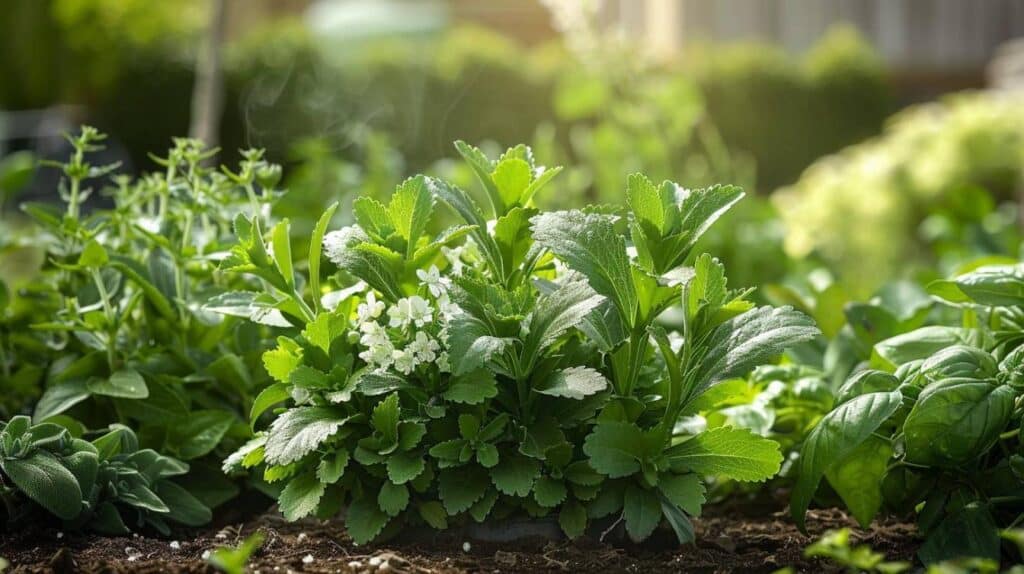
Embark on an enchanting journey through the world of Stevia, a tropical plant heralded for its intense sweetness. Cultivating Stevia involves a nuanced understanding of its sowing, transplanting, and meticulous care. This herbal delight, mainly popularized for its sugar substitute qualities, requires specific techniques to thrive. Whether in a small pot by your kitchen window or a lush garden, discover the essential steps to nurture this miraculous plant right from its delicate seeds to its flourishing state.
Welcome to the sweet world of Stevia, a plant that is gaining popularity for its natural sweetness without the calories of sugar. In this guide, we’ll delve into the various steps involved in cultivating Stevia right from sowing its tiny seeds to the necessary care tips to nurture this tropical herb into a lush, sweet-leaved plant.
Sowing Stevia Seeds
Sowing Stevia begins with obtaining quality seeds, which may be a bit challenging as Stevia seeds have a relatively low germination rate, roughly around 25%. Start by choosing a seeding mix that is light and designed to aid germination. Sow the minute seeds on the surface of your seeding mix in a tray, lightly pressing them into the soil without covering them, as they need light to germinate effectively. To enhance the germination environment, keep the soil moist but not soggy using a sprayer and maintain the temperature around 20 degrees Celsius. You will likely need artificial lighting to ensure they receive about 16 hours of light each day.
Transplanting Stevia Seedlings
Once your Stevia seedlings develop a few true leaves and are several inches tall, it’s time to transplant them. It’s critical to handle these delicate sprouts with care to avoid damaging their slender stems. Carefully lift the seedlings and pot them into individual pots filled with a mix of potting soil, perlite, and compost. This phase is vital as it prepares the young Stevia plants for later outdoor life or continued indoor cultivation.
Care Tips for Growing Stevia
Stevia plants prefer a spot that gets full to partial sunlight, although they do best with ample light to develop their sweet leaves. The soil should be loamy, slightly acidic, and well-draining. Regular watering is necessary to keep the soil moist, as Stevia does not fare well in dry conditions. However, take care not to waterlog the plants as this could lead to root rot. Fertilize Stevia every few weeks with a balanced, all-purpose plant food to support robust growth. If you live in a cooler climate, consider growing Stevia as an annual or in pots that can be moved indoors during colder months for continued growth.
Handling Stevia in Different Seasons
As the seasons change, so will the care for your Stevia plants. During the hot summers, ensure the plants are hydrated and protect them from the fiercest midday sun if necessary. In autumn, reduce watering as the plant prepares for dormancy. Before the first frosts, if grown outdoors, mulch around the plants to protect the roots or move your potted Stevia indoors. Prune the plants back to about 5-10 cm above the soil to encourage dense growth in the spring.
Whether you’re looking to sweeten your teas naturally or simply enjoy the process of growing unique plants, cultivating Stevia offers a rewarding gardening experience with a sweet finish. By following these sowing, transplanting, and caring tips, you’ll be well-equipped to grow your own Stevia plants successfully.
Stevia rebaudiana is making waves as a natural sweetener, compelling many gardeners and plant enthusiasts to delve into the art of cultivating this miracle tropical plant. While Stevia prefers warm, humid climates typical of South America, with the right strategies, even those in less hospitable environments can successfully grow and harvest this sweet herb.
The journey of growing Stevia begins with sowing the seeds, a task that demands patience due to their notably low germination rate of about 25%. These tiny seeds are feather-light, which naturally aids in their dispersion in the wild but makes planting them a delicate operation. To start, fill a tray with a light, airy seed-starting mix, sprinkle the seeds on the surface, and lightly tamp down for good contact. Cover them with a very fine layer of the mix to better retain moisture, then frequently mist to maintain high humidity. Place under grow lights or near a well-lit window to meet the seeds’ need for about 16 hours of light daily. If the conditions are optimal—around 20 degrees Celsius and adequately moist—you may witness the germination of Stevia within a week or two.
After the seedlings emerge and grow to about 10 centimeters tall, you’ll enter the transplanting phase. Transfer the young plants into individual pots with a mix of potting soil, peat, and sand, ensuring each has ample room to develop robust roots. Once the risk of frost has passed, move the Stevia plants outdoors where they can bask in full sunlight. This plant loves light and heat, but its roots should never dry out, as Stevia is extremely sensitive to drought.
Maintenance of Stevia involves regular watering and a balanced application of fertilizer to encourage lush, sweet leaf production. As winter approaches, those in cooler climates should prepare to protect their Stevia plants either by bringing potted specimens indoors or mulching outdoor plants extensively to shield them from cold. With each season, experience will hone your Stevia cultivation skills, enhancing the sweetness of both your garden and your tea cup.