
29 Must-Try Veggie Garden Hacks for a Bountiful and Beautiful Harvest
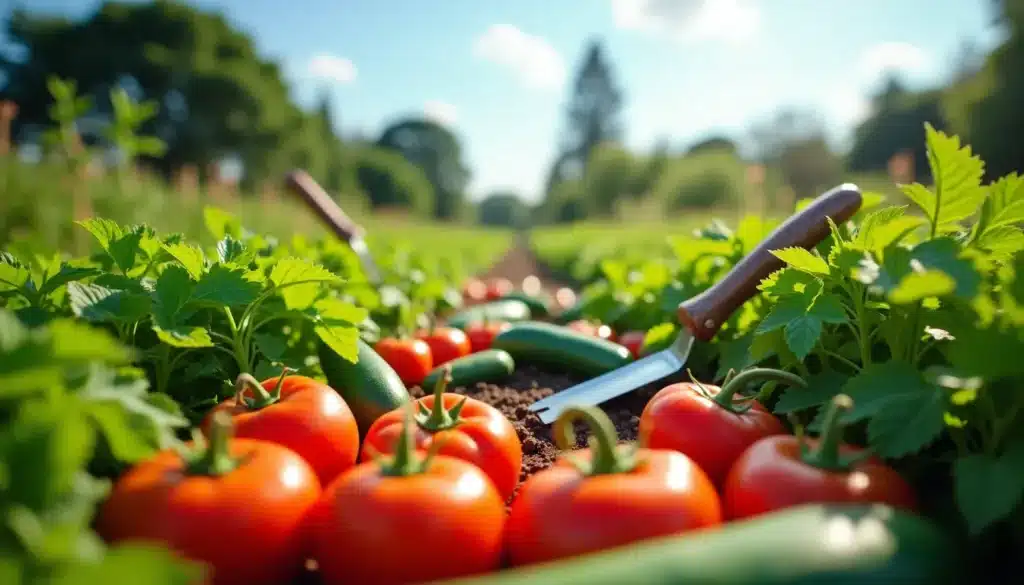
Discover the secrets to a flourishing veggie garden with these essential hacks! From selecting the perfect spot to mastering organic pest control, these 29 strategies are designed to enhance your gardening success and yield. Whether you’re a beginner or a seasoned gardener, these tips will help you cultivate a vibrant and productive vegetable paradise.
Choose the Right Location
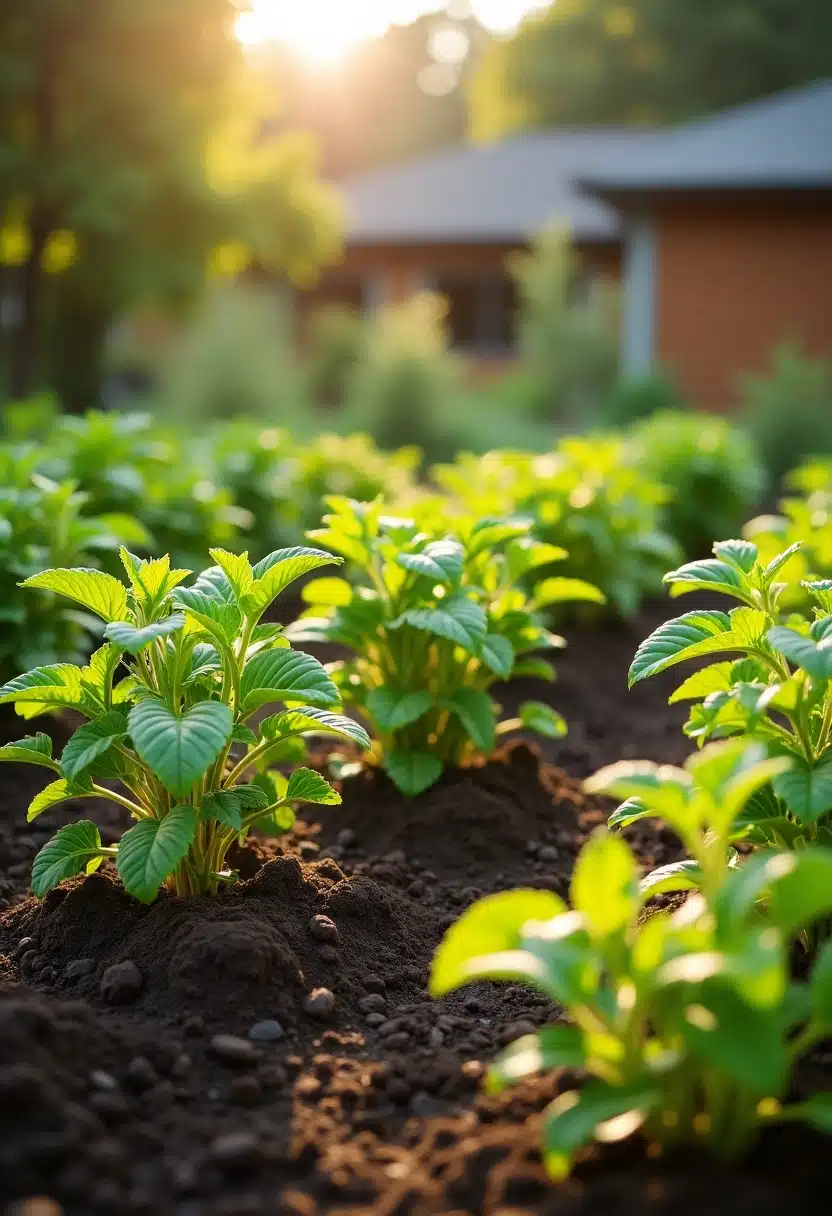
Picking the perfect spot for your veggie garden is a game-changer in how well your plants will grow. You’ll want to focus on areas that receive a generous 6-8 hours of direct sunlight daily. This is ideal for most vegetables, helping them develop and produce fruit to their fullest. Avoid overly shaded spots that may hinder their growth.
When deciding on a location, consider how close it is to a water source. This makes it more convenient for watering, especially during dry spells. An accessible spot will also help you keep an eye on growth and ease your harvesting tasks. You’ll thank yourself later for making maintenance smooth and effortless.
Keep an eye on soil quality as well. Your chosen spot should have well-draining soil to prevent waterlogged roots. Test the soil to understand its texture and nutrient content; this offers a head start before preparing or enriching it. With the right location, your veggie garden is set to thrive from the get-go!
Soil Preparation
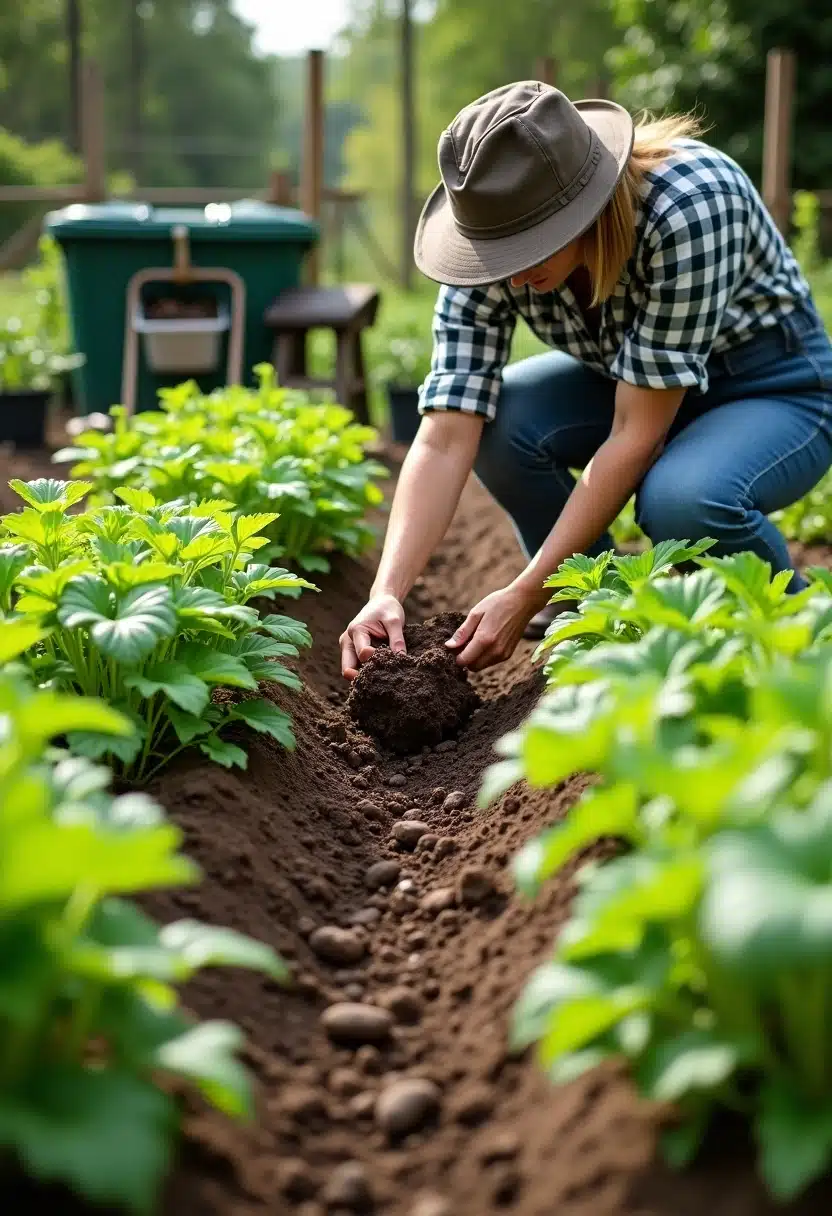
Healthy soil forms the backbone of a successful veggie garden, providing the rich nutrients plants need to flourish. Start by testing your soil’s pH and nutrient levels to understand its deficiencies. Using a simple test kit can reveal a lot about your soil’s composition. Once you know what your soil lacks, you can amend it effectively to support robust plant growth.
Enhancing soil fertility involves incorporating organic matter. Composting is an excellent way to recycle kitchen and garden waste into nutrient-rich soil enhancer. Adding well-rotted manure also boosts soil structure, improving water retention and aeration. These organic amendments are natural fertilizers that promote resilient, healthy plants. Aim to create a soil environment where your plants can thrive.
Don’t underestimate the importance of periodic soil enrichment. Maintaining nutrient-rich soil will sustain plant growth throughout the seasons, ensuring your veggie garden continues to yield abundantly. Regularly mix in organic matter and monitor soil health for ongoing garden success. Prepping your soil adequately can lead to a bountiful and thriving veggie harvest season after season.
Companion Planting
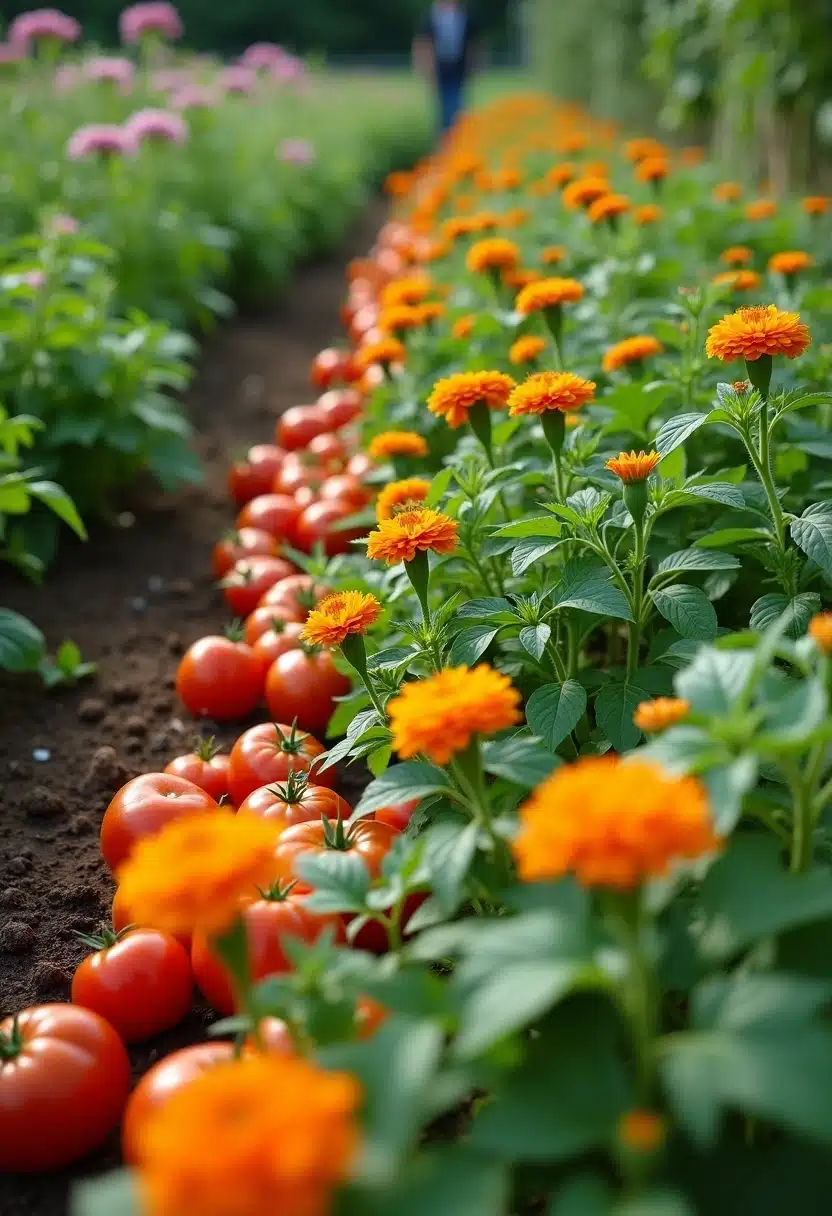
Companion planting is a fantastic method to enhance your veggie garden’s success. By pairing certain plants, you can naturally improve growth and repel pests. For example, positioning marigolds next to vegetables helps deter nematodes and unwanted bugs. This natural pest control minimizes the need for chemical interventions, keeping your garden healthy and organic.
Enhancing flavors is another benefit of companion planting. Basil, when planted near tomatoes, can boost their flavor profile tremendously. Similarly, planting garlic near roses can not only enhance their aroma but also act as a pest deterrent. Through strategic plant placements, you can enjoy a more aromatic and delicious vegetable harvest.
Besides flavor and pest management, companion planting can optimize space and reduce weeds. By choosing plants that thrive together, you maximize your garden’s output. Tall plants can provide shade to sun-sensitive companions, while ground-huggers act as natural mulch, preserving moisture and suppressing weeds. This synergy enhances the overall health and productivity of your garden.
Watering Techniques
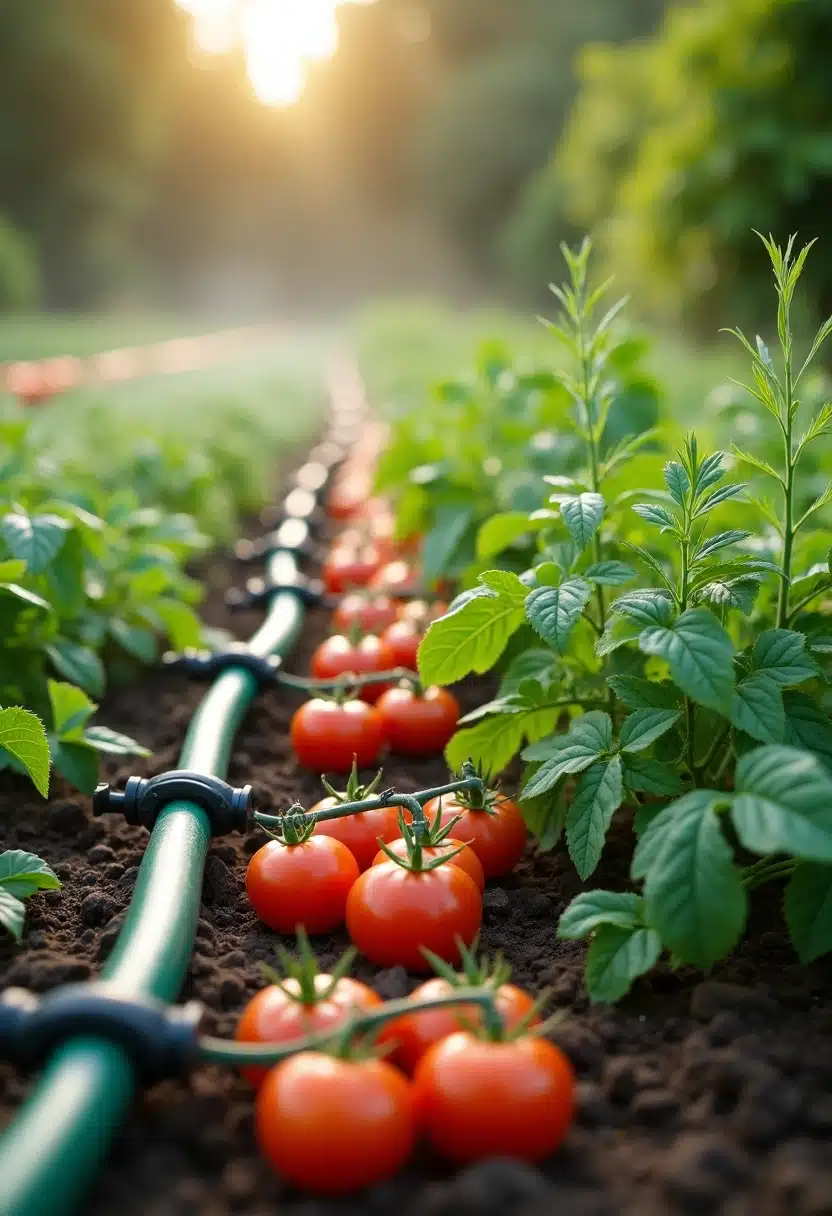
Efficient watering is the backbone of a thriving vegetable garden. Implementing methods like drip irrigation and soaker hoses can drastically reduce water waste. These systems ensure that water goes straight to a plant’s roots, promoting healthier growth. Consider installing timers to automate the watering process, catering to your garden’s needs even when you’re not around.
Understanding when and how much to water is just as critical as the tools you use. Early mornings or late afternoons are ideal to minimize evaporation. To decide on the amount, observe your plants closely; signs like wilting can indicate their needs. Adjust based on weather conditions—hot days may require more frequent watering, while cool, rainy periods necessitate less.
Matching plant needs with watering techniques ensures your garden prospers. Different vegetables have varied requirements; for instance, tomatoes enjoy consistent moisture, while drought-tolerant herbs like rosemary prefer dry conditions between waterings. Tailor your approach by grouping plants with similar water needs to simplify management and boost overall garden health.
Mulching for Moisture Retention
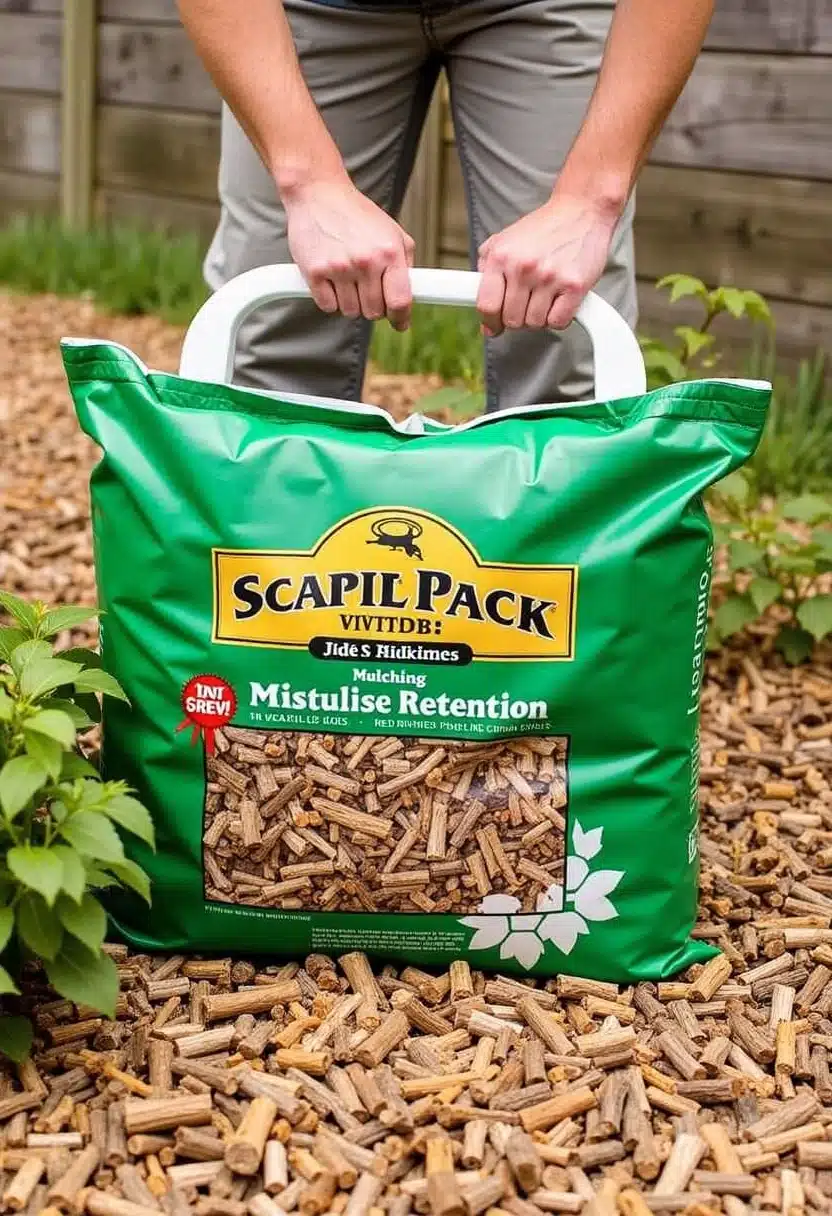
Mulching offers numerous benefits for your vegetable garden, primarily by helping retain soil moisture. This is crucial, especially in hot climates or during dry spells, as it reduces the need for frequent watering. Imagine letting nature take care of your plants while you enjoy a bit of extra free time. Organic mulches like straw or wood chips can also add nutrients to the soil as they decompose.
In addition to moisture retention, mulch suppresses weeds and regulates soil temperature. Weeds compete with your veggies for water and nutrients, so keeping them at bay is vital for healthy plant growth. For aesthetic and practical reasons, you might consider inorganic mulches like black plastic, which can effectively prevent weeds and maintain warmth during cooler nights.
Applying mulch correctly around your vegetable plants is simple but important. First, remove any weeds from the area you plan to mulch. Spread a layer of mulch about 2-3 inches thick, avoiding direct contact with plant stems to prevent rot. This layer acts as a blanket, conserving moisture and improving soil health. Adjust mulch type and thickness based on your climate and vegetable needs for optimal results.
Natural Pest Control
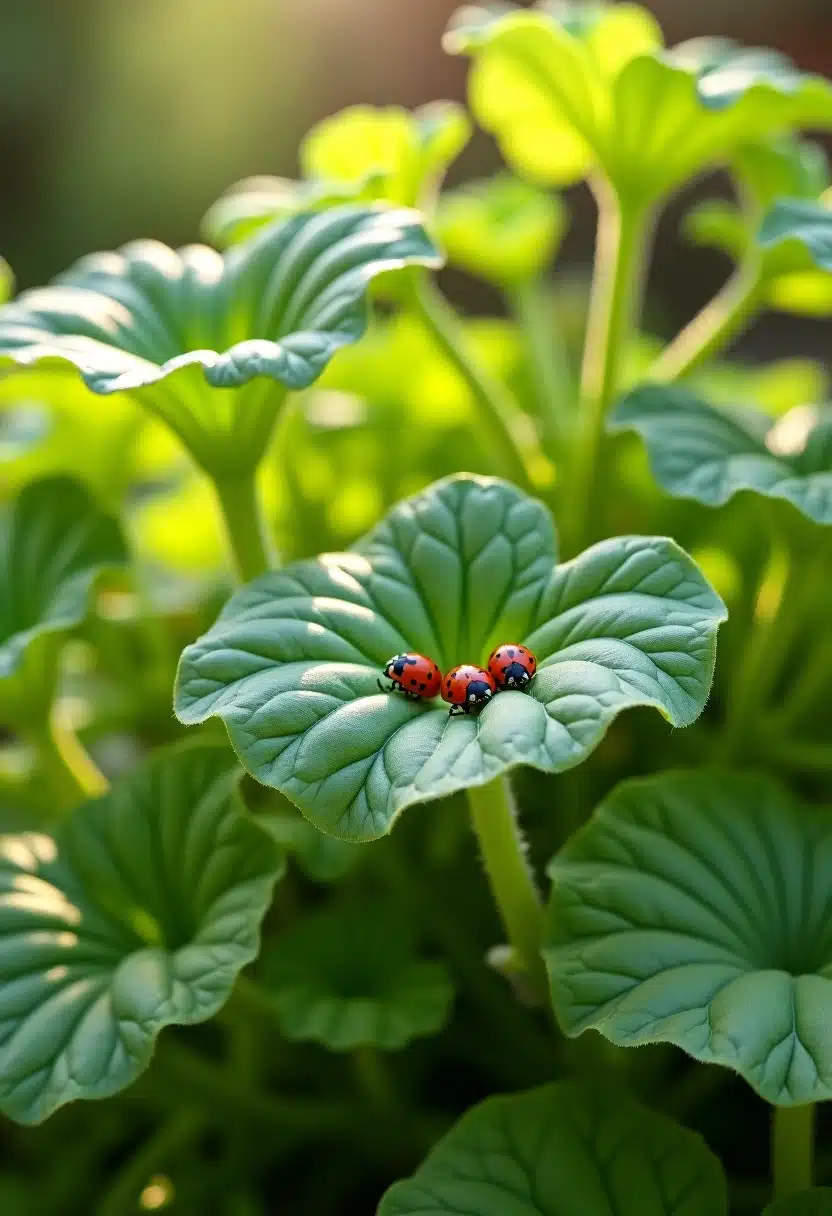
Safeguarding your veggie garden naturally from pests can be both effective and environmentally friendly. One way is to introduce beneficial insects, such as ladybugs and lacewings. These allies help control aphids and other nuisance bugs. Additionally, consider making your own insecticidal soaps using ingredients like water and dish soap. This solution is a gentle yet effective way to manage pests without resorting to harmful chemicals.
Another approach is to implement physical barriers and traps to deter common pests. Row covers and nets can help protect plants from birds and larger insects. Using traps for specific pests, like beer traps for slugs, keeps them at bay without disturbing your garden’s ecological balance. These strategies ensure your garden thrives naturally and sustainably.
Vertical Gardening
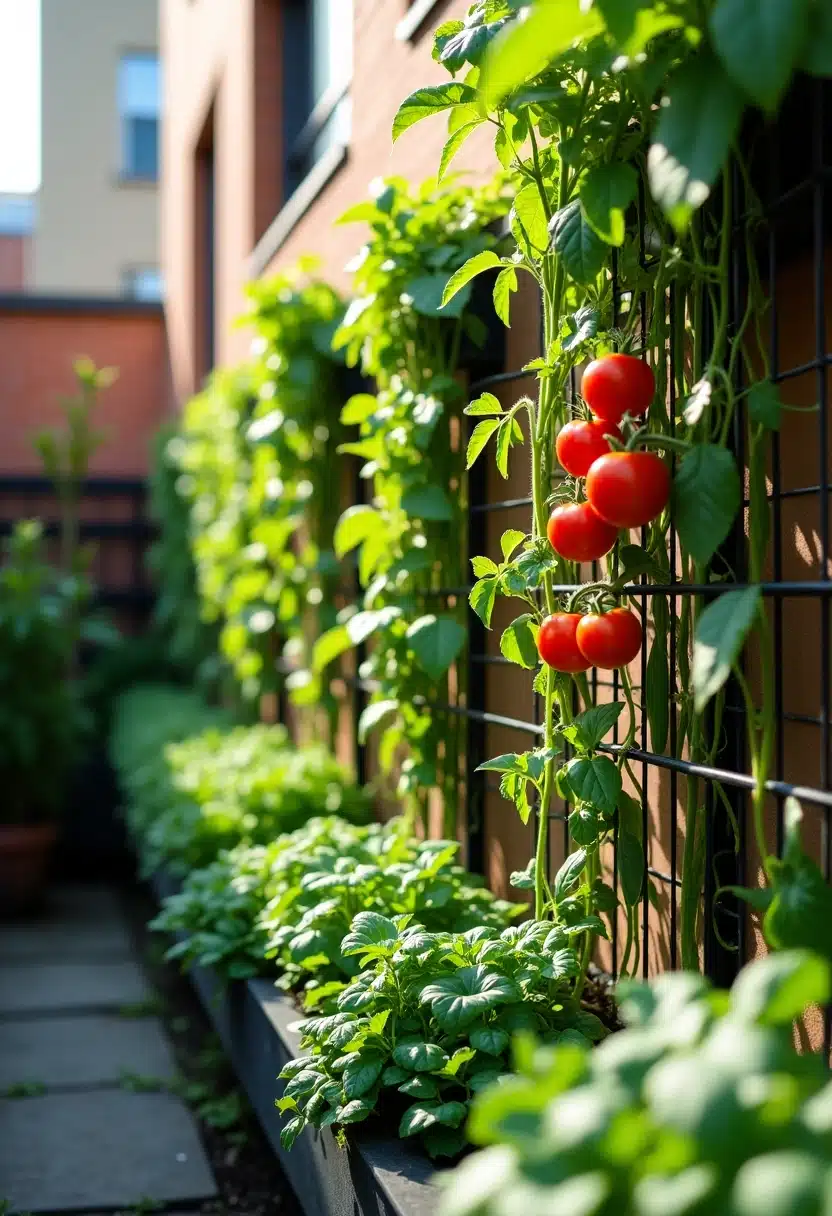
Maximize your garden space with vertical gardening. This method is ideal for small outdoor areas or urban settings. By going vertical, you can grow more vegetables in limited spaces. Use trellises, cages, and wall planters creatively. These allow you to stack your plants upwards, freeing up ground space for other uses. It’s a smart way to make the most of any space.
When setting up your vertical garden, choose plants that naturally climb or trail. Tomatoes, beans, cucumbers, and peas are excellent options. These plants thrive when given support structures like trellises. Ensure you position them in a spot where they receive adequate sunlight. Proper setup helps your vegetables grow healthy and strong, optimizing yield in your garden.
Wall planters are particularly useful in urban environments. They offer a unique way to grow smaller plants such as herbs and lettuce vertically. Installing these planters doesn’t just save space; it adds a green aesthetic to your walls. This integration of functional gardening and decor highlights the versatility of vertical gardening.
Succession Planting
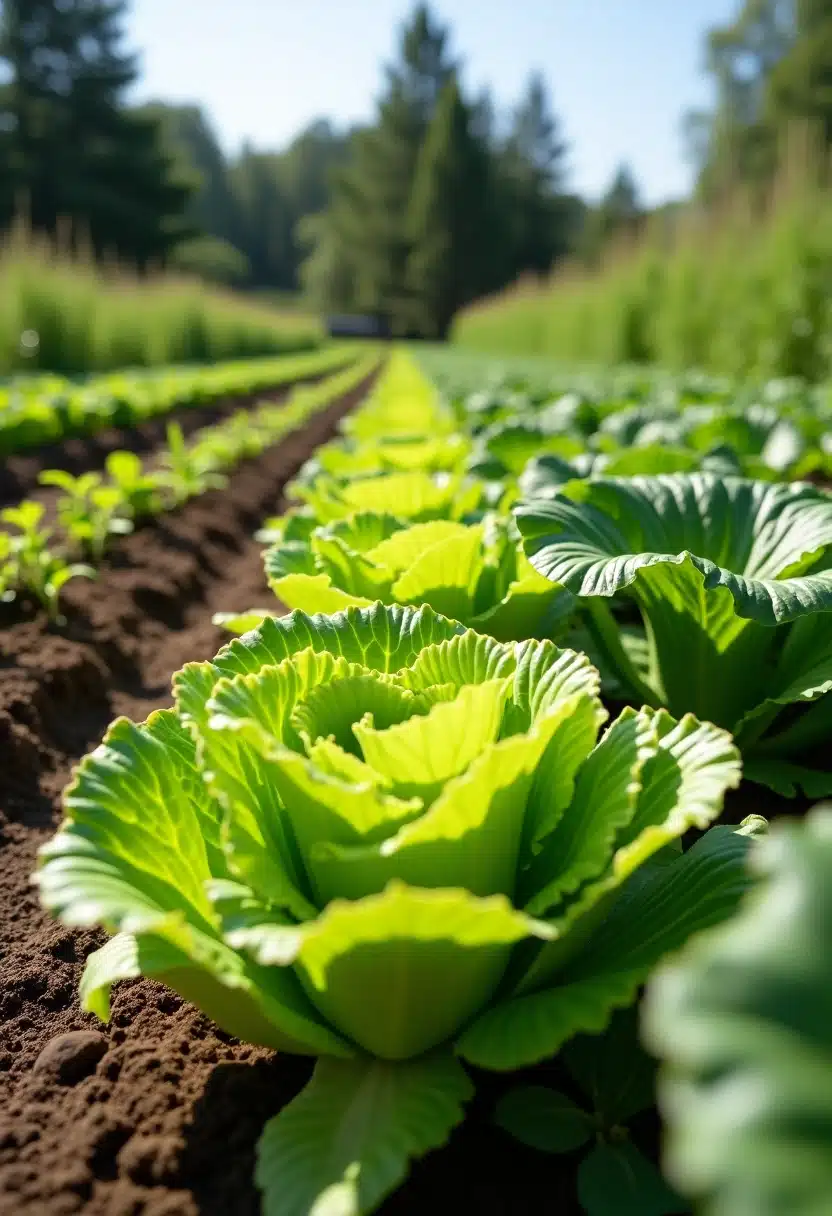
Boost your garden’s productivity with succession planting. This technique lets you extend your harvest season by immediately planting new crops once another is harvested. Embrace the strategy to maintain a continuous supply of fresh vegetables. Consider planting cool-weather crops like lettuce early in the season, followed by heat-tolerant ones like beans. Then complete the cycle with another cool-weather crop, ensuring non-stop gardening action.
Understanding the timing for your succession planting is key. Observe the days-to-maturity for each vegetable to maximize your garden output. This proactive approach helps your garden flourish almost year-round, keeping it vibrant and productive. Select compatible crops to rotate seamlessly, enhancing the soil and each other’s growth. Succession planting is the gardener’s secret to a thriving, bountiful garden throughout the seasons.
For further insights, consider utilizing local planting calendars to pinpoint optimal sowing dates for various crops. This keeps you organized and helps avoid overlap or gaps in your harvests. Be mindful of the specific needs and compatibility of each vegetable. This careful planning transforms your gardening efforts into a smooth and rewarding experience, securing a steady flow of fresh produce for you and your family.
Crop Rotation
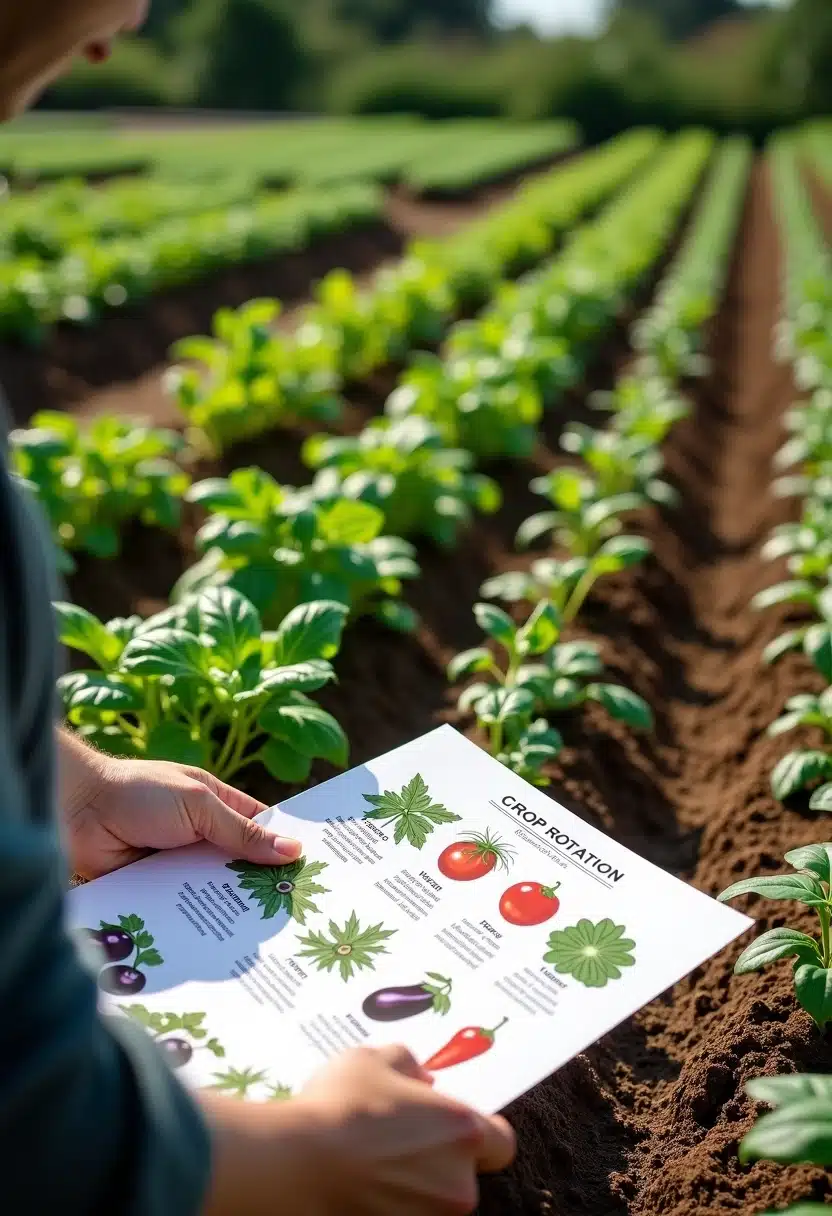
Crop rotation is an effective method to maintain soil health and keep your garden fruitful. By rotating your plants, you avoid depleting the soil of specific nutrients required by each type of plant. It involves moving plant families to different areas each growing season. This technique ensures each plant type doesn’t grow in the same place consecutively.
Switching plant locations also helps minimize pest and disease buildup. Pests and diseases tend to target specific plant families. By changing their locations, you confuse and interrupt their life cycles. Plan your garden layout carefully, keeping track of where each plant family is grown yearly. This strategy maintains a balanced ecosystem in your veggie garden.
When planning your crop rotation, consider grouping plants by families. For instance, tomatoes, peppers, and eggplants belong to the nightshade family, so rotating them together is smart. This understanding of plant families guides effective rotation and aids in designing a cohesive and resilient garden plan. Paying attention to plant needs ensures robust and healthy growth year after year.
Building Raised Beds
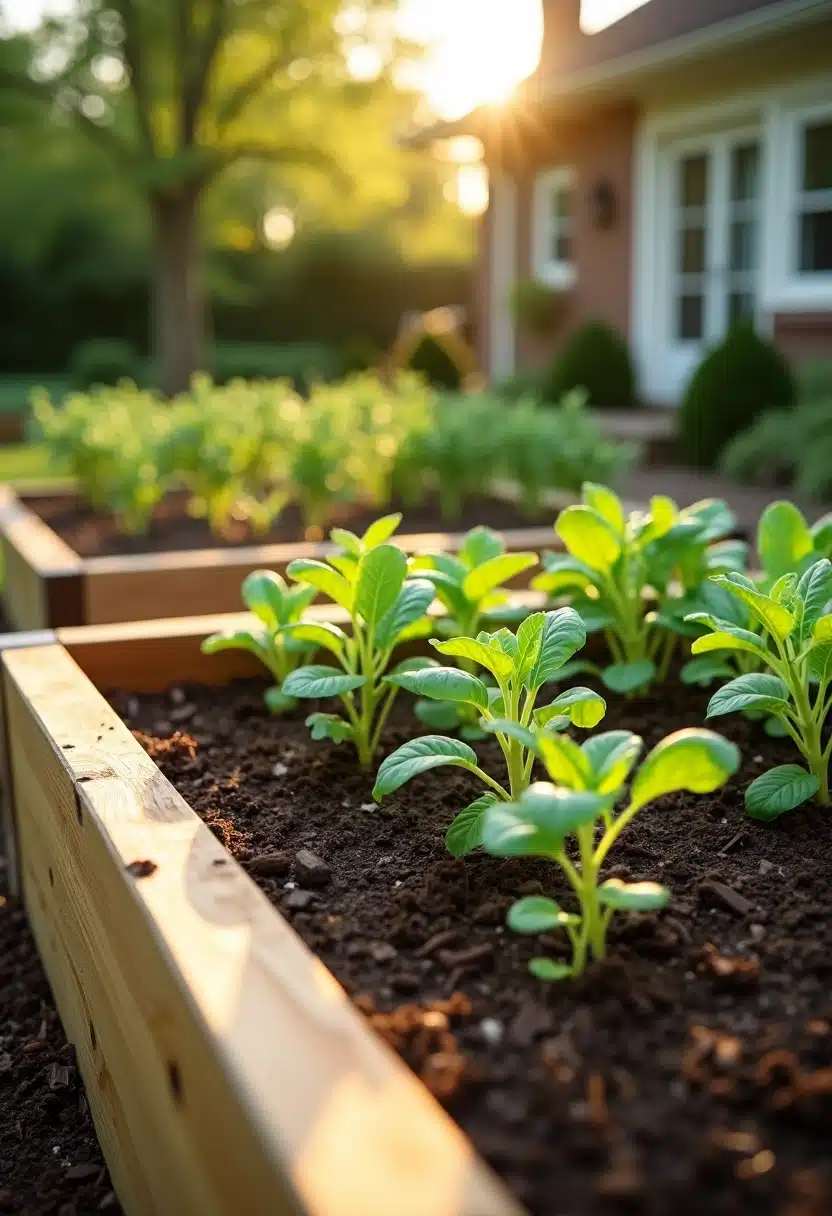
Raised beds can transform your gardening experience, offering benefits like improved drainage and reducing soil compaction. They’re an excellent solution for areas with poor soil quality. To get started, choose a location with adequate sunlight. Use materials like wood, stone, or recycled materials to construct the frame of your raised bed. Ensure the width allows easy access from both sides, helping you reach plants without stepping on the soil.
Once your structure is in place, focusing on the soil mix is key. A well-balanced mixture will support healthy plant growth. Fill your raised bed with a blend of native soil, compost, and organic matter. This provides nutrients and retains moisture effectively. You can also add a layer of mulch on top to conserve moisture and suppress weeds, enhancing the overall health of your veggie garden.
Composting Basics
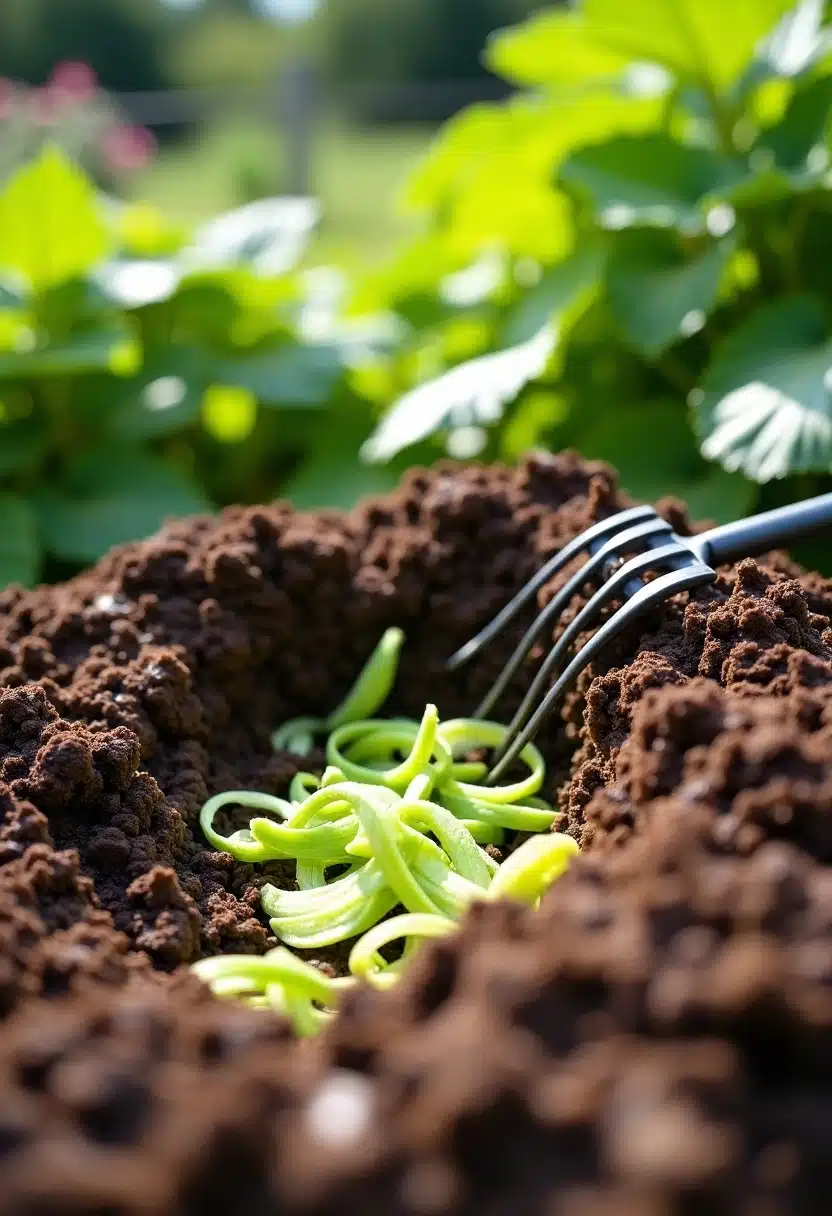
Creating nutrient-rich compost is a fantastic way to boost your veggie garden’s soil. Composting involves combining kitchen scraps, like vegetable peels and coffee grounds, with yard waste such as leaves and grass clippings. It’s important to maintain the right balance between green materials, which provide nitrogen, and brown materials, which add carbon. This balance ensures your compost breaks down efficiently.
To start composting, select a location that gets some sun but isn’t too exposed to the elements. You’ll need to regularly turn your compost pile, using a garden fork or similar tool, to aerate it. This process helps speed up decomposition and prevents any unpleasant odors from forming. Ensure your compost maintains moisture by watering it if the climate is too dry.
Compost is usually ready when it looks dark and crumbly, resembling rich soil. This process can take several months depending on the materials and conditions. Once ready, mix the compost into your raised beds to enrich the soil, providing your plants with essential nutrients. This step will go a long way in giving your vegetables the best growing conditions, boosting your chances for a successful harvest.
Choosing the Right Seeds
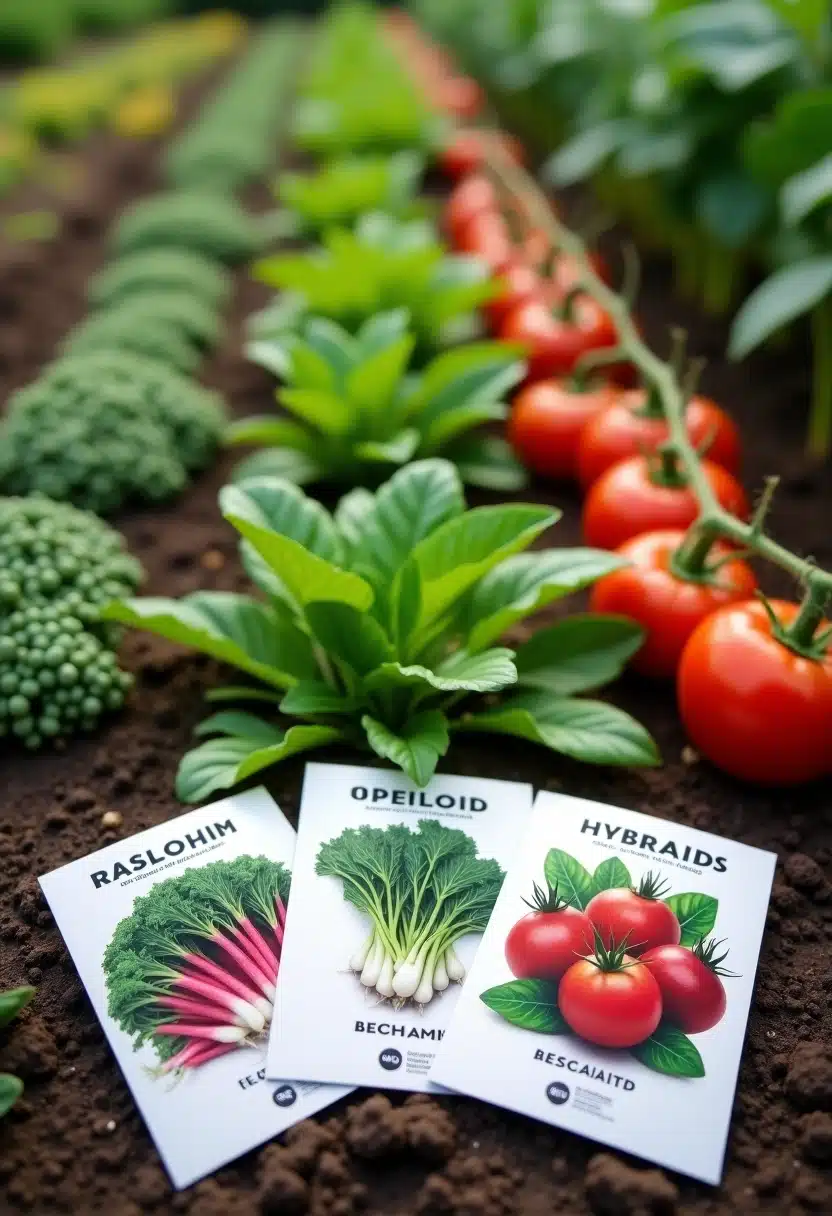
Selecting the right seeds for your veggie garden is crucial for a bountiful harvest. Start by understanding the different seed types available. Heirloom seeds offer rich flavors and preserve traditional traits, while hybrid seeds are bred for specific characteristics like disease resistance. Open-pollinated seeds are great for saving and planting year after year. Each type offers unique benefits depending on your gardening goals.
Consider your local climate and soil conditions when choosing seed varieties. Some vegetables thrive in cooler temperatures, while others require warmth. Research veggies that are known to perform well in your region. This information will help ensure that your garden is better positioned for success. Tailor your choices, and your garden will likely reward you.
Look for seeds that fit your space and time constraints. Fast-growing veggies like radishes are perfect for smaller gardens, while larger crops like tomatoes need more room. Choose seed packs with clear labeling that indicates planting depth, spacing, and sunlight needs. This step will guide you in creating a well-planned garden layout, optimizing both space and plant health.
Seed Starting Indoors
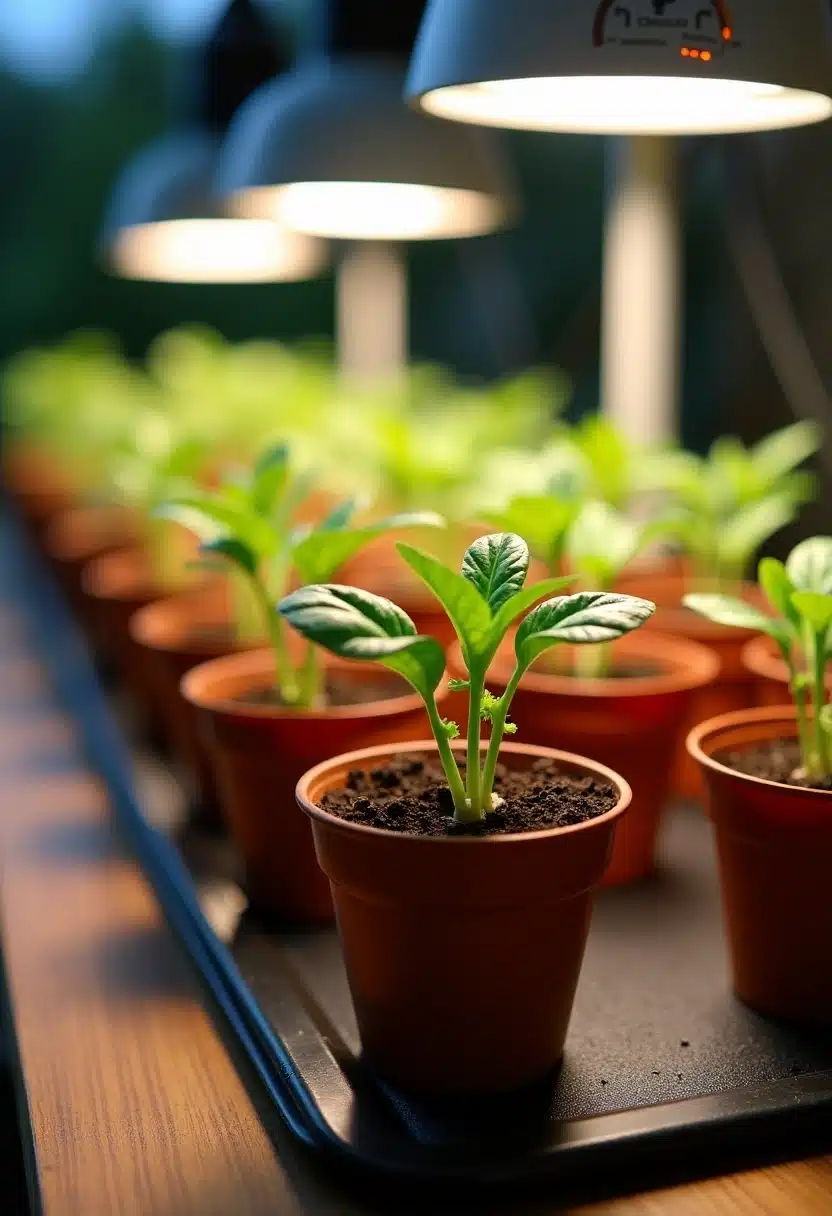
Starting seeds indoors allows you to get ahead in the growing season while ensuring a healthy start for your plants. Choose containers that provide good drainage and enough space for roots to grow. Utilize a quality seed-starting mix that retains moisture but drains well. Ensuring a good environment at this early stage can make a significant difference in your garden’s productivity.
You’ll need to provide sufficient light and warmth for your seedlings. Opt for fluorescent grow lights placed a few inches above the plants to mimic sunlight. Maintain a consistent temperature between 65-75°F to help seedlings thrive. Using a heat mat underneath your plants can be especially helpful for warmth-loving vegetables.
Create a schedule for watering seedlings, keeping the soil moist but not soggy. As they grow, thin out the weaker seedlings to give the stronger ones room to develop. Overall, taking care of seedlings indoors prepares them for the outdoor world, laying the foundation for a successful garden.
Transplanting Seedlings
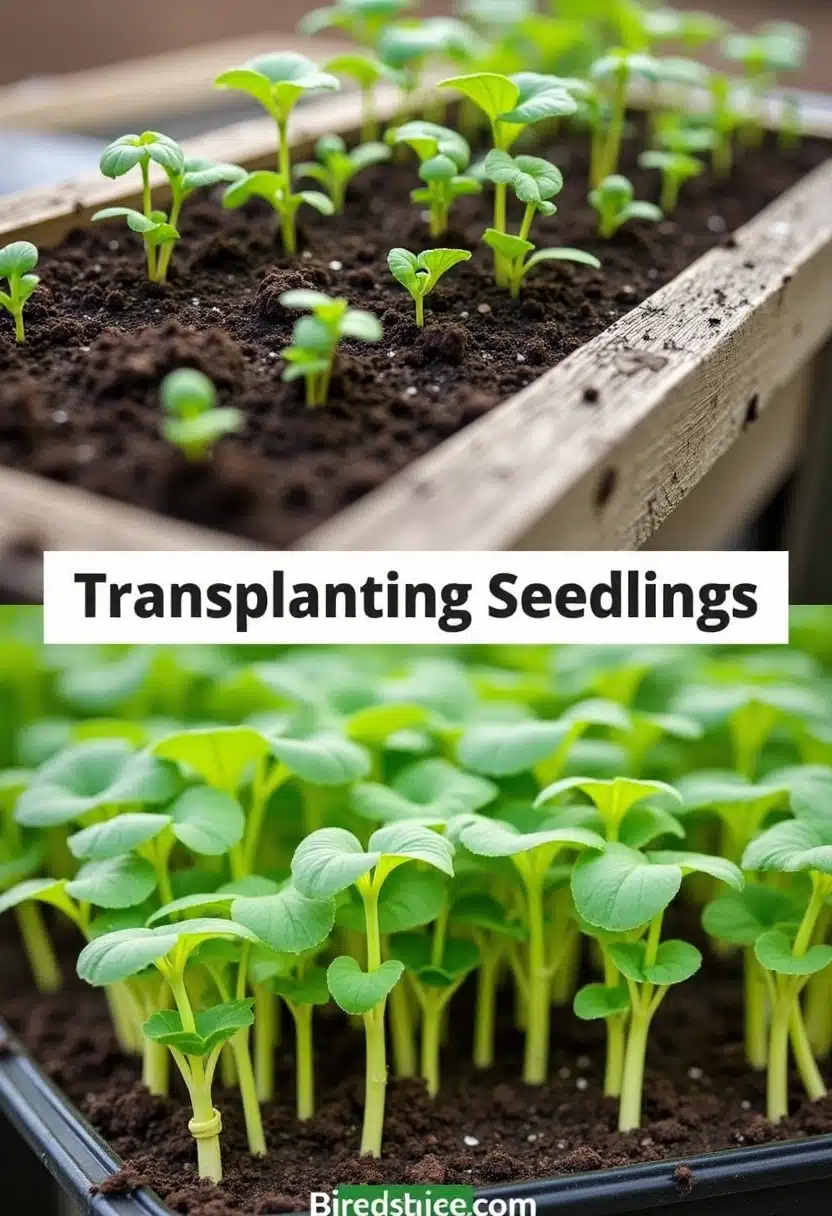
Transplanting seedlings outdoors is a rewarding step in growing your vegetable garden. Begin by selecting a cloudy day to minimize plant stress. It’s crucial to gradually acclimate seedlings to the outdoors using a process called hardening off. Start by placing them outside for a few hours each day, increasing the duration over about a week. This helps them adapt to sunlight, wind, and fluctuating temperatures.
When transplanting, choose a well-drained spot with plenty of sun. Gently remove seedlings from their containers, being careful not to damage the roots. Plant them in the soil at the same depth they were growing indoors. Water them well to help the roots establish and ensure they adjust smoothly to their new environment. Pay attention to spacing guidelines to allow each plant room to grow.
Timing plays a big role in successful transplantation. Aim to get them in the ground after the last frost date in your area. This ensures the soil is warm and growth won’t be hindered by cold. Consider placing a light mulch around your seedlings to retain moisture and prevent weeds. With these steps, your garden is set up for a robust and healthy growing season!
Using Garden Tools Effectively
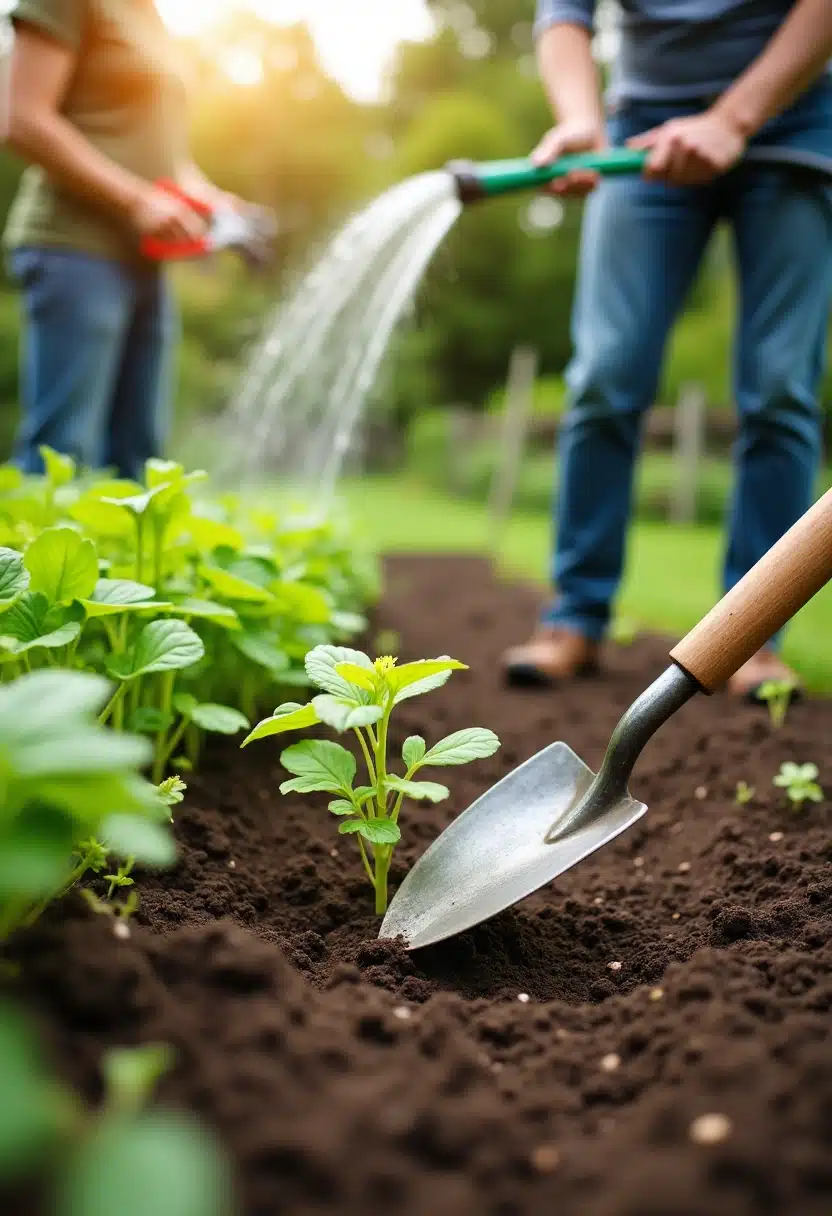
Maximizing efficiency with the right garden tools is crucial for a vibrant vegetable garden. Begin with a strong trowel for planting and transplanting. Its small size allows for precision, especially when dealing with tender seedlings. A hoe is excellent for removing weeds and cultivating soil, helping maintain a clean garden bed. Proper tool selection can significantly ease the maintenance process, boosting your garden’s productivity.
Pruners are indispensable for managing plant growth and promoting health. Use them to trim excess foliage and dead stems. This encourages new growth and improves air circulation. Watering cans or hoses with adjustable nozzles ensure thorough and appropriate watering, vital for vegetable health. Each tool has a specific role; understanding these roles makes gardening more effective and enjoyable.
Regular maintenance of your tools guards against rust and extends their lifespan. Clean them after each use and store them properly. Keeping your tools in top condition can prevent the spread of diseases among plants. Taking care of your garden tools ensures they work efficiently, providing you with a flourishing veggie garden all season long.
Organic Fertilizers
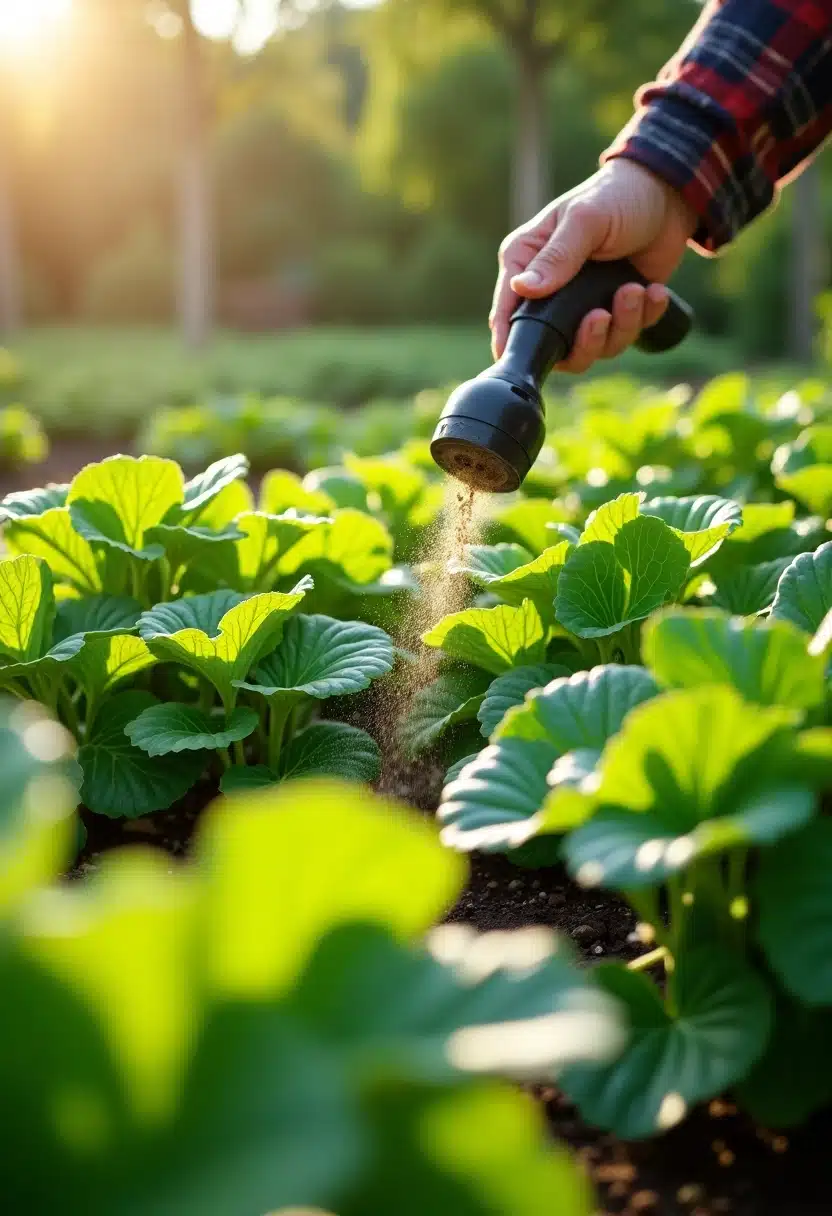
Embracing organic fertilizers can significantly enhance your veggie garden’s health. These natural solutions provide your plants with the nutrients they need, without resorting to synthetic chemicals. Compost, bone meal, and fish emulsion are excellent choices. Compost offers a balanced mix of nutrients, improving soil structure. Bone meal, rich in phosphorus, encourages strong root growth, especially in young plants.
Fish emulsion is another nutrient-rich option. It’s high in nitrogen, promoting leafy growth, which is perfect for greens. Understanding how each type of organic fertilizer works allows you to tailor your approach according to your garden’s specific needs. This ensures your plants receive optimal nourishment throughout their growth cycle, maintaining a robust and thriving garden ecosystem.
Managing Weeds Naturally
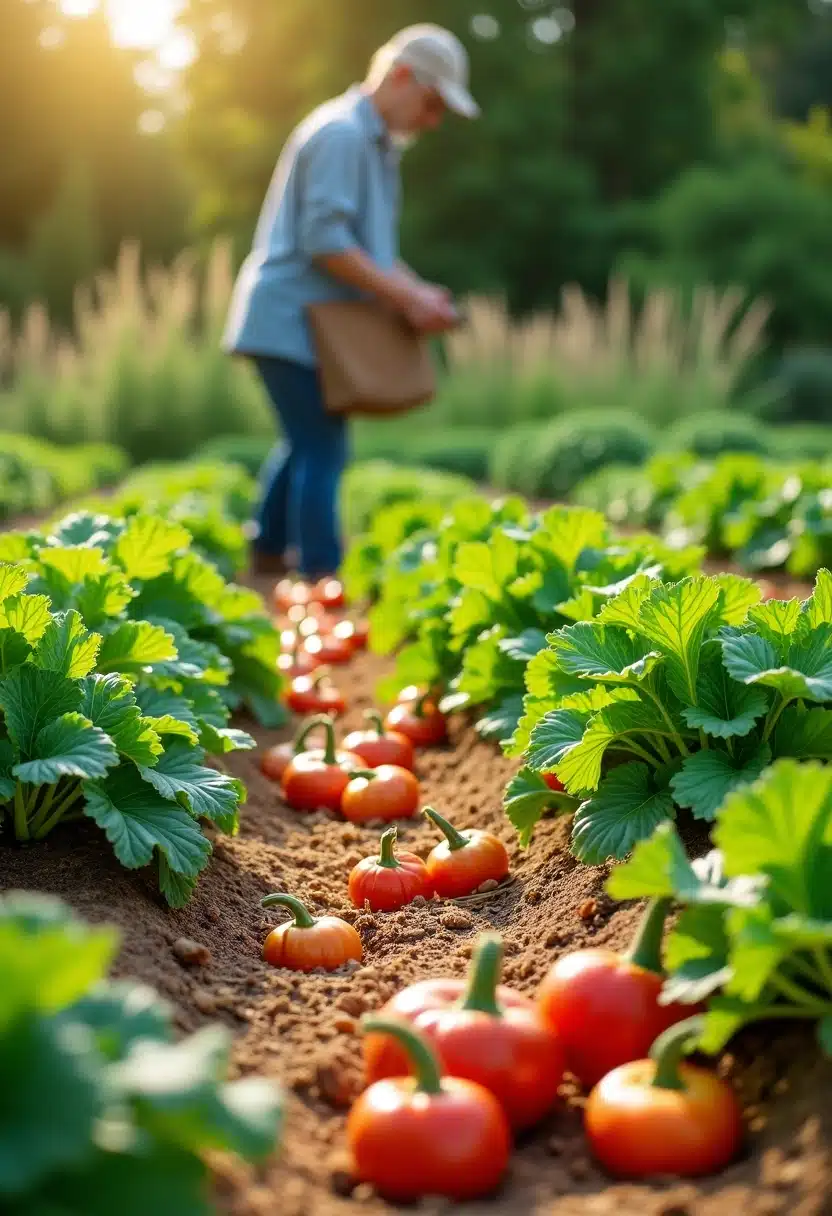
Maintaining a lush veggie garden while keeping weeds at bay can be a challenge, but natural methods make it achievable and sustainable. Begin with manual weeding, which, though labor-intensive, is highly effective. Regularly check your garden, pulling weeds from the root. This prevents them from growing back and competing with your veggies for resources.
Mulch plays a pivotal role in combating weeds. By covering the soil between your plants with organic materials like straw or wood chips, you create a barrier that suppresses weed growth. Mulch also retains soil moisture and regulates temperature, benefiting your vegetables, especially during the hot months.
Consider the use of cover crops as a proactive way to manage weeds. Planting varieties like clover or rye in off-seasons keeps weed growth in check while naturally enriching the soil. These crops add nutrients and organic matter back to the soil, preparing it for the next planting season. Managing weeds naturally aligns with an eco-friendly gardening approach.
Dealing with Plant Diseases
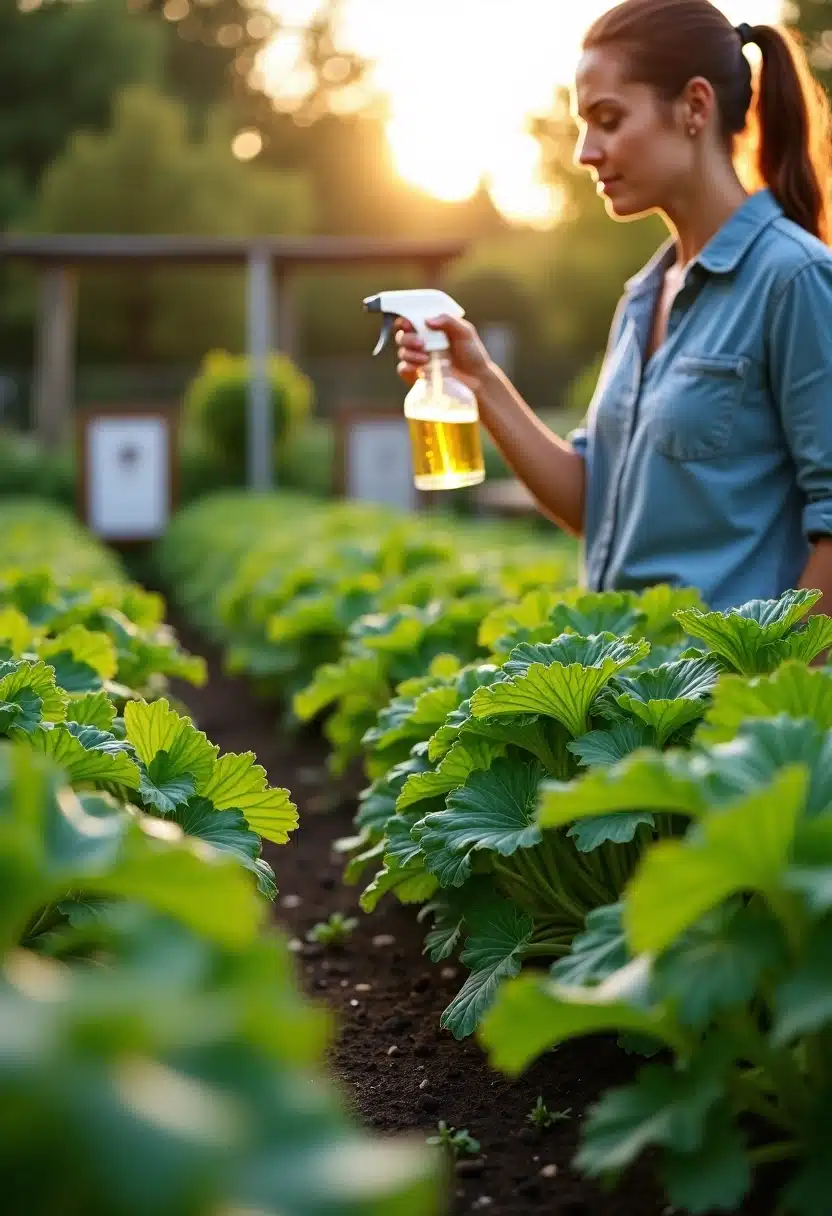
Addressing plant diseases can seem overwhelming, but simple strategies can make a big difference. Recognizing common symptoms like discolored leaves or fungal spots is your first step. By observing these signs early, you give your garden a chance to bounce back swiftly. Employ crop rotation to minimize disease recurrence and keep your soil healthy. This practice interrupts the life cycle of pathogens that target specific plants.
Choosing disease-resistant varieties can also enhance your garden’s resilience. These plants are bred to withstand common diseases naturally. Additionally, homemade remedies can effectively combat minor outbreaks. For instance, a solution of baking soda and water can fend off fungal issues. Regularly inspect your plants, ensuring they stay healthy and productive throughout the growing season.
By incorporating these practices, you take proactive steps toward maintaining a thriving garden. Healthy plants contribute to a successful harvest and bring joy to the gardening process. Prioritize plant health, and enjoy watching your garden flourish with vibrant, disease-free plants.
Harvesting Techniques
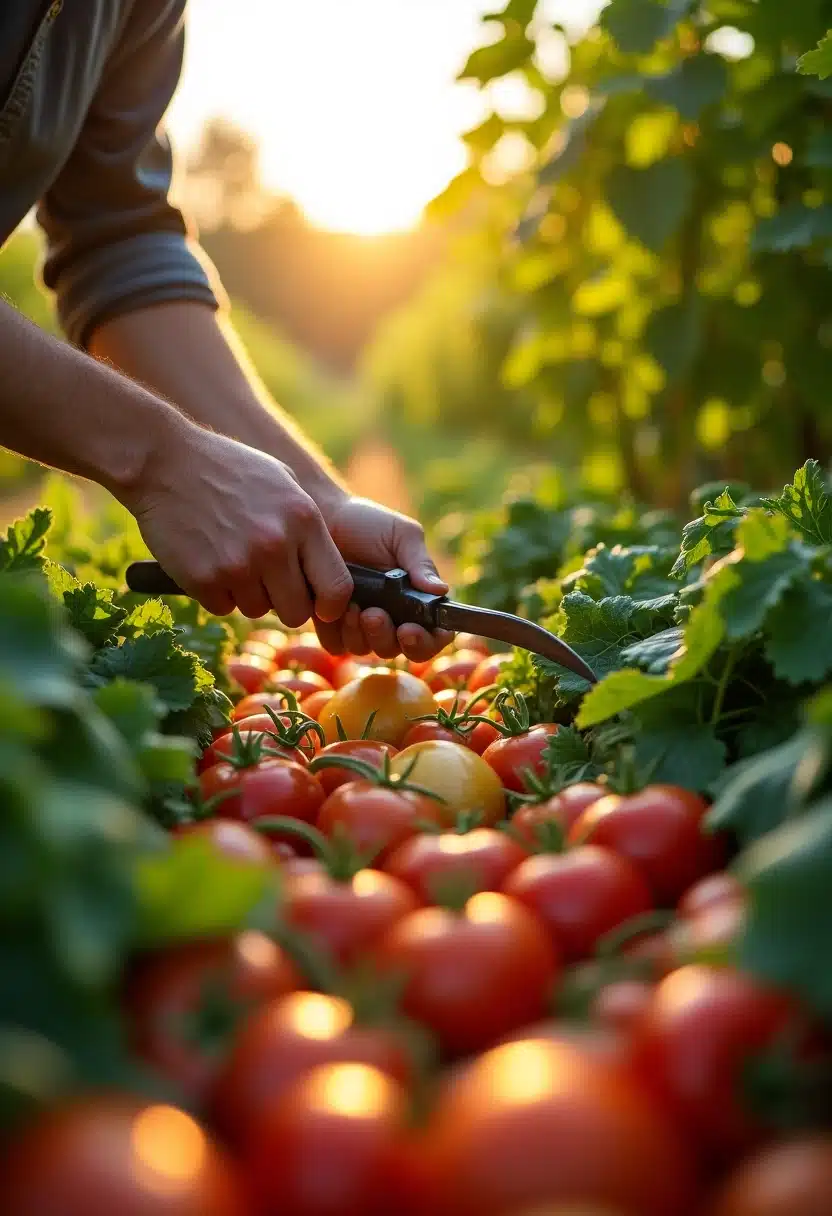
Mastering the timing and technique for harvesting your vegetables plays a key role in enjoying their natural flavors and nutrition. Picking your vegetables too early or too late can affect their taste and texture significantly. To achieve that perfect harvest moment, research each plant type and keep an eye on indicators like color changes, size, and firmness.
Handling your harvest correctly impacts how long they stay fresh. For leafy greens, aim for morning picks to lock in moisture. Snip them cleanly from the plant to avoid damage. Root crops benefit from gentle brushing off of soil rather than washing, preserving their exterior and extending their shelf life. Utilize pruners or knives for clean cuts on tougher stems.
How you store your harvest makes a noteworthy difference in longevity. Leafy greens are best stored unwashed in a refrigerator’s crisper drawer with some humidity. Root vegetables, on the other hand, prefer a cool, dark place. Understanding the distinct needs of each vegetable type can help keep your produce vibrant and nutrient-rich for longer periods.
Preserving Your Harvest
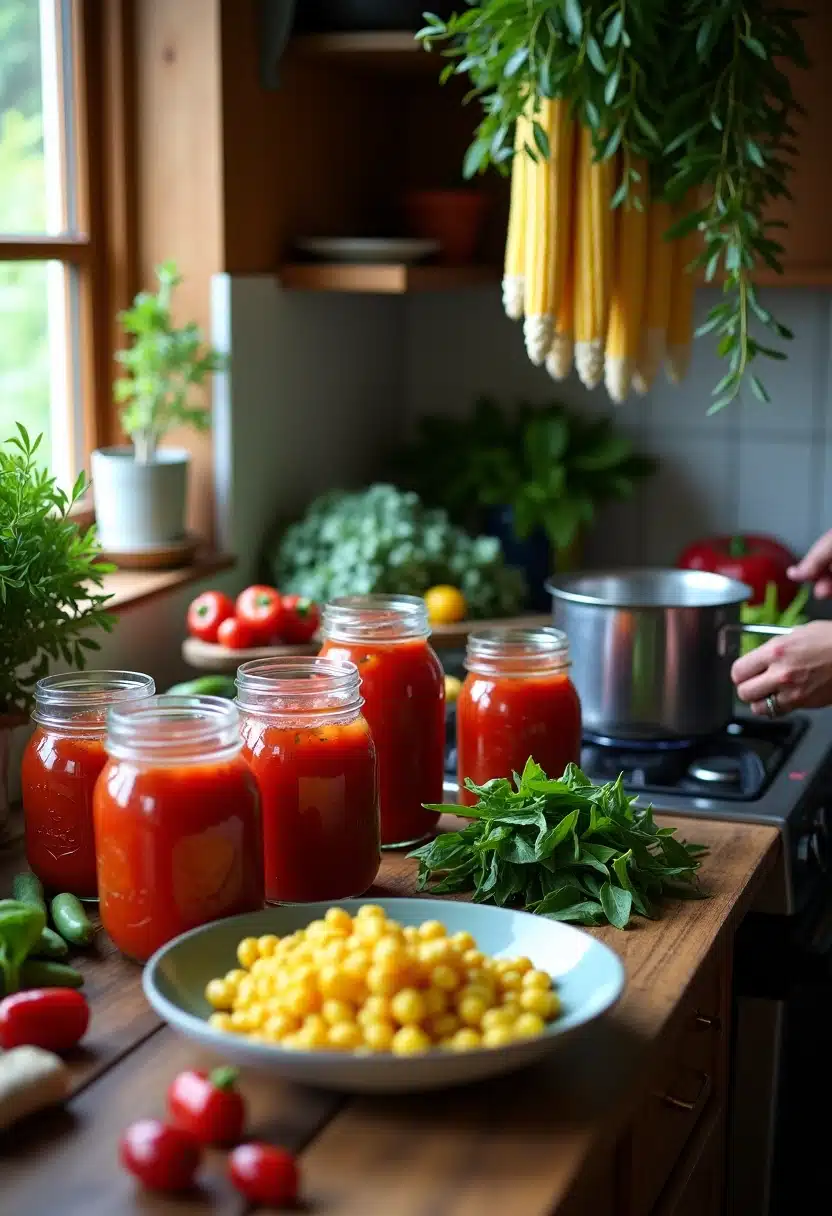
Maximize your garden’s bounty by mastering preservation techniques. This way, you’ll savor your vegetables throughout the year. Explore methods such as canning, freezing, and drying. Canning is excellent for tomatoes and pickles. It involves sealing jars filled with produce, preserving flavor and nutrients. For success, use sterilized jars and process them in boiling water or a pressure canner.
Freezing is another effective method, especially for vegetables like peas and corn. By quickly blanching before freezing, you preserve vitamins and taste. This technique makes it easy to enjoy summer produce during winter months. Lastly, drying vegetables concentrates their flavor and is perfect for herbs, tomatoes, and peppers.
Dedicate time to learn these methods for a sustainable approach to gardening. Not only will you reduce waste, but you’ll also have a stock of homegrown goodness available year-round. Embrace the art of preserving to elevate your gardening experience and savor the fruits of your labor well beyond the growing season.
Attracting Pollinators
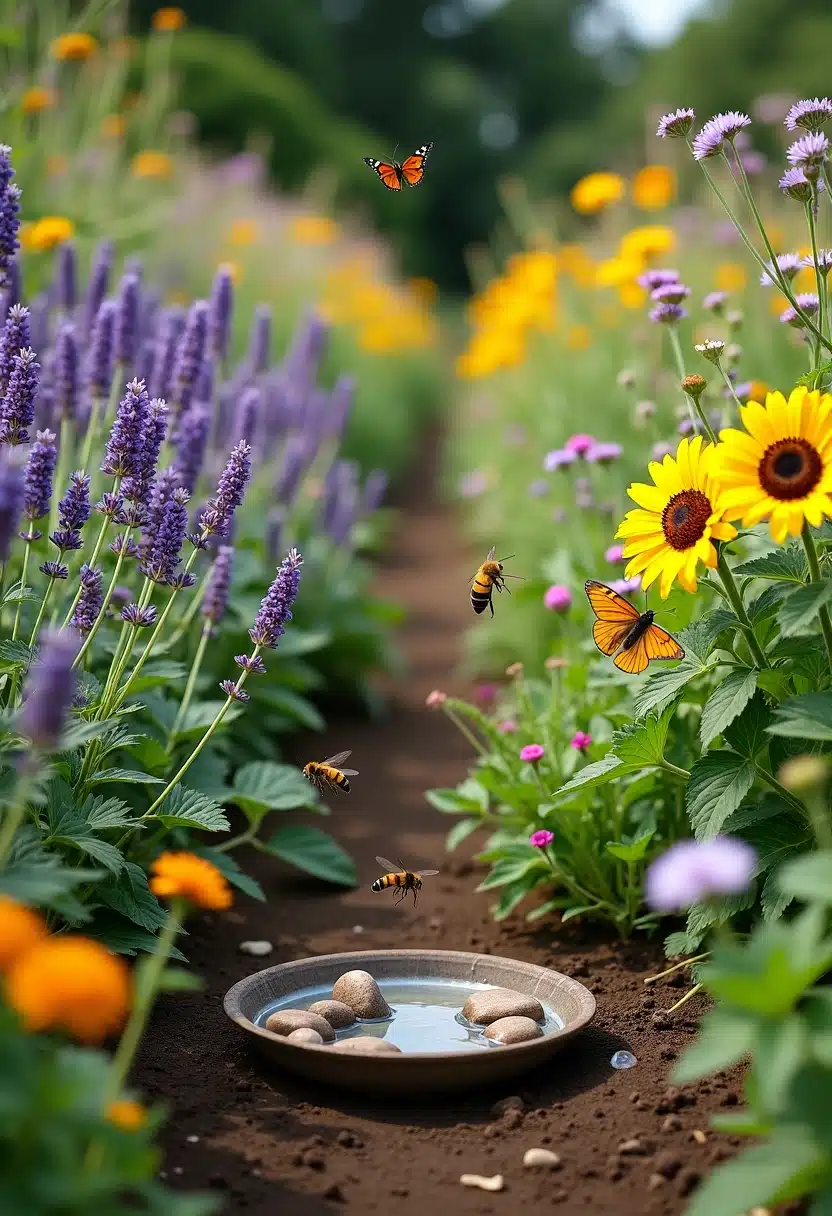
Boost your garden’s output by inviting pollinators like bees and butterflies. These tiny helpers are attracted by certain plants and flowers that supply nectar and pollen. Consider planting lavender, sunflowers, and alyssum to create a vibrant, buzzing environment. Not only do these plants enhance your garden’s aesthetic, but they also act as magnets for pollinators.
To create a welcoming habitat, provide water sources like a shallow dish with stones for landing. Ensure your garden has a diverse range of flowering plants that bloom at different times. This continuous supply of nectar ensures pollinators stick around. Nesting areas can also be beneficial, so consider leaving some bare soil or building small insect hotels.
Keep in mind that avoiding pesticides is key. Pollinators are sensitive to chemicals, so go for natural pest control methods whenever possible. Also, consider adding a mix of native plants to your garden, as they’re naturally adapted to support local pollinator species. This way, you can enjoy a flourishing vegetable garden alongside a thriving ecosystem.
Building a Cold Frame
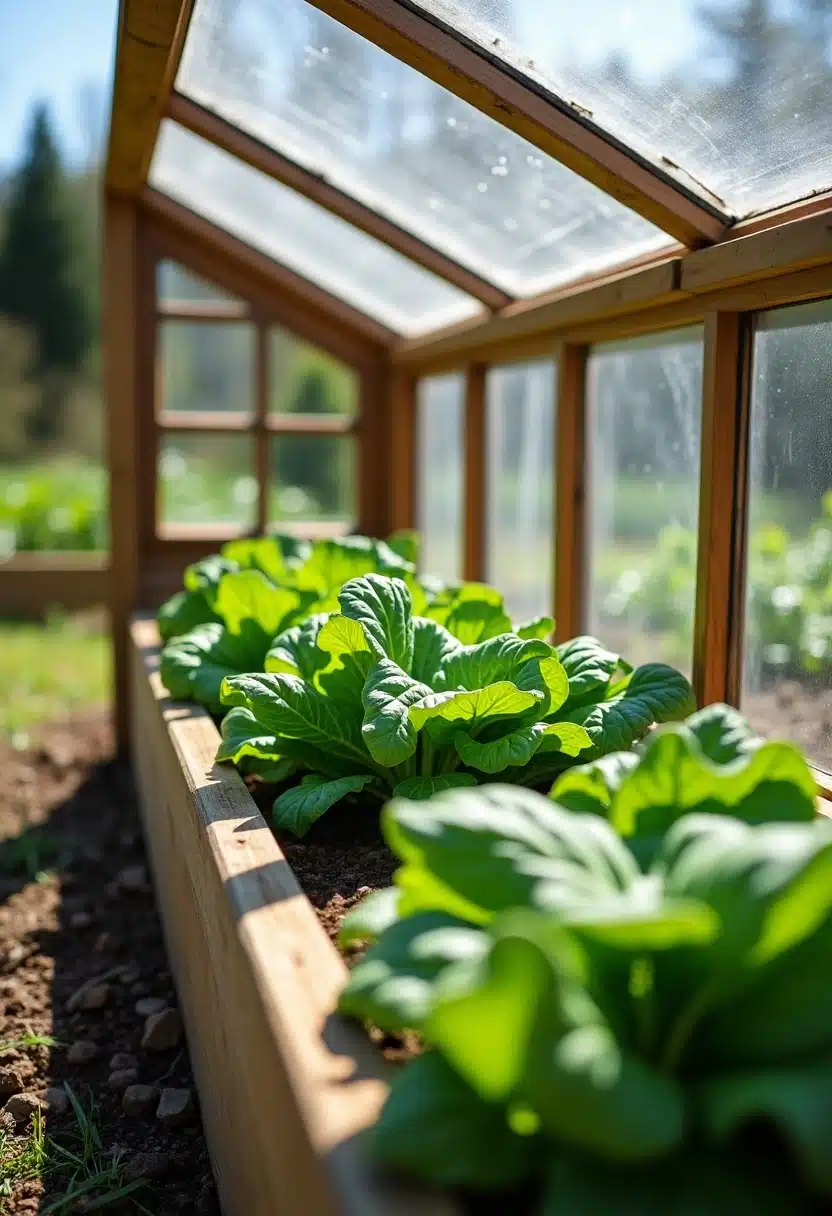
Extend your growing season by building a cold frame, allowing you to plant earlier in the spring and continue growing into the fall. A cold frame is a simple structure that protects plants from frost and cold weather, working like a mini-greenhouse. Choose a south-facing spot with good sunlight to maximize warmth and ensure your plants thrive.
To construct your own cold frame, gather materials like old windows, wood, and hinges. Assemble the frame by creating a wooden box to support the window on top. This design allows you to open the window for ventilation on warmer days. Experiment with different heights and widths to accommodate various plants and garden needs.
Once your cold frame is built, you can plant hardy vegetables like spinach, lettuce, and kale. These plants benefit from the extended protection and warmth. Using a cold frame not only extends your harvest but also provides an ideal environment for seedlings, offering a head start for the growing season. Enjoy fresh veggies for longer!
Creating a Worm Bin
Using vermicomposting is a fantastic method for creating nutrient-rich compost right at home. To start a worm bin, choose a location that maintains a steady, mild temperature. This ensures an ideal environment for worms, promoting their activity in processing organic waste. Keep the bin in a shaded spot, like a garage or basement, where temperature variations are minimal.
It’s crucial to feed your worms a balanced diet of kitchen scraps such as vegetable peels, coffee grounds, and eggshells. Avoid meats and dairy products, which can create unpleasant odors and attract pests. Regularly check moisture levels inside the bin; worms thrive in a damp, but not soggy, environment.
Worm castings, the byproduct of their digestion process, are a goldmine for enhancing garden soil. Known as “black gold,” these castings improve soil structure, enhance water retention, and provide plants with essential nutrients. Regularly harvest the compost and sprinkle it around your plants to boost growth naturally.
Saving Seeds for Next Season
Preserving seeds from your favorite vegetables ensures a steady crop in future seasons. Start by picking healthy, mature vegetables for seed saving. Once chosen, let them fully ripen on the plant. For instance, tomatoes must become overly ripe, while beans should dry on the vine. This maturity guarantees the seeds are viable for the next planting cycle.
After harvesting, dry the seeds thoroughly to avoid mold. Spread them on a clean, dry surface away from direct sunlight. Allow them to sit for a week, turning occasionally for even drying. Once moisture-free, careful storage is key. Utilize airtight containers, labeling them clearly with the type and date. Keep them in a cool, dark place to maintain freshness.
When planting time arrives, your carefully saved seeds will offer new life. Testing germination rates a few weeks earlier can assure success. Simply plant a few seeds indoors to check sprouting levels. This foresight helps you adjust your planting strategy, ensuring a thriving veggie garden during the new growing season.
Using Organic Pesticides
Exploring organic pesticides can greatly benefit your veggie garden by reducing harmful chemical exposure. One effective natural solution is neem oil, derived from the seeds of the neem tree. It functions as a deterrent for many pests. Mix a few drops with water and a mild detergent to enhance its effect before spraying it on your plants.
Garlic spray serves as another excellent option. It uses the strong odor of garlic to repel insects. To create it, crush several cloves and soak them in water overnight. Strain the mixture and add a drop of dish soap for adhesion. Apply this solution in the early morning or late evening to avoid burning the leaves.
These organic methods not only help in pest control but also support a healthier ecosystem in your garden. Dealing with pests naturally provides a safer environment for both you and the beneficial insects you want to attract. Choose organic pest control to balance your garden without disrupting its natural harmony.
Creating a Garden Journal
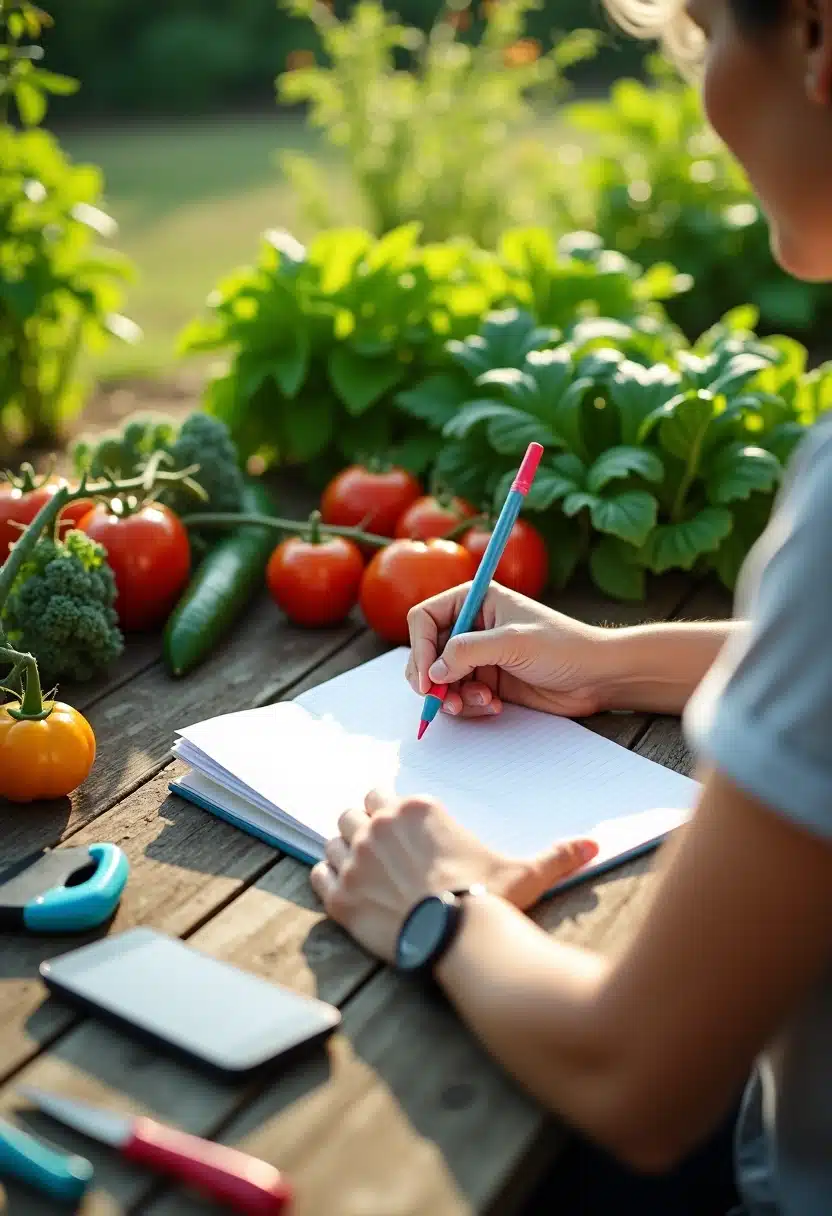
Tracking your gardening progress can make a big difference in your veggie patch’s success. By creating a garden journal, you can document planting dates, growth observations, and problems along the way. This habit helps you develop better gardening techniques, as you can identify patterns and learn what works best for each plant. Over time, you’ll have valuable insights tailored to your unique garden.
Your journal can include sketches of your garden layout to visualize where plants thrive or struggle. Note weather conditions, soil quality, and watering schedules to pinpoint anything affecting your crops. Getting detailed with your data will aid in planning future seasons. It becomes a useful reference to decide when to transition your plants, just as building a greenhouse in the next chapter extends your growing season.
Use simple tools like a notebook or gardening app to keep everything organized. Consistency is key, so update your journal regularly. By taking a little extra time now, you’ll set yourself up for long-term success. A well-documented journal will guide you through seasonal changes and help you achieve a thriving vegetable garden, regardless of outdoor challenges.
Building a Greenhouse
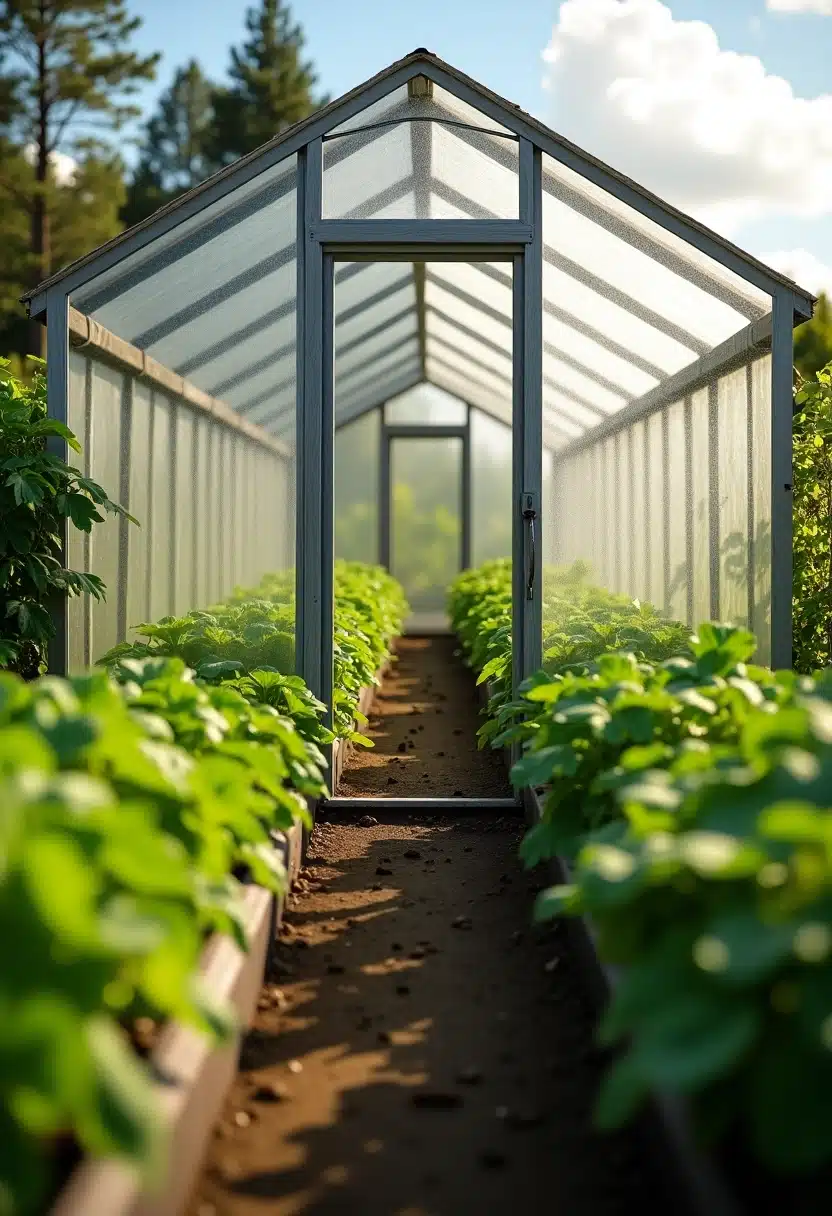
Consider building a greenhouse to stretch your growing season and safeguard your plants from harsh weather. Start by exploring different designs, like DIY hoop houses or professional-grade structures. Decide on the best materials for your climate, such as polycarbonate for insulation or PVC for affordability. Choose the right location where your greenhouse will get ample sunlight and avoid extreme wind exposure.
Maintaining proper growing conditions inside is key to a successful greenhouse. Invest in temperature control methods, like vents or heaters, to achieve an ideal environment for your plants. Regularly monitor humidity levels to ward off mold and pests. By providing consistent care, your greenhouse becomes a sanctuary for your veggies, allowing them to thrive year-round.
Greenhouses can also enhance sustainability in your garden. Use them to start seedlings early and gradually introduce them to your outdoor space, complementing the edible flowers you’ll plant elsewhere. Ensuring the continuity of your garden journal helps in tracking which greenhouse methods work best, shaping future gardening strategies.
Incorporating Edible Flowers
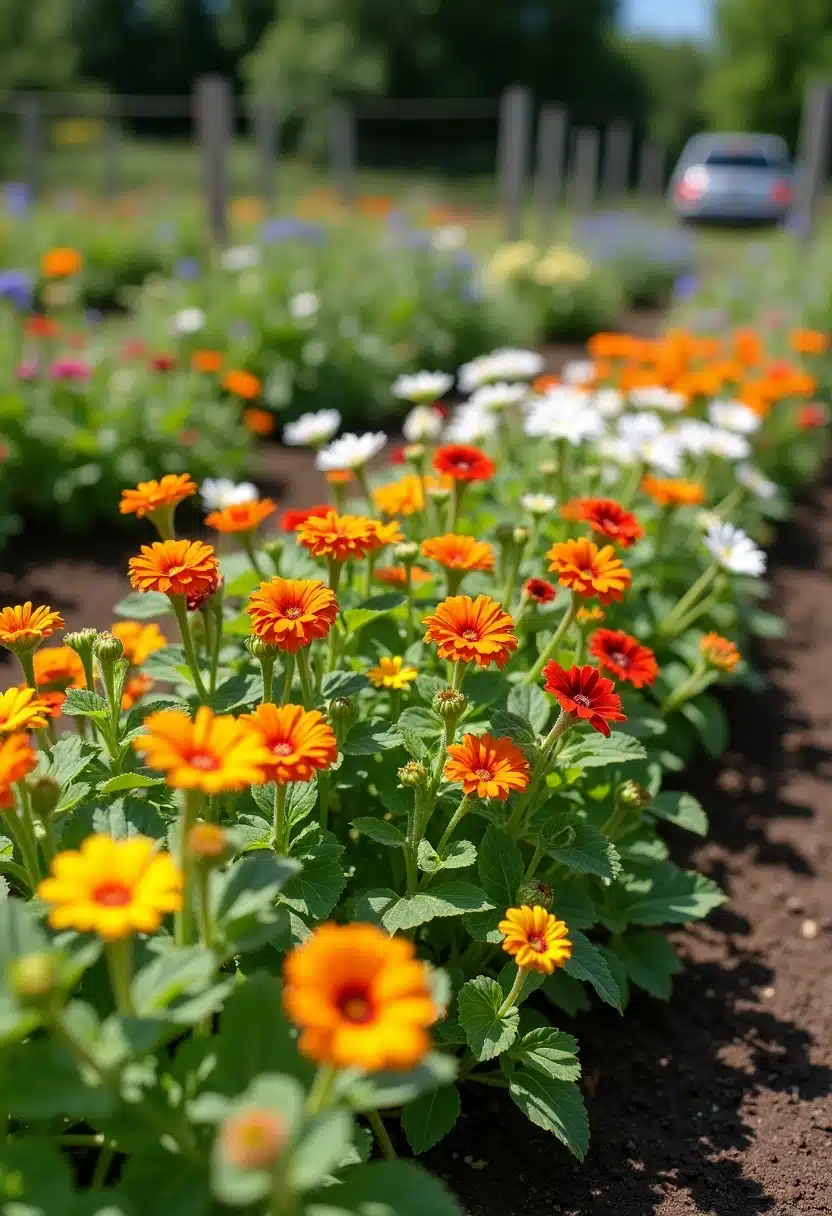
Incorporating edible flowers into your veggie garden can add both visual appeal and culinary options to your harvest. Selecting the right varieties is key. Safe options include nasturtiums, pansies, and borage. Each flower has a unique flavor profile that can enhance your dishes. Nasturtiums offer a peppery taste, while pansies have a sweet flavor, making them versatile for salads and desserts.
To maximize their benefits, plant edible flowers alongside compatible vegetables. For instance, nasturtiums can be great companions for brassicas by deterring pests. Borage works well with strawberries and tomatoes, as it attracts beneficial insects. This not only boosts your garden’s productivity but also creates a more diverse ecosystem, complementing your crops in both look and utility.
Integrate these flowers thoughtfully to ensure they thrive. They generally prefer well-drained soil and plenty of sunlight. Water them regularly and deadhead spent blooms to encourage new growth. By following these simple guidelines, you’ll create a vibrant garden space that feeds both the eyes and the palate. This addition can serve as a beautiful segue into your efforts for creating a pollinator-friendly habitat.
Creating a Pollinator-Friendly Habitat
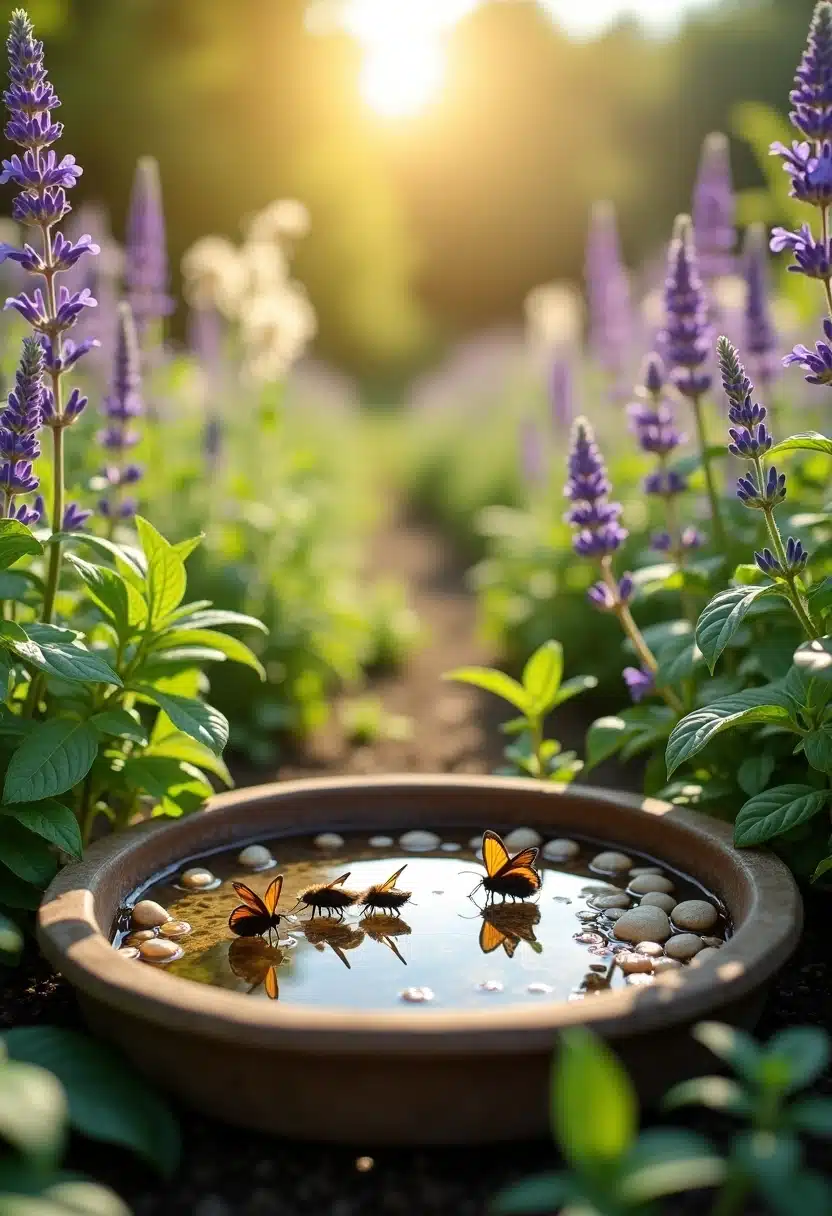
Enhancing your veggie garden to be pollinator-friendly is vital for a thriving ecosystem. Start by incorporating native plants and flowering herbs into your space. Native plants are well-adapted to your local climate and soil, making them ideal habitats for bees, butterflies, and other pollinators. Additionally, flowering herbs such as lavender, thyme, and sage not only attract these beneficial creatures but also offer culinary uses.
Providing water sources can greatly increase pollinator activity in your garden. Consider setting up shallow dishes of water with stones to serve as landing spots for butterflies and bees. These simple additions ensure that pollinators have a reliable source of hydration. Ensure the water remains fresh by regularly changing it, especially during hotter months.
To maintain a welcoming environment, avoid using chemical pesticides that can be harmful to pollinators. Instead, opt for natural pest control methods such as companion planting or introducing beneficial insects. This not only supports a healthy ecosystem but also encourages continuous pollinator visits, thus enhancing the productivity and vitality of your garden’s vegetables and flowers.
These 29 veggie garden hacks will revolutionize your gardening experience, ensuring a lush and productive harvest. By incorporating these tips, you’ll embrace sustainable practices and enjoy fresh, organic vegetables year-round. From seed selection to pest control, these innovative ideas cater to your needs, making gardening easy, effective, and enjoyable. Happy gardening!