
25 Creative Vegetable Garden Ideas to Transform Your Outdoor Space
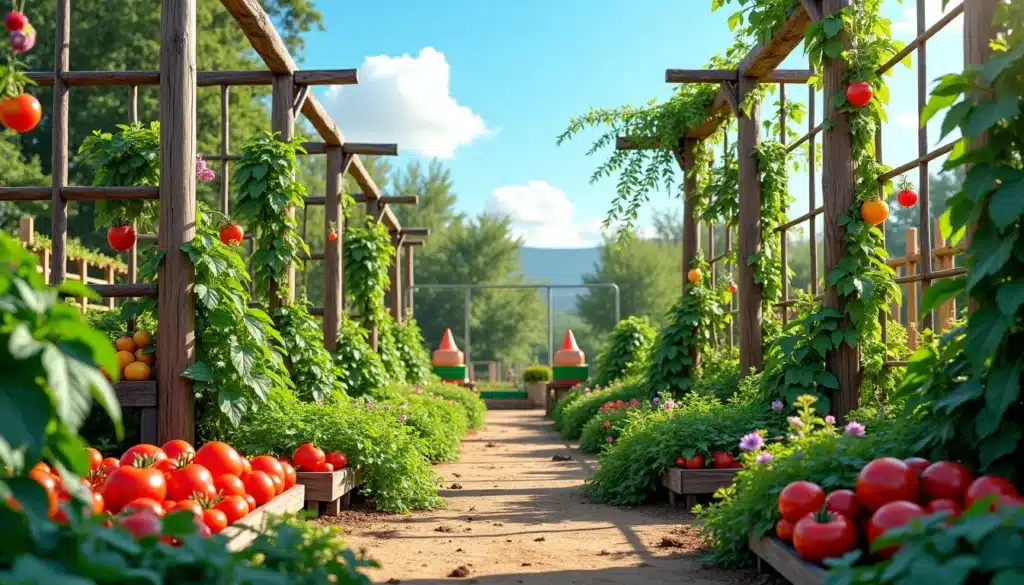
Exploring the myriad ways to enhance your vegetable garden can be both exciting and rewarding. With endless possibilities for innovation and creativity, from raised bed designs to vertical gardens and companion planting techniques, this listing highlights 25 inspiring vegetable garden design ideas. Discover how you can transform your outdoor space into a thriving haven of productivity and beauty.
Raised Bed Designs for Beginners
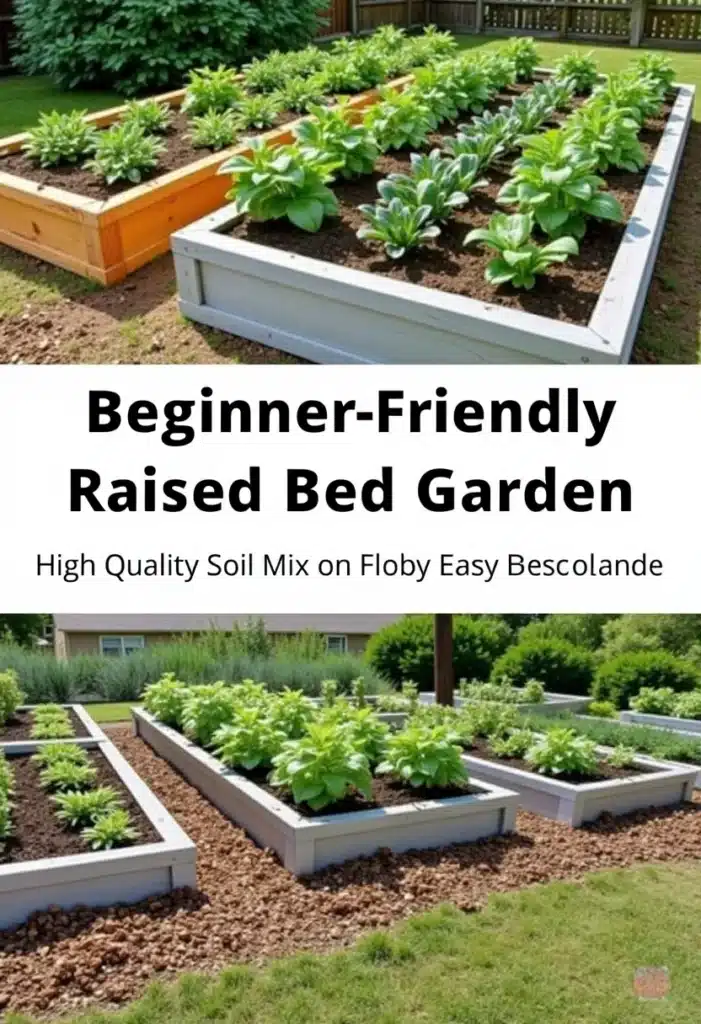
Raised bed gardening offers numerous advantages, particularly for beginners. It allows for better control over soil quality and drainage, making it easier to create the ideal environment for plant growth. When choosing materials, consider wood and metal options. Wood is versatile and aesthetic, while metal can be durable and add a modern touch to your garden layout.
Positioning your raised beds properly is key. Ensure they receive ample sunlight throughout the day. Consider arranging the beds in north-south orientation to maximize light exposure. This design strategy encourages even plant growth, minimizing shadows that can hinder some plants’ development.
- Start with a simple design that fits your space.
- Use quality soil mix to enhance growth.
- Mulch around plants to retain moisture.
- Leave space between beds for easy access.
Vertical Vegetable Gardens
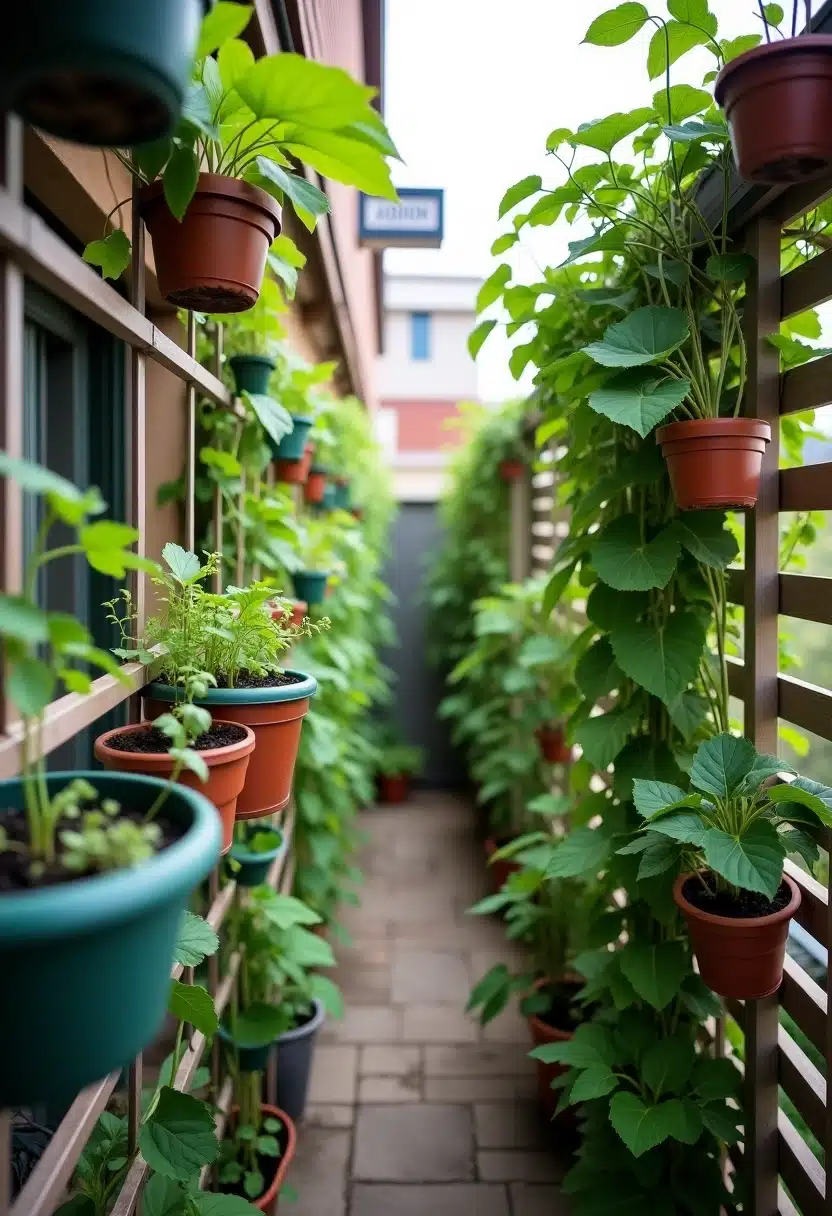
Maximize your gardening space with vertical vegetable gardens, perfect for those keen on growing their own produce in limited spaces. Utilizing vertical structures not only saves space but adds aesthetic appeal to your garden. Think about integrating trellises and wall-mounted planters, ideal for climbing plants like beans and cucumbers, offering a lush green backdrop while producing a bountiful harvest.
Consider using hanging pots for growing herbs and small vegetables. They’re great for balconies or patios, bringing greenery to urban environments without taking up ground space. Vertical gardening not only conserves room but also improves air circulation around plants, reducing the risk of disease. These setups can transform any corner into a vibrant, productive area.
When planning your vertical garden, choose sturdy materials and structures that can withstand plant weight and weather conditions. Opt for adjustable systems that allow you to rearrange or expand your garden as needed. This flexibility boosts productivity by making it easy to rotate crops or adjust plant positions for optimal sunlight and growth.
Companion Planting Techniques

Companion planting is a fantastic way to boost the productivity of your vegetable garden. By pairing certain plants together, you can naturally deter pests and enhance flavors. For example, plant basil near tomatoes; it not only improves the tomato’s taste but also repels insects. Consider marigolds alongside cabbages to ward off pests.
Certain plant combinations can also improve soil health. Legumes, such as peas and beans, fix nitrogen in the soil, benefiting nearby leafy greens like lettuce. Planting garlic near carrots can enhance flavor and keep pests away. Use a variety of these combinations to maintain a healthy and productive garden environment.
- Basil and Tomatoes: Enhances flavor and repels insects
- Marigolds and Cabbages: Natural pest deterrent
- Legumes and Leafy Greens: Improve soil nitrogen levels
- Garlic and Carrots: Boosts flavor and deters pests
Herb Spiral Design

An herb spiral is an innovative garden design that maximizes space while offering efficient plant management. This structure allows you to grow herbs with different sunlight and moisture needs closely packed. The spiral’s height gradient ensures that the top gets more sun and drains faster, accommodating Mediterranean herbs like rosemary. Meanwhile, the bottom contains more moisture, perfect for basil or mint.
The benefits of an herb spiral extend beyond space-saving. It also promotes water conservation, as rainwater naturally flows downward, keeping lower layers hydrated longer. This design mimics natural ecosystems, creating diverse microclimates for your plants. By incorporating an herb spiral, you can enjoy fresh herbs right in your backyard, with minimal effort and maximum yield.
Container Gardening for Vegetables
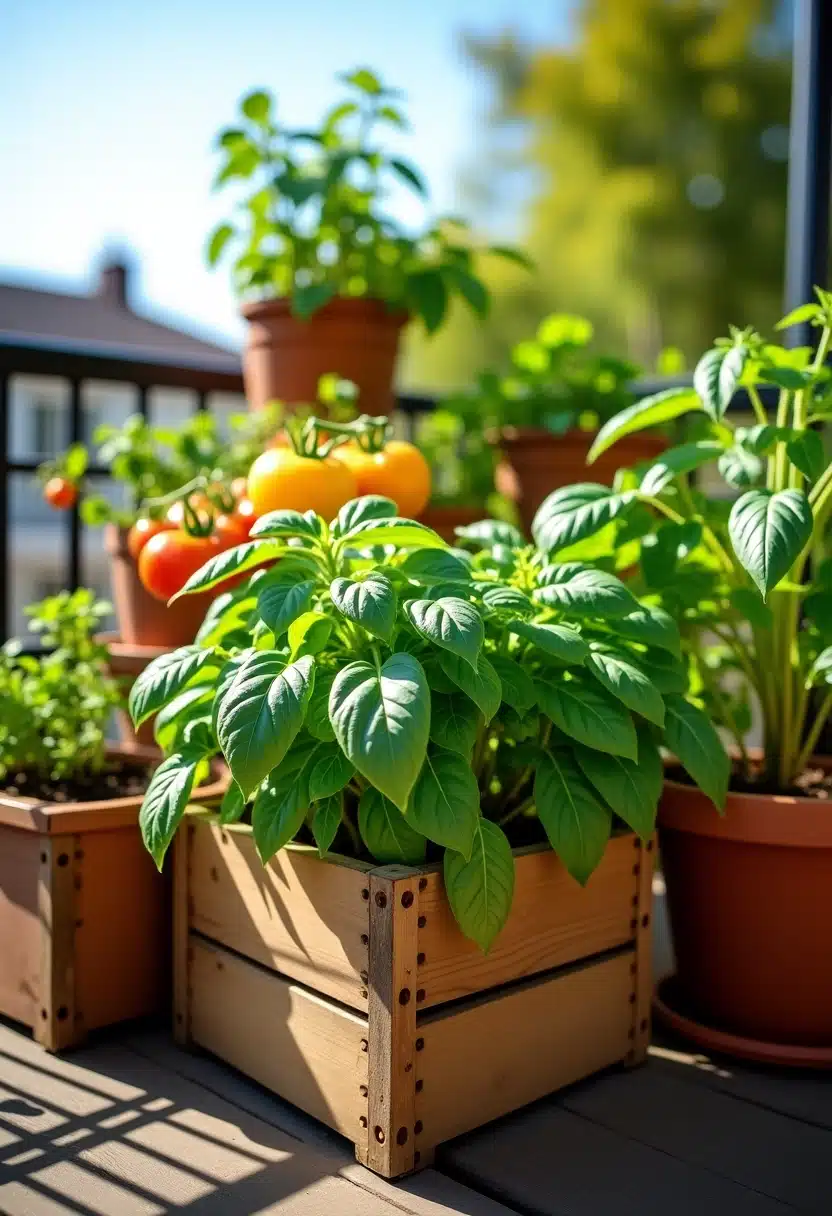
Dive into container gardening, a fantastic solution for those with limited space but a passion for fresh veggies. Choose containers wisely based on the vegetable type. For instance, tomatoes thrive in large pots, while herbs like basil do well in smaller ones. Ensure containers have drainage holes to prevent waterlogging. This setup is perfect for balconies and small patios, maximizing your available area.
Creating the right soil mix is crucial for container gardening success. Use a blend of potting soil, peat moss, and compost. This mix offers the nutrients and drainage necessary for healthy plant growth. When watering, aim for even moisture, avoiding both dryness and water excess. Containers can dry out faster than garden beds, so check soil moisture levels regularly.
Explore different container types to suit your outdoor style. From ceramic pots to wooden crates, options are abundant. Consider height and placement to maximize sun exposure, particularly for sun-loving veggies like peppers. By experimenting with different setups, you can enjoy a thriving vegetable garden, even in the smallest spaces. Container gardening offers flexibility, allowing you to rearrange based on growth and seasonal changes.
Square Foot Gardening
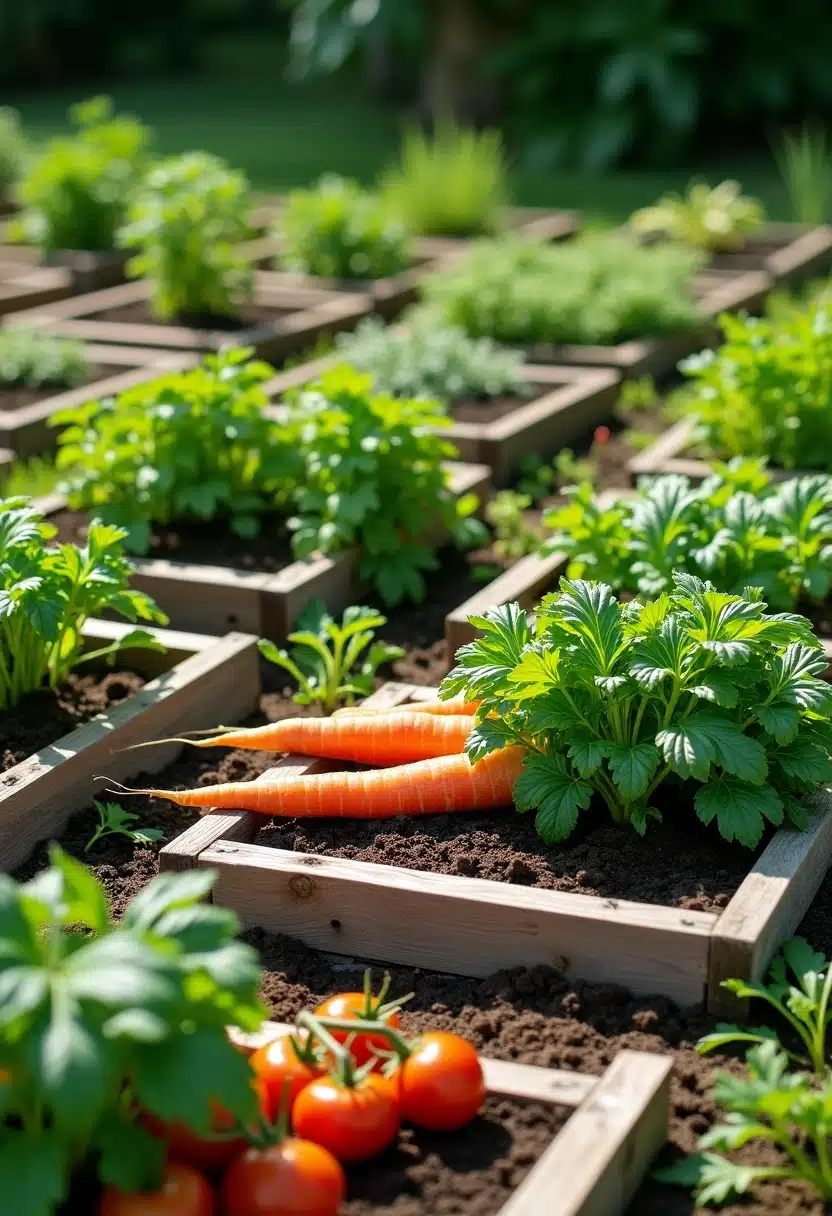
Square foot gardening is a transformative method that maximizes space efficiency and resource use in your vegetable garden. This approach divides your garden into small, manageable sections, allowing personalized plant selection for each square. Choose plants based on their growth habits and spacing requirements. For instance, plant carrots or radishes in dense clusters, while larger plants like tomatoes need more room.
Planning a square foot garden involves organizing your space for optimal growth. Start by constructing a grid with wooden frames and fill them with quality soil. Rotate crops within squares to maintain soil fertility and reduce pest issues. Ensure proper sunlight and water reach all areas, using strategic companion planting for pest control and health.
To optimize your square foot garden, select diverse plants considering seasons and climate. Focus on crops with staggered harvesting times to ensure a constant supply of fresh produce. Use a simple chart to rotate plants and make the most of your garden space throughout the year. Aim for a vibrant, productive garden that caters to your culinary preferences.
Edible Landscaping Ideas

Transforming your garden into an edible landscape integrates beauty with utility. Vegetables like chard with its vibrant stems or kale with rich green hues make stunning backdrops. Use these varieties as borders or accents in your existing garden beds. Combine them with ornamental plants to create a visually appealing tapestry that delights both the eyes and the taste buds.
Selecting aesthetic vegetable varieties enhances your outdoor decor. Try rainbow carrots or purple peppers as focal points. These not only offer a pop of color but also spark conversation. Group vegetables in sections similar to flower arrangements. This approach ensures each plant complements the next, creating a harmonious garden vista.
An edible landscape invites creativity. Use vegetables as climbing accents on trellises or arbors. Hanging baskets with trailing herbs or cherry tomatoes add dimension. Encouraging vegetables to intermingle with traditional ornamentals brings a joyful, unexpected twist to your outdoor space. This method provides fresh produce while maintaining an attractive garden sanctuary.
Pollinator-Friendly Garden Design
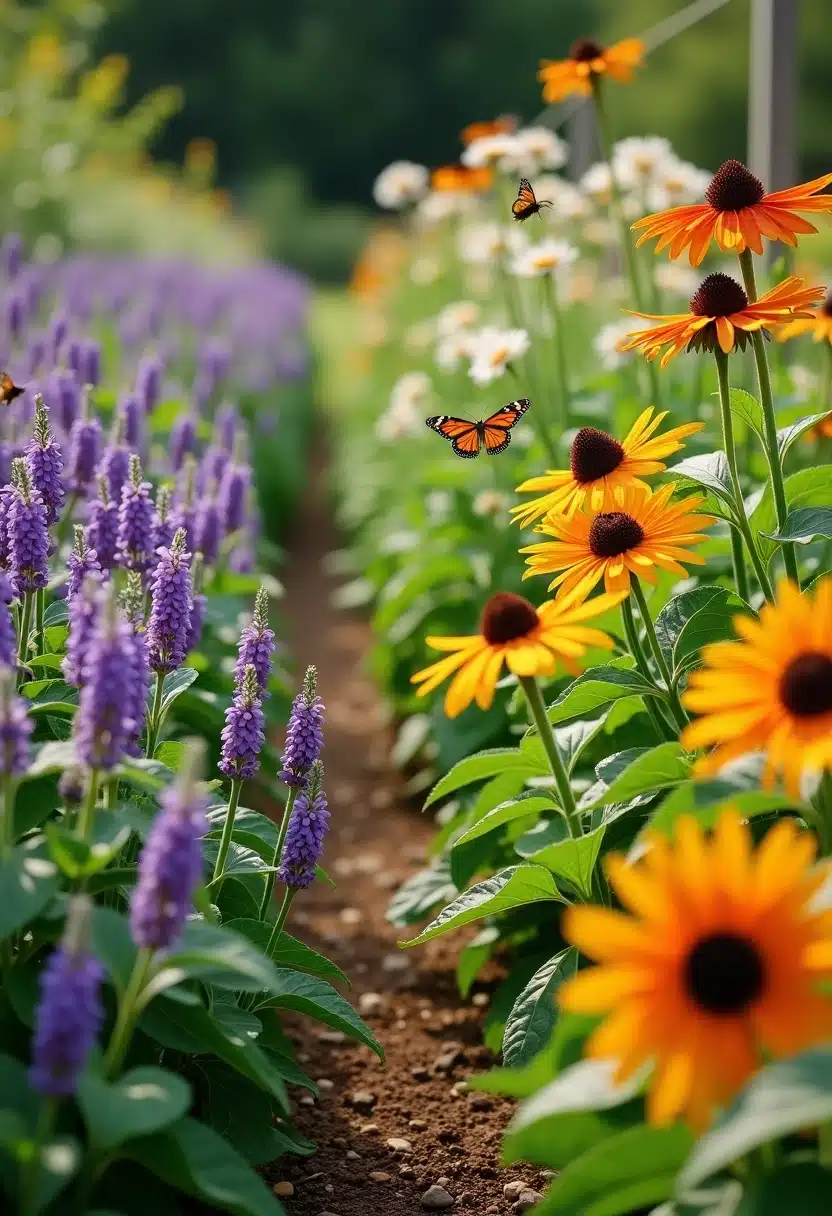
Enhance your vegetable garden’s productivity by creating a pollinator-friendly design. Pollinators like bees and butterflies play a vital role in fertilizing your plants, which can significantly boost your vegetable harvest. Choose plants that attract these critters, such as lavender, coneflowers, and sunflowers. These make your garden not only productive but also visually stunning with a touch of natural charm.
Incorporating a variety of plants facilitates biodiversity in your garden, benefiting both your crops and the local ecosystem. Diverse plantings provide habitats and food sources for pollinators, encouraging their presence. This harmonious blend of vegetables and pollinator-friendly flora creates a thriving environment, nurturing both your plants and the creatures that help them grow.
By cultivating a garden that welcomes pollinators, you’re not just supporting your vegetables; you’re also contributing to the well-being of the environment. Pollinators are crucial for healthy ecosystems, and their presence in your garden signifies a flourishing, balanced environment that enhances both beauty and productivity. Your vegetable garden becomes a dynamic part of a larger natural network.
DIY Raised Bed Construction
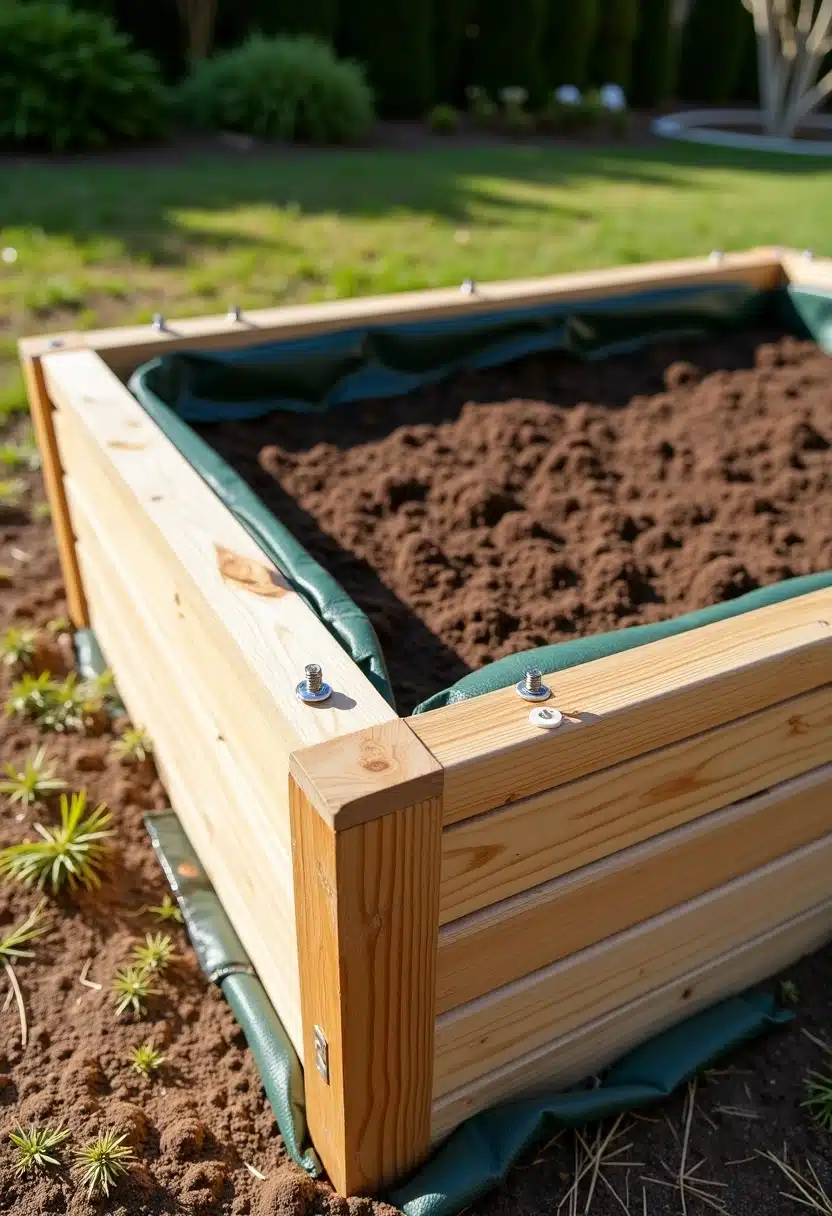
Building your own raised bed can transform your gardening experience, offering both practical and aesthetic benefits. To start, gather these materials: untreated wood (such as cedar or redwood for durability), landscape fabric, soil mix, and screws. For tools, you’ll need a saw, a drill, a tape measure, and a level. With these essentials, you’re ready to construct a sturdy base for your plants.
Begin by measuring and cutting the wood to your desired dimensions. Assemble the frame by attaching the corner pieces securely with screws. Line the bottom with landscape fabric to prevent weeds and ensure proper drainage—vital for healthy plant growth. Lastly, fill the raised bed with a nutrient-rich soil mix, giving your plants the best start.
Consider these tips to enhance your project: position your raised bed in a sunny spot, ideally near a water source for convenience. For longevity, treating the wood with a non-toxic sealant can help protect against the elements. With attention to detail and a little effort, your raised bed will be a functional and attractive feature in your garden.
Incorporating Perennials into Vegetable Gardens
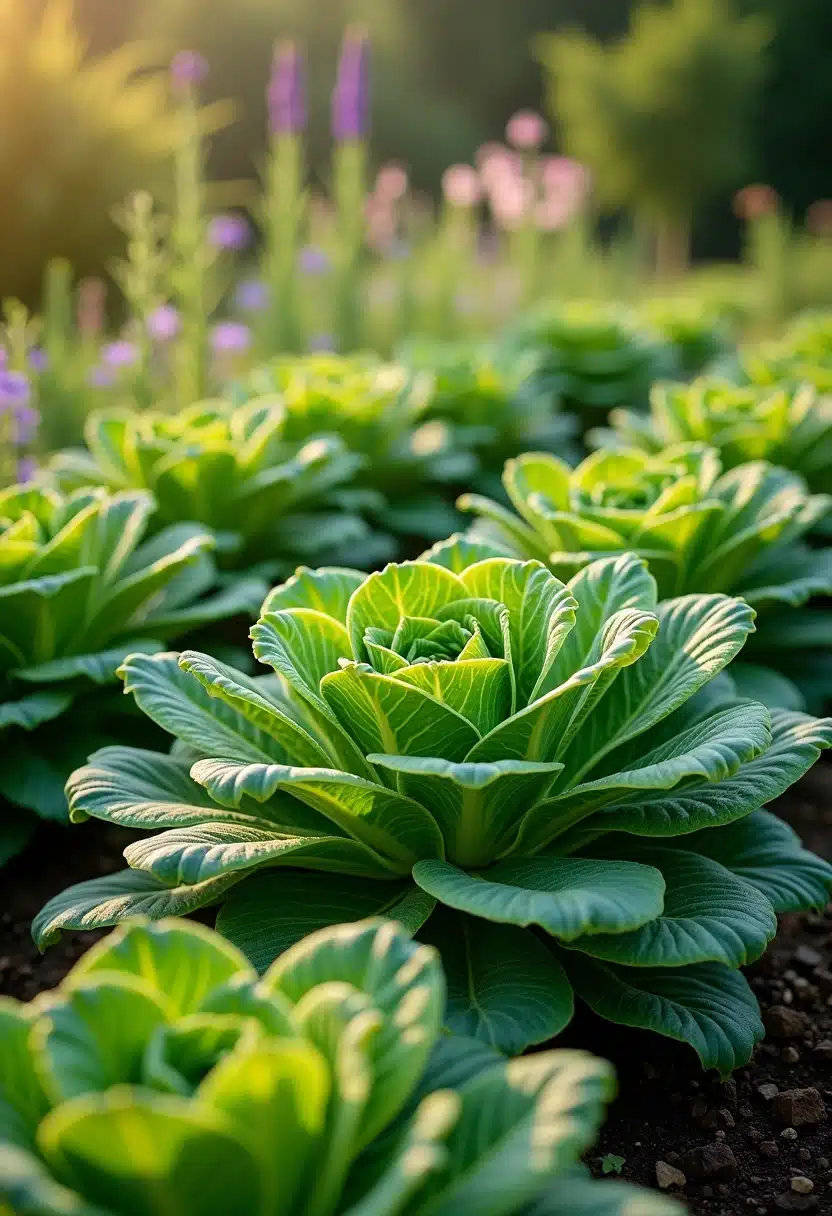
Perennial vegetables can be a game-changer for your garden. They come back every year, reducing the need for replanting, and bring a sense of permanence to your garden landscape. Integrating these long-lived plants can not only cut down on maintenance but also foster a sustainable ecosystem in your yard. You’ll enjoy a harvest that renews itself, saving time and effort while contributing to a healthier garden environment.
To begin your perennial vegetable journey, consider adding asparagus, rhubarb, and Jerusalem artichokes. These steadfast growers adapt well to various climates and are known for their minimal upkeep. Plant them alongside your annuals to create a garden that’s both beautiful and productive. With the right placement, these perennials can work harmoniously with your current crop layout, ensuring that all plants thrive.
Organizing your plants strategically aids in mutual growth enhancement. When mixed with traditional annuals, perennials like sorrel or sea kale can help improve soil health. They offer ground coverage, reduce weed growth, and offer natural pest resistance. With deliberate planning, your vegetable garden will flourish year after year with less need for external inputs. This approach aligns well with plans to maximize sunlight effectively while maintaining a holistic garden strategy.
Maximizing Sunlight in Your Garden
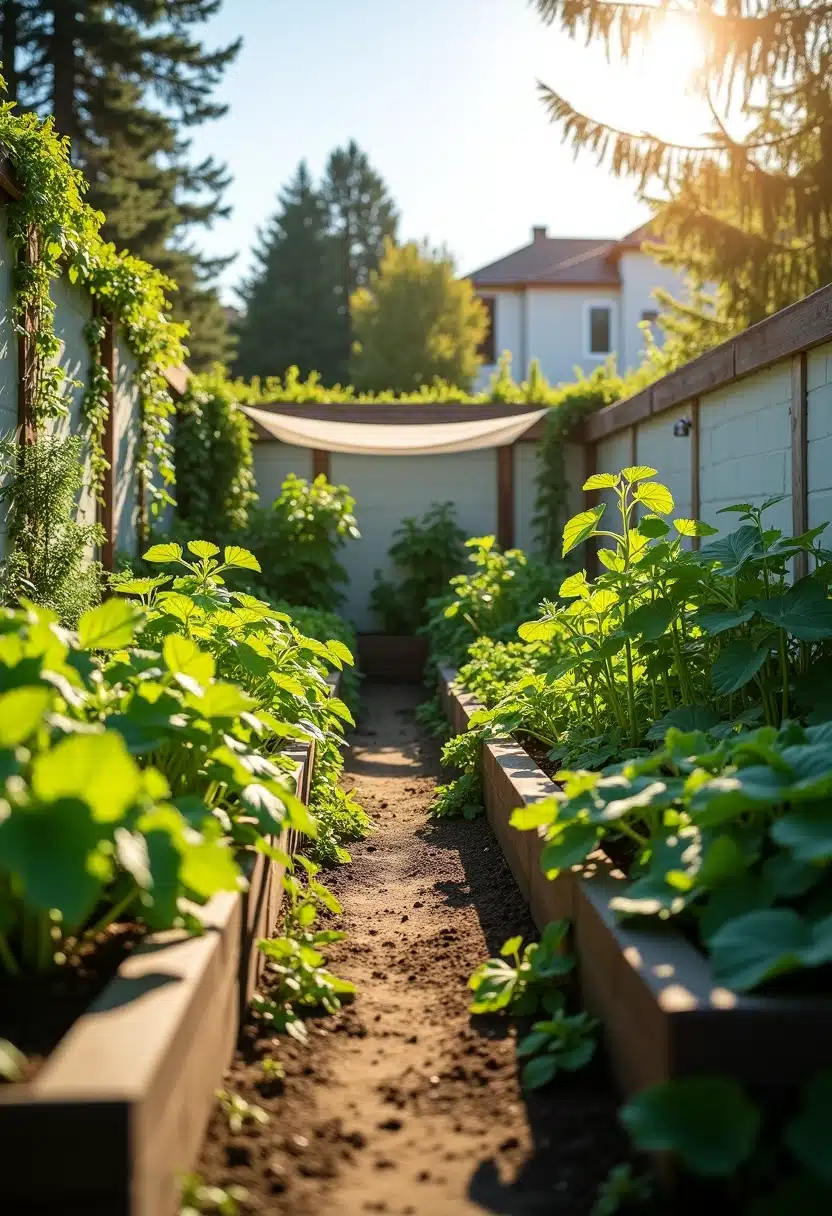
Positioning your garden to maximize sunlight is key for healthy growth. Choose a location with at least six hours of direct sunlight daily. Avoid placing tall trees or structures nearby that could cast unwanted shadows. Consider the sun’s path, positioning taller plants on the north or east side to prevent them from shading smaller ones.
When designing your layout, think about the space each plant needs. Ensure that spacing allows light to penetrate the lower foliage. Use raised beds or terraces in sloped areas to help direct sunlight evenly. Pay attention to seasonal changes; early spring and late summer sunlight can be quite different, affecting where you plant.
To manage shade effectively, use reflective surfaces like white walls or fences to bounce light. Use shade cloths selectively for delicate plants needing some protection during peak sun hours. Understanding your garden’s unique light patterns and adjusting your layout accordingly will boost productivity and create a thriving vegetable garden.
Seasonal Vegetable Garden Planning

Planning a vegetable garden according to the seasons can amplify your harvests and optimize your gardening efforts. Start by organizing your planting schedule based on regional climate patterns. For instance, hardy crops like kale and broccoli can kick off early spring plantings, while warm-season vegetables such as tomatoes thrive in summer. Use tools like a garden planner or calendar to track planting times and harvest dates for optimal results.
Incorporating crop rotation into your garden plan is crucial for maintaining healthy soil and preventing diseases. By changing the location of your crops each season, you disrupt pest cycles and ensure soil nutrients are replenished. For example, follow leafy greens with legumes, as they help fix nitrogen back into the soil, preparing it for nutrient-demanding crops like corn.
Extending your growing season can be achieved through the use of cold frames or greenhouses. These structures provide a controlled environment, shielding plants from harsh weather and allowing you to start seeds earlier in spring or continue growing late into fall. They are perfect for maintaining a steady supply of fresh produce, even when outdoor conditions aren’t ideal.
Urban Vegetable Gardening Tips

Navigating vegetable gardening in urban settings comes with unique challenges, like limited space and soil quality. Rooftop gardens offer a great solution, allowing you to use spaces that would otherwise go unused. Ensure your rooftop is structurally sound and use lightweight containers to prevent overloading. Raised beds can also be an ideal option, offering control over soil quality and drainage.
To maximize limited space, consider implementing vertical gardening techniques. Items like trellises, stacked planters, and wall-mounted systems can help enhance vertical growth, making the most out of small spaces. For those without rooftop access, community plots provide a fantastic avenue to cultivate vegetables alongside your neighbors.
If space constraints are still pressing, container gardening is immensely flexible. Choose pots that fit comfortably on balconies or windowsills and select versatile vegetables. Remember to opt for lightweight, well-draining soil mixes tailored for containers to ensure healthy plant growth.
Water-Saving Techniques for Gardens
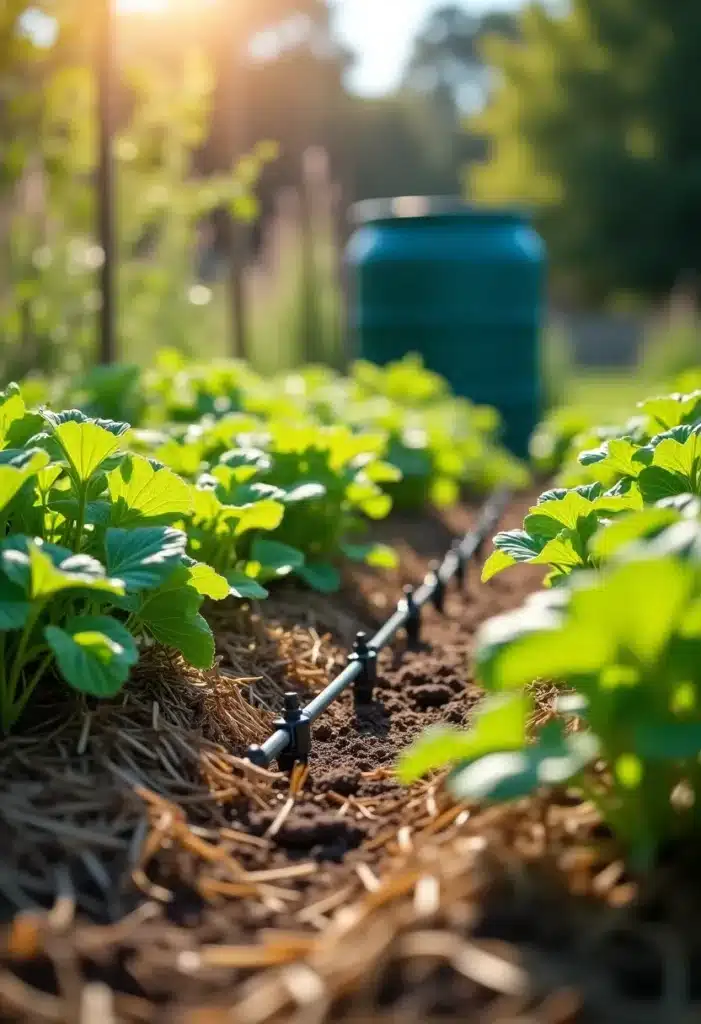
Conserving water in your vegetable garden isn’t just about sustainability; it’s about smart gardening. One technique is installing a drip irrigation system. This method delivers water directly to the plant roots, minimizing evaporation and ensuring efficient water use. It’s especially beneficial in drought-prone regions where every drop counts.
Mulching is another effective technique that reduces water evaporation. By covering soil with organic materials like straw or wood chips, you retain moisture and suppress weeds. This not only keeps plants hydrated but also improves soil health over time. Plus, mulching offers insulation, shielding roots from extreme temperature changes.
Rainwater harvesting can greatly enhance your water-saving efforts. Collect rainwater in barrels for future use in your garden. This practice not only cuts down on water bills but also provides your plants with natural, chlorine-free hydration. Consider integrating rainwater collection systems to make the most of natural resources.
Garden Pathways and Accessibility
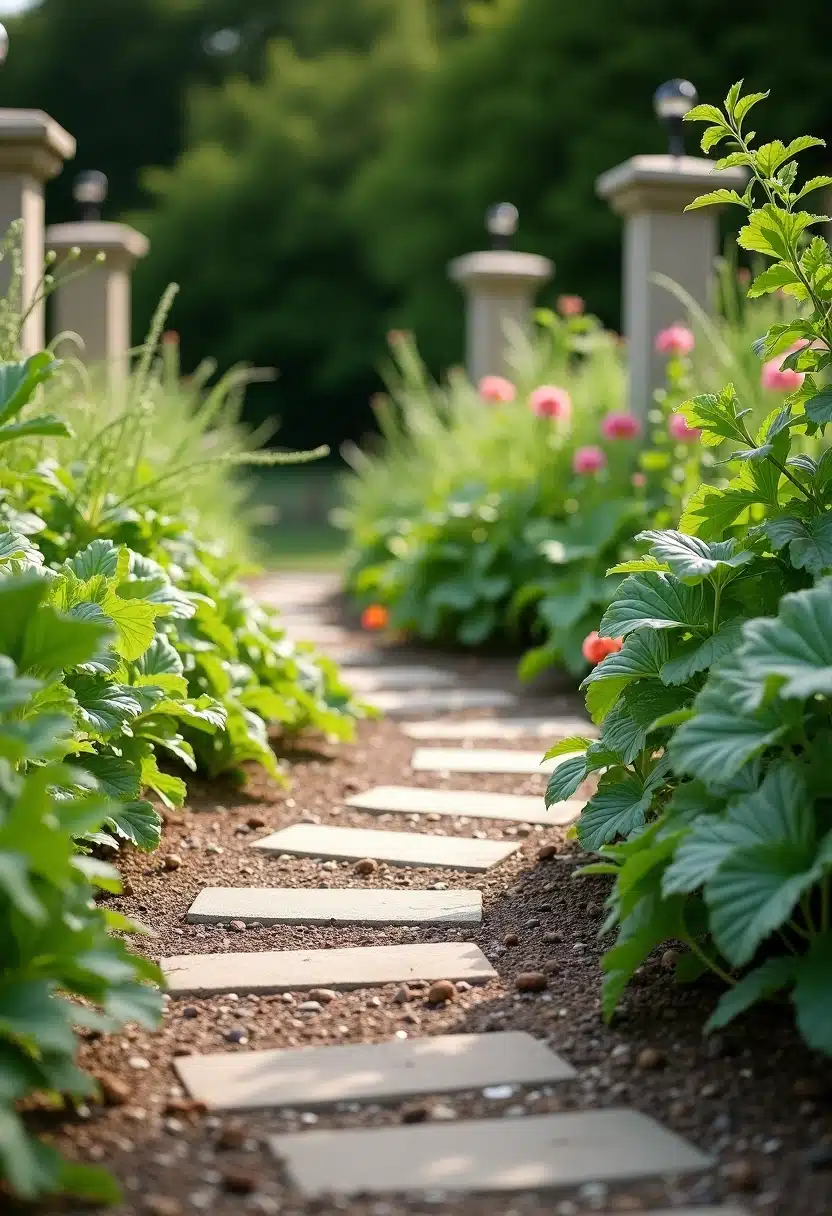
Creating a functional and visually appealing garden pathway is both practical and rewarding. Consider using natural materials like mulch, gravel, or stone to craft your path. They not only blend seamlessly with the outdoor environment but also allow for proper drainage. For a more finished look, you could opt for brick or pavers, which provide a sturdy surface and elegant finish.
Layout is key when designing pathways for accessibility. Ensure they are wide enough to comfortably walk through, usually around 3 feet. This allows for easy access to your plants, making maintenance a breeze. Curved paths add a touch of elegance and can be used to separate different sections of your vegetable garden, creating a more defined and organized space.
For added convenience, you might include labels or garden markers along the pathways. These serve as gentle reminders of what you’ve planted where, which is particularly handy in larger gardens. Incorporating these thoughtful elements not only makes plant care more efficient but also enhances your garden’s overall beauty and charm.
Integrating Fruit Bushes with Vegetables
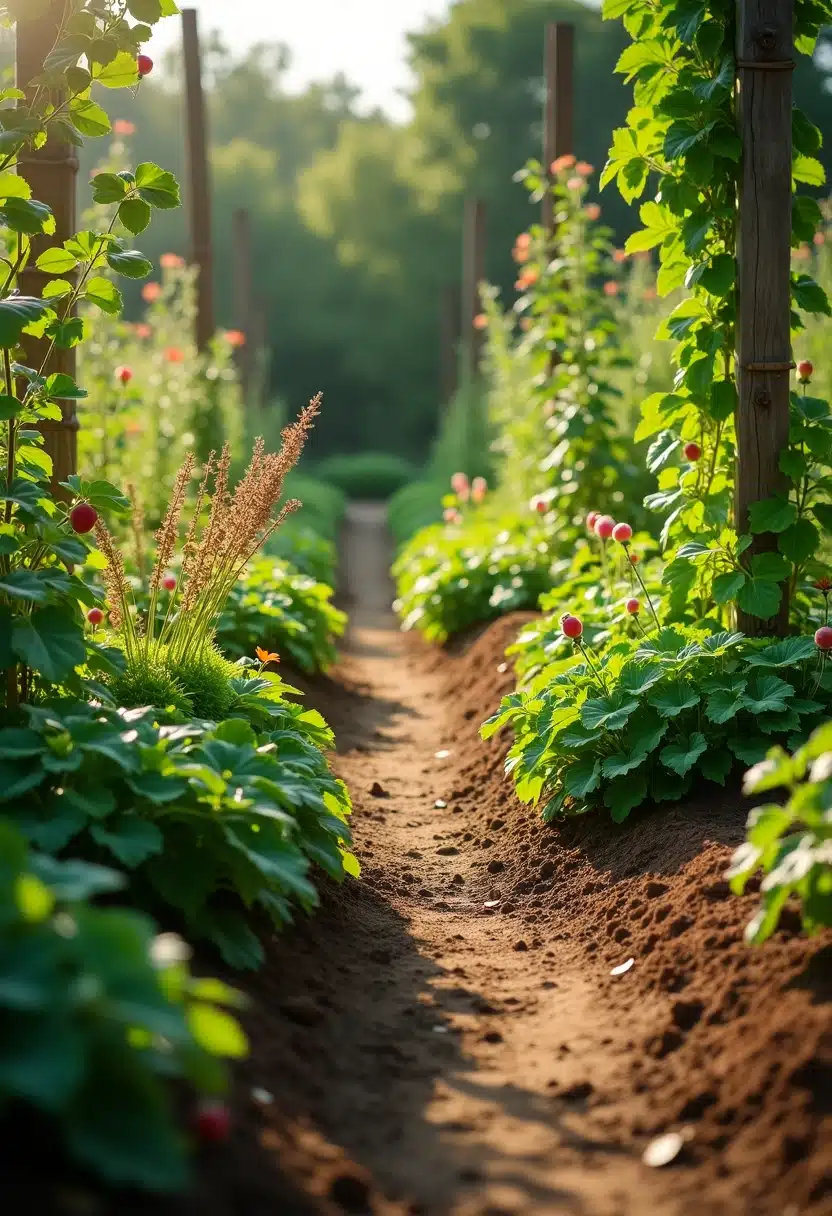
Integrating fruit bushes with vegetables creates an enriched and bountiful garden. Certain fruit bushes, like blueberries, raspberries, and currants, thrive alongside vegetables. They share similar soil and sunlight requirements, enhancing the garden’s productivity. Besides adding visual appeal, these bushes can naturally protect vegetables from harsh winds, collaborating with pathways for easy access and efficient maintenance.
The benefits multiply as fruit bushes offer more harvests over the months. They extend the fresh produce season beyond vegetables alone. Many fruit bushes bloom at different times, providing a continuous supply of fresh fruit. This strategy not only maximizes garden space but also diversifies your food options, enhancing your kitchen’s repertoire.
For optimal integration, consider the growth height and spread of each bush to ensure they don’t overshadow vegetable crops. Use a mix of bush varieties to create a dynamic and visually appealing layout. Well-placed bushes can aid in natural pest control, drawing beneficial insects and acting as physical barriers.
Pest Control Strategies in Vegetable Gardens

Pest control in your vegetable garden doesn’t require harsh chemicals. Consider companion planting as a natural way to manage pests. Certain plants, like marigolds and basil, emit scents that repel unwanted bugs. Planting them next to vegetables can act as a natural deterrent. Additionally, integrate herbs such as mint or rosemary to ward off pests while enhancing your garden’s aesthetics and utility.
Invite natural predators to your garden to maintain a healthy balance. Creating habitats for beneficial insects such as ladybugs and praying mantises can naturally curb pest populations. Birds can also help with pest control. Consider installing birdhouses or birdbaths to attract them. By fostering an environment where nature’s helpers thrive, you can protect your veggies sustainably.
Organic treatments offer effective and eco-friendly solutions. Solutions like neem oil or insecticidal soaps target pests without harming your plants. Apply these treatments carefully to affected areas. Additionally, using diatomaceous earth around your plants can deter crawling insects. These methods keep your garden thriving and help sustain a diverse ecosystem that nourishes your plants and your senses.
Creating a Sensory Vegetable Garden

Designing a sensory vegetable garden is a fantastic way to engage all five senses in your gardening experience. Start by selecting plants with vibrant colors, like rainbow chard and purple carrots, which visually stimulate with their hues. Incorporate interesting textures by planting curly kale and feathery dill, adding a tactile dimension. These elements not only create a lively garden atmosphere but also enhance the joy of gardening.
Introduce fragrant aromas into your garden with herbs like basil, rosemary, and mint. Their scents will elevate your garden space, providing a refreshing and inviting environment. Don’t forget to include plants with delicious flavors such as strawberries and tomatoes. These will reward you with delightful tastes, making your garden not just a feast for the eyes, but for the palate as well.
To complete your sensory garden, consider plants that produce soft sounds like ornamental grasses that rustle in the breeze. The gentle whisper of their blades can add a calming auditory experience. Together, these sensory elements transform your vegetable garden into a multi-sensory oasis that delights and inspires every gardener.
Integrating Art and Sculptures into the Garden
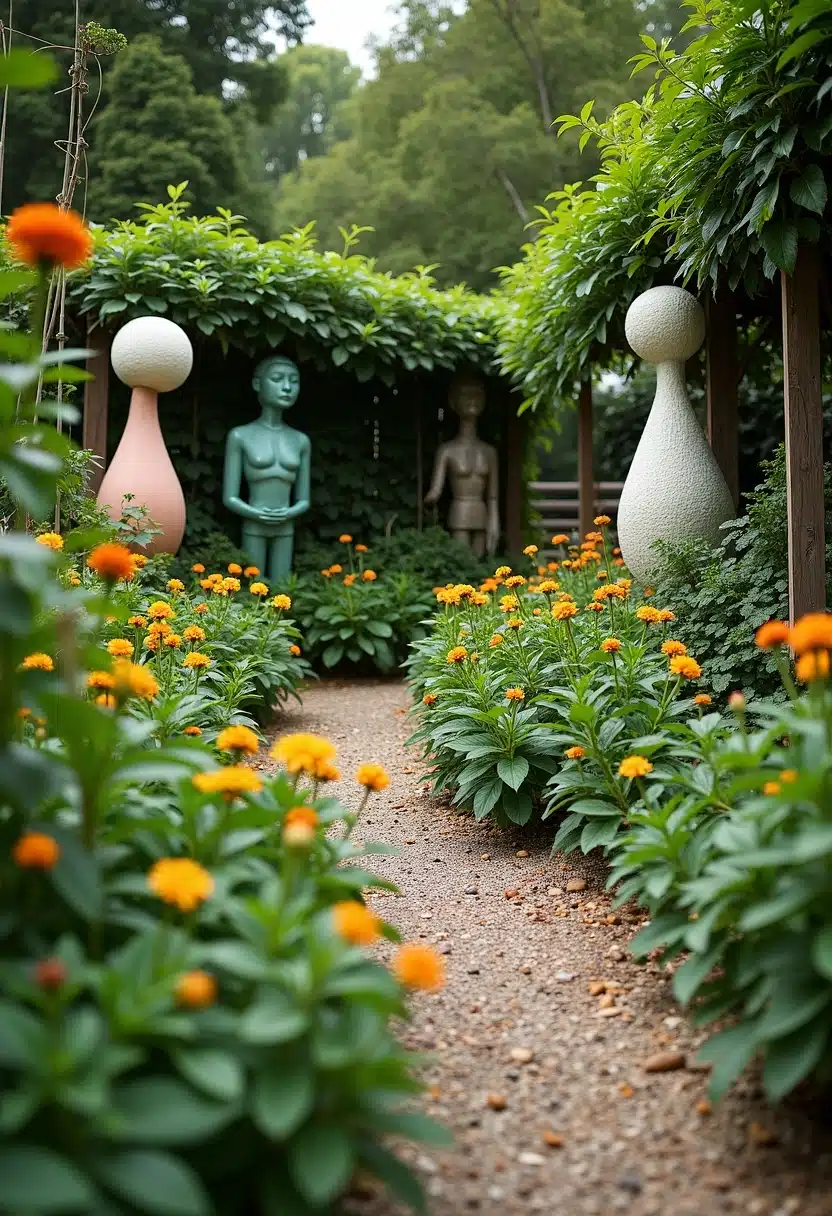
Infuse creativity into your vegetable garden by incorporating art and sculptures. These elements not only enhance visual appeal but also create unique focal points. Consider using weather-resistant materials or repurposing items to fit your garden’s aesthetic. Sculptures can reflect personal taste, transforming functional spaces into artistic expressions.
Think about scale and color when integrating art into your garden. Large pieces can anchor a space, while smaller items add whimsy. Art’s playfulness can complement the natural landscape, making your garden an inspiring retreat. Opt for pieces that weather gracefully, adding character over time.
To further harmonize art with your garden, consider the surrounding plants. Use sculptures to highlight key features or guide the eye towards specific areas. Art and nature coalesce beautifully, cultivating an environment that sparks joy and imagination. Engage creativity and watch as your garden evolves into a dynamic art space.
DIY Irrigation Systems
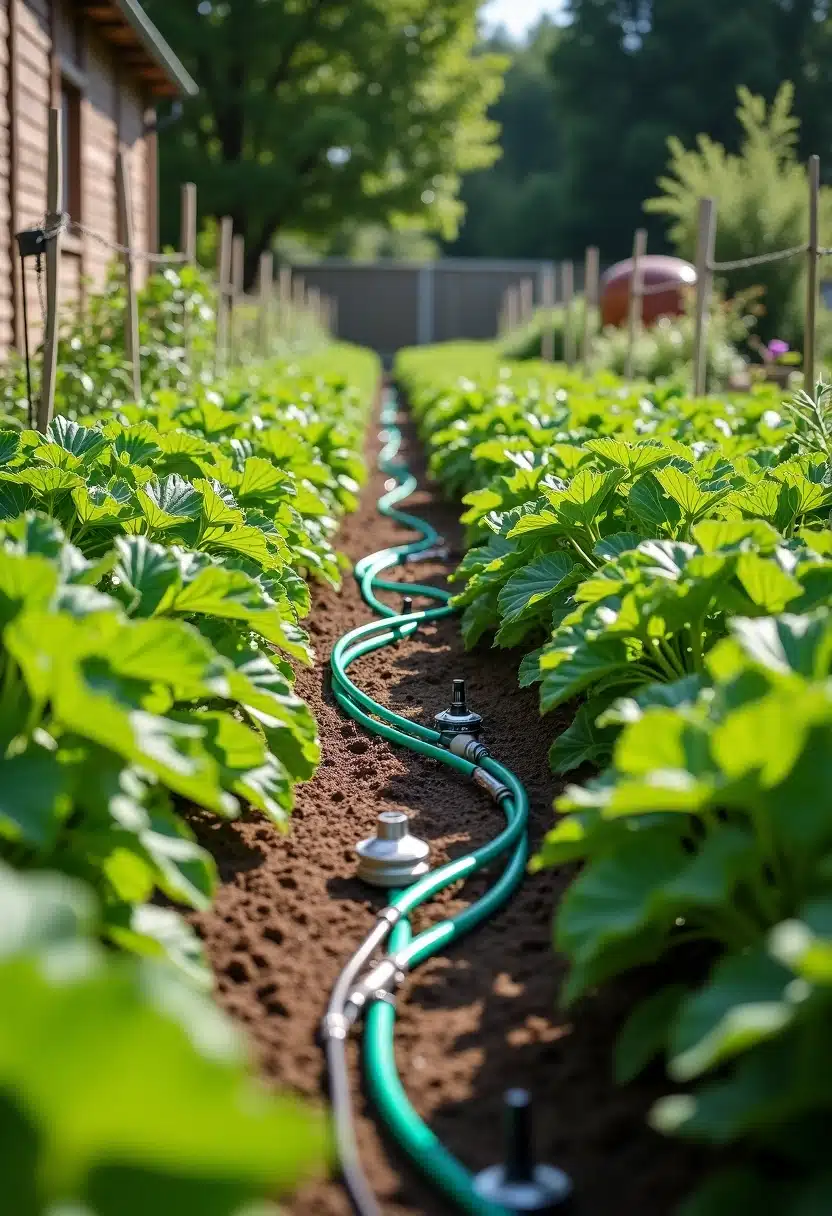
Creating your own DIY irrigation system can be a game-changer for maintaining a lush vegetable garden. Efficient watering ensures your plants get the moisture they need without wasting water. Simple solutions like soaker hoses are easy to set up and can be customized to fit the layout and size of your garden. They deliver water directly to the soil, preventing evaporation.
Another practical option is a gravity-fed system, which uses elevation to move water. It’s perfect for those on a budget. With a few simple materials, you can construct a system that channels water from a rain barrel to your garden beds. This method is both eco-friendly and efficient, relying on natural rainwater collection.
To decide what’s best for your garden, consider your garden’s size and specific hydration needs. Whether you choose soaker hoses or gravity-fed systems, these DIY options help maintain a thriving garden while minimizing effort and conserving resources.
Organic Mulching Techniques
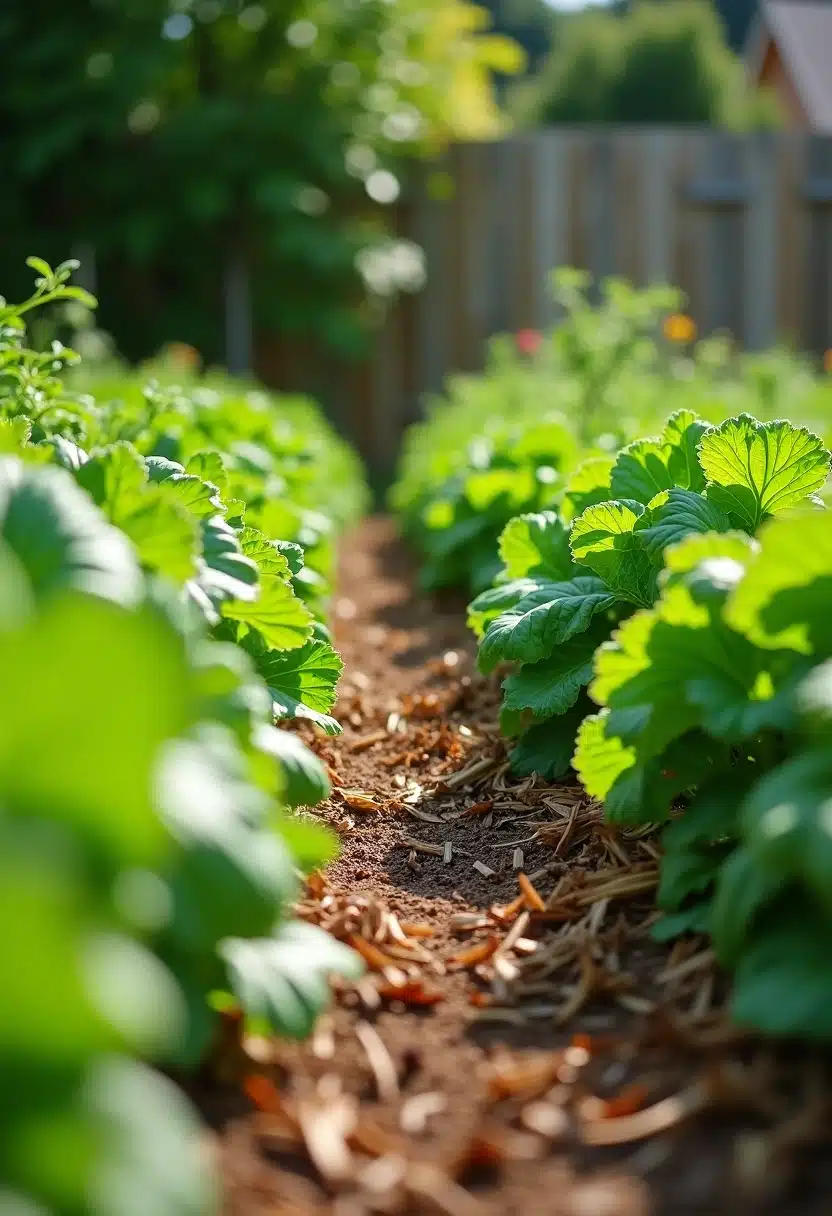
Using organic mulch in your vegetable garden offers numerous benefits. It acts as a natural barrier, helping to conserve moisture by reducing water evaporation from the soil. This not only ensures your plants remain hydrated but also minimizes the frequency of watering. Additionally, organic mulch suppresses weed growth, reducing competition for nutrients and making maintenance more manageable.
There are various types of organic mulches, each with unique advantages. Straw, grass clippings, and shredded leaves are popular choices for vegetable gardens. To apply, layer the mulch evenly around your plants, keeping it a few inches away from the stems to prevent rot. This application method helps in moderating soil temperature and further enhances moisture retention.
Over time, organic mulches break down and improve soil health. They enrich the soil with nutrients, promoting a healthier and more fertile environment for your vegetables. This natural decomposition also improves soil structure, leading to better root development and overall plant growth. Incorporating organic mulch into your garden routine is a simple way to nurture a thriving vegetable patch.
Combining Flowers and Vegetables

Adding flowers to your vegetable garden can offer more than just aesthetic appeal. Flowers invite beneficial insects like bees and ladybugs, which play crucial roles in pollination and pest control. This natural partnership can lead to a healthier garden with increased vegetable yields. Strategic flower placement brings about a balance in the ecosystem, harmonizing your garden space beautifully.
Moreover, certain flowers act as a natural deterrent to pests that harm vegetables. Marigolds and nasturtiums, for instance, are well-known for repelling harmful insects, reducing the need for chemical pesticides. By planting these floral companions, you can help protect your garden while supporting its ecological balance. The vibrant colors also enhance the overall garden ambiance.
Integrating flowers introduces an artistic element to your vegetable plot. The combination of diverse blooms with lush greens creates a visually striking contrast. This garden design approach not only makes your outdoor space attractive but also enriches your gardening experience. The flowing blend of vegetables with colorful flowers enhances the joy and satisfaction of spending time in your garden sanctuary.
Garden Structures for Climbing Vegetables
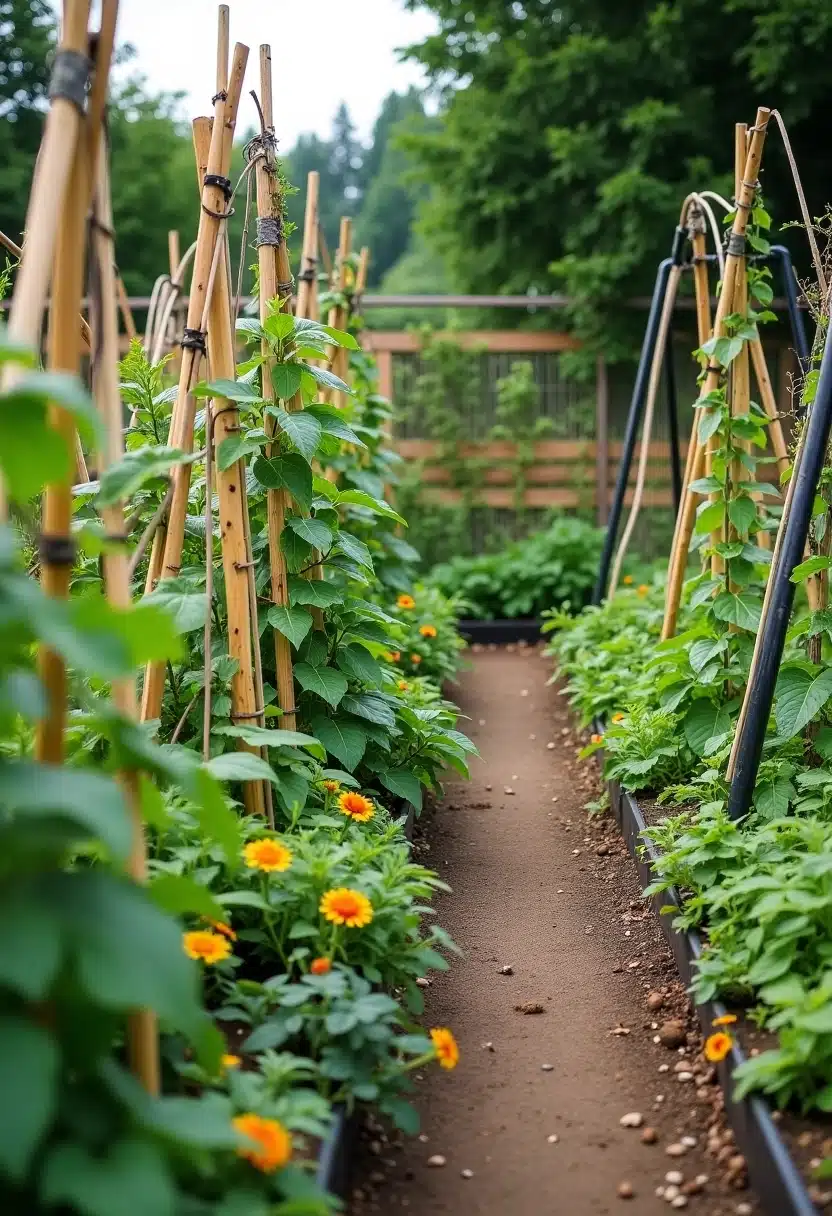
Garden structures like trellises and arbors can transform your vegetable garden by supporting climbing plants such as beans and peas. Using these vertical aids is a smart way to maximize space, especially if your garden is compact. Aim for materials like cedar or bamboo that withstand weather well and add aesthetic charm. Ensure the design allows easy access for harvesting.
Consider creating a DIY bean teepee. This simple structure uses long sticks tied together at the top, providing plenty of vertical space for the vines to climb while creating a cozy hiding spot underneath. Opt for natural materials and sturdy connections to ensure longevity and stability amidst growing veggies.
For a more structured look, think of metal or wooden A-frame trellises. These can be positioned along paths or beds, guiding plants upwards. When designing, keep in mind the height your plants can reach. Adequate space between the slats or wires is crucial for air circulation and convenient picking of the produce.
Creating a Vegetable Garden for Kids
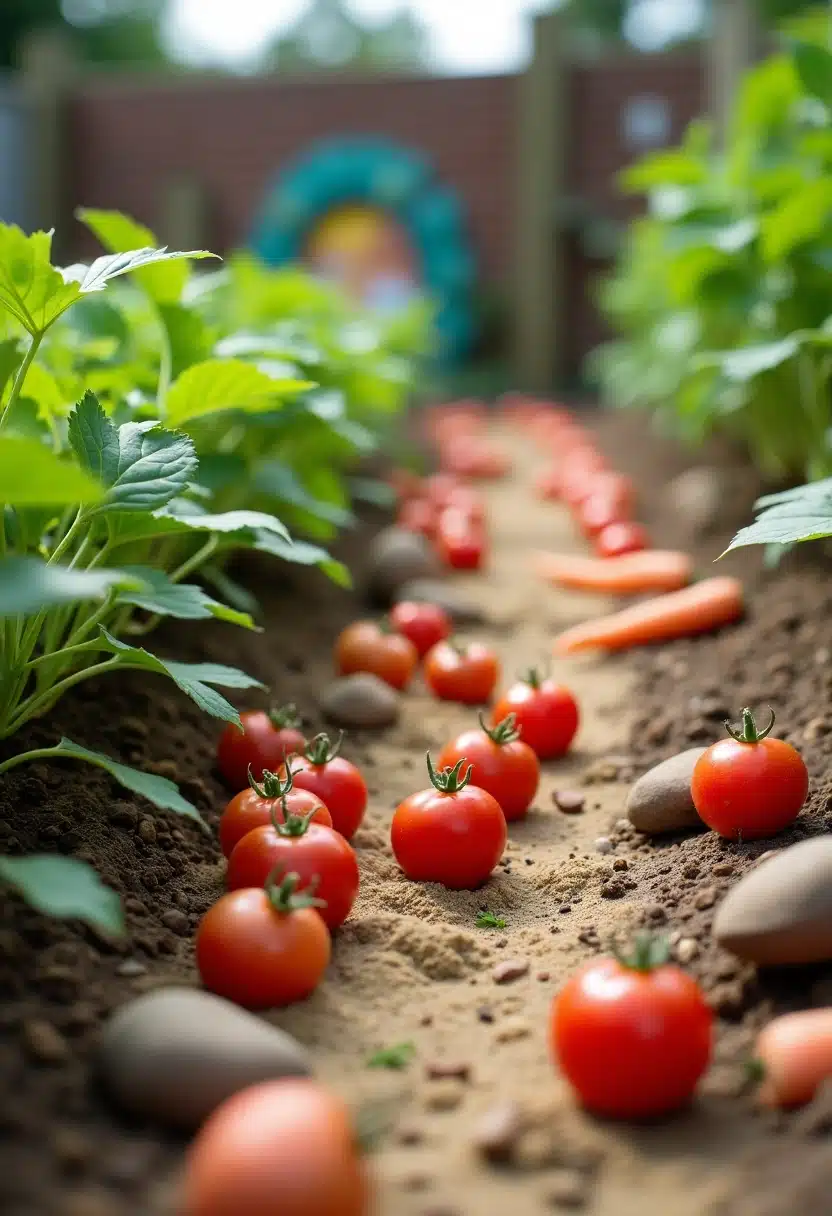
Engaging children in vegetable gardening can be a rewarding experience for both them and you. Start by selecting plants that are easy for kids to grow and care for, such as cherry tomatoes, radishes, and carrots. These quick-growing plants offer almost instant gratification, keeping young gardeners enthusiastic and interested in the process.
Add interactive elements to the garden to spark creativity and learning. Consider including a sensory path that kids can walk through, with different textures like stones or sand. Incorporate child-sized gardening tools to let them actively participate. You can also create a themed section of the garden that resembles their favorite storybook or movie scene, making the garden a place of play and learning.
The educational opportunities in a kids’ vegetable garden are endless. Use this space to teach lessons in biology by showing them how seeds germinate and grow. Discuss the importance of pollinators and invite them to explore the ecosystem within their garden. Encourage them to keep a gardening journal, documenting their observations and experiences, further nurturing their love for both nature and writing.
Utilizing Recycled Materials in Garden Design

Incorporating recycled materials into your vegetable garden design not only helps the environment but also adds unique character to your outdoor space. Think creatively about utilizing old pallets for raised beds or vertical planters. Pallets are perfect for maximizing space and can be easily sourced for free. Their rustic charm complements any garden setting.
Why not give old tires a new life as colorful planters? Paint them in vibrant hues to brighten up your vegetable garden. Simply fill them with soil and plant your favorite veggies. Tires are durable and versatile, providing excellent thermal mass, which helps regulate soil temperature.
Consider using reclaimed wood to build garden structures like trellises, fences, or even benches. Salvaging wood from old furniture or construction sites is a budget-friendly and sustainable option. By using these recycled materials creatively, your garden will become a true reflection of your commitment to sustainability and style.
Implementing No-Dig Gardening Methods
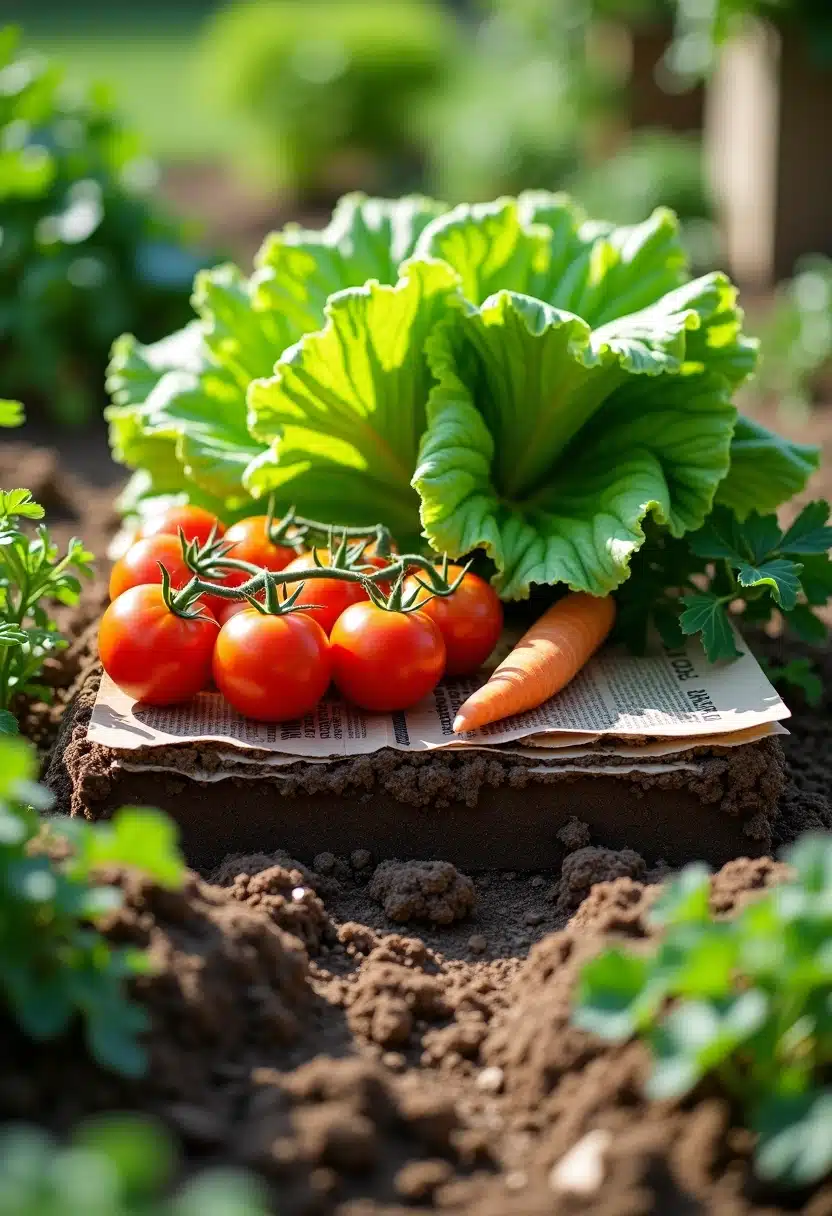
Incorporating no-dig gardening techniques into your vegetable garden can significantly enhance soil health while reducing the physical effort needed. This method involves layering organic materials like compost on the soil surface, eliminating the need to dig. Not only does it nurture the soil ecosystem, but it also helps in suppressing weeds naturally, allowing you to spend more time enjoying your garden rather than maintaining it.
Setting up a no-dig garden is straightforward. Start by covering the area with cardboard or newspaper to block any existing weeds. Then, build layers of organic matter and compost. These materials decompose over time, enriching the soil beneath. Vegetables such as tomatoes, lettuce, and carrots thrive in this environment, benefiting from the nutrient-rich, undisturbed soil.
Embracing no-dig methods offers multiple benefits beyond healthier plants. It improves moisture retention and supports biodiversity by not disturbing soil organisms. This approach aligns perfectly with sustainable practices, promoting a thriving ecosystem in your garden. Whether you are a beginner or an experienced gardener, this method could transform the way you grow your vegetables, making your gardening experience more rewarding and environmentally friendly.
Whether you’re working with spacious backyards or cozy urban areas, these vegetable garden design ideas empower you to create a productive and beautiful space. Explore the endless possibilities of growing your own food at home and enjoy the rewards of nurturing nature. With creativity and planning, your dream garden is within reach!