
Does Growing a Vegetable Garden Save You Money?
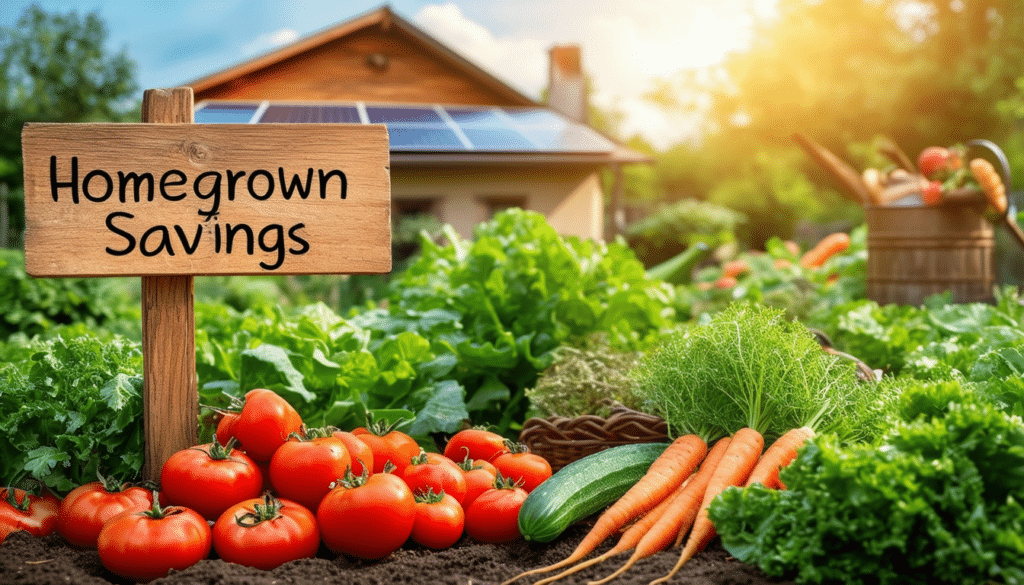
Embarking on the delightful journey of cultivating a vibrant vegetable garden tantalizes with the prospect of plucking fresh produce right from your backyard. Often, gardeners dive into this green endeavor inspired by more than just the love of gardening; there’s a widespread belief that it could significantly trim down the expenses on your grocery bills. But how factual is this belief? Let’s delve into the economic realities of growing your own vegetables and unravel whether it truly pinches pennies or just cultivates joy.
In the quest for sustainability and health, many people turn to the idea of starting their own vegetable garden. The expectation is not only to enjoy freshly harvested produce but also to see a reduction in grocery bills. But does cultivating a plot at home really translate into tangible savings? Let’s dive into the economic realities of home gardening, balancing initial investments with long-term benefits, and exploring cost-effective gardening strategies.
Initial Costs vs. Long-Term Savings
Embarking on a gardening adventure does involve some upfront costs. Tools, seeds, soil amendments, and perhaps some basic infrastructure like raised beds or fencing can add up. These initial expenses can create the impression that the garden is a luxury rather than a cost-saver. However, considering these as investments spread over many growing seasons could adjust the perspective. A well-maintained garden can produce vegetables for years, potentially lowering the cost per harvest over time.
The True Yield of Your Garden
How much you save can largely depend on what you choose to grow and how productive your garden is. High-yield vegetables like tomatoes, zucchinis, and salad greens can be harvested repeatedly throughout the season, offering considerable savings compared to market prices especially if you opt for organic. Moreover, the ability to preserve some of these crops for off-season consumption can further enhance savings.
Reducing Costs Through Strategic Gardening
Savvy gardeners reduce their outgoings by adopting a number of strategies: composting household waste to create free, nutrient-rich soil amendments; collecting rainwater to lower water bills; using vertical growing techniques to maximize yield per square foot; and saving seeds from year to year. Incorporating perennial vegetables like asparagus and rhubarb can also provide savings as they require investment only once for multiple years of harvest.
Hidden Benefits That Add Value
While the financial aspects are significant, the non-monetary gains from gardening also contribute to the overall value. Physical activity involved in gardening can reduce health costs, while the mental health benefits from time spent in nature are invaluable. Additionally, there’s an educational aspect if you involve family members, particularly children, which fosters a connection to food and nature that is seldom priced.
A Real-World Comparison
A practical example could be illustrated by comparing the cost of organic produce at the store versus the cost of organic gardening at home. Incorporating smart gardening practices, many find that after the first couple of years, the cost of producing a vegetable like tomatoes at home can drop significantly below the store price, especially when accounting for the premium on organic goods.
Potential Drawbacks
It’s important to acknowledge that gardening is not free of challenges. Pests, diseases, and poor weather can jeopardize your crops, and not everyone has the green thumb necessary to overcome these issues. Time investment is also considerable; however, for many, this is offset by the joy and relaxation gardening provides. Ultimately, whether a garden saves money might depend on individual circumstances, but many find the benefits outweigh the costs.
For more insights and guidance on effective and economic gardening, you may consider exploring further resources such as Rodolphe Grosléziat’s book “Le potager anti-crise”, which offers valuable tips on how to maximize your garden’s output while minimizing expenses.
The Financial Benefits of a Home Vegetable Garden
Exploring the question, “Does growing a vegetable garden save you money?” leads to a nuanced discovery rather than a straightforward yes or no answer. The initial financial outlay for starting a garden, including purchasing seeds, soil, and necessary tools, might seem daunting. However, considering the continuous yield of fresh produce over the seasons, the scales may tip favorably in terms of cost-effectiveness.
For many, the endeavor of gardening goes beyond mere financial calculations. The sheer joy of cultivating your food imparts a sense of accomplishment and emotional well-being that isn’t easily quantified. Yet, when we do focus on the numbers, a well-maintained garden can significantly reduce the grocery bills. Fresh herbs, vegetables, and even fruits cultivated at home are not only fresher but also free from the additional costs tagged to organic produce at supermarkets.
It is also vital to consider the learning curve and varying climatic conditions which might affect the garden’s yield. For beginners, there might be a period of trial and error which could impact initial savings. However, persistent gardeners often find that as their skills grow, so does their garden’s productivity. The secret to maximizing savings lies in growing foods that are regularly consumed by the household and can be preserved for out-of-season use. This ensures the garden’s produce does not go to waste, thereby increasing the economic benefit.
In essence, while the short-term savings might not be immense, the long-term benefits of establishing a vegetable garden can be quite substantial, not just for one’s finances but also for one’s lifestyle and health. Thus, while savings are a big part of the gardening narrative, they are complemented well by the intangible joy and health benefits that gardening brings.