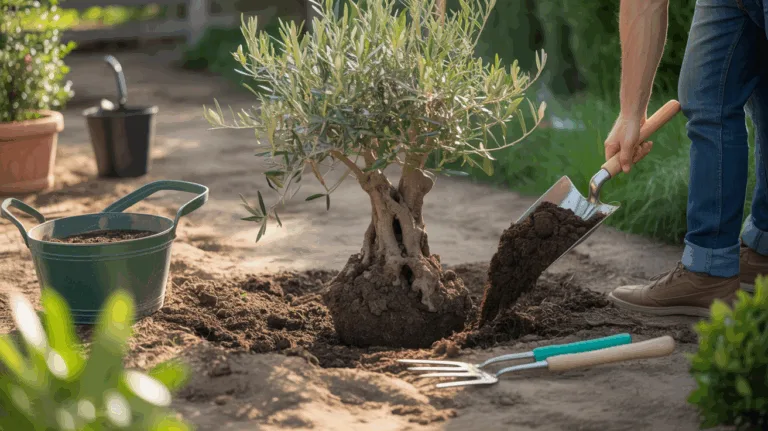
What is Pralin or Pralinage in Gardening?

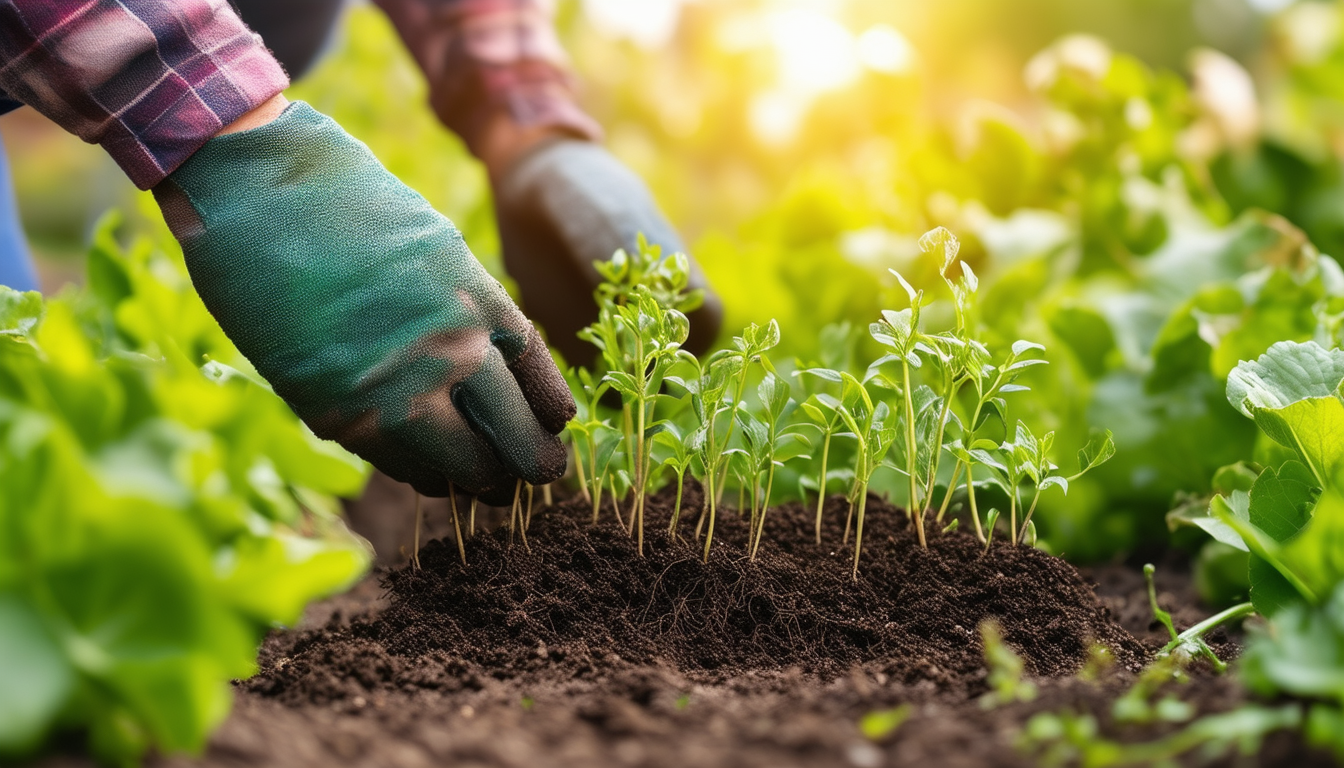
In the enchanting world of gardening, pralinage arises as a traditional technique meant to nurture and protect the tender roots of newly planted shrubs and trees. Rooted in history, this practice involves coating bare roots in a nurturing mud paste, primarily made from a blend of soil and water, sometimes enriched with fertilizers. This mud wrap, affectionately known as pralin, acts as a protective and nourishing shroud, ensuring that plants have the best possible start in their new homes.
In the world of gardening, pralinage, or simply pralin, plays a crucial role in ensuring the health and stability of newly planted trees and shrubs. This traditional technique involves coating the bare roots of plants with a special mud paste, which supports their growth by protecting the roots during critical transplantation phases.
Understanding Pralinage
Pralinage derives its name from the French word “pralin”, which signifies a mixture of clay and water. This protective coating is essential when planting bare-root plants, a common practice in horticulture where plants are sold without soil. The clay mixture not only helps in retaining moisture around the roots but also acts as a shield against physical damage and temperature extremes.
Benefits of Pralinage
Applying pralin to the roots offers several benefits, which make it an invaluable practice in gardening. Firstly, it retains moisture, which is vital for root survival and establishment. Secondly, the clay paste enriches the soil around the root zone with nutrients that enhance the plant’s growth. Lastly, pralinage protects the roots from being damaged by sun exposure, wind, and other mechanical injuries during planting.
The Process of Pralinage
To create pralin, gardeners mix clay with water to form a thick, mud-like substance. While some may add fertilizers to enrich the mixture, the fundamental components remain simple yet effective. During the application, gardeners coat the plant’s bare roots thoroughly with this clay mixture before planting them into the ground. This ensures the roots are moist and well-protected, fostering a smooth transition and better acclimation to the new location.
When is Pralinage Necessary?
While pralinage is particularly recommended for bare-root trees and shrubs, it is not required for all types of plants. For example, plants sold in containers generally do not need pralinage since their roots are already surrounded by soil and are less exposed. However, for those who are transplanting bare-root plants, embracing this technique can significantly improve plant survival and establishment.
In conclusion, pralin or pralinage in gardening is an age-old technique that remains highly relevant and beneficial in modern horticulture. By understanding and applying this method, gardeners can greatly enhance the health and longevity of their newly planted trees and shrubs.
Understanding Pralinage in Gardening
Pralinage, a term derived with gardening in mind, refers to a specific method used to treat plants with bare roots before planting them. This intriguing technique involves coating the roots of young trees, shrubs, or roses with a nourishing mud paste, often consisting of a blend of clay earth and water, and at times enriched with fertilizers to provide additional nutrients.
The primary purpose of applying pralin is to protect the fragile roots from drying out or getting damaged during the transportation and planting processes. This mud coating shields the roots from exposure to air and extreme temperatures, which can be detrimental to their health and viability. Moreover, pralinage plays a significant role in ensuring that the plants have a successful transplantation, facilitating quicker adaptation and better growth once replanted into the garden or landscape.
Historically, the term ‘praline’ traces back to the 16th century but has since evolved within the agricultural context to mean a protective clay mud mixture for plant roots. This paste acts as a temporary shelter for the roots, providing them with moisture and essential nutrients directly at a critical time, thus enhancing their ability to establish in a new environment. The consistency of pralin is key—too thick and it could suffocate the roots, too thin and it won’t adhere properly or provide adequate protection.
While primarily used for plants with bare roots, which are more vulnerable after having been removed from the soil, pralinage is not necessary for container-grown plants whose roots are already nestled in a nutrient-rich substrate. Nonetheless, it’s a lifesaving practice for new plantings that can dramatically increase the chances of successful growth and development in their new settings.