Fruits and Vegetables You Should Always Peel Before Eating!

In the delightful journey of enjoying fresh produce, it often behooves us to revisit the age-old debate: to peel or not to peel? While the skins of many fruits and vegetables are a treasure trove of nutrients and fiber, certain choices require a cautious approach. Peeling can be essential to avoid contaminants like pesticides or tough fibers that hinder digestion. Let’s explore the vibrant world of produce where peeling is prudent for a safe and enjoyable eating experience.
In our journey towards healthier eating, we often encounter dilemmas about whether to peel fruits and vegetables. While many peels provide essential nutrients, there are specific cases where peeling is advisable, mostly due to pesticide residues or tough skins that are hard to digest. This exploration delineates which fruits and vegetables should commonly be peeled prior to consumption to enhance your culinary experience and health benefits.
Apples: Delicious but Be Cautious
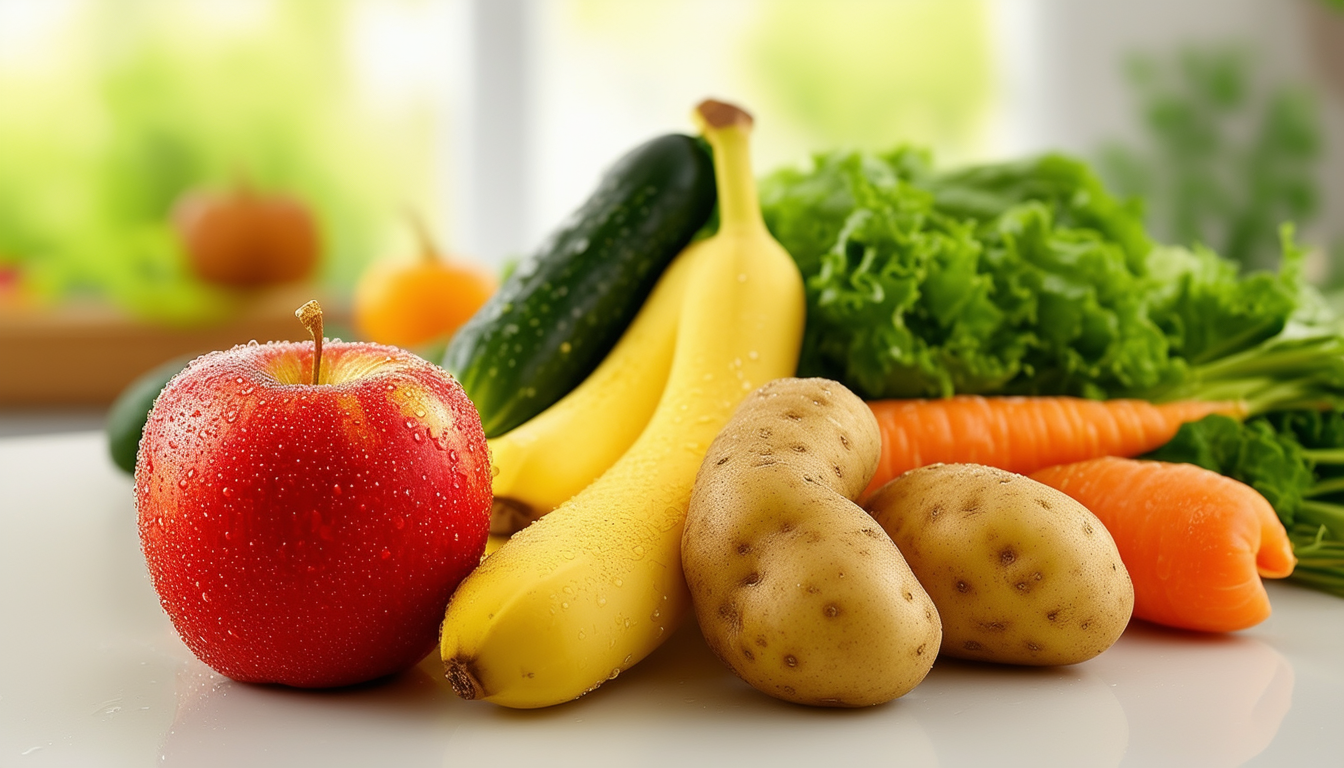
The skin of an apple contains essential fibers and nutrients that can benefit health significantly. However, the downside is the significant presence of pesticides often found in conventionally grown apples. It’s better to peel your apples unless they are organic, as this reduces the chances of pesticide ingestion.
Potatoes: A Peel of Caution
Potato skins are loved for their rustic flavor and are usually packed with nutrients. However, they can also harbor toxins like solanine, especially when the potato goes green. Peeling non-organic potatoes is often safer, reducing exposure to potential chemicals and naturally occurring toxins in spots or green-tinged skins.
Grapes: Small but Packed with Pesticides
While it’s not common practice to peel grapes, doing so might be wise if you’re concerned about pesticide intake. The skin of grapes often contains high levels of pesticides because of their thin and permeable outer layer. If you’re looking to reduce this risk, choose organic grapes or peel the ones you have.
Carrots: To Peel or Not to Peel?
Carrots, especially non-organic ones, often come with a skin that can hold residues of pesticides and sometimes high levels of nitrates. Peeling conventional carrots can reduce these risks, although you may lose some nutrients. For enthusiasts looking to preserve the nutrients, opt for organic carrots which can be thoroughly washed instead of peeled.
Cucumbers: Consider the Wax
Many cucumbers available in stores are coated with an edible wax to protect them from bruising during transport. This wax can trap pesticides and other residues. Peeling cucumbers ensures you are not consuming these contaminants. If you want to keep the skin, opt for organic cucumbers, which are less likely to have significant pesticide residues.
Cherries: Small Fruit with Big Concerns
Like grapes, cherries feature a thin skin with potential pesticide accumulation. Although peeling cherries is not typically feasible due to their small size and texture, buying organic may be the smartest way to enjoy them safely if you are concerned about pesticide intake.
When zeroing in on your fruit and vegetable choices, it’s essential to consider both the health benefits and potential risks of their skins. Peeling might lose some nutrients, but it can also remove contaminants that affect your health negatively. Making informed choices based on the condition of the produce and its farming practices can guide you towards healthier, safer food consumption.
For more tips on preserving the flavor and nutrition of your fruits and vegetables, visit How to Freeze Tomatoes: Techniques for Preserving Their Flavor.
Why Peeling Certain Fruits and Vegetables is Essential
When it comes to consuming fruits and vegetables, the question of whether to peel or not often arises. Peeling can sometimes be crucial, especially when it concerns the removal of chemical residues and enhancing digestibility. In the case of some produce, the presence of high pesticide levels or naturally occurring harmful substances makes peeling a necessary step before consumption.
Take, for example, apples and potatoes. These two are staples in many diets but are also known for having significant pesticide residues on their skins. Eating them unpeeled could expose you to potential health risks. Moreover, apples quickly quench hunger due to a specific molecule in their peel, yet they might still harbor pesticides if not organically grown. Hence, choosing to peel such fruits and vegetables can often be safer unless they are certified organic.
Similarly, the skins of foods like grapes and cherries are known to contain hard fibers that might affect digestion. While these skins are rich in nutrients, they demand careful handling and sometimes peeling to prevent digestive discomfort. Moreover, the risk of pesticide contamination makes a strong case for peeling, particularly if the produce is not from organic sources.
In conclusion, while many fruits and vegetables are most nutritious and flavorful with their skins on, there are justified circumstances when peeling is beneficial. It ensures safety from pesticides and toxins, and aids in easier digestion for certain types of produce. Always consider the origin of your fruits and vegetables, and opt for organic when possible to safely enjoy them with their skins intact.