What Distinguishes a Fruit from a Vegetable?

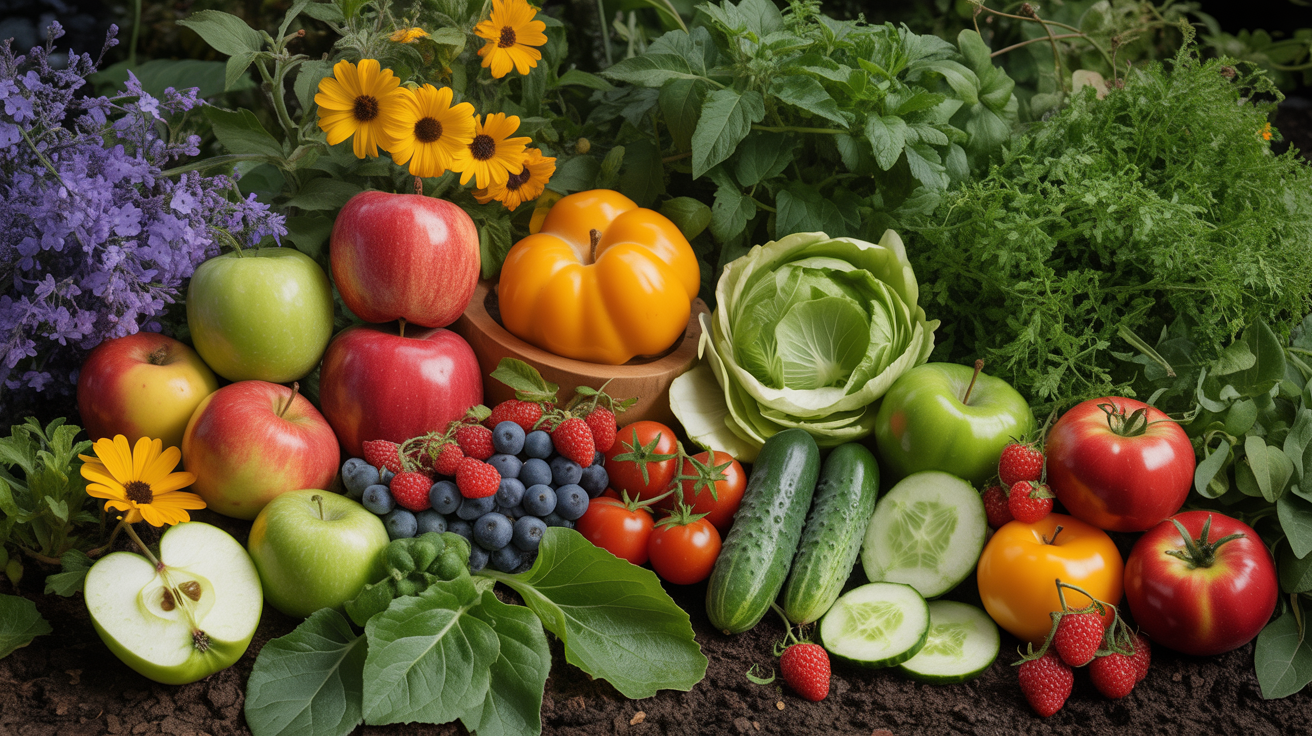
In the vibrant world of gardening and culinary arts, understanding the distinction between fruits and vegetables is essential. While we often class these two categories together in our kitchens, they possess unique characteristics that set them apart. Fruits, typically derived from the flower of a plant and containing seeds, are nature’s candy, often sweet and irresistible. On the other hand, vegetables encompass a broader range of edible plant parts, including roots, stems, and leaves, which are typically savory and versatile in cooking. Navigating this botanical landscape not only enriches our understanding of these food groups but also enhances our appreciation for the diversity found within the garden.
The world of produce is a fascinating one, filled with vibrant colors and diverse flavors. Yet, many people are puzzled by the fundamental distinction between fruits and vegetables. Is it simply a matter of taste, or is there an underlying botanical difference? In this article, we will delve into the characteristics that set fruits apart from vegetables, highlighting their unique qualities, and even exploring some of the commonly misunderstood items in each category.
Botanical Definitions
To truly understand what distinguishes a fruit from a vegetable, we first need to grasp the basic biological definitions. A fruit is formed from the mature ovary of a flower, and it typically contains seeds, which play a crucial role in the plant’s reproductive cycle. Vegetables, on the other hand, are the edible parts of plants that do not involve the flower’s reproductive structures. They can include roots, stems, leaves, and sometimes even flowers themselves.
The Role of Seeds
One of the most significant elements that differentiate fruits from vegetables is the presence of seeds. Fruits, such as apples and berries, are known for their sweet flavors and are often enjoyed fresh or in desserts. The seeds contained within the fruit serve a critical purpose as they promote the growth of new plants, securing the continuation of the species.
Conversely, vegetables typically do not contain seeds or, if they do, the seeds are not the primary focus for consumption. Instead, think of vegetables like spinach or carrots, where we consume the leaves and roots rather than searching for seeds.
Culinary Perspectives
While botanical definitions provide clarity, the culinary world often complicates things. Many items we commonly refer to as vegetables are, in fact, classified as fruits in the botanic sense. For example, tomatoes, cucumbers, and bell peppers are all fruits, but they are often prepared and served as savory dishes rather than sweet. This can lead to a delightful confusion in both gardening and cooking!
The Importance of Flavor Profiles
Flavors also play a role in how we categorize fruits and vegetables. Fruits tend to be sweet or tart and are often incorporated into desserts, smoothies, and snacks. Vegetables, by contrast, are generally associated with savory flavors and are featured prominently in soups, salads, and main courses.
Common Misunderstandings
Some items often spark confusion. For example, rhubarb is botanically a vegetable, yet it is frequently used in sweet dishes like pies, which can lead to it being mistaken for a fruit. Additionally, many people are surprised to learn that produce like zucchini, eggplants, and pumpkins are actually classified as fruits due to their seed content and development from flowers.
Nutritional Content
Both fruits and vegetables are celebrated for their health benefits, providing an array of vitamins, minerals, and antioxidants. Generally, fruits have a higher sugar content, making them sweeter, while vegetables tend to be lower in calories. Nourishing our bodies with a variety of both is crucial for maintaining health and wellness.
Global Perspectives on Fruits and Vegetables
Across the globe, cultures celebrate their rich diversity of fruits and vegetables. In Asian cuisines, for example, bok choy and pineapple are prominently featured, showcasing how different regions utilize these edible plants in their traditional dishes.
In short, the distinction between fruits and vegetables is rooted in their botanical definitions, culinary uses, and flavor profiles. The complexities of these two categories enhance the garden experience, inviting everyone to explore the beauty of nature’s bounty. For more fascinating gardening insights, check out our guide on caring for your holiday cactus or learn how to tell chestnuts apart from brown nuts!
The world of fruits and vegetables is as fascinating as it is delicious, yet many people are unaware of the fundamental differences that set these two categories apart. In essence, the distinction lies in their botanical origins and their respective roles within the plant kingdom. Fruits are classified as the mature ovaries of flowering plants, typically containing seeds which allow for the propagation of the species. When we think of fruits, we often imagine sweet flavors and refreshing textures, which is evident in everyday snacks and desserts.
On the other hand, vegetables encompass a broader category, including various edible parts of the plant such as roots, stems, leaves, and even certain flowers. Unlike fruits, vegetables do not play a direct role in the plant’s reproductive cycle. This clear botanical distinction can become confusing, though, as many foods commonly regarded as vegetables—like tomatoes, cucumbers, and peppers—are technically classified as fruits due to their seed-containing nature.
Nutritionally, both fruits and vegetables boast a range of health benefits, packed with fiber, vitamins, and antioxidants that are vital for maintaining a healthy lifestyle. While fruits tend to be higher in sugar, making them a popular choice for desserts, vegetables often shine in savory dishes and are critical for balanced meals.
Understanding these differences not only enriches our culinary experiences but also aids in appreciating the diverse produce we encounter. As we explore what distinguishes fruits from vegetables, we celebrate their unique contributions to our kitchens and health.