Understanding Permaculture: A Sustainable Approach to Agriculture and Ecosystems

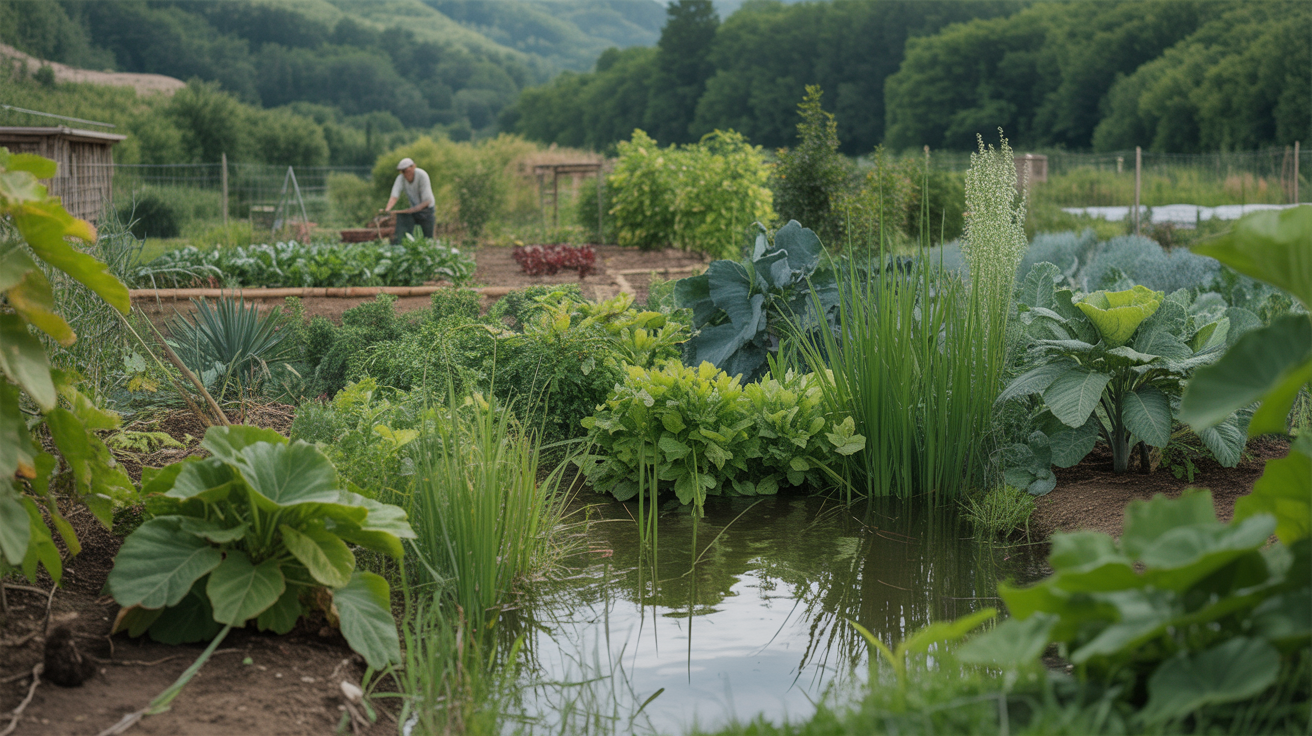
In a world grappling with environmental challenges, the need for sustainable practices has never been more vital. Permaculture emerges as a revolutionary approach, harmonizing agriculture with natural ecosystems. This innovative methodology stretches beyond traditional farming by fostering self-sufficient, regenerative systems that echo nature’s own designs. By understanding the principles of permaculture, we can cultivate not just crops, but thriving, resilient landscapes that support biodiversity and promote a sustainable future.
Permaculture represents an inspiring and holistic design philosophy that not only supports agricultural practices but also enhances ecosystem health. By integrating natural patterns and processes, permaculture offers a transformative framework for creating sustainable and self-sufficient systems. This article delves into the essence of permaculture and how it seeks to redefine our relationship with nature and the way we cultivate and manage land.
What is Permaculture?
Permaculture fuses “permanent” and “agriculture,” suggesting an enduring commitment to farming that respects and mirrors natural ecosystems. Initiated in the 1970s by Bill Mollison and David Holmgren, permaculture extends beyond mere farming techniques; it encompasses a comprehensive approach to living in harmony with the environment. By prioritizing ecological sustainability, permaculture champions diverse agricultural methods that are resilient and regenerative.
The Core Ethics of Permaculture
At the heart of permaculture lie three guiding ethics: Earth Care, People Care, and Fair Share. Earth Care promotes responsible stewardship of our planet, recognizing the interconnections within ecosystems and taking action to protect them. People Care emphasizes the well-being of individuals and communities by nurturing relationships, skills, and knowledge. Lastly, Fair Share advocates for the equitable distribution of resources to ensure that both the earth and its inhabitants can thrive harmoniously.
Principles of Design in Permaculture
Permaculture hinges on a set of principles that prioritize innovation and adaptability. By drawing inspiration from nature, designers cultivate landscapes that provide for human needs while restoring ecological balance. Some core principles include observing and interacting with the environment, using renewable resources, and maximizing energy efficiency. Highlighting the importance of biodiversity, these principles foster resilient systems adept at withstanding environmental changes.
Permaculture in Action: Techniques and Practices
The practical application of permaculture employs diverse techniques, including regenerative agriculture, permaculture gardening, and the integration of various crops, trees, and animals in productive landscapes. Through methods such as agroforestry, companion planting, and polyculture, permaculture cultivators create dynamic ecosystems. Implementing these techniques not only boosts productivity but also enhances soil health and biodiversity over time.
Pioneer Species and Their Role
One significant aspect of permaculture is the incorporation of pioneer species. These hardy plants are the first to colonize disturbed or barren land, playing a crucial role in ecological succession. By facilitating soil improvement and creating favorable conditions for other species, pioneer plants help to establish a thriving ecosystem where diversity can flourish.
Permaculture and Urban Planning
As urbanization increases, the principles of permaculture offer valuable solutions for creating sustainable cities. Incorporating permaculture practices into urban planning enables the development of green spaces, permaculture gardens, and community plots, all contributing to improved air quality, diminished urban heat, and enhanced well-being. Implementing strategies rooted in permaculture allows cities to become more resilient and better equipped to combat environmental challenges.
Exploring the Future of Permaculture
The future of permaculture is filled with endless possibilities. Innovative projects, such as those that combine traditional knowledge with modern techniques, are paving the way for sustainable agricultural systems. Personal gardens can also be transformed into self-sufficient havens that promote independence and harmony with nature. For inspiration, explore what it takes to design a sustainable and eco-friendly garden.
Permaculture’s growth encourages the exploration of creative solutions and self-sufficiency across various landscapes. By implementing self-sufficient garden ideas, individuals can contribute to the restoration of ecological health and foster resilience in their communities.
As we dive deeper into the realm of permaculture, we uncover a treasure of small garden design ideas that can transform urban spaces. Check out the guide on incredible small garden design ideas to inspire your journey toward sustainability. With its creative practices and principles, permaculture paves the way for a future in which agriculture and ecosystems thrive together.
Incorporating the latest innovations and trends, square gardening explores novel ways to maximize space and efficiency in urban agriculture, making it an exciting addition to the permaculture movement.
Permaculture represents a revolutionary shift in the way we approach agricultural practices and ecosystem management. Rooted in the fundamental principles of synergy with nature, it encourages us to foster a closer relationship with the land we inhabit. At its core, permaculture combines aspects of both permanent and agriculture, creating systems that are not just productive, but also regenerative and sustainable.
The influence of permaculture stretches beyond mere farming techniques; it embodies a holistic lifestyle that emphasizes ecological balance and efficient resource management. By observing and mimicking natural ecosystems, permaculture practitioners design gardens and farms that work in harmony with the environment rather than against it. This leads to enhanced biodiversity, improved soil health, and a reduction in the need for synthetic fertilizers and pesticides.
One of the most intriguing aspects of permaculture is its adaptability. As a design philosophy, it can be tailored to fit diverse landscapes and climates, promoting resilience in the face of environmental challenges. Through the integration of concepts such as permaculture zones, companion planting, and the use of pioneer species, it not only provides food security but also restores ecological integrity.
Moreover, permaculture acts as a catalyst for social change, fostering community involvement and collaborative efforts towards sustainability. It empowers individuals to generate their own food and resources, reducing their dependence on industrial agricultural systems. In this light, permaculture is not merely a method; it is a pathway to creating lifestyles that cherish and respect the Earth, ensuring a greener future for generations to come.