
30 Incredible Small Garden Design Ideas to Transform Your Outdoor Space

Transforming a small garden into a captivating oasis is a rewarding adventure. With limited space, innovative design ideas can elevate your outdoor area, making it lush, functional, and inviting. From vertical gardens to multi-purpose furniture, each element provides a creative solution to maximize your garden’s potential, offering endless possibilities for personalized charm and relaxation. Discover these incredible ideas to inspire your green haven.
Vertical Gardens for Small Spaces

Embrace vertical gardening to make the most of small garden spaces. By using wall planters, trellises, and other vertical structures, you can create lush and vibrant garden areas without consuming much ground space. These setups allow you to grow a wide variety of plants, from herbs to flowers, adding a unique dimension to your garden.
Vertical gardens offer several benefits. Improved air circulation helps keep plants healthy, reducing issues like mold. They also make gardens look visually appealing, transforming even the smallest spaces into green sanctuaries. Moreover, vertical structures provide a perfect canvas for creative expression, enabling you to play with different styles and ideas.
To get started, select suitable vertical structures that complement your design vision. Choose plants that thrive in your region and arrange them thoughtfully to maximize both beauty and functionality. Whether you’re a beginner or an experienced gardener, vertical gardens can elevate your gardening experience, making the space both functional and eye-catching.
Container Gardening Hacks
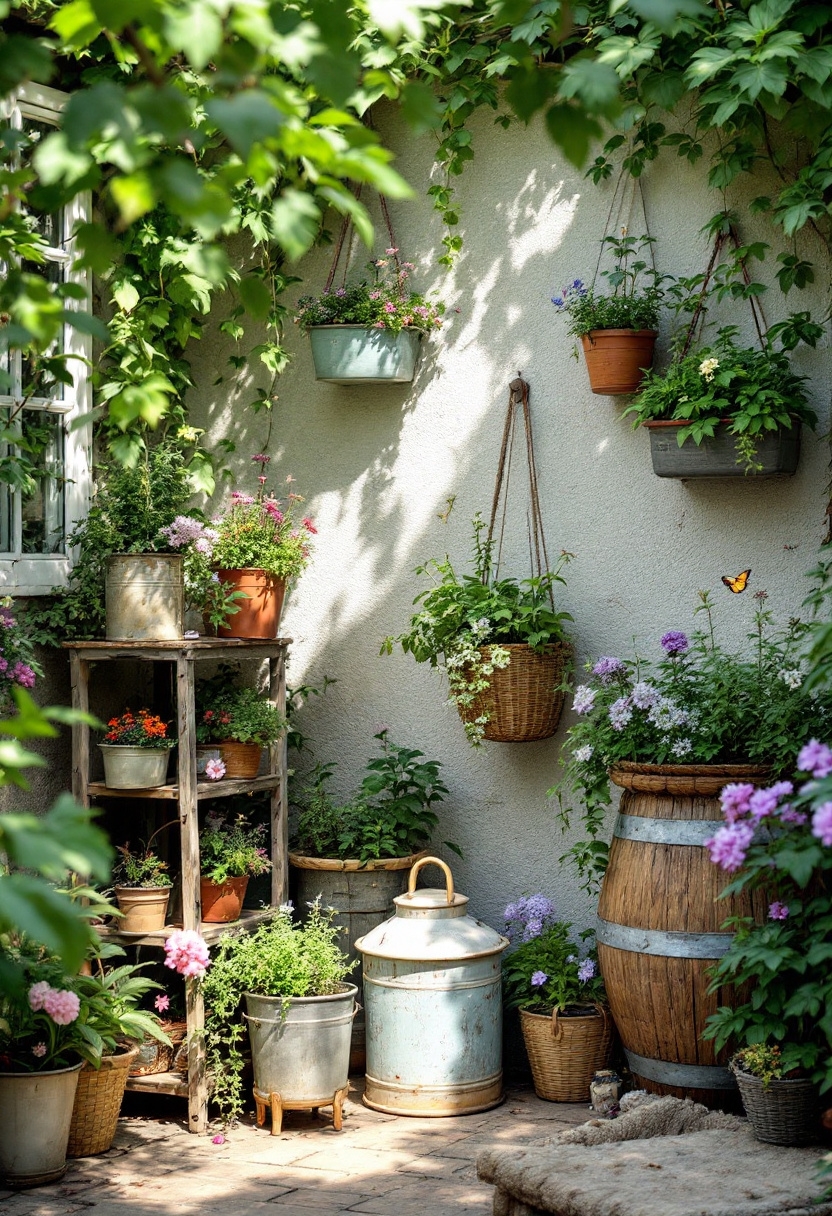
Container gardening opens up a world of creative possibilities for small garden spaces. By utilizing pots, baskets, and recycled containers, you can add charm and flexibility to your outdoor area. This approach allows for varied plant choices and designs without taking up much space. The ability to move containers makes adapting to changing weather or sunlight a breeze.
When choosing containers, it’s important to consider size, material, and drainage. Opt for containers that complement your garden’s aesthetic while being functional. Arrange them strategically to create an appealing layout, keeping plant growth and sunlight needs in mind. Take advantage of vertical spaces by using tiered stands or wall-mounted planters to enhance visual interest.
Experimenting with containers can lead to unexpected and delightful results. Incorporate unique items like vintage cans or old baskets for a personal touch. Use plants of varying heights and colors to create depth and contrast, making your small garden feel lush and vibrant. With a little creativity, container gardening can transform even the smallest spaces into stunning green retreats.
Creating Cozy Corner Nooks
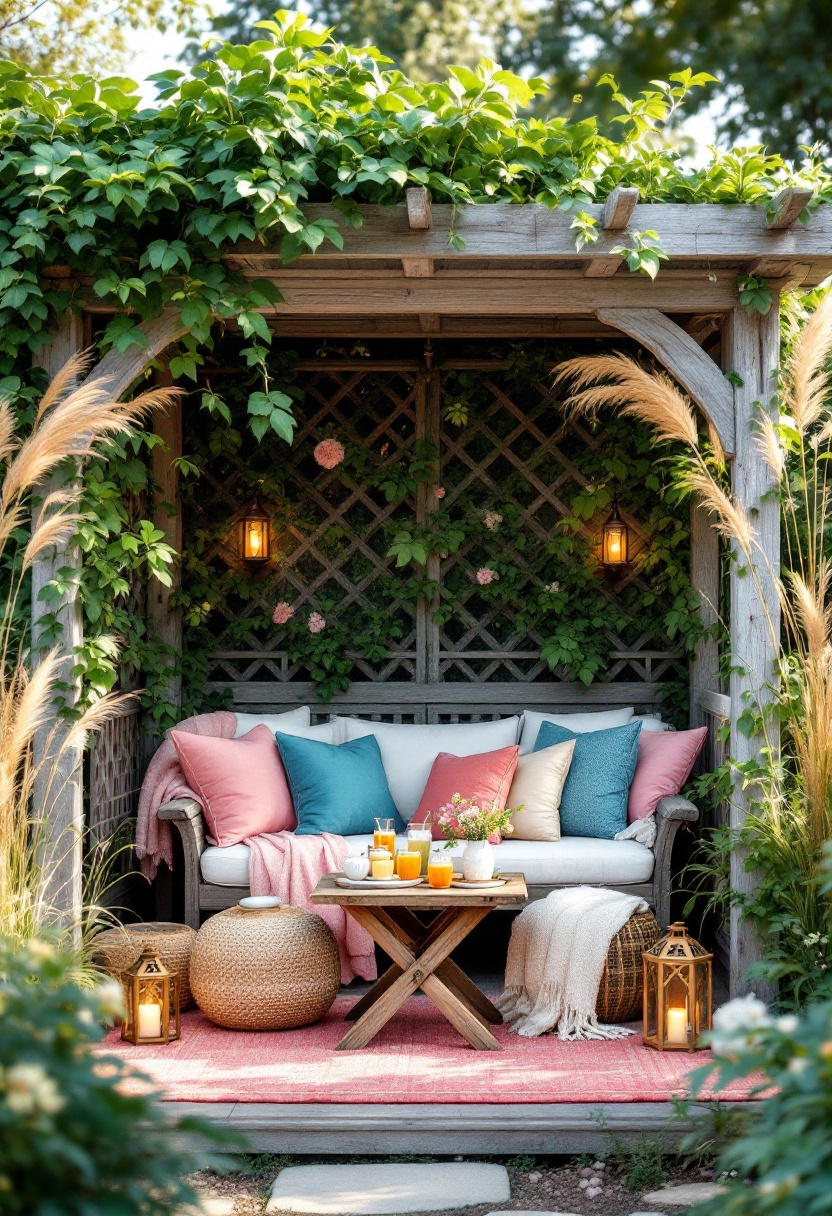
Transform those unused corners in your small garden into an inviting haven. Add a comfy bench or a few soft chairs to create a cozy nook. Cushions and throws can add comfort and style. Consider adding a small table to hold drinks or decor. Use materials that complement your garden’s theme for a harmonious look.
Incorporate shading to keep these corners cool and inviting. A small pergola or a large umbrella can provide respite from the sun. Look for versatile options like a retractable awning. This not only enhances comfort but also adds aesthetic value. Make sure to choose shading options that fit well into the overall design.
Privacy is key in creating a relaxing retreat. Use plants or decorative screens to create a sense of seclusion. Tall grasses or climbing vines can work beautifully. These elements not only provide privacy but also add texture and greenery to your space. Consider arranging them in a way that maximizes both function and beauty.
Utilizing Multi-Purpose Furniture
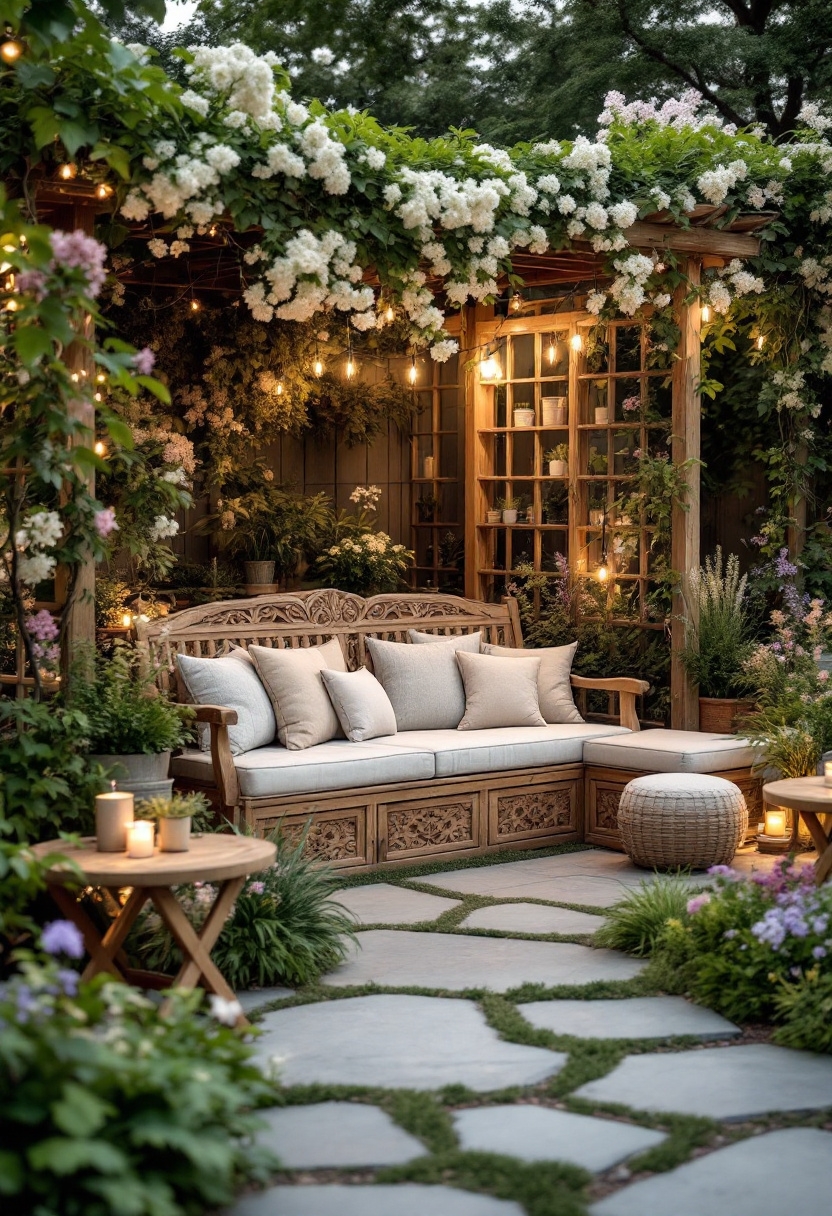
Embrace the versatility of multi-purpose furniture in your small garden to maximize both space and function. Using benches with built-in storage not only provides a place to sit but also serves as an efficient solution to store garden tools or cushions. Foldable tables are another great choice, allowing you to adjust the space for different needs, from dining to potting plants.
Consider modular seating that can be rearranged based on your activities. These pieces can easily adapt to various layouts, whether you’re hosting friends or simply enjoying a quiet day outside. Adding these smart furniture pieces can transform your small garden into a highly functional and stylish retreat, harmonizing practicality with aesthetics.
When selecting these furniture options, focus on choosing weather-resistant and durable materials to ensure longevity. Look for designs that complement your garden’s overall aesthetic, accentuating its natural beauty. Thoughtfully designed, multi-purpose furniture elevates your outdoor space, making it an indispensable part of your home without overwhelming your limited area.
Incorporating Water Features
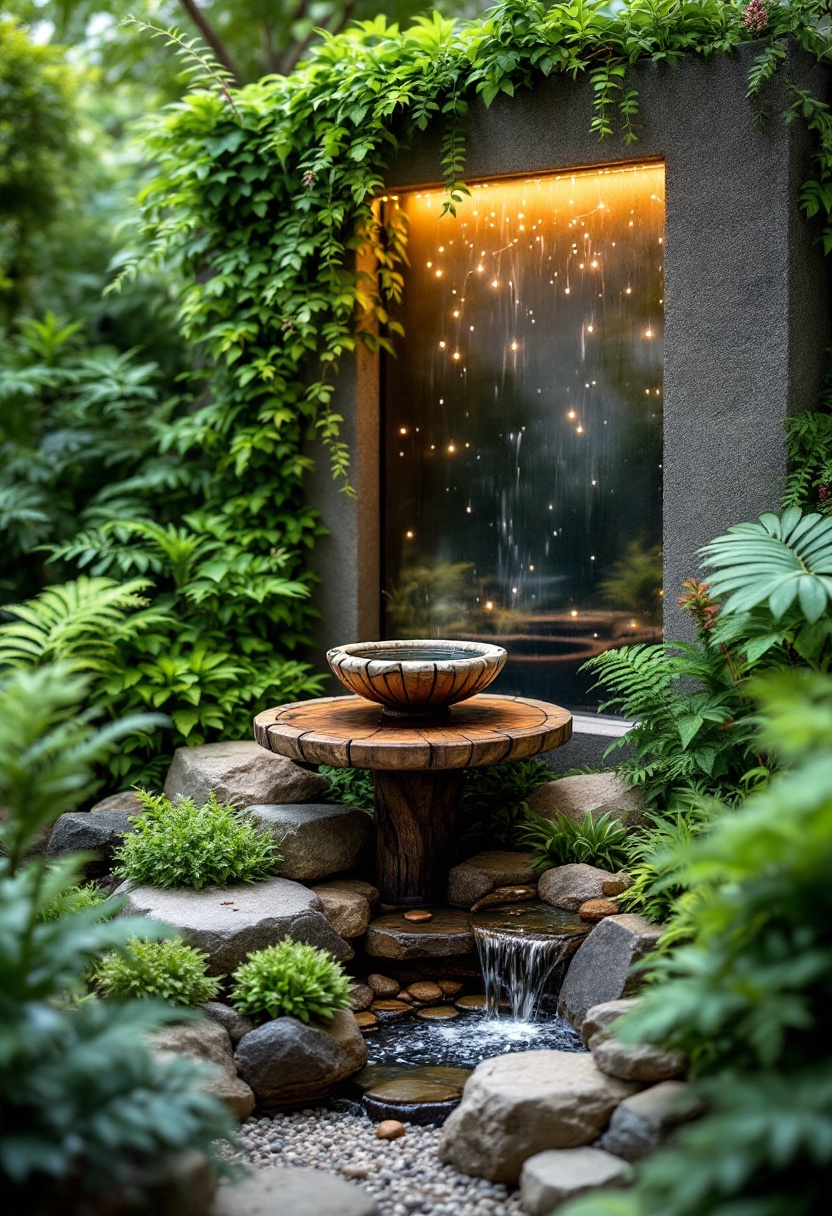
Adding water features to your small garden can enhance tranquility and captivate the senses. By incorporating elements like small fountains, you introduce a gentle soundscape that promotes relaxation. For those who admire wildlife, birdbaths are a delightful option, inviting feathered friends to your space. These features require minimal space yet significantly elevate the serene ambiance of your garden.
Imagine the gentle trickle of a water wall as a backdrop to your outdoor retreat. This vertical water feature maximizes limited space while adding a visual spectacle. The reflective surfaces can make the garden appear larger. Water features not only provide aesthetic appeal but also offer a natural oasis for butterflies and other creatures, enriching your garden’s ecosystem.
When integrating water features, consider the garden’s style and existing elements. Opt for designs that harmonize with your theme, whether it’s modern or rustic. Overall, water introduces motion and sound, two elements that transform static gardens into dynamic spaces. Incorporating a water feature is a simple yet effective way to breathe life into a compact garden.
Choosing the Right Plants

When designing a small garden, choosing the right plants is key to maximizing visual appeal without overcrowding. Opt for species that offer significant visual impact through bold colors, unique textures, or interesting forms. Consider compact shrubs or dwarf varieties to enhance the space while maintaining balance. Understanding each plant’s growth habits aids in maintaining a harmonious layout that thrives over time.
Think about maintenance needs when selecting plants for your small garden. Low-maintenance perennials are excellent choices for those wanting vibrant color with minimal effort. Check for seasonal changes in your selections—plants that offer year-round interest help keep your garden lively throughout all seasons. Prioritize ones that do not demand extensive care or pruning to fit a busy lifestyle.
Focusing on growth habits ensures your garden remains proportionate. Some plants can be shaped or trimmed to maintain appropriate sizes. This planning keeps small spaces from becoming too dense but still maintains rich, lushness. Choosing a mix of flowering plants and evergreens can add layers of visual interest as seasons transition, providing a dynamic and constantly evolving garden display.
Creating Visual Depth with Layers
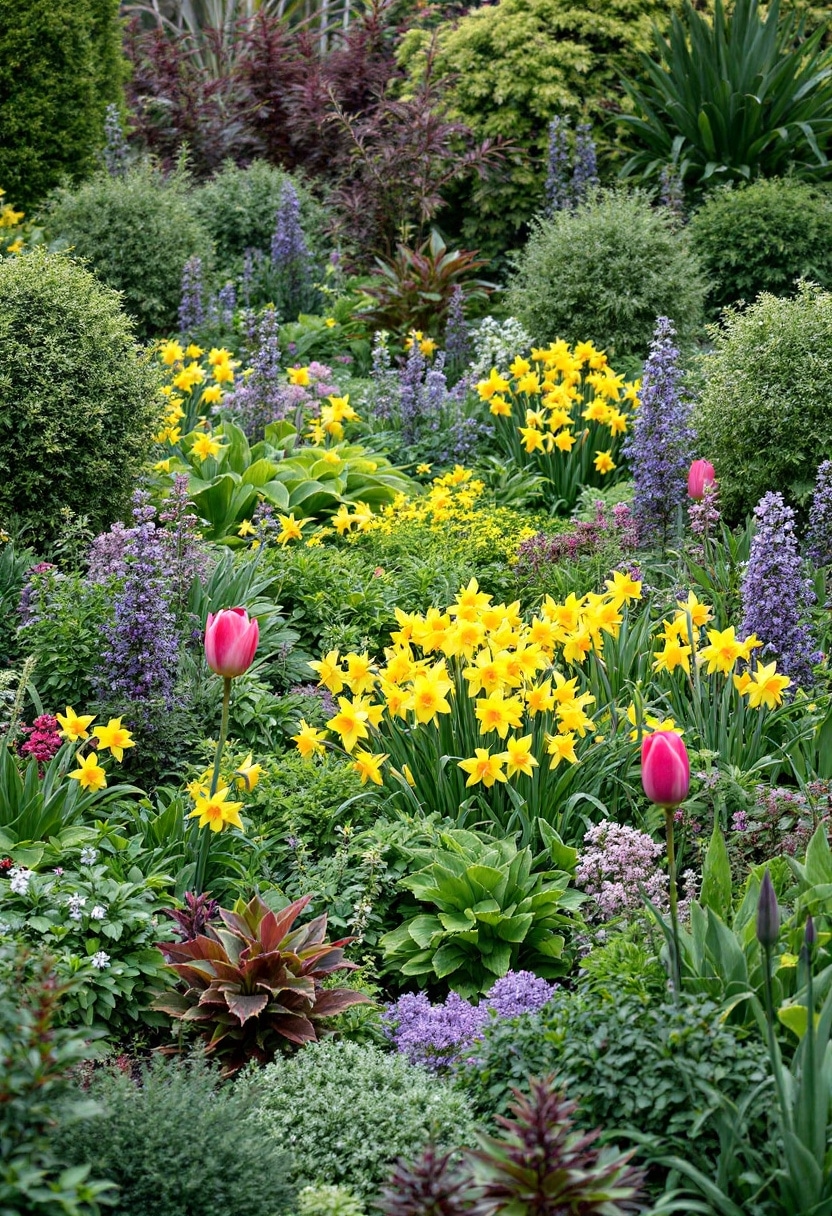
To make your small garden feel expansive, focus on creating visual depth by layering different elements. Start with plant height; incorporate a mix of tall and short plants. Taller plants draw the eyes upward and create a sense of space. Meanwhile, shorter plants fill in the gaps and create a lush, inviting ground cover.
Using varied textures can significantly enhance the garden’s visual depth. Combine foliage with different surfaces, like smooth leaves and rugged bark, to make the space feel rich and dynamic. Incorporating diverse colors, from vibrant flowers to deep green foliage, adds layers of interest. This variety directs attention throughout the garden, making it feel larger and more connected.
When planning your layout, think about the visual flow. Arrange plants in layers, from tallest at the back to shorter in the front, to create a gradient effect. This not only makes the garden look fuller but ensures every element can be appreciated. Layering your design elements creates a more inviting, multifaceted space perfect for any small garden enthusiast.
Designing Pathways and Walkways
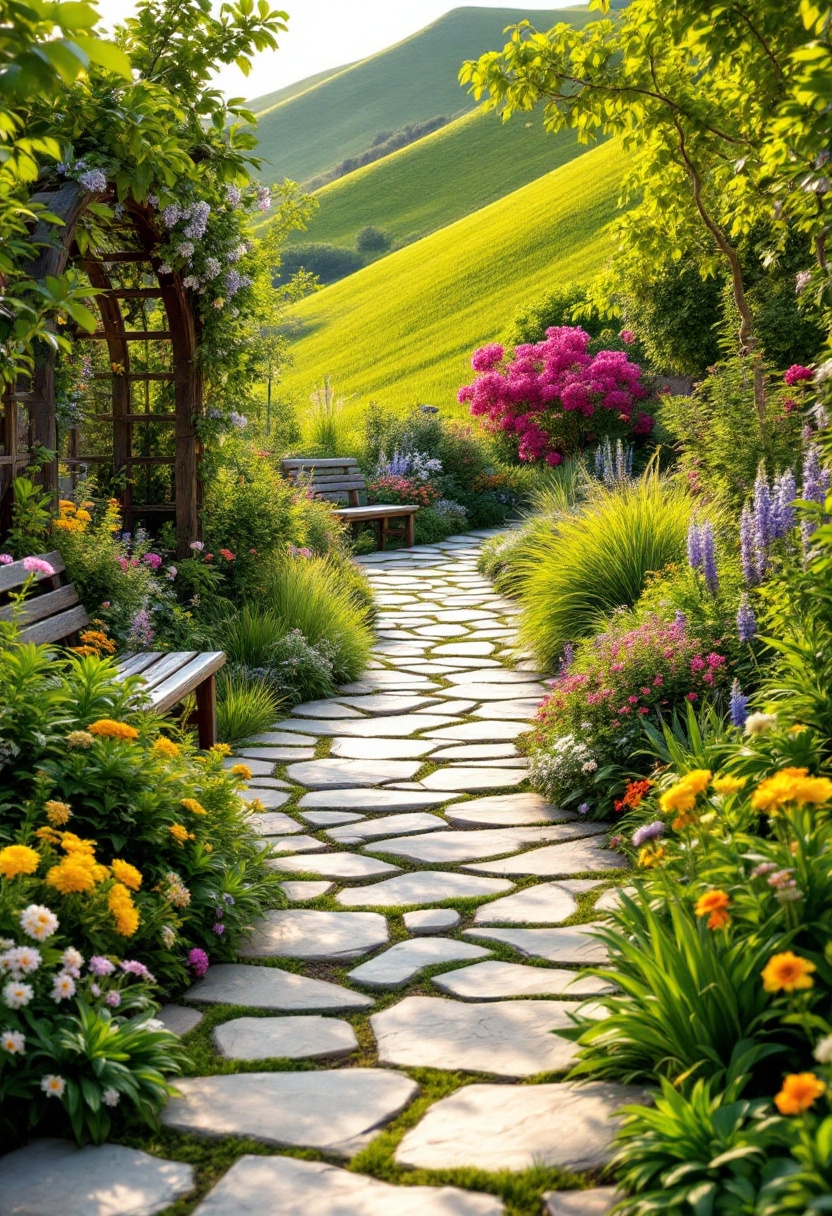
Pathways and walkways can transform the flow and aesthetic of small gardens. Imagine strolling through a charming garden with stone paths guiding you seamlessly. They not only lead visitors but also highlight key areas. Materials like stone provide a natural look, while wood can add warmth and rustic charm. Choose elements that resonate with your garden’s theme.
Consider using gravel for a casual and textured feel. It’s budget-friendly and complements various plant styles. When planning, think about how paths can connect different sections and create a journey. A winding pathway can make a small space feel larger and more intricate. Ensure paths are wide enough for comfortable walks and for showcasing beautiful flora.
Design paths to integrate with your garden’s overall layout. They should enhance, not overshadow, the plants and décor. Curves can add elegance and a sense of mystery, inviting guests to explore. Creative edging, like colored bricks or plants, can further define these routes. A thoughtful pathway doesn’t just navigate the space; it adds character and allure to your garden.
Lighting Solutions for Ambiance
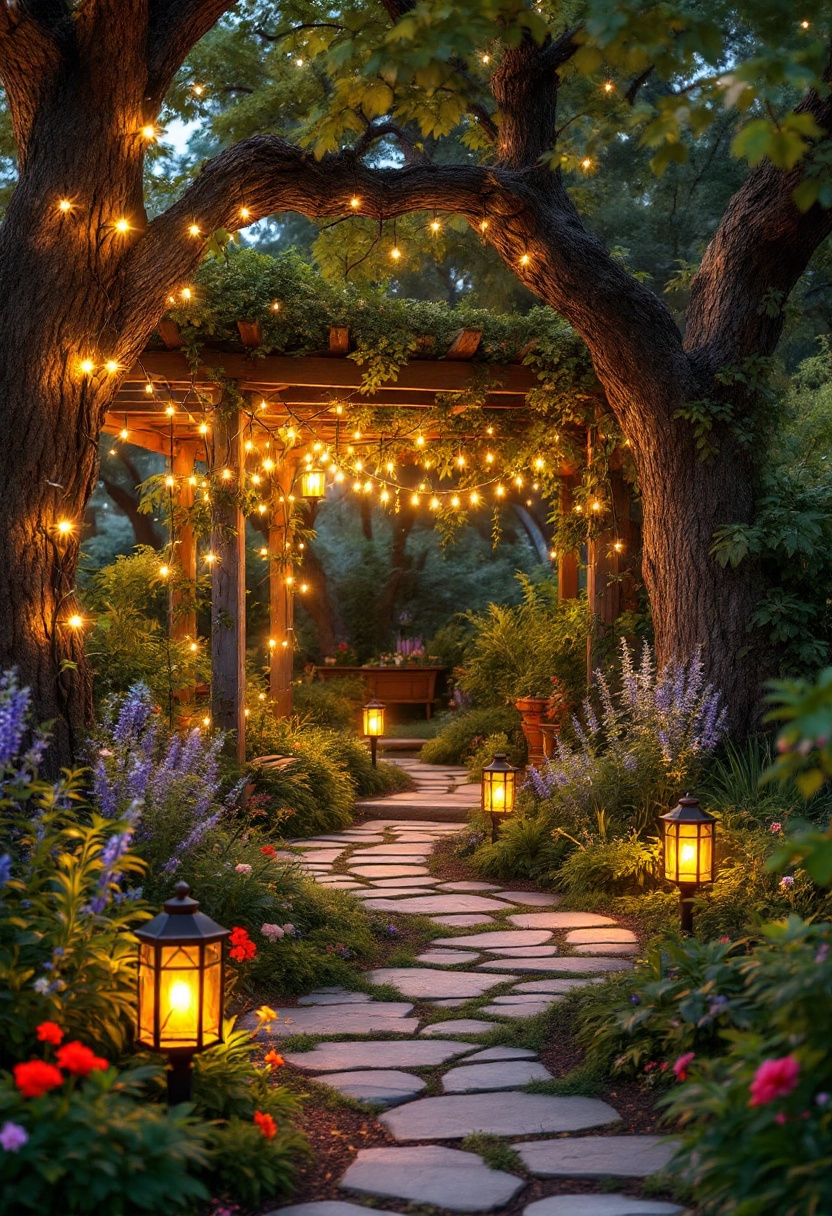
Enhancing the ambiance of a small garden with creative lighting solutions can transform the space into a cozy haven for evening enjoyment. Think about using string lights draped around trees or pergolas, adding warmth and charm. Solar lamps dotted along pathways offer a sustainable and low-maintenance option for gently illuminating your garden as dusk falls.
Lanterns, whether hung or placed on the ground, add a touch of elegance and mystique. They can be filled with candles or LED lights to create different moods. Strategic placement of these lighting fixtures highlights plants and features, making the garden feel inviting and magical as daylight fades. Experiment with different styles to find what resonates with your space.
Consider using a mix of lighting types to create layers and depth in your garden. Combining string lights, solar lamps, and lanterns can seamlessly blend functionality and style. These elements not only provide illumination, they also contribute to the garden’s aesthetic, becoming decorative features in themselves. Think strategically about where to place each light to enhance both safety and atmosphere.
Incorporating Art and Sculptures
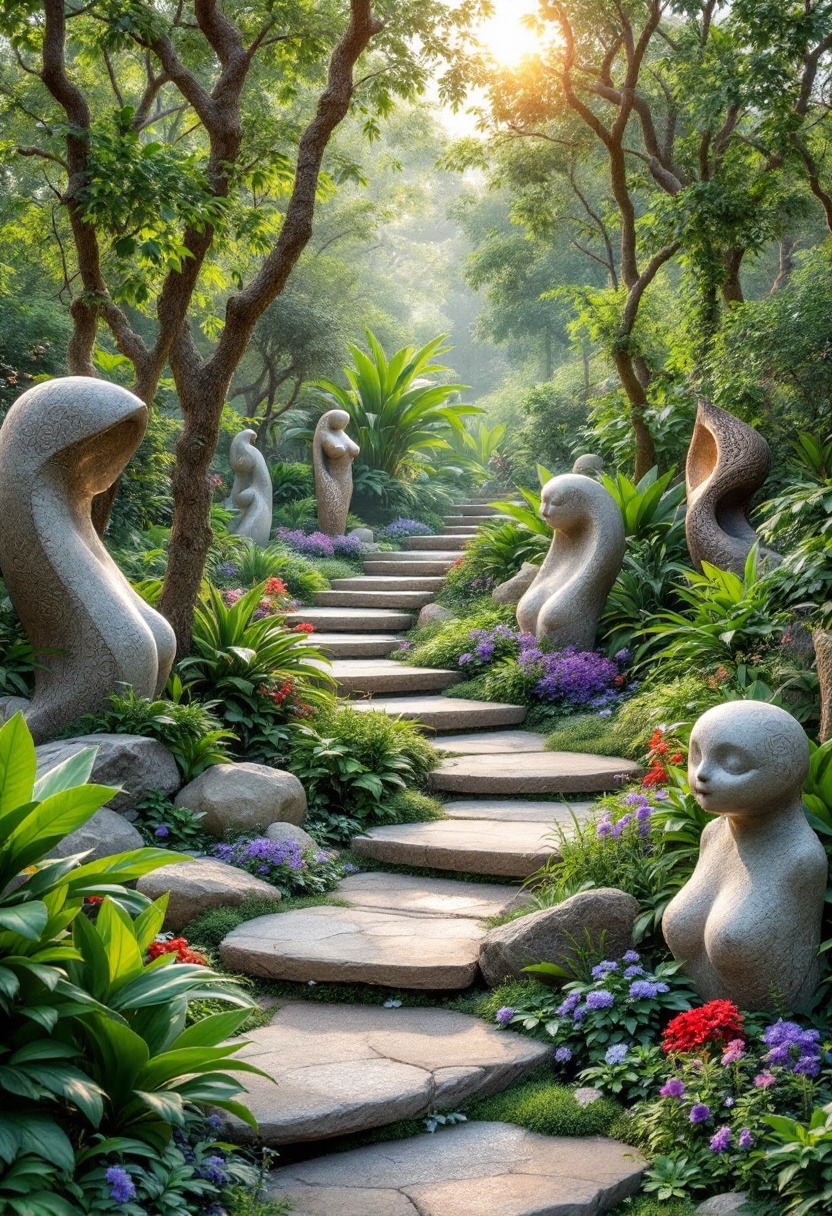
Incorporating art and sculptures into your small garden can dramatically elevate its aesthetics and create unique focus points. Choosing the right materials is key; consider weather-resistant options like stone, metal, or treated wood. These materials ensure longevity and blend seamlessly with natural elements. Look for art pieces that reflect your personality, from abstract to nature-inspired designs, to harmonize with your garden’s overall theme.
When it comes to placement, thoughtfully position sculptures to draw the eye and guide movement through the garden space. Smaller pieces can enhance plant groupings, while larger sculptures might serve as stunning focal points. Grouping similar styles together can create a cohesive look, or place a contrasting piece to add an unexpected element of surprise.
Your themes should resonate with the existing design. A modern garden might benefit from sleek, minimalist sculptures, while a rustic setting can embrace organic textures and forms. As you design, envision how light will interact with the art at different times of day, enhancing the overall ambiance without detracting from the tranquility you’ve already cultivated in your garden.
Maximizing Space with Tiered Planting
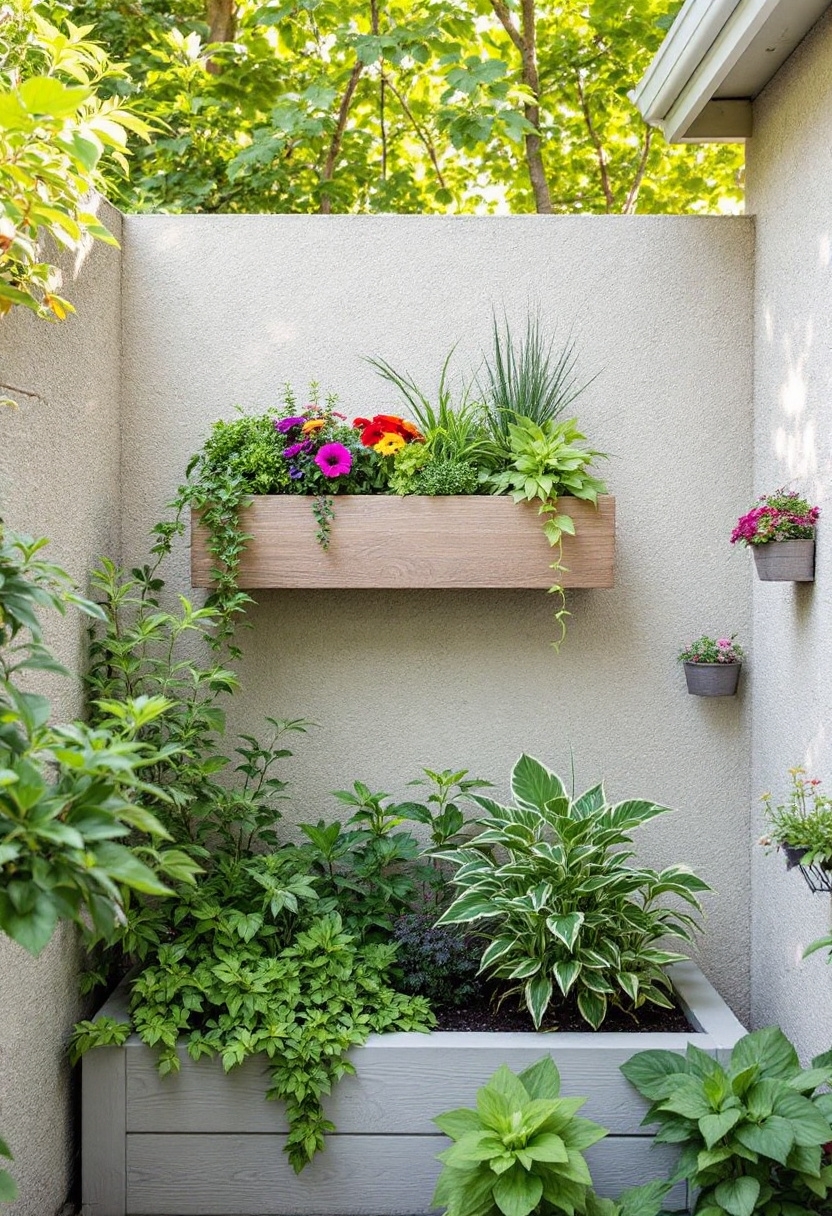
Tiered planting is a game-changer for optimizing limited space in small gardens. By layering greenery vertically, you can create a lush, green oasis without a sprawling footprint. Consider using shelves attached to walls or fences to elevate your plants. Stacked planters are another smart solution, allowing multiple plants to thrive in a compact area. Raised beds add another dimension, lifting your garden beds above ground level for easy access and varied heights.
This approach not only maximizes space but also enhances visual appeal. The different levels add depth and interest, making even the smallest garden feel expansive and structured. With tiered planting, think creatively about combining different types of plants to create a vibrant tapestry of colors and textures. Aim for a mix of cascading, upright, and trailing plants for dynamic visual flow. Implementing this strategy can transform your small garden into a charming, layered retreat.
Using Color Schemes Effectively
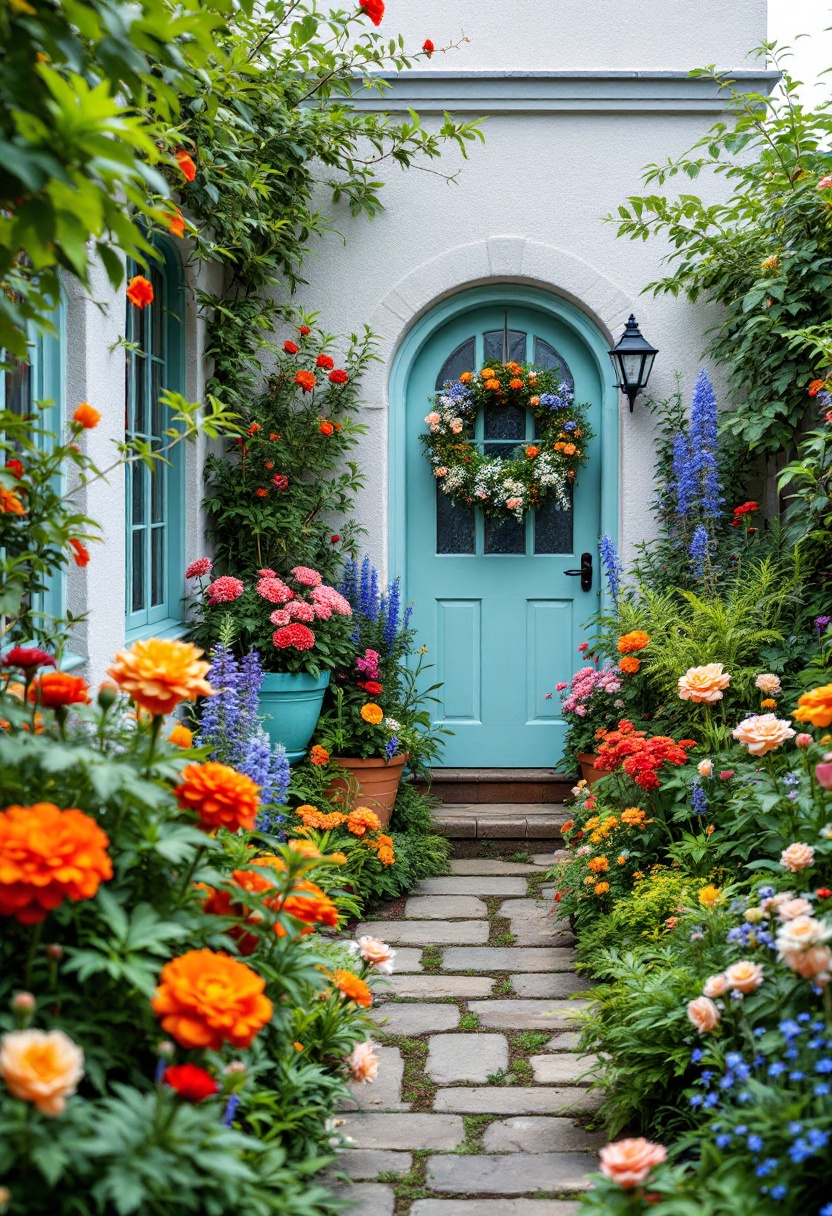
Color schemes can transform small gardens into stunning retreats. Choosing the right palette can influence mood and change how space is perceived. Warm colors like red and orange can make a garden feel cozy, while cool shades such as blue and green offer a sense of calm. These colors also create the illusion of a larger area by blending seamlessly with the natural environment.
To create harmony, draw inspiration from nearby landscapes. If your garden backs onto lush greenery, choose colors that reflect those natural hues. For urban settings, incorporate bold accents to bring vibrancy. Use color strategically by painting walls or choosing vibrant planters to make specific areas pop, enhancing the garden’s overall aesthetic.
A thoughtful color scheme can tie your entire space together, making it feel cohesive despite its size. Use complementary colors to enhance specific features or create focal points. Balance is key; mix bold features with softer tones for depth and variety. Incorporate textures through varying shades to enrich your small garden’s design.
Incorporating Edible Plants
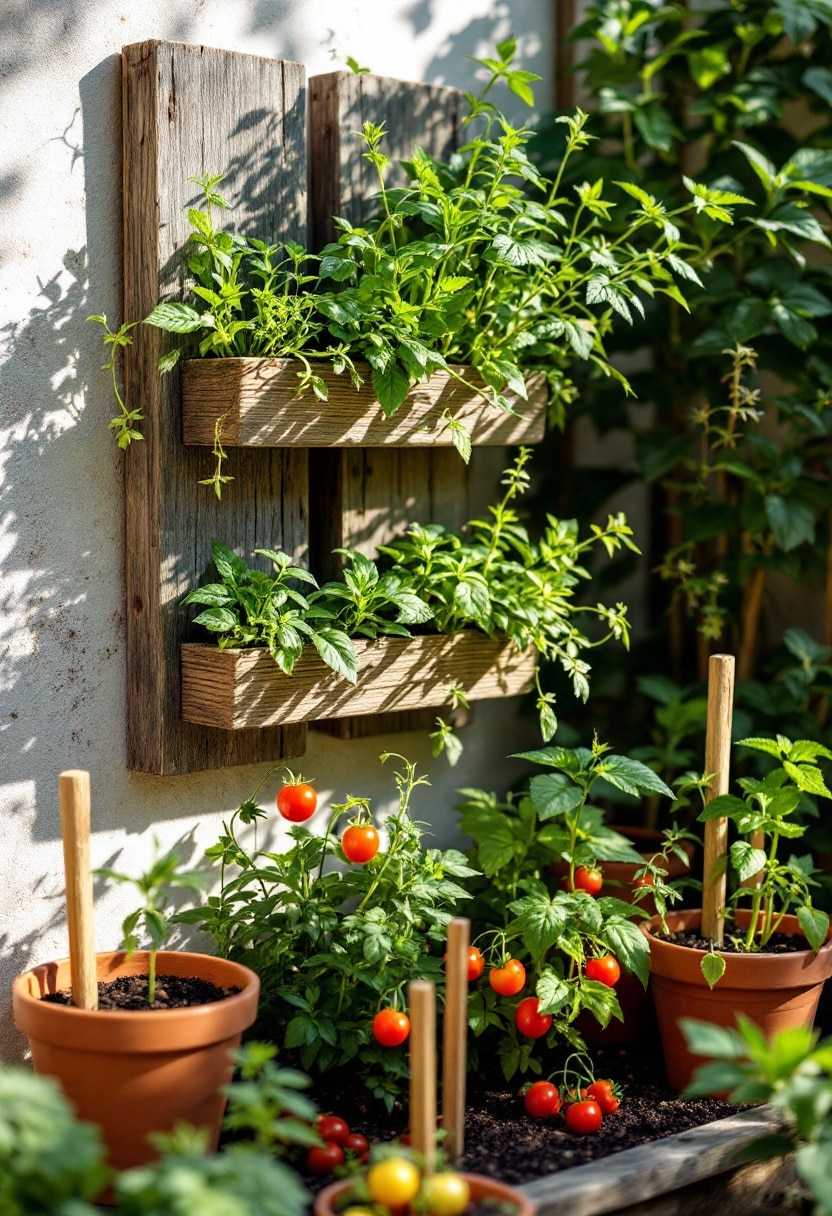
Integrating edible plants into small garden designs brings both health benefits and a sense of sustainability. Growing herbs like basil, mint, and oregano not only enhances your cooking but also offers aromatic touches to your garden. Vegetables and fruits, such as cherry tomatoes and strawberries, are perfect for compact spaces, allowing you to enjoy fresh produce without the need for large plots.
Maintaining a productive edible garden in limited space requires strategic planning. Vertical gardening techniques, such as using wall-mounted planters, maximize the use of space and allow for sunlight access. Additionally, consider companion planting to improve growth and deter pests. Choose containers wisely, ensuring they have proper drainage to prevent waterlogging and promote healthy plant development.
Organize your garden layout by categorizing plants based on their requirements. Group sun-loving herbs together while placing shade-tolerant vegetables in appropriate spots. Regular maintenance, such as pruning and fertilizing, is crucial to keep the garden thriving. By incorporating these strategies, even the smallest garden can be a lush and productive environment that reflects your personality and taste.
Creating Wildlife-Friendly Gardens
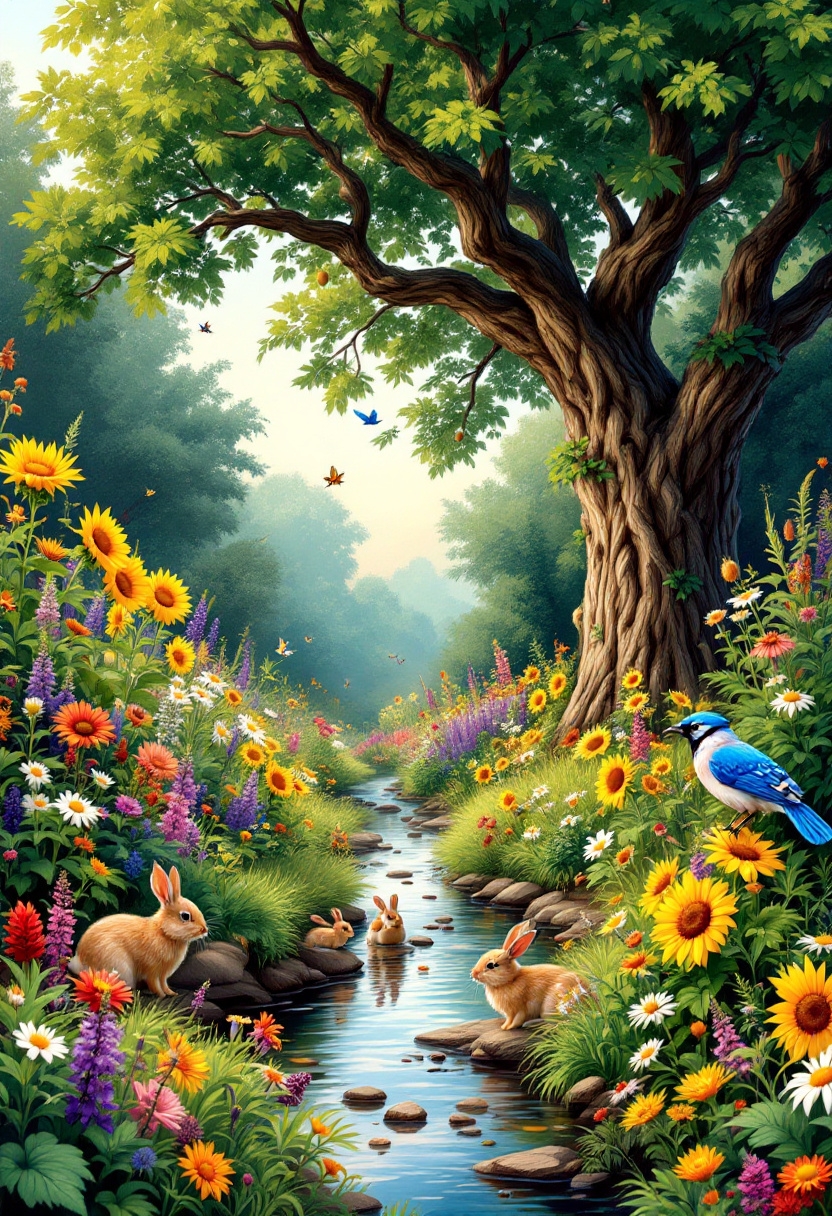
Transforming your small garden into a wildlife haven is a rewarding endeavor. By using native plants, you create a natural habitat that supports local wildlife. Native plants are low-maintenance and provide food and shelter for birds, butterflies, and beneficial insects. This creates a balanced ecosystem in your garden, enhancing biodiversity and promoting a healthier environment.
Incorporate bird feeders and water sources to attract different species. A small birdbath or pond can provide vital hydration for wildlife, while feeders offer nourishment. These features invite birds, which help control insect populations, and make your garden come alive with activity and sound. These elements also contribute to a sense of harmony within your outdoor space.
Ecologically-minded gardens offer far-reaching benefits. They promote natural pest control, reduce the need for chemical pesticides, and support pollinators essential for food production. Designing gardens with wildlife in mind fosters your connection to nature and enriches your garden’s aesthetic. Embrace this approach to make your garden a nurturing space for both you and local wildlife.
Innovative Use of Mirrors
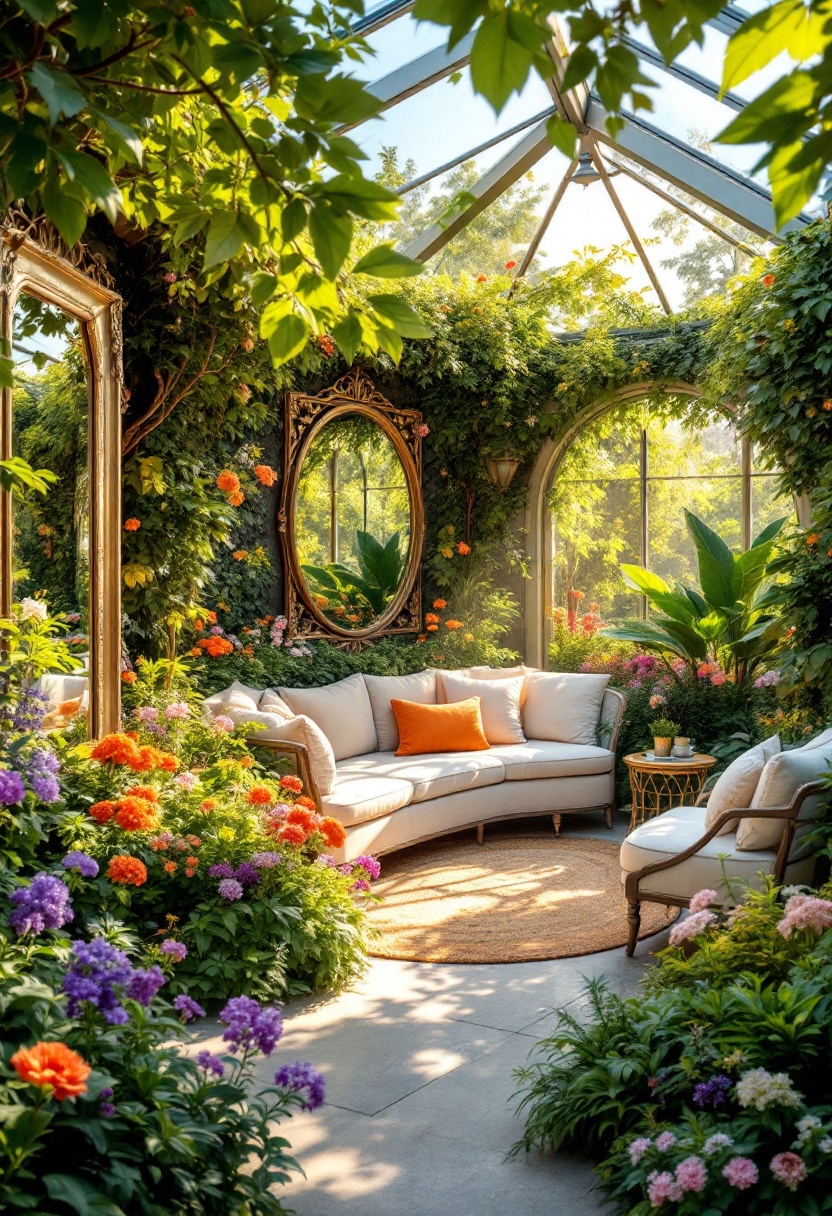
Integrating mirrors in your small garden can work wonders to expand and brighten your space. Strategically placing them helps bounce light around, making the area feel more substantial. Position mirrors where they’ll reflect lush greenery to create an enchanting depth and enhance the overall garden ambiance.
Consider these placement strategies for best results: mount a mirror to catch sunlight streaming through trees, or hang one near a seating area to reflect the vibrant plant life surrounding you. Ensure it’s angled effectively to capture and redirect natural light, thus increasing the brilliance and vitality of your garden.
When choosing mirrors, opt for weatherproof designs that withstand outdoor elements. Frames can add a decorative touch, complementing your garden’s style. Use mirrors to disguise unsightly walls or fences, thus transforming ordinary spaces into lush retreats. These tactics can dramatically elevate the charm of your small garden.
Incorporating Aromatic Plants
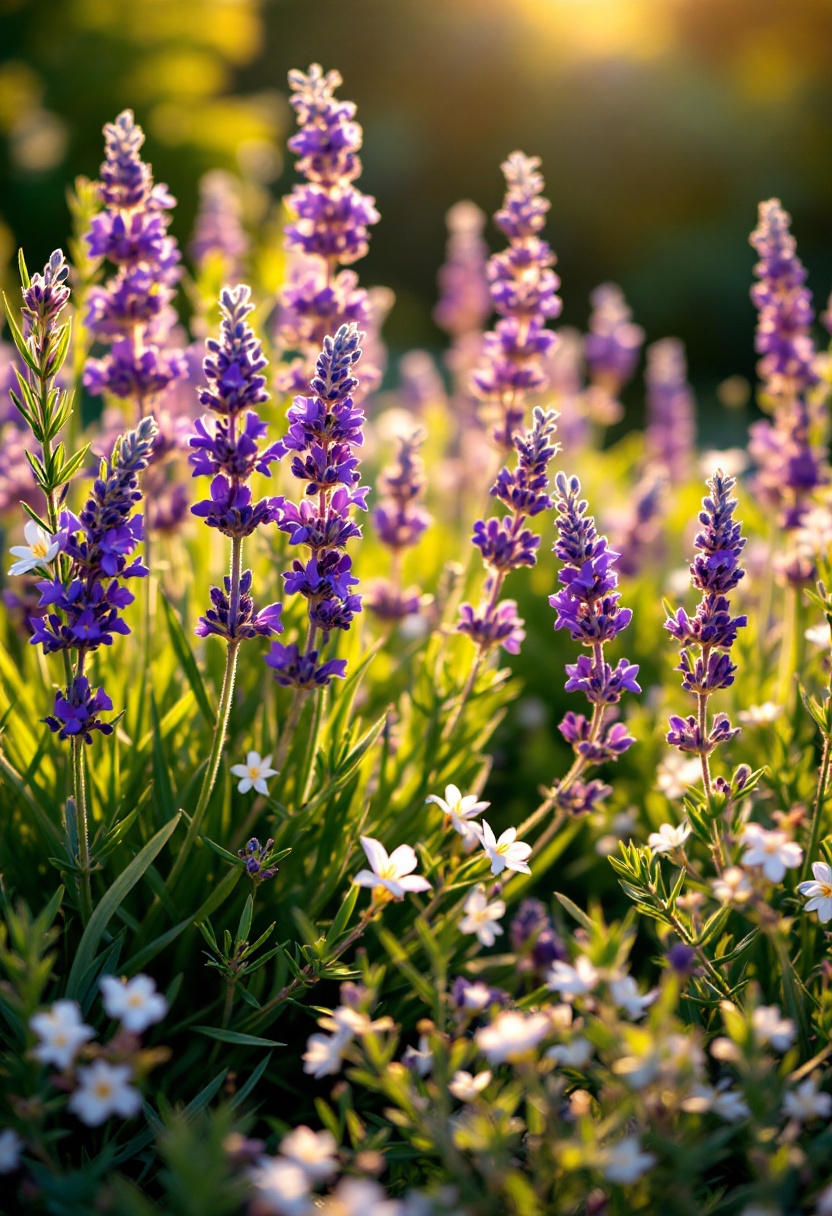
Adding aromatic plants to your small garden can transform it into a haven of relaxation and tranquility. Imagine being greeted by the enchanting scent of lavender each time you step outside. This fragrant plant not only smells divine but also has calming properties, perfect for unwinding after a long day. Incorporation of such scents can enhance the sensory appeal of your garden.
Consider rosemary, another fantastic choice for an aromatic garden. Its robust scent invigorates the senses and adds a touch of elegance to your garden layout. Apart from its aroma, rosemary is a versatile herb, adding flavor and fragrance to your culinary dishes. Jasmine, with its sweet, exotic scent, can make your garden feel more inviting.
By blending aromatic plants into your small garden, you create an atmosphere that’s not only visually appealing but also rich in fragrance. This sensory enhancement encourages you to spend more time outdoors, enjoying the serene surroundings. Choose plants that suit your climate and personal taste to create a truly unique and aromatic space.
Designing with Sustainability in Mind
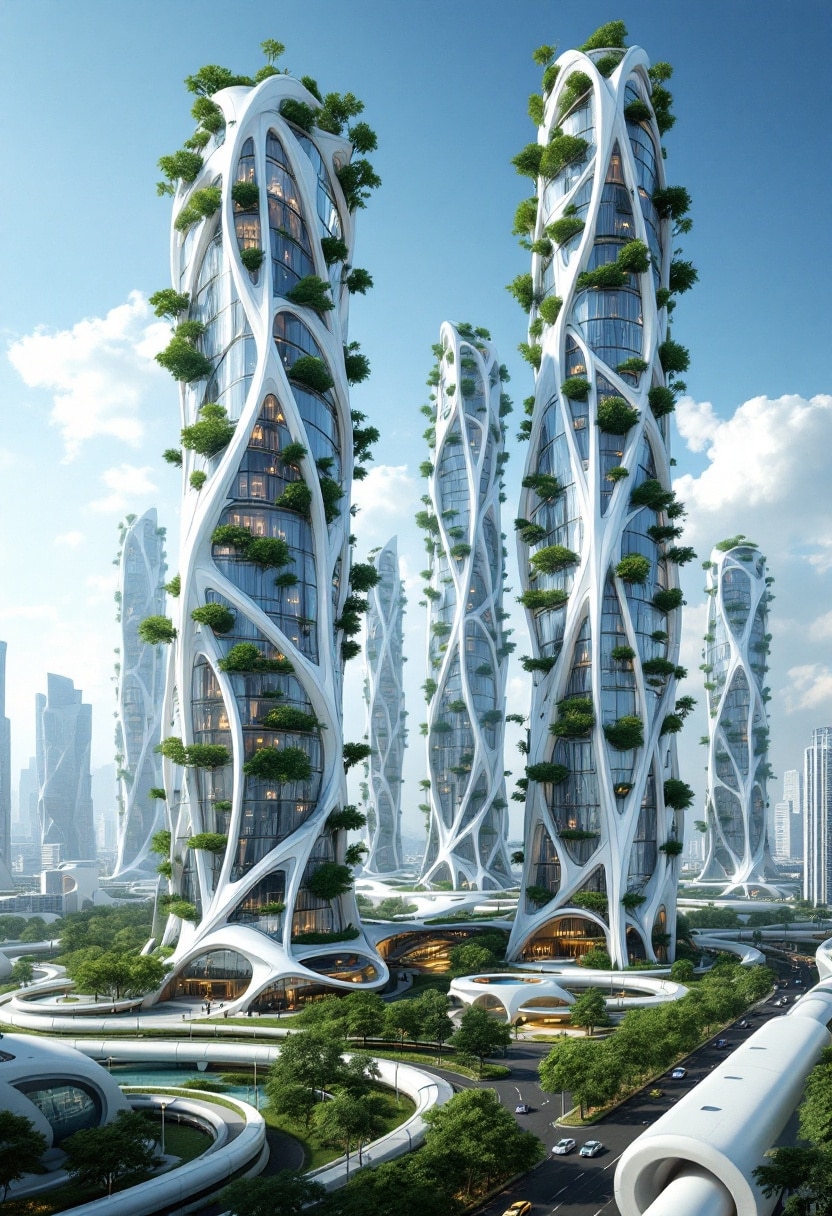
Creating a sustainable garden in small spaces can beautifully blend with your lifestyle while keeping the environment in mind. Start by choosing eco-friendly materials like reclaimed wood or recycled plastics for garden structures. These options not only reduce waste but also add a unique character to your garden design.
Incorporate water-saving techniques to make your garden more efficient. Using drip irrigation or installing rain barrels allows you to conserve water effectively. Furthermore, planting drought-resistant species ensures a lush garden without excessive water use. These steps can significantly minimize your garden’s ecological footprint.
Permaculture principles enhance the sustainability aspect by mimicking natural ecosystems. Consider companion planting to naturally manage pests and improve soil fertility. Additionally, composting kitchen scraps can enrich the soil without synthetic fertilizers. These sustainable practices not only embellish your garden but also support a healthier planet.
Creating Focal Points with Unique Planters
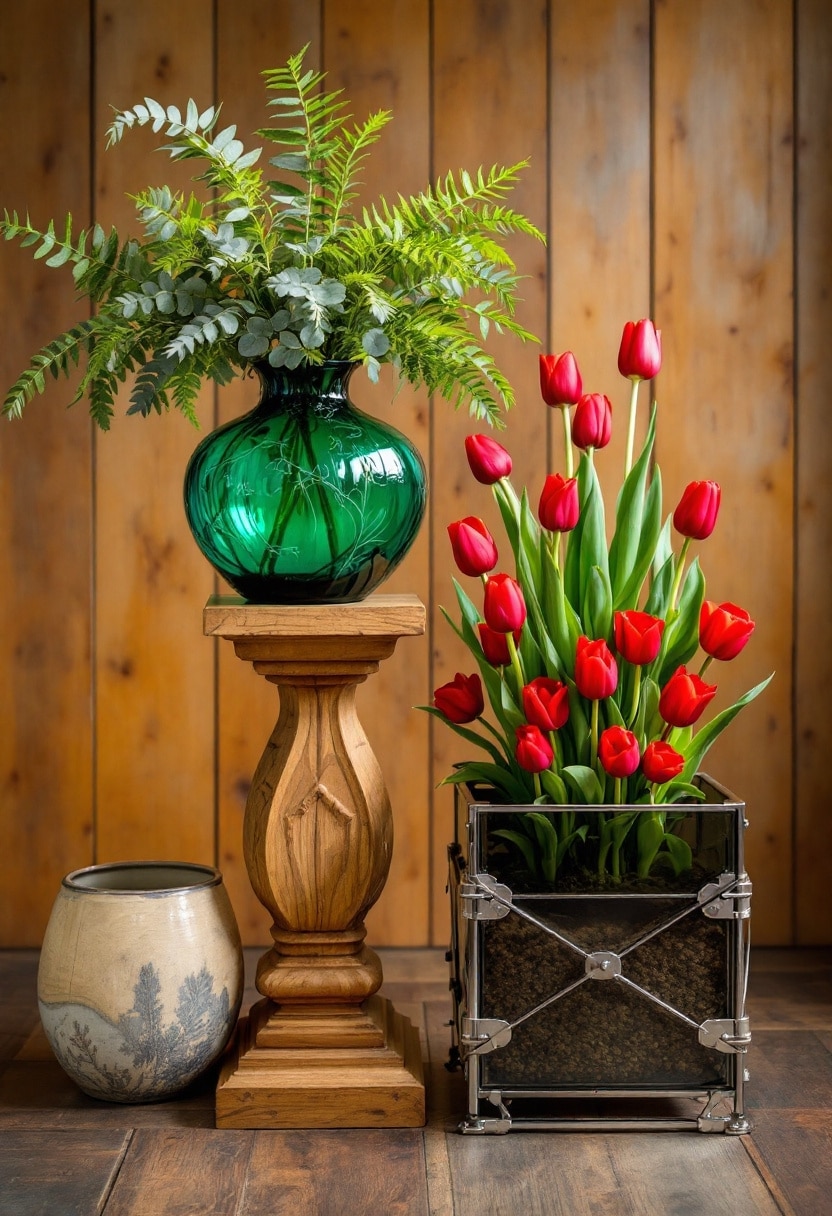
Unique planters can effortlessly transform small gardens by serving as attention-grabbing focal points. Choosing planters with distinctive shapes or bold materials can instantly elevate the entire space. Materials such as recycled metals, ceramics, or even repurposed wood create visual interest. These elements can guide the eye and break the monotony, making the garden feel more spacious and carefully curated.
Incorporating unique planters not only adds a decorative element but also allows for the spotlighting of individual plants. Consider arranging a mix of plant types and heights within these planters. This strategy can craft depth and texture, boosting the garden’s aesthetics. By experimenting with unusual designs or innovative arrangements, your small garden can exude a personalized charm that is both functional and pleasing to the eye.
For those looking to enhance their garden’s style without overcrowding, opting for quirky or artistic planters can achieve the perfect balance. The right planter can act as a piece of art, drawing visitors’ attentions and encouraging them to explore further. Letting these containers become standalone art pieces showcases your creativity and personal taste, keeping your garden engaging and endlessly captivating.
Incorporating Seasonal Accents
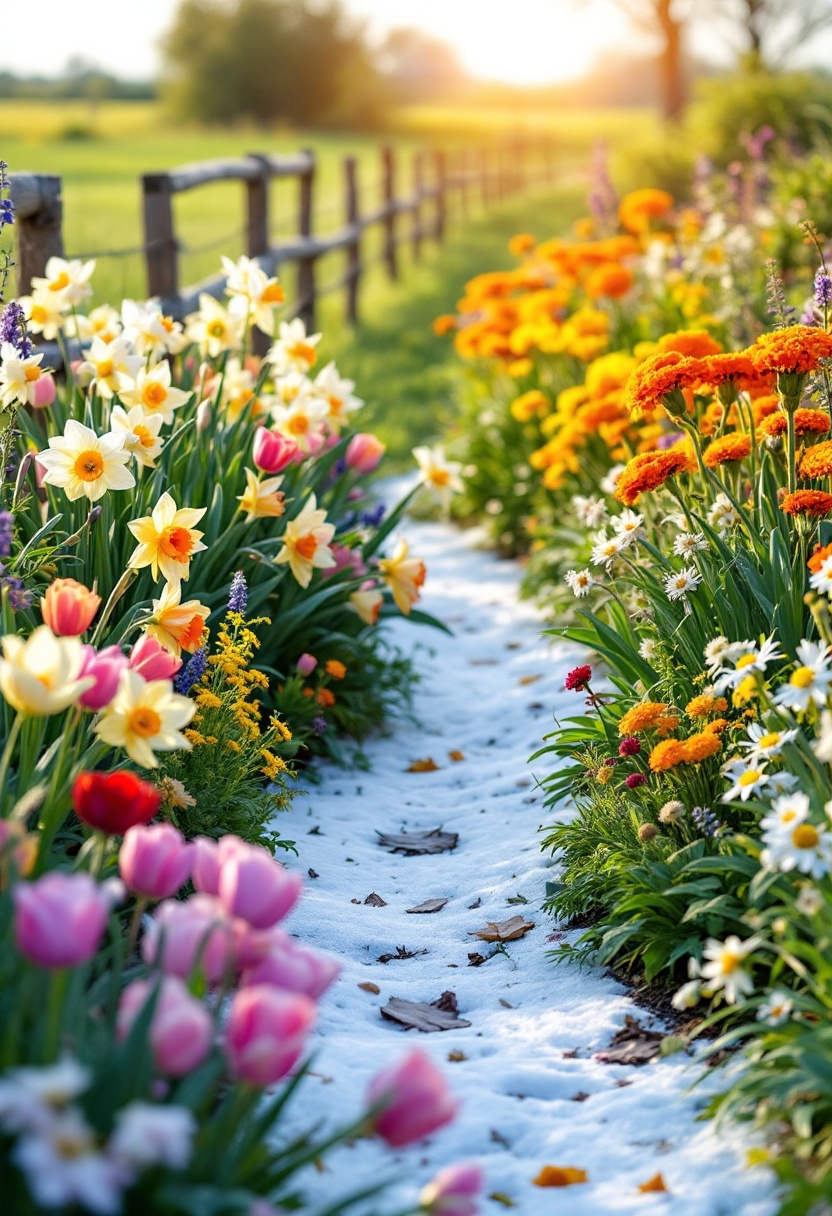
Small gardens thrive when they transform with the seasons, continually capturing attention. To achieve this dynamic, think of integrating seasonal flowers. In spring, plant tulips or daffodils for fresh vibrancy. Summer can invite bright annuals like marigolds. By autumn, chrysanthemums bring warmth, while winter’s bare trees can be adorned with simple decorative lights to maintain charm.
Seasonal decor is a fantastic way to reflect nature’s changes in your garden. A rotating selection of wreaths or ornaments for fences can align your garden’s style with the time of year. Consider using natural elements like twigs and pinecones in winter, or colorful gourds in fall, giving your garden a unique and personal touch.
Embrace the idea of changing color schemes as the year progresses. Spring might call for pastel pots and decor, while summer can embody bright and bold tones. Autumn can shift towards earthy browns and reds. These seasonal accents help ensure that your small garden remains a lively and inviting space throughout the year.
Creating a Zen Garden Retreat
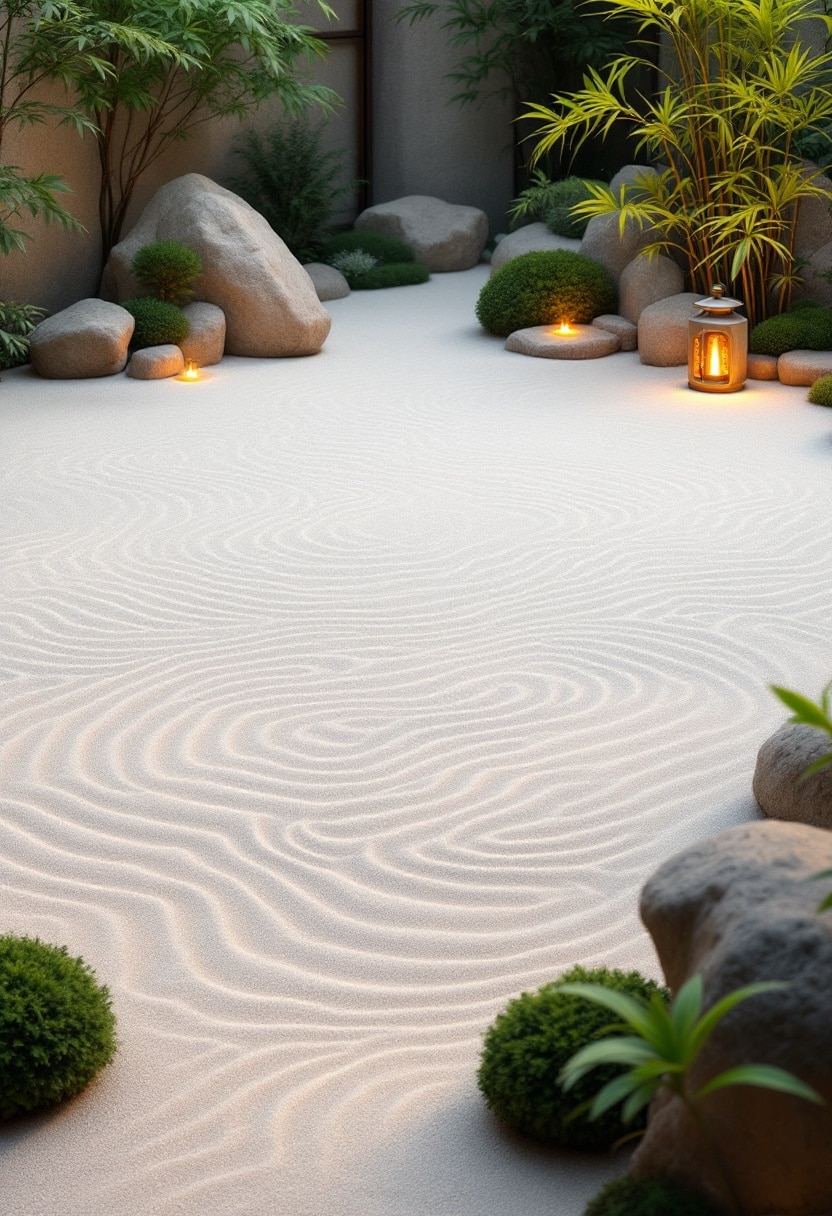
Designing a small Zen garden retreat lets you create a sanctuary of tranquility in your own backyard. Start with basic elements like sand and rocks, which are staples in Zen gardens. These materials help establish a calming environment. Raking patterns in sand can promote mindfulness, drawing your focus and providing a mental escape. Choose shapes and textures that resonate with serenity.
Incorporate minimalistic plantings to elevate the serene vibe. Consider low-maintenance options like moss or bamboo for softness and simplicity. These plants maintain harmony without overwhelming the senses. Strategic placement of stone lanterns or statues can enhance spiritual aspects. Keep the design uncluttered to allow for reflection, giving you a peaceful space to unwind after busy days.
Integrate water elements, if possible, to enrich the ambiance. A small fountain or pond introduces soothing sounds and gentle motion. This feature can become the focal point, encouraging more extended moments of contemplation. Whether it’s sipping tea or reading a book, your Zen retreat provides an intimate corner to rejuvenate amidst nature’s calming presence.
Designing for Multi-Use Spaces
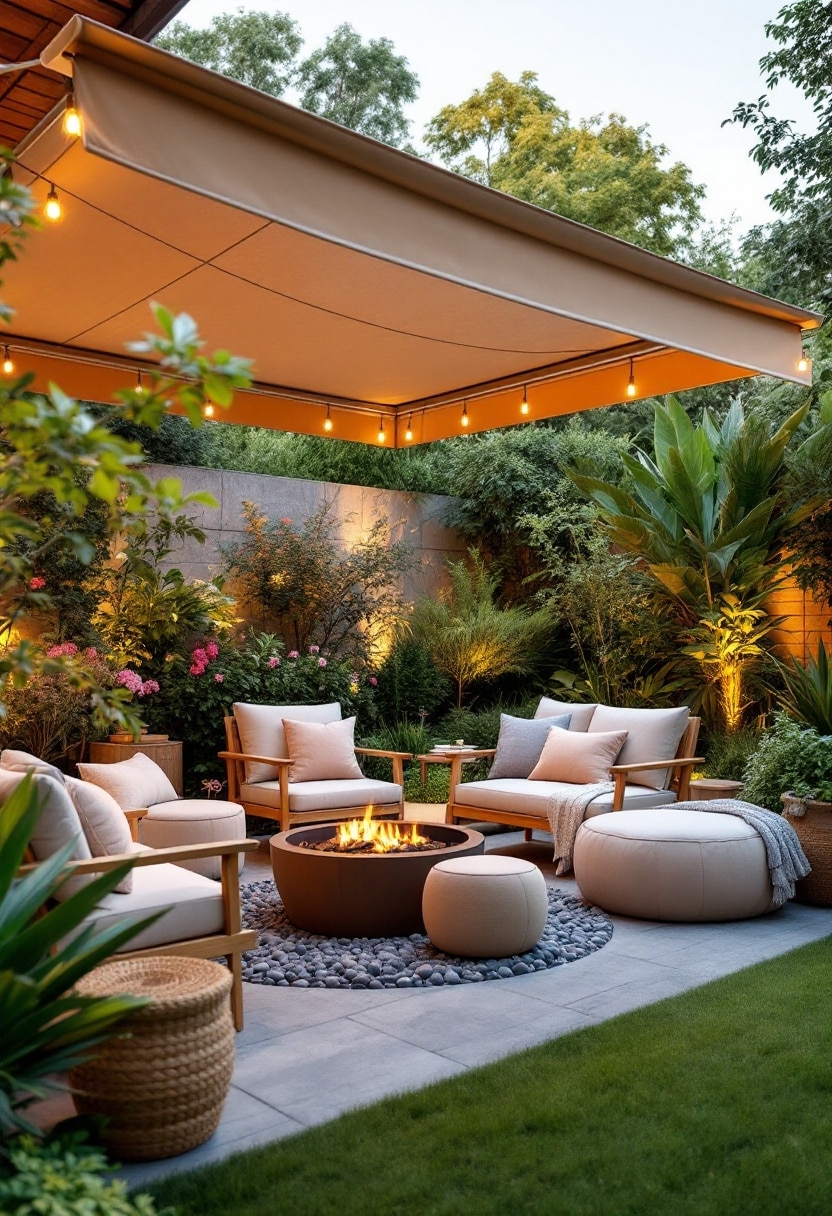
Creating a small garden that supports various activities is both practical and exciting. You can maximize your outdoor space by incorporating flexible areas that cater to dining, relaxation, and play. Opt for versatile furniture that can easily be moved and rearranged. This way, you can quickly transition from a cozy dining nook to an inviting relaxation area.
Think about how your garden layout can accommodate different family needs and social gatherings. A foldable table can transform a small patio into a dining area, while stackable chairs save space. Use cushions or ottomans for casual seating—the perfect setup for lounging and enjoying a good book. These solutions encourage a dynamic use of the garden space.
Designing for multiple uses doesn’t mean compromising style. Incorporate elements like retractable awnings or portable fire pits to extend usability. By combining style with functionality, your garden evolves into a charming venue for various activities. Thoughtfully layered lighting can further enhance these experiences, adding ambiance for evening relaxation or lively gatherings.
Incorporating Vertical Planters

Vertical planters are a brilliant way to make the most of a small garden, offering both space-saving solutions and aesthetic charm. By using vertical space, you can grow a diverse selection of plants without cluttering the ground area. This method allows for stacking multiple layers of greenery that can create a stunning visual impact in compact spaces. It’s an innovative approach to maximize your garden’s potential.
There are numerous styles and materials to explore when choosing vertical planters. Options range from sleek metal frames to rustic wooden designs or even upcycled containers for an eco-friendly touch. Consider the weight and water needs of your plant selections when choosing materials, ensuring they match your garden’s overall style. This will help you blend function with beauty effectively.
Maintaining healthy plants in vertical systems requires some attention to detail. Ensure adequate sunlight according to plant species, rotate plants if needed, and prioritize efficient watering systems. Use lightweight soil to prevent stress on the structure and check drainage regularly. Establishing a care routine will ensure your vertical garden thrives and continues to add lush vitality to your outdoor space.
Using Textures to Add Interest

In small garden spaces, experimenting with textures can transform your outdoor area into a visual treat. Mix plants with varying leaf shapes and sizes to create a lush tapestry. Consider adding stones or gravel pathways to contrast with the greenery. The tactile contrast between smooth and rough surfaces enhances the garden’s sensory appeal, bringing depth and intrigue.
Combine materials like wood, metal, and stone in your garden decor to enrich its texture. Wooden benches or metal planters infused with stone sculptures can captivate the senses. These contrasting elements add personality and make your garden a cozy nook. Play with textures to stimulate sight and touch, elevating your garden’s atmosphere.
Use decorative elements like patterned tiles or textured pots for added diversity. These accents can highlight specific areas, drawing attention to small garden features. Employing a mix of textures helps create focal points and depth. This approach turns even the smallest garden into a dynamic space that feels engaging and rich in experience.
Incorporating DIY Garden Projects
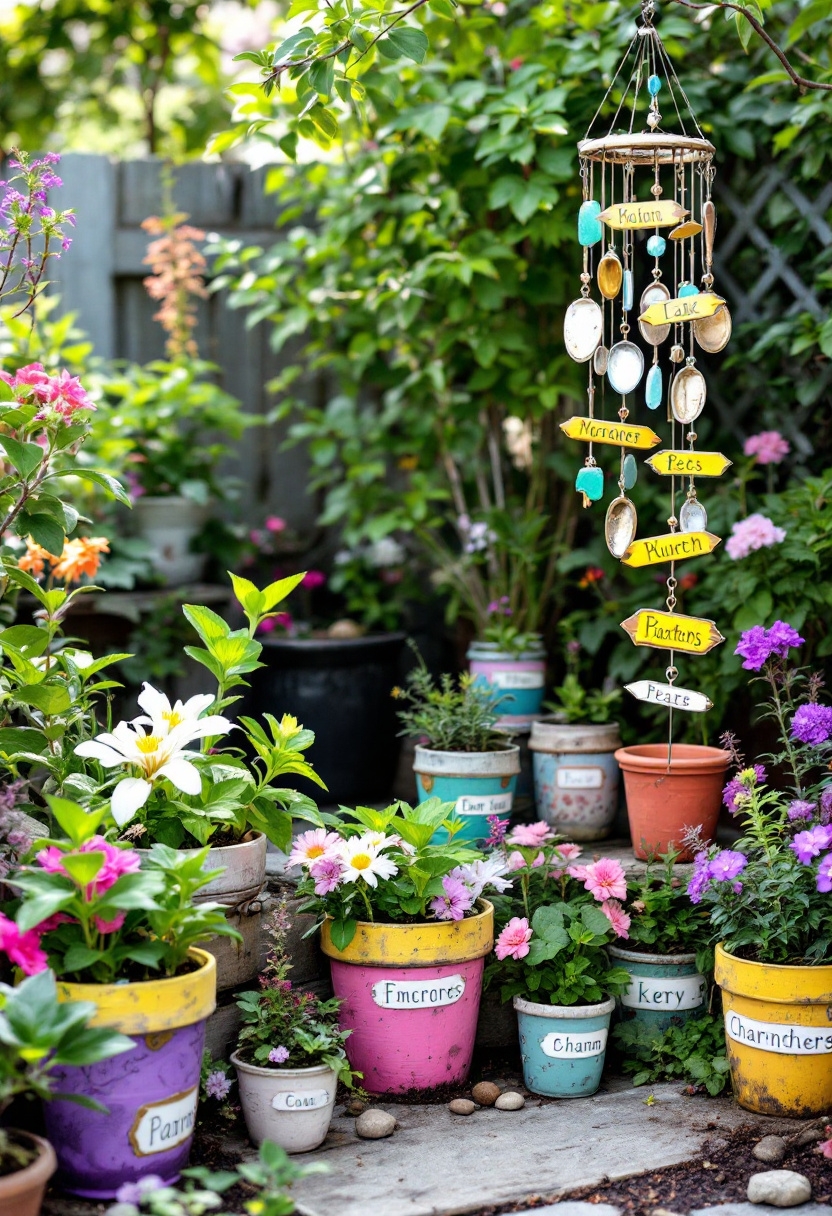
DIY projects are a fantastic way to add a personal touch to small garden spaces. They allow you to infuse your unique style into your backyard. By crafting your decor, you can create an inviting atmosphere that reflects your personality. Simple projects like homemade planters or quirky garden markers make your garden area truly yours, adding both function and flair.
Easy DIY Craft Ideas
- Homemade Planters: Use old containers or pots and paint them with vibrant colors.
- Garden Markers: Repurpose materials like spoons or stones to label your plants creatively.
- Decorative Features: Create wind chimes from recycled items to bring a touch of whimsy.
Engaging in DIY garden projects not only breathes life into your outdoor space but also provides a sense of accomplishment. These small projects can transform your garden into a charming haven. They offer an opportunity to experiment with new ideas and lighten up your garden, giving it a character that is truly your own.
Designing with Minimalism
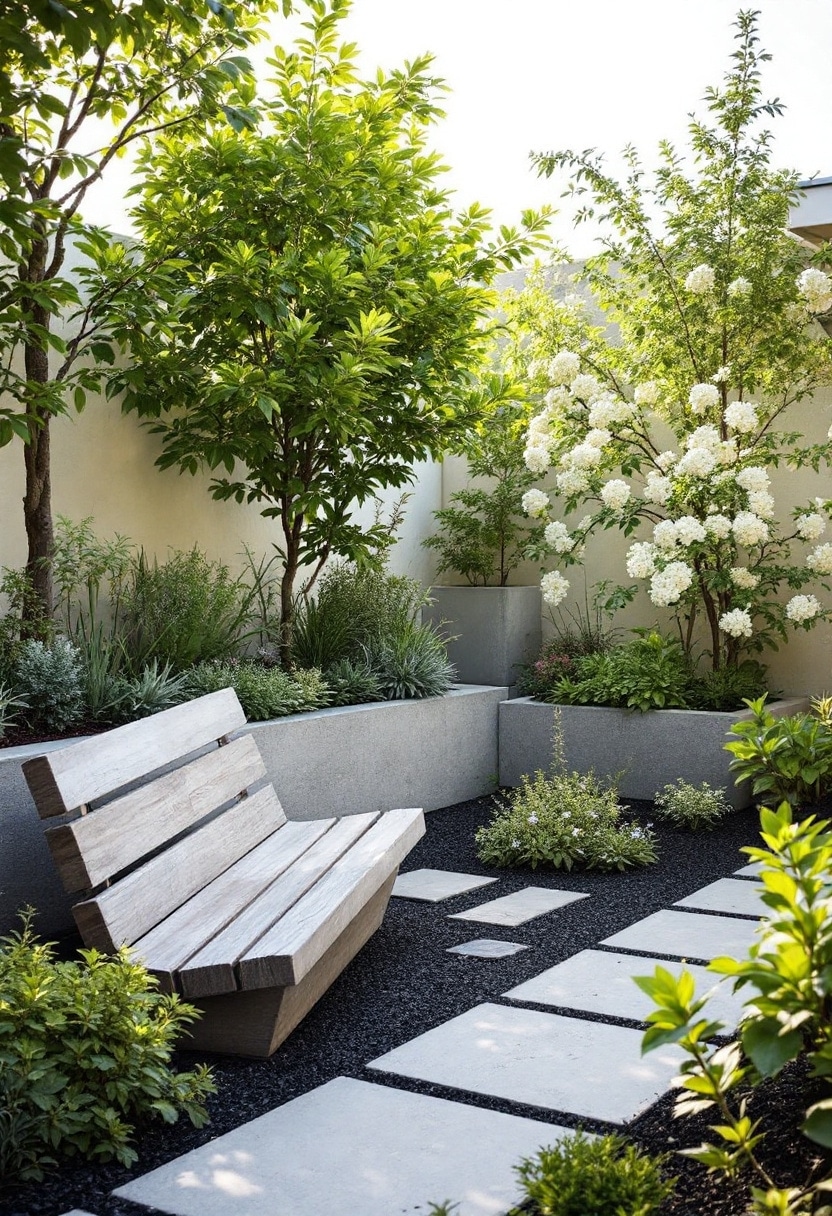
Exploring minimalist design principles can transform a small garden into a serene retreat. Emphasizing simplicity and clean lines brings a sense of order and tranquility. By reducing clutter and focusing on essential elements, you invite a peaceful atmosphere that maximizes your limited space. Minimalism allows each feature to stand out, creating visual harmony and a functional yet beautiful landscape.
Select furniture and decor pieces with functional beauty in mind. Opt for sleek furnishings that serve more than one purpose, like benches with storage or modular seating that adjusts to your needs. These choices make your garden efficient while maintaining a chic, sophisticated appearance. Simple plant arrangements can further enhance the minimalist vibe, offering calm and refinement.
Creating a minimalist garden involves thoughtful planning. Focus on three core components: a limited color palette, intentional plant selection, and strategic use of space. These guiding principles transform small spaces into meaningful, engaging areas. A minimalist approach offers a canvas for personal expression, while balancing practicality with style to elevate your garden’s appeal and utility.
Creating Privacy with Green Screens
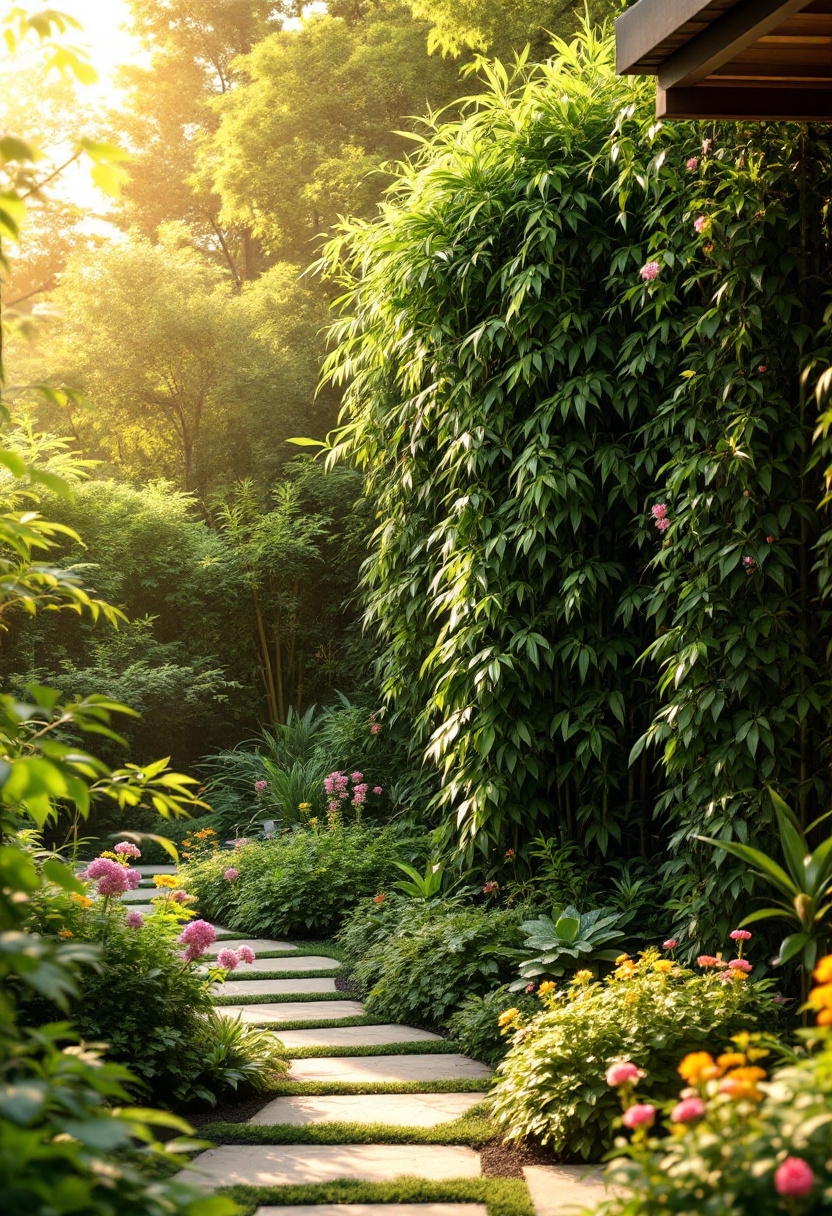
For those longing for a private oasis in a small garden, green screens offer a perfect solution. Using **hedges** and cascading plants, you can carve out secluded spaces without compromising on beauty. Consider fast-growing species like bamboo or evergreens such as holly. These provide a lush, natural barrier, effectively blocking views while adding to the charm of your garden.
Selecting the right **structure** for these screens is vital. Options include trellises, pergolas, or even simple wire frames. When plants climb and intertwine with these structures, they create a textured, visually appealing wall. Think about combining layers by using smaller shrubs at the base to bolster coverage and enhance privacy.
In choosing plants, focus on **height and density**. You want your green screens to reach an optimal level to block unwanted views. But balance is key—maintain access to sunlight and prevent overcrowding. Experiment with different plant combinations to add pops of color or seasonal interest, enhancing both privacy and aesthetic appeal.
Incorporating Rustic Elements
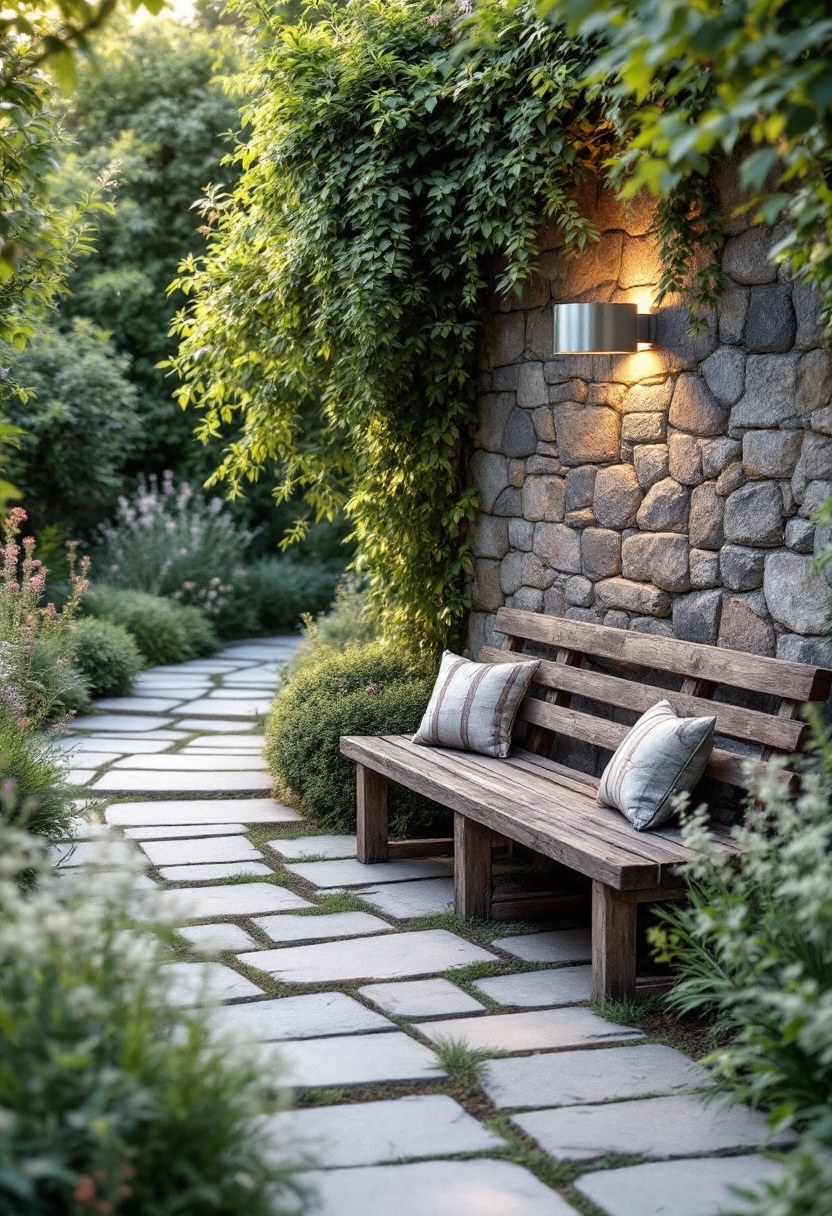
Adding rustic elements to a small garden can infuse warmth and unique charm. Consider using materials like wood and stone, which naturally blend into the landscape. Wooden benches or stone pathways can create a welcoming atmosphere, enhancing the garden’s overall aesthetic. The texture of these materials adds depth, making the space feel both cozy and sophisticated.
To achieve a balanced look, incorporate modern touches alongside rustic materials. For instance, pairing a stone wall with sleek metal or glass accents can create an interesting contrast. Utilize neutral colors to ensure harmony between rustic and contemporary elements. This fusion of styles can provide an inviting escape, blending tradition with modern design.
Remember, the key to incorporating rustic elements is to maintain a sense of cohesion. Too many contrasting styles can overwhelm the space. Opt for a subtle approach, using rustic features as focal points. This way, they contribute to the serene vibe without dominating the garden. Such compositions can transform a small garden into a personal sanctuary.
Designing for Shade and Sun

Creating a small garden that thrives in both shade and sun is a delightful challenge. Select plants that suit each section’s light requirements. In shaded areas, consider lush ferns and hostas, which thrive without direct sunlight. For sunlit zones, use vibrant blooms like lavender or marigolds. This plant diversity will ensure beauty across the entire garden.
Strategic layout is crucial for balancing shade and sun. Position taller plants or structures to create natural shade for delicate flora. A well-placed tree can provide refuge without overwhelming the space. Use pavers or stones to demarcate sunny and shady areas, ensuring each section receives appropriate care. This thoughtful setup enhances your garden’s charm and functionality.
Designing for light variation offers creative opportunities. Incorporate seating in sunny spots for warmth and relaxation, while shaded corners invite quiet reflection. Use contrasting colors and textures to highlight the unique character of each environment. By embracing these elements, you’ll cultivate a versatile garden space that feels dynamic and inviting, no matter where the sun shines.
Incorporating Interactive Features

Enhancing your small garden with interactive features creates an engaging environment that invites curiosity and exploration. Sensory paths, for instance, enrich the garden experience by using varied textures and scents that stimulate the senses. Imagine walking through a path where each step unveils a new fragrance or sensation, inviting visitors to slow down and appreciate the details around them.
Interactive sculptures make a striking addition to your garden, offering both visual appeal and engagement. Sculptures with movable parts or those that encourage touch can pique interest, sparking conversation among visitors. These installations invite people to experience art in an outdoor setting, forging a connection between nature and creativity as a harmonious statement in your garden.
Water play elements transform ordinary garden spaces into magical experiences. Consider adding a small fountain or pond where visitors can interact with water in a playful yet mindful way. These features not only add a soothing sound to your garden but also encourage people to engage on a deeper level, making the most out of a small space and maximizing enjoyment.
Maximizing Impact with Bold Statements

In transforming a small garden, making bold statements with strong design choices can truly set the tone. Consider using dramatic plantings to create a lush and immersive environment. Tall grasses and vivid flowers offer both texture and color. These dynamic plants not only define space but make the garden feel more expansive, beautifully expressing your personal style and preferences.
Adding striking art pieces can elevate your garden’s appeal. Sculptures or unique ornaments become focal points, drawing the eye and providing structure. They can be small and subtle or large and commanding, depending on your taste. These artistic elements create an engaging atmosphere and give your garden a unique and personal touch, reflecting your identity.
Vibrant colors can transform any small garden into a lively, welcoming haven. Use bright furnishings or painted walls to energize the space. Play with colorful outdoor accessories like pillows or planters. This infusion of color enlivens the garden, offering a cozy yet cheerful retreat that resonates with personality and warmth.
Small garden spaces provide endless opportunities for creativity and transformation. From vertical gardening to incorporating bold statements, each idea can turn a compact area into a lush, inviting retreat. Embrace these design strategies to not only optimize your garden’s potential but also reflect your unique personality and lifestyle. Start creating your own vibrant, rewarding outdoor space today.