Effective Strategies for Eliminating Caterpillars

In the vibrant world of gardening, caterpillars may present a significant challenge as they can transform your lush landscape into a battlefield. These little creatures, while playing their part in the ecosystem, can cause considerable harm to your beloved plants and vegetables. However, with the right knowledge and strategies, you can effectively manage and eliminate caterpillar infestations in your garden, ensuring the health and beauty of your outdoor spaces. From early detection to natural pest control methods, this guide will provide you with the essential tools needed to keep your garden thriving and caterpillar-free.
Caterpillars can be a gardener’s nightmare, wreaking havoc on your beautiful plants and vegetable patches. However, with the right strategies, you can effectively manage these pests and protect your garden. In this article, we will explore a variety of effective methods for eliminating caterpillars, from natural remedies to preventative measures, ensuring that your green space stays healthy and vibrant.
Understanding Caterpillars
Before diving into the elimination strategies, it’s essential to understand what caterpillars are. These larvae of moths and butterflies can be both beneficial and detrimental to gardens. While they play a crucial role in the ecosystem, their presence can spell trouble for your plants. Visible signs of infestation include holes in leaves and droppings known as frass, which are signals that it’s time to act.
Monitoring and Early Detection
One of the best ways to manage caterpillar populations is through regular monitoring. By frequently inspecting your plants, you can catch infestations early and act swiftly. Check the underside of leaves where caterpillars often hide and look for any signs of their presence. Early detection allows for more effective management and helps in minimizing damage to your garden.
Hand Removal
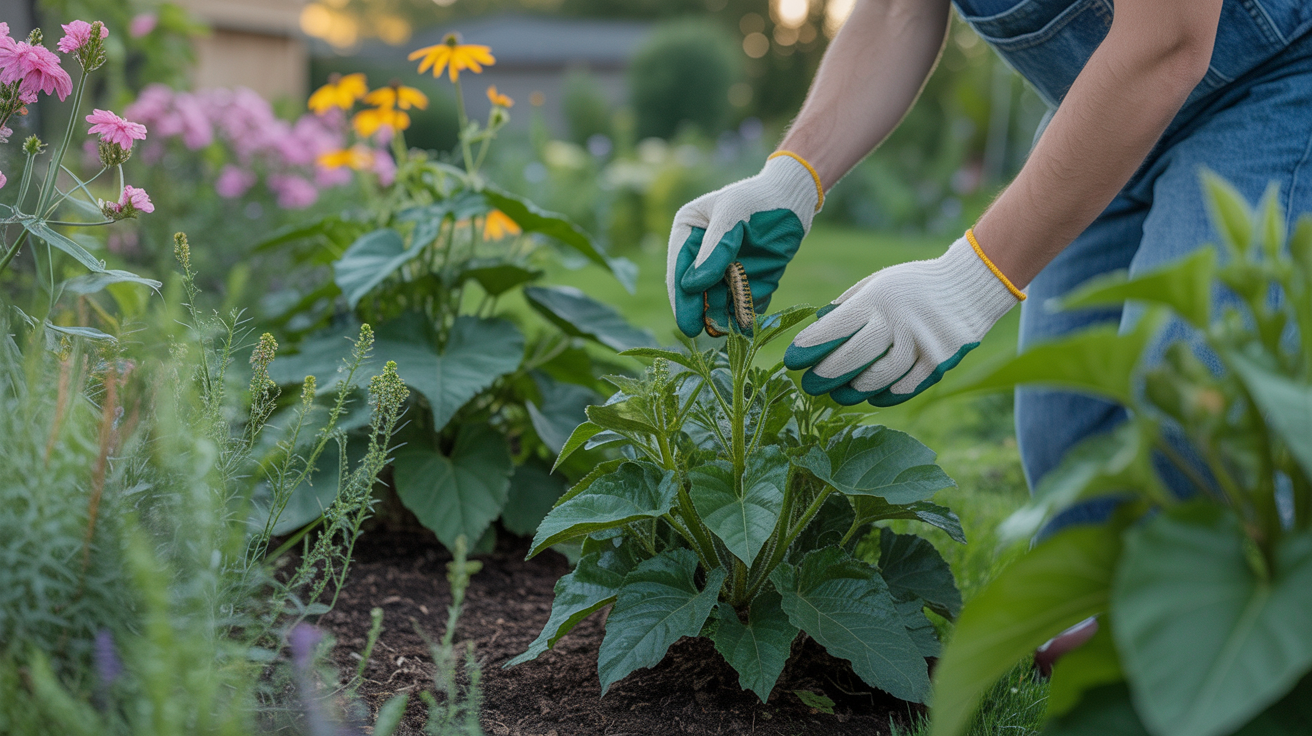
For small infestations, consider the manual removal of caterpillars. Wearing gloves, gently pick them off your plants and drop them into a bucket filled with soapy water. This method ensures that you eliminate the pests while leaving your plants unharmed. It’s a straightforward, eco-friendly approach that can significantly reduce the caterpillar population.
Natural Remedies
If hand removal isn’t enough, there are several natural remedies you can use. For instance, neem oil is a fantastic organic pesticide derived from the seeds of the neem tree, which is effective against caterpillars. Simply mix neem oil with water and a few drops of dish soap, then spray it on affected areas, ideally in the evening to avoid harming beneficial insects like bees.
Another potent solution involves using Bacillus thuringiensis (Bt), a natural bacterium safe for other wildlife. Applying Bt to infested plants can help control caterpillar populations without adversely affecting the ecosystem.
Preventative Measures
Prevention is often the best strategy against caterpillar infestations. Implementing some proactive measures can help make your garden less hospitable to these pests.
Garden Design
Careful garden design can deter caterpillars. Choose plants that are less prone to caterpillar damage, and consider incorporating companion planting with strong-smelling herbs that can naturally repel these pests. Herbs like basil and mint are great choices.
Encouraging Natural Predators
Another effective method is to foster a habitat for natural predators, such as birds, ladybugs, and parasitic wasps. Planting a diverse range of shrubs and flowers can attract these beneficial species to your garden, helping to maintain a balanced ecosystem and keeping caterpillar populations in check.
Using Chemical Solutions Wisely
In cases where caterpillar populations spiral out of control, a judicious use of chemical solutions may be necessary. However, it’s crucial to choose options that are safe for the environment. Always read labels carefully, follow application instructions, and try to limit chemical use to spot treatments to minimize the impact on your garden’s ecosystem.
Timing and Application
When using any chemical solution, timing is crucial. Apply treatments during the early morning or late evening to avoid harming beneficial insects during peak activity hours. This careful approach will help in preserving the health of your garden and maintaining its delicate ecological balance.
Additional Resources
If you’re looking for more tips to enhance your gardening experience, check out the following links:
- Essential Tips for Successful Cauliflower Cultivation
- Identifying Common Butterfly Species in Your Garden
- Essential Tips for Growing Luscious Lettuce
Maintaining a vibrant and thriving garden is a labor of love, and when pesky caterpillars invade, it can feel daunting. Understanding how to tackle these garden intruders effectively is crucial for the health of your plants. One of the most effective strategies is early detection. Regularly inspecting your plants for signs of infestation, such as frass—small caterpillar droppings—will allow you to act quickly before severe damage occurs.
Hand-picking caterpillars remains a tried-and-true method, especially for small infestations. Wearing gloves and gently removing these pests by hand can prevent harm to your plants while ensuring they are disposed of safely in a bucket of soapy water. This method, though labor-intensive, is incredibly effective when performed diligently.
In addition to manual removal, utilizing natural solutions like neem oil and Bacillus thuringiensis (Bt) can offer powerful protection. Neem oil acts as a deterrent while being safe for other beneficial insects. Bt, a naturally occurring bacterium, is particularly lethal to caterpillars yet safe for birds and mammals, providing a valuable option for eco-conscious gardeners.
Companion planting—arranging plants strategically to deter pests—is another ingenious and sustainable approach. By planting strong-smelling herbs alongside your vegetables, you can naturally ward off caterpillars and other pests seeking a meal.
Lastly, staying informed about the types of caterpillars frequenting your garden will enhance your effectiveness in managing these pests. Each species has its behavior patterns, allowing gardeners to tailor strategies specific to their challenges. Combining these methods creates a robust defense, safeguarding your outdoor spaces from the damage caterpillars can inflict.