
Essential Tips for Successful Cauliflower Cultivation
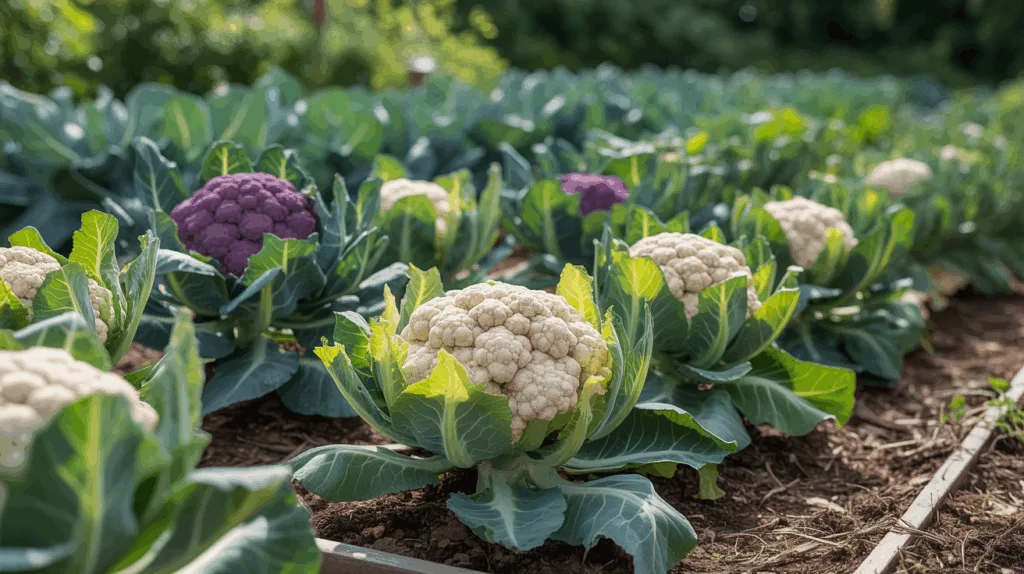
Cauliflower, a versatile and nutritious vegetable, can be a delightful addition to any garden. However, cultivating this cruciferous gem requires careful attention and the right techniques to ensure a bountiful harvest. In this guide, we will explore essential tips for successful cauliflower cultivation, from selecting the appropriate varieties to soil preparations and maintenance. Get ready to dig into the secrets of growing healthy, vibrant cauliflower in your own outdoor space!
Cauliflower is not just a versatile vegetable beloved by many; it’s a rewarding addition to your garden that can yield a sumptuous harvest when cultivated correctly. This article outlines essential tips to ensure your cauliflower grows strong and fruitful, touching on everything from selecting varieties to caring for your plants throughout their growth cycle. Cultivating cauliflower can be a delightful journey if you have the right knowledge at your fingertips!
Choosing the Right Variety
Selecting the right cauliflower variety is the first step towards preparing for a successful cultivation experience. Different varieties may be suited for specific climate conditions, making it important to consider your local growing environment. Popular types include White Cauliflower, Purple Cauliflower, and Romanesco. Each variety offers unique flavors and colors, so explore them to find the one you love best!
Optimal Planting Timing
Timing is key when it comes to planting cauliflower. Aim to plant your cauliflower seeds in early spring or late summer. Ideally, you’ll want to plant them about 2 weeks before the last frost for spring or 6-8 weeks before the first frost for fall planting. This careful timing ensures that your cauliflower grows during the appropriate temperatures for maximum vitality and yield.
Soil Preparation
Successful cauliflower cultivation starts with prepared soil. It’s crucial to plant in nutrient-rich, well-drained soil with a pH level of 6.0 to 7.0. Before sowing, improve your soil by incorporating a 2-inch layer of compost or aged manure. This enriches soil fertility and supports vigorous plant growth.
Watering and Fertilization
Consistency is vital for watering cauliflower plants. Aim to provide about 1 to 1.5 inches of water weekly. However, be mindful not to overwater, as this can lead to root rot. Additionally, fertilizing with a balanced fertilizer will supply essential nutrients, promoting healthy growth and development.
Pest Management
Cauliflower can be susceptible to various pests, including aphids and caterpillars. To manage these pests effectively, regularly inspect your plants and utilize environmentally friendly pest control methods like insecticidal soap or introducing beneficial insects such as ladybugs. This proactive approach protects your plants while keeping your garden eco-friendly.
Harvesting Techniques
When it comes to harvesting your cauliflower, timing is again crucial. Aim to harvest your cauliflower heads when they are firm, compact, and have reached their desired size. To cut the cauliflower head from the plant, use a sharp knife leaving a few leaves attached to shield the head during storage. Proper harvesting ensures the best flavor and quality for your culinary creations.
Post-Harvest Care
After harvesting, be sure to wash your cauliflower in cool water to remove any dirt. Store your fresh cauliflower in the refrigerator, where it can last up to 2 weeks when properly stored. Taking these post-harvest steps can help retain the freshness and nutritional value of your produce.
Engage with these essential tips, and you’ll find that cultivating cauliflower can be a fulfilling and fruitful experience. Remember, every garden is unique, so don’t hesitate to adapt these guidelines to suit your specific gardening environment!
When it comes to cultivating cauliflower, understanding the key factors that contribute to its success can significantly enhance your gardening experience. One of the primary considerations is selecting the right variety that suits your local climate and soil conditions. Some cauliflower varieties are specifically bred for cooler climates, while others are more adaptable to warmer regions. By choosing the right type, you lay the foundation for a fruitful harvest.
Another vital aspect is the soil quality. Cauliflower thrives in well-drained, nutrient-rich soil with a pH level between 6.0 and 7.0. Preparing your soil with a generous layer of compost or aged manure will provide essential nutrients that enhance growth. Additionally, ensure proper moisture levels; cauliflowers require consistent watering—about 1 to 1.5 inches per week—to avoid being stunted or bolting.
Timing is crucial too. Planting your cauliflower at the right moment, whether in early spring or late summer, can dramatically impact its growth. For spring planting, aim for a timeframe about two weeks before the last frost, and for fall, try to set it out six to eight weeks beforehand. Consistency in care, from watering to fertilization, cannot be overlooked.
Finally, keep an eye out for pests and disease control. Regularly inspecting your plants can help catch problems early on, ensuring the health of your garden. Properly implementing these essential tips will not only lead to a bountiful cauliflower harvest but also allow you to revel in the joy of nurturing this incredible vegetable within your garden.