Innovative Ways to Utilize Fallen Leaves in Your Vegetable Garden

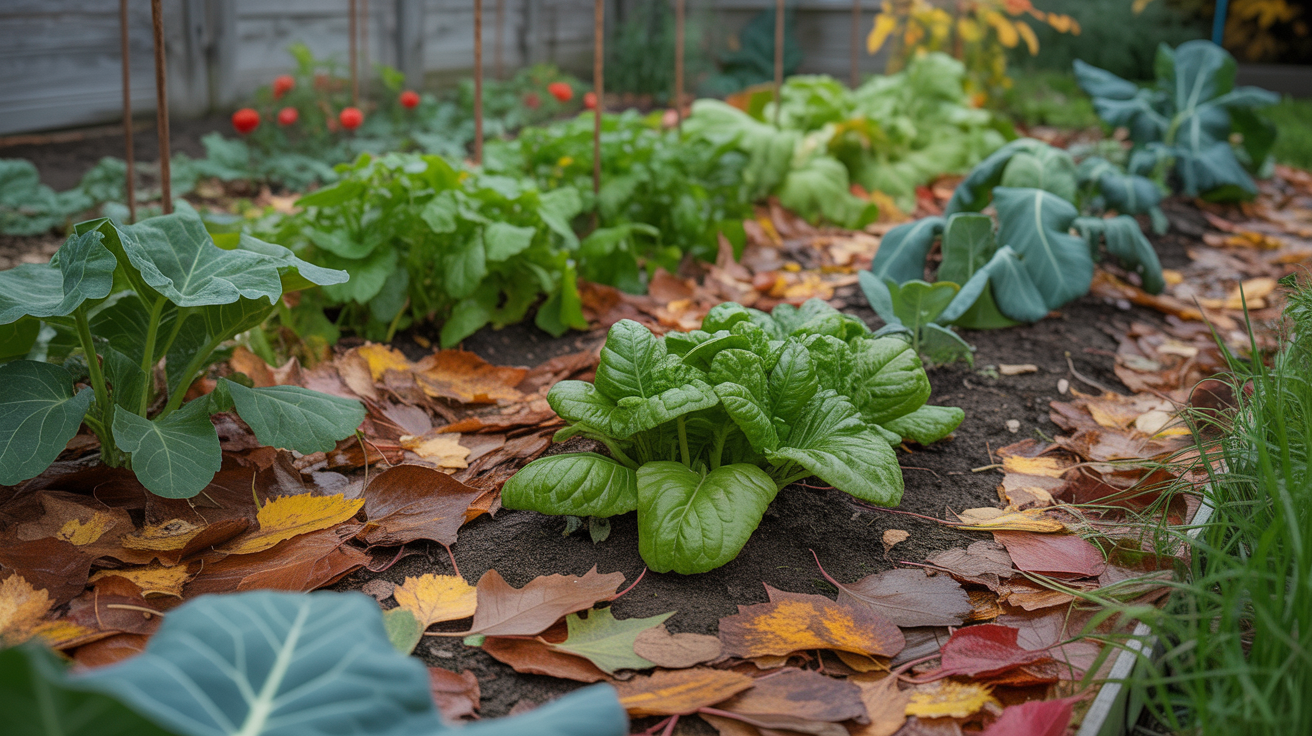
As the vibrant colors of autumn begin to grace our landscapes, fallen leaves often become a common sight in our gardens. However, instead of viewing them as mere debris, there are innovative ways to transform these natural treasures into vital assets for your vegetable garden. Embracing the potential of fallen leaves not only enhances the health of your plants but also contributes to a more sustainable gardening approach. Let’s explore some creative techniques that will allow you to make the most of those beautiful autumn leaves, enriching your garden while minimizing waste.
Innovative Ways to Utilize Fallen Leaves in Your Vegetable Garden
Fallen leaves, often viewed as mere clutter in our gardens, hold incredible potential for enhancing your vegetable garden. By reimagining these autumn treasures, we can discover innovative ways to enrich our soil, manage weeds, and boost plant health. This article explores creative methods to turn fallen leaves into valuable resources, allowing you to cultivate a vibrant and productive vegetable garden while promoting sustainable gardening practices.
Create Leaf Mulch for Moisture Retention
One of the most effective uses for fallen leaves is transforming them into leaf mulch. Shredded leaves, spread generously around your vegetable plants, act as a natural barrier that locks in soil moisture, reduces weed growth, and shields the roots from temperature extremes. This eco-friendly method not only preserves moisture but also gradually enriches the soil as the leaves decompose, releasing vital nutrients such as nitrogen and potassium.
Build a Nutrient-Rich Compost
Adding fallen leaves to your compost pile is another brilliant way to utilize them while creating a nutrient-rich soil amendment. Leaves are a great source of carbon, which helps to balance out nitrogen-rich materials like kitchen scraps. By layering leaves with other compost ingredients, you can significantly accelerate decomposition and produce high-quality compost that your vegetable garden will thrive on.
Use Leaves as a Natural Fertilizer
Transforming fallen leaves into a natural fertilizer might sound too good to be true, but it is very much possible. By shredding leaves and incorporating them into your garden beds, you create a slow-release organic fertilizer that enriches the soil over time. As the leaves break down, they provide essential nutrients that improve soil structure and foster healthy plant growth.
Insulate Your Plants During Winter
Protecting your vegetable garden during the colder months is crucial, and fallen leaves can serve as an excellent insulation layer. By piling shredded leaves around your plants in late autumn, you create a cozy blanket that helps to regulate soil temperature and protect plant roots from frost damage. This method minimizes the impact of harsh winter conditions and sets the stage for a flourishing garden come spring.
Contribute to the Lasagna Gardening Technique
The lasagna gardening approach is an innovative way to build a rich, layered soil profile without tilling. By incorporating layers of fallen leaves with other organic materials, you create a thriving environment for beneficial microorganisms. This method not only boosts soil health but also helps to suppress weeds, making gardening easier and more enjoyable.
Enhance Soil Structure and Aeration
Incorporating fallen leaves into your soil improves soil structure and aeration. By tilling shredded leaves into your garden beds, you create air pockets within the soil, promoting better root growth and drainage. This method enhances soil fertility, allowing your vegetables to absorb more nutrients and moisture, leading to healthier plants and bountiful harvests.
Attract Beneficial Wildlife
Fallen leaves provide habitats for a variety of beneficial wildlife, such as earthworms and other microorganisms that naturally enrich the soil. Not only does this create a balanced ecosystem in your garden, but it also enhances the natural processes that support plant health. Embracing fallen leaves can turn your vegetable garden into a thriving habitat for biodiversity.
Create Leaf Humus for Garden Beds
With patience, you can convert fallen leaves into leaf humus, an excellent organic amendment for your garden. By allowing leaves to decay and break down over time, you produce a rich, dark substance that dramatically improves soil quality. This humus enhances moisture retention, provides essential nutrients, and improves overall soil texture, making it a valuable addition to your vegetable garden.
Implement a Leaf Shredder for Efficiency
If you are looking to efficiently process your fallen leaves, consider using a leaf shredder. This tool quickly shreds leaves into manageable pieces, making them easier to incorporate into mulch, compost, or soil amendments. With the right equipment, you can transform a mountain of leaves into a garden asset in no time.
For more tips and tricks on elevating your vegetable garden design, be sure to explore these creative ideas: 25 Creative Ideas to Elevate Your Vegetable Garden Design. Additionally, discover 30 Space-Savvy Tricks to Transform Your Tiny Garden into a Lush Retreat and The Future of Square Foot Gardening: What Lies Ahead for more gardening inspiration. Don’t forget to check out our Comprehensive Guide to Selecting and Effectively Using Your Garden Chipper and 29 Must-Try Veggie Garden Hacks for a Bountiful and Beautiful Harvest!
Innovative Ways to Utilize Fallen Leaves in Your Vegetable Garden
Fallen leaves are often seen as a nuisance, cluttering up our gardens, but in reality, they hold incredible potential for enhancing the health and productivity of your vegetable garden. Rather than simply raking them away, consider transforming these seasonal gifts into valuable resources that can benefit your plants and the overall ecosystem.
One of the most effective ways to use fallen leaves is by transforming them into leaf mulch. Shredded leaves create a natural barrier around your vegetable plants, protecting them from harsh weather conditions while suppressing the growth of weeds. This organic mulch retains moisture in the soil, ensuring that your plants have access to the hydration they need throughout the growing season. Additionally, as the leaves break down, they release essential nutrients back into the soil, enriching it with vital elements like nitrogen and potassium.
Another innovative approach involves incorporating fallen leaves into your compost pile. Leaves serve as an excellent source of carbon, which is key to balancing out the nitrogen-rich materials like vegetable scraps and grass clippings in your compost. By adding shredded leaves, you can accelerate the decomposition process, ultimately resulting in nutrient-rich compost that will enhance your garden soil.
Don’t overlook the possibility of using fallen leaves for lasagna gardening. This no-till method layers cardboard, leaves, and other organic materials to create a healthy garden bed full of rich nutrients. This technique not only helps retain moisture but also supports beneficial organisms in the soil.
By rethinking how we view fallen leaves and embracing these eco-friendly practices, we can cultivate a thriving vegetable garden that contributes to a more sustainable approach to gardening. Harnessing the natural benefits of fallen leaves allows us to create lush, productive growing spaces, turning potential waste into a vital resource for our gardens.