Earthworms or Worms: How to Attract Them to Your Garden?


Welcome to the fascinating world beneath your garden soil! Earthworms play an essential role in creating a thriving ecosystem, aiding in soil aeration and nutrient distribution. Understanding how to attract these marvelous creatures to your garden can significantly enhance your garden’s health and productivity. Whether you’re growing vibrant vegetables or luscious flowers, inviting worms can be a game-changer for any garden enthusiast. Let’s delve into some effective strategies to ensure your garden becomes a welcoming habitat for these incredible little soil architects!
Earthworms or Worms: How to Attract Them to Your Garden?
Earthworms are a gardener’s best friend, and attracting these beneficial creatures to your garden can elevate the health and vitality of your soil. This article will explore effective methods to entice earthworms into your garden, offering insights on why they matter and how they contribute to a thriving ecosystem.
Understanding the Importance of Earthworms
Earthworms play a crucial role in maintaining healthy garden soil. They aerate the soil, which allows oxygen, water, and nutrients to reach plant roots more effectively. Additionally, their organic waste, known as worm castings, is a powerhouse of nutrients that can significantly enhance soil fertility. By attracting earthworms, you are not only improving your soil quality but also creating a haven for various garden plants.
Creating the Right Environment
To draw earthworms into your garden, it is vital to cultivate the right environment that encourages their presence. This involves optimizing soil conditions to create a comfortable habitat. Start by ensuring your soil is rich in organic matter, which serves as food for earthworms. Adding compost helps introduce essential nutrients and create a thriving biological community beneath the soil surface.
Moisture Matters
Earthworms thrive in moist conditions, so managing soil moisture is essential. Ensure your garden is adequately watered but avoid overwatering, which can lead to waterlogged conditions that deter worms. Using a mulch layer can help retain moisture in the soil while providing earthworms with the ideal habitat they need.
5 Effective Ways to Attract Earthworms
1. Introduce Organic Mulch
Using organic materials like leaves, straw, or grass clippings as mulch not only enriches the soil but also provides an inviting surface layer for earthworms. As these materials decompose, they release nutrients and create a damp environment that earthworms love.
2. Start a Vermicomposting Bin
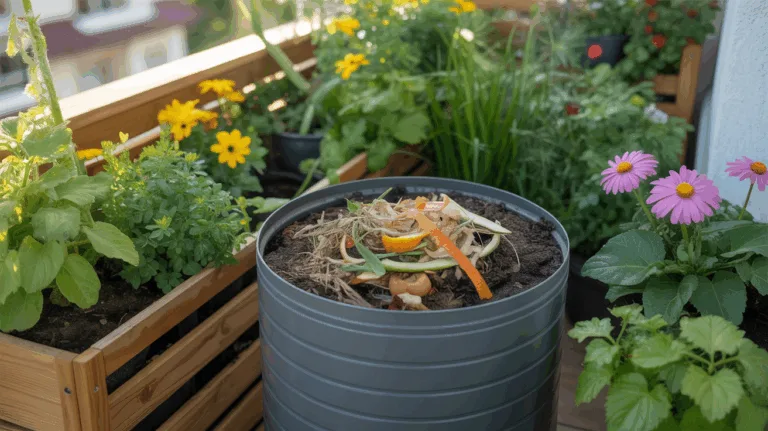
A vermicomposting bin is an excellent method to attract earthworms while producing high-quality compost for your plants. By keeping worms in a controlled environment, they break down organic waste, producing nutrient-dense castings for your garden. This method is particularly effective in urban settings where space may be limited.
3. Utilize Cardboard and Newspaper
Shredded cardboard or newspaper can also attract earthworms. Soaking these materials in water and laying them out in your garden will create a damp habitat for worms. As they break down, they contribute additional organic matter back into your soil.
4. Test and Amend Soil pH
Earthworms have specific pH preferences, thriving in neutral to slightly acidic soils. Testing your soil’s pH and applying lime or sulfur formulations accordingly can create an environment more conducive to earthworm habitation.
5. Minimize Soil Disturbance
Frequent tilling or disturbing the soil can harm earthworm populations. Minimizing soil disruption allows these beneficial creatures to thrive and do their work in developing a healthy garden ecosystem. Adopting no-till gardening practices can significantly enhance earthworm populations.
Conclusion: Encouraging Earthworm Populations
Attracting and retaining earthworms in your garden is a vital aspect of nurturing healthy soil. By employing these methods, you can develop a sustainable and robust environment that benefits both your plants and the earthworms. If you’re also interested in creating a butterfly-friendly garden or deterring slugs, check out these tips: Creating a Butterfly-Friendly Garden and Deter Slugs. Remember, a thriving garden is a harmonious ecosystem where all creatures contribute to the beauty and bounty of nature!
Attracting Earthworms: A Garden’s Best Friend
When it comes to enhancing the health and vitality of your garden, earthworms play a crucial role as nature’s unsung heroes. Their presence offers numerous benefits, making it essential to create an inviting environment for them. You can significantly boost your gardening efforts by incorporating simple strategies to attract these magnificent creatures.
First and foremost, focusing on soil quality is key. Earthworms thrive in rich, organic matter, so amending your soil with compost is a great way to make it more appealing. Additionally, managing moisture levels is critical; remember that earthworms require a damp environment to flourish. Regular watering and mulching can maintain the necessary moisture levels that keep these wonderful worms active and happy.
Furthermore, understanding the different types of earthworms can enhance your ability to foster a thriving ecosystem. For instance, surface-dwelling worms love decomposing leaves, while deeper soil species help aerate the ground. By providing a mix of organic materials, you can attract a diverse range of earthworms, each contributing uniquely to your garden’s productivity.
Another effective strategy is to start vermicomposting. This process not only helps generate nutrient-rich soil amendments but also encourages a robust population of worms. By creating a designated space for composting, you not only benefit from their digestion but welcome them to spread throughout your garden.
In summary, nurturing earthworms in your garden is about striking the right balance between moisture, organic matter, and rich soil quality. With thoughtful practices, you can confidently welcome these essential helpers, ensuring your garden remains vibrant and fruitful for years to come.