Essential Tips for Successful Leek Cultivation

Are you ready to delve into the world of leek cultivation? With their robust flavor and versatility, leeks are a delightful addition to any garden and culinary repertoire. Whether you are an experienced gardener or a beginner, understanding the essential tips for successful leek growth will help you cultivate these delicious alliums with ease. From choosing the right variety to providing optimal care, let’s explore the secrets to growing lush leeks that will elevate your dishes and bring joy to your gardening experience.
Growing leeks is an exciting and rewarding experience for any gardener. With their delicious taste and versatile use in various dishes, leeks deserve a spot in your garden. Whether you’re a seasoned gardener or a beginner, this guide provides essential tips for cultivating leeks successfully, from selecting the right seeds to harvesting your bounty.
Choosing the Right Variety
The first step towards a fruitful leek harvest is selecting the right variety. There are many types of leeks, and each comes with unique growing requirements and flavors. You can opt for F1 hybrid varieties, which offer consistent performance and enhanced disease resistance. Research the varieties that flourish in your specific climate conditions to maximize your success.
Timing is Key
When it comes to sowing, timing is crucial. The ideal time to start leek seeds indoors is about 6-8 weeks before the last frost. This gives your leeks a head start, ensuring a robust and healthy growth season. Be sure to check specific planting times based on your local climate to guarantee a thriving crop.
Sowing and Planting Techniques
For successful cultivation, care must be taken during the sowing process. Prepare your seed trays with a seed-starting mix and fill them, leaving some space at the top. Once your seedlings are ready to be planted outdoors, use a dibber to ensure precise spacing and depth. This attention to detail encourages an even growth pattern, contributing to a bountiful harvest.
Hilling for Best Results
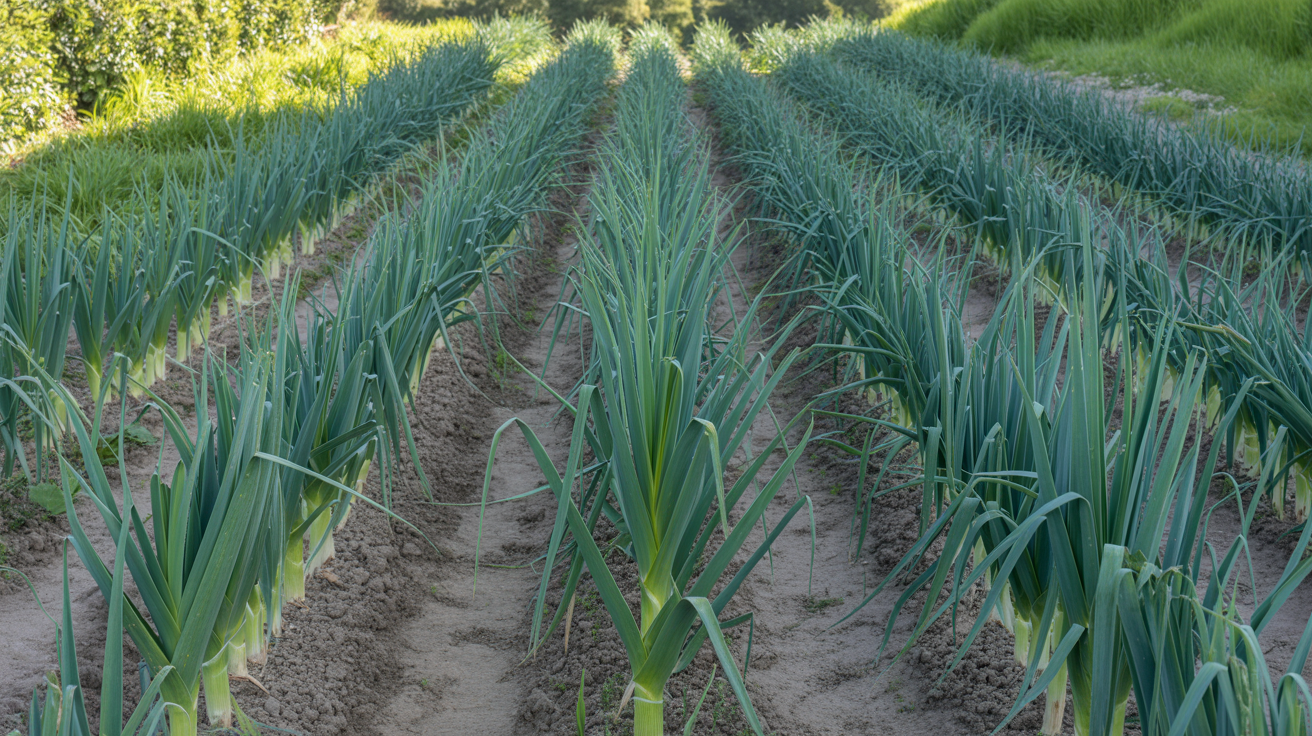
To achieve the desired tender white stalk, consider the technique of hilling. This involves adding soil around the Leek plants multiple times during their growth. By burying the lower part of the stalk, you minimize sun exposure, promoting a flavorful white shaft that is the most edible part of the leek.
Providing Optimal Growing Conditions
Leeks thrive best in well-drained soil that is rich in organic matter. To ensure robust growth, consistently maintain moisture levels and avoid waterlogging. Aim for a sunny spot in your garden, where your leeks can bask in warm temperatures. Regularly check soil conditions and adapt your watering strategies accordingly.
Nurturing Your Leeks
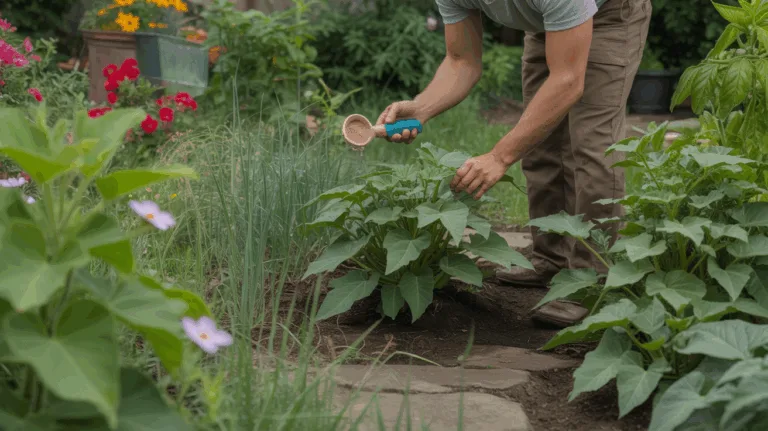
To support healthy leek growth, it is essential to provide regular fertilization. Use a balanced fertilizer rich in nutrients to keep your leeks thriving. During the growing season, pay close attention to their moisture needs and invest in proper mulching techniques to retain moisture and suppress weeds.
Pest Management
Just like any other crop, leeks can fall prey to pests such as thrips and leek moths, which can damage your plants. To protect your leeks, utilize natural pest controls or insecticidal soaps, and introduce beneficial insects like ladybugs that feast on these troublesome pests. Prevention is key, so stay vigilant and monitor your plants regularly.
Harvesting Your Bounty
Finally, harvesting your leeks is the culmination of your hard work and dedication. Take care to harvest leeks when they reach the right size, typically when they are about 1-2 inches in diameter. Use a spade to carefully lift them out of the ground, ensuring you don’t damage the delicate stalks. With proper care, your leeks will be ready to grace your kitchen and enrich your culinary creations.
For more gardening tips and inspiration, check out 50 Exciting Crops to Enrich Your Free-spirited Chaos Garden.
Growing leeks can be a rewarding venture for any garden enthusiast. To ensure a thriving crop, it is important to understand the essentials of leek cultivation.
First and foremost, choose the right time to sow your leek seeds. Ideally, leeks should be started indoors 6-8 weeks before the last frost in your area. This gives your plants a head start, allowing them to grow strong and healthy. Make sure to use a well-draining seed-starting mix, providing an environment where the seeds can thrive.
Another critical factor in successful cultivation is planting depth. When transplanting seedlings outdoors, it’s vital to plant them deep, so that the lower part of the stalk is buried up to the leaves. This encourages the development of long, tender stalks, which are the most desirable part of the leek.
Proper watering and fertilization plays a significant role in maintaining healthy leeks. Ensure that your plants receive consistent moisture and apply a balanced fertilizer regularly. This will ensure that they have all the essential nutrients they need to flourish.
Additionally, consider using the method of hilling to keep the edible part of the leek white. This method involves adding soil around the base of the plants as they grow, preventing exposure to sunlight which can lead to green, undesirable stalks.
Finally, be mindful of pests and diseases. Regular monitoring and using organic methods to manage any problems will help maintain a healthy crop. By following these essential tips, you can enjoy a bounty of delicious leeks, perfect for a variety of culinary delights!