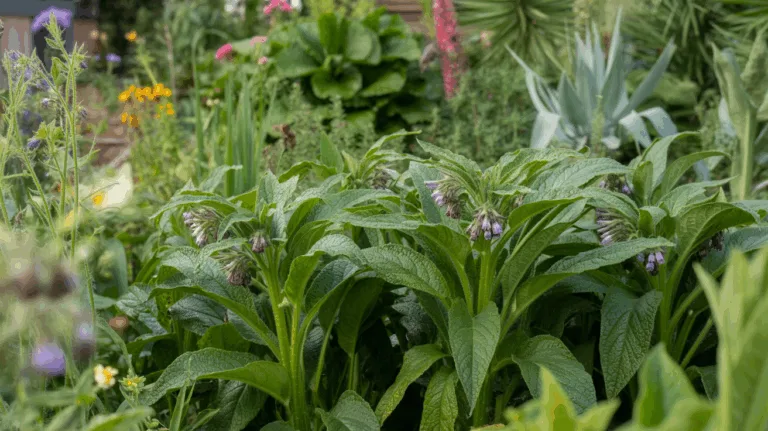
50 Exciting Crops to Enrich Your Free-spirited Chaos Garden

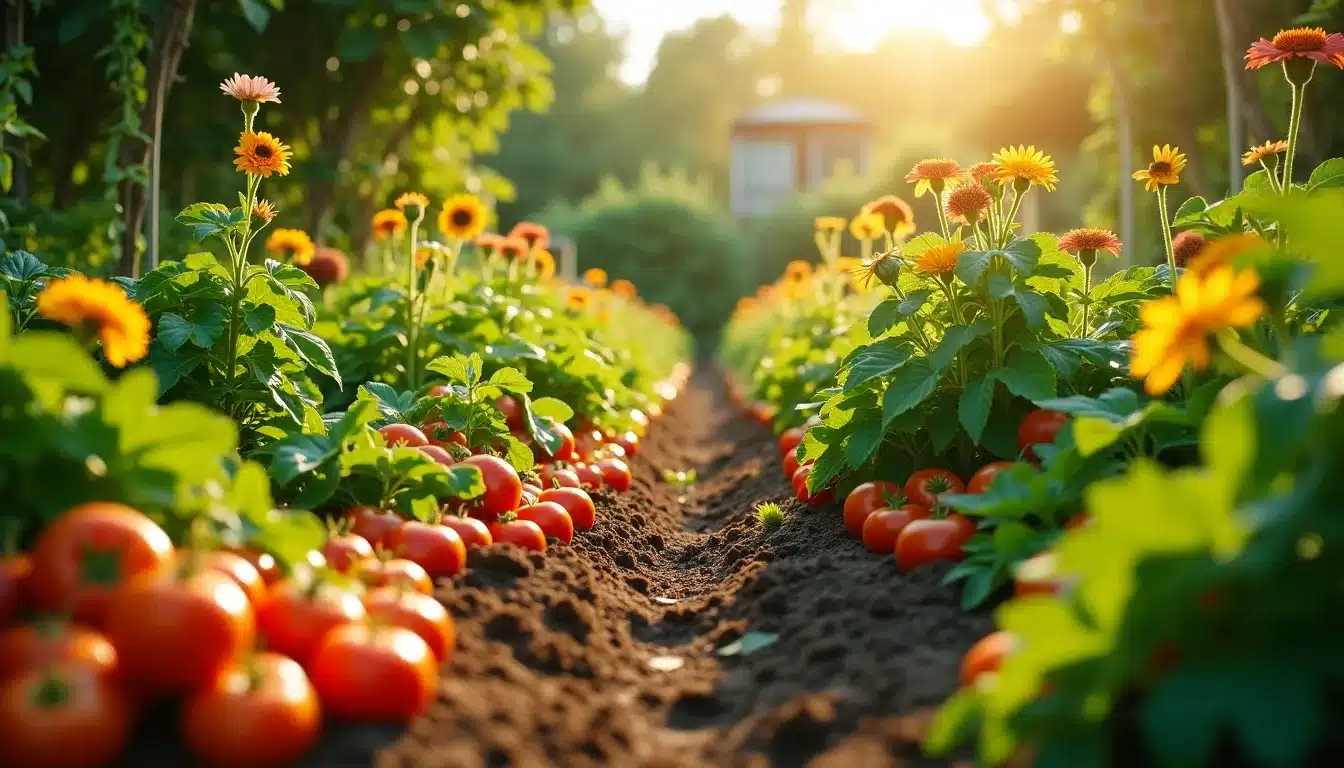
Embrace the art of chaos gardening, where unpredictability meets harmony. Prepare to dive into a world where the boundaries blur between order and wild nature. Discover 50 exciting crops ideal for this vibrant gardening approach, promising not only a thriving ecosystem but also a fruitful harvest, bursting with colors and flavors to transform your garden space.
Introduction to Chaos Gardening

Imagine a garden where unpredictability and nature’s whimsy are your allies. Chaos gardening embraces randomness, cultivating a lush tapestry of diverse plants that coexist harmoniously. This wild and free-spirited approach not only sparks biodiversity but also fosters an environment teeming with resilience. In this dynamic setup, nature is given the reins, creating a space that thrives with minimal human intervention.
At the core of chaos gardening lies the philosophy of letting go of rigid control. By allowing plants to self-seed and grow in unexpected patterns, you nurture robust ecosystems. These gardens adapt to their surroundings, showing remarkable resistance to pests and diseases. It’s a celebration of nature’s genius, where productivity meets harmonious disorder.
This method not only yields an abundance of produce but also offers a sanctuary for beneficial insects and wildlife. Chaos gardens can transform any outdoor space into a vibrant haven of life. As you delve deeper into seed selection for your chaos garden, remember the enlightening path of creating a garden that’s both chaotic and captivatingly alive.
Selecting Seeds for a Chaos Garden

Selecting the right seeds for your chaos garden is an adventurous task. Focus on diversity by choosing varieties that complement each other in terms of growth cycles and heights. This encourages natural harmony and reduces the need for constant attention. Look for seeds that come in mixes or blends, which can add unexpected elements of surprise and beauty.
Consider the hardiness of the plants to ensure they can thrive without much intervention. Areas with varying microclimates benefit from plants that can adapt to different conditions. Incorporating companion planting will boost growth and defend against pests naturally. Think of this as a beautiful mess where each plant has its role in the ecosystem.
Finally, think about how different seeds will interact in the garden space. Choosing seeds that flourish under similar conditions can lead to a more successful outcome. Balancing textures and colors creates an eye-catching scene that resonates with life’s vibrant chaos. Let your instincts guide you in blending whimsy and resilience.
The Joy of Growing Heirloom Tomatoes

Heirloom tomatoes add vibrant colors and incomparable flavors to your chaos garden. These unique varieties have been handed down through generations, each offering distinct characteristics. Their diverse sizes and hues make them perfect for creating a visually appealing garden plot. By integrating heirloom tomatoes, you not only enhance the aesthetic charm but also enrich the variety of flavors to enjoy in your culinary creations.
To successfully grow heirloom tomatoes, consider their specific growth requirements. They thrive in full sunlight and well-drained soil, making them ideal for a garden setting that prioritizes biodiversity. Unlike some more uniform garden crops, heirlooms are perfect companions to other plants due to their varied disease resistance and growth patterns, contributing to a healthy garden ecosystem.
Incorporating heirloom tomatoes into your garden offers the chance to savor a range of flavors and textures. Their unique growth adds an element of surprise typical of chaos gardens, making each harvesting experience exciting. As you cultivate these tomatoes, you’re nurturing both a landscape of beauty and a pantry stocked with diverse, fresh flavors ready to elevate any meal.
Cultivating Radishes for Quick Harvests
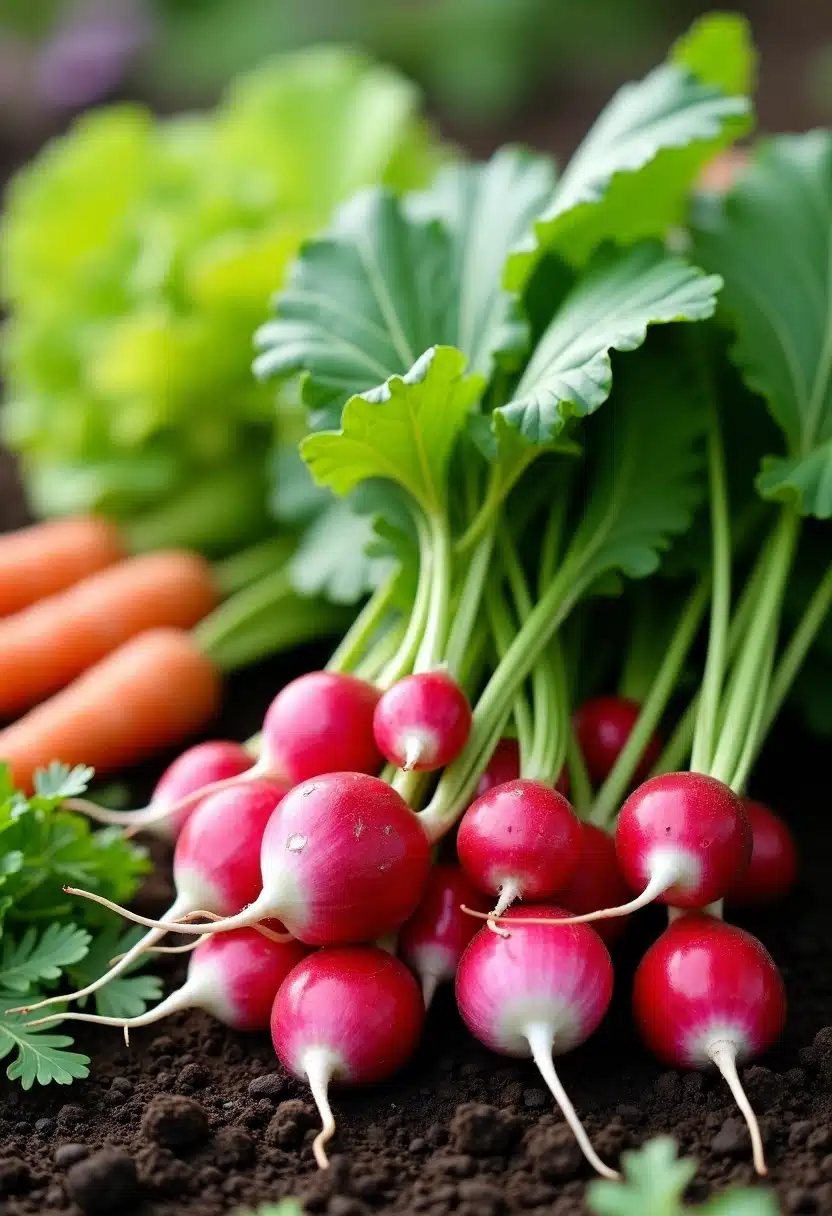
Radishes are perfect for chaos gardens with their rapid growth and minimal care requirements. You can sow seeds and see results in just 3 to 4 weeks. Their vibrant reds and pinks add a lively touch to your garden. They thrive alongside crops like carrots and lettuce, making them ideal for diverse planting. Their quick turnaround lets you enjoy both the beauty and bounty of your efforts.
With radishes, you enrich the soil seamlessly. Being excellent soil breakers, they help improve aeration. This makes them a valuable addition to any gardening effort. Radishes loosen compacted soil, paving the way for more delicate roots to flourish. Their short growth cycle offers a quick win, while also enhancing the overall health and structure of your garden.
Companion planting with radishes brings more advantages. They deter pests, shielding more vulnerable crops in your garden. Pairing them with cucumbers or beans boosts the resilience of your overall plant mix. By integrating radishes into your cultivation, you’re building a robust and varied ecosystem. It’s great for those seeking growth efficiency and sustainability in a chaos garden setup.
Adding Sweet Corn to Your Mix

Adding sweet corn to your chaos garden can enhance its diversity. This crop grows tall, offering natural support for climbing plants like beans. When sowing corn, ensure each stalk has room to breathe, spacing seeds about 8 to 12 inches apart. Best planted in blocks, corn helps with efficient pollination. Be mindful of your garden’s water needs, as corn requires regular hydration to thrive.
To nurture sweet corn amidst other crops, consider its sun requirements. Corn loves soaking up the sunshine, so plant it in areas with full sun exposure. Fertilize with nitrogen-rich compost to promote healthy stalks and ears. Mixing corn with nitrogen-fixing plants like beans can enrich the soil naturally, benefiting both crops in your chaos garden.
Incorporating corn into your chaotic planting approach provides a balance of height and structure. Companion planting with squash can minimize weeds, leveraging the shade from squash leaves. As you experiment with different planting techniques, you’ll realize how corn can offer both aesthetic appeal and practical support for other garden elements. Enjoy watching your chaos garden flourish with the golden addition of sweet corn.
Growing Peppers for Spice and Color

Peppers bring both spice and color to your chaos garden, creating unique splashes of vibrance. From sweet bell peppers to fiery habaneros, they diversify your garden’s ecosystem. This variety not only brightens your plot but invites different insects, promoting natural pest control. Sweet peppers offer milder flavors, while the hotter varieties can add zest to your culinary creations.
Growing peppers is a straightforward process, perfect for gardeners. They thrive in warm, sunny spots and benefit from regular watering and well-drained soil. Mix them with other crops to enhance the biodiversity of your garden. Choose from a wide range of colors and heat levels to fulfill your culinary needs, making your garden both productive and beautiful.
Peppers also offer excellent culinary versatility. Use sweet varieties for salads and salsas, or spice up meals with hotter types. They can be grilled, stuffed, or even pickled. By including peppers in your chaos garden, you ensure a continuous harvest of fresh, flavorful ingredients that can elevate any dish.
Benefits of Planting Pumpkins
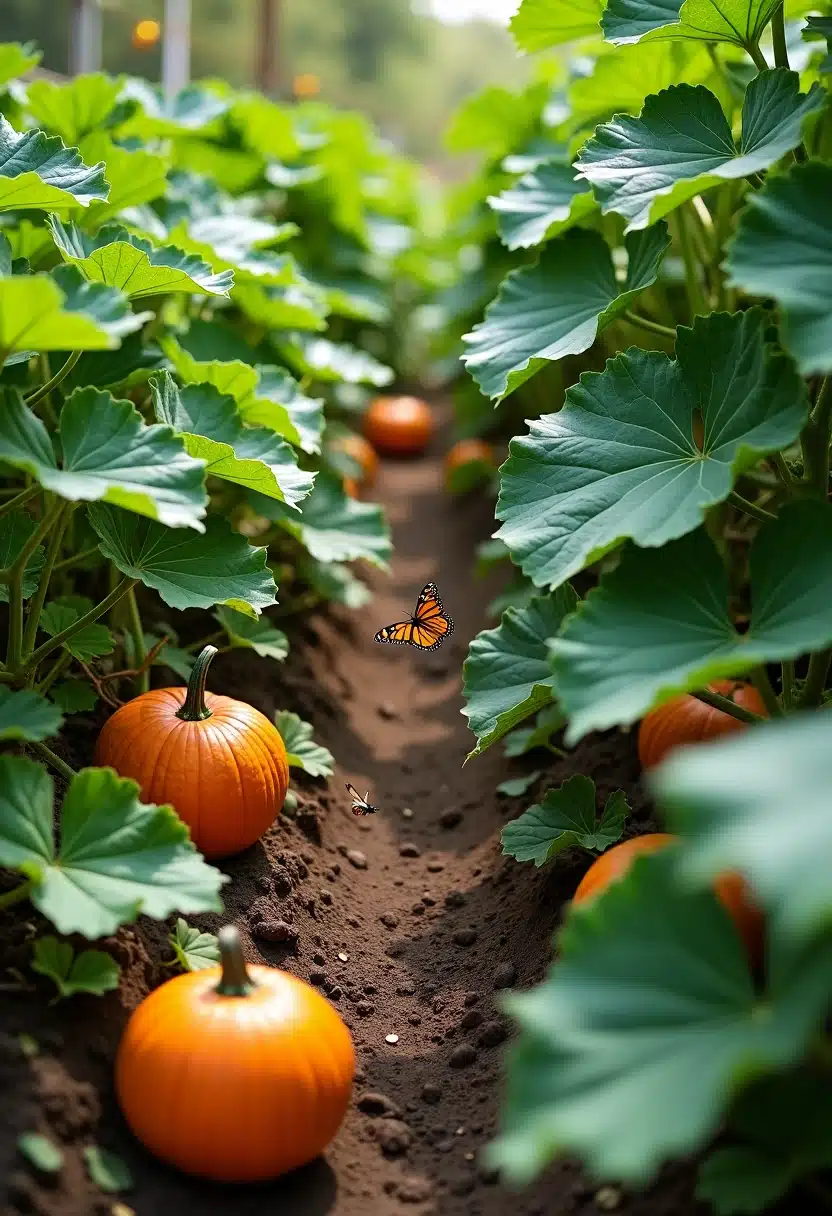
Pumpkins provide more than just decorative charm in your chaos garden. These robust plants have specific growth requirements, thriving in sunny spots with well-drained soil. Their vines spread widely, functioning as an effective ground cover. This coverage helps retain moisture and suppress weeds, promoting a healthy garden ecosystem. The sprawling nature of pumpkin vines complements the dynamic, unstructured look of a chaos garden.
Besides their ground-cover benefits, pumpkins offer a plentiful harvest that can be both ornamental and culinary. From hearty soups to sweet pies, pumpkins are versatile in the kitchen, enabling you to explore an array of recipes. Their large, vibrant leaves add to the lush visual appeal, while the bright orange fruits stand out, creating a visual feast among the garden greens.
Planting pumpkins also supports biodiversity within your garden. Their flowers attract pollinators like bees and butterflies, which are crucial for maintaining a thriving garden ecosystem. This natural pollination process enhances the growth of other plants in your garden, encouraging a rich and harmonious environment. As we delve into the benefits of sunflowers in the next chapter, you’ll see how integrating various plants can enhance both beauty and functionality.
Including Sunflowers for Beauty and Function

Sunflowers are a striking addition to your chaos garden, adding splashes of yellow that naturally draw the eye. They tower over other plants, creating an element of vertical interest. More than just a pretty sight, their bright blooms beckon bees and butterflies, essential allies for garden health. These pollinators help your entire garden thrive by boosting plant reproduction.
Beyond their beauty, sunflowers are a resourceful crop. Their seeds provide nutritious snacks for both you and the local wildlife. You can enjoy them roasted or feed the birds that visit your garden. Also, sunflowers’ large roots help break up compacted soil, improving the overall structure and health of your garden. Their presence supports a thriving ecosystem.
Growing Beans for Nitrogen Fixation

Beans are an excellent addition to your chaos garden for their ability to enhance soil health. They belong to the legume family, which is known for fixing nitrogen in the soil. This natural process boosts fertility, making your garden more sustainable. Different beans, like bush and pole varieties, can thrive interchangeably in your space, each contributing unique flavors and textures.
The benefits of growing beans go beyond soil improvement. These versatile plants also support a rich ecosystem by attracting beneficial insects. Snap beans and runner beans offer vibrant colors and delicious harvests. As they grow, beans form symbiotic relationships with soil bacteria, enriching the ground for future crops and reducing your need for synthetic fertilizers.
Incorporating beans into your chaos garden not only maximizes space but also promotes biodiversity. Their diverse growth habits allow them to coexist with other plants, creating a harmonious balance. Whether you choose climbing types for trellises or compact varieties for smaller areas, beans bring a new level of productivity and balance to your garden.
The Versatility of Zucchini
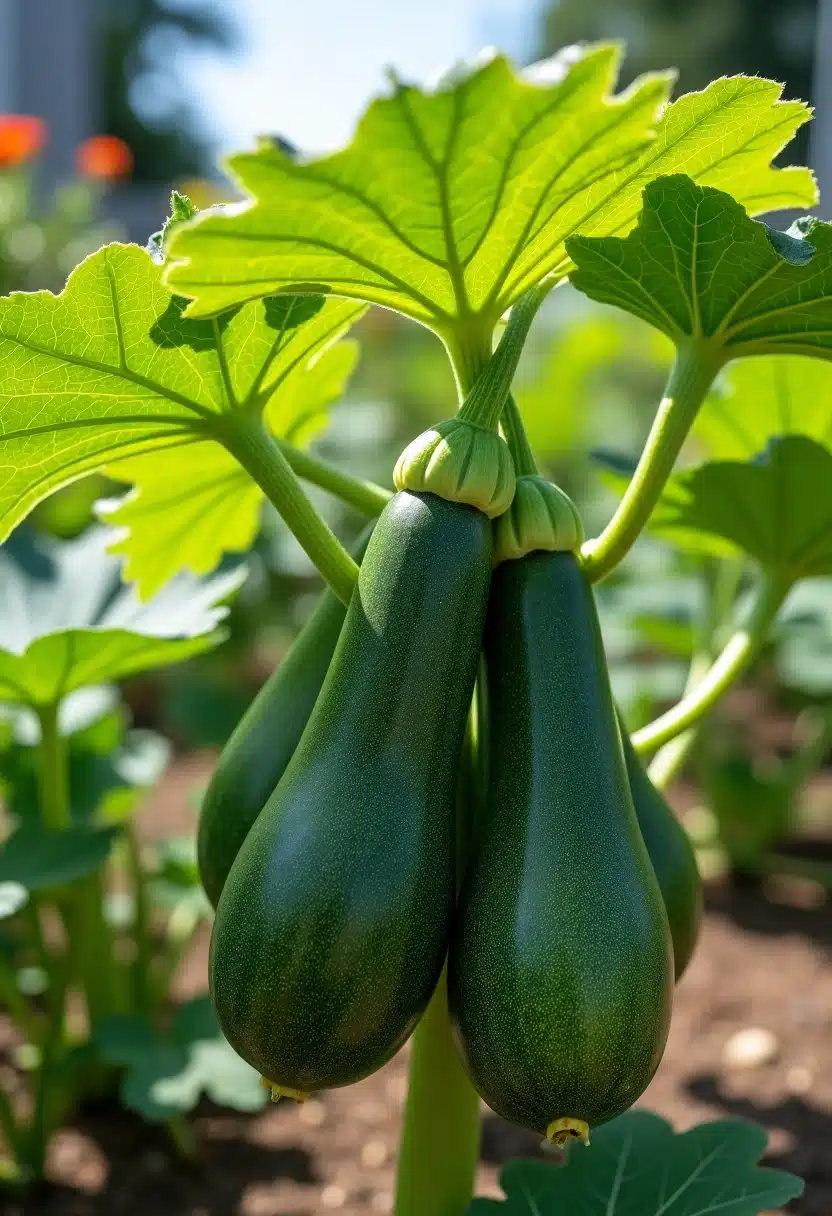
Zucchini is a powerhouse of productivity, perfect for a chaos garden setting. Its ability to grow rapidly and produce abundant yields makes it an ideal choice. The plant thrives in warm weather, and once established, it requires minimal maintenance. To plant zucchini, simply sow the seeds directly into the soil, ensuring they’re spaced adequately for growth. A little watering and sunlight will work wonders.
In the kitchen, zucchini’s versatility shines. From savory dishes to sweet treats, its mild flavor adapts easily. You can grill slices for a healthy side, incorporate it into breads, or even spiralize it for pasta alternatives. Not to mention, zucchini can be shredded to add moisture to your baked goods. Embrace the creative possibilities!
Growing zucchini not only adds a culinary flair but also enhances your garden’s biodiversity. By diversifying your plants, you encourage a balanced ecosystem. Zucchini complements other crops, aiding in pest control naturally. It’s a great step in cultivating a resilient and thriving chaos garden, setting the stage for the diverse lettuce varieties you’ll explore next.
Incorporating Diverse Lettuce Varieties
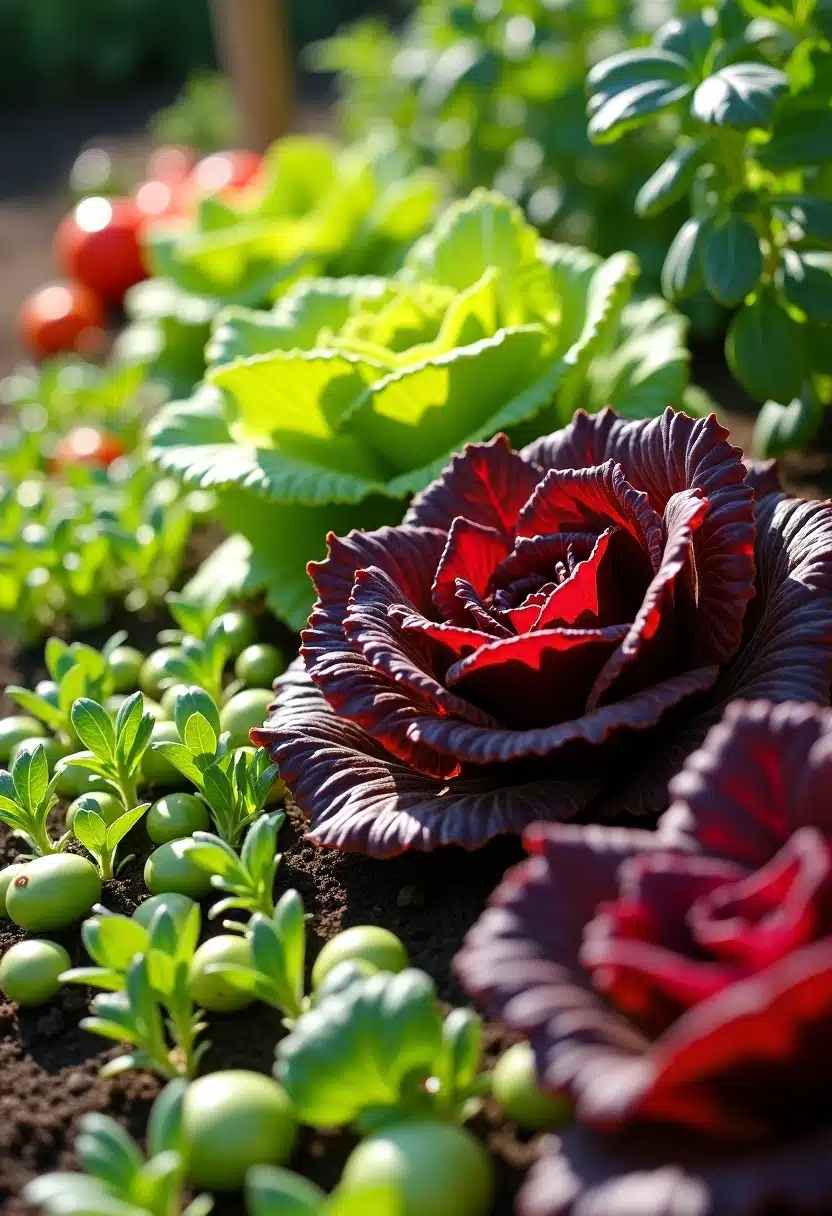
Lettuce is a staple in many gardens, but integrating various types into your chaos garden can elevate your crop game. With options like crisp romaine, tender butterhead, and vibrant red leaf, you can create delightful salads right from your backyard. Mixing these varieties ensures you enjoy a broad spectrum of tastes and textures, adding a punch to your meals.
Beyond taste, planting multiple lettuce types means a prolonged harvesting period. As different varieties mature at various times, you’ll have a consistent supply of fresh greens throughout the season. This approach reduces gaps between harvests and maximizes the productivity of your garden. Plus, it’s a feast for the eyes, with diverse hues adding charm.
Consider weaving lettuce in with companion plants like tomatoes or herbs. This not only saves space but also supports healthy growth. The diversity can deter pests, bringing vibrancy to your chaotic plot. Remember to regularly water and trim for ideal growth. With creativity and care, your chaos garden will provide endlessly fresh and tasty lettuces.
The Appeal of Growing Kale
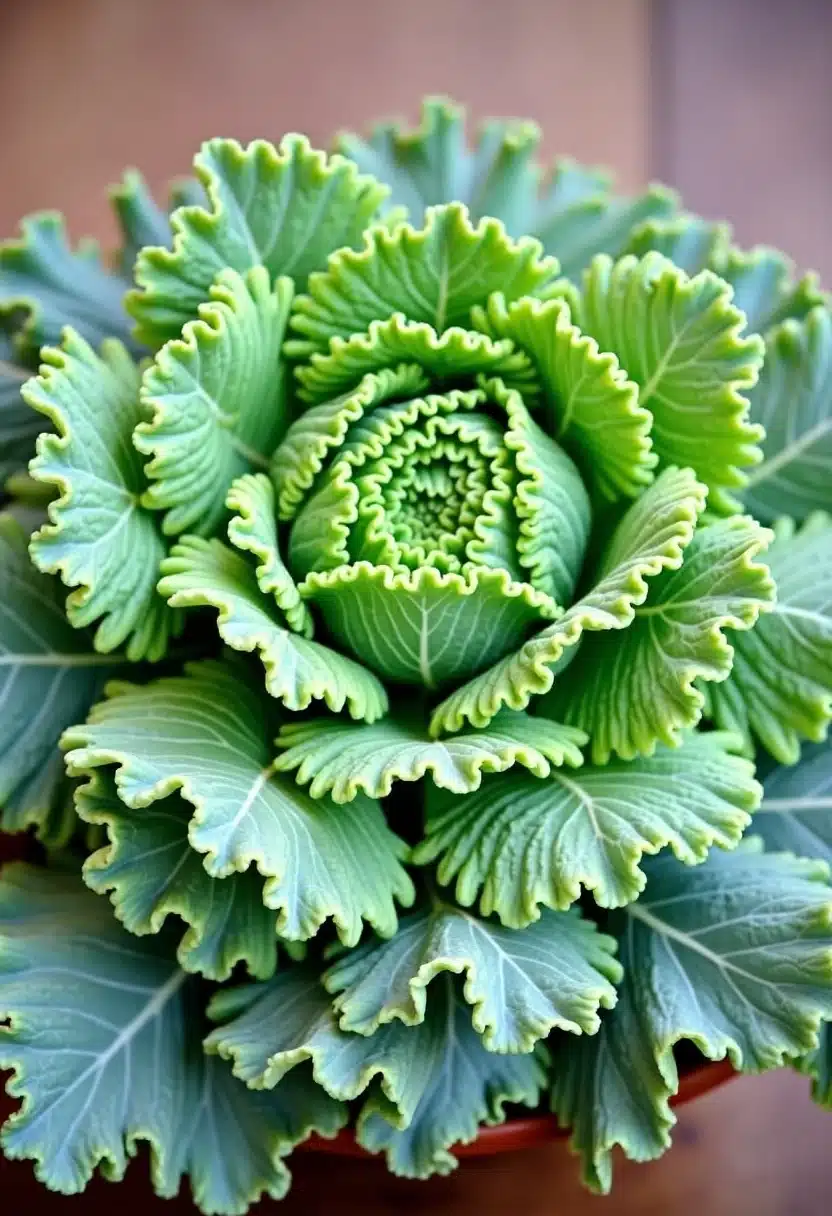
Kale is a resilient and versatile green that stands out in any chaos garden. It’s known for its ability to thrive under varied conditions, making it a reliable choice for gardeners looking to add a bit of nature’s chaos to their space. With its rich, nutrient-dense leaves, kale not only enhances the garden’s visual appeal but also enriches it with valuable nutrition.
Beyond its hardiness, kale offers a distinct flavor that can elevate your garden-to-table meals. Its versatility in dishes and salads makes it a favorite among health enthusiasts. Plus, kale’s vibrant green hue is a fantastic addition to the eclectic vibe of a chaos garden. This makes it a smart choice for a garden aiming for a mix of functionality and aesthetic charm.
Integrating kale in your chaos garden provides more than just culinary benefits. Its dense foliage can create a protective canopy, offering shade to more fragile plants in your patch. This symbiotic relationship helps maintain a healthy ecosystem within your chaotic arrangement, ensuring that your garden not only survives but thrives with diversity.
Carrots: A Root Vegetable Staple
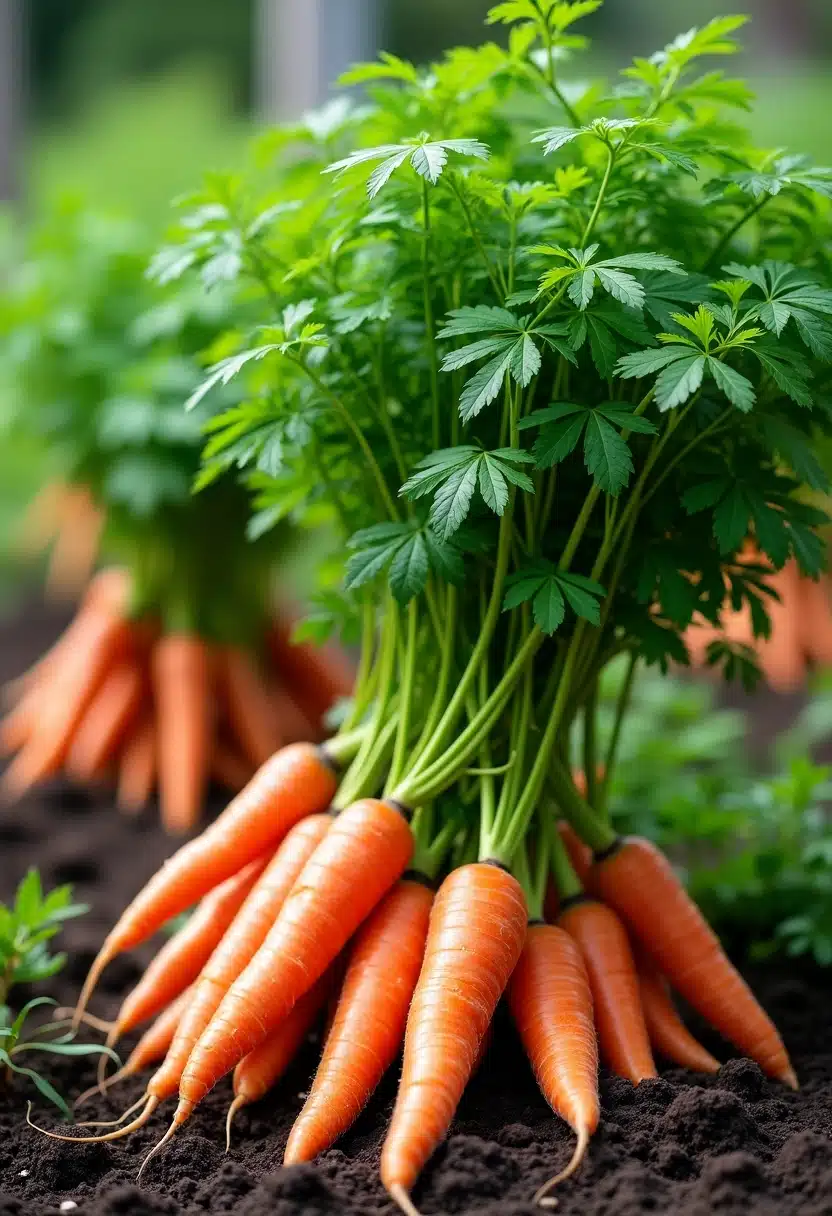
Carrots bring a vibrant splash of color to your chaos garden while being surprisingly easy to grow. They require loose, well-drained soil, allowing their roots to delve deep. These adaptable veggies flourish alongside many companions. Their sweet, earthy flavor makes them a delightful choice for both seasoned gardeners and beginners seeking to expand their harvest.
Promote carrot growth by pairing them with friendly plants like tomatoes and chives. Such combinations enhance soil quality and deter pests naturally. Over time, this creates a thriving ecological balance. Carrots are naturally forgiving, adapting well to the unpredictable patterns of a chaos garden. This versatility makes them a must-have for your outdoor space.
Incorporating carrots into your garden can boost biodiversity. They enrich soil structure and require minimal intervention, making them ideal for those who embrace an untamed approach to gardening. Embrace the creativity of chaos gardening by experimenting with carrot varieties, and watch as they seamlessly integrate into your lively garden landscape.
Delighting in Cucumbers

Cucumbers bring a refreshing crunch to your garden harvest. In the chaos of a mixed planting scheme, these trailing plants add a delightful twist. They thrive in warmer climates, loving the sun as much as they do their occasional watering. With ample support, they can easily sprawl upwards, which saves space while encouraging better fruit growth. Vertical growth helps in managing their spread and maximizing your garden’s yield.
For the best results in a chaos garden, consider interplanting cucumbers with taller companions like sunflowers or corn. These natural trellises provide structure for the cucumbers to climb. Ensure cucumbers have plenty of room, enabling them to weave through the garden. This setup not only boosts their health but also adds layers to your plant presentation.
Despite their creeping nature, cucumbers can thrive alongside aromatic herbs such as dill or basil. The companions help deter pests naturally, creating a more balanced ecosystem. Regular harvesting encourages more fruit production, keeping your chaos garden bountiful. Enjoy the process of watching your cucumbers find their place in the beautiful disorder of your outdoor space.
The Many Uses of Mint
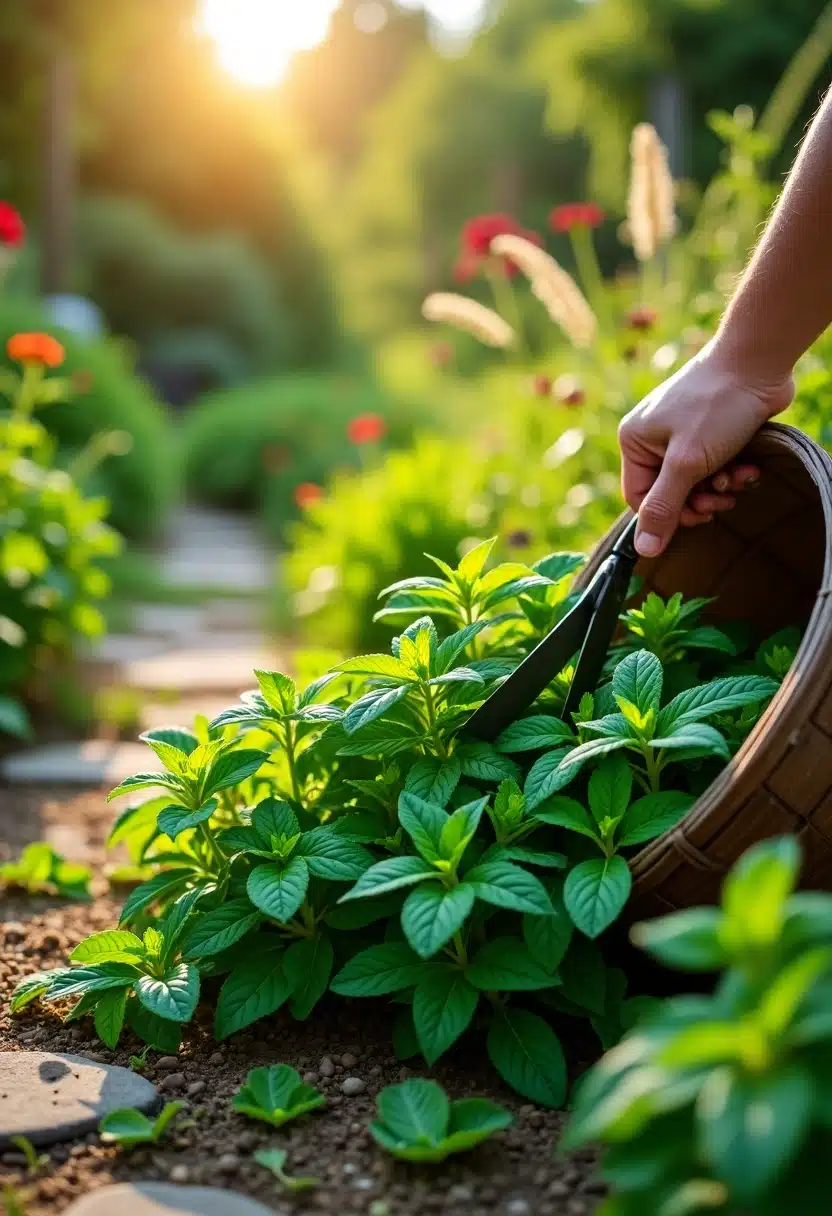
Mint is a perfect addition to your chaos garden with its ability to spread quickly and cover ground. Its vibrant leaves bring a fresh aroma and versatility to your space. Whether you’re sipping on mojitos or enhancing a summer salad, mint adds a cool, refreshing flavor to any dish. Additionally, it plays a role in traditional herbal medicine, helping with digestion and providing a calming effect.
To manage its sprawling nature, consider planting mint in containers or designated garden areas. This prevents it from overtaking other plants while still enjoying its benefits. Regular trimming will help control its growth. Additionally, by planting it near walkways, you can enjoy the scent each time you pass by. With proper management, mint can seamlessly integrate into your garden chaos.
Growing Eggplants for Variety

Eggplants are a fantastic way to add an unexpected twist to your chaos garden. These vibrant vegetables come in various shapes and colors, making them a perfect fit for an unconventional landscape. You’ll be pleased to know that eggplants thrive amid diversity, fitting seamlessly with other crops. Their unique appearance brings a sense of playful variety, enriching your garden’s visual appeal.
When planting eggplants, selecting the right location is crucial. They enjoy the sun and dry, warm environments, which allows them to coexist well with other sun-loving plants. Ensure you give them enough space to breathe. They require regular nutrients, so consider adding compost or organic fertilizers to nurture their growth.
Maintaining your eggplants is key to successful cultivation. Water them consistently but avoid over-soaking, as they prefer well-drained soil. To protect their leaves from pests, natural barriers can be beneficial. Pruning plays a role in keeping your plants productive; trim excess foliage to promote more fruitful yields. By caring for them properly, you’ll enjoy a robust harvest from your vibrant chaos garden.
Experimenting with Squash Varieties
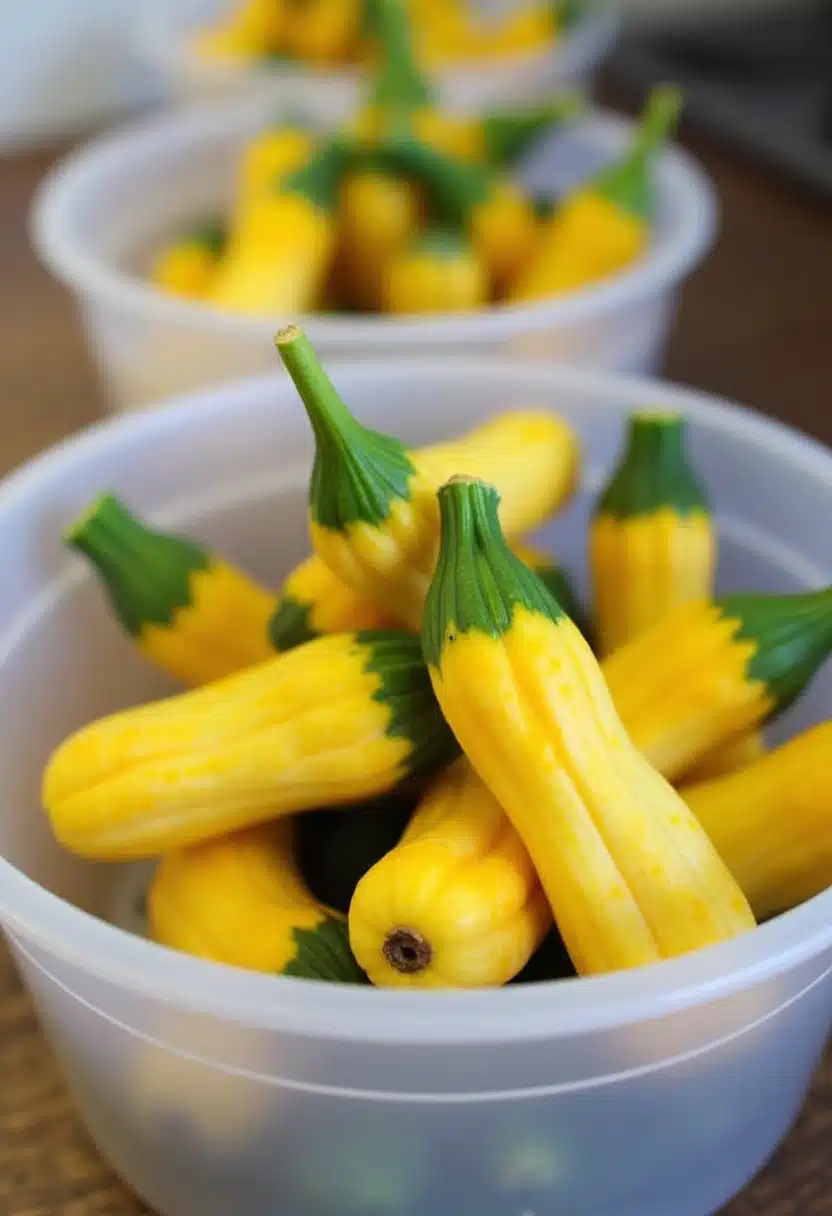
Squash is a versatile addition to any chaos garden, offering a unique contrast in shapes and sizes. Whether you choose butternut, acorn, or spaghetti squash, these varieties provide an aesthetic appeal and enrich your garden’s ecosystem. Each type attracts different pollinators, promoting biodiversity among your crops. This explosion of life supports healthier plants and can enhance the abundance of your entire garden.
In terms of culinary rewards, squash is a gardener’s delight. These varieties offer a rich palette of flavors and textures for your kitchen creations. From savory soups to baked dishes, squash broadens your culinary repertoire. Trying different types enlivens your meals and encourages exploration with seasonal ingredients. Embrace the idea of experimenting with each harvest to create dishes that surprise and delight.
Adding Onions for Flavor
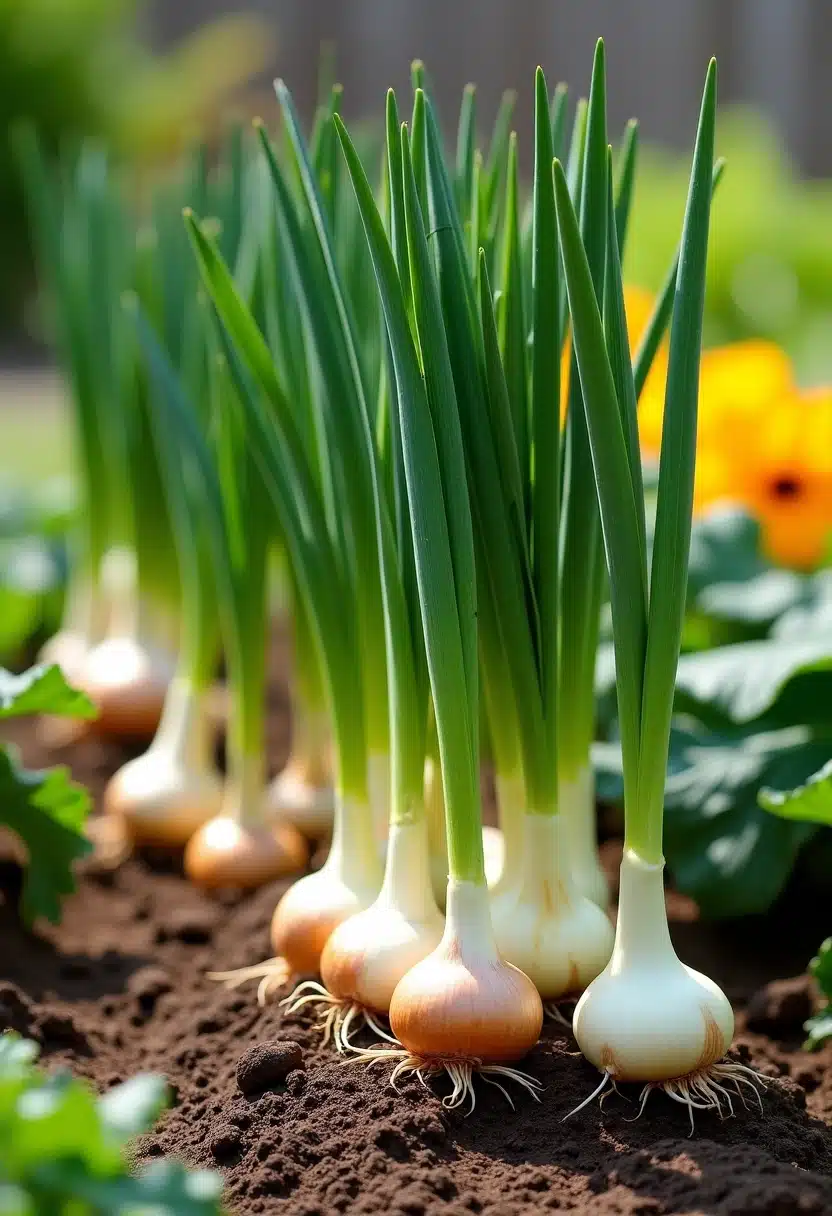
Onions are much more than just a staple in your kitchen; they are a resilient crop that can thrive in your chaos garden. Plant them among varying crops like squash and beets to create a harmonious ecosystem. Onions naturally deter pests, making them a great companion plant. Their vibrant green shoots also add vertical interest to your garden layout.
To successfully grow onions, you’ll want well-drained soil and a good amount of sunlight. They can handle being planted in crowded conditions characteristic of chaos gardens. As they grow alongside your squash and future beet plantings, you’ll discover that onions offer not just flavor, but also valuable medicinal properties. Consider watering them regularly to encourage robust growth.
Incorporating onions into your chaos garden is simple yet rewarding. They complement the various squash varieties and anticipated beet harvests beautifully, providing both culinary and visual benefits. As your garden develops, you’ll appreciate the depth of flavor they bring. Mix them up with different plant types to create a vibrant and dynamic garden space.
The Richness of Beet Harvests
Beets bring a burst of vivid color to your chaos garden, adding not only aesthetic appeal but also a delightful earthy taste to your harvest. To grow beets successfully, choose a spot with partial sunlight and well-draining soil. Once they’re nestled among your other crops, ensure consistent watering. Healthy beets can be the star of your salads and soups, alongside the rich flavors of onions, discussed in the previous chapter.
Harvesting beets can be particularly rewarding. They’re usually ready after about 50 to 70 days, depending on the variety and climate. Grab onto the greens and gently pull the roots from the soil. Be cautious not to disturb nearby plants, maintaining your garden’s chaotic harmony. Slice them into salads or roast them for a sweeter flavor. The complementary aroma of basil, as we’ll explore in the next section, pairs wonderfully with beets.
As part of a chaos garden, beets thrive in the unpredictability and variety of plant neighbors. They work well with carrots, lettuce, or even herbs like dill and cilantro. Their deep roots help aerate the soil, benefitting surrounding plants. Including beets in your chaos garden enriches your palette of flavors and enhances the visual tapestry of your outdoor space.
Cultivating Basil for Aroma and Taste
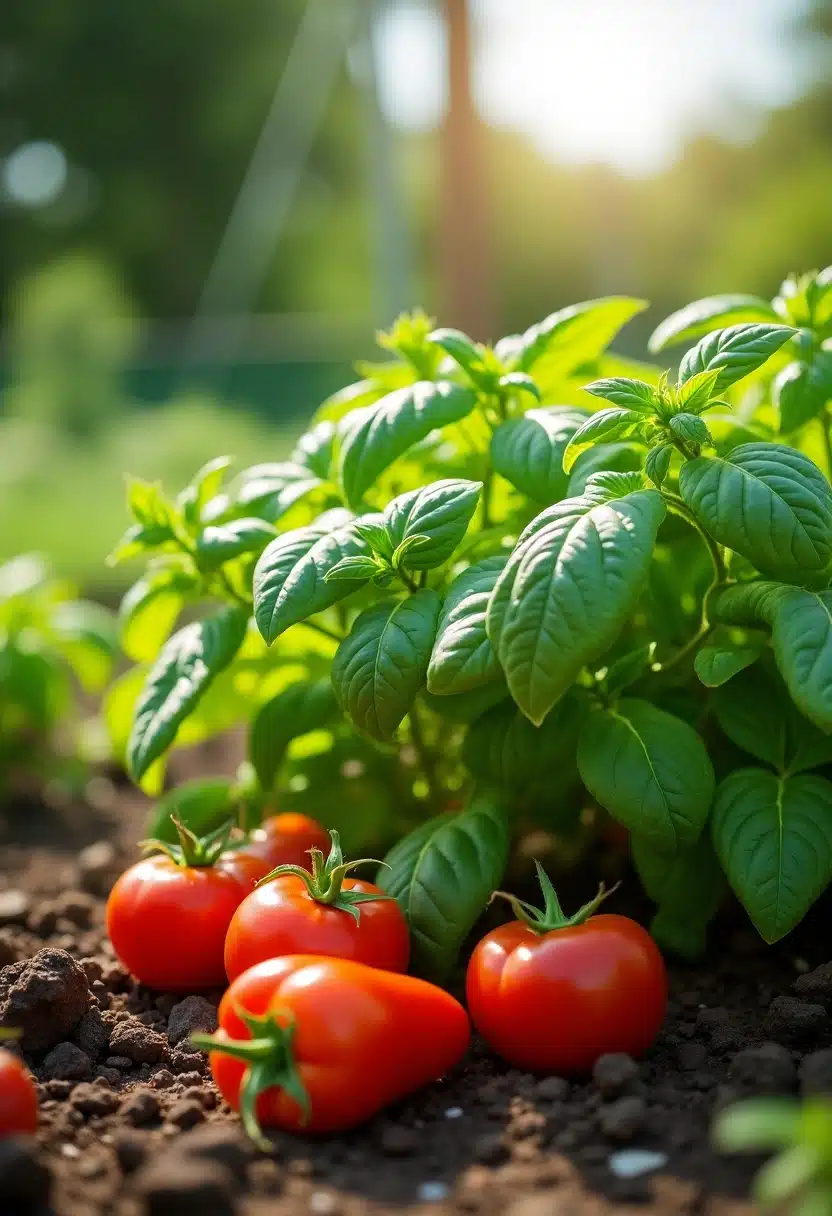
Basil brings a delightful scent and taste to any garden space, especially a chaos garden. It thrives alongside various plants, offering versatility in this dynamic setting. Basil prefers well-drained soil and a sunny spot. Its aroma enhances the garden’s atmosphere while its taste enriches your cooking. Regular pruning encourages bushier growth and maximizes leaf production.
In a chaos garden, companion planting is key for basil’s success. Basil works well with tomatoes and peppers, both benefiting from each other’s company. This mutualistic relationship helps deter pests and promotes healthier growth. Consider a watering routine that keeps the soil moist but not waterlogged. This balance is crucial for maintaining the health of your basil amid the bustling crop diversity.
Basil varieties range from sweet to spicy, offering something for every palate. From Thai to Genovese, each type adds a unique flair to dishes. With proper care, basil can flourish in your chaos garden, adding layers of flavor and fragrance. Engage with the chaotic nature of your garden and enjoy how basil beautifully integrates into its vibrant mix.
Growing Melons for Sweetness
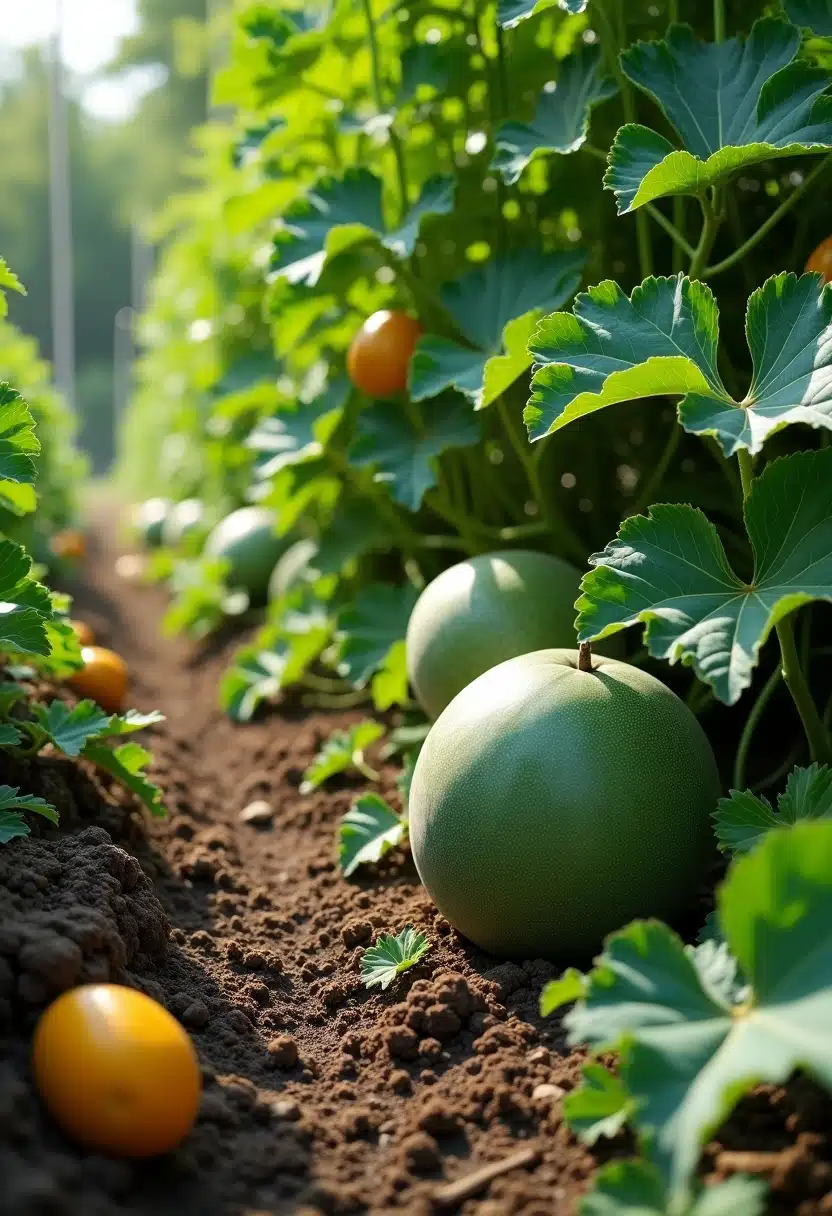
In a chaos garden, melons can bring a burst of sweetness and visual delight. These sprawling vines can easily integrate with other plants, creating a lush, intertwined landscape. To optimize their growth, select a sunny spot with well-draining soil. Melons thrive with warmth and rich soil, so consider adding compost or aged manure to boost their nutrient intake.
Once the vines start growing, they can cover ground quickly, suppressing weeds and conserving moisture. Ensure they receive regular watering to avoid split fruits; however, refrain from wetting the foliage to minimize disease risks. Hand-pollination can also enhance fruit yield, especially in a mix of plants where bees might feel overwhelmed. Melons serve as a sweet centerpiece, adding flavor and joy to your garden chaos.
Harvesting melons at the right time ensures peak sweetness. Keep an eye on the color shift of the rind and the fragrant aroma. When slightly pressing the end opposite the stem, a gentle give indicates ripeness. Melons, whether watermelons, cantaloupes, or honeydew, reward patience with irresistible flavors that complement the vibrant chaos of mixed crops.
The Benefits of Planting Garlic
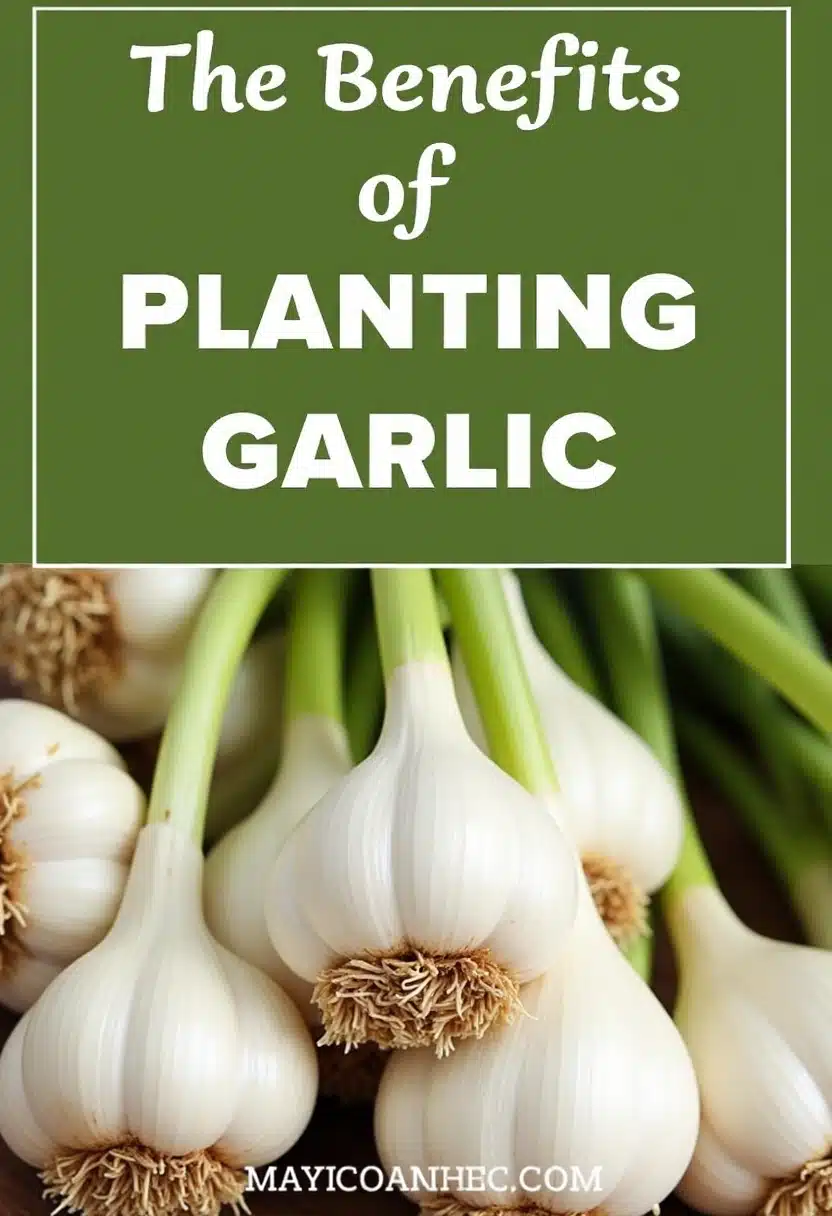
Garlic is a robust crop that can add strength to your chaos garden by warding off pesky insects. As a natural repellent, it serves as an eco-friendly solution to maintaining plant health. Planting garlic promotes balance by minimizing the need for chemical pesticides, keeping your garden naturally resilient and thriving.
Understanding the planting cycle of garlic can enhance your garden’s bounty. Garlic is typically planted in the fall and harvested in the late spring or summer. This timeline allows it to utilize the winter months for slow growth and establishes strong roots that support vigorous foliage in warmer weather.
Adding garlic to your chaos garden not only helps maintain ecological balance, but it also contributes to the flavor profile of your produce. Its growth can be seamlessly integrated among a variety of plants, offering added depth to your garden’s diversity and boosting the overall garden harmony.
Adding Spinach for Nutritional Value
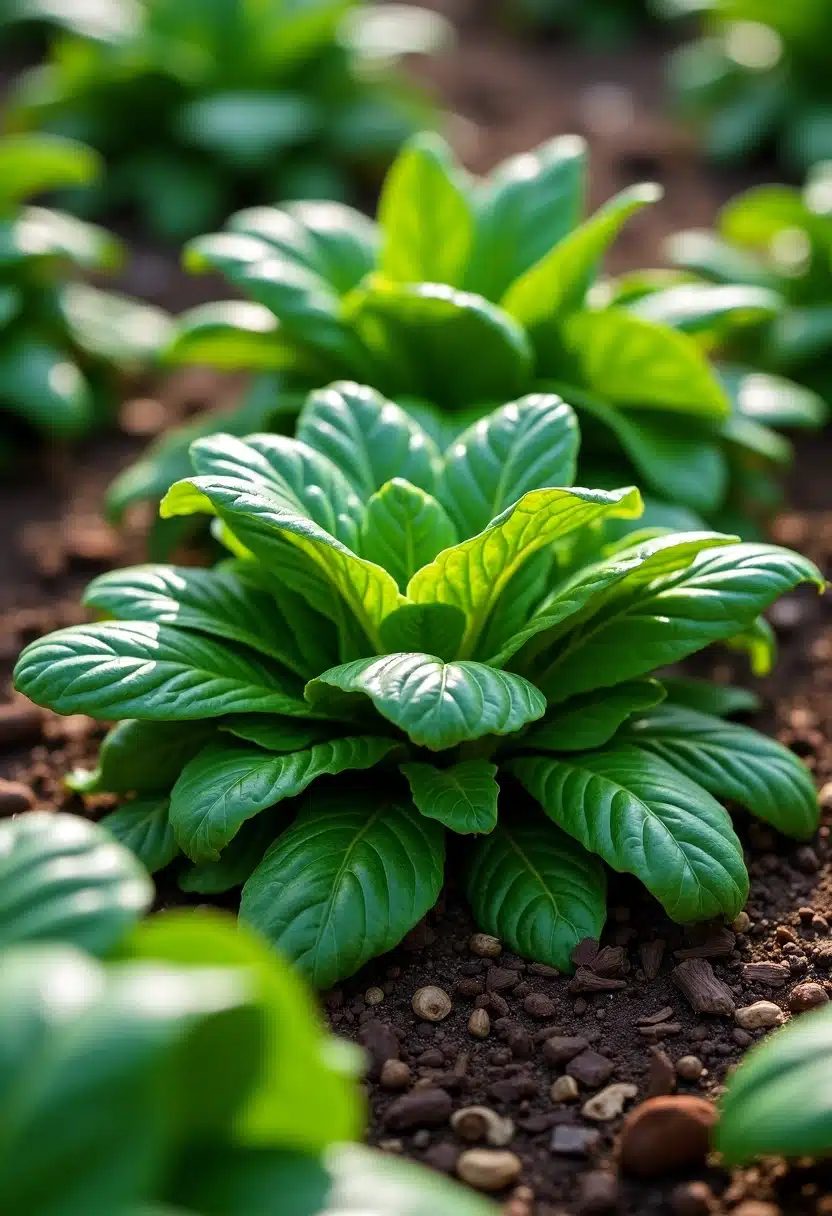
Spinach brings a punch of vital nutrients to any chaos garden. This leafy green is not only rich in vitamins A, C, and K but also adds iron and calcium to your diet. In a wild, randomized planting setup, spinach can be sown directly into the soil, mingling with other crops to create a harmonious blend. Its adaptability makes it a perfect fit for an unstructured garden environment.
To boost your spinach harvest, focus on its growth cycle. Ensure the soil remains consistently moist, as spinach prefers cooler climates and can bolt in high heat. Strategically planting in partial shade and using mulch can help maintain the right conditions. Harvesting leaves regularly encourages new growth, keeping a steady supply of fresh greens on your table.
Maximize your garden’s chaos by planting spinach alongside other leafy greens or root vegetables that thrive under similar conditions. Experiment with combinations to find what works best, as spinach can complement various plants both in the garden and on the plate. Its versatility is an asset to any garden, offering both beauty and a nutrient boost.
Growing Peas for Sweetness and Nutrition
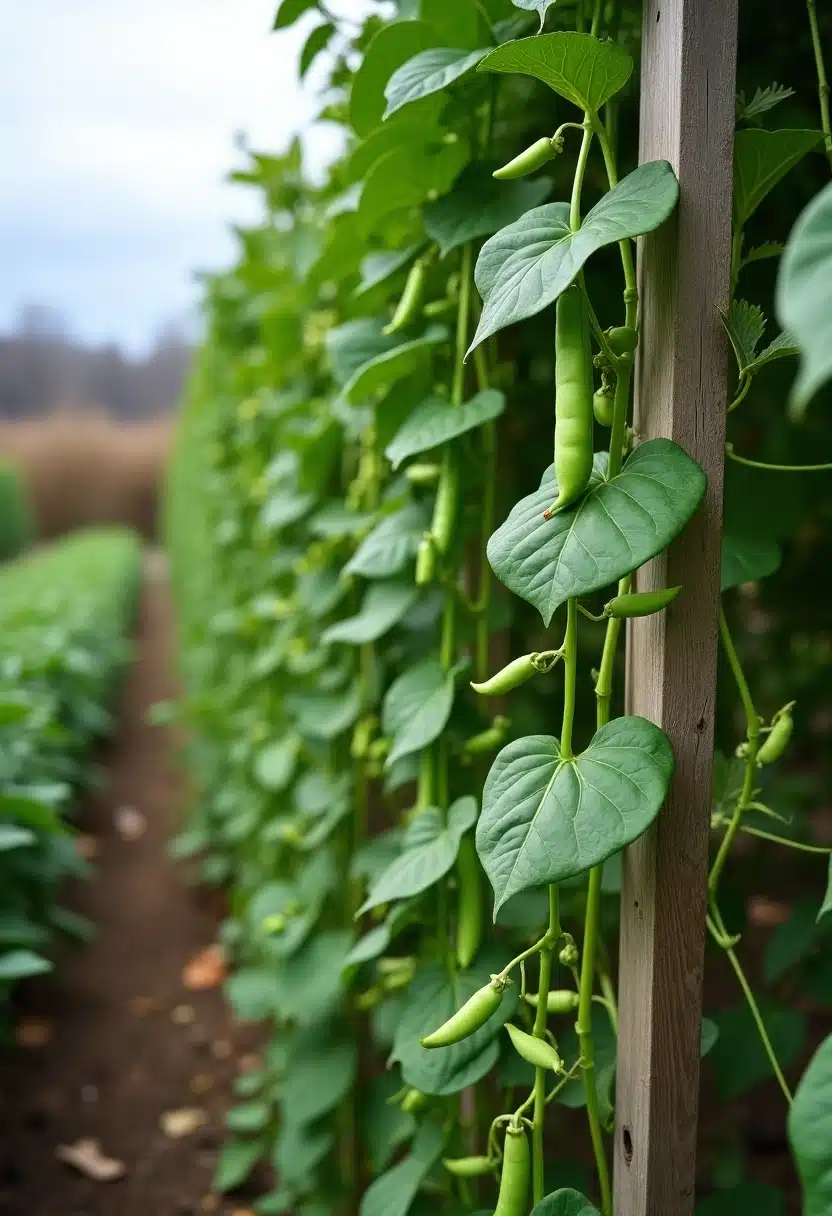
When considering peas for your chaos garden, their sweet taste and nutritional benefits make them irresistible. Peas thrive in a slightly cooler climate, which is essential for their lush growth. Given the unpredictable nature of a chaos garden, their natural ability to climb and spread adds a charming touch. Consider planting them near a trellis or fence to maximize your growing space.
Start sowing pea seeds directly into the soil early in the season. This approach suits the chaos garden’s spontaneous style. With minimal maintenance, peas will reward you with soft pods filled with flavorful peas. Furthermore, peas enrich the soil, benefiting other crops. This makes them a thoughtful addition to your garden plan.
Beyond their simplicity, peas pair well with their chaotic neighbors like asparagus, which can share their support structures. This symbiotic relationship helps maintain order in the chaos, ensuring both crops flourish. Embrace their versatility by incorporating them into salads, soups, or enjoyed fresh from the garden. Peas become a delightful and practical component of your garden’s ecosystem.
Incorporating Hardy Asparagus
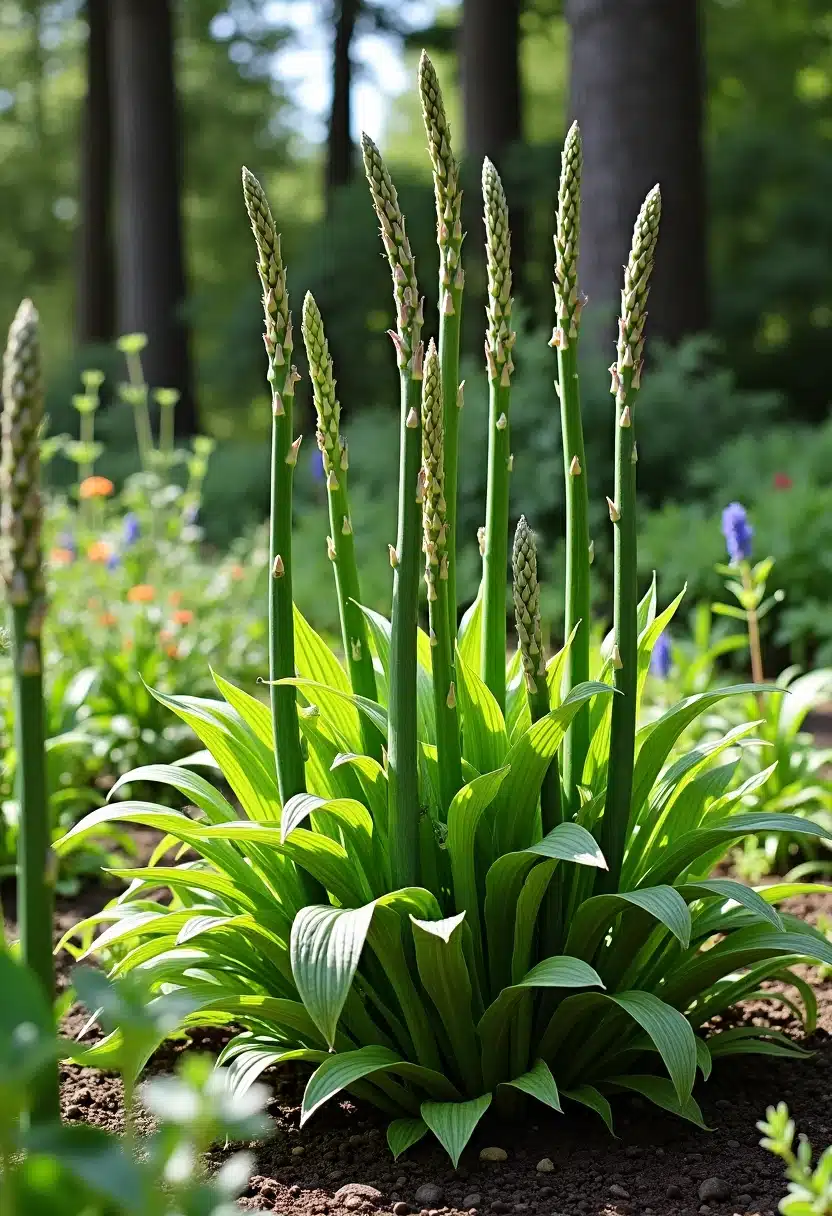
Incorporating asparagus into your chaos garden can be a great move. Known for its durability, asparagus is a perennial plant that keeps giving year after year. This makes it an ideal candidate for a garden designed for low maintenance and high yield. Plant it once, and tend to it with minimal fuss, reaping the benefits over time.
Planting asparagus requires a little preparation, but the rewards are worthwhile. Select a sunny spot with well-draining soil to give it the best chance to thrive. It thrives in varied conditions, akin to the unpredictable nature of chaos gardens. Once established, it will be one less crop to worry about, as it requires minimal intervention.
Maintaining this hardy crop focuses mainly on patience and observation. Mulch regularly to prevent weeds and help retain soil moisture. Fertilize annually with compost to nourish the plant and encourage stronger growth. Its sturdy nature aligns well with the resilience you’ll cultivate among diverse plants. Asparagus becomes a foundational element amidst the delightful disorder of a chaos garden.
The Brightness of Bell Peppers
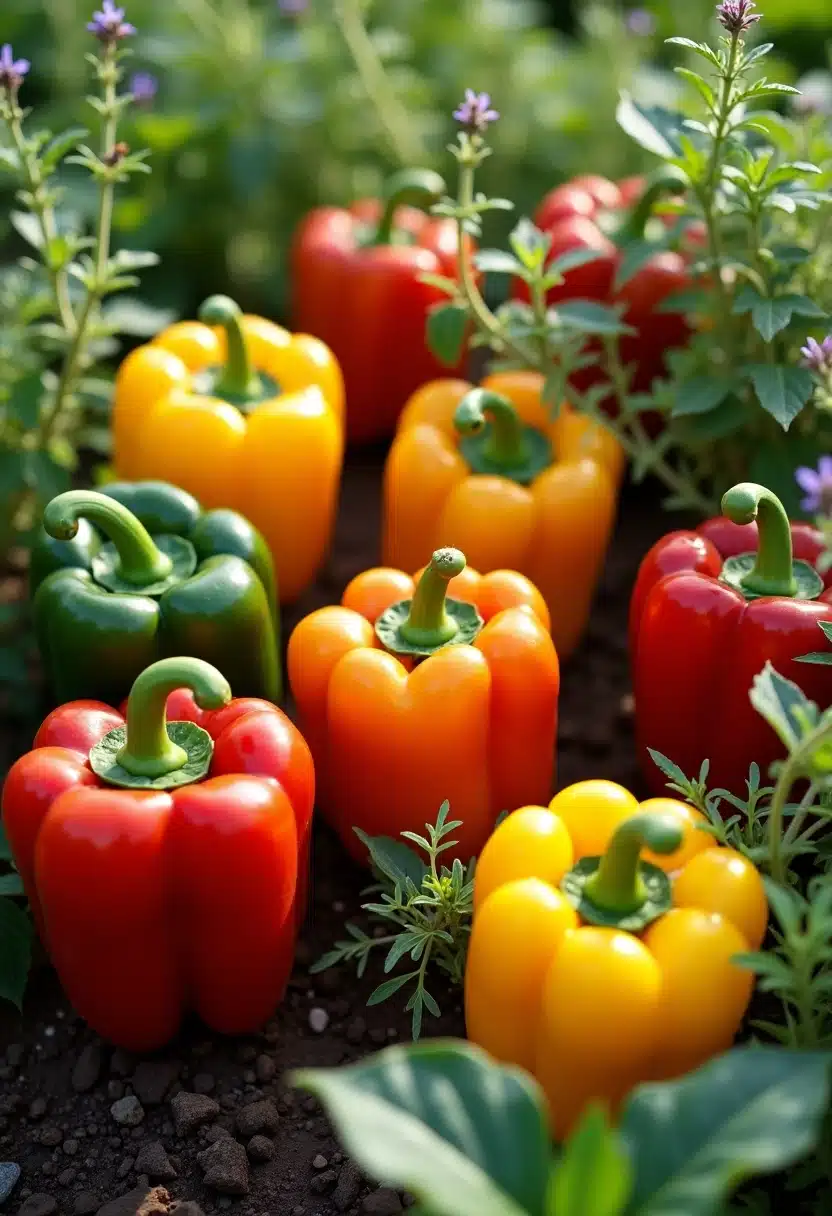
Bursting with vibrant colors, bell peppers bring life to any garden. Unlike asparagus, these beauties thrive during warmer months. They love sunlight and do best in well-drained soil. In a chaos garden, bell peppers add not just color but texture, complementing the randomness of other crops. Consider spacing them strategically among hardy plants to maximize their colorful impact.
When adding bell peppers, think about their complementary traits. Their upright growth allows them to intermingle beautifully with trailing herbs like thyme, enhancing the chaotic symphony. Water peppers consistently and avoid overcrowding to let them breathe. Observing their growth patterns helps maintain a dynamic and harmonious garden atmosphere, ensuring each plant has its spotlight.
Moreover, bell peppers are not just about appearance; they offer versatility in the kitchen, enhancing any meal. Incorporate them fresh in salads or stir-fries, savoring the crisp bite. Their various hues can inspire your culinary path, transforming simple dishes into vibrant creations. By embracing their cheerful presence, your chaos garden becomes a delight for both eyes and palate.
Harnessing the Power of Herbs
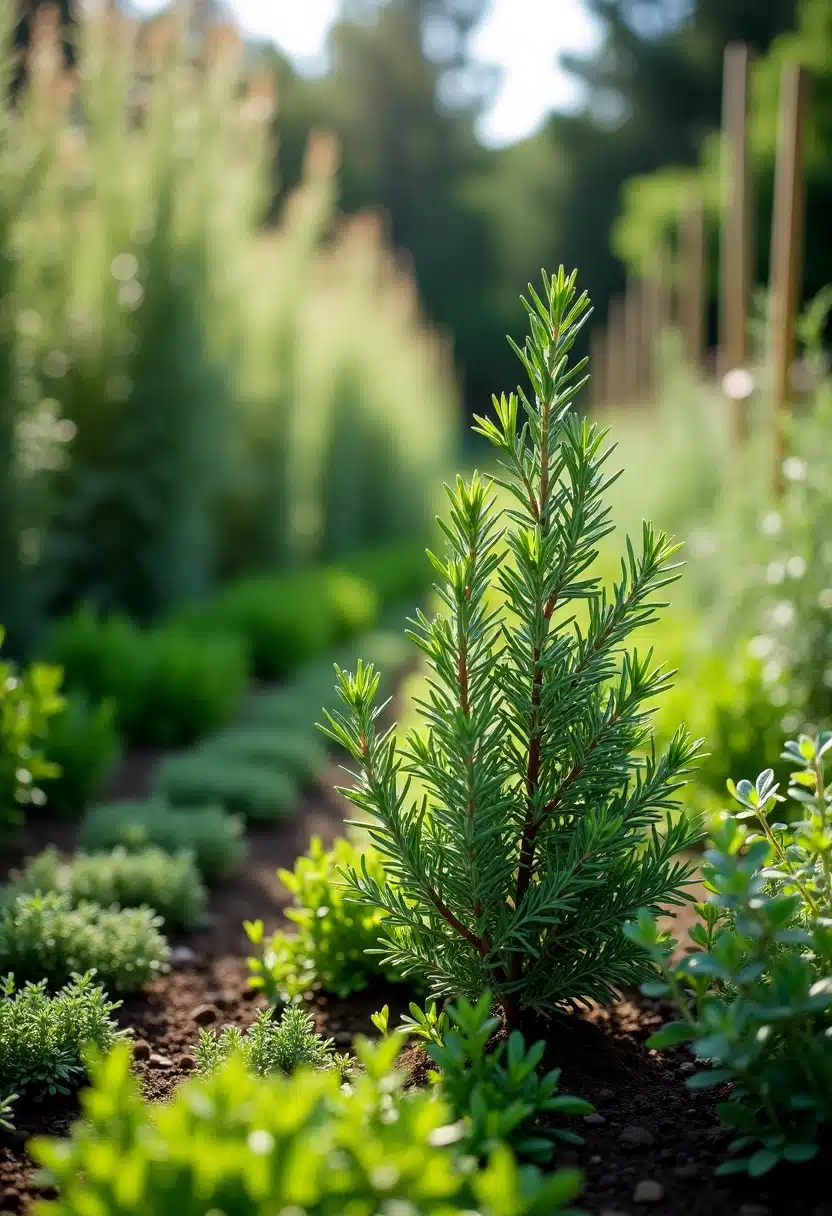
Herbs like rosemary, thyme, and oregano bring not only culinary delights but also a touch of fragrance to your chaos garden. Incorporating these aromatic plants is a smart choice to create a harmonious blend of scents and flavors. Imagine brushing past a rosemary bush, releasing its invigorating scent, all while picking fresh thyme to enhance your cooking. These herbs thrive effortlessly, offering charm to your unpredictable plot.
To integrate herbs successfully, consider their growth patterns and companionship with other plants. Rosemary, with its sturdy stems, can act as a natural border, while thyme forms a low-growing mat that works well between taller crops. Oregano, on the other hand, can spread quickly, so it’s perfect for filling empty garden spots. Each herb creates a symphony of scents, enriching the sensory experience of your garden.
Moreover, herbs are versatile in the kitchen. Use thyme in soups, rosemary in roasted dishes, and oregano in your favorite Italian recipes. By strategically placing these herbs in your chaos garden, you enjoy fresh ingredients for your meals. Not only do they enhance culinary flavors, but they also attract beneficial pollinators, adding an ecological balance to your vibrant outdoor space. Embrace the wild charm herbs bring to the mix!
Growing Potatoes for Versatility
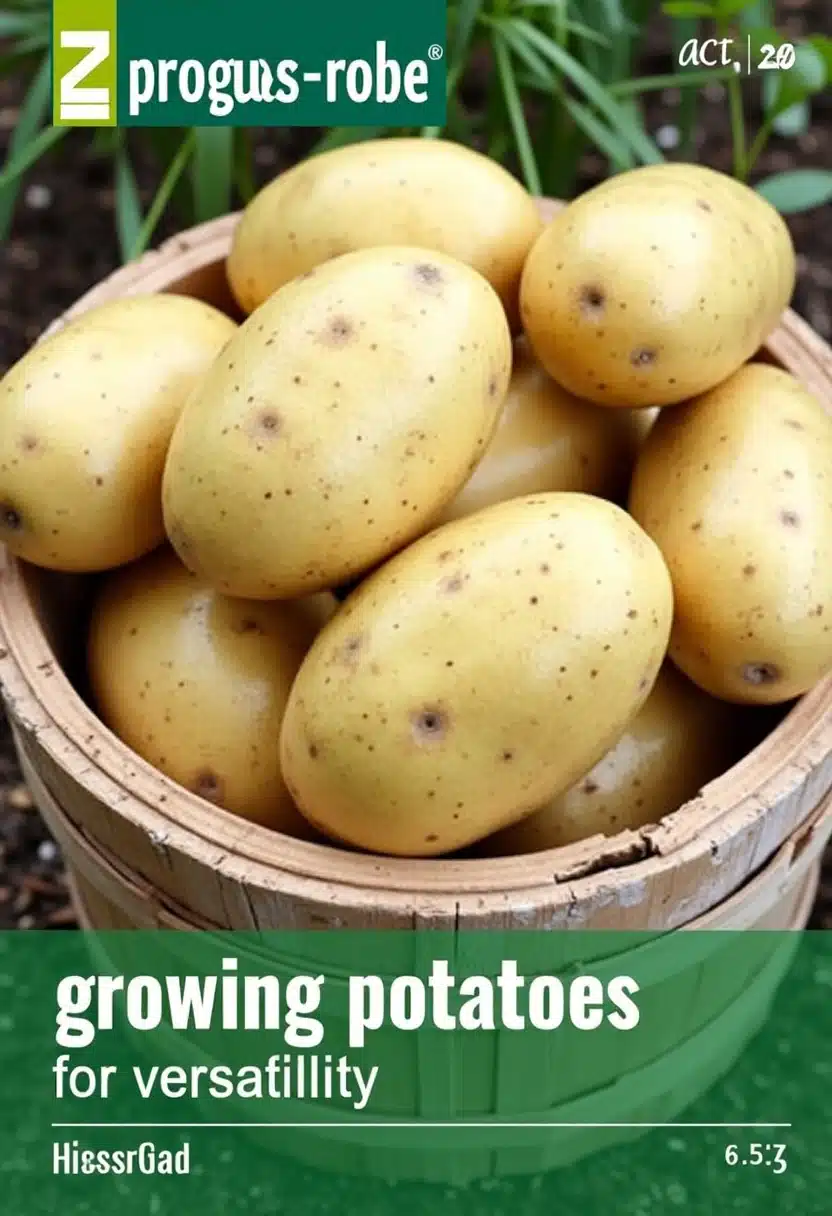
Potatoes are a great choice for any chaos garden, thanks to their flexibility and nutritional value. Not only do they offer a high yield, but their planting process also suits gardeners of every level. They can thrive in a chaotic layout with minimal intervention, making them perfect for those who love a bit of organized chaos.
When planting potatoes, remember that they require well-drained soil and consistent sunlight. Integrate them into your garden design by spacing them evenly with complementary crops. This approach not only enhances growth but also enriches your garden’s ecosystem. Enjoy discovering the endless possibilities of this unique crop in your garden adventure!
The Charm of Growing Lavender

Lavender brings a touch of elegance and a delightful fragrance to any chaos garden setting. Known for its vibrant purple blooms and soothing aroma, it’s both aesthetic and versatile. When planting lavender, choose a sunny spot with well-drained soil. Its low-maintenance nature makes it perfect for carefree gardening enthusiasts who want beauty without fuss.
Caring for lavender means keeping it trimmed to encourage new growth. It thrives in dry conditions and requires little watering. Pruning back flowers after their peak keeps plants healthy. Apart from its beauty, lavender is useful beyond the garden. Use it in homemade sachets for freshening up clothes drawers or as an ingredient in bath products for a relaxing soak.
Incorporating Wildflowers for Pollinators
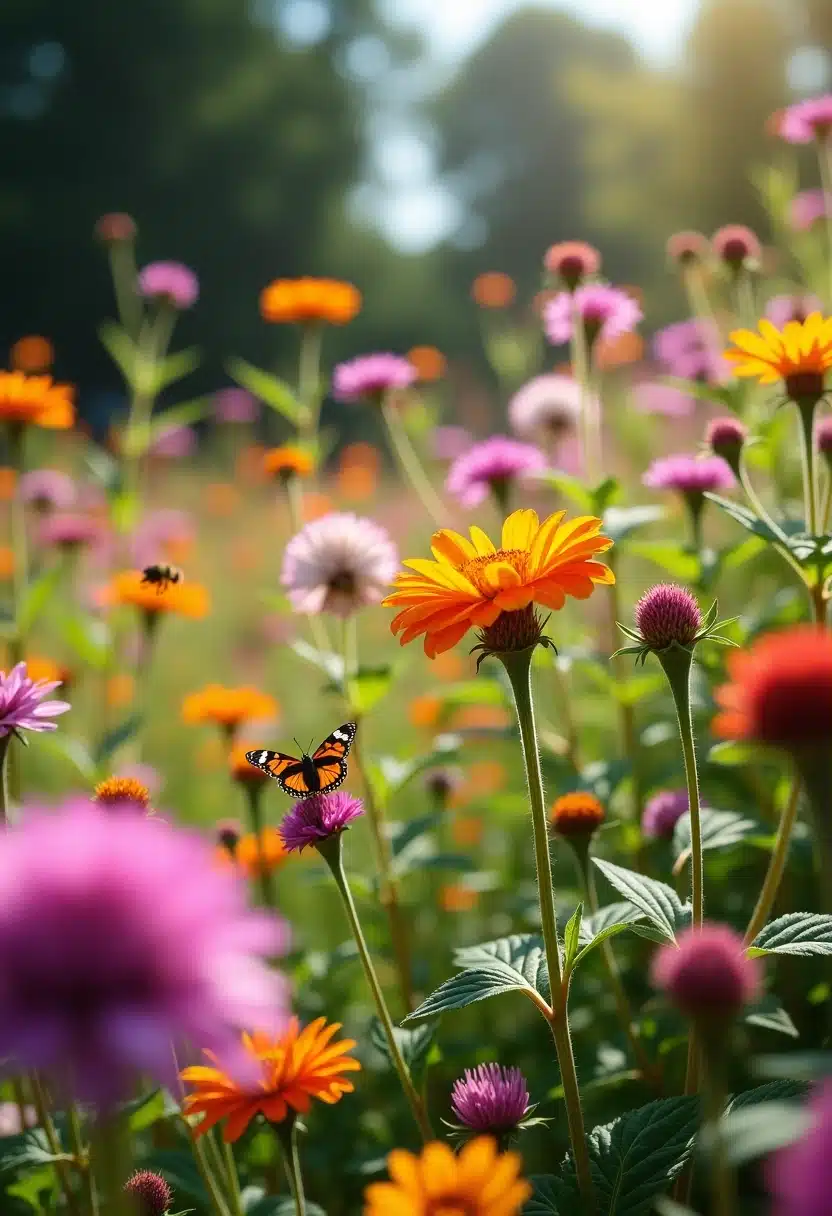
Incorporating wildflowers into your chaos garden is a fantastic way to support biodiversity. These vibrant flora attract pollinators like bees and butterflies, which are crucial for a thriving garden ecosystem. By selecting a mix of native wildflowers, you create a sustainable and ever-changing tapestry of colors and textures. Consider varieties that bloom at different times to provide food for pollinators throughout the growing season.
Planting wildflowers is relatively easy. Choose an area with abundant sunlight, and prepare the soil by removing weeds and rocks. Scatter your wildflower seeds evenly, and press them into the soil for good contact. Water regularly but not excessively. With minimal care, wildflowers thrive and contribute to a dynamic, lively garden atmosphere.
By integrating wildflowers, you not only enhance your garden’s aesthetic appeal but also actively contribute to environmental health. This approach complements the diversity of a chaos garden, providing a natural habitat for various species. The result is a harmonious blend of beauty and ecological purpose, making your garden a sanctuary for all living creatures.
The Sweetness of Strawberries
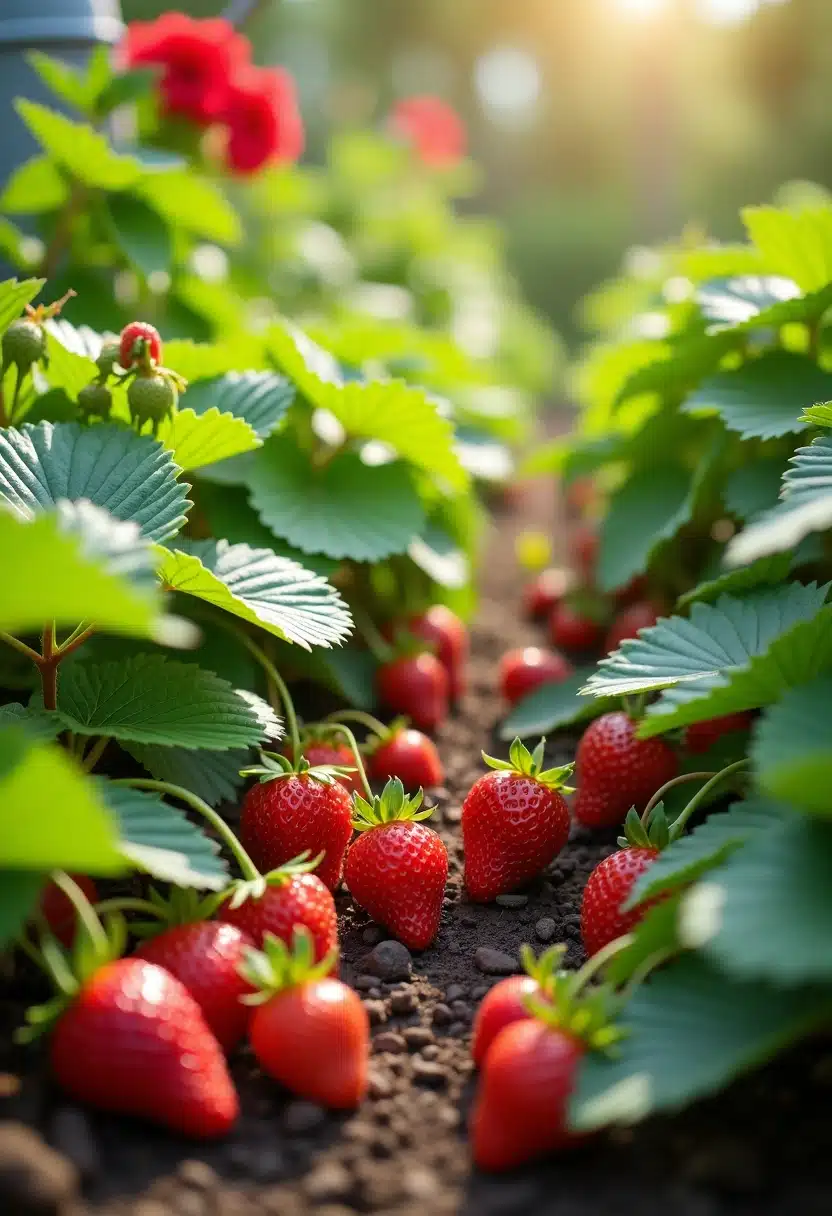
Strawberries bring a delightful sweetness to your chaos garden, capable of turning an ordinary space into a charming oasis. These juicy fruits thrive in mixed environments, making them perfect companions for other plants. By nestling them into your garden, you invite bursts of color and flavor that captivate the senses. Plus, their adaptability allows them to flourish in diverse conditions, even amidst garden chaos.
Growing and Caring for Strawberries
For successful strawberry growth, select a sunny spot and plant them in raised beds or containers for better drainage. Ensure they receive consistent watering, but avoid waterlogging. Mulching around the plants can help retain moisture and reduce weeds, offering a supportive environment for their roots. With a bit of care, strawberries reward you with luscious yields even in a busy garden setting.
Incorporate varied strawberry varieties for continued harvests, aiming for ever-bearing or day-neutral types. These will produce multiple times, extending your enjoyment. Additionally, keeping an eye out for common pests like slugs or birds can ensure your strawberries remain healthy. Embrace natural deterrents or protective netting if needed, safeguarding your sweet bounty within the vibrant chaos of your garden.
The Resilience of Chard
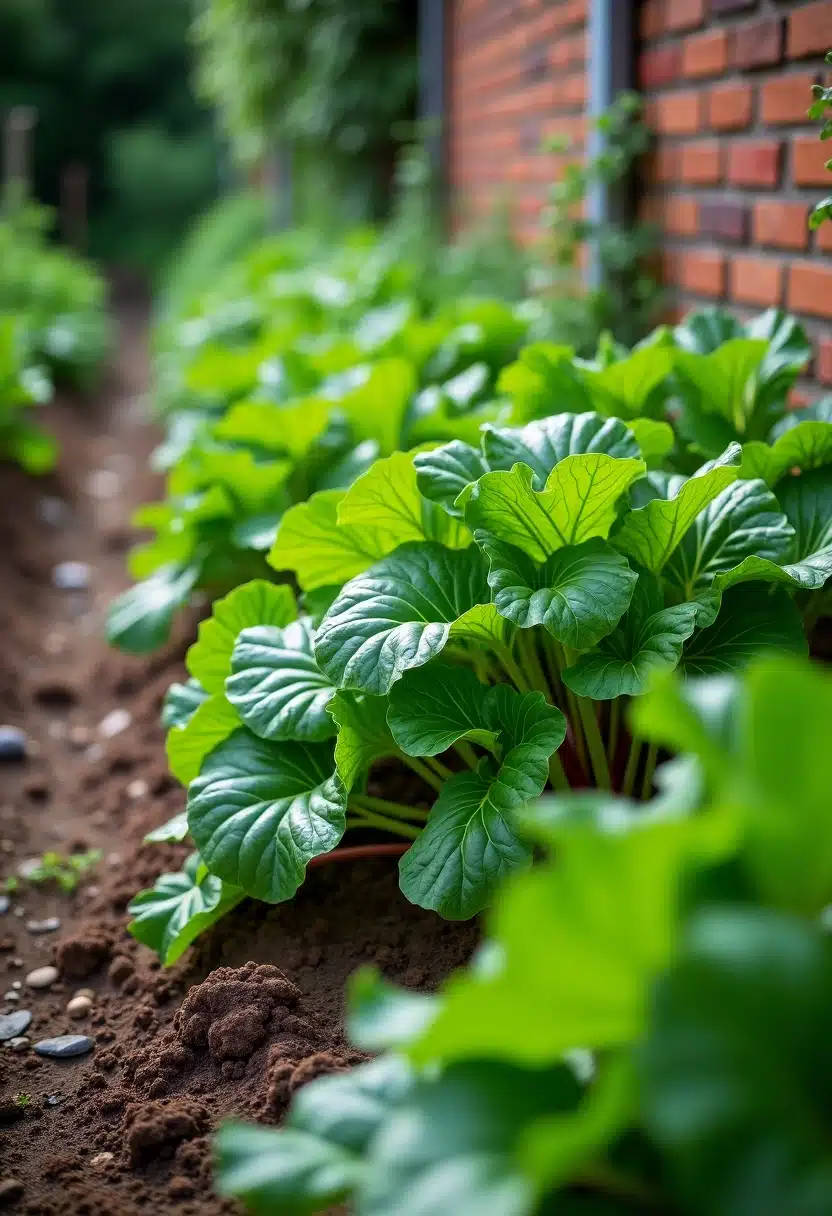
Chard is a versatile and hardy plant perfect for the chaos garden approach. It thrives in a variety of conditions including poor soil, making it a reliable choice. Chard adapts well, bouncing back even in less-than-ideal weather. This resilience is exactly what you need in a chaos garden, where unpredictability reigns.
To make the most of chard, plant it in spaces you aren’t using for other crops. Its ability to grow in semi-shade means you can tuck it between taller plants or next to walls. Keep the soil moist but not waterlogged to maintain steady growth. Regular picking encourages new leaves, providing a steady supply for your kitchen.
Harvest chard by cutting outer leaves, letting the inner ones continue to grow. Not only will you have fresh greens at your fingertips, but the plant’s vibrant colors add a lively aesthetic to your garden. Embrace chard’s adaptability and vibrant presence in your chaos garden, and enjoy the rewards of this versatile green.
Growing Broccoli for Nutrient Density
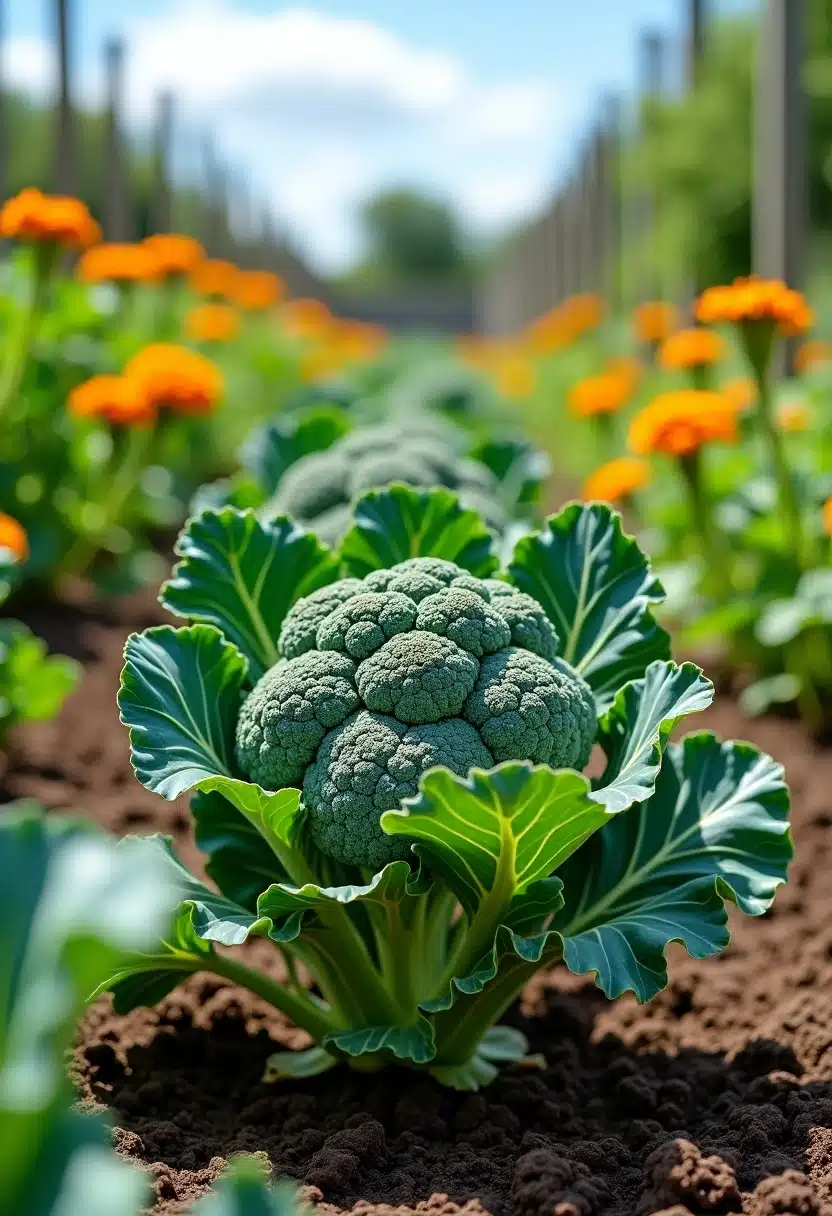
Broccoli is a powerhouse of nutrients and fits perfectly in your chaos garden. It’s rich in vitamins C, K, and A, and offers substantial fiber and antioxidants. In a chaos garden, where diversity reigns, broccoli can thrive alongside various other plants, adding both nutritional value and visual appeal to your space.
To cultivate broccoli successfully, choose a sunny spot with well-draining soil. Broccoli favors cool temperatures, so consider planting it during early spring or late summer. For optimal growth, keep an eye on spacing to allow enough room for each broccoli head. This ensures better air circulation and reduces disease risk in your garden.
Companion planting with herbs like dill or basil can not only enhance broccoli’s growth but also attract beneficial insects. Calendula or marigolds nearby can deter pests naturally. These companions create a harmonious environment, encouraging your chaos garden to thrive while protecting your broccoli. Broccoli’s resilience and benefits make it a rewarding addition to your garden, promising a nutritious and bountiful harvest.
The Versatility of Oregano
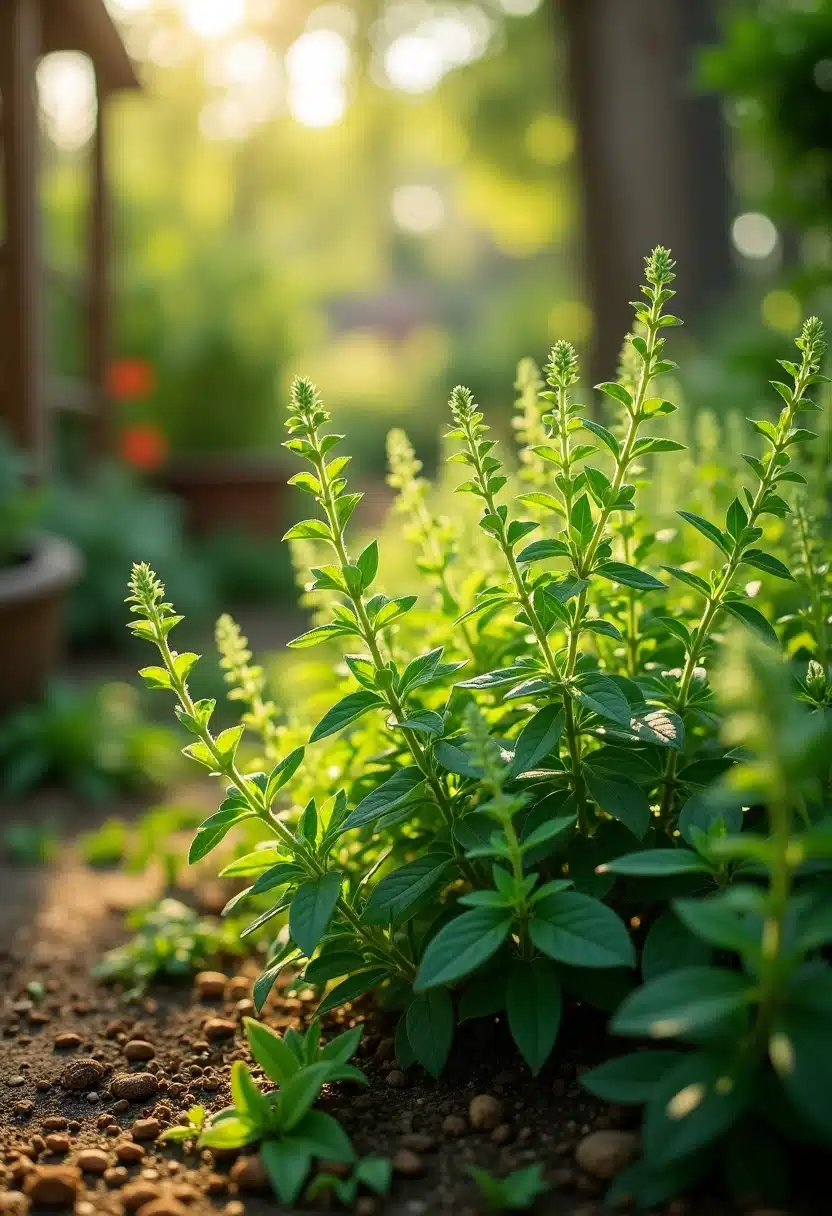
Oregano is a powerhouse in your chaos garden, thriving in various conditions with minimal effort. This hardy herb can tolerate drought and poor soil, making it perfect for an unpredictable garden setting. It grows best in full sun, with its lush green leaves adding texture and vibrancy to your outdoor space. Oregano is a perennial, so once planted, it can return year after year, providing a reliable source of flavor for your kitchen.
Incorporating oregano into your dishes elevates flavors with its aromatic and slightly peppery taste. It’s a favorite for Mediterranean and Italian dishes, enhancing everything from sauces to grilled meats. You can dry or freeze oregano leaves to preserve its bright taste all year round. Including this versatile herb in your garden means you’ll have fresh seasoning at your fingertips whenever you need it.
To integrate oregano into your chaos garden, consider its potential to repel pests. Its strong fragrance can deter insects, acting as a natural protector for surrounding plants. Plant oregano near vegetables like tomatoes and peppers to maximize its benefits. With its easy growth and culinary uses, oregano is an excellent addition to your garden, ensuring both beauty and functionality.
Cultivating Artichokes for a Unique Harvest
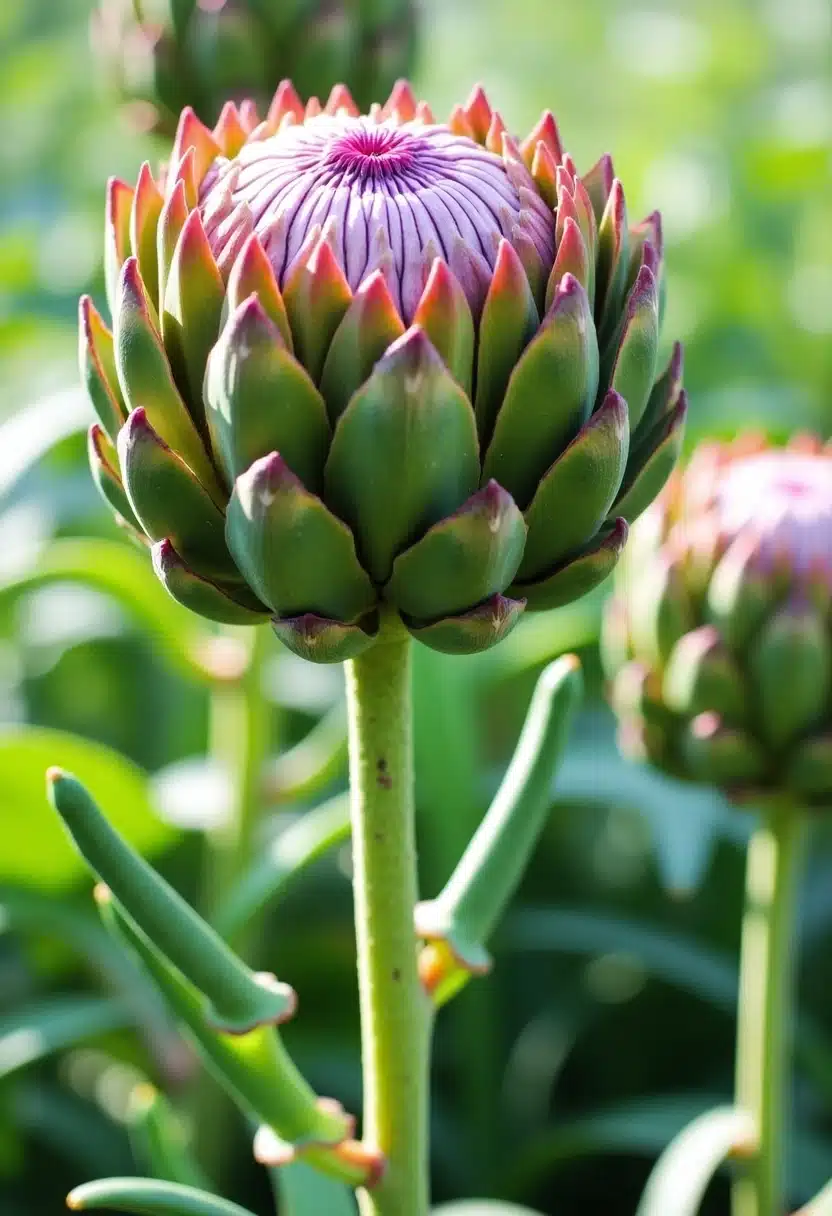
Artichokes bring a touch of sophistication to your chaos garden with their distinct look and taste. When planting artichokes, it’s crucial to select a sunny spot where they can thrive. They prefer well-drained soil, rich in nutrients, making compost or aged manure a fantastic additive. As they grow, these plants can reach impressive sizes, adding visual interest to your garden layout.
Caring for artichokes isn’t complicated. Regular watering is key, but ensure the soil doesn’t become waterlogged. Mulching can help retain soil moisture and regulate temperature. You’ll want to protect the plants from strong winds and provide structural support if necessary. The reward, flavorful buds, are delicious steamed or grilled and bring a gourmet touch to your meals.
Companion planting can enhance your artichoke’s vitality. Consider growing basil or marigolds nearby; these plants can deter pests and attract beneficial insects. Their beautiful blooms will complement the artichoke’s lush foliage, creating a harmonious planting arrangement. Experimenting with placement can yield a stunning, productive garden that’s both functional and aesthetically pleasing.
The Delight of Fresh Berries

Imagine the joy of plucking fresh blueberries and raspberries right from your own chaos garden. These berries bring brightness and flavor to any green space. They don’t just taste good; they’re packed with nutrients. To start, plant them in well-drained soil. Both need sunshine to thrive, so choose a sunny spot. The colors and tastes will bring your garden to life.
Caring for berries involves a few simple steps. Water them regularly, but don’t overdo it, as they dislike soggy roots. Pruning is crucial to encourage growth and fruit production. Mulch helps retain moisture and control weeds. Keep an eye out for birds; they love berries as much as you do! Netting can protect your precious harvest from hungry beaks.
Overall, berries offer a productive and enjoyable element to your chaos garden. They provide sweetness while enhancing the beauty of your outdoor space. Integrate them alongside other perennials for a balanced and diverse plot. Not only do they attract pollinators, but they also give you delicious and healthy snacks. Enjoy the process and the rewards of growing your own berries.
Planting Rhubarb for Tarts and Pies
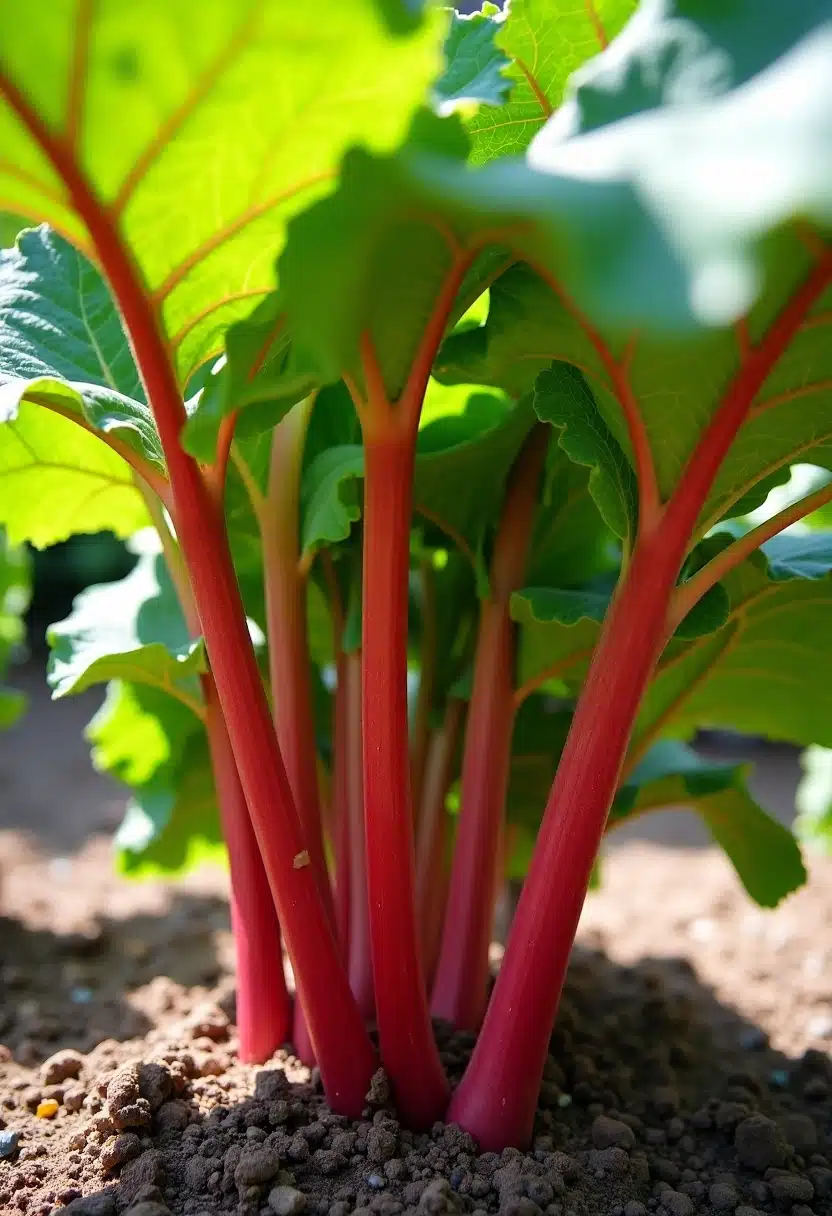
Rhubarb is a hardy perennial that thrives with minimal care, making it perfect for your chaos garden. When you’re looking to add a touch of tart to your desserts, rhubarb is your go-to crop. Plant it in a sunny spot with well-draining soil. This plant doesn’t mind a little attention, only requiring occasional weeding and mulching to keep it healthy.
When harvesting, patience is key. Allow rhubarb to establish itself before cutting stalks, usually after two growing seasons. You’ll know it’s time when the stalks are about 10-15 inches long. To harvest, twist gently at the base and avoid cutting, as this can harm the plant. Remember, only the stalks are edible—the leaves are toxic.
With a successful harvest, you can get creative in the kitchen. Rhubarb lends a unique flavor to pies, tarts, and jams, adding a refreshing tang to sweet dishes. Pair it with strawberries or ginger for a delightful twist. Your chaos garden will become a haven of culinary possibilities with this versatile crop.
The Richness of Growing Grapes

Incorporating grapes into your chaos garden adds a new dimension of beauty and productivity. Their lush vines and clusters of juicy berries can transform any outdoor space. Grapes require a sunny spot and support like a trellis or arbor to thrive, which can enhance the visual intrigue of your garden layout. This plant not only provides visual splendor but also a harvest of delicious fruits for your enjoyment.
Understanding grape growth habits is key to cultivating them successfully. Grapes flourish in well-drained soil and need regular watering, especially during dry spells. They are prone to certain pests and diseases, so keeping an eye on their health is vital. Pruning is another crucial aspect, as it encourages fruit production and maintains the plant’s shape, further enhancing your garden’s aesthetic appeal.
Beyond aesthetics, grapes offer practical benefits. You can explore making homemade jams, wines, or simply enjoy them fresh from the vine. The versatility in use adds interesting culinary possibilities. By blending function with beauty, grapes can be a standout addition to your chaos garden, making it a harmonious space that feeds both senses and body.
Integrating Nasturtiums for Color and Spice
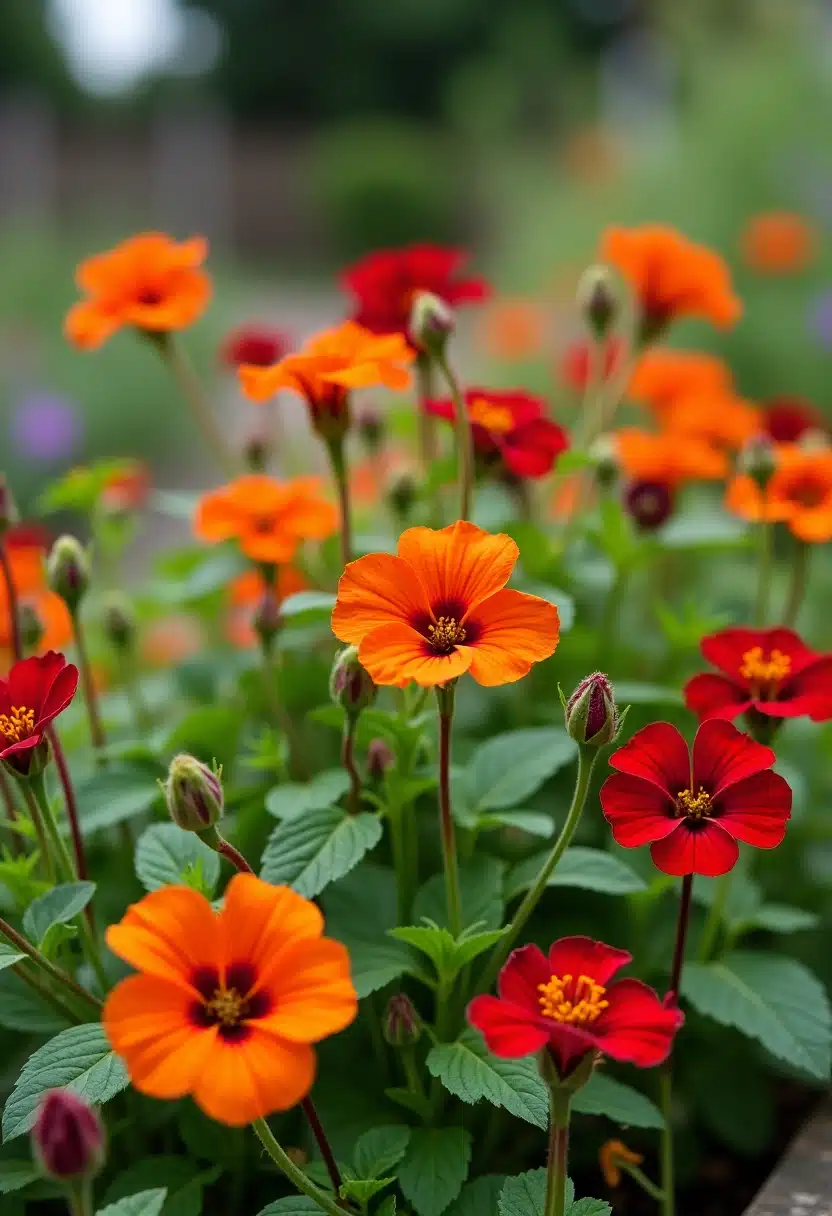
Nasturtiums bring a lively splash of color to your chaos garden with their bright blooms. These stunning flowers thrive in a free-spirited garden, spreading joy with their cheerful hues. The colors range from vivid oranges to deep reds, capturing attention effortlessly. Beyond just their visual appeal, nasturtiums are known for their low-maintenance nature, making them a great choice for beginners and seasoned gardeners alike.
Incorporating nasturtiums offers more than just beauty. Their flowers and leaves add a peppery zest to your salads, elevating your culinary adventures. Whether tossed fresh or infused in vinegars, they surprise with a spicy kick. They’re not only edible but easy to grow, requiring minimal effort. Let them trail across your garden beds to enjoy both their charm and flavor.
The flexibility of nasturtiums in garden design allows for creativity and exploration. They thrive in poor soil conditions, weaving through plants like dill and others for a delightful, eclectic mix. Combine their striking colors with herbs like dill for an adventurous aesthetic. They enhance not only the look but the edible landscape of your chaos garden, contributing to a vibrant, multifunctional space.
The Versatile Uses of Dill
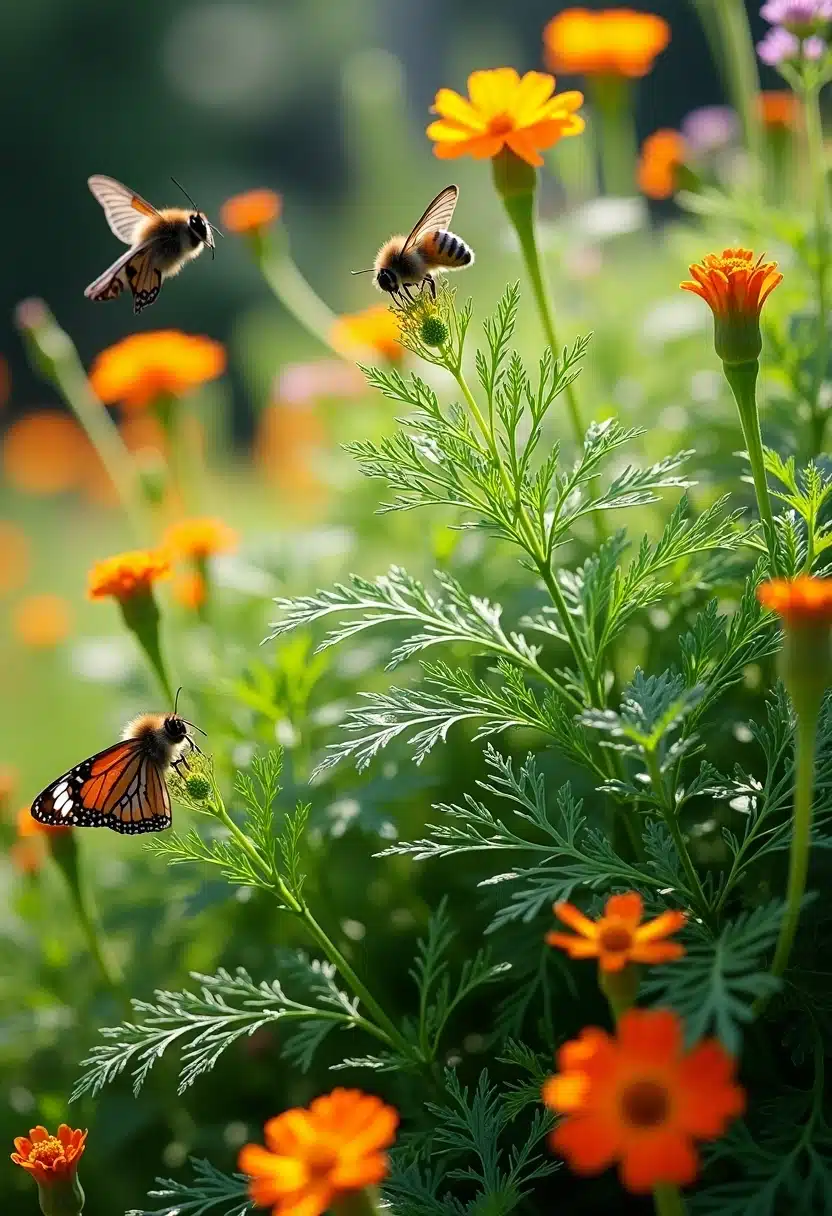
Dill is a versatile herb that can spice up your planted chaos garden. It’s wonderful for seasoning dishes like salads, soups, and fish. Growing dill is straightforward, making it perfect for novice gardeners. It thrives in well-drained soil with plenty of sunlight, so finding a sunny spot in your garden is ideal. Its feathery leaves add a lovely texture to any garden bed.
Beyond culinary uses, dill can play a practical role in your garden. It attracts pollinators such as bees and butterflies, which helps your entire garden flourish. Additionally, dill can act as a companion plant, deterring pests from nearby vegetables. Its fragrant foliage enhances the ambiance of your outdoor space, bridging aesthetics and utility seamlessly.
If you’re integrating dill into your chaos garden, consider its layout and how it complements other plants. This herb fits well with an eclectic mix, enhancing the sensory experience of sight, smell, and taste. Balancing functional herbs like dill with focal plants like nasturtiums and fennel ensures a dynamic and rewarding gardening experience.
Growing Fennel for Flavor and Fragrance
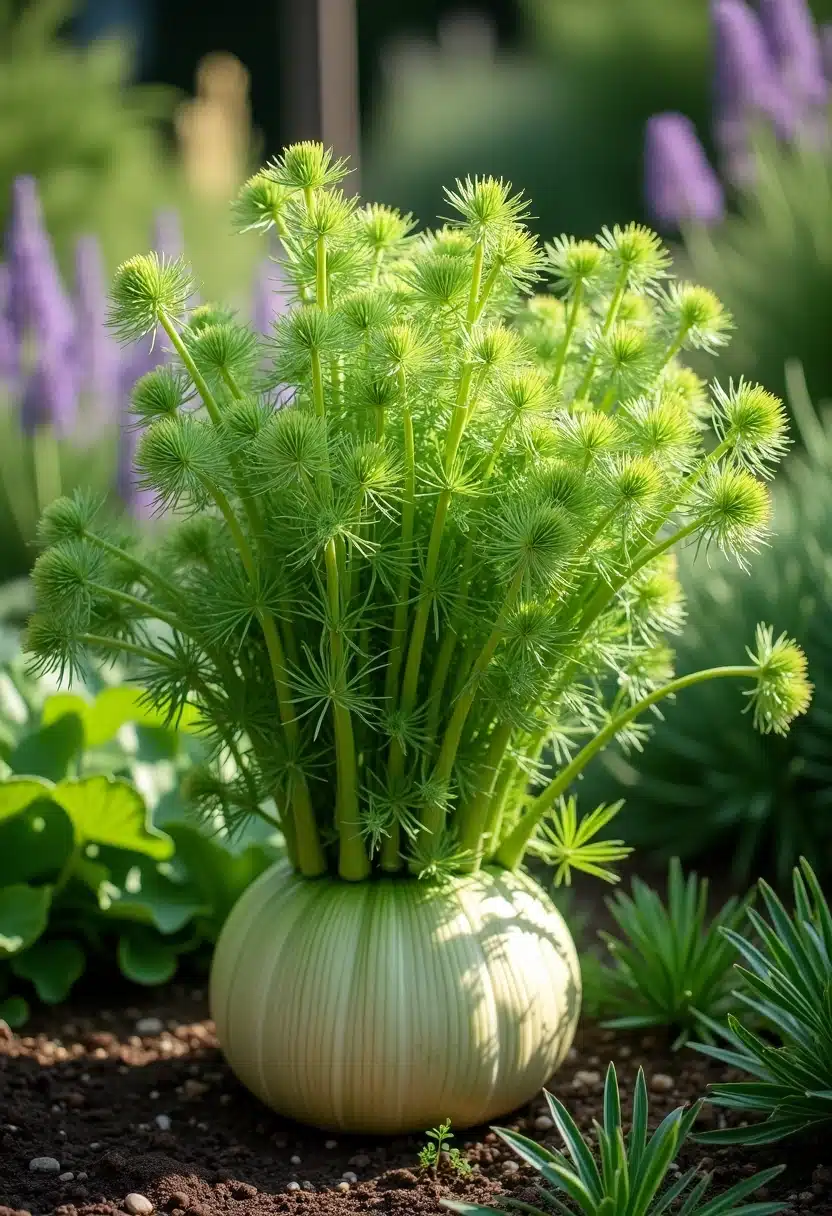
Fennel is a delightful plant that not only adds depth to your garden’s palate but also offers a lovely aroma. Its feathery leaves and bulbous base make it a feast for the eyes and the senses. Ideal for those chaotic gardens where order and structure aren’t paramount, fennel thrives in the company of other plant varieties, often doing well without stringent growing requirements.
In a chaotic garden setting, there’s no need to worry about strict spacing or arrangement. Simply find a sunny spot, sow the seeds, and let nature take its course. Water moderately and ensure the soil has good drainage. Before you know it, you’ll have a fragrant crop ready to enhance your dishes. This carefree approach makes growing fennel a joyful adventure.
Whether you’re using its seeds as a spice or the bulb as a flavorful addition to recipes, fennel brings versatility to your kitchen. It complements a variety of flavors, adding a sweet, licorice-like taste. Embrace its fragrant potential and enjoy experimenting with how it can elevate meals, making it an invaluable part of your chaotic garden’s tapestry.
The Benefits of Planting Leeks
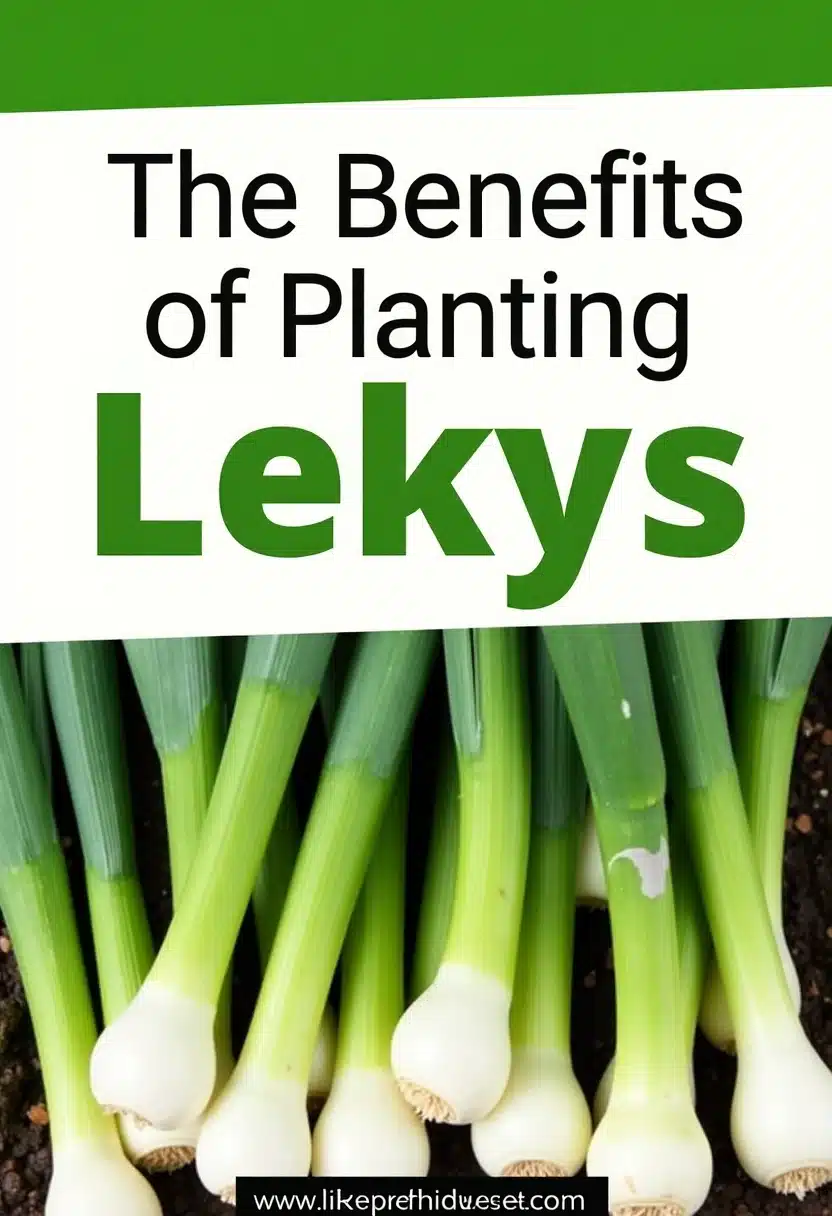
Leeks add a subtle yet profound flavor to your dishes, making them a must-have for any chaos garden. They thrive in moist soil and full sun, working well within the unpredictable setup of a chaos garden. Compared to the structured nature of other plants, leeks stand out due to their resilience. Their long growing season complements other crops that prefer staggered planting.
Integrating leeks into your garden adds diversity to your crop lineup, encouraging a dynamic ecosystem. They grow well alongside strawberries and carrots, fostering a natural balance. Leeks help repel pests and enhance soil quality, contributing to a healthier garden environment. With their tall, sturdy leaves, they provide a visual anchor amidst the chaos, creating an intriguing landscape.
The culinary versatility of leeks can elevate any meal. From soups to savory pies, their mild onion-like taste enhances flavors without overpowering. Try mixing freshly harvested leeks into your everyday recipes for added depth. Leeks hold up well during cooking and lend a pleasing texture, making them a rewarding addition to your garden and kitchen alike.
The Appeal of Growing Chamomile
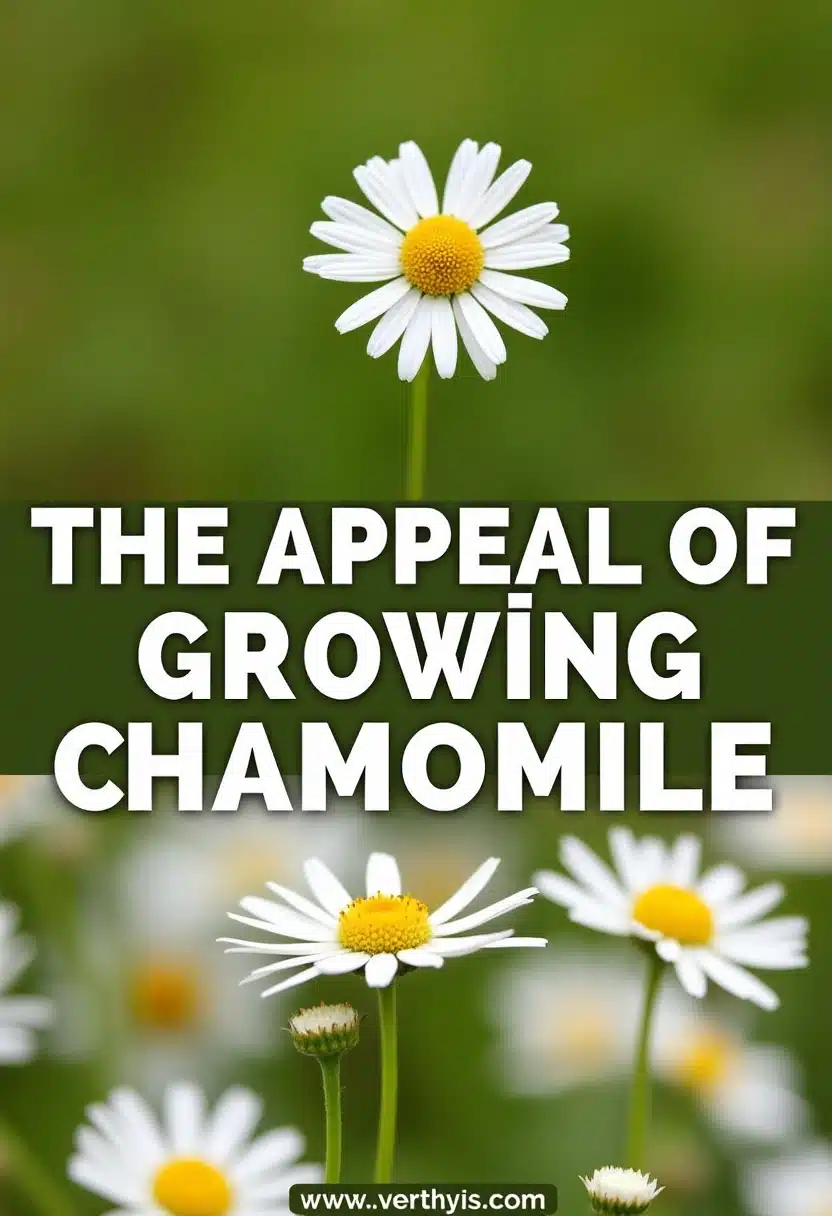
Chamomile is not just a delightful herb, but it also brings tranquility to your chaos garden. Its delicate, daisy-like flowers add a touch of charm, and when harvested, they can be used for soothing teas. Planting chamomile is relatively straightforward, making it perfect for both experienced and novice gardeners looking to enrich their chaotic landscapes. Embrace the therapeutic nature of this humble plant in your garden.
To thrive, chamomile requires well-drained soil and plenty of sunlight. Start by sowing seeds directly into the garden bed after the last frost. Keep the soil slightly moist until the seedlings emerge. As chamomile grows, ensure it gets enough sun, typically about 6 to 8 hours a day, which helps it maintain its prolific bloom.
Once established, chamomile is low-maintenance, thriving even in less-than-optimal conditions. Water sparingly, as this resilient plant is drought-tolerant. Harvest the flower heads regularly to encourage more blooms. When not enjoyed as a tea, the blossoms attract beneficial insects, enhancing the biodiversity of your garden and promoting a natural, harmonious environment.
Including Roses for Beauty and Fragrance
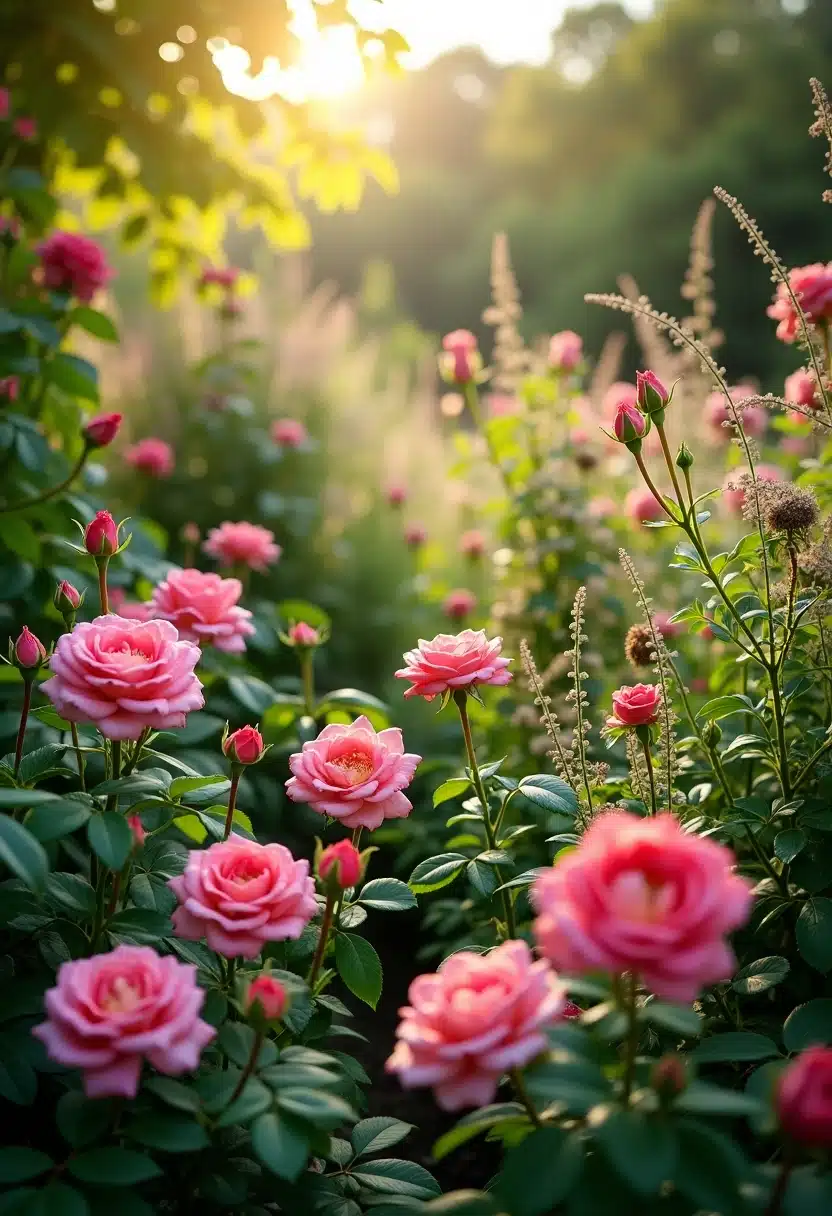
Roses bring a timeless charm and delightful scent that can elevate your chaos garden from wild to wondrous. They might seem overwhelming at first, but their beauty is worth the effort. Carefully pick spots where they can climb or sprawl, and watch as they add dimension and romance to your space. Since chaos gardens thrive on variety, contrast roses’ structured beauty with wilder plants for an exciting balance.
When incorporating roses, consider the diverse types available, like climbing roses or bush varieties. Each offers a unique flair, contributing to both the aesthetics and utility of your garden. For practical purposes, roses can be harvested for making perfumes or potpourri, adding personal homemade touches to your lifestyle. Their petals embellish salads or desserts, bringing a touch of luxury to simple recipes.
To nurture roses in a chaos garden, remember they thrive with well-drained soil, ample sunlight, and periodic pruning. This minimal care ensures their growth part of the vibrant tapestry of your garden. By embracing their needs, you’ll enjoy an ever-blooming display, nurturing a space that feels like a personal secret garden. Pair them with herbs or resilient perennials, creating a harmonious blend of beauty and resilience.
The Joy of Growing Marigolds
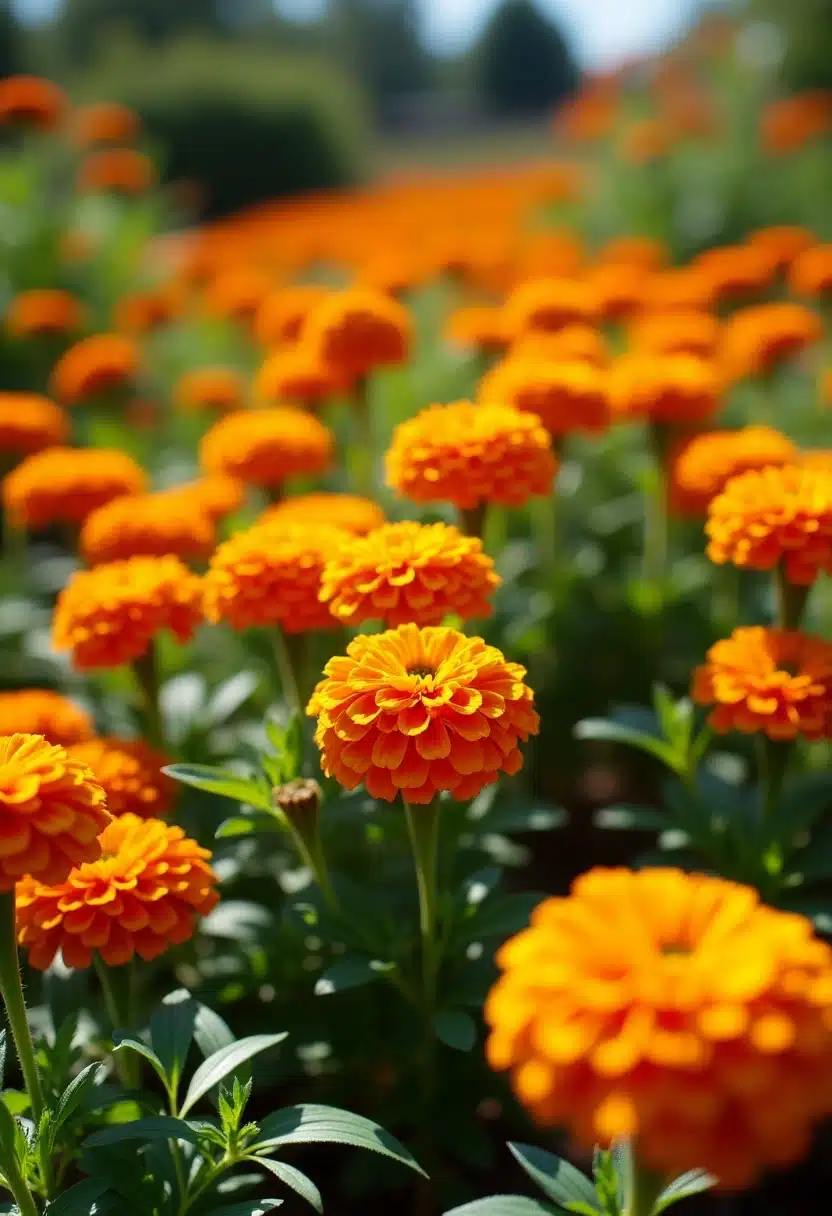
Marigolds bring vibrant hues to your chaos garden while keeping pests away. These flowers are an integral component for a thriving garden space. They act as natural repellents against pesky bugs that could harm other plants. With marigolds, you not only enhance the aesthetic appeal of the garden but also ensure a healthier environment for all your plants.
Planting marigolds is straightforward, making them perfect for beginners. Choose a sunny spot and sow seeds directly into the soil. Marigolds thrive with minimal care, needing just regular watering and occasional deadheading. As they flourish, enjoy the continuous burst of color they offer through the growing season, ensuring your garden feels lively and welcoming.
In your chaos garden, marigolds complement other plantings by filling gaps with color and providing practical benefits. Their easy adaptability makes them an ideal choice for ambitious gardeners looking to create a diverse garden. Embrace the joy of watching these cheerful blooms unfold, contributing to both the ambiance and functionality of your garden.
Incorporating Sage for Culinary and Medicinal Uses
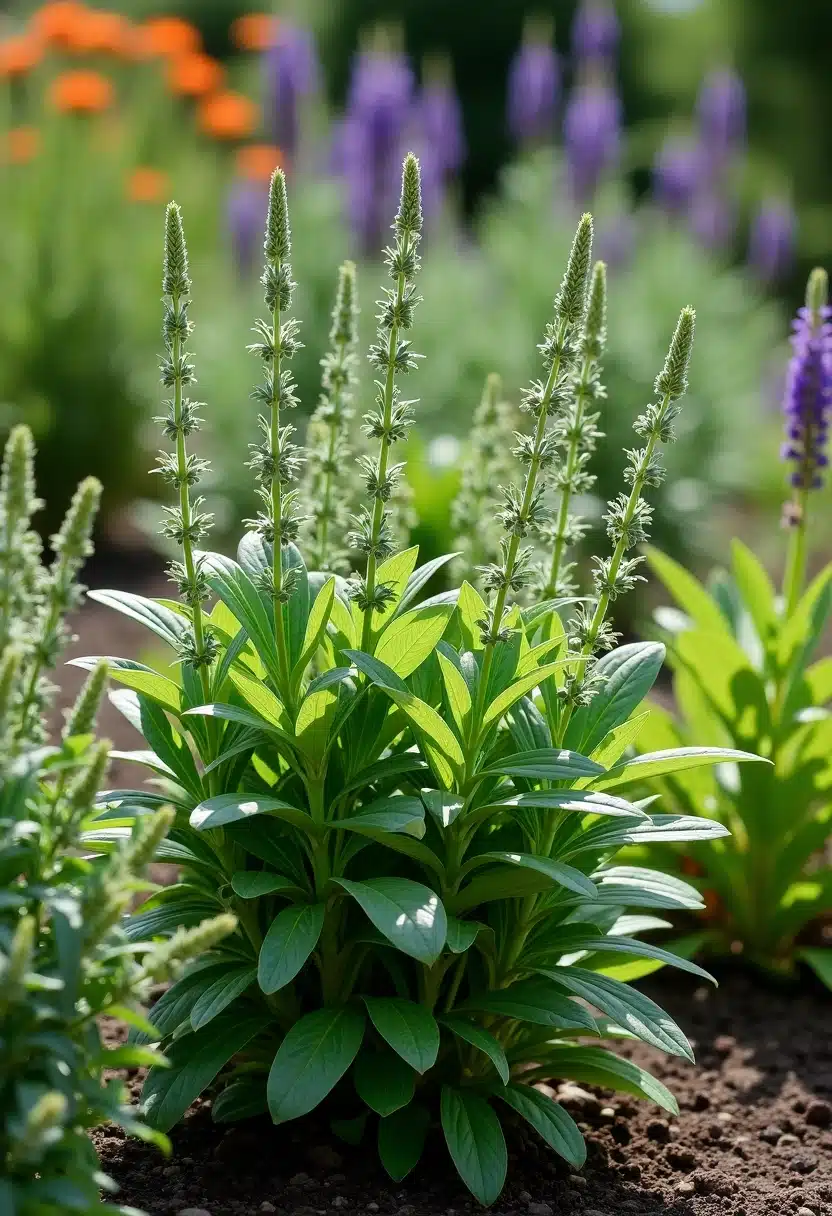
In your chaos garden, sage can serve dual purposes with its culinary and medicinal benefits. This robust herb thrives in a variety of conditions, making it an excellent addition to your diverse garden. Its aromatic leaves bring an earthy flavor to dishes, enhancing everything from soups to roasted vegetables. By planting sage, you not only boost your garden’s variety but also have a resource for fresh cooking ingredients.
Beyond the kitchen, sage offers intriguing medicinal properties. It’s known for its ability to aid in digestion and soothe sore throats. To cultivate sage successfully, choose a sunny spot in your garden, ensuring well-draining soil. Regular pruning helps maintain its shape and promotes new growth, keeping your sage plants vibrant and productive. With time, you can harvest fresh leaves for tea or tinctures.
Integrating sage into your garden routine doesn’t just diversify your planting; it provides practical benefits. Introduce sage to your chaos garden for tasty culinary uses and handy home herbal remedies. This herb acts as a natural companion to other plants, contributing to a thriving, lively garden environment. Include sages among other herbs and flowers to create a garden that’s both beautiful and beneficial.
The Vibrancy of Growing Calendula
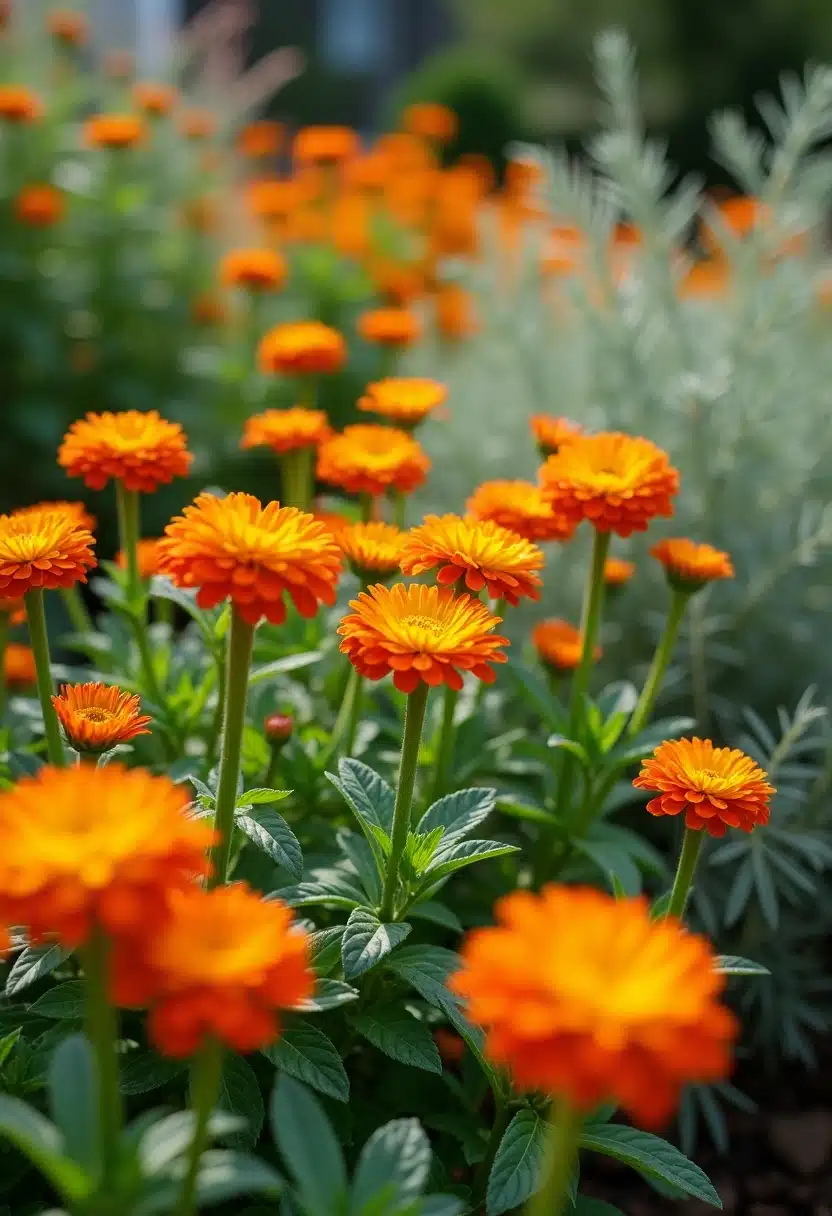
Calendula, known for its stunning bright blooms, brings a lively pop of color to any chaos garden. While it enhances visual appeal, it also offers an array of medicinal benefits. Perfect for nature lovers who appreciate both beauty and health. Sometimes referred to as pot marigold, can be used in salves or teas to soothe skin irritations. Its natural properties make it a valuable addition.
This flower thrives in a range of conditions, adding resilience to your plant collection. It’s easy to care for and can adapt to different soil types. Growing calendula is straightforward: plant in well-drained soil with sunlight exposure. Water moderately, and soon you’ll have an abundant display of blossoms. Its versatility suits any enthusiast looking for easy gardening.
For garden creativity, use calendula alongside herbs like sage or thyme. This arrangement not only enhances visual impact but also increases your garden’s functionality. Try making herbal concoctions or floral arrangements, integrating it with other chaos garden blooms. Unleashing your creativity with calendula can be truly rewarding, both in aesthetic and practical ways.
Planting Thyme for Ground Cover and Flavor

Thyme is a wonderful choice for your chaos garden. It’s a versatile herb that thrives in less structured environments. This low-growing plant provides excellent ground cover, helping prevent soil erosion and suppressing weeds. Thyme’s densely packed leaves create a lush carpet that adds texture and visual interest to your garden, turning it into a vibrant and functional outdoor space.
Aside from its aesthetic benefits, thyme is a fantastic culinary herb. It’s packed with flavors that can enhance a variety of dishes, from roasted vegetables to grilled meats. Thyme thrives in well-drained soil and sunny spots, making it relatively low-maintenance. Keeping your thyme pruned encourages fresh growth and maintains its neat appearance, ideal for both practical and decorative purposes in your chaos garden.
To incorporate thyme successfully into your chaos garden, plant it along pathways or between stepping stones. Its fragrant leaves release a delightful aroma when brushed against, enriching your garden experience. Consider different thyme varieties for diverse textures and colors. This not only enhances your garden’s aesthetics but also increases its culinary versatility.
The Benefits of Growing Cilantro
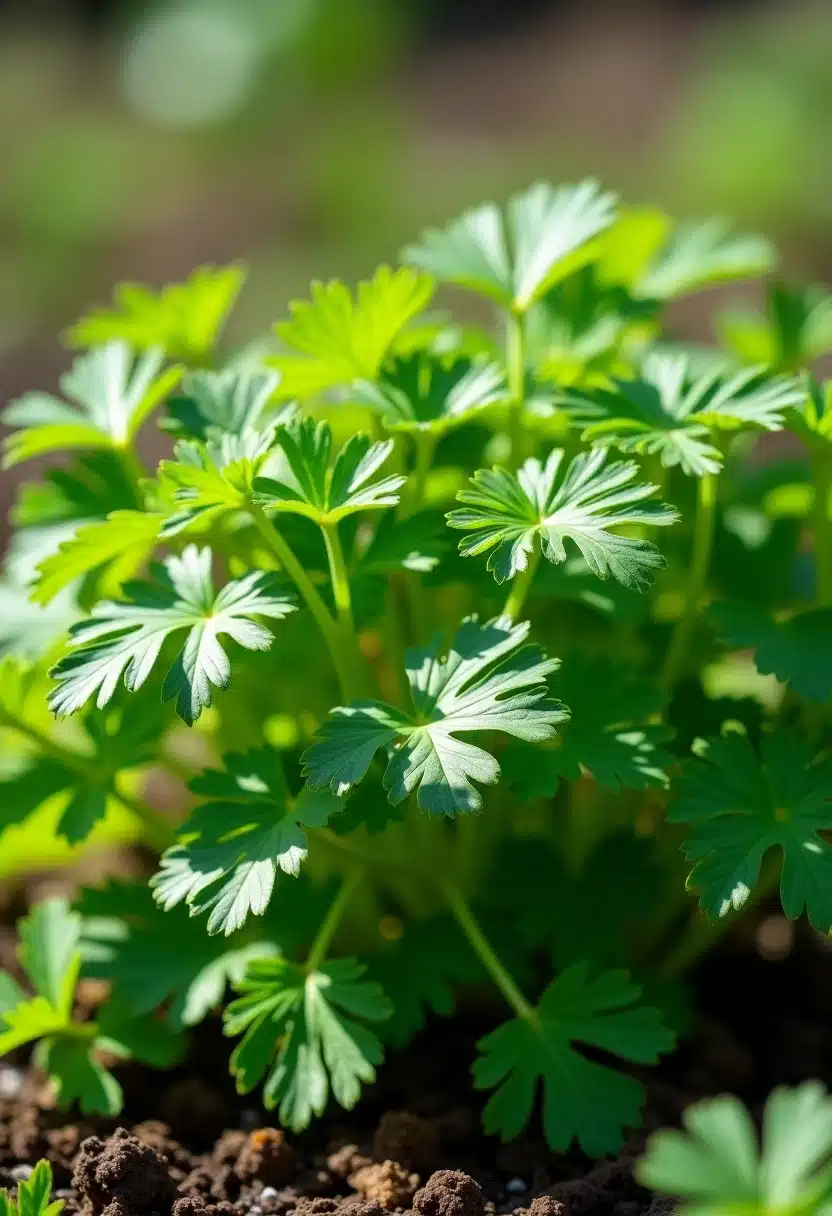
Cilantro brings a vibrant flavor to your dishes and enriches your chaos garden design. Its feathery leaves contrast nicely with other plants, adding texture to the garden. This herb thrives in varying light conditions, making it suitable for the unpredictable nature of a chaos garden. Whether in partial shade or sunlight, cilantro adapts well, enhancing the biodiversity of your outdoor space.
Cilantro’s benefits extend beyond aesthetics. This herb’s fragrant aroma attracts beneficial insects, supporting a healthy garden ecosystem. It’s also versatile in the kitchen, offering fresh notes to salads, salsas, and more. In a chaos garden, plant cilantro amongst other crops to enjoy a lush, flavorful harvest that transforms your dishes into culinary masterpieces.
Embrace the whimsical journey of chaos gardening by exploring these 50 fun, diverse crops. From the vibrant hues of marigolds to the earthy tones of potatoes, each addition enhances both biodiversity and visual appeal. Dive into the joy of cultivating varied plants, yielding a garden that reflects nature’s unpredictable beauty and offers an abundant, delicious harvest.