
Comfrey: A Versatile Plant with Endless Uses
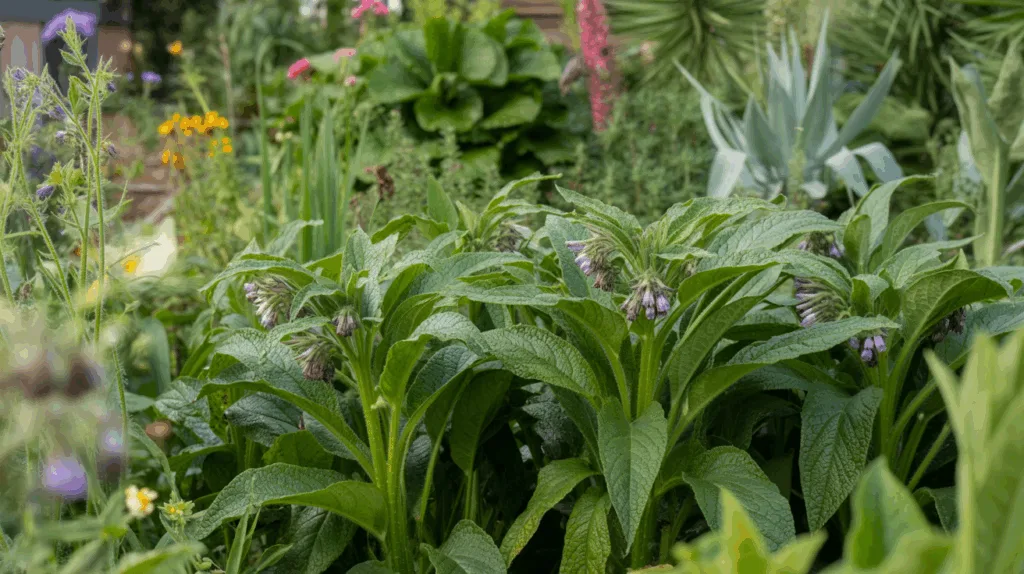
Welcome to the fascinating world of comfrey, a plant that is truly a treasure trove of benefits! Known for its versatility, this remarkable perennial can serve multiple purposes in your garden, from enhancing soil quality to acting as a natural remedy for various ailments. With its deep roots and large, nutrient-rich leaves, comfrey isn’t just an ordinary plant; it’s a powerhouse that offers healing properties, excellent fertilization, and even plays a role in permaculture practices. Join us as we explore the endless uses of this incredible herb and how it can transform your garden into a thriving ecosystem.
Comfrey, known scientifically as Symphytum sp., is not just an ordinary garden plant—it’s a powerhouse of benefits, making it a must-have in any home garden. With its deep roots that draw vital nutrients from the soil, comfrey serves multiple roles, from enhancing soil health to providing medicinal properties. In this article, we will explore the incredible aspects of comfrey, including its uses in gardening, health, and even magical practices.
Growing Comfrey: Getting Started
If you’re interested in adding comfrey to your garden, starting with root cuttings is the most effective method. These cuttings, typically 2 to 6 inches long, should be planted horizontally at a depth of 2 to 8 inches, depending on your soil type. If your garden has sandy soil, opt for a deeper planting approach; conversely, stick to the shallower end for clay soils. Space the plants about three feet apart to allow for their robust growth.
Comfrey as a Natural Fertilizer
One of the standout features of comfrey is its ability to act as a natural fertilizer. The leaves are rich in nutrients, particularly potassium, making them an excellent addition to your compost heap or garden soil. Simply chop the first cutting of the spring leaves and mix them into the soil next to your plants to boost their growth significantly. This environmentally friendly practice nourishes your garden while reducing waste!
Comfrey Compost Tea: A Nutrient Booster
Another fantastic use for comfrey is creating compost tea, a liquid fertilizer that can greatly enhance growth rates and flowering in perennials and mature fruiting vegetables like tomatoes and cucumbers. However, it’s essential to note that this rich brew should not be applied to young plants to avoid overwhelming them.
Healing Properties of Comfrey
The magical properties of comfrey extend beyond gardening; it has a long history of being used in traditional medicine. The organic compounds found in this remarkable plant provide anti-inflammatory benefits, making it a popular choice for those dealing with arthritis or muscle pain. Applications of comfrey salves can ease discomfort significantly, offering a natural remedy for various ailments.
Magical Uses of Comfrey
In addition to its practical uses, comfrey is also known for its magical properties. Whether used fresh, dried, or infused into oils, this versatile herb can be a powerful tool in various spells and rituals. Its adaptability makes it a crucial ingredient in many magical practices, providing energy and support for a range of intentions.
Comfrey and Sustainable Gardening
Comfrey is not just beneficial for individual gardeners; it’s a crucial element in sustainable gardening. Its ability to improve soil quality, prevent erosion, and support the health of other plants aligns perfectly with the principles of permaculture. Incorporating comfrey into your gardening strategy can help create a more balanced and thriving ecosystem.
Further Exploration of Comfrey
For those keen on integrating comfrey into their garden practices, it’s essential to explore how it can complement other organic solutions. You can read more about this in our articles on Exploring Organic Fertilizers and Understanding Comfrey Brew. Moreover, for those looking to add more color and vibrancy to their garden, consider exploring Striking Red Flowering Trees.
Comfrey, scientifically known as Symphytum sp., has earned its reputation as a dynamic perennial due to its multitude of applications in both gardens and herbal medicine. This remarkable plant thrives in various soil types and can reach heights of up to 4 feet, making it a robust addition to any outdoor space. Its large, lush leaves not only enhance the aesthetic appeal of your garden but also serve as an invaluable resource for sustainable practices.
One of the standout features of comfrey is its ability to produce nutrient-rich foliage that can significantly improve soil quality. When the leaves are chopped and incorporated into the soil, they release essential nutrients such as potassium, which is vital for the vigorous growth of flowering plants and vegetables. This characteristic positions comfrey as a natural fertilizer, promoting healthy growth in crops like tomatoes and cucumbers.
Moreover, the plant’s remarkable healing properties extend beyond soil enrichment. Traditionally, comfrey has been used in herbal medicine as a remedy for various ailments, particularly for its anti-inflammatory and pain-relieving effects. Many individuals find relief from conditions such as arthritis and muscle soreness by applying comfrey-infused preparations topically. The leaves have also shown potential in accelerating the healing process of wounds, providing both direct and indirect benefits to those who utilize this plant.
Additionally, comfrey is adaptable in the garden, functioning as a natural pest deterrent and contributing to a balanced ecosystem. By using comfrey plants strategically, gardeners can promote healthier crops and maintain biodiversity. Its capability to thrive in various environmental conditions makes it a resilient choice for any gardener.
In summary, comfrey is not just a plant; it is an all-in-one solution for enhancing garden health, fostering sustainable practices, and providing therapeutic benefits. Its versatility and robust nature create endless possibilities for both seasoned horticulturists and newcomers looking to innovate their outdoor spaces.