
Exploring Organic Fertilizers for Your Garden and Vegetable Patch
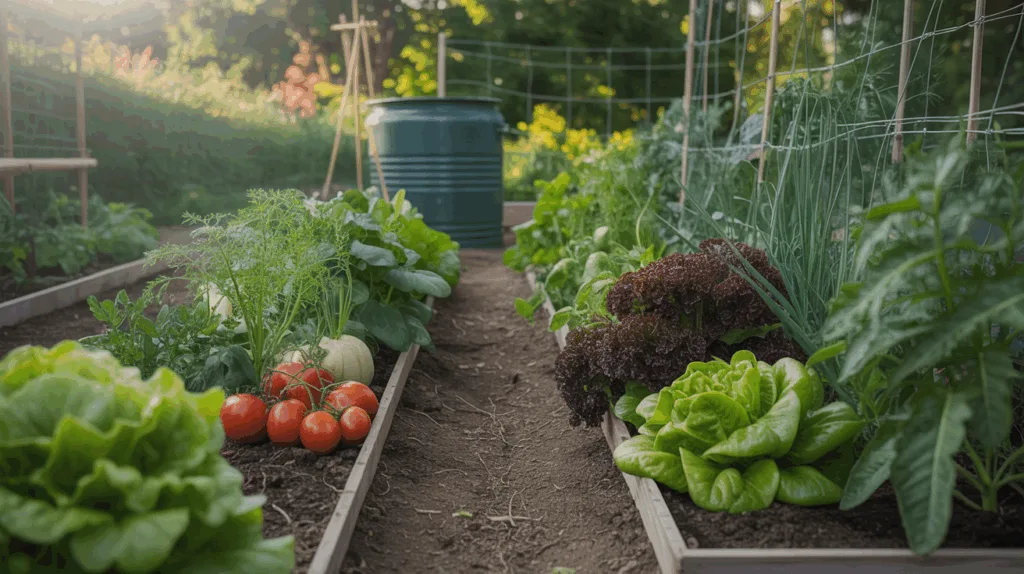
Welcome to the vibrant world of organic fertilizers, where nature’s goodness transforms your garden and vegetable patch into a flourishing oasis! By utilizing these natural nutrients, gardeners can significantly enhance soil fertility while supporting microbial life crucial for plant health. Join us as we delve into the various types of organic fertilizers available, their unique benefits, and how they can help you cultivate nutrient-rich produce that not only tastes better but also contributes to a sustainable environment. Get ready to elevate your gardening practices and reap the rewards of a greener, healthier garden!
Organic fertilizers are a sustainable and environmentally-friendly option that promotes healthy plant growth while enriching the soil’s ecosystem. This article delves into the various types of organic fertilizers, their benefits, and effective methods for utilizing them in your garden and vegetable patch. By embracing organic fertilizers, you can enhance your gardening practices and cultivate nutritious crops that contribute positively to the environment.
The Advantages of Organic Fertilizers
When it comes to gardening, the choice of fertilizers can significantly impact both the plants and the environment. Organic fertilizers are derived from natural materials, making them less likely to leach harmful chemicals into local water supplies, thus reducing pollution and mitigating climate change. They not only impart nutrients to plants but also support microbial life and improve soil structure.
Another significant advantage is the nutrient-rich produce they help create. Plants nourished with organic fertilizers often exhibit improved taste and nutritional value, making your dishes even more delightful and healthy.
Types of Organic Fertilizers
Organic fertilizers come in a range of forms, each with specific benefits tailored to enhance your gardening efforts. Below are some popular types:
Compost
Compost is often regarded as the cornerstone of organic gardening. This natural soil enhancer is rich in nutrients and contributes to soil composition while aiding moisture retention. It can be spread as mulch in your vegetable patch or incorporated into the soil as part of a no-dig planting method. Learn more about the essentials of composting in our article on creating container compost.
Seaweed Extract
Seaweed is a versatile organic fertilizer that can be used in both solid and liquid forms. Although it provides a lower concentration of nutrients compared to other fertilizers, it’s less likely to leach into the soil, making it an excellent choice for sustainable gardening.
Animal Manure
Animal manure is a potent organic fertilizer rich in nutrients. Properly composted, it enhances soil fertility and structure. It’s essential to apply it in moderation to avoid overwhelming the plants.
Using Organic Fertilizers Effectively
Knowing how to apply organic fertilizers correctly is just as vital as selecting the right type. Here are some tips to maximize their benefits:
Soil Testing
Before applying any fertilizer, it’s advisable to conduct a soil test. This will provide you with a clear understanding of your soil’s nutrient levels, enabling you to select the most suitable organic fertilizer for your vegetable garden.
Timing and Frequency
Application timing is crucial. For the best results, apply organic fertilizers during the growing season, and tailor the frequency based on your plants’ needs. Regularly monitoring your garden’s condition can help you adjust your fertilization strategy for optimal growth.
Creative Ideas for Your Garden
Incorporating organic fertilizers doesn’t have to be a mundane task. With a little creativity, you can transform your gardening experience! Explore some exciting ideas to elevate your vegetable garden, such as practical container gardening tips and beautiful landscape designs. Check out our guides on small garden design and creative garden ideas.
DIY Organic Fertilizer
You can also craft your own organic fertilizers at home using materials like vegetable scraps and kitchen waste. This not only enhances your garden but also encourages a zero-waste gardening approach.
Looking for a specific recipe? Learn about the composition and application of comfrey brew, a powerful natural fertilizer and plant repellent, in our article on comfrey brew.
Conclusion: Embracing the Power of Organic Fertilizers
When it comes to nurturing your garden and vegetable patch, exploring organic fertilizers opens a world of possibilities for both the plants and the environment. Unlike synthetic options, organic fertilizers are derived from natural materials, making them biodegradable and environmentally friendly. This contributes significantly to reducing pollution and mitigating the adverse effects of climate change.
Utilizing organic fertilizers can enhance soil fertility by promoting microbial life and improving water retention, which are essential for robust plant development. Each type of organic fertilizer, from compost to seaweed extract, offers unique benefits tailored to support plant growth. Compost, for instance, not only increases nutrient availability but also plays a vital role in soil structure and moisture retention, making it a key player in a healthy garden ecosystem.
Furthermore, plants nourished with organic fertilizers are often more flavorful and nutrient-rich, providing gardeners with the satisfaction of harvesting produce that contributes positively to personal health. The vibrant colors and enhanced tastes are just an added bonus to the ecological benefits these fertilizers provide. Adopting practices such as mulching with compost or applying manure not only enriches the garden but also creates a sustainable cycle of nourishment and growth.
For gardeners, understanding the strengths of various organic fertilizers is crucial in creating flourishing vegetable gardens. Whether you are growing in raised beds or community patches, a strong knowledge base about organic options allows for informed decisions that will undoubtedly lead to thriving crops and an improved gardening experience. Ultimately, embracing organic fertilizers is a step towards more sustainable gardening practices that ensure a greener future for us all.