
Creating Container Compost: Essential Principles to Get Started
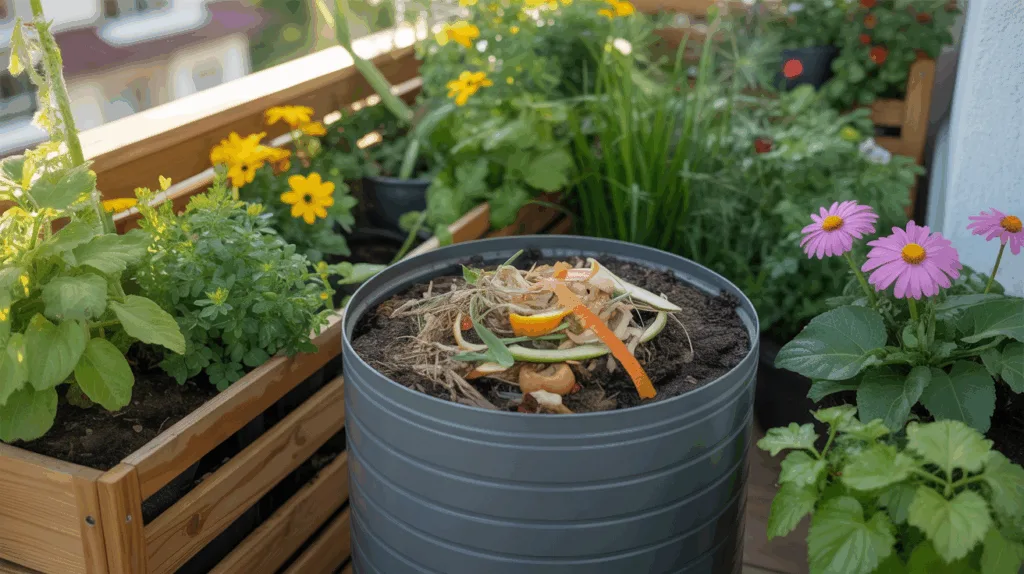
Are you ready to dive into the world of composting but short on space? Creating container compost might be your perfect solution! This method allows you to transform organic waste into rich, nutritious fertilizer even in small areas. By understanding some essential principles, you can enjoy the satisfying process of composting while reducing waste and enhancing your garden’s health. Let’s explore how you can get started on this green journey!
Creating container compost is an exciting and rewarding way to recycle organic materials while nurturing your garden. This process allows you to make your own nutrient-rich soil amendment, even in small spaces. Follow these essential principles to successfully embark on your composting journey in containers.
Understanding the Basics of Container Composting
Container composting involves using a designated bin or container to collect and decompose organic waste. This method is ideal for those with limited outdoor space, enabling you to compost right on your balcony, patio, or kitchen countertop. The key to successful container composting is maintaining a proper mix of green materials—such as kitchen scraps and grass clippings—and brown materials, including dried leaves and cardboard.
Selecting Your Compost Container
Choosing the right container is crucial for effective composting. You can select from various options, including traditional compost bins, tumblers, or even DIY alternatives. Aim for a container that offers excellent airflow and drainage to facilitate the composting process. A breathable design promotes aerobic decomposition, thus reducing odors and unwanted pests.
Creating the Right Layering Technique
A successful compost pile or bin requires a balanced layering technique. Start with a base of coarse materials like dried twigs or straw to promote airflow. Follow this with layers of green materials, then brown materials. Alternate the layers until your container is full. This structure ultimately aids in decomposition, allowing microorganisms to break down the waste effectively.
Maintaining Moisture Levels
Moisture is an essential element in the composting process. Your container compost should be as damp as a wrung-out sponge. To achieve this, monitor the moisture levels regularly and adjust as needed. If your compost seems too dry, add small amounts of water. If it’s too wet, mix in dry materials to balance it out.
Turning Your Compost
Turning your compost frequently encourages faster decomposition. For easy turning, consider using a compost tumbler that allows you to spin the contents with minimal effort. If using a static container, mix or aerate the compost with a pitchfork or shovel every few weeks. Regular turning helps to speed up compost creation, yielding nutrient-rich soil in approximately 1-3 months.
Adding Suitable Materials
Not all organic materials are suitable for composting. Avoid adding meat, dairy, or oily foods, as they can attract pests and create unpleasant odors. Instead, focus on compost-friendly options, such as vegetable scraps, fruit peels, coffee grounds, and yard waste. By selecting the right materials, you’ll create a healthier compost that’s beneficial for your garden.
Understanding the Decomposition Process
The decomposition process in container composting relies heavily on microorganisms, including bacteria and fungi. These tiny workers break down organic matter, transforming it into dark, nutrient-rich compost over time. Warmer temperatures and sufficient moisture levels enhance microbial activity, accelerating the decomposition process.
Utilizing Your Finished Compost
Once your compost is fully decomposed, it will have a dark, crumbly texture and earthy smell. This rich material provides essential nutrients, improves soil structure, and retains moisture in your garden beds. Integrating finished compost into your soil can promote healthier plant growth, reduce the need for chemical fertilizers, and support a flourishing garden ecosystem.
Discover More Gardening Techniques
If you’re eager to explore more horticultural projects, check out these fantastic resources:
- Garden Design and Plans Featuring a Vegetable Patch
- What’s New in Square Gardening
- 50 Self-Sufficient Garden Ideas for Ultimate Independence
- Restore Your Garden from This Year’s Weather-Related Damage
- Essential Tools and Equipment for Starting a Garden
Creating container compost can be a fulfilling experience, enabling gardeners of all levels to transform their organic waste into nourishing fertilizer for their plants. The beauty of container composting lies in its accessibility; whether you have a sprawling backyard or merely a cozy balcony, you can recycle kitchen scraps, garden clippings, and other biodegradable materials into a rich, dark compost that enhances your soil.
To embark on your composting adventure, start by selecting an appropriate container. This can range from a simple plastic bin, a repurposed barrel, or a purpose-built compost tumbler. Ensure your chosen container has sufficient ventilation to allow air circulation, as this is crucial for the aerobic microbes that will break down your materials.
When filling your container, aim for a balanced mix of green materials (like vegetable peels and grass clippings) and brown materials (such as dried leaves and cardboard). This mixture is vital for the composting process, ensuring that the microorganisms have the right nutrients to thrive and expedite the decomposition process.
Keep your compost engaged by regularly turning it, which helps to aerate the mix and keeps the decomposition process on track. Adding moisture as needed is key, as it helps to maintain a healthy environment within the container. Remember, a well-cared-for compost heap can yield high-quality compost within just a few months!
By following these essential principles, anyone can start creating container compost that not only reduces waste but also supports a thriving garden. Embrace your role in this natural cycle and watch your efforts bloom into beautiful, healthy plants.