
25 Creative Ideas to Elevate Your Vegetable Garden Design
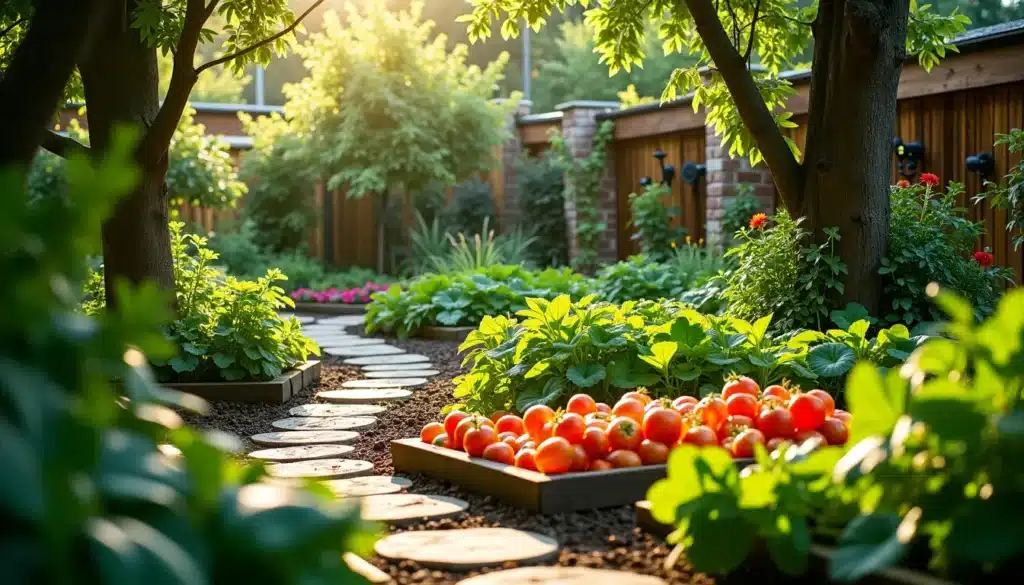
Vegetable gardens are becoming a popular way to reconnect with nature and enjoy the freshest flavors right in your backyard. For women aged 20-35, whether you’re a seasoned gardener or just starting out, exploring creative garden designs can transform your outdoor space into a haven. Discover 25 inspiring ideas to spark your imagination and enhance your vegetable garden experience.
Raised Bed Gardens

Raised bed gardens offer incredible advantages for your vegetable gardening projects. They allow you to maximize space and optimize soil quality with ease. Constructing them might sound intimidating, but it’s straightforward and rewarding. You’ll find they help with drainage and prevent soil compaction, which benefits root development. Consider building them if you want to take control over the conditions of your vegetable garden.
When constructing raised beds, material selection is key. Common choices include wood, stone, or brick, each offering aesthetic and functional benefits. Wood is typically easy to work with and affordable, while stone or brick can provide a more permanent and polished look. Whatever you decide, ensure the material is durable and safe for growing edibles, preventing unwanted chemicals from leaching into the soil.
Once built, effectively arranging your vegetable plants within the beds will enhance productivity. Consider plant compatibility, spacing, and sunlight when planning. For example, tall plants can provide shade for those that need it, like leafy greens in hot climates. Also, stagger plantings to ensure continuous harvests throughout the growing season. A strategic layout can help you yield a bountiful harvest while keeping the garden visually appealing.
Vertical Gardening Techniques
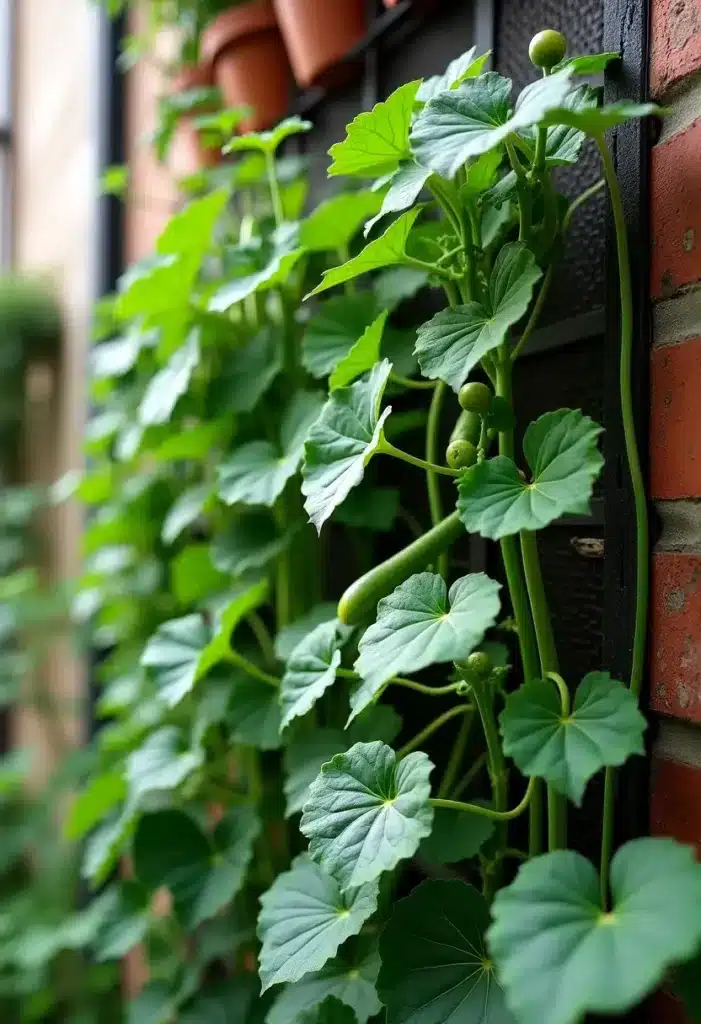
Vertical gardening opens up exciting possibilities for those with limited ground space. By going vertical, you can transform walls and fences into lush, productive areas. Various structures such as trellises, wall planters, and vertical pallets provide support for climbing plants. These structures save space and allow you to grow more vegetables in smaller areas, making them perfect for urban or small-space gardening.
Some vegetables thrive in vertical settings due to their climbing nature. Consider planting peas, beans, or cucumbers, which naturally reach upward and require minimal coaxing to ascend their supports. Vertical gardening not only optimizes space but also improves air circulation, which can help reduce pests and diseases. With thoughtful planning, your vertical garden can offer a bountiful harvest.
- Trellises: Ideal for peas and beans.
- Wall Planters: Great for herbs and lettuces.
- Mesh Panels: Support for cucumbers and squash.
Companion Planting Benefits
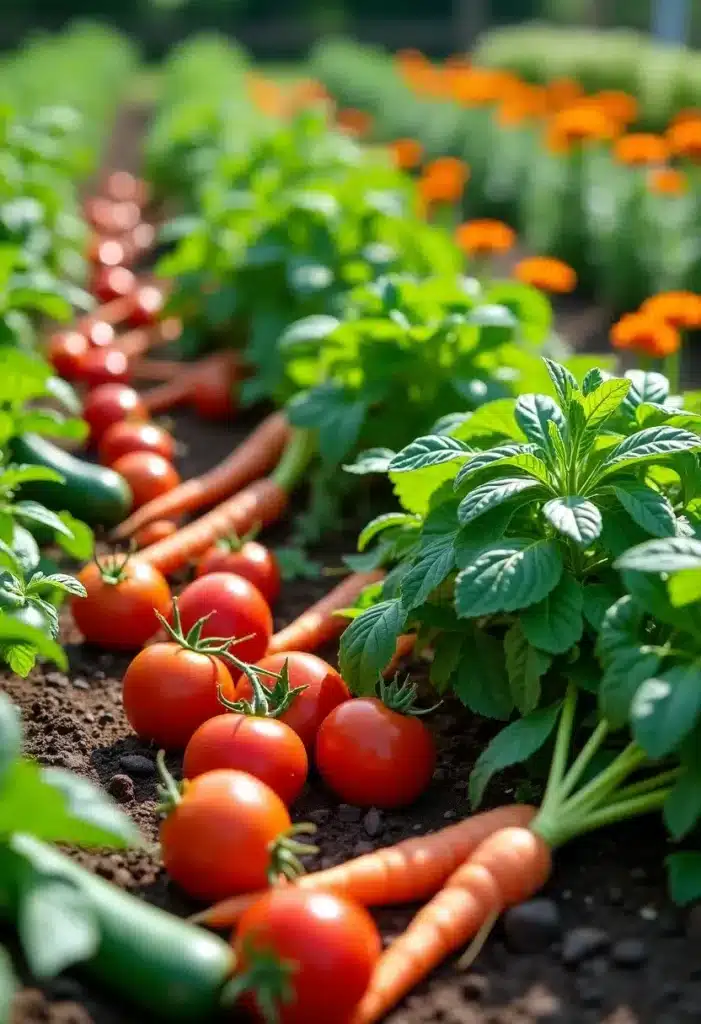
Exploring the world of companion planting can truly transform your vegetable garden. By strategically pairing plants, you can naturally boost growth and productivity. Some plants enhance nutrient absorption, while others act as natural pest deterrents. It’s about harnessing these natural relationships to benefit your garden. Imagine your tomatoes flourishing beside basil, offering mutual protection and growth enhancement.
Knowing which plants benefit each other is key to a successful companion planting strategy. For example, carrots and onions are ideal partners since carrots deter onion flies, and onions repel carrot flies. Arrange these plants mindfully in your garden for better yields. By optimizing plant placements, your garden can thrive with fewer interventions.
Here’s a handy table to guide your companion planting journey:
| Vegetable | Companion | Benefit |
|---|---|---|
| Tomatoes | Basil | Enhances flavor & deters pests |
| Cucumbers | Radishes | Repels cucumber beetles |
| Carrots | Onions | Mutual pest protection |
| Lettuce | Marigolds | Repels nematodes |
Container Vegetable Gardens
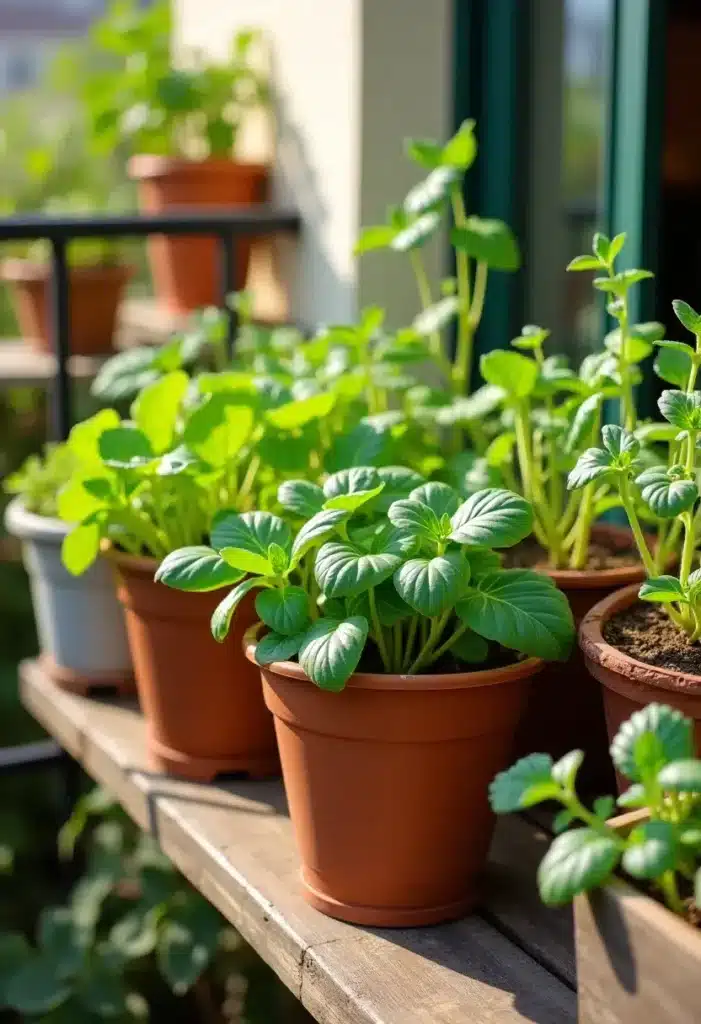
The Versatility of Container Gardening
Container gardening is a fantastic way to grow vegetables, especially if you’re limited on space. You can position your containers on patios, balconies, or any small outdoor area to create a lush garden atmosphere. Choose containers that are deep enough to accommodate the roots; options like clay pots, plastic buckets, and wooden boxes are great. Make sure they have proper drainage holes to prevent waterlogging, which can harm plant roots.
Caring for Your Container Garden
Selecting the right soil is crucial for a thriving container garden. Use a quality potting mix that retains moisture but also drains well. This mix often contains materials like peat moss, vermiculite, or perlite. Container gardens can dry out faster than traditional garden beds, so they require regular watering. A good tip is to check the soil moisture with your finger; if the top inch feels dry, it’s time to water your plants.
Maintaining a Healthy Container Garden
Fertilization is key to supporting growth. Use a balanced liquid fertilizer every couple of weeks to supply nutrients. Be vigilant about pests and diseases. Since container gardens are compact, it’s easier to check plants for any signs of trouble. Rotate your containers occasionally to ensure every plant gets adequate sunlight and grows uniformly. With the right practices, container gardening can yield a bountiful harvest, enhancing your outdoor living space.
Herb and Vegetable Combos

Blending herbs with vegetables in your garden can transform your planting space into a thriving ecosystem. Combining these plants helps maximize limited space, making your garden work smarter, not harder. This strategic mix promotes healthier growth because herbs naturally repel pests and attract beneficial insects. This setup encourages a more resilient, self-sustaining environment where your plants can flourish.
Some herb and vegetable combinations can actually enhance the taste and quality of your crops. Tomatoes thrive alongside basil, which boosts their flavor and repels unwanted bugs. Similarly, plant carrots next to chives to deter aphids and simultaneously improve carrot taste. Such thoughtful pairings underline the importance of synergy between plants, offering a bountiful harvest in terms of taste and yield.
Experimenting with combinations in your garden not only boosts growth but enhances the aesthetic appeal too. A diverse mix of herbs and vegetables creates a visually appealing array of textures and colors. This variety is both functional and beautiful, giving your garden space a vibrant and lush look that is sure to impress. Strategically placing plants can lead to a harmonious and delightful outdoor retreat.
Incorporating Edible Flowers
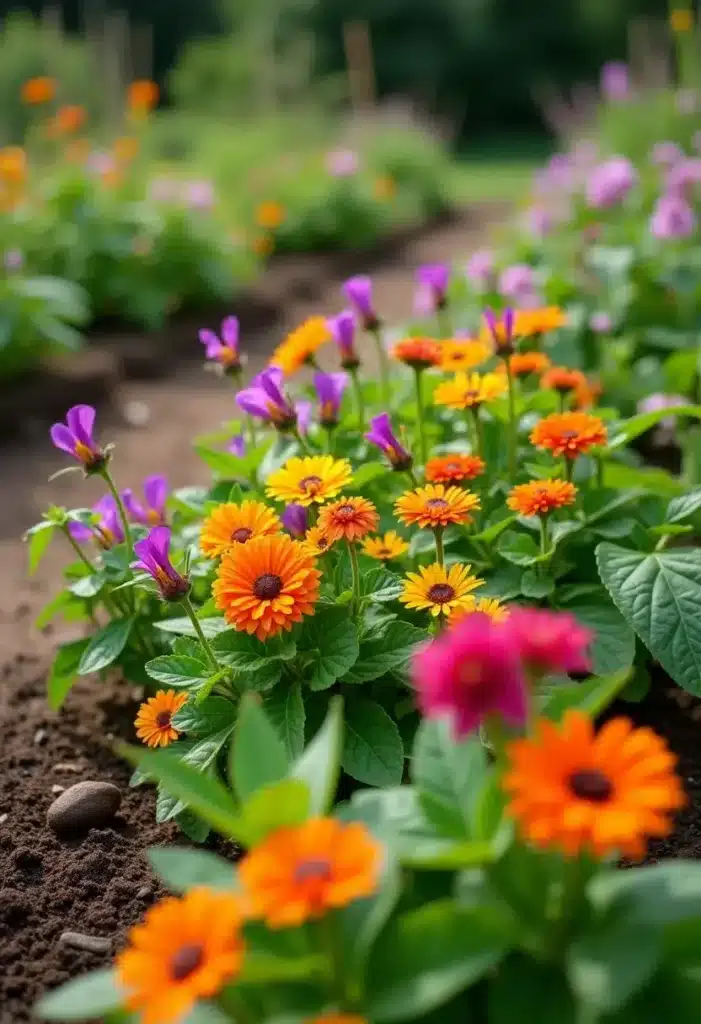
Edible flowers can transform a typical vegetable garden into a vibrant and flavorful oasis. By carefully selecting flowers like nasturtiums, violets, and calendula, you can add both color and taste to your garden. These flowers don’t just look appealing; they also offer a unique culinary experience. Integrating them into your design enhances your vegetable garden visually and gastronomically.
When incorporating edible flowers, consider their compatibility with existing vegetables. You can plant them as borders around vegetable patches, intersperse them within the beds, or utilize containers. This not only maximizes space but also introduces beneficial pollinators to your garden. To get started, focus on choosing the right flowers for your climate and ensuring they are planted in conducive conditions.
Here’s a quick list of some popular edible flowers you might consider:
- Nasturtiums: A peppery addition perfect for salads.
- Violets: Sweet in flavor, lovely as a garnish.
- Calendula: Known for its spicy undertones.
- Borage: Cucumber-like taste, great for summer drinks.
- Chive Blossoms: Adds a mild onion flavor.
Seasonal Crop Rotation

Embracing seasonal crop rotation in your garden is a way to invigorate your soil and thwart pests naturally. By understanding which plants enrich or deplete soil nutrients, you can maintain healthy soil year-round. This time-tested method not only improves your garden’s yield but also reduces reliance on chemical fertilizers and pesticides, ensuring a more organic approach to gardening.
Planning a seasonal rotation schedule requires some research. Begin by categorizing your vegetables into groups such as root, fruit, leaf, and legume. These categories will guide you in deciding which plants follow one another in the same soil, promoting balanced nutrient distribution. This thoughtful arrangement keeps pests at bay and enhances your garden’s longevity.
Align your crop rotation with the growing seasons. Developing a chart can simplify this process, providing a visual aid to track each plant’s placement year by year. This organization not only helps sustain soil fertility but also maximizes space efficiently. By adopting these strategies, you’ll cultivate a robust, thriving garden that flourishes across all seasons.
Permaculture Design Principles

Permaculture design principles offer a transformative approach to creating a sustainable and highly productive vegetable garden. By understanding the concept of zoning, you can efficiently allocate different areas in your garden. This allows you to place high-maintenance plants closer to your living area, saving you time and effort. In addition, plant stacking employs space vertically, maximizing plant diversity and synergy.
Another key aspect of permaculture is effective resource management. This involves collecting rainwater and using organic waste for composting. Such practices not only reduce waste but also enhance soil health and garden productivity. By incorporating these principles, you cultivate a self-sustaining ecosystem that supports rich biodiversity and ecological balance.
Adopting a permaculture approach aligns with nature’s rhythms, reducing the need for external inputs while increasing yield. Consider integrating legumes with other crops to fix nitrogen in the soil naturally. Additionally, observe your garden’s microclimates to strategically place plants that thrive in specific conditions, boosting overall efficiency and resilience.
Aesthetic Edible Landscaping

Embrace the beauty of edible landscaping where vegetables and aesthetics coexist harmoniously. This approach integrates vegetable gardening into the larger landscape, enhancing your garden’s beauty while producing nourishing crops. By thoughtfully selecting vibrant and diverse plant varieties, you can create a stunning garden tapestry that delights the senses and fulfills your culinary needs.
Designing a visually appealing edible landscape requires creativity and planning. Group plants by color, texture, and height for an appealing layout. Consider companion planting to optimize growth and reduce pests naturally. Add ornamental touches like flower borders or decorative paths to add elegance. These elements create a welcoming garden space that is as attractive as it is practical.
Square Foot Gardening
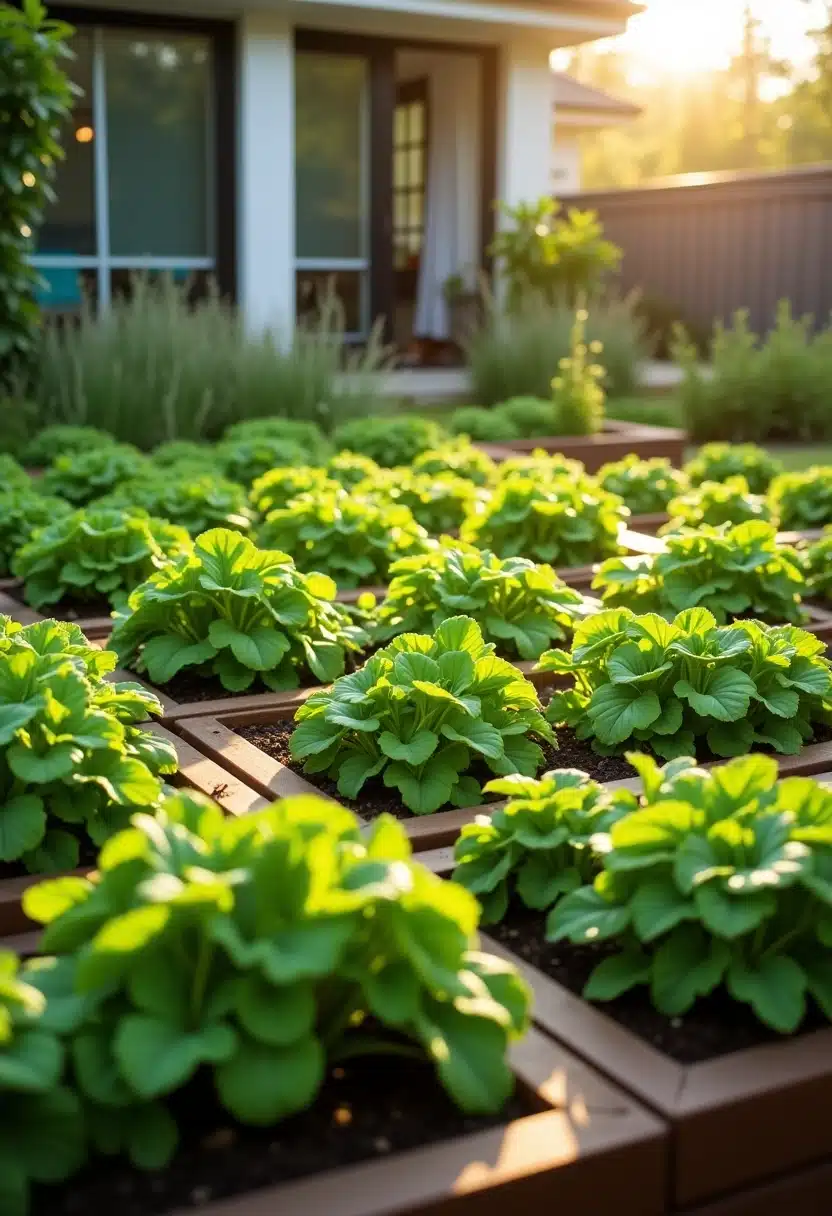
Discover the efficiency of square foot gardening. It’s a clever method that helps you get the most out of small spaces by organizing your garden into compact, easily manageable sections. With a focus on maximizing yield, this approach is perfect for modern living where space can be limited. The structured layout not only enhances productivity but also adds a neat aesthetic to your outdoor area.
To start a square foot garden, consider these key steps. First, plan your grid carefully, allocating one square foot per plant type. This keeps everything organized and prevents overcrowding. Then, select the right plants suitable for this technique, prioritizing those that grow well in confined spaces. Managing this type of garden requires routine checks to ensure plants receive adequate water and nutrients.
Cultivating a square foot garden has many advantages. It simplifies planting and harvest, allowing you to keep track of your crops easily. Moreover, this technique often leads to healthier plants due to better spacing and resource management. Whether you’re a novice or seasoned gardener, incorporating square foot gardening into your routine can transform your outdoor space into a productive and enjoyable oasis.
Hydroponic Vegetable Gardens
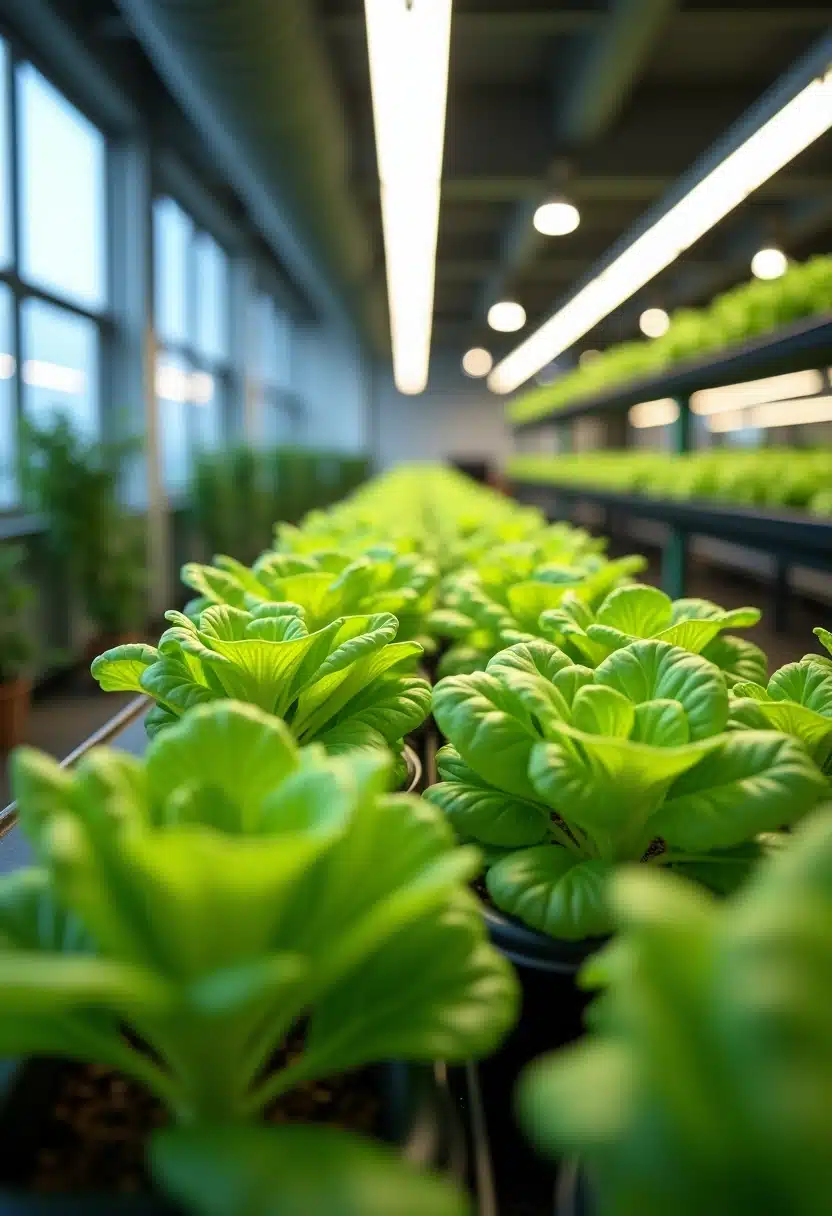
Discover the fascinating world of hydroponic vegetable gardening, where plants grow without soil, using nutrient-rich water. This method allows you to cultivate crops indoors, making it perfect for urban dwellers or those with limited outdoor space. Hydroponics promotes faster growth and higher yields by delivering nutrients directly to the plant roots, ensuring they’re readily absorbed.
Setting up your own hydroponic system is simpler than you might think. Start by selecting a suitable system, such as nutrient film technique (NFT) or deep water culture (DWC). Then, choose a location with ample light, either natural or from grow lights. Assemble your materials, including a water reservoir, pump, and growing trays. Finally, plant your seeds or seedlings and monitor their growth.
The advantages of hydroponics are numerous, such as saving water and growing food in areas with poor soil quality. Here are key benefits:
- Efficient water use
- Minimal pest issues
- Year-round growth potential
By embracing hydroponic gardening, you can enjoy fresh, home-grown vegetables with reduced environmental impact, all from the comfort of your home.
Using Garden Structures
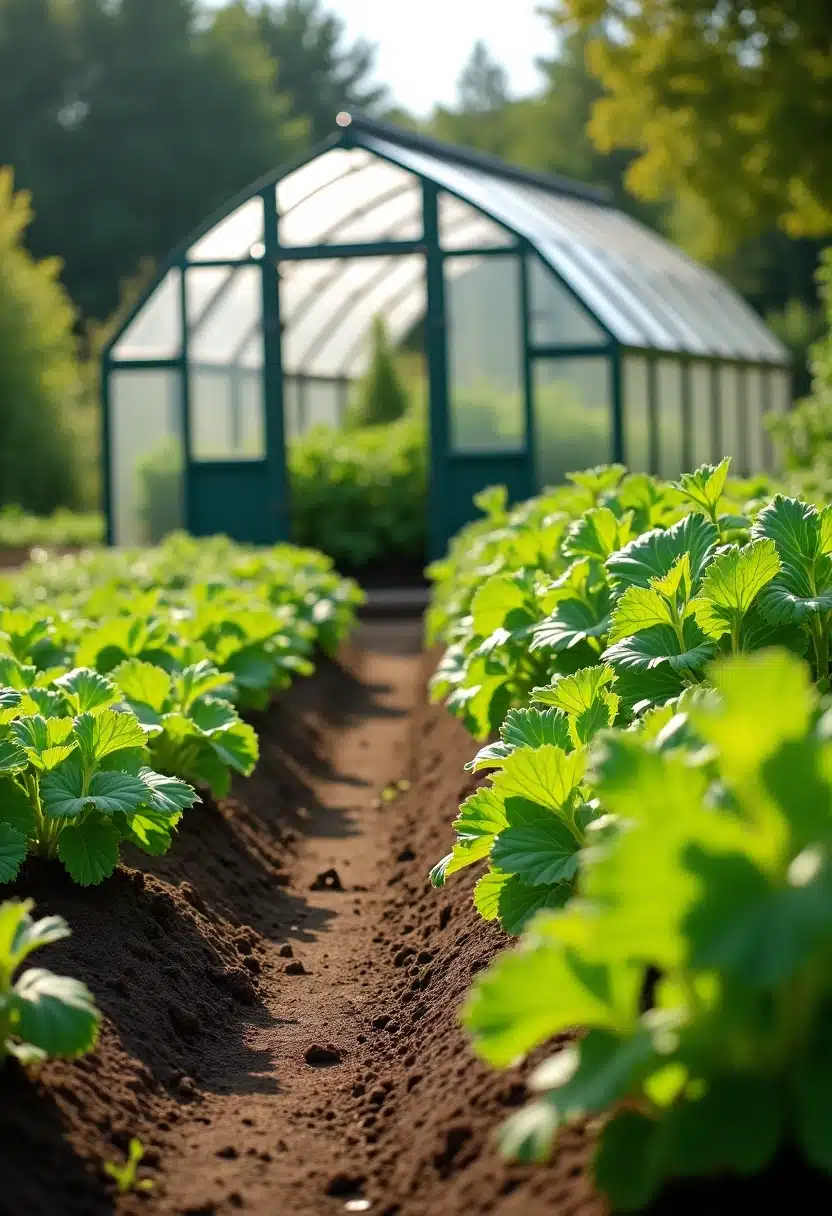
Garden structures can revolutionize how you grow vegetables, letting you garden year-round despite weather challenges. Consider integrating greenhouses, hoop houses, and cold frames into your design. Greenhouses offer a stable environment with constant temperatures, ideal for beginning seedlings early or growing crops off-season. This way, you’re not reliant solely on the local climate, giving you a lush garden even in colder months.
Hoop houses are a more affordable alternative, providing shelter for plants while keeping out pests and extreme weather. They’re flexible and easier to install than traditional greenhouses. Cold frames are perfect for beginners, using minimal materials. They use the sun’s energy to warm your plants, extending growing seasons effectively. Each structure serves unique purposes for enhancing your home garden.
Experimenting with different garden structures can boost productivity and protect your plants. Whether you’re opting for greenhouses for robust growth, hoop houses to shield your plants, or cold frames for seasonal extension, each offers benefits catered to your needs. Encourage resilience and variety in your garden by strategically using these structures, optimizing your entire gardening experience.
Integrating Water Features

Adding water features such as ponds and fountains to your vegetable garden can drastically enhance its visual appeal. By integrating these elements, you create a serene and tranquil environment, making your garden a relaxing retreat. Water features also bring the gentle sound of flowing water, adding a soothing auditory experience to your garden space.
Beyond aesthetics, water features bring significant benefits to your garden’s ecosystem. They encourage biodiversity by attracting beneficial insects and wildlife, like frogs and dragonflies, which help in pest control. This natural integration supports a thriving, balanced garden environment, promoting healthier and more sustainable growth of your vegetables.
Incorporating water features into your garden design doesn’t have to be complex. Start by identifying an ideal spot that complements your existing layout. Consider easy-maintenance options like small fountains or pre-formed pond kits. These additions can seamlessly merge with your garden’s theme, enhancing its beauty while offering practical ecological advantages.
Creating Wildlife Habitats
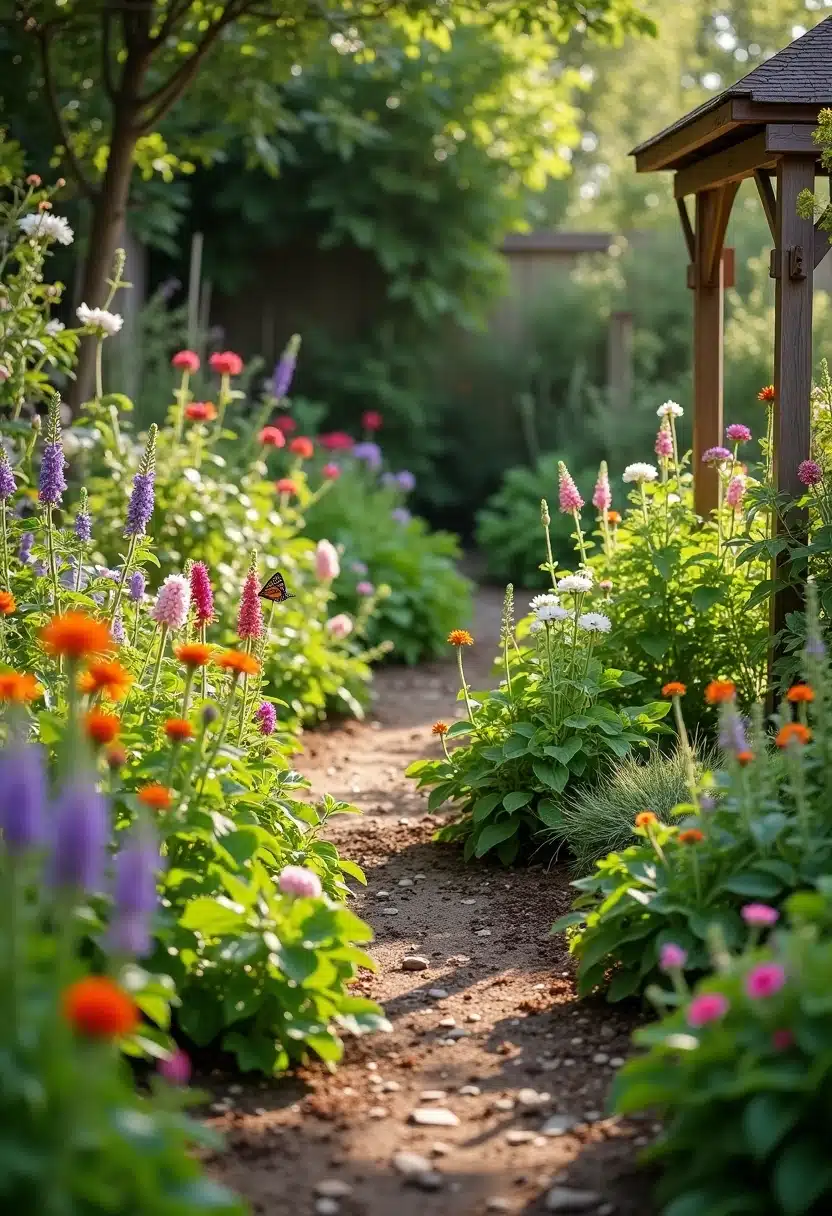
Designing your vegetable garden to attract beneficial wildlife can transform your outdoor space into a vibrant ecosystem. By incorporating a mix of blooming flowers and herbs, you create a haven for pollinators like bees and butterflies. These creatures not only enhance biodiversity but also increase the yield of your crops by promoting pollination. Choose native plants that offer nectar and pollen throughout the seasons to maintain a lively and thriving garden.
In addition to pollinators, it’s important to attract natural pest predators, such as ladybugs and birds. Integrate features like birdhouses or small water baths to invite them into your garden. This natural pest control method reduces the need for chemical pesticides, fostering a healthier environment. Maximize these benefits by providing natural shelters and diverse plant structures that support different species of wildlife.
Creating a balanced ecosystem in your vegetable garden contributes to its productivity and sustainability. Features like brush piles or rock gardens can serve as habitats for amphibians and beneficial insects that keep pest populations in check. By understanding and supporting the needs of various wildlife, you’ll cultivate a garden that not only thrives but also contributes to the health of the surrounding landscape.
Building a Food Forest

Imagine transforming your backyard into a food forest, an ecosystem that thrives with minimal human intervention. This organic paradise mimics nature, combining layers of plants that work together symbiotically. Start by implementing seven main layers: canopy trees, understory trees, shrubs, herbaceous plants, ground covers, root crops, and vines. Each layer plays a role in creating a balanced, self-sustaining environment rich in biodiversity.
To begin, choose plants that naturally thrive in your local climate. Focus on perennial plants for longevity, and incorporate a mix of fruits, nuts, herbs, and vegetables. Native species not only adapt well but also support local wildlife. It’s essential to understand companion planting, ensuring that each species nourishes its neighbor. Allocate spaces based on plant height, sunlight needs, and root competition to optimize growth.
Creating a food forest is a journey of learning and adaptation. As you observe the growth and interactions within this mini-ecosystem, you can make changes and additions to improve its efficiency and productivity. Embrace natural processes like mulch decomposition and nutrient cycling. Enjoy the transformation of your landscape into a productive and harmonious haven, providing not just food but a deeper connection to the natural world.
Urban Vegetable Gardens
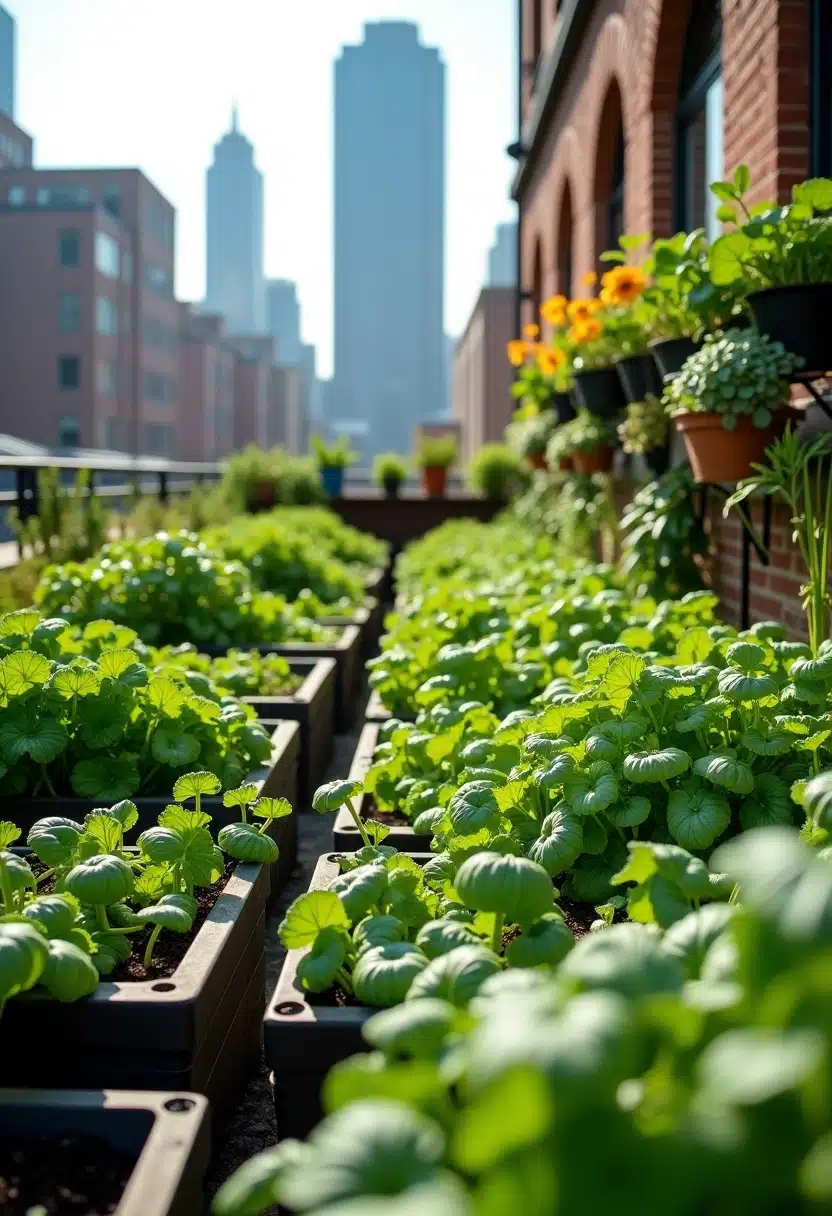
Urban gardening presents a unique challenge, especially when space is tight in city environments. Rooftop gardens provide a perfect solution, turning unused space into a lush haven for vegetables. With durable planters and raised beds, you can create a thriving garden that brings fresh produce to your table. Choose lightweight materials to avoid overloading the roof structure.
Balcony gardens are another excellent option for urban dwellers. By utilizing vertical gardening techniques, you can maximize space and cultivate a variety of vegetables. Hanging pots and tiered planters allow for efficient use of limited areas. Growing veggies on your balcony not only provides fresh food but also adds a touch of green to your urban scenery.
For those with no outdoor space, indoor gardening with containers is a viable option. Use windowsills or dedicated indoor grow lights to nurture your vegetables. Herbs like basil and mint thrive indoors, along with small vegetables. With the right attention, you can enjoy your own urban oasis, turning even the smallest spaces into productive gardens.
DIY Garden Projects

Transform your vegetable garden with creative DIY projects. Building your own compost bin is a great start. It not only helps reduce waste but also provides rich nutrients for your plants. Use simple materials like wooden pallets or wire mesh. Follow step-by-step guides online to construct a bin that suits your garden’s size and blend it seamlessly into your outdoor space.
Elevate your garden with unique, personalized planters. Consider using recycled materials like old tires or pallets. Paint them in vibrant colors to add a splash of personality. You can also design raised planter beds to define sections within your garden. These projects offer fun and creativity while enhancing functionality and aesthetic appeal.
Incorporating Paths and Walkways

Designing paths and walkways in your vegetable garden involves both functionality and beauty. Choose materials like stone, gravel, or wood chips that complement your garden’s aesthetic. These materials are not only durable but also create a natural look that blends seamlessly with greenery. Carefully select the width of the paths to allow adequate space for movement and tool access.
Consider the layout options to enhance both design and functionality. Curved walkways offer a flowing, organic look, while straight paths can provide a formal, structured appearance. Maintaining these paths involves regular checking for weed growth and replenishing materials like gravel or wood chips as needed. This ensures that your paths remain clean and accessible throughout the gardening season.
Incorporating thoughtfully designed paths can transform the overall look of your vegetable garden. It helps guide visitors, protects delicate plants from foot traffic, and provides clear directions. These pathways not only enhance the visual appeal but also improve garden accessibility, making it easier to tend to your plants efficiently.
Designing for Accessibility

Making a vegetable garden accessible can transform the gardening experience for everyone. Consider integrating raised beds to eliminate the need for bending over, making it easier for those with mobility challenges. These beds should ideally be at waist height, allowing you to comfortably work at them while standing or sitting. Incorporate wide pathways throughout your garden to ensure maneuverability for wheelchairs and garden carts, enhancing overall accessibility.
Ergonomic designs play a vital role in accessibility. Choose adaptive tools with cushioned grips and extendable handles for ease of use. These tools reduce strain on your hands and arms, making gardening more comfortable. Similarly, opt for vertical gardening structures, like trellises and wall planters, which can bring plants to a reachable height and utilize space efficiently.
An accessible garden is inviting to all, embracing a wider community of gardening enthusiasts. Keep inclusivity at the forefront of your design to ensure everyone can enjoy the satisfaction and beauty that a thriving vegetable garden offers. With thoughtful planning and practical adjustments, your garden can become a nurturing space for all abilities.
Utilizing Garden Art
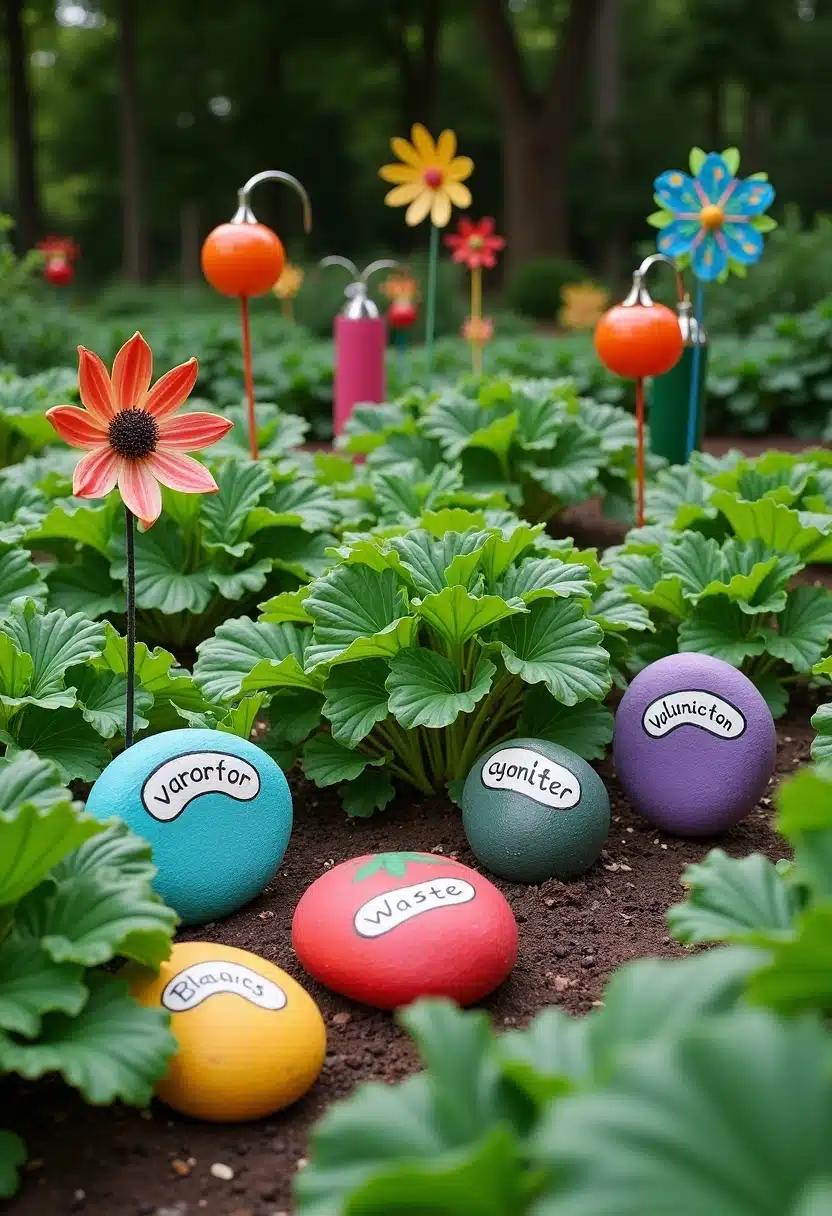
Transform your vegetable garden by incorporating garden art that expresses your individuality. Consider placing sculptures among your plants, offering visual interest and serving as focal points. Select pieces that resonate with your style, whether modern or classic. This approach not only beautifies but also enhances the ambiance, making the space truly yours while complementing the natural beauty of your vegetable plants.
Another way to add charm is through painted stones. These small art pieces can be both decorative and functional, like labeling plant varieties. Opt for vibrant colors to create contrast against the greenery. Garden ornaments such as wind spinners or whimsical characters offer additional layers of personality. These elements engage the senses, creating an inviting and dynamic garden atmosphere.
Creating Microclimates
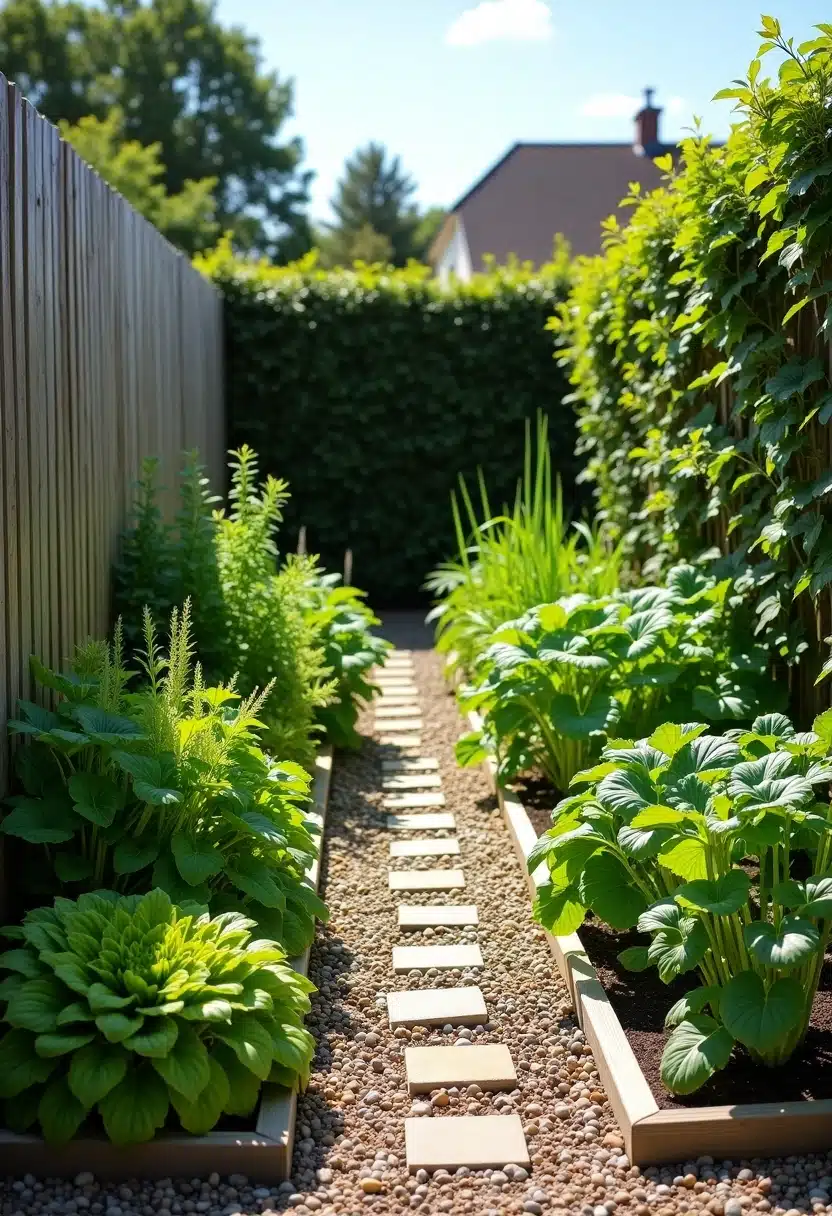
Creating microclimates in your garden is a game-changer. It allows you to extend the growing season and offer a protective shield for sensitive plants. You can start by strategically placing structures to act as windbreaks. This not only reduces wind damage but also promotes a warmer, more stable microenvironment for your plants to thrive.
Utilizing sun traps can be another effective technique. By arranging stones or bricks to capture and retain heat, you create a warmer space for your vegetables. Reflective surfaces like walls or ground coverings can amplify sunlight, providing extra warmth and light where it’s most needed. These adjustments make your garden more resilient and productive.
Here’s a quick look at some methods to create microclimates:
- Use windbreaks like fences or hedges.
- Set up sun traps with strategically placed rocks.
- Incorporate reflective surfaces to maximize sunlight.
- Adjust plant layouts to optimize these elements.
Themed Vegetable Gardens

Designing a themed vegetable garden is a fun way to merge personal interests with your gardening hobby. Consider creating a pizza garden, where you grow tomatoes, basil, and peppers, or try a salad garden with lettuce, cucumbers, and carrots. Align your plant choices with your theme to create a cohesive and visually appealing layout.
When planning your themed garden, think about plant arrangement. Group similar plants together to maintain your theme and ensure they have the right growing conditions, such as sunlight and soil type. Use creative markers or signs to label sections, making your theme stand out while helping you remember what you planted.
Consider how your garden’s theme can enhance your overall outdoor design. Complement your themed vegetable garden with decorative elements like colorful pots and garden art. This not only highlights your theme but adds character to your garden, creating an inviting space where you can enjoy your passion for fresh produce.
Integrating Companion Structures
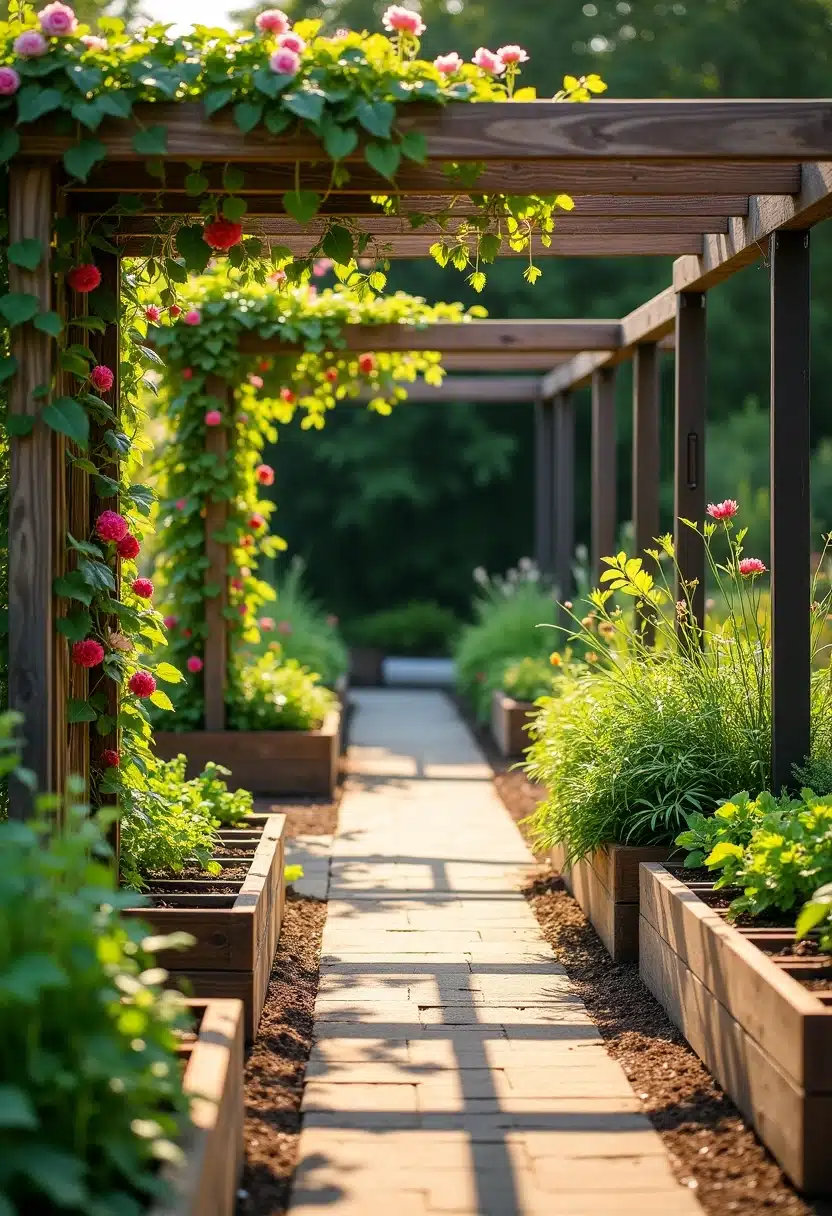
Enhancing your vegetable garden with structures like arbors and pergolas can transform its functionality and aesthetic. These structures not only support climbing plants like beans and peas but also create charming focal points. When selecting an arbor or pergola, consider materials that match your garden’s theme. Wooden designs integrate beautifully into rustic settings, while sleek metal frames add a modern touch.
Strategic placement of these companion structures optimizes their benefits. Position pergolas over walkways or sitting areas to provide shade, making your garden more inviting during hot days. Arbors can be placed at entryways to create a sense of arrival. For a cohesive look, adorn these structures with climbing roses or clematis that complement your vegetable plants. This adds vibrancy and texture to your garden landscape.
Design tips for these features include choosing the right size and ensuring stability. Use anchors and brackets for secure installation, especially in windy areas. To enhance usability, integrate hooks or shelves for tools and planters. With thoughtful planning, companion structures like arbors and pergolas can enhance not only the functionality but also the beauty of your vegetable garden.
Water-Wise Gardening Techniques
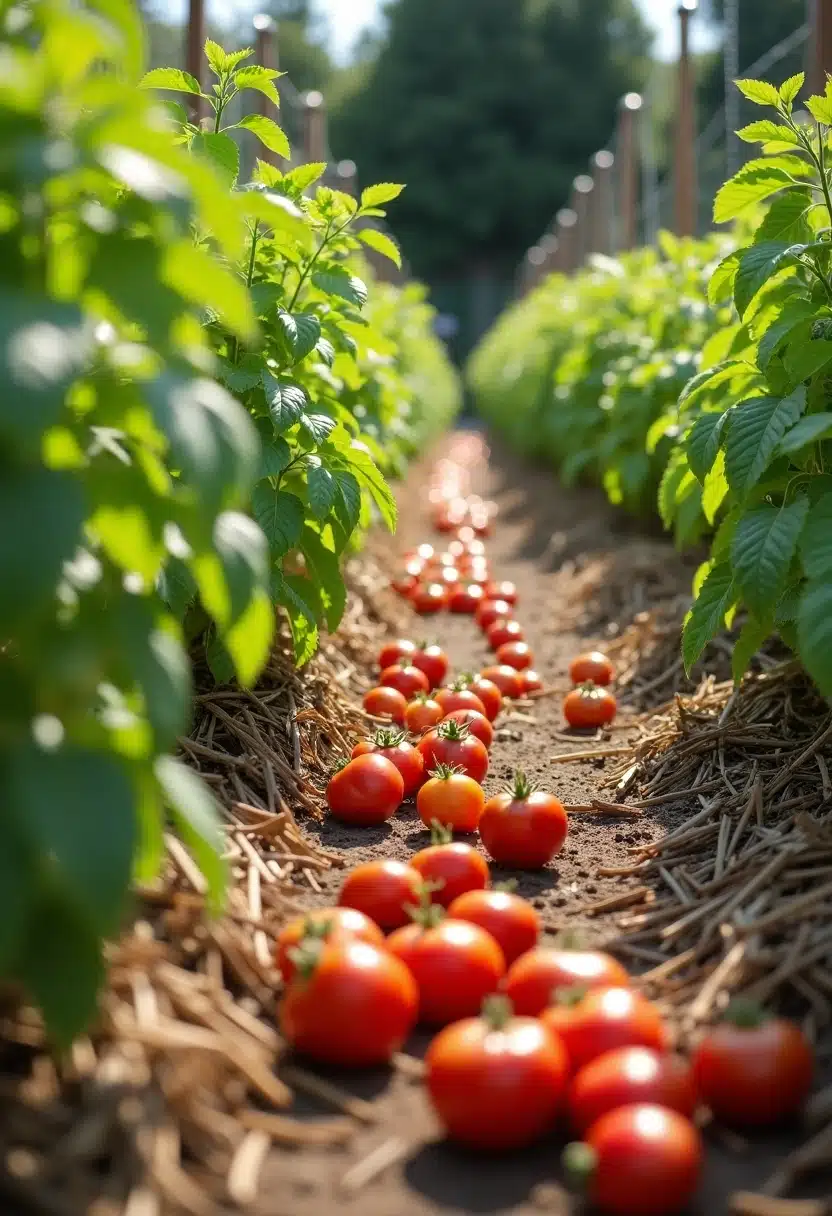
Water-wise gardening is essential in maintaining a flourishing vegetable garden during dry spells. One effective method is using drip irrigation, which delivers water directly to the plant’s roots, minimizing wastage. This system conserves water while supporting healthy plant growth. Additionally, it’s a time-saver, giving you more moments to enjoy your garden without constant watering.
To further enhance water conservation, consider adding mulch to your garden beds. Mulching retains soil moisture and regulates temperature, leading to a healthier garden environment. It also helps prevent weed growth, reducing competition for water. Choose organic mulches like straw or wood chips for added soil benefits.
Designing a water-efficient garden involves strategic plant selection. Opt for drought-tolerant vegetables, such as tomatoes and peppers, which thrive with less water. Establish a layout that groups plants with similar water needs for optimal efficiency. This way, you provide just the right amount of water to each area, ensuring every plant receives what it requires.
Setting Up a Community Garden
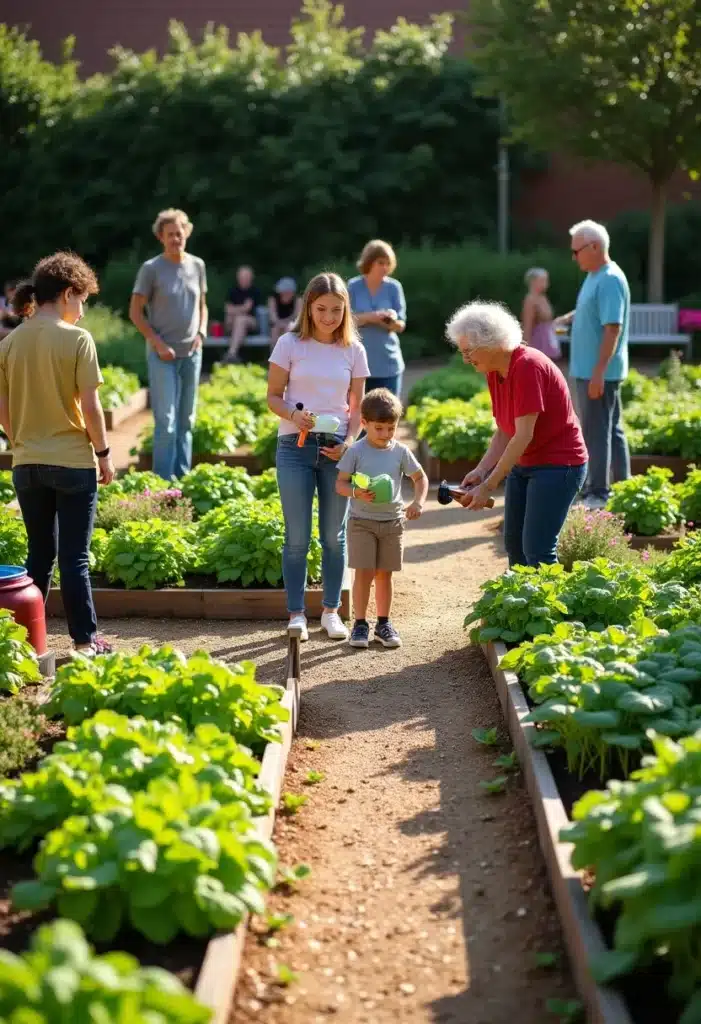
Creating a community garden is a wonderful way to connect with neighbors and enjoy fresh produce. These gardens provide numerous benefits, like promoting sustainable practices and building a sense of community. To start or join a community garden, first explore the available spaces in your neighborhood and reach out to local groups already active in gardening. By uniting shared interests, a community garden can boost green space and sustainability in your area.
Organizing a shared garden requires planning and cooperation. Begin with setting clear goals, like what vegetables to plant and how to share responsibilities. Choose a location with enough sunlight, access to water, and good soil quality. Then, gather essential gardening tools and resources. Encourage collaboration by hosting meetings and forming committees for tasks, ensuring everyone has a role in the garden’s success.
Designing your community garden is key to enhancing both productivity and enjoyment. Consider raised beds for better soil control and ease of access. Implement paths for convenient movement between plots. Adding compost bins allows for efficient recycling of organic waste. A successful design balances aesthetics with functionality, so include seating areas for relaxation and social gatherings. Together, these elements create a thriving community space.
Exploring diverse garden designs, like raised beds and vertical gardening, offers endless possibilities to enhance your vegetable garden. Combining aesthetics with functionality, these ideas cater to both limited and ample spaces, ensuring productivity and beauty. By embracing these creative approaches, you can transform any area into a flourishing, vibrant retreat that celebrates the joy of homegrown produce.