
Springtime Delight: Planting Curly Cress (Nasturtium officinale
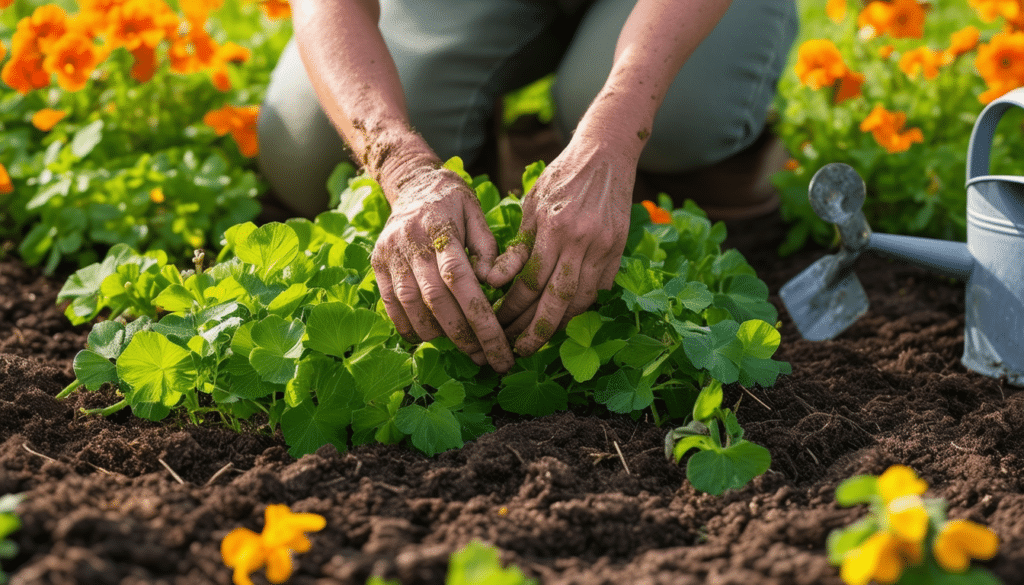
As the frosty veil of winter lifts and the first whispers of spring begin to rustle through the awakening landscape, garden enthusiasts eagerly turn their thoughts towards planting. Among the plethora of choices for early spring gardening, Curly Cress (Nasturtium officinale), with its peppery leaves and vibrant growth, stands out as a perfect candidate for those looking to infuse their gardens with both flavor and greenery. Ideal for both gastronomic and aesthetic purposes, Curly Cress promises to be a delightful addition to any springtime garden.
Springtime Delight: Planting Curly Cress (Nasturtium officinale)
As the frost melts and the days stretch longer, spring becomes the perfect backdrop for garden enthusiasts to plant Curly Cress (Nasturtium officinale). Known for its peppery flavor and nutritive benefits, this semi-aquatic perennial herb adds zest not only to your garden but also to your springtime dishes. Let’s dive into the know-how of planting and nurturing this vibrant green jewel.
Understanding Curly Cress
Curly Cress, more commonly known as Watercress, thrives in the cool, shallow waters of streams and ponds or even damp soil conditions. Its leaves are small and curly with a crisp texture and offer a tangy kick to any salad. Curly Cress is not only simple to cultivate but also a fantastic starter plant for new gardeners.
Choosing the Right Location
When it comes to planting Curly Cress, location is key. This plant requires partial shade but can tolerate full sun in cooler climates. It naturally grows in shallow water, so for garden planting, ensure the soil is consistently moist. A spot near a water body or a frequently watered area of the garden is ideal. Alternatively, growing Watercress in containers helps control moisture levels and prevents spread.
Planting Techniques
The best time to sow Curly Cress seeds is early spring. Make sure the risks of frost have passed, ensuring a favorable environment for seed germination. Scatter the seeds in a well-prepared bed of damp soil, barely covering them. Watercress seeds need light to germinate effectively, so avoid burying them deeply. For continuous harvest, consider sowing seeds in intervals every few weeks.
Care and Maintenance
Watercress, being semi-aquatic, requires ample water. Keep the soil or substrate consistently wet. If you are not planting near a natural water source, regular watering becomes crucial. Nutrient-rich, loamy soil will support the lush growth of the leaves. Additionally, when the plant reaches maturity, thinning the seedlings will ensure proper air circulation and reduce the risk of mold or other diseases.
Harvesting Curly Cress
The joy of planting Curly Cress culminates as you begin harvesting. You can start picking leaves as soon as they appear well-formed, typically around 15 to 20 days after germination. Harvesting can be done periodically by clipping leaves at about an inch above the base to encourage new growth. Fresh Curly Cress can be used instantly in salads, sandwiches, and as an edible garnish, adding a peppery zest to your meals.
Planting Curly Cress during spring not only optimizes your gardening efforts but also enhances your culinary experience with fresh, organic produce right from your backyard. Embrace the gardening season with enthusiasm by incorporating Curly Cress into your green space!
Springtime Delight: Planting Curly Cress (Nasturtium officinale)
The fresh beginnings of spring herald not just the bloom of flowers but also the perfect time to start your vegetable garden. Among the myriad options for early planting, Curly Cress (Nasturtium officinale) stands out as a vibrant and straightforward choice for both novice and experienced gardeners. This piquant herb awakens the garden with its peppery notes, ideal for adding a zesty twist to your spring salads.
Planting Curly Cress during the spring plays to the plant’s preference for cooler weather. As temperatures start to rise, this herbaceous plant thrives under partial shade, ensuring it gets just enough sunlight without overheating. Sowing the seeds just before the last frost ensures they get a solid start, sprouting quickly and delivering gratification within just a couple of weeks. The swift nature of its growth makes Curly Cress a joy for those eager to see rapid results in their garden ventures.
Moreover, the versatility of Curly Cress extends beyond just its culinary uses. As a natural water purifier, planting it near water features or in wetter areas of your garden can enhance the health and beauty of your outdoor space. The lush green alongside the vibrant blooms that sometimes accompany this plant can create a picturesque setting, transforming an ordinary garden into a lush, springtime sanctuary.
Incorporating Curly Cress into your garden this spring not only promises a season filled with growth and zest but also symbolizes the renewal that each spring brings. Whether as a garnish, a functional aesthetic, or a natural purifier, Curly Cress stands as a testament to the joys and benefits of springtime gardening.