Indoor Gardening: Hydroponic Systems vs. Smart Technology Solutions

Welcome to the vibrant world of indoor gardening, where the possibilities are as abundant as the plants you can grow! In recent years, two transformative methods have emerged to elevate your gardening game: hydroponic systems and smart technology solutions. While hydroponics allows you to cultivate lush gardens without soil by providing plants with nutrient-rich water, smart technology offers innovative automation to simplify the growing process. Join us as we delve into the fascinating differences and unique benefits of each approach, ensuring your indoor oasis flourishes year-round!
Indoor gardening has blossomed into a popular approach for growing delightful herbs, vegetables, and flowers all year round. Two prominent methods are hydroponic systems and smart technology solutions. Each system presents unique advantages and efficiencies, catering to different types of gardeners, whether you’re a novice or an experienced gardener. Let’s delve into the intricacies and benefits of each system, showcasing how they revolutionize the indoor gardening experience.
The Allure of Hydroponic Systems
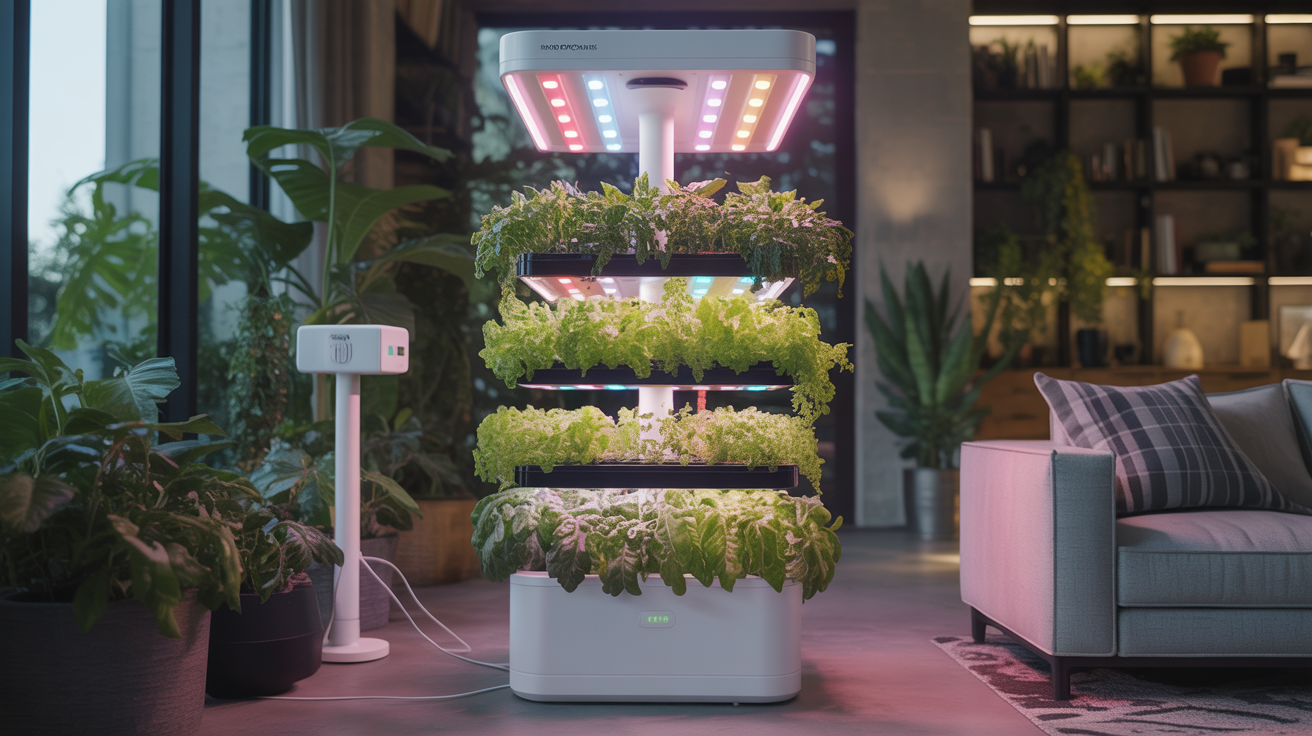
Hydroponic systems are designed to cultivate plants in a nutrient-rich water solution without soil. One standout option is the Gardyn Hydroponic Tower, recognized for its vertical design, making it ideal for compact indoor spaces. This innovative approach utilizes less water than traditional gardening methods while offering an efficient way to grow plants indoors. With its user-friendly setup, it’s a fantastic starting point for beginners and skilled gardeners alike.
These systems often employ LED grow lights and automated nutrient delivery, presenting a low-maintenance gardening solution. Hydroponics allows for year-round harvesting of fresh produce, ensuring you can enjoy homegrown herbs and veggies regardless of the season. For a thorough understanding of the potential of hydroponic systems, explore the overview of gardening progress.
The Rise of Smart Technology in Indoor Gardening
Emerging alongside hydroponic systems, smart technology solutions are transforming indoor gardening experiences. These systems utilize sensors and automated technologies to provide an optimal growing environment. By controlling light, water, and nutrients, smart gardens create a thriving habitat for your plants while minimizing human intervention.
Smart gardens often include additional features such as built-in cameras that allow gardeners to monitor their plants from afar. This kind of technology enables peace of mind, especially when you’re away on vacation. Additionally, the convenience of less maintenance and space-efficient designs makes smart technology particularly appealing to urban dwellers looking to enhance their living spaces with greenery.
Comparing Hydroponics and Smart Gardening
When considering hydroponics vs. smart gardening, it’s important to recognize their distinct attributes. Hydroponics excels in providing a soilless growing method that can yield significantly high growth rates, while smart gardening focuses on the ease of use and automation. Hydroponic systems require a bit more knowledge and may involve a steeper learning curve initially, whereas smart gardens often solve many challenges associated with traditional gardening.
Both systems integrate well into modern living spaces, allowing for flexibility and aesthetic appeal. For those serious about maximizing their indoor gardening efforts, the choice between hydroponics and smart technology will depend on their individual preferences, goals, and the amount of time they wish to invest.
Cost Considerations and Long-Term Value
An important factor to consider when choosing between hydroponic systems and smart technology is the cost implications. While both approaches might seem expensive upfront, they often lead to lower maintenance costs over time. Hydroponic systems typically require a larger initial investment, but may generate more produce in a shorter timeframe, offering potential cost savings in fresh herbs and veggies. On the other hand, smart gardens often present an appealing balance between ease of use and long-term affordability.
Ultimately, the right choice will depend on your personal budget and gardening aspirations. Researching common hydroponic missteps can help you navigate your gardening journey more effectively.
Future Trends in Indoor Gardening
The future of indoor gardening looks bright as technology continues to advance. As we see more innovative solutions emerge, the fusion of hydroponics and smart technology may lead to even more efficient and effective gardening methods. These advancements will likely facilitate greater accessibility for urban gardeners and contribute to the growing movement of sustainable gardening practices.
Stay ahead of the curve by exploring innovative self-sufficient gardening ideas to enhance your indoor garden. With the right tools and knowledge, you can create a thriving indoor oasis that reflects your personal style and passion for nature.
The world of indoor gardening is rapidly evolving, prompting many enthusiasts to explore the best options available to cultivate their green sanctuaries. Among the most popular methods are hydroponic systems and smart technology solutions, each boasting unique advantages and transformative capabilities for the modern gardener.
Hydroponic systems provide a soil-free gardening approach that allows plants to thrive in nutrient-rich water solutions. This method is particularly beneficial for those with limited space, as it often requires less room than traditional soil gardening. Hydroponics also enables faster plant growth and higher yields, making it an attractive option for urban dwellers looking to maximize their indoor gardens. Furthermore, hydroponics is accessible for beginners who want to engage in year-round gardening, regardless of outside conditions.
On the other hand, smart technology solutions such as automated watering systems and climate control features enhance the indoor gardening experience by significantly reducing maintenance requirements. These advanced systems monitor and adjust the environmental variables, allowing plants to grow with minimal manual intervention. With integrated sensors and analytic capabilities, smart gardens can fine-tune nutrient delivery and lighting conditions, creating an optimal growing environment.
While hydroponics may appeal to those interested in a more hands-on approach to gardening, the convenience and efficiency offered by smart technology cannot be overlooked. For tech-savvy urban gardeners, smart technology solutions present a new level of automation that simplifies the gardening process. As these innovations continue to evolve, discerning which method is best for individual needs will be key in successfully cultivating a lush indoor garden.