
Designing a Vibrant Landscape with Ground-Covering Plants, Shrubs, and Bushes
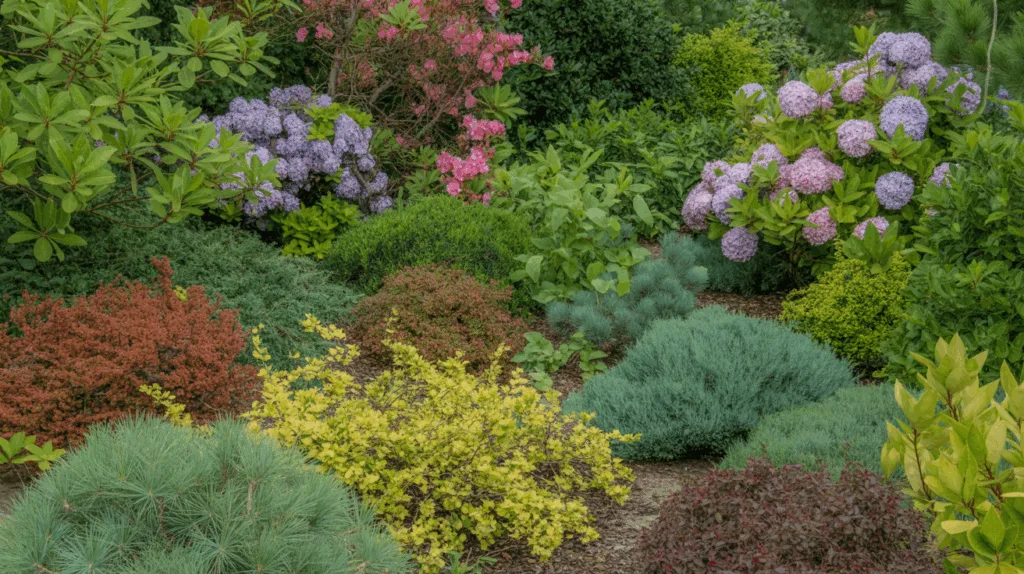
Transforming your outdoor space into a stunning oasis is within reach when you embrace the magic of ground-covering plants, shrubs, and bushes. These remarkable additions bring layers of texture, vibrant colors, and effortless charm to your landscape design! Whether you’ve got a sun-soaked garden or a cozy shaded corner, incorporating a diverse array of these plants not only enhances the visual appeal but also makes maintenance a breeze. Let your imagination flourish as we explore inspiring ideas to create a lively and inviting sanctuary in your own backyard!
Creating a stunning and vibrant landscape involves the joyful art of combining ground-covering plants, shrubs, and bushes to enhance the beauty and functionality of your outdoor space. These elements not only add visual interest but also support diverse lifestyles by being low-maintenance and eco-friendly. In this article, we will delve into the various aspects of designing a landscape garden that utilizes these colorful and practical elements.
Benefits of Ground-Covering Plants
Ground-covering plants form the backbone of a beautiful landscape design. Their ability to blanket the soil offers numerous benefits, including weed suppression, erosion control, and soil moisture retention. Many ground covers, like creeping thyme or dwarf boxwood, are ideal for sunny or shaded areas and add unique textures and colors to your garden.
These versatile plants can transform dull patches into lively focal points. Imagine vibrant shades of green and blooming flowers spreading across the garden floor while softening the sharp lines of paved patios or walkways. Ground covers also act as a foundation upon which other plants, including shrubs, can thrive.
Choosing the Right Shrubs for Your Landscape
Shrubs play a pivotal role in landscape design, offering a variety of colors, textures, and heights to create stunning visual layers. When selecting shrubs, consider their growth habits and sunlight requirements. For instance, medium-sized shrubs like lilac or spirea are perfect for layering within your garden bed, while low-growing varieties such as blue fescue or creeping juniper are excellent choices for ground cover.
By mixing flowering shrubs, like azaleas, into your garden, you can introduce seasonal color and interest, blending harmoniously with the vibrant hues of your ground covers. This thoughtful layering allows your landscape to adapt and change with the seasons, keeping it fresh and engaging throughout the year.
Using Bushes to Enhance Curb Appeal
Bushes serve as both beautiful and functional components of your landscape. Their structure can hide unattractive features in your yard, while their vibrant hues can breathe life into any home facade. Incorporating bushes such as hydrangeas, which bloom in various colors, can establish striking visual highlights in your garden’s tapestry.
Creating a mix of evergreen and flowering bushes ensures your landscape is visually appealing year-round. Evergreens maintain a lush green backdrop, while flowering varieties provide bursts of color in Spring and Summer, promoting a sense of vibrancy and energy in your outdoor space.
Design Ideas for a Cohesive Landscape
To achieve a cohesive landscape design, consider the style and architecture of your home when selecting your plants. Incorporating a mix of color and texture can draw attention to your garden’s best features. For example, arranging a tapestry of shrubs in front of a wall can beautifully mask any plain backdrop, creating a captivating visual experience.
During the plant selection process, think about seasonal variety to maintain dynamic changes throughout the year. Beautiful flowering bushes can be strategically placed near windows and entryways, effectively enhancing curb appeal and inviting guests into your serene retreat.
Creating Sustainable Landscapes with Drought Resistance
As we design landscapes, we must also consider sustainability. Utilizing drought-tolerant plants can drastically reduce water usage while still producing beautiful gardens. Many shrubs and ground covers are bred for low maintenance and resilience, making them perfect for our ever-changing climate.
Incorporating native species that thrive in your local environment can further improve the sustainability of your landscape. Not only do they often require less water, but these plants can also promote local biodiversity by attracting beneficial wildlife. Check out more about these resilient plants in our guide to creating a sustainable garden.
Design Techniques to Maximize Visual Appeal
To elevate the aesthetic appeal of your garden, consider using design techniques such as layering plants by height and varying colors. Incorporating a mix of textures through different foliage types can add a sense of depth. Take advantage of plants’ natural forms; for instance, the rounded shape of boxwood shrubs can soften angular features of modern landscaping while adding a touch of elegance.
Integrating rock gardens brings an additional layer of intrigue. Beautiful juxtaposition between stones and lush plant life creates a dynamic look, especially when paired with ground-covering plants that thrive in arid conditions. Ensure the stones are appropriately placed, creating an inviting path or focal area in your garden.
Preparing Your Garden with the Right Soil
As vital as selecting the perfect plants, understanding your soil’s needs is crucial for a thriving landscape. Different shrubs and bushes have varying soil requirements, so identifying the right type for your chosen plants is essential. Refer to our comprehensive guide on selecting soil effectively to ensure the foundation of your vibrant garden supports lush growth.
With the perfect combination of ground-covering plants, shrubs, and bushes, along with thoughtful planning and knowledge, you can create a vibrant and inviting landscape that will captivate everyone who visits your home. This blend of color, texture, and functionality will create a warm and welcoming atmosphere all year round.
Creating a vibrant landscape involves the thoughtful selection of ground-covering plants, shrubs, and bushes that complement the aesthetic and functional goals of your outdoor space. Ground-covering plants are essential for filling in gaps and preventing soil erosion while adding texture and color. Varieties such as creeping thyme and ajooba provide an attractive, low-maintenance solution that encourages biodiversity and requires minimal upkeep.
Incorporating shrubs into your landscape design adds a fabulous dimension that enhances visual appeal. They can serve as focal points, create privacy shields, or act as natural borders. For instance, hydrangeas with their stunning blooms can elevate the charm of any garden, while boxwood shrubs provide a classic touch and structure. Embracing varieties that thrive in diverse conditions ensures vibrant landscapes throughout the seasons.
For maximum aesthetic impact, consider layering different heights and colors. The contrasting foliage of smoke bushes and flame-red Photinia can create dynamic looks throughout the year. Integrating flowering bushes, like azaleas, into the design introduces bursts of seasonal color and liveliness that will attract both the eye and friendly pollinators like butterflies and hummingbirds.
In essence, designing a vibrant landscape with ground-covering plants, shrubs, and bushes is an engaging process that combines creativity with practicality. By selecting plants that are not only visually appealing but also suitable for your local climate and maintenance preferences, you can craft an outdoor oasis that not only enhances your property’s curb appeal but also provides lasting enjoyment and tranquility.