
How to Select the Perfect Soil for Your Vegetable Garden
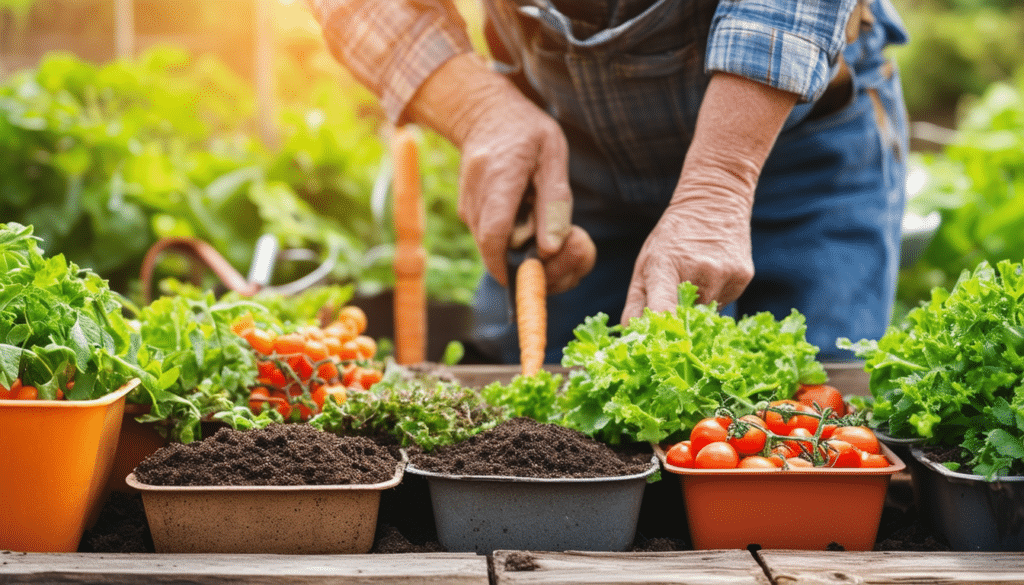
Choosing the right soil for your vegetable garden is crucial for optimizing plant health and maximizing yield. This guide will walk you through understanding the types of soil, necessary improvements for different soil structures, and tips on selecting or mixing the best soil to suit your gardening needs.
Understanding Soil Types
The three primary types of soil are sandy, loam, and clay. Sandy soil drains quickly but doesn’t hold nutrients well. Loam soil is ideal for most plants; it retains moisture and nutrients effectively and offers good drainage. Clay soil holds nutrients well but has poor drainage. The best soil for vegetable gardens often contains a mixture that leans heavily towards loam, balancing moisture retention and drainage while providing a rich nutrient base.
Assessing Your Current Soil
To tailor the soil to your garden’s needs, start by assessing your existing soil’s texture and composition. This can be done through simple tests like the squeeze test or using home testing kits to determine pH levels and nutrient contents. If your soil is too sandy or too clayey, amendments will be necessary to achieve the ideal loam balance. Remember, the pH should ideally be between 6.5 and 6.8 for vegetable gardens.
Amending Soil Structure
If your garden needs better drainage or more nutrient-retention, introducing organic matter like compost can dramatically improve its quality. Compost is excellent for soil structure; it not only enriches the soil with organic matter but also improves moisture retention in sandy soils and drainage in clay soils. Additionally, materials such as peat moss, vermiculite, or perlite can be added to amend the soil’s physical structure.
Selecting or Mixing Your Soil
When creating the perfect soil mix for raised beds or potting vegetables, a combination of topsoil, compost, and aeration additives such as perlite ensures a healthy growing environment. For those starting seedlings, a lighter, more sterile mix might be suitable to avoid diseases. Always look for soil that is nutrient-rich and allows for proper drainage to avoid waterlogged roots which can lead to plant disease.
Commercial Soil Mixes and Eco-Friendly Alternatives
There are numerous commercial soil mixes available, such as those specifically formulated for vegetable gardening. These typically include a balanced mix of ingredients conducive to vegetable growth. Alternatively, for an eco-friendly option, seek out organic mixtures that are free from synthetic chemicals and are peat-free to minimize environmental impact.
Monitoring and Adjusting Soil Over-Time
Even after choosing the perfect soil, continual monitoring and adjusting over time are essential. Testing the soil annually will help in understanding its evolving condition and determining if any adjustments in nutrient content or pH levels need to be made. This proactive approach ensures that the soil remains perfectly suited for your vegetable garden’s ongoing success.
For those passionate about seamless integration of gardening within their landscapes, explore innovative garden designs and tips at Enhance Your Home Garden: Expert Tips for Thriving Fruit Trees or delve into the simplicity of square foot gardening through Building Your Square Foot Garden: A Step-by-Step Guide.
Likewise, for hassle-free gardening ideas, check out Easy-to-Grow Fruits and Vegetables That Require No Maintenance or Water.
Choosing the Ideal Soil for Your Vegetable Garden
Unlocking the full potential of your vegetable garden starts with selecting the perfect soil. It’s about more than just dirt; it’s about creating a nurturing environment where your plants can thrive. Understanding the different soil components and how they affect plant growth is crucial in making an informed choice.
The first step is to assess the natural soil in your garden. Most vegetables flourish in a loamy soil, which is a balanced mixture of clay, sand, and silt. This type offers excellent drainage while retaining enough moisture to keep plants hydrated. Additionally, a pH level between 6.5 and 6.8 is ideal as it ensures nutrients are readily available to your plants. If your garden’s natural soil does not meet these criteria, amendments might be necessary.
When enhancing your garden’s soil, organic matter is key. Compost, aged manure, or leaf mold can dramatically improve soil structure, nutrient content, and water retention. Mixing these materials into your existing soil can transform its quality, making it more conducive for vegetable gardening. If you’re working with a new garden bed or raised beds, consider creating a custom mix. A popular choice among gardeners includes a blend of one-third peat moss, one-third vermiculite, and one-third compost. This combination ensures a light, fertile, and well-draining soil base.
Lastly, always pay attention to ongoing soil care. Regular testing, amending, and proper tilling can make significant differences in your garden’s productivity. Whether you’re a novice or an experienced gardener, understanding and selecting the right soil is crucial to cultivate a bountiful and vibrant vegetable garden.