
The Water Spider or Gerris: An Insight into This Unique Aquatic Bug
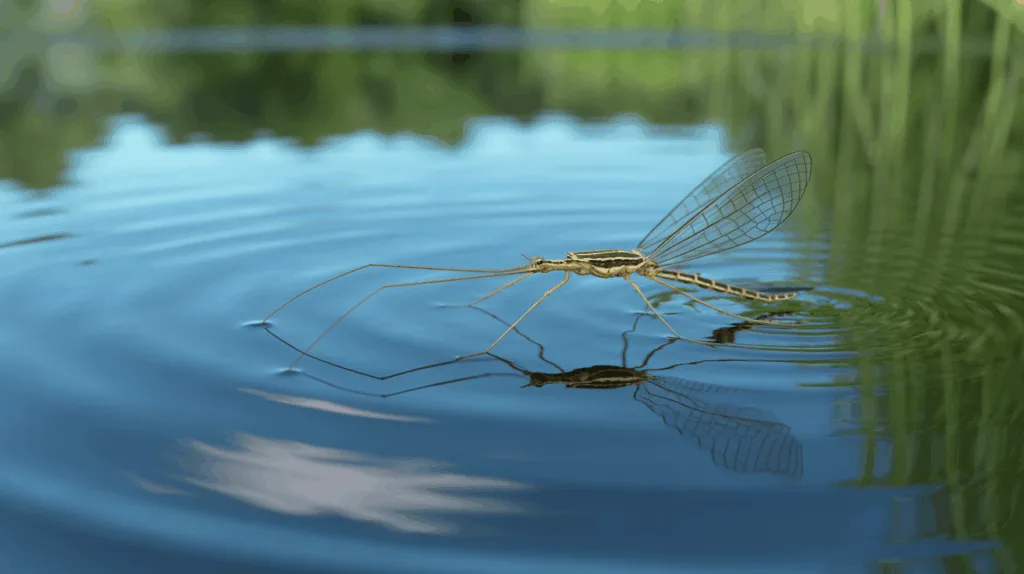
The Water Strider, also known as Gerris, is a fascinating aquatic bug that effortlessly glides across the surface of water bodies. Renowned for its incredible adaptations, this semi-aquatic insect has conquered various environments, from tranquil ponds to bustling lakes. With its long, hydrophobic legs and unique locomotion techniques, the Water Strider captivates the imagination of nature enthusiasts and scientists alike. Join me as we delve into the extraordinary world of this remarkable bug, exploring its biology, behavior, and the captivating mechanisms that allow it to thrive on the water’s surface.
The water spider, often referred to as Gerris, showcases remarkable adaptations that enable it to thrive on water surfaces. With its unique morphology and fascinating behavior, this aquatic bug has captured the interest of scientists and enthusiasts alike. This article delves into the world of Gerris, exploring its habitat, anatomy, locomotion, and ecological significance.
Habitat and Distribution
The water spider has successfully conquered a variety of aquatic environments across the globe. These semi-aquatic bugs inhabit ponds, streams, lakes, and even some coastal zones like mangroves. Thanks to their diverse habitat preferences, they can be found in both freshwater and saltwater, showcasing their incredible adaptability to different ecosystems. This adaptability is a key factor in their evolution and radiation into more than 2,000 species classified within the family Gerridae.
Anatomy and Physical Characteristics
One of the most fascinating aspects of the water spider is its unique physical features that set it apart from other aquatic insects. Characterized by its elongated legs and body, Gerris possesses specialized structures known as hydrofuge hairpiles. These microscopic hairs make the bug hydrophobic, allowing it to travel smoothly across the water surface without sinking.
The retractable preapical claws found on its front legs are perfectly adapted for grasping prey and anchoring themselves while hunting. Their remarkable morphology equips them to be formidable predators, using their front legs to sense disturbances in the water and their middle and hind legs for propulsion and steering.
Locomotion and Hunting Behavior
The locomotion of the water spider is a stunning example of evolutionary innovation. The middle legs serve as oars, propelling the bug swiftly across the water, while the rear legs act as rudders for steering. This dual action allows Gerris to perform quick maneuvers, making it a skilled hunter.
When it comes to hunting, the water spider is carnivorous and predatory, often lurking amidst dense vegetation along the shorelines. Their technique involves using their front legs to catch unsuspecting prey, such as small insects, before sucking out their internal juices with their specialized mouthparts. This fascinating behavior showcases their role as both predator and prey within the aquatic ecosystem.
Ecological Significance
The presence of water spiders in aquatic ecosystems highlights their importance in maintaining biodiversity. As predators, they help regulate the populations of other small insects, contributing to the balance of the ecosystem. Furthermore, their unique adaptations and locomotion provide key insights into evolutionary biology, hydrodynamics, and developmental genetics.
Scientific study surrounding Gerris and other similar aquatic bugs has expanded to include investigations into their behavior, ecology, and the mechanisms that allow them to thrive in various environments. This ongoing research plays a crucial role in understanding the complexities of aquatic ecosystems and the impacts of environmental changes.
As we explore the fascinating world of the water spider, we are reminded of nature’s incredible diversity. The adaptations of Gerris allow it not just to survive but to flourish in constantly changing aquatic environments. To learn more about the unique plants that can complement a garden designed for such environments, check out our article on transforming your bathroom into a lush oasis. If you’re curious about how to manage spiders in your home, visit our guide on understanding spiders, and for valuable tips on enhancing your outdoor space, explore our resources for transforming tiny gardens.
The water spider, scientifically known as Gerris, is a fascinating example of evolutionary adaptation in the insect kingdom. These semi-aquatic bugs have evolved to dominate various aquatic environments, including ponds, streams, and even coastal waters. Their physical characteristics, such as long legs and specialized hair structures, allow them to navigate effortlessly across water surfaces, enabling them to thrive in habitats that were previously inaccessible to many other insects.
What makes the water spider particularly interesting is its unique method of locomotion. The combination of pushing off with their middle legs and steering with their hind legs showcases a remarkable adaptation that enhances their predatory capabilities. This efficient movement not only aids in hunting prey but also helps them evade predators, making them adept survivors in their aquatic environments.
Moreover, the biology of Gerris is enriched by their ecological roles. As predacious insects, they play a crucial part in controlling populations of smaller aquatic organisms, thus maintaining the balance within their ecosystems. The intricate behaviors exhibited by these insects, including their impressive jumping ability and hoarding tactics, further highlight their adaptations to survive and thrive in challenging conditions.
In summary, the water spider or Gerris stands as a testament to the innovative ways nature solves survival challenges. From their advanced locomotion techniques to their ecological significance, these aquatic bugs offer a rich area of study for scientists and nature enthusiasts alike. The myriad of adaptations found in Gerris highlights the diverse strategies life has developed to flourish in the ever-changing landscapes of our planet.