
30 Space-Savvy Tricks to Transform Your Tiny Garden Into a Lush Retreat
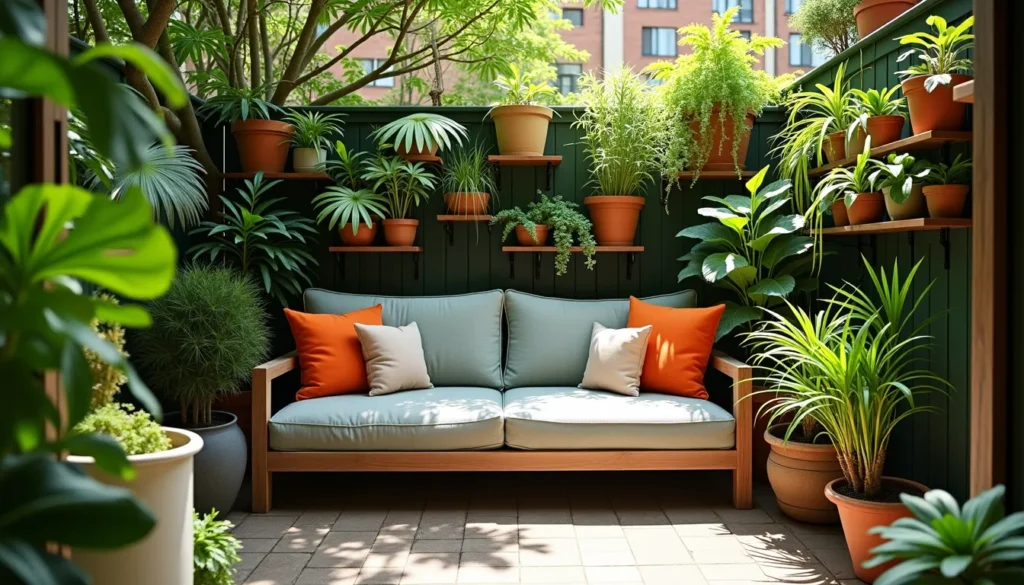
Is your tiny garden craving a makeover? Discover creative, space-savvy solutions to transform even the smallest outdoor area into a vibrant, functional haven. From vertical gardening to smart storage, these innovative techniques will maximize every inch, offering style and comfort. Let’s explore 30 ways to elevate your limited garden space into a lush escape.
Vertical Gardening
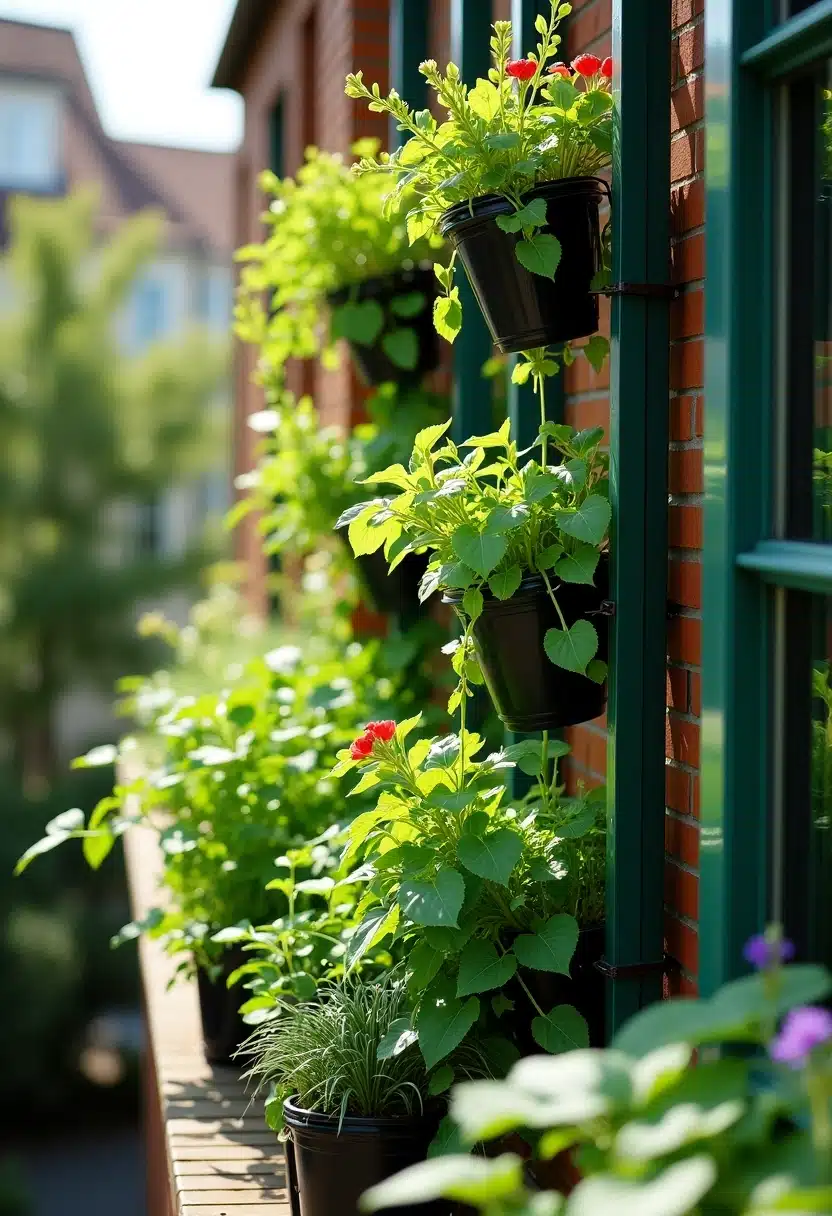
Vertical gardening is a fantastic solution when space is at a premium. By using trellises, wall planters, and hanging pots, you can make the most of limited garden areas. These tools allow you to lift plants off the ground, creating more room for a variety of species. Plus, vertical structures can add a visually appealing dimension to your garden.
When choosing plants for vertical gardening, it’s crucial to select those that thrive in such environments. Creeping and climbing plants like peas, beans, and morning glories work well. Arranging them strategically on your vertical framework will promote optimal growth and air circulation. Always consider the sunlight needs of each plant to ensure they receive adequate exposure.
Vertical gardening also has the added benefit of improving air quality. Dense foliage from well-chosen plants can enhance oxygen production and reduce pollutants. Whether you’re working with a small balcony or a tiny backyard, incorporating vertical elements can transform your space into a lush, green paradise. It’s an efficient and stylish way to enjoy the pleasures of gardening, even in small spaces.
Container Gardening
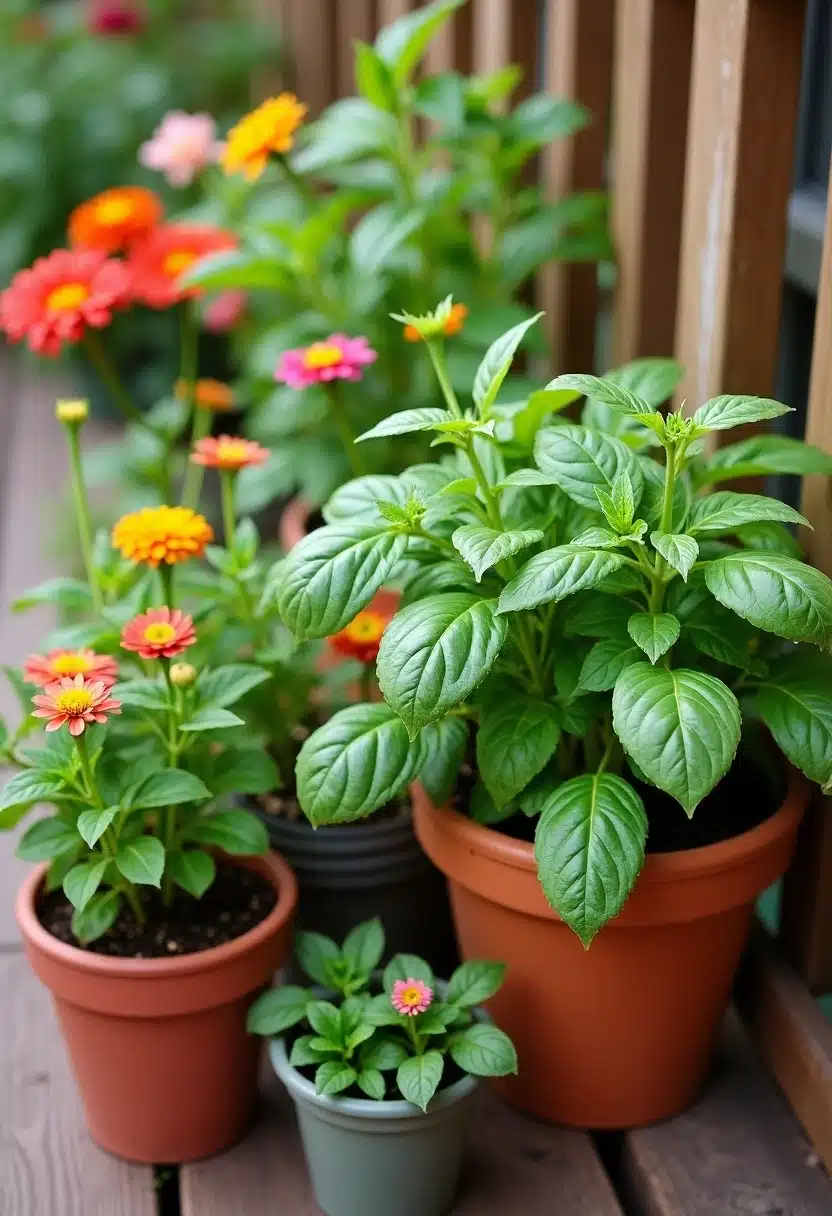
Harness the power of container gardening to maximize your small garden space. When selecting containers, opt for those that are lightweight yet durable, like plastic or resin options. These materials are easy to move and withstand weather changes. Terracotta pots offer a classic look but may require extra care in colder climates. Choose containers with adequate depth and width for your chosen plants.
Proper soil mix is crucial for healthy plants. Use a potting mix that’s well-aerated and specifically designed for container gardening. Ensure each container has adequate drainage holes to prevent root rot. Regularly check moisture levels, as confined spaces can dry out faster. Consider adding a layer of gravel or broken pottery at the bottom to enhance drainage.
Select plants suited for small spaces. Herbs like basil and cilantro thrive in containers, as do compact vegetables such as cherry tomatoes or peppers. For vibrant color, include flowers like marigolds or petunias. Rotate and reposition containers to ensure even sunlight exposure for your plants, keeping them lush and thriving year-round.
Tiered Planting
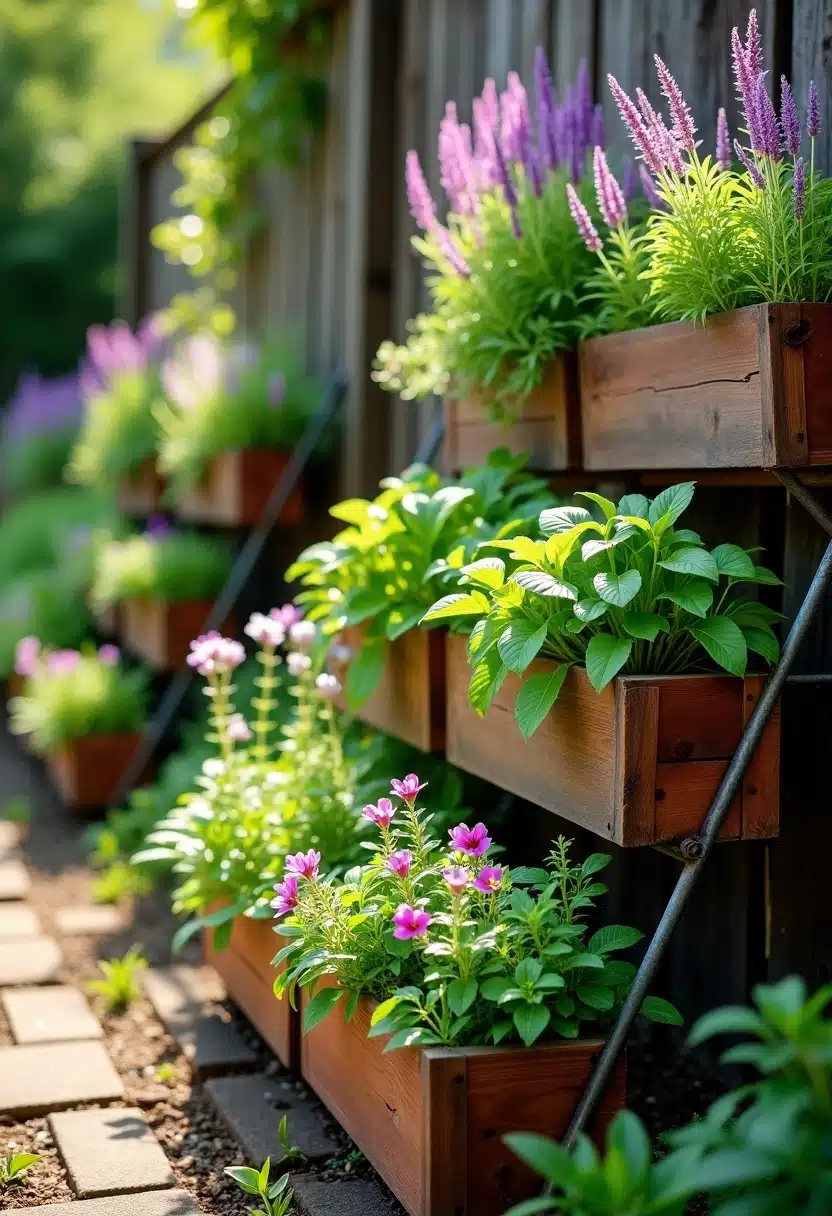
Are you maximizing every inch of your small garden? Tiered planting can revolutionize even the tiniest spaces by adding visual depth. This technique involves vertical layering, allowing you to grow a greater number of plants without clutter. Whether you decide to purchase or build your own tiered planters, you’ll soon discover how much they increase your garden’s capacity while creating a stunning visual display.
Consider tiered planting for herbs like basil and thyme on the lower level, while using the middle tiers for trailing plants like nasturtiums. Reserve the top levels for taller or more striking plants such as lavender or small ornamental grasses. This height variance not only maximizes space but also provides an interesting visual spectacle and practical functionality. Further enhance this effect by mixing different colors and textures among your plants.
Materials matter when building tiered planters. Wood is rustic and blends with nature, while metal is more modern and industrial. When choosing plants, think about the sun’s pattern across your garden, placing sun-loving plants on top and shade-lovers below. With thoughtful planning, tiered planting becomes an effective strategy to enhance any small outdoor area, seamlessly complementing other techniques like container gardening and compact furniture arrangements.
Compact Furniture
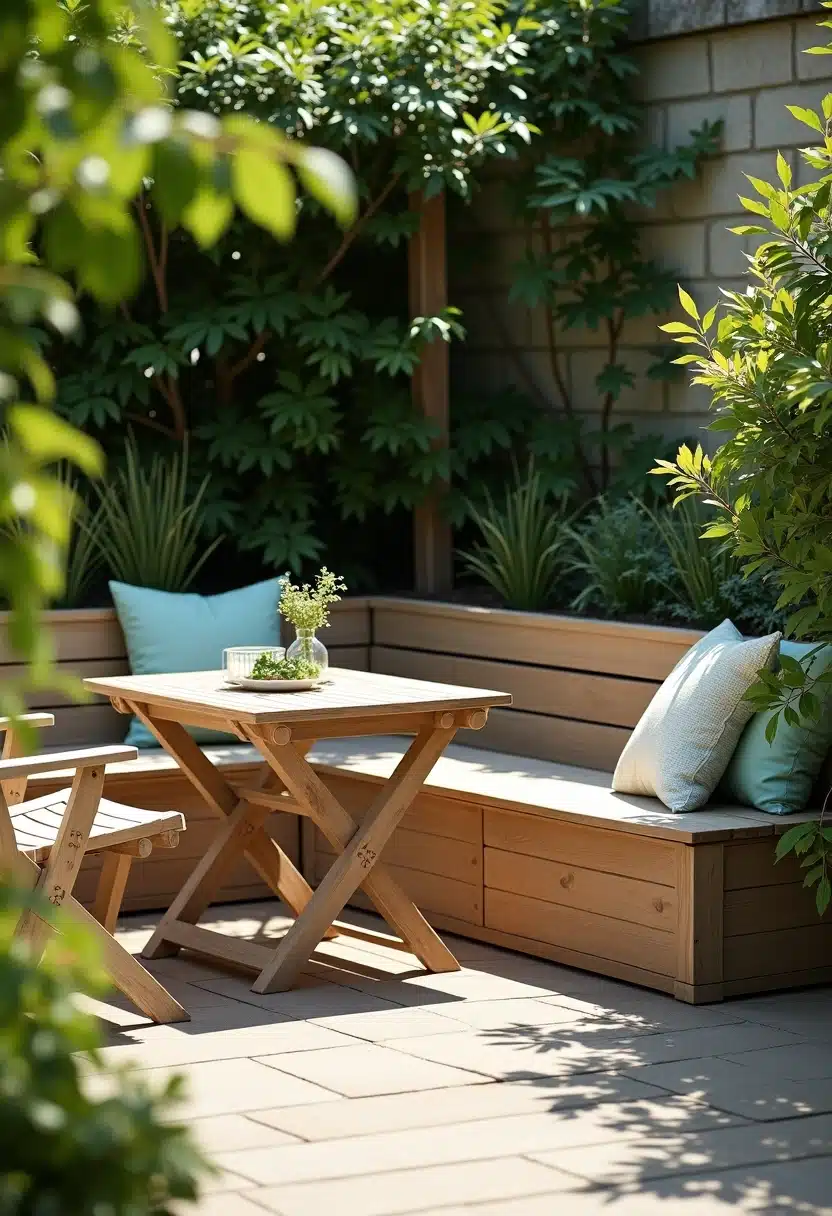
Maximize the functionality of your small garden by incorporating compact furniture that doesn’t overpower the space. Opt for foldable tables and chairs, which can be easily stashed away when not in use. These pieces offer flexibility, allowing you to create more room for movement during gatherings or when tending to your plants. Consider materials that are weather-resistant for longevity.
Multi-use benches are another smart choice for tiny gardens. They can serve as seating for guests while doubling as storage compartments for tools, cushions, or even small planters. This two-in-one approach keeps your space tidy and organized without compromising on comfort. Look for benches with a subtle design that complements your garden’s aesthetic.
Storage solutions that double as seating can seamlessly blend into the garden design. Think of outdoor ottomans with hidden compartments or low storage boxes that can serve as extra seating. These dual-purpose items provide functionality without cluttering the area, making them a valuable addition to any space-conscious garden strategy. Choose colors and textures that enhance the natural feel of your garden.
Mirrors for Illusion
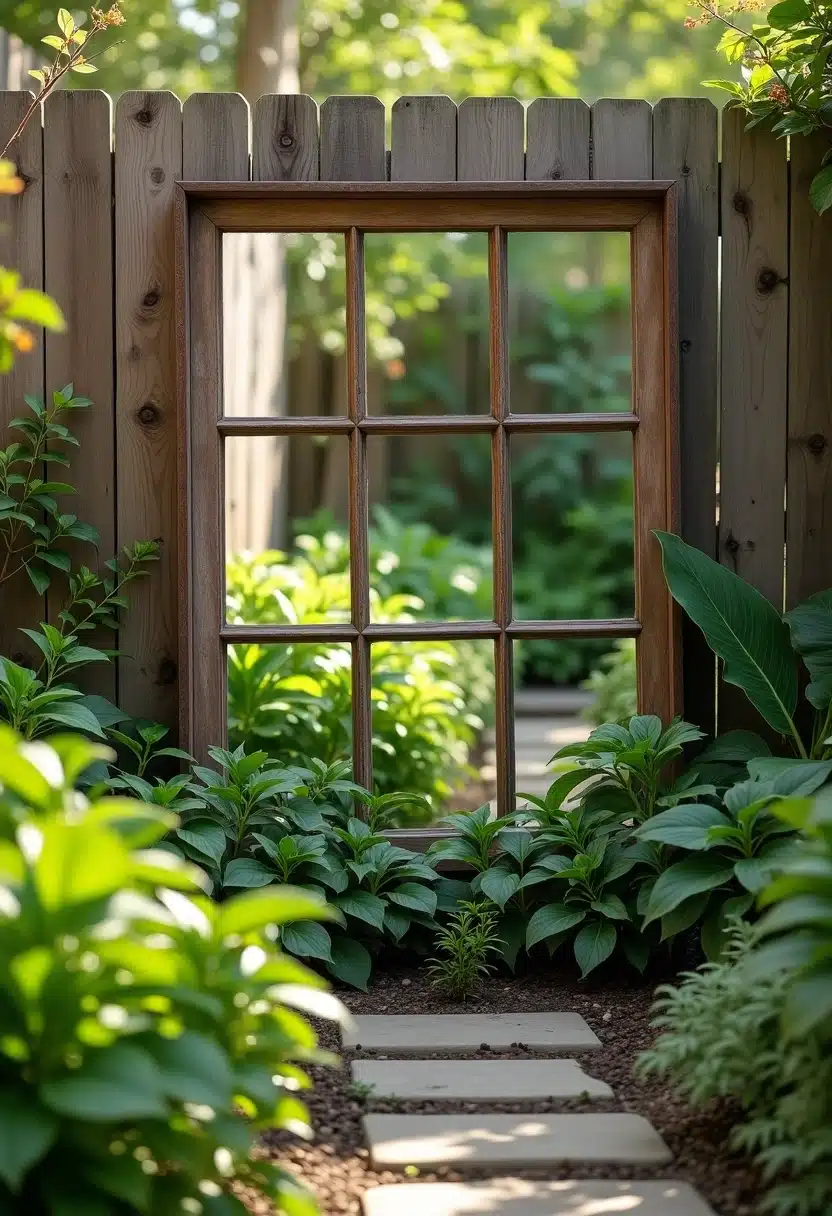
If you’re looking to amplify the sense of space in your tiny garden, mirrors can be a game-changer. By reflecting light and scenery, a well-placed mirror can double the greenery, making your garden feel more expansive. Choose mirrors that mimic window panes to create the illusion of doorways or garden extensions.
Placement is vital for maximizing the effect. Position mirrors where they can reflect existing plants or vistas. Hanging a mirror on a fence or wall can elongate the view. Size matters too; larger mirrors open up space more effectively. Consider weather-resistant styles that complement your outdoor decor for a seamless integration.
Mirrors come in various shapes and frames. Selecting a rustic frame adds charm, while a sleek, modern design offers a contemporary touch. Ensure the mirror style aligns with your garden’s aesthetic. By carefully choosing and placing mirrors, you can transform even the smallest garden into a more inviting, spacious retreat.
Color Schemes
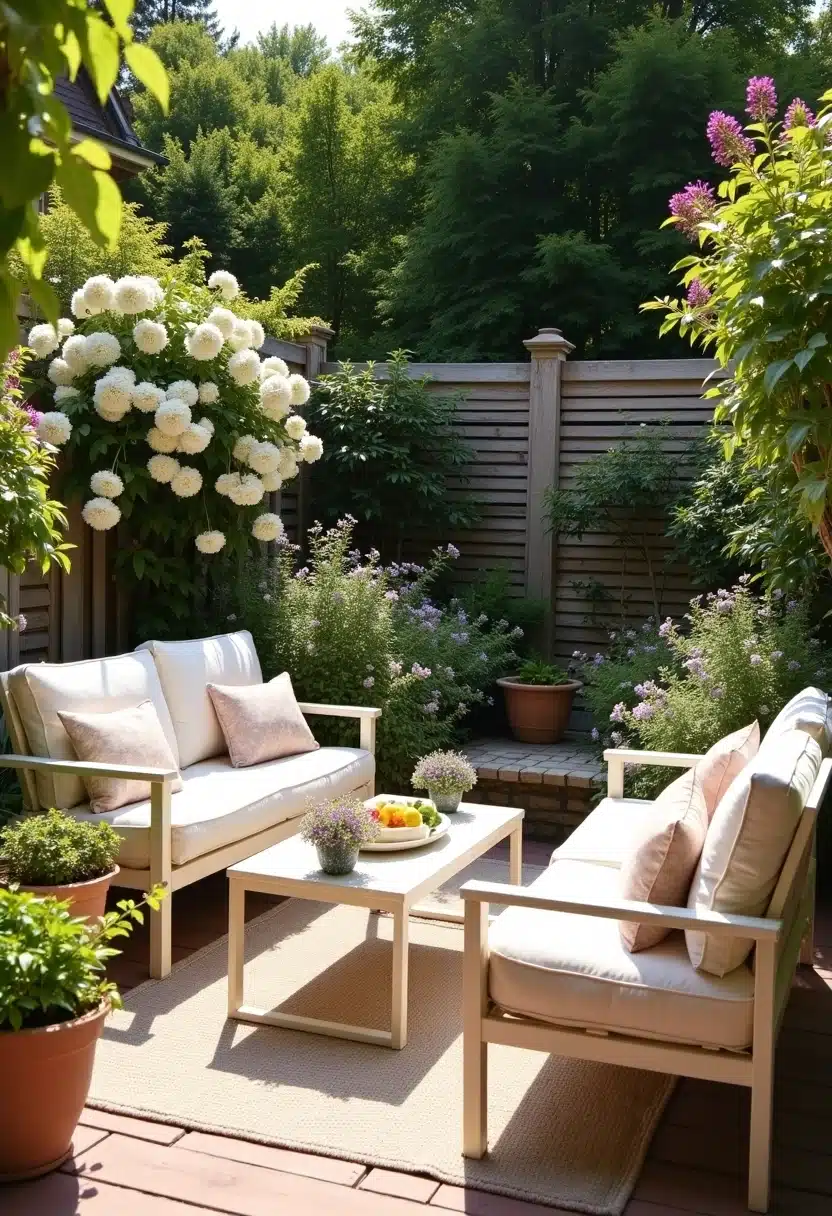
Color schemes play a vital role in maximizing a small garden. By choosing the right colors, you can create the illusion of a larger space. Go for lighter shades like pastels or creams to open up the area, while using darker tones to add depth to certain spots. Consider the surroundings and select colors that complement each other harmoniously.
Incorporate your chosen palette through plants, furniture, and decor. For example, use pale-colored flowers or leaves to brighten up corners. Pick furniture in similar tones to ensure cohesion. Add decorative elements like cushions or pots in vibrant hues to inject personality. This strategic use of color pulls the entire garden together.
To further enhance the perception of space, select materials and finishes in matching colors. Opt for metal or wooden furniture painted in your chosen palette. You can also use outdoor rugs to define different zones while staying within your color scheme. These thoughtful touches make your small garden both spacious and stylish.
Foldable and Stackable Options
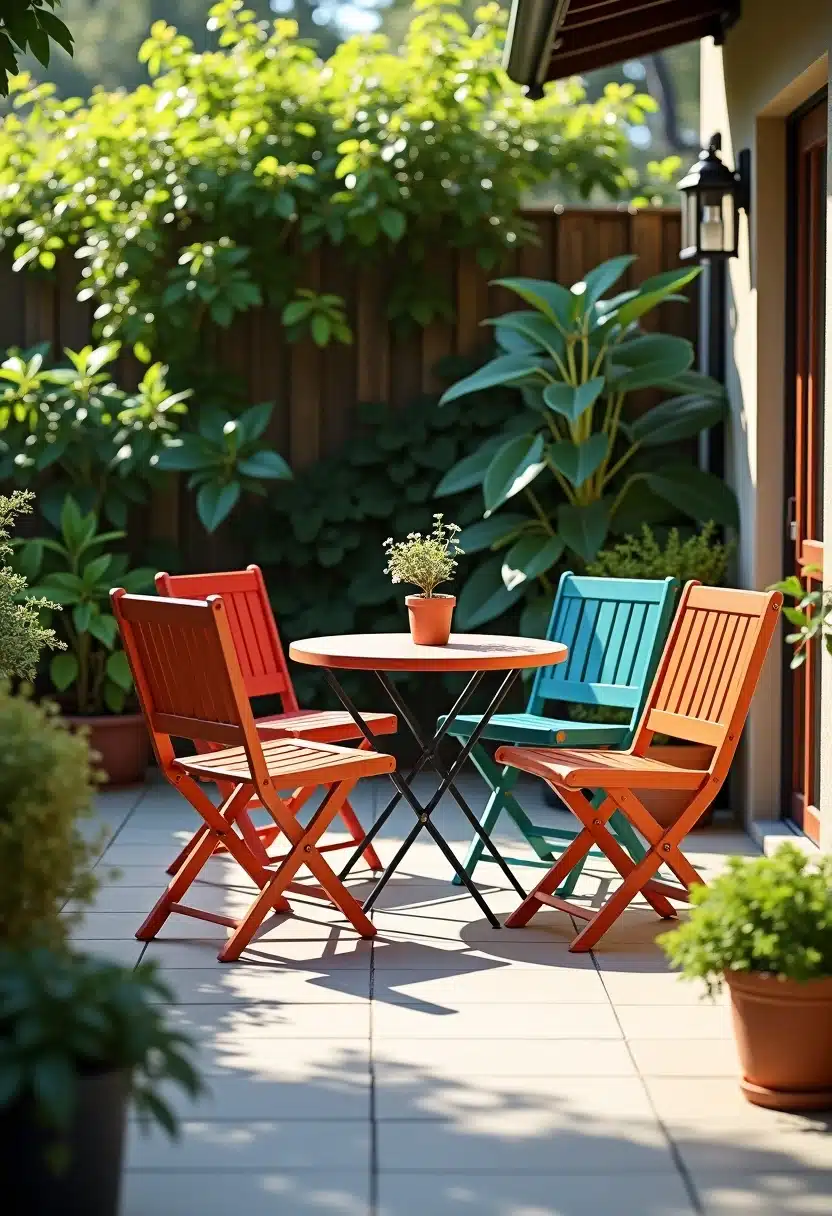
Foldable and stackable garden furniture are game-changers for small spaces. Their adaptability allows you to quickly transition your garden setting. They cater to everything from unwinding alone to hosting a lively gathering. These pieces maximize space by stashing away effortlessly when not in use. They provide flexibility that static furniture can’t offer.
Choose from a variety of designs that suit your style, whether it’s a minimalist foldable bistro set or stackable chairs in vibrant hues. Invest in pieces made from durable materials like metal or treated wood to ensure they withstand outdoor elements. Their compact nature makes them ideal for storing in a shed or under a deck between uses.
Consider investing in multi-functional items such as tables with integrated storage. Look for clever features like built-in recline options or adjustable height settings. These pieces offer extra utility for diverse activities in your garden. Enjoy chic, space-saving furniture that keeps your outdoor area versatile and ready for any occasion.
Lighting Solutions
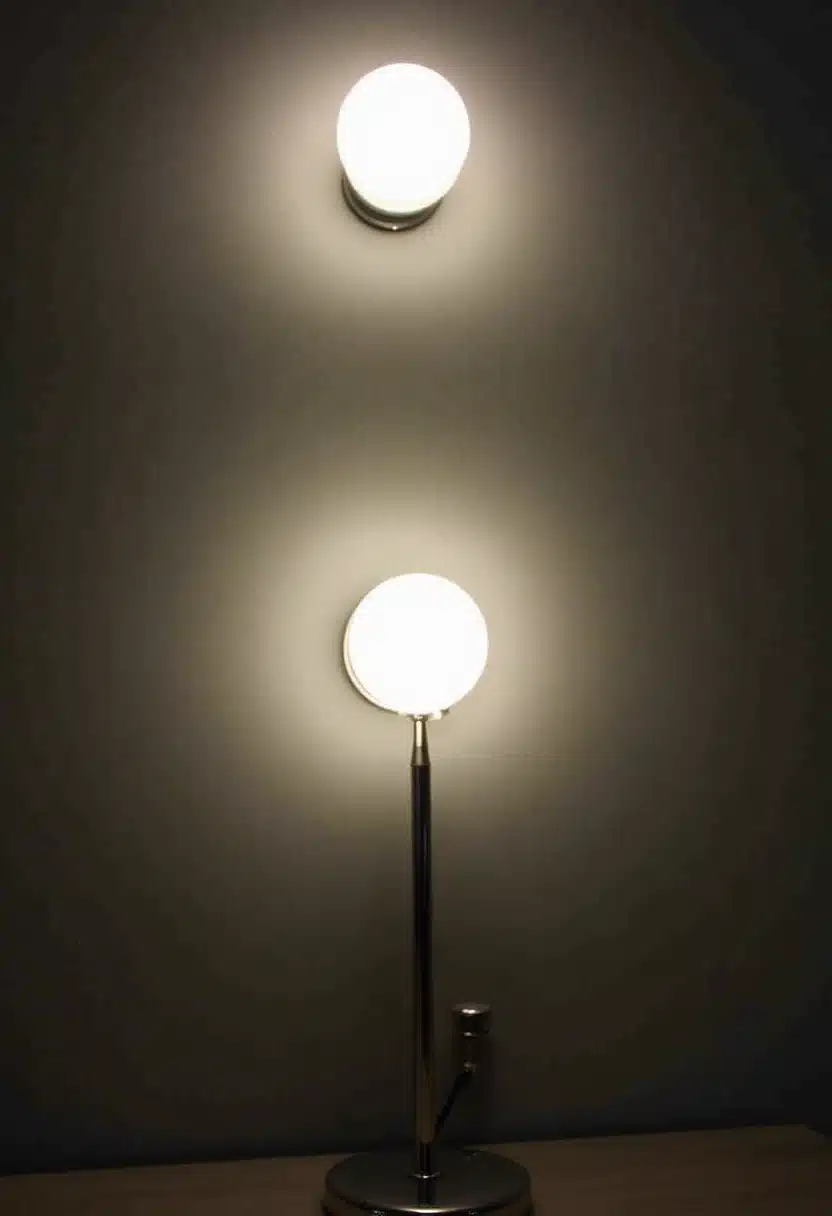
In tiny gardens, proper lighting can transform your outdoor space into a cozy sanctuary. It’s not just about visibility; it’s about creating a warm, inviting atmosphere. Consider solar lights, which are eco-friendly and save energy costs. They can be strategically placed along pathways or around seating areas, providing both functionality and an enchanting glow.
String lights are another versatile choice. They can be draped across a small garden to add charm and ambiance. Opt for warm white or soft yellow bulbs to create a sophisticated look. Meanwhile, lanterns add a rustic touch; they can be hung from tree branches or placed on tables to enhance the garden’s depth.
Each type of lighting brings unique attributes to your little garden. Combining different light sources creates layers, adding visual interest and highlighting specific areas of your garden. This thoughtful illumination strategy enhances the garden’s ambiance, making it a welcoming space for evening relaxation or a small gathering with friends.
Water Features
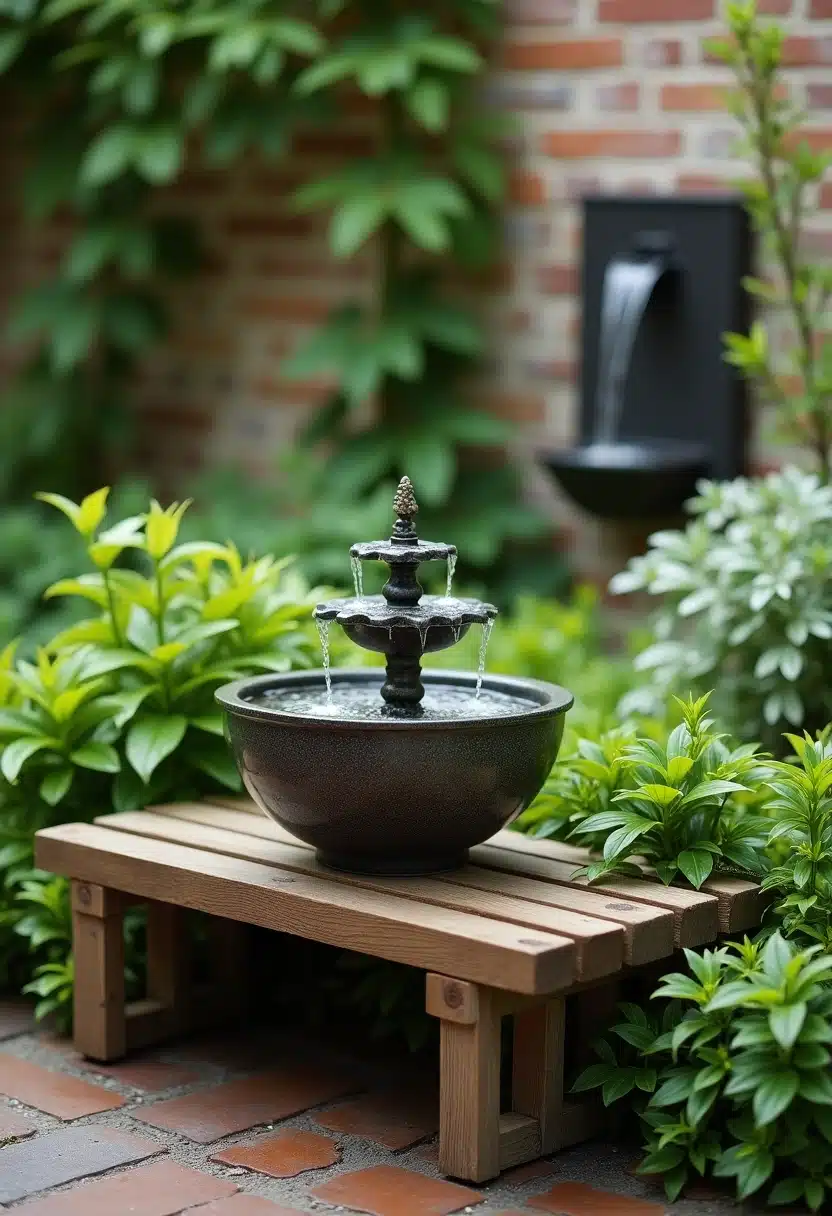
Incorporating water features into a small garden can transform it into a serene oasis. Compact options like tabletop fountains are perfect for limited space, offering the soothing sound of flowing water. These fountains can be placed on a small table or bench, adding a calming presence without overwhelming your garden area. They’re both practical and stylish, enhancing the ambiance significantly.
Wall-mounted water features are another excellent choice for tight gardens. They utilize vertical space efficiently, leaving precious floor space free for other design elements. These features often come in various designs, allowing you to choose one that suits your garden’s style. They create a focal point, adding both visual interest and the gentle sound of trickling water.
Edible Gardens

Transforming a small garden into a productive space is possible with an edible garden. Start by choosing herbs like basil, thyme, and oregano, which thrive in compact containers or vertical gardens. Small vegetables such as cherry tomatoes and radishes can also fit well in limited areas. By incorporating edibles, you create a practical yet beautiful garden that appeals to both the eyes and the palate.
Consider using raised beds or wall-mounted planters to optimize space. This allows you to grow a variety of produce without overcrowding. Edible plants can double as decorative elements, with vibrant colors and lush greenery enhancing the garden’s aesthetic. Strategically mix these elements to create a cohesive layout, ensuring utility doesn’t compromise style.
To maintain a thriving edible garden, employ efficient watering techniques and regular pruning. Companion planting can support growth and deter pests naturally. With attention to placement and plant selection, even small gardens become miniature farms, offering fresh ingredients right at your doorstep. Embrace the potential of your tiny space by growing your own food.
Use of Textures
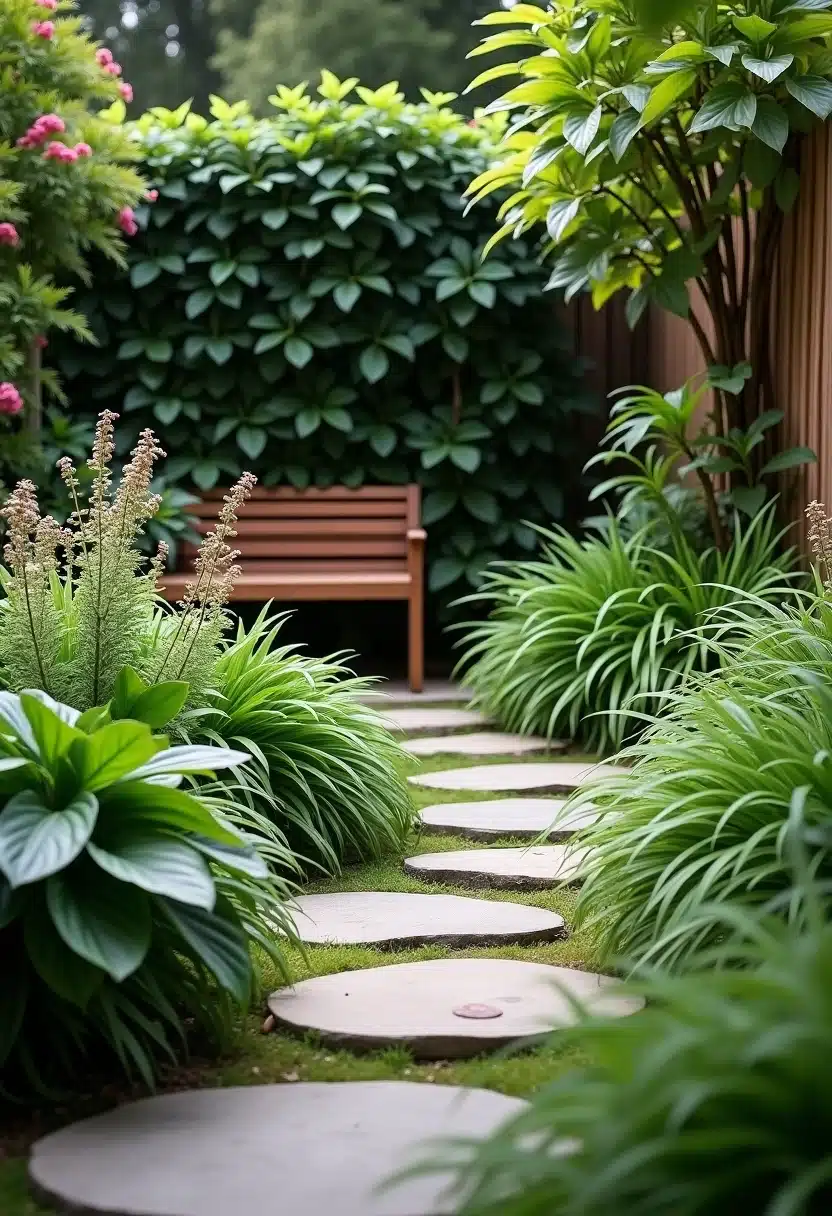
In a tiny garden, utilizing different textures can make a massive impact by adding depth and interest. Mixing various leaf shapes creates visual intrigue, transforming limited spaces into lush environments. Consider combining wide hosta leaves with fine ferns for contrast. Such diversity draws the eye to multiple layers, making the area feel larger than it actually is.
Interweaving textured elements like stone pathways and wooden accents further enriches your space. Stone, in particular, offers a natural and grounding effect when paired with soft grass or delicate blooms. Wooden features such as benches or raised beds bring warmth. These tactile contrasts not only beautify but also enhance the garden’s overall ambiance, giving it a layered, dynamic feel.
Multi-Level Decking
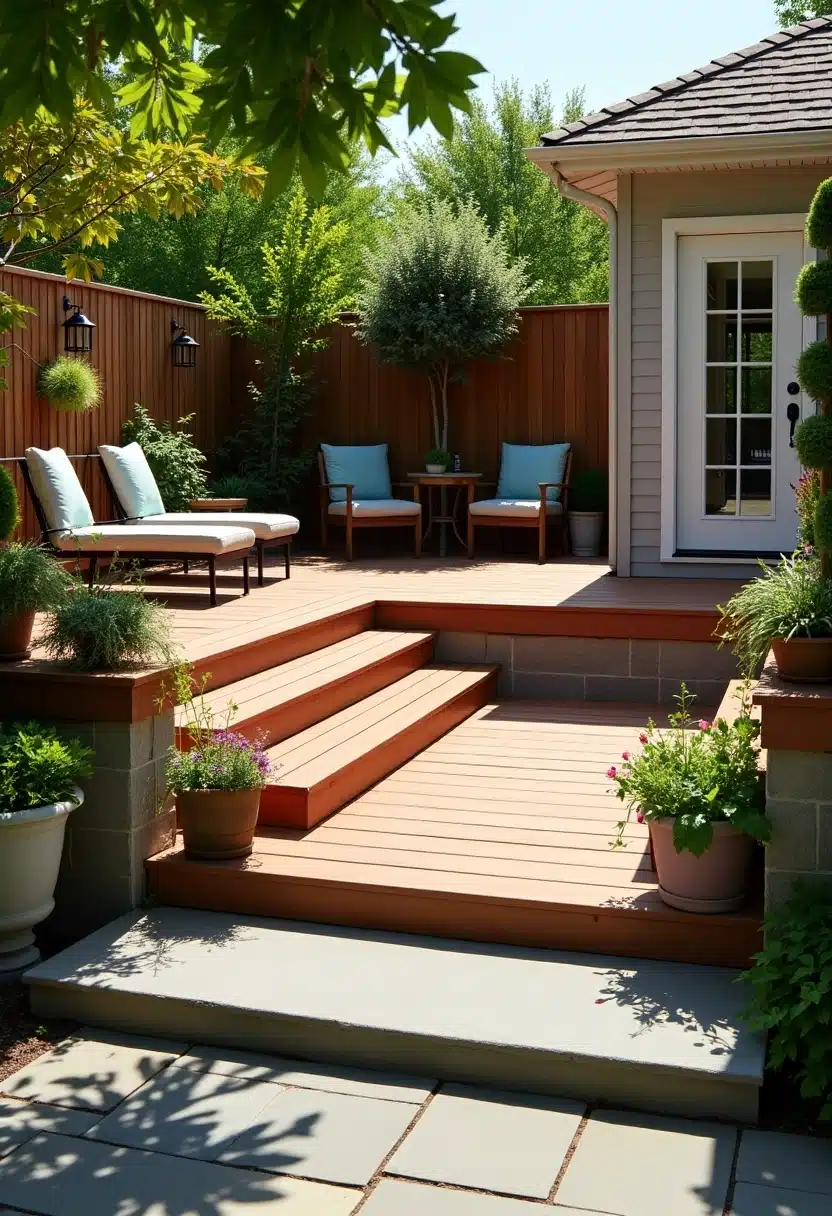
Explore the potential of multi-level decking to redefine your small garden into functional and distinct areas. By incorporating various levels, you can create designated spots for relaxation, dining, or even a miniature herb garden. This approach helps in utilizing vertical space efficiently, giving the sense of a larger, more organized garden without compromising aesthetics.
Start with a basic layout sketch to decide where each level would fit best, considering sunlight and privacy. Materials like wood, composite, or stone can be mixed for an engaging visual appeal. Remember to make use of railings or planters that double as visual and utility elements. By elevating your space in layers, you allow a fluid transition from one garden zone to another.
A carefully crafted multi-level design can transform the simplest of garden areas into a series of intimate environments. Each platform serves as a unique room with its purpose, enhancing both function and allure. Think of adding a small fountain or seating area on different levels to further diversify the experiences within the space.
Bold Focal Points

Creating bold focal points can transform a tiny garden, making it appear more expansive and dynamic. By introducing sculptures, large planters, or colorful art pieces, you can capture attention and add depth. A striking centerpiece not only draws the eye but also creates a conversational element, enhancing the overall ambiance of your outdoor space.
Consider experimenting with different textures and materials to add a layer of interest. Incorporate metallic finishes, vibrant ceramics, or rustic wooden sculptures. The key is choosing pieces that reflect your personal style. Situating these focal points strategically within your garden can effectively guide the viewer’s gaze across different areas, giving an impression of a larger, more interconnected space.
While being mindful of space, ensure these elements don’t overwhelm. Instead, they should complement the natural surroundings. Pairing focal points with existing greenery or contrasting them against a neutral backdrop can heighten their impact. As you blend these pieces into your design, you’re not just maximizing your garden’s aesthetic appeal, but redefining your outdoor living experience too.
Shade Solutions
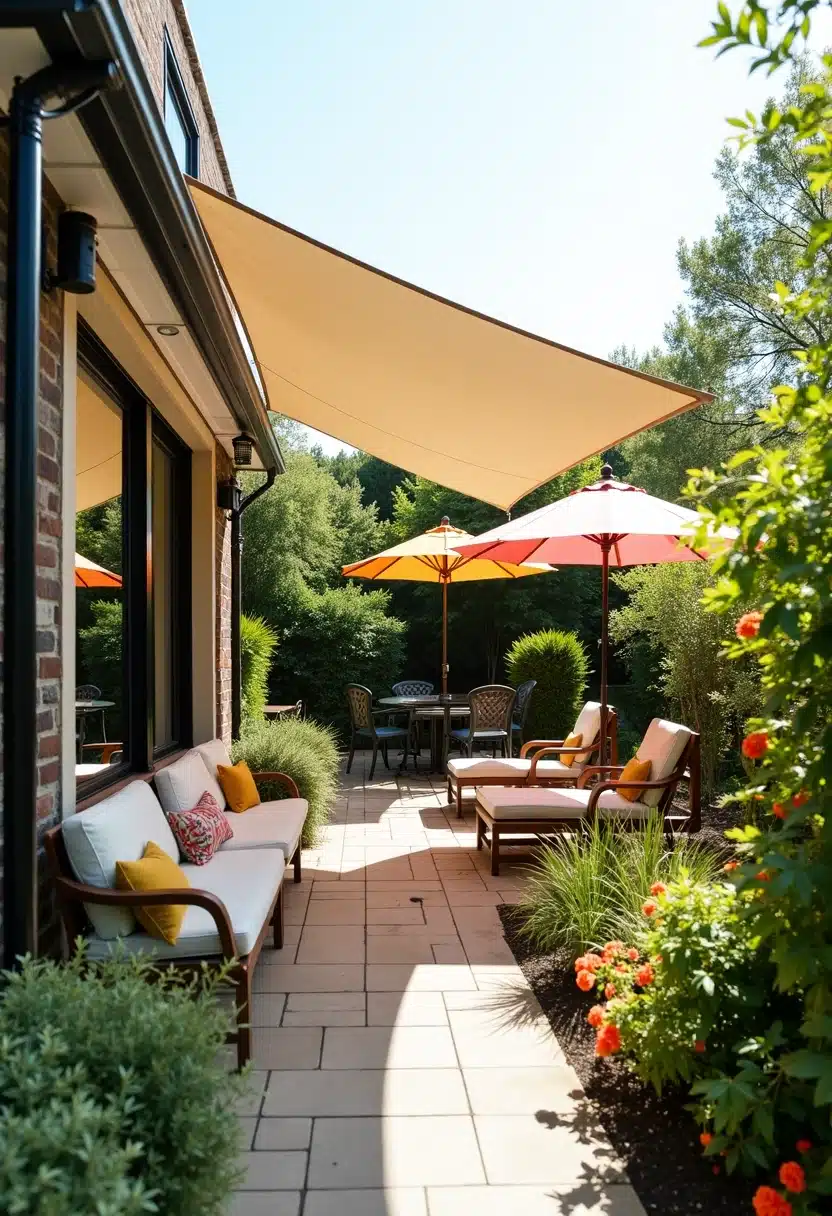
Creating shade in a compact garden doesn’t have to mean sacrificing space. Retractable awnings are an excellent choice, offering flexibility and relief from the sun when needed. They can be adjusted or retracted depending on the weather, making them ideal for those unpredictable sunny days. This way, you keep the garden open and bright when you want and shaded when you don’t.
Shade sails are another innovative option to consider. They are lightweight and easily attachable to surrounding structures, providing partial or full coverage without overwhelming your garden space. Small umbrellas can also be strategically placed to offer instant shade. These can be easily moved or adjusted, allowing you to shift your garden’s layout and design.
Each of these solutions provides effective sun protection while maintaining a stylish look within your tiny garden. Whether you choose awnings, sails, or umbrellas, customizing with patterns or colors can enhance your garden’s aesthetic appeal, making it a cool and inviting oasis.
Climbing Plants
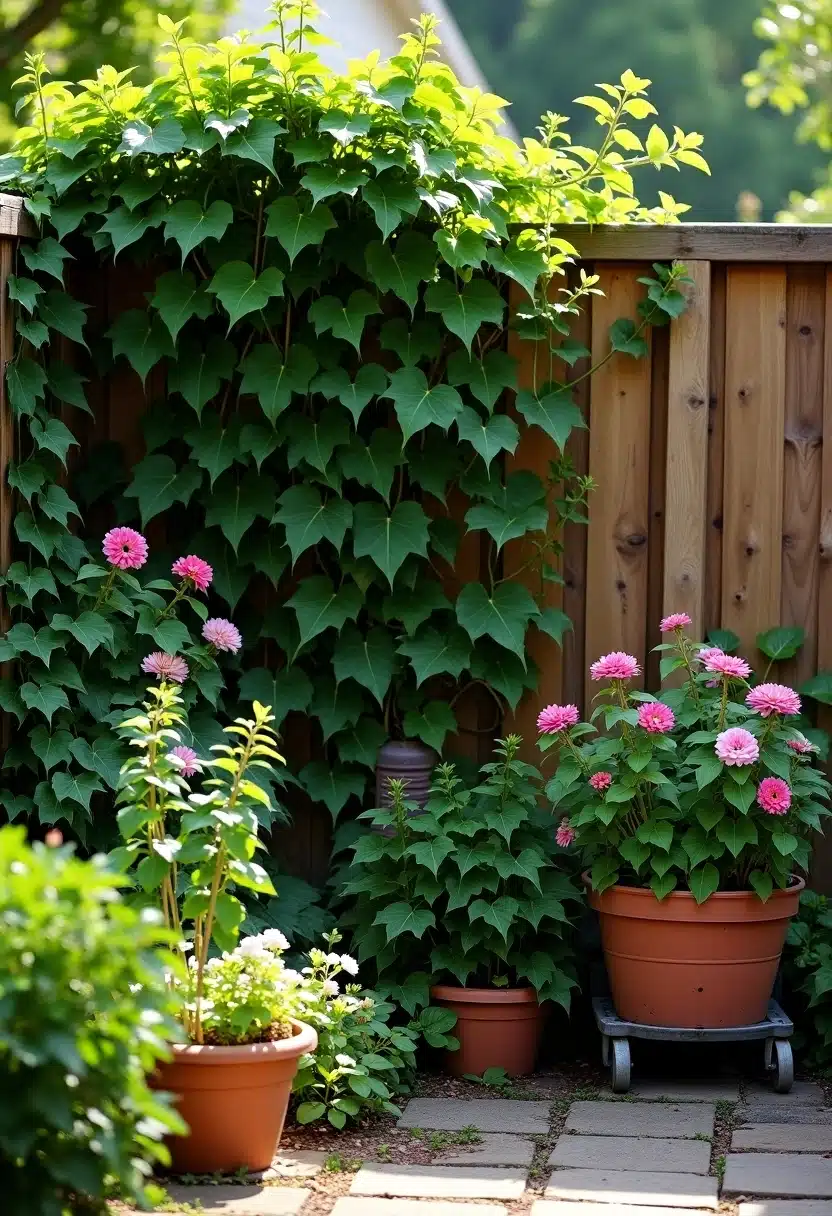
Climbing plants are a wonderful way to make the most of a small garden, as they maximize vertical space. They transform bare walls and fences into lush, green landscapes, bringing a touch of nature without encroaching on the ground. Consider varieties like clematis, ivy, or jasmine, which thrive in vertical growth. These plants not only add aesthetic appeal but can also create a sense of privacy in your garden oasis.
For those looking to add color, climbing roses or bougainvilleas are excellent choices. They offer vibrant blooms and eye-catching hues, making them a striking feature. If you’re aiming for a more functional element, species like grapevines or passion flowers can even produce edible fruit, adding yet another layer of utility to your garden.
Integrating climbing plants into your garden design provides both beauty and functionality. They can soften the harshness of manmade structures, enhance your garden’s depth, and even provide shade. This solution not only saves space but also enriches the texture and life of your outdoor area. Consider pairing them with portable planters in your layout to bring an extra dimension to your small garden.
Portable Planters
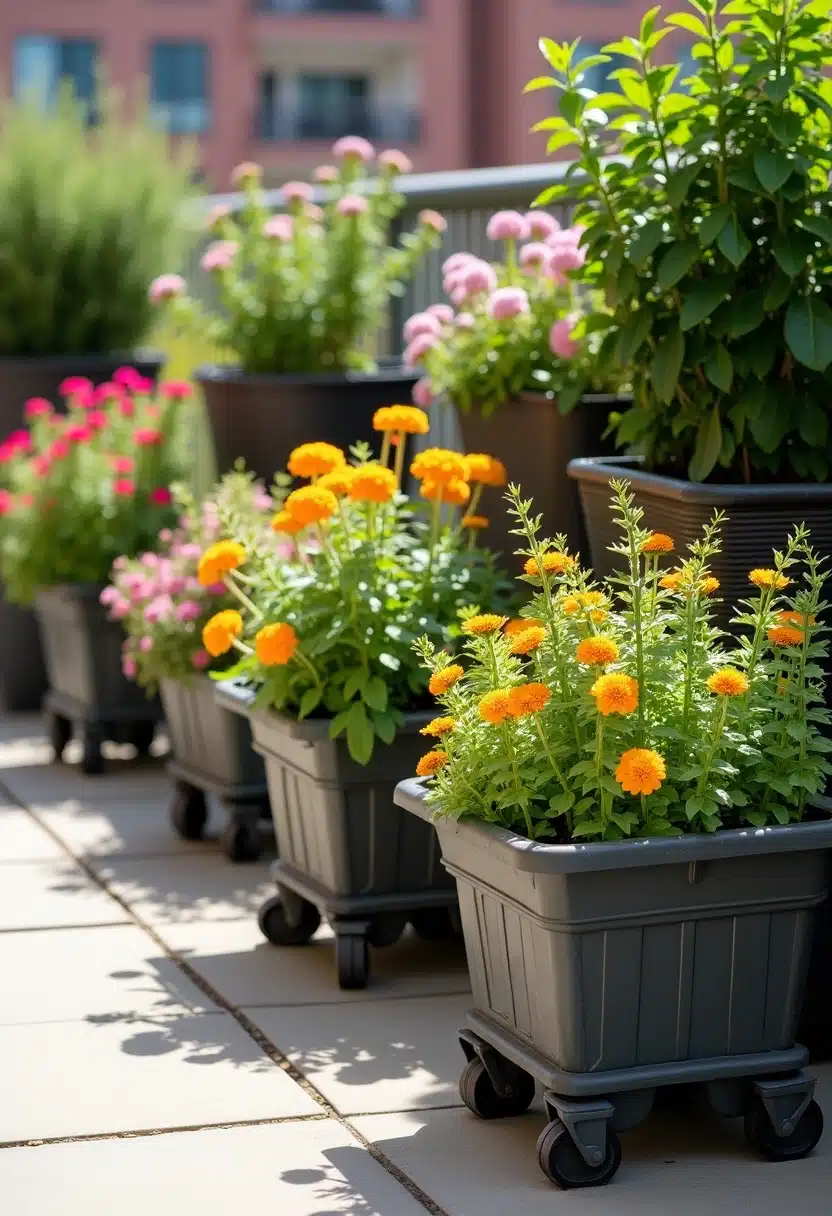
Using portable planters is a smart way to enhance flexibility in a small garden. These mobile units allow you to change your garden layout with ease, accommodating new plants or adjusting to seasonal changes. This adaptability lets you experiment with different plant placements, finding the optimal sun exposure or aesthetic arrangement without the hassle of a complete redesign.
Portable planters make it simple to transform your outdoor space at a moment’s notice. Whether you’re hosting a gathering or seeking a fresh backdrop, you can swiftly rearrange these planters to create a dynamic environment. This ease of transformation makes portable planters a valuable asset in maintaining a small yet versatile garden that suits your evolving needs.
For those in urban settings, the convenience of portable planters cannot be overstated. They offer the flexibility to bring greenery to unconventional areas, such as balconies or rooftops. Additionally, you can create zones within your garden to reflect different moods or purposes, all while managing space effectively.
Minimalist Design
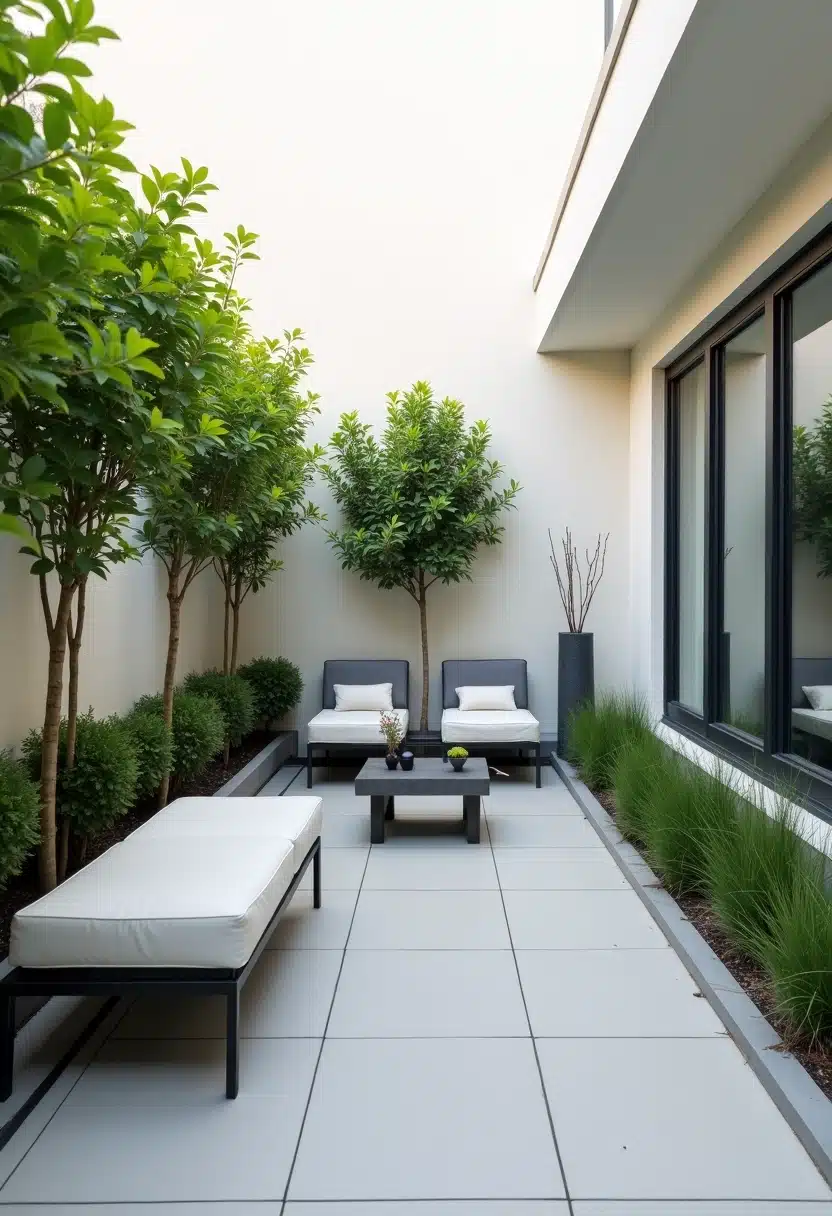
Embracing a minimalist design can transform your tiny garden into a serene oasis. By focusing on the essential elements, you create a sense of space and organization. Start by decluttering; remove any unnecessary items that might crowd your space. Opt for quality over quantity—choose a few striking pieces that serve a purpose and perfectly complement your garden’s aesthetic.
To maintain a clean and open feel, stick with a neutral color palette and simple lines. This approach helps the garden feel expansive and uncluttered. Incorporate multifunctional items, like seating with storage or planters that double as decorative pieces. This doesn’t just save space; it adds to the garden’s clean, cohesive look, drawing the eye seamlessly throughout the area.
Minimalism also requires regular maintenance to keep your space looking fresh. Prune plants consistently and sweep away leaves or debris. Ensuring that each element in your garden has a designated place helps maintain clarity and order. By adopting these practices, you foster an environment where each chosen detail stands out, making the garden feel more harmonious and spacious.
Zoning Techniques
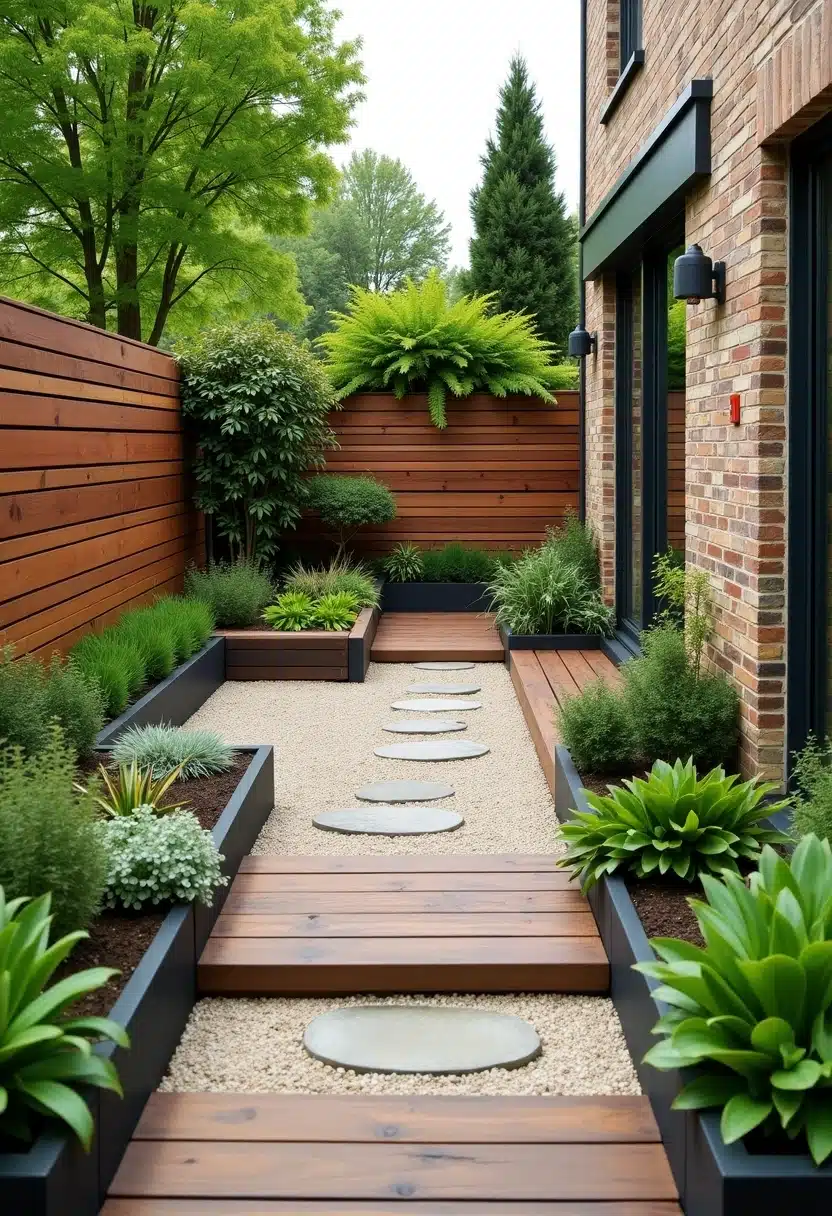
Zoning in a tiny garden can transform it into a versatile and inviting space. By segmenting your garden into distinct areas for dining, gardening, and relaxation, you can make the most out of every square foot. Think about using different materials, such as stone, wood, or gravel, to define each zone. This not only adds structure but also visually separates the areas, enhancing functionality.
Playing with different colors can also be a game-changer in your zoning strategy. Consider painting a fence or using planters in varying shades to create boundaries. Don’t forget elevation changes, like raised beds or steps, to differentiate sections subtly and artistically. These techniques can make your garden feel like several connected worlds, providing diverse experiences in a unified space.
Reflective Surfaces
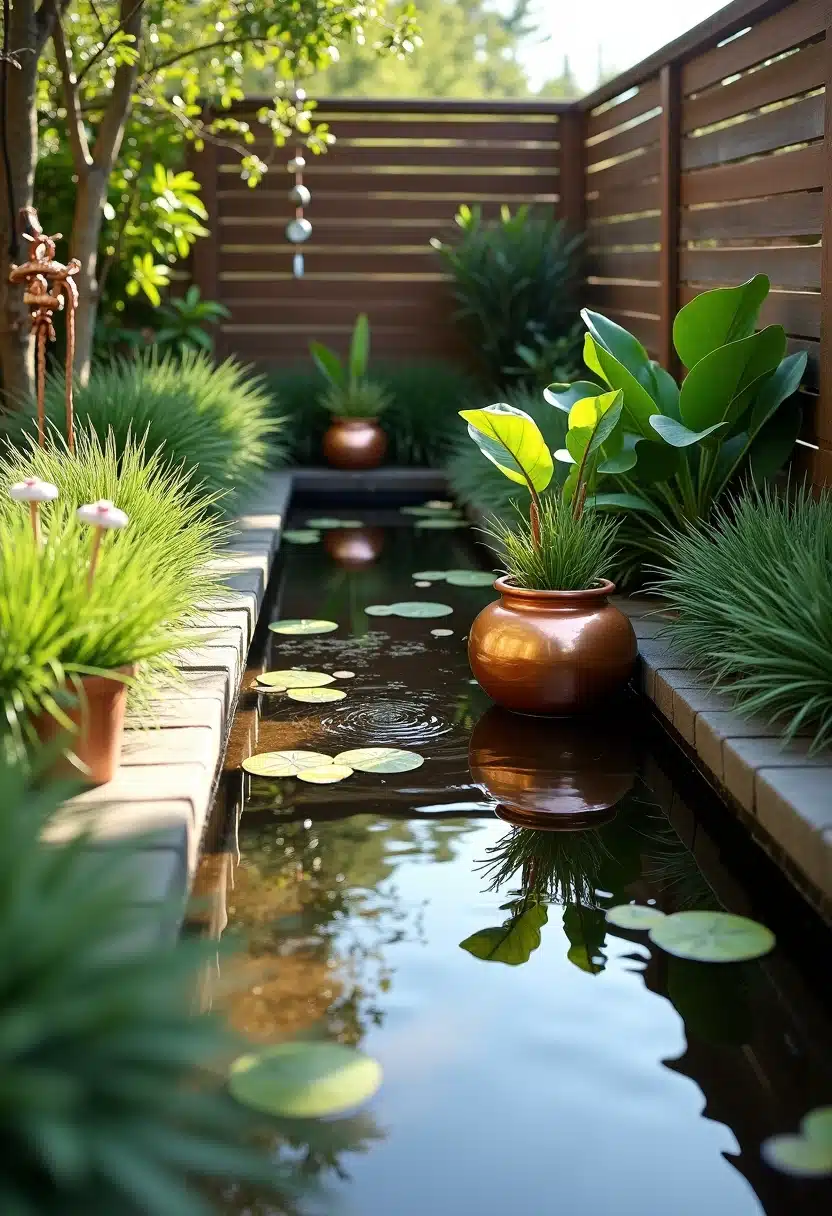
Incorporating reflective surfaces can skillfully enhance the natural light in your small garden, boosting its sense of space. Reflective features like mirrors cleverly positioned can amplify light and bounce it around, making a tiny area seem more expansive.
Choosing garden pieces with reflective qualities adds dimension. Consider metallic decor items like statues or wind chimes. Water features with mirror-like surfaces can reflect the sky and surround plants, creating a stunning visual effect. These elements together can lead to an open atmosphere, transforming a confined space into a vibrant garden oasis.
Utilizing reflective pots is another way to amplify light. They can brighten darker corners and help distribute sunlight throughout the garden. This not only aids plant growth but also subtly draws the eye around your entire space, weaving a cohesive and open feel.
Seasonal Plant Rotation
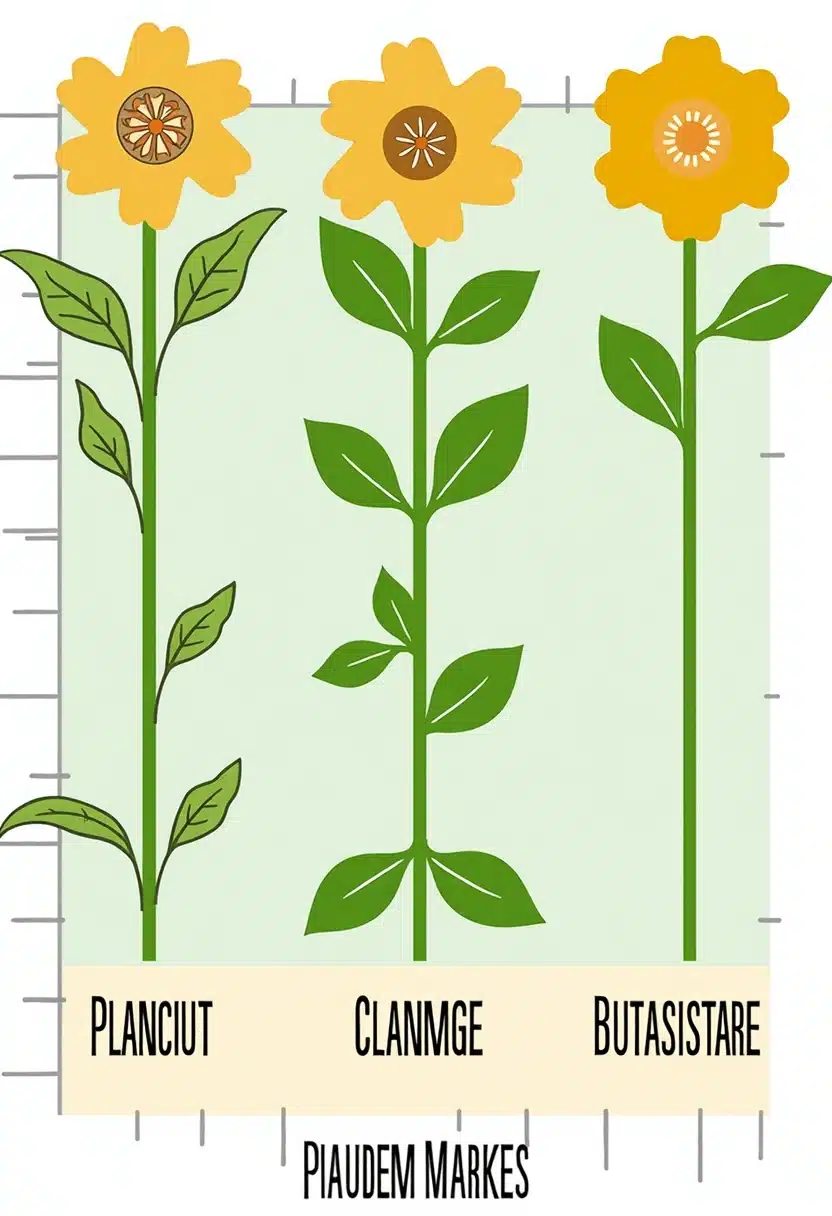
Seasonal plant rotation is a brilliant way to keep your tiny garden lively and ever-changing. By selecting plants that flourish in different seasons, you can ensure your garden remains beautiful year-round. Start by researching which plants thrive during specific times. For example, spring blooms like tulips and daffodils can be followed by summer sunflowers and autumn mums, creating a continuous display of nature’s beauty.
When transitioning between seasons, timing is key. It’s crucial to remove the previous season’s plants before introducing the new ones. This not only gives fresh plants enough space to grow but also helps in maintaining soil health. Watch for signs like wilting or yellowing leaves indicating it’s time for a change. Consider using portable containers to make the transitions smoother and less time-consuming.
Try adopting a rotation system that suits your lifestyle. Use a simple table like the one below to plan your plant choices throughout the year. This allows you to anticipate flowering times and ensures your garden doesn’t miss a beat.
| Season | Plant Suggestions |
|---|---|
| Spring | Tulips, Daffodils |
| Summer | Sunflowers, Lavender |
| Autumn | Mums, Asters |
| Winter | Pansies, Holly |
Hanging Gardens
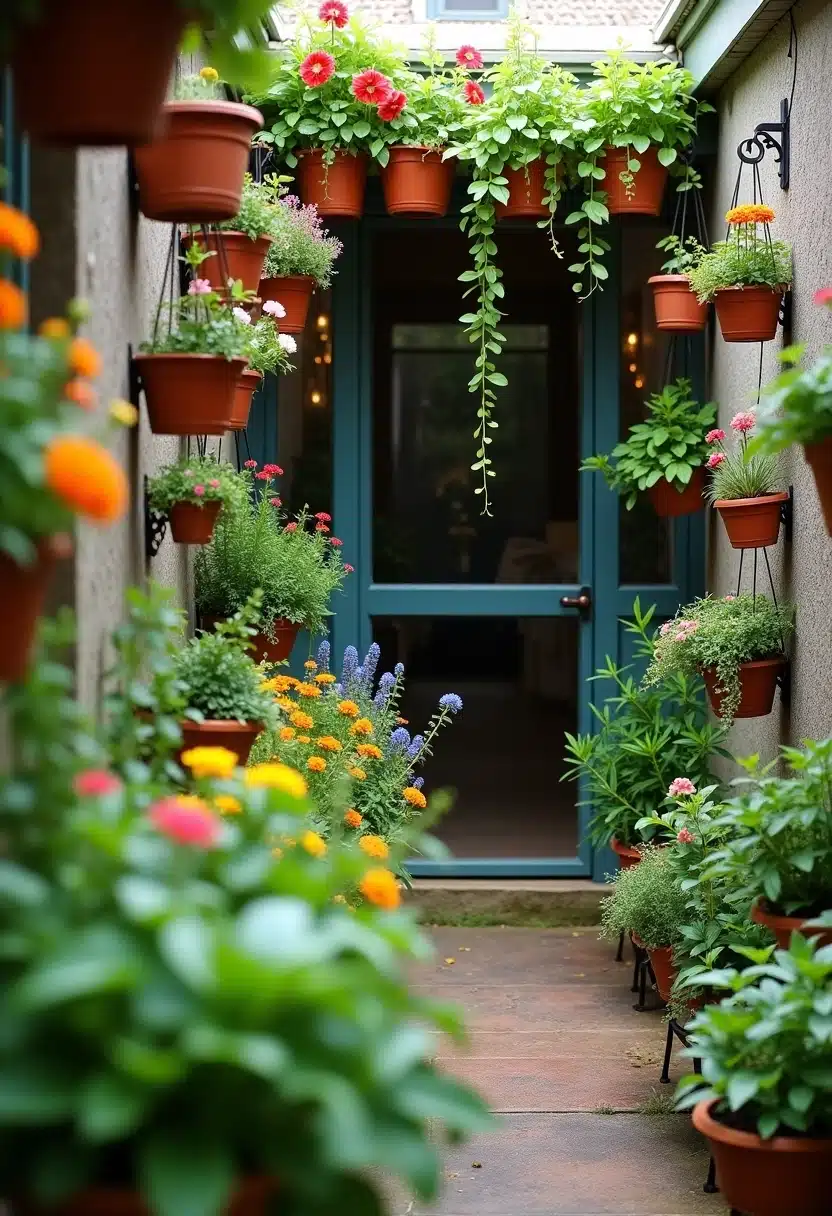
Hanging gardens bring the magic of vertical gardening to life, using minimal floor space while creating a lush display. Imagine vibrant hanging baskets filled with cascading flowers or herbs, adding a splash of color and fragrance overhead. These can be strategically placed at varying heights to create depth and dimension, transforming a tiny garden into a lively sanctuary.
Consider investing in vertical wall pockets or planters for a more structured installation. These clever solutions can turn any bare wall into a botanical gallery, perfect for small herbs, succulents, or even strawberries. They allow you to experiment with textures and colors, providing a dynamic and ever-changing visual experience as your plants grow.
For those willing to think above and beyond, ceiling-mounted planters offer an innovative way to incorporate greenery. These planters provide a splendid opportunity to turn ceilings into a verdant canopy, making even the smallest garden feel like an immersive natural retreat. Light yet sturdy, different shapes and materials are available to suit any aesthetic preference.
Windbreaks and Privacy
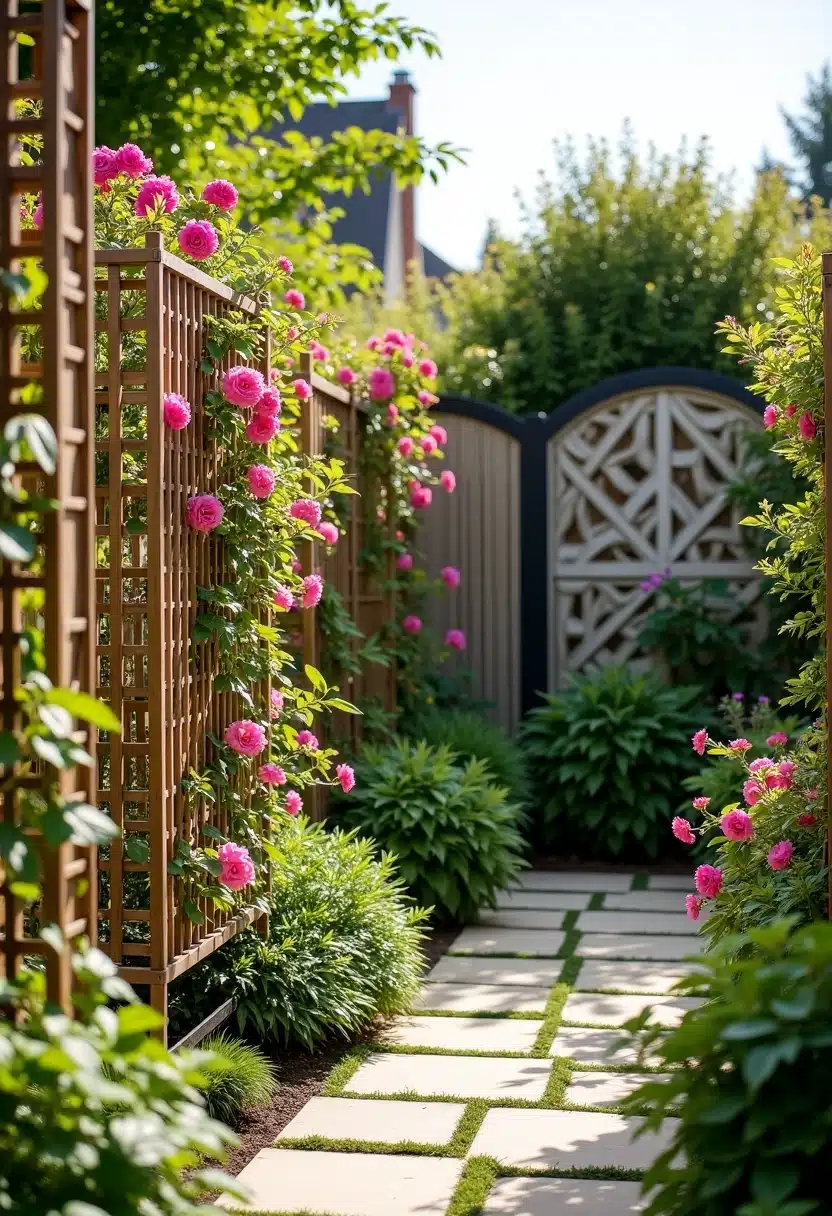
If you’re looking to add both wind protection and some privacy to your small garden, consider these clever solutions. Trellises with climbing plants not only create a natural barrier but also infuse your garden with vibrant colors and textures. Opt for plants like ivy or climbing roses which will thrive and create lush coverings over time. This approach maximizes vertical space without compromising on beauty.
For a more contemporary look, bamboo screens are another excellent option. They are lightweight, durable, and offer a natural feel that complements any garden aesthetic. Bamboo grows quickly, making it a sustainable choice, and it provides coverage that can be both dense and decorative. Pair bamboo screens with low-maintenance greenery for a seamless integration into your space.
Decorative panels can add an artistic touch to your garden while serving practical purposes. Available in various designs, materials, and sizes, they can be used as stand-alone features or combined with greenery for added effect. Infuse personality into your garden while maintaining functionality with stylish panels that reflect your personal taste without encroaching on valuable floor space.
DIY Space Savers
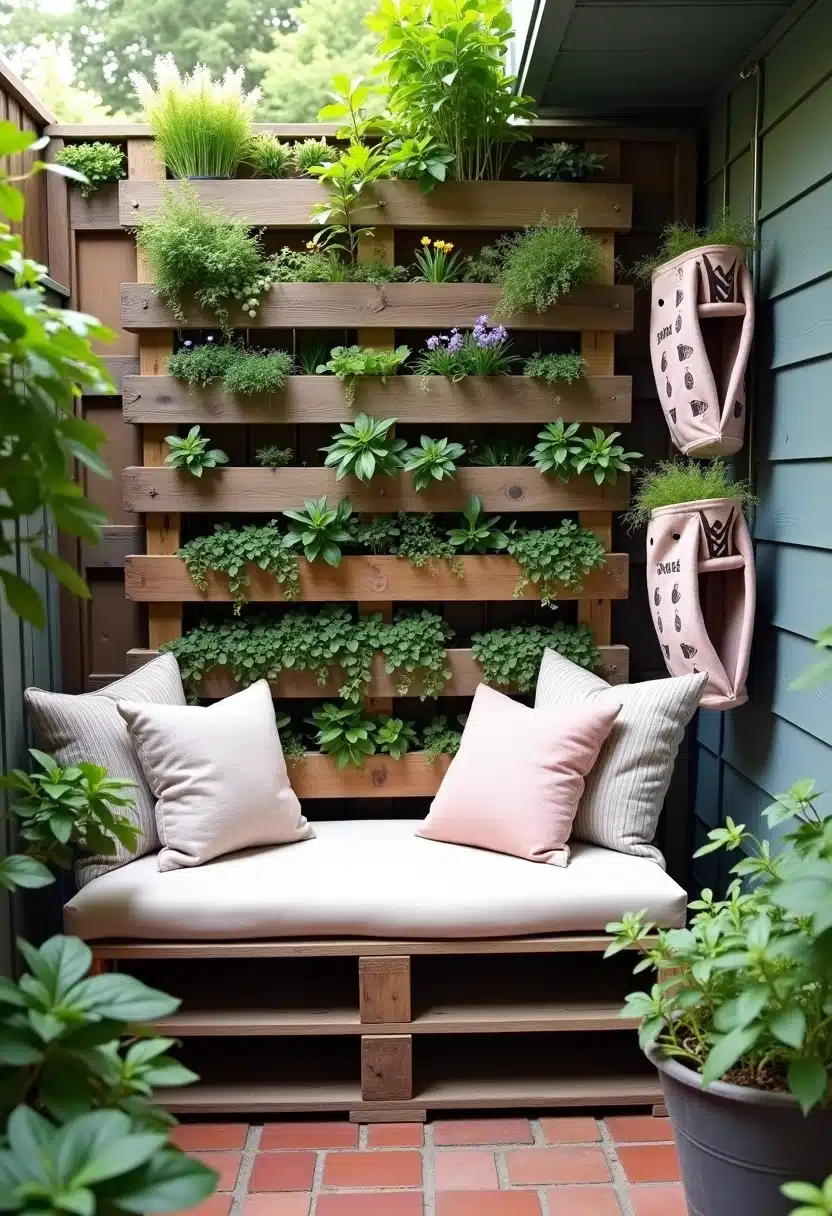
Embrace your creativity with DIY projects that maximize garden space. Recycled pallet planters are a perfect start. With a few nails and a fresh coat of paint, pallets transform into rustic, space-efficient planters. Stack them vertically to blend functional design with charm, making them ideal for growing herbs or flowers.
Craft a vertical garden to add greenery without compromising space. Use materials like fabric shoe organizers or wooden frames for a personalized touch. These structures not only showcase plants beautifully but also make the most of vertical surfaces. They’re great for adding a splash of color to otherwise unused spaces.
Construct custom-built storage benches to solve both seating and storage issues. These benches are perfect for stashing garden tools while providing a cozy spot to relax. Personalize them with cushions to add style and comfort, leveraging every inch of your small garden wisely.
Compact Greenhouses
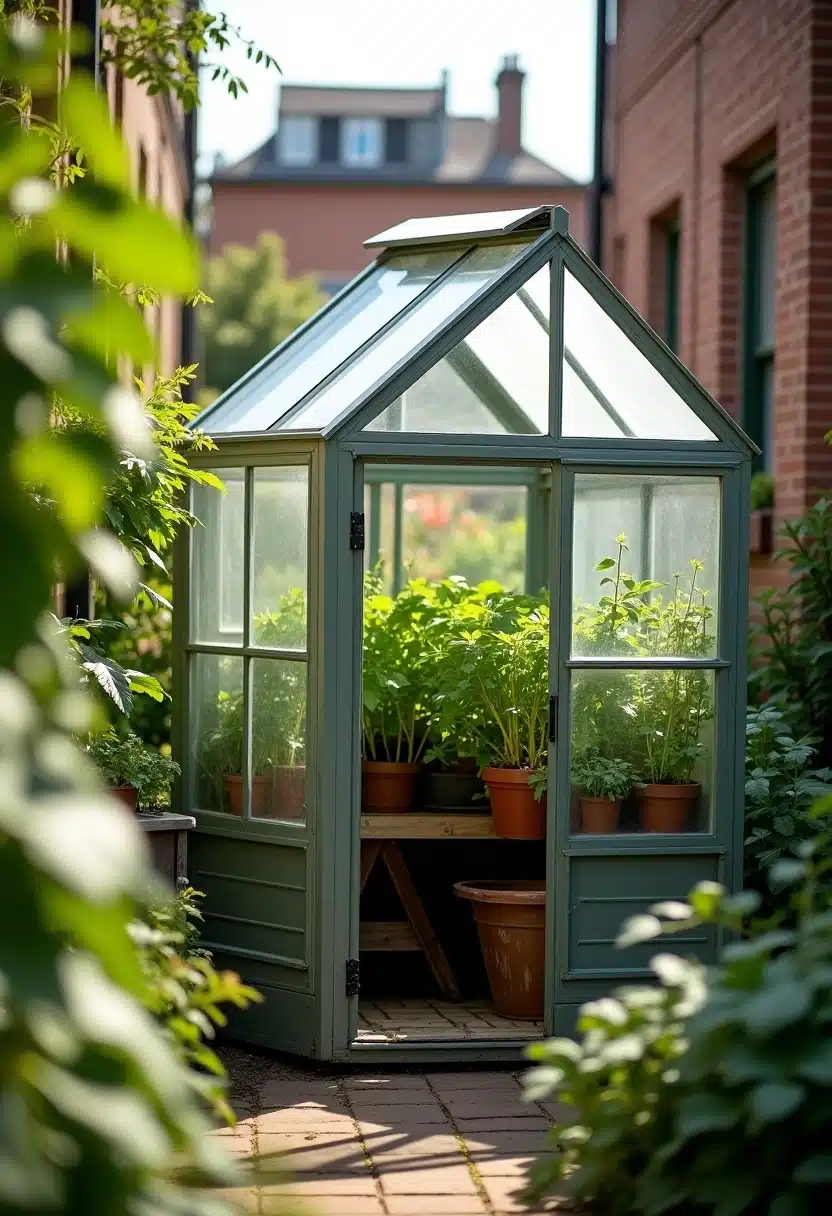
In a small garden, a compact greenhouse can be a lifesaver. These petite structures not only extend your growing season but also shield your plants from harsh weather. Whether you’re nurturing herbs or veggies, having sheltered space enhances your yield. Look for models that fit snugly into a corner or balcony, utilizing vertical space without overwhelming your limited area.
Setting up a mini greenhouse doesn’t have to be complicated. Choose a spot with ample sunlight and consider easy-to-assemble kits. Remember to ventilate properly to prevent overheating. Maintaining your greenhouse is minimal, but periodic cleaning ensures your plants thrive. These greenhouses allow you to experiment with different plant varieties, making the most out of your compact garden.
Smart Storage Solutions
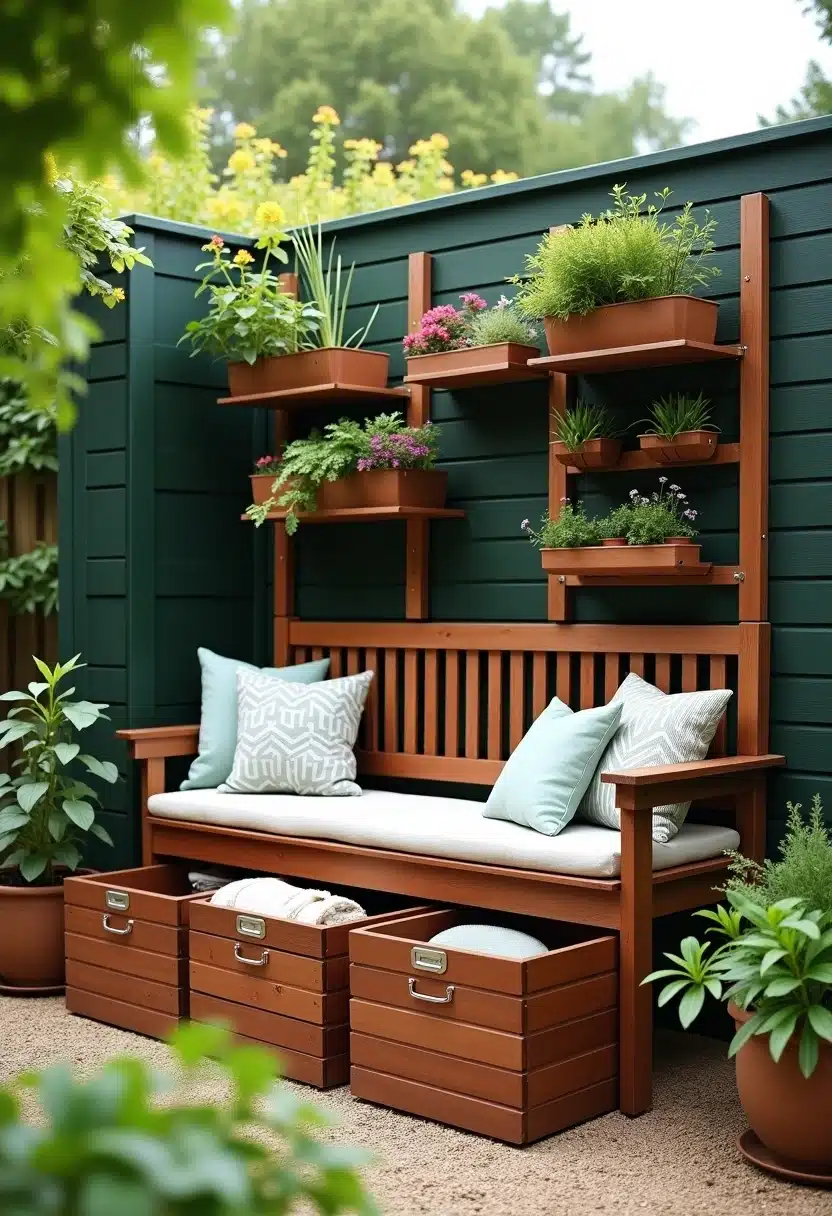
Maximizing storage in a tiny garden can be a game-changer. Consider using hidden storage units like benches with under-seat compartments or wall-mounted solutions that keep tools and supplies organized and out of sight. These options offer a sleek look, reducing clutter. By integrating storage into your furniture, you maintain a tidy space without compromising aesthetics.
Multi-functional furniture is another great way to utilize your garden area. Think about tables with foldable sides or seating that doubles as storage chests. These pieces offer practicality, allowing you to keep essential items nearby without sacrificing space. Creative shelving options, such as vertical shelves or ladder-style units, add flair while providing accessible spots for potted plants or garden tools.
Keep in mind that creative shelving can transform empty walls into practical displays. Opt for weather-resistant materials to ensure durability. You can even customize your shelves to match the garden’s theme or your personal style. By considering these smart storage solutions, you effectively manage your space while enhancing the overall appearance of your garden.
Utilizing Corners

Transforming overlooked garden corners into functional spaces can make a big difference in how a small garden feels. Incorporating corner planters adds lush greenery, creating a vertical garden effect that maximizes the area. These planters not only use the space efficiently but also turn empty corners into vibrant focal points.
Consider adding a cozy seating nook by tucking a small bench or chair into a corner. This becomes a serene retreat for enjoying a book or cup of tea. Use weather-resistant cushions for comfort and style. Adding a small table can further enhance this inviting corner by providing a spot for personal items.
Utilize pathways to connect corner features with the rest of the garden. Stepping stones or a gravel path can guide visitors to these charming areas, adding flow to the space. By strategically linking corners with seating and planters, you create an efficient and enjoyable garden layout that feels cohesive and welcoming.
Eco-Friendly Practices
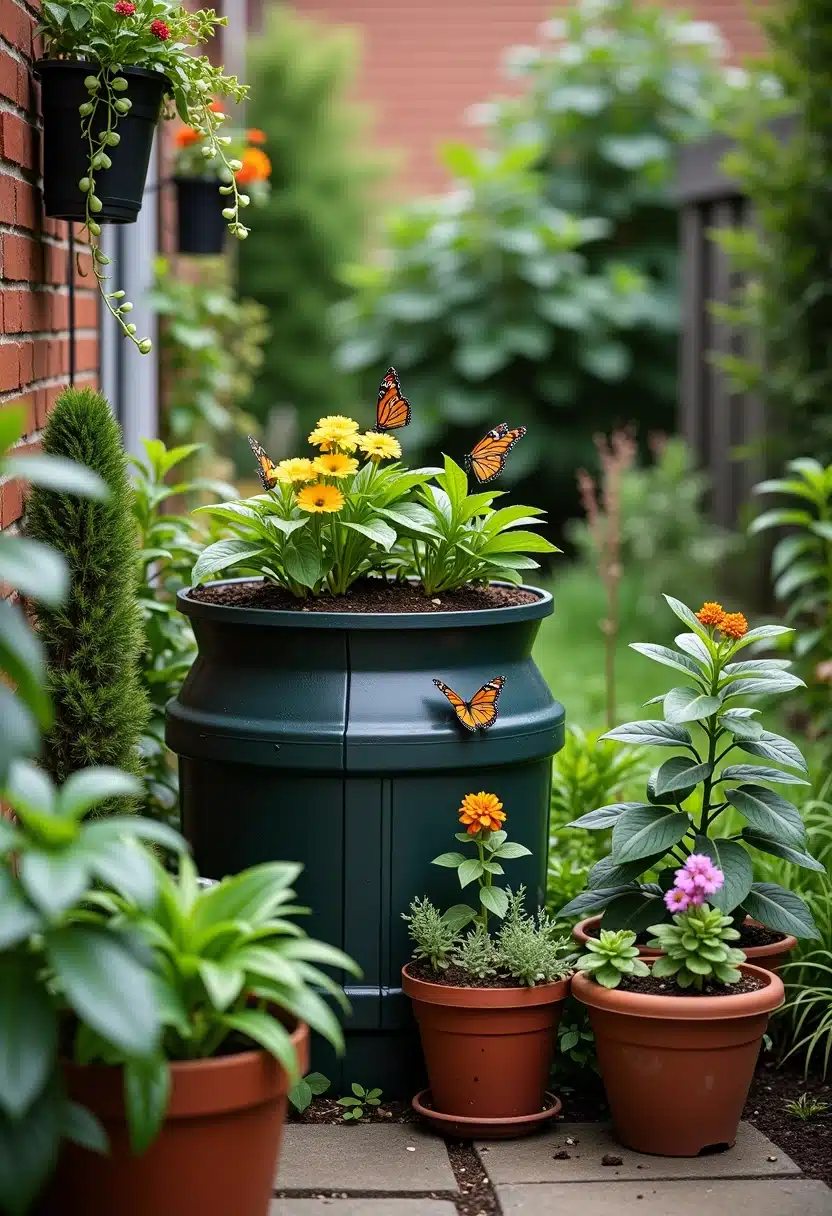
In your quest to make the most of a small garden, integrating eco-friendly practices can work wonders. Start by setting up a simple composting system. You can use a compact bin or even a small pile to turn kitchen scraps and garden waste into nutrient-rich compost. This not only reduces waste but also enriches soil, promoting healthier plant growth.
Another way to incorporate sustainability is rainwater collection. Install a rain barrel to capture runoff from your roof. This provides an ample water supply for your plants, reducing dependency on municipal water and conserving precious resources. Opting for sustainable materials such as recycled pots or eco-friendly planters also contributes to a greener footprint.
Choosing the right plants is crucial in ecological landscaping. Go for native varieties that are adapted to your local climate. They require less maintenance and water, making them perfect for a small garden setting. Additionally, they attract local wildlife, enhancing the biodiversity of your little oasis.
Artful Plant Arrangements
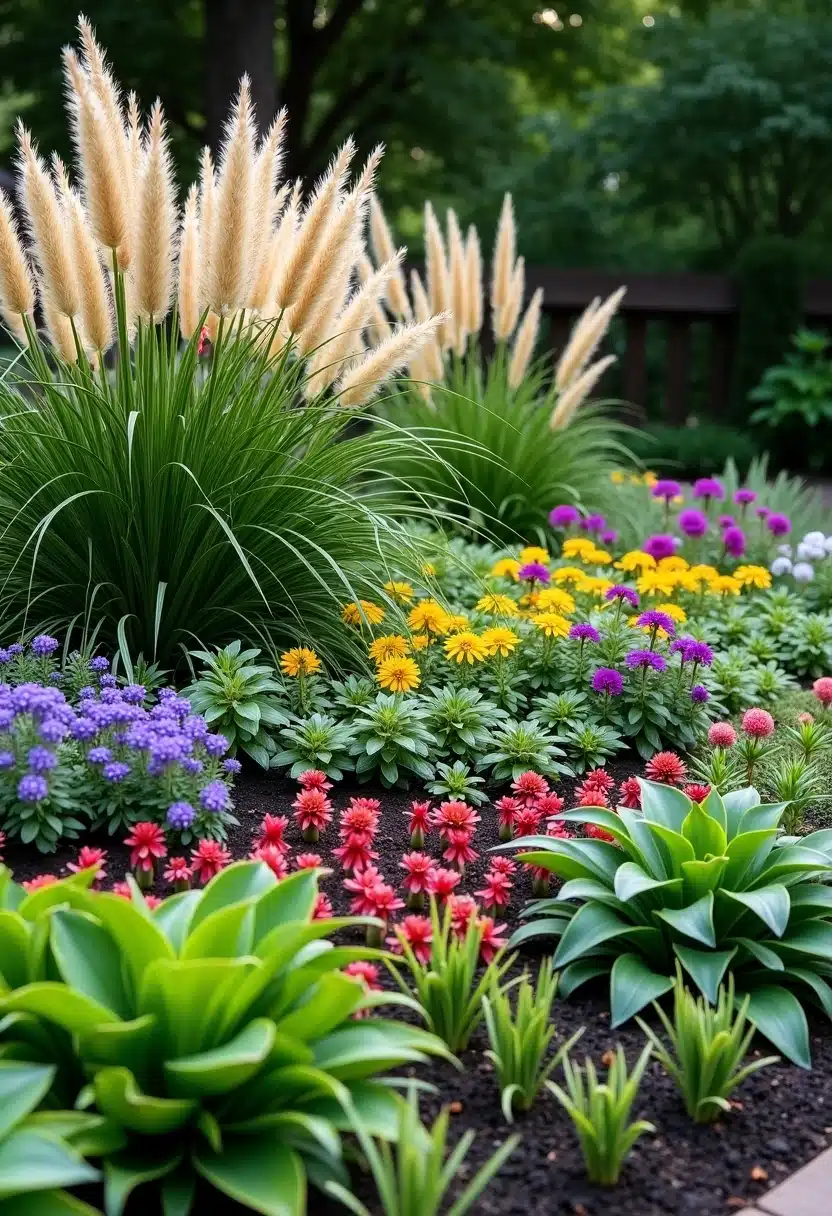
Transforming a small garden into a captivating space means making the most of every inch with artful plant arrangements. By strategically layering plants of varying heights, you create an illusion of depth and space. Start with taller plants at the back, like ornamental grasses or small shrubs, and then work forward with medium-height blooms. Finish with groundcovers or small annuals to fill gaps and add dimension.
Playing with colors and textures further enhances your garden’s visual appeal. Combine contrasting hues, such as purples and yellows, to draw attention while integrating different leaf shapes and surfaces. Mix smooth-leaved plants with those that have a rough texture for a dynamic look. This not only maximizes visual interest but helps each plant to stand out without overcrowding.
Considering these techniques will harmonize beautifully with your garden’s broader aesthetic and contribute to a more cohesive connection between your garden and indoor spaces. Focus on a balanced fusion of height, color, and texture, ensuring each plant has room to thrive. These thoughtful arrangements become focal points, making your tiny garden feel expansive and inviting.
Integration with Indoor Spaces
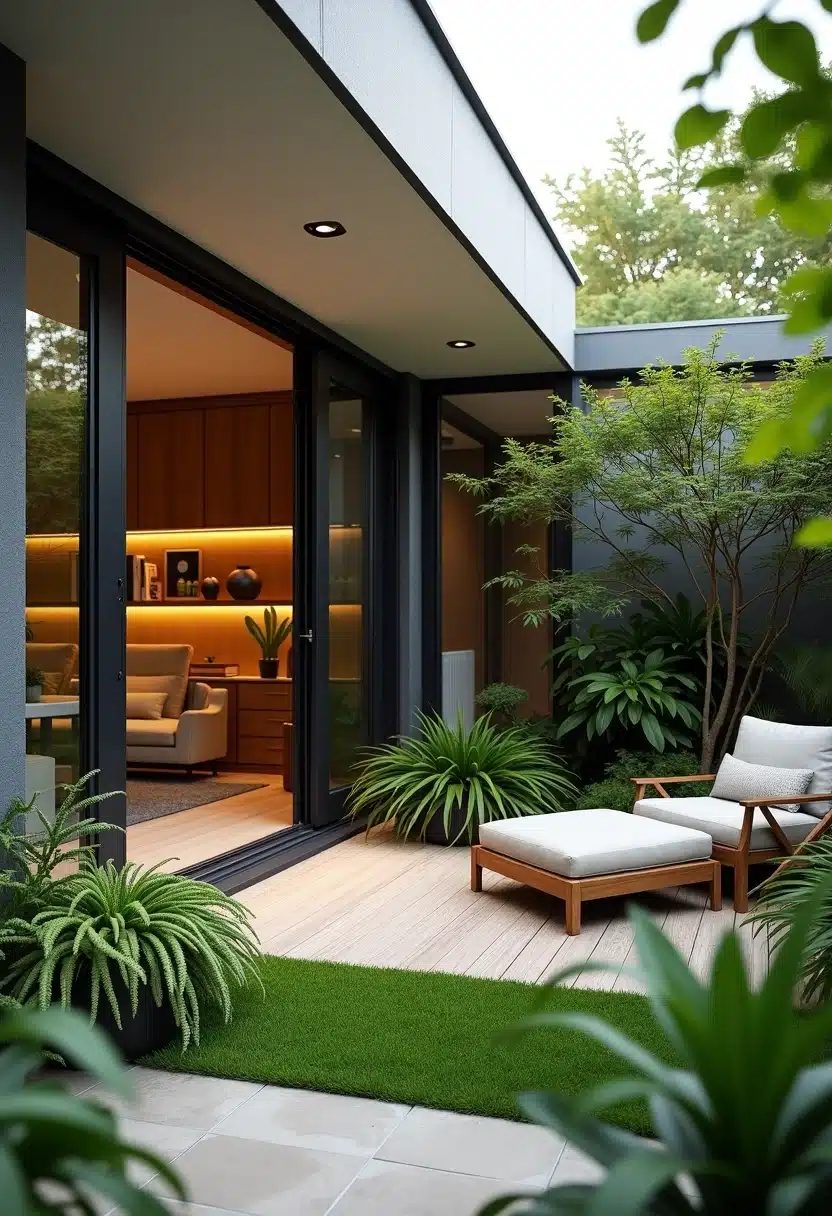
Creating a seamless transition between your home’s interior and a tiny garden can make the space feel larger and more cohesive. Start by using similar decor themes in both areas, like matching colors or materials. This visual continuity bridges the indoors with the outdoors, making the garden feel like a natural extension of your living space.
Choose plants that thrive both indoors and outdoors to create a harmonious flow. For example, consider ferns, succulents, or spider plants that adapt well to various environments. These flexible plants can be placed on window sills or around entryways, connecting your garden effortlessly with indoor spaces.
Design transitional areas to facilitate movement between inside and out. Use sliding glass doors or create a cozy patio nook that feels like part of your home. Incorporate comfortable seating and soft lighting to ensure these spaces are inviting and functional, enhancing the overall garden experience.
Personal Touches
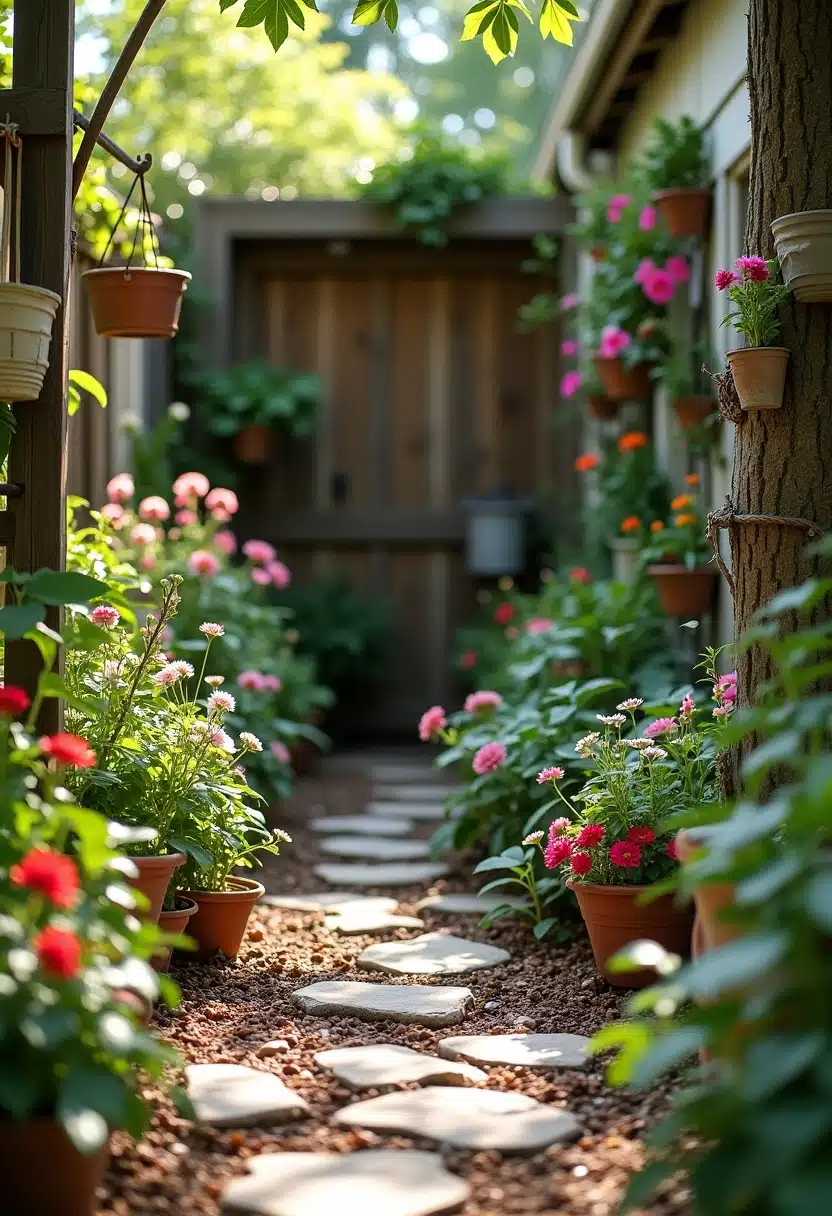
Personalizing your tiny garden can transform it into a unique retreat that mirrors your style and personality. Incorporate DIY décor such as handmade wind chimes, painted rocks, or recycled materials to craft one-of-a-kind accents. These elements not only enhance aesthetic appeal but also provide a platform for self-expression. Choose materials and designs that resonate with your personal taste, ensuring your garden feels welcoming and truly yours.
Consider customizing your garden further with personalized plant labels. Use creative tags or markers that add character while clearly identifying each plant species. Adding meaningful garden art pieces can also make a significant impact. Select sculptures, ornaments, or signs that hold sentimental value or inspiration. These touches can evoke memories and bring joy, creating an intimate space you’ll cherish.
Lastly, engage in the fun of upcycling by transforming everyday objects into garden features. Repurposing items like old teapots as planters or turning an unused ladder into a vertical garden can save space while adding an artistic flair. These creative solutions maximize your garden’s potential, making it a dynamic extension of your personality and lifestyle.
These 30 space-savvy techniques are designed to help you transform your small garden into a flourishing sanctuary. By incorporating elements like vertical gardening, compact furniture, and innovative DIY projects, you’ll maximize every inch of your outdoor space. Experiment with these ideas to create a vibrant, personalized garden retreat that reflects your style and enhances your lifestyle.