How to Effectively Utilize Wood Ash in Your Vegetable Garden


Are you looking for a cost-effective and eco-friendly way to enrich your vegetable garden? Wood ash, a by-product of wood-burning, can be a hidden treasure for your plants! Packed with essential nutrients such as potassium, phosphorus, and calcium, this versatile material plays a significant role in enhancing soil health and plant growth. From balancing soil pH to acting as a natural pest repellent, there are several exciting ways to effectively utilize wood ash in your garden. Let’s explore these innovative techniques to unlock the full potential of your green space!
How to Effectively Utilize Wood Ash in Your Vegetable Garden
Wood ash is often seen as a by-product of burning wood, but its potential as a gardening resource is astounding! This remarkable material is not only an eco-friendly alternative for soil enhancement, but it also provides vital nutrients for your plants. Learning how to effectively utilize wood ash in your vegetable garden can lead to robust growth, healthier plants, and a thriving garden ecosystem. In this guide, we’ll explore the various benefits of wood ash, safe application methods, and tips for incorporating it into your gardening routine.
Understanding the Nutritional Benefits of Wood Ash
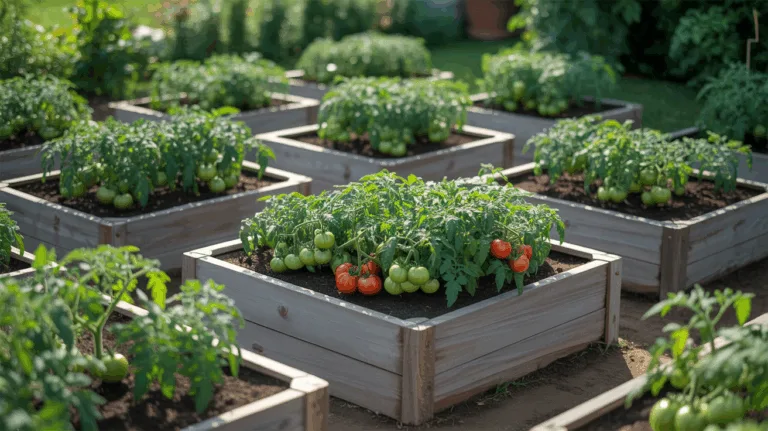
One of the primary reasons to introduce wood ash into your vegetable garden is its rich nutrient profile. Wood ash contains essential elements such as potassium, phosphorus, and calcium, which contribute to overall plant health and growth. Potassium supports flowering and fruiting, while phosphorus aids in root development. Calcium, on the other hand, works wonders in preventing blossom end rot in crops like tomatoes. But before you start adding wood ash to your soil, it’s crucial to understand its properties and the appropriate way to apply it.
Testing Your Soil
Before introducing wood ash to your garden, it’s essential to conduct a soil test. This will help you determine the current pH and nutrient levels in your soil. Wood ash can raise soil pH, making it more alkaline, so it’s best applied to mildly acidic soils. Most vegetables thrive at a pH between 6.0 and 7.0, so knowing your soil composition will guide your application rate to avoid any potential issues.
Application Methods for Wood Ash
When it comes to incorporating wood ash in your garden, moderation is key. Aim to sprinkle a thin layer of ash over the surface of your soil or mix it lightly into the top layer. A general rule of thumb is to use about 15 to 20 pounds of ash per 1,000 square feet of garden space. Remember to space out the application over the growing season to avoid overwhelming your plants with sudden pH changes. Mixing wood ash with other organic materials like compost can enhance its benefits, providing nutrients that promote microbial activity.
Using Wood Ash as a Pest Deterrent
In addition to enriching your soil, wood ash can serve as an excellent natural pest repellent. Sprinkling wood ash around the base of plants can deter soft-bodied insects like slugs and snails. These pests will be less likely to cross the gritty texture of the ash, allowing your plants to thrive without unnecessary competition for resources. It’s a win-win situation that aligns with sustainable gardening principles!
Cautionary Considerations
While wood ash can provide numerous benefits, it’s essential to know which plants will thrive with its presence. Acid-loving plants such as blueberries should be avoided when applying wood ash, as the alkaline effect could harm them. Furthermore, excessive application can lead to nutrient imbalances in your soil. Always monitor your plants and soil conditions to gauge the effects of your wood ash usage.
Incorporating Wood Ash into Compost
Another innovative way to use wood ash in your vegetable garden is by adding it to your compost pile. A small amount of ash can help balance the acidity of your compost materials and create a more balanced, alkaline compost that supports healthy growth for your vegetable plants. As you layer your compost, incorporate a few handfuls of wood ash for every 6 inches of organic material.
Conclusion
With the right knowledge and application techniques, wood ash can become an invaluable asset in your vegetable garden. The contributions of this natural material will lead to flourishing plants while promoting sustainable practices in your gardening endeavors. Explore more ways to maximize your gardening practices by discovering the secret gardening hacks that can elevate your gardening experiences even further!
How to Effectively Utilize Wood Ash in Your Vegetable Garden
Wood ash is often an overlooked resource that can bring a wealth of benefits to your vegetable garden. This natural by-product from burning wood contains essential nutrients like potassium, phosphorus, and calcium that can significantly enhance soil health and plant growth. By incorporating wood ash correctly, you can create a thriving garden environment that supports a variety of vegetables.
One of the primary uses of wood ash is as a natural fertilizer. It can help to raise the soil pH, making it more alkaline, which is beneficial for certain vegetables such as tomatoes and carrots. However, it’s crucial to know your soil’s pH level before applying wood ash. Excess ash can lead to overly alkaline conditions, so a careful and measured approach is necessary for optimal results.
Moreover, wood ash acts as a natural pest deterrent. Sprinkling wood ash around plants can create a barrier against slugs and snails, helping to protect your delicate seedlings. This eco-friendly method reduces the need for harmful chemicals, making it an excellent choice for organic gardening enthusiasts.
In addition to pest control, mixing wood ash into your compost can not only help balance acidity but also enrich your compost with vital nutrients, enhancing its overall quality. To maintain soil health, it’s advisable to apply only small amounts of wood ash periodically rather than in large quantities all at once.
Finally, remember that wood ash should be sourced from clean, untreated wood, as contaminants can negatively impact your garden. By leveraging the benefits of wood ash thoughtfully and responsibly, you can unlock its potential to nourish your vegetable garden, paving the way for a bountiful harvest.