The Earthworm: A Vital Organism for Our Planet’s Health


In a world often captivated by the larger and more visually striking creatures, the humble earthworm operates silently beneath the surface, playing a pivotal role in nurturing the health of our planet. These small but mighty organisms contribute immensely to soil fertility and ecosystem balance, making them indispensable allies in the sustainability of our environment.
In the grand tapestry of our ecosystem, the humble earthworm plays a starring role. Often overlooked, these subterranean creatures are pivotal to enhancing soil health, supporting plant growth, and facilitating ecosystems’ sustainability. This article delves into the multifaceted roles of earthworms, illustrating their critical importance in aerating the soil, enhancing fertility, and reducing soil erosion, which altogether underscores their indispensable role in our planet’s ecological balance.
Earthworms: Engineers of Soil Aeration
Earthworms are nature’s master architects of soil structure. By burrowing through the earth, these creatures create intricate networks of tunnels. These passageways allow air to penetrate the soil, promoting aeration and improving water retention. This not only enhances root penetration but also boosts microbial activity essential for a healthy soil ecosystem. Whether they are endogeic earthworms creating horizontal burrows or anecic types digging deep vertical channels, their work ensures that our soils remain vibrant and full of life.
Crucial Contributors to Soil Fertility
The fertility of the soil is greatly enhanced by the natural activities of earthworms. As they consume organic matter—whether it’s fallen leaves, decaying roots, or animal manure—they process this material within their bodies and excrete it as castings, which are rich in nutrients. This process not only recycles nutrients and enhances the availability of essential minerals like nitrogen and phosphorus but also contributes to the formation of humus, a critical component in fertile soil. This continuous recycling of organic waste is what sustains the ongoing fertility of our agricultural and natural landscapes.
Combating Soil Erosion
The structure of the soil is significantly stabilized by the actions of earthworms. Their burrows help anchor the soil, thus reducing runoff and erosion caused by heavy rains and wind. By increasing the soil’s porosity through their tunneling activities, earthworms facilitate water infiltration, reducing surface runoff and limiting the wash away of topsoil. This not only prevents loss of fertile land but also helps maintain the natural landscape and supports diverse life in various ecosystems.
Earthworms: Unsung Heroes in Mitigating Climate Change
Amidst global climate concerns, the role of earthworms extends beyond just soil maintenance. By helping to bury carbon deeper within the earth, they play a part in sequestering carbon dioxide. This directly impacts our atmosphere, providing a natural means of mitigating the effect of greenhouse gases. Additionally, the improvement of soil structure through their activities leads to healthier plant growth, which further contributes to carbon capture, completing a crucial natural cycle that benefits the global environment.
Threats to Earthworm Populations
Despite their essential roles, earthworm populations face significant threats from several fronts, including the use of chemical pesticides and fertilizers, heavy tilling of the soil, and habitat destruction. Notably, the introduction of invasive species such as the Asian jumping worms has disrupted local ecosystems, altering soil structure and nutrient cycles detrimentally. These challenges not only threaten earthworm populations but also the broader ecological benefits they provide. Understanding and mitigating these threats is crucial for preserving the health of our planet.
Gardening and Agricultural Practices to Support Earthworms
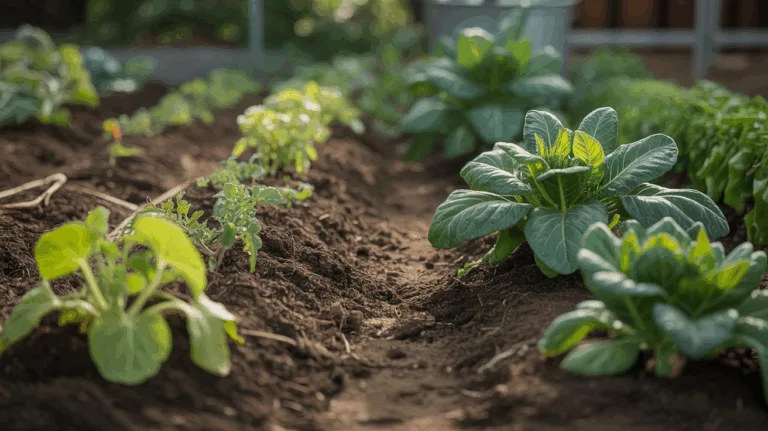
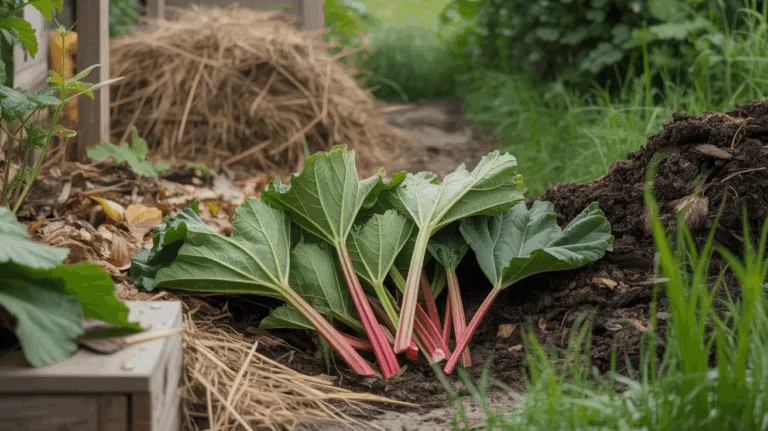
Supporting and enhancing earthworm populations can be effectively achieved through sustainable gardening and farming practices. Methods such as reducing tillage, maintaining organic mulch layers, and avoiding chemical pesticides enhance earthworm habitats. In addition, incorporating organic matter like compost into the soil not only provides nourishment for earthworms but also promotes overall soil health. For garden enthusiasts, now is a prime time to consider whether you can still mulch your garden this fall to support these vital organisms.
By understanding and promoting the health of earthworms, we contribute directly to the sustainability of our planet’s ecosystems. As simple as it may seem, these creatures offer profound solutions to some of today’s most pressing environmental issues.
The Earthworm: An Unsung Hero in Our Ecosystem
While often overlooked, the humble earthworm is a powerhouse in maintaining the health and sustainability of our planet’s ecosystems. These small yet mighty creatures play a critical role in enhancing soil fertility and structure. Earthworms, through their tireless burrowing and feeding activities, create extensive networks of tunnels. These tunnels not only improve soil aeration and drainage but also facilitate the deep penetration of plant roots, allowing for stronger and healthier plant growth.
Furthermore, earthworms are instrumental in the natural cycle of decomposition and nutrient cycling. Their diet includes a variety of organic matter, which they consume and then excrete as castings. These castings are rich in essential nutrients like nitrogen, phosphorus, and potassium, making them an excellent organic fertilizer. The effect is a significantly enriched soil, which benefits agricultural productivity without the need for chemical fertilizers that can harm the environment.
It’s crucial to recognize and protect the invaluable role of earthworms in supporting our agricultural systems and natural habitats. Promoting practices such as organic farming, reducing pesticide use, and conserving natural landscapes helps sustain earthworm populations and their positive impact on soil health. As we continue to face global environmental challenges, fostering these naturally occurring processes is more important than ever. Thus, the earthworm, although small and often unseen, is indeed a vital organism essential for the health of our planet.